

2022 Honda City 1.5V Sensing Review

 Share
Share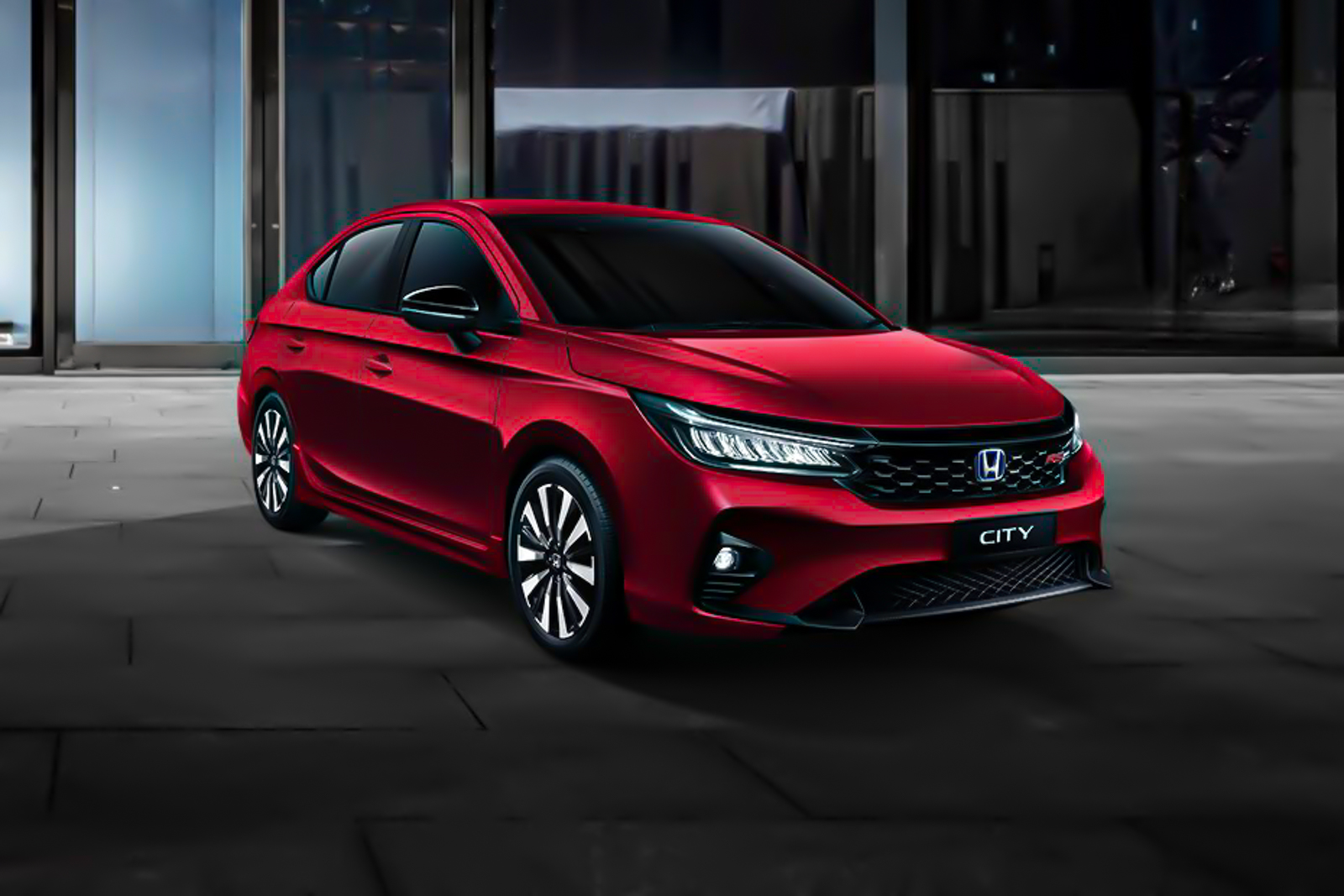
 Segment
 Body Type
 Capacity(L)
 Engine Power(PS)
 Transmission
 Driven Wheels
With the intensified competition in Malaysia's B-segment sedan market, consumers have increasingly high expectations for well-rounded models—they need to be fuel-efficient for daily commuting, equipped with sufficient safety features, and spacious enough to meet family needs. The 2022 Honda City 1.5V Sensing positions itself in the market with its core selling points of "high safety + practical features" in response to these demands. In this test drive, we primarily aimed to verify whether its features are truly practical, if its power and fuel consumption are in line with household needs, and to assess the actual experience of the Sensing safety system.
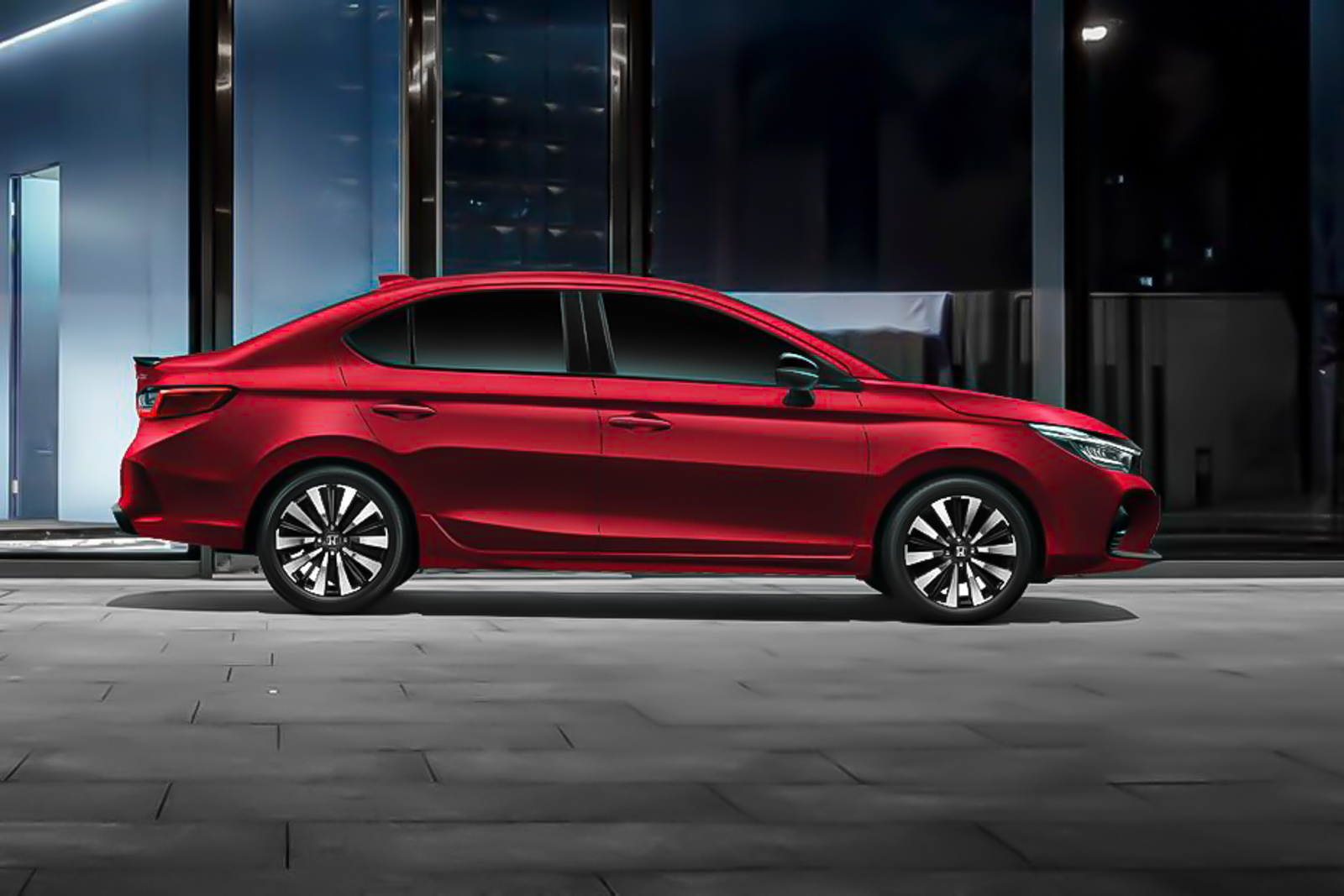
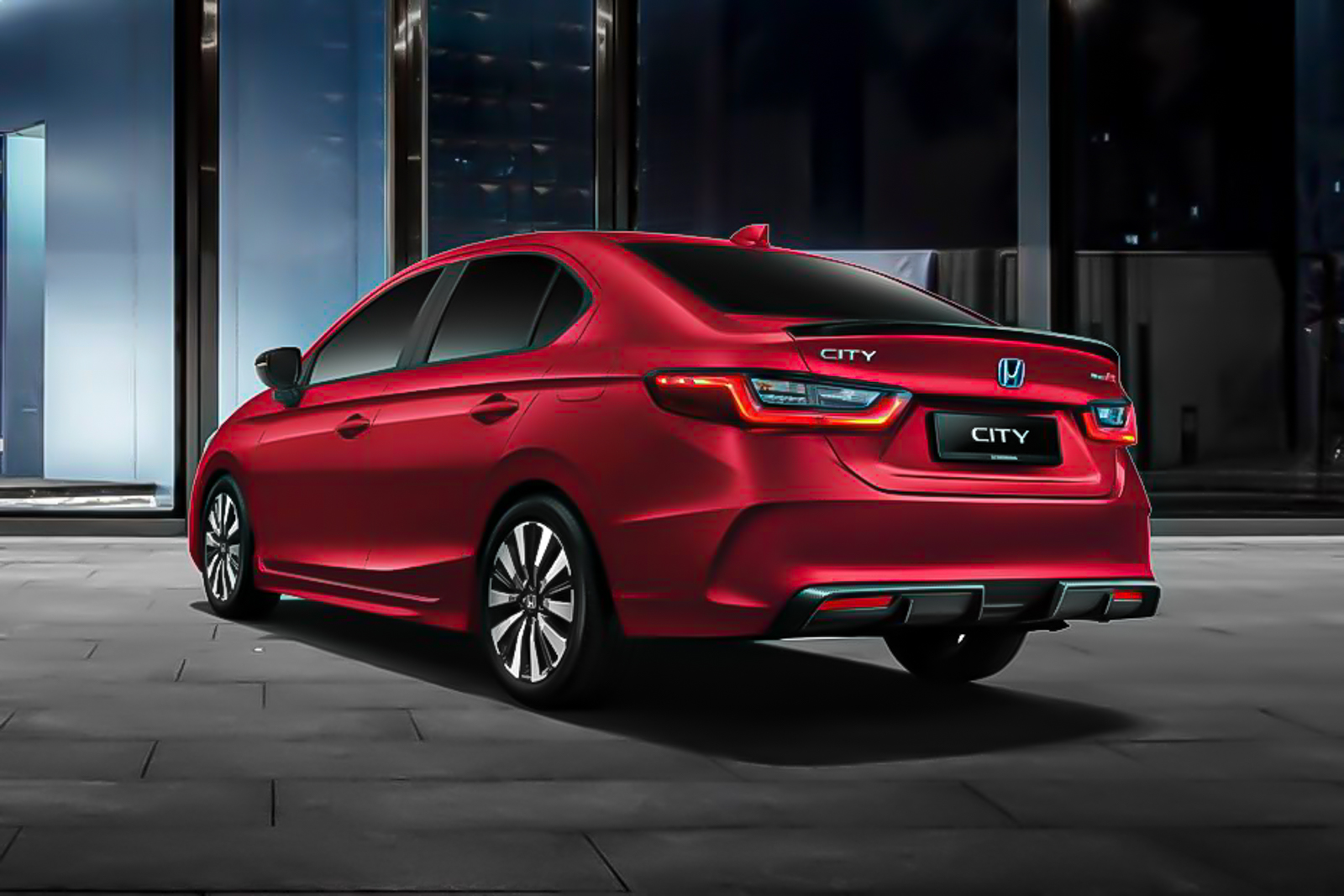
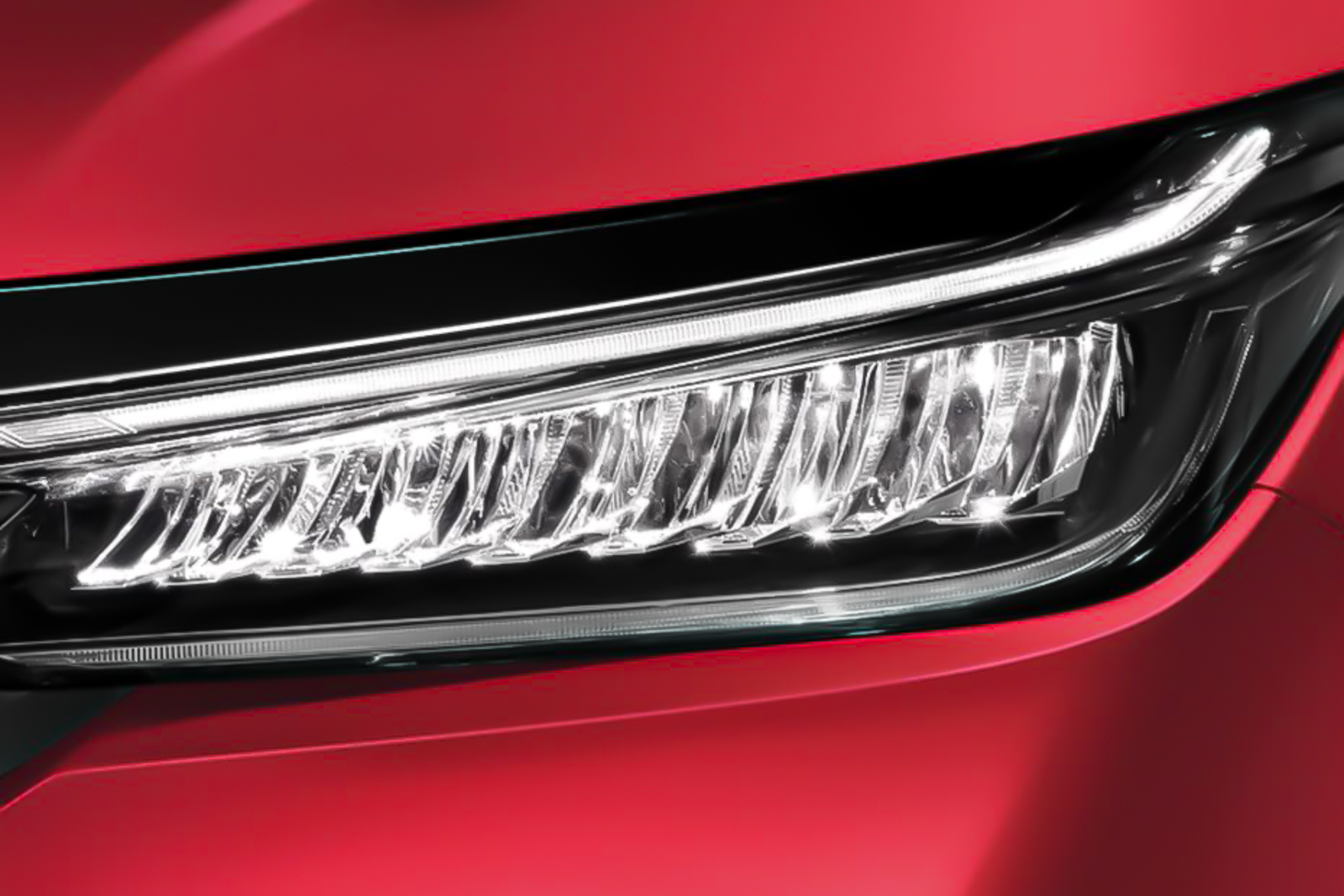
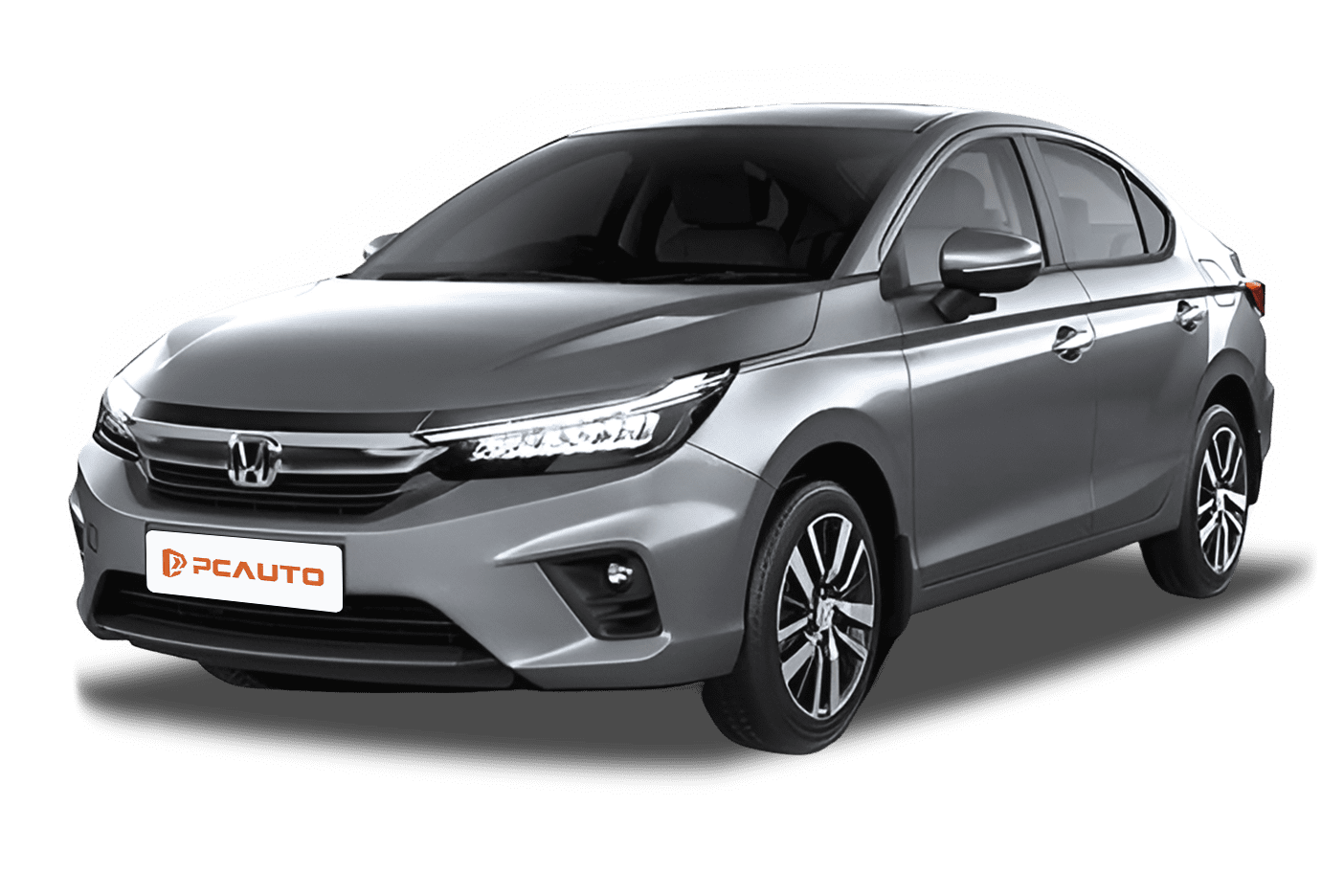
From the exterior, the overall style of this City leans towards youthful but not overly ostentatious. The front grille adopts Honda's signature chrome strip, connecting the LED headlights on both sides and visually broadening the width. The lower air intake grille features a black honeycomb design, giving it a sportier look compared to the previous model. The side profile of the car is sleek, with a waistline extending from the front to the rear, paired with 16-inch multi-spoke wheels, offering sufficient recognizability for daily driving. At the rear, the LED taillights adopt a smoked treatment, with a slender chrome strip in the middle connecting them. A small spoiler on the trunk lid adds a touch of sportiness. The lighting system is worth mentioning, as the LED automatic headlights are highly responsive, turning on automatically in tunnels or at dusk, while the front fog lights perform well in terms of visibility during rainy seasons.
Inside the cabin, the interior layout is simple and organized, with the center console angled slightly towards the driver, making it easy to operate. As for materials, the upper part of the dashboard is made of soft-touch plastics, while the middle is accented with silver trim. Although it doesn’t provide much luxury, it doesn’t feel cheap to the touch. The 8-inch touchscreen infotainment system is one of the core features, with a clear interface and relatively fast response time. Coupled with the 8-speaker Sound Plus system, the audio quality is sufficient for daily music listening. The multifunction steering wheel comes with paddle shifters and feels comfortable to hold. The instrument cluster is a digital-analog hybrid display that provides comprehensive information, including fuel consumption, speed, and safety system status.
The configuration includes many practical details: keyless entry and start eliminate the hassle of taking out the key; the front row features a single-zone automatic air- conditioning, and the back row has independent air vents, which keep the rear passengers cool during hot summers. There's also a 220V power outlet in the front row, making it convenient to charge a laptop occasionally. The seats are manually adjustable but provide good support, and the rear seats can be folded down in a 60:40 split. Once folded, they connect with the trunk, making it very practical for carrying large items.
The space performance meets the expectations for a B-segment vehicle. The car body measures 4,553mm in length with a wheelbase of 2,600mm. With the front seats adjusted to a comfortable position, there is about two fists of legroom in the rear, making it roomy enough for three adults without feeling cramped. The trunk capacity is 519 liters, sufficient for two suitcases or a baby stroller for daily use. In terms of storage compartments, the door panels have slots that can hold two bottles of water, and there’s a storage box below the center console, which is convenient for placing phones or wallets.
Under the hood, it is powered by a 1.5L naturally aspirated engine, delivering a maximum horsepower of 121PS and peak torque at 4,300rpm. Paired with a CVT transmission, the initial power delivery isn’t particularly strong but offers excellent smoothness, which is more than enough for daily commutes. When accelerating hard, the transmission simulates shifts. Although it lacks the burst of power of turbocharged engines, the power response is still prompt during overtaking as long as you accelerate in advance. The official combined fuel consumption is 5.4L/100km. In this test drive, which included mostly urban roads with some highway sections, the actual fuel consumption was about 5.8L/100km, which is very fuel-efficient for a family car.
In terms of handling, the steering is precise with minimal play, and the car's body follows well when cornering. The suspension features front MacPherson strut independent suspension, tuned for comfort. It absorbs most of the vibrations when going over speed bumps or rough roads, without causing a significant sense of bumpiness. At high speeds, the car feels stable and doesn't experience a floating sensation.
The Sensing safety system is a highlight of this car, and its practical performance through actual experience is impressive: the forward collision warning alerts you when you're too close to the vehicle ahead, and the automatic braking function intervenes in emergencies to avoid or mitigate collisions; the lane departure warning sounds an alert when the vehicle crosses the lane line, and its lane-keeping capability is quite good; the lane-change assist lights up to warn you of vehicles in your blind spot when changing lanes, reducing the risk. Six airbags, along with rear parking sensors and a reverse camera, provide a strong sense of security during daily parking or driving.
In terms of driving comfort, noise control is well-executed, as wind and tire noise at high speeds are not overly noticeable and will not affect conversations within the car. The seats provide decent support and wrapping, making them comfortable even for long drives. For energy recovery, as this is a fuel-powered car, it does not have the energy recovery of electric vehicles, but the smoothness of the CVT itself greatly enhances comfort.
In conclusion, the core advantages of the 2022 Honda City 1.5V Sensing are evident: comprehensive safety features, a highly practical Sensing system, sufficient space, and low fuel consumption, making it suitable for daily family use. The detailed configurations are very practical, such as rear air conditioning, a 220V power outlet, and keyless entry. Compared with competitors like the Toyota Vios or Proton Persona, it stands out in terms of safety features and spaciousness. The price of RM94,900 is also relatively affordable.
This car is clearly targeted at: families who value safety and fuel efficiency, or office workers for daily commuting. It does not excel in sporty performance, but its overall balance is excellent, meeting every need for daily use. If you're looking for a fuel-efficient, safe, and practical family sedan, the City 1.5V Sensing is worth considering.
Honda City Car Compare
Honda City Loan Calculator
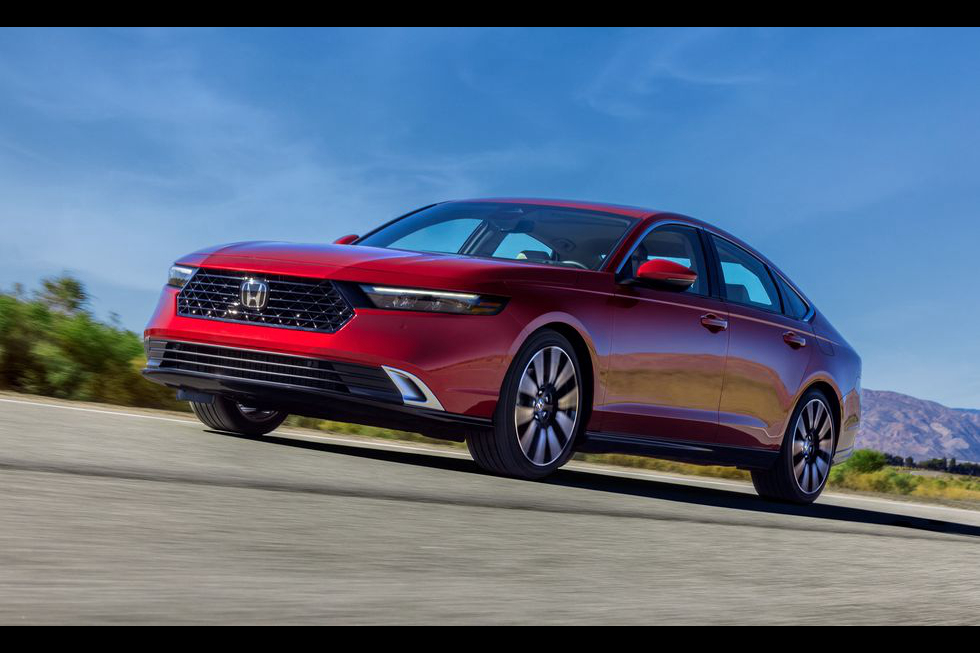
Cars With Similar Price And Features
6
Rank in Sedan
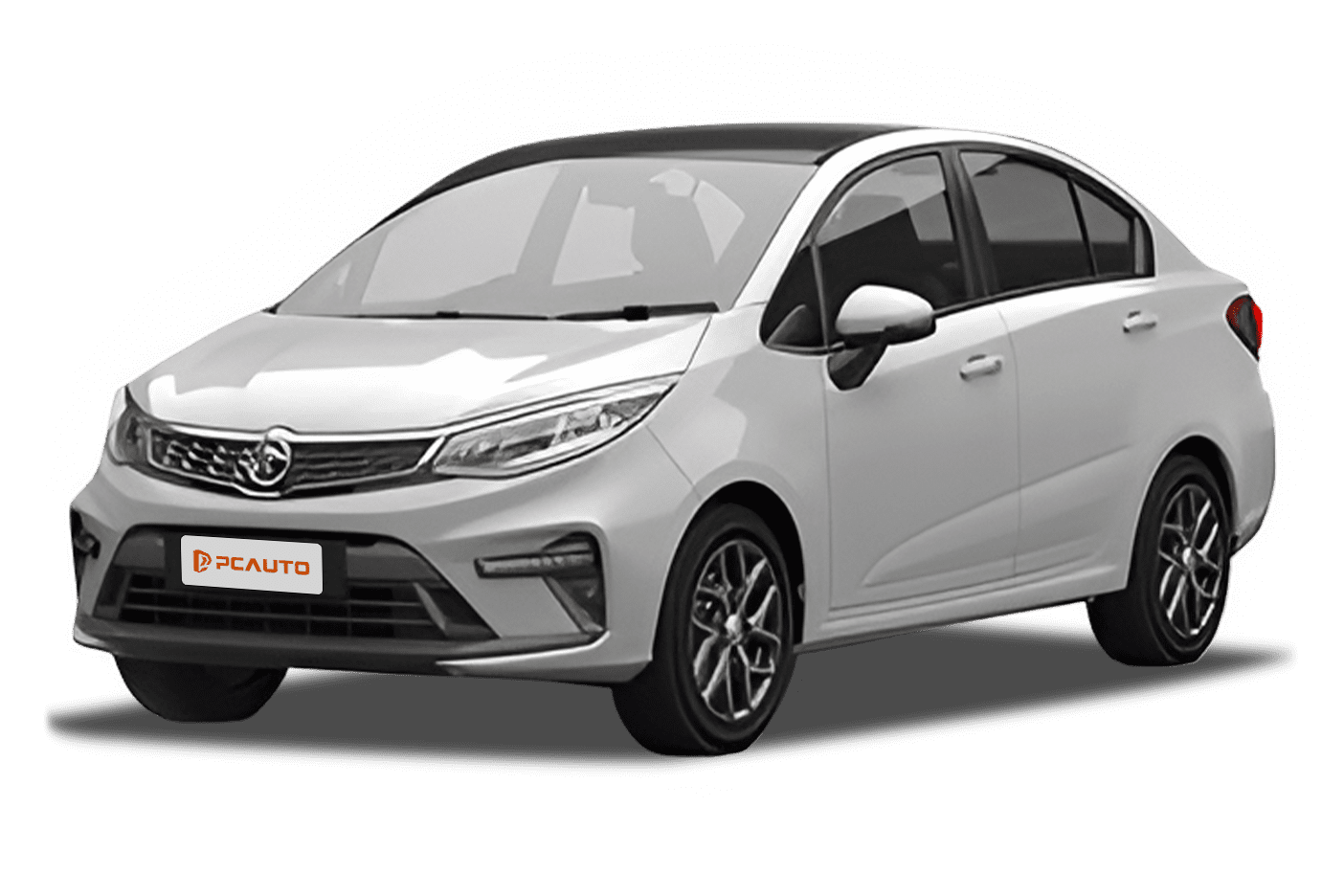
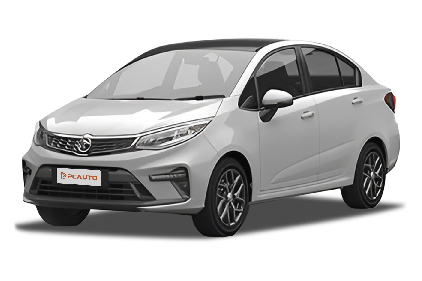
2023 Proton Persona 1.6 Standard CVT is an affordable, safety-configured entry-level family sedan with practical space, balancing daily commuting and family needs.
18
Rank in Sedan
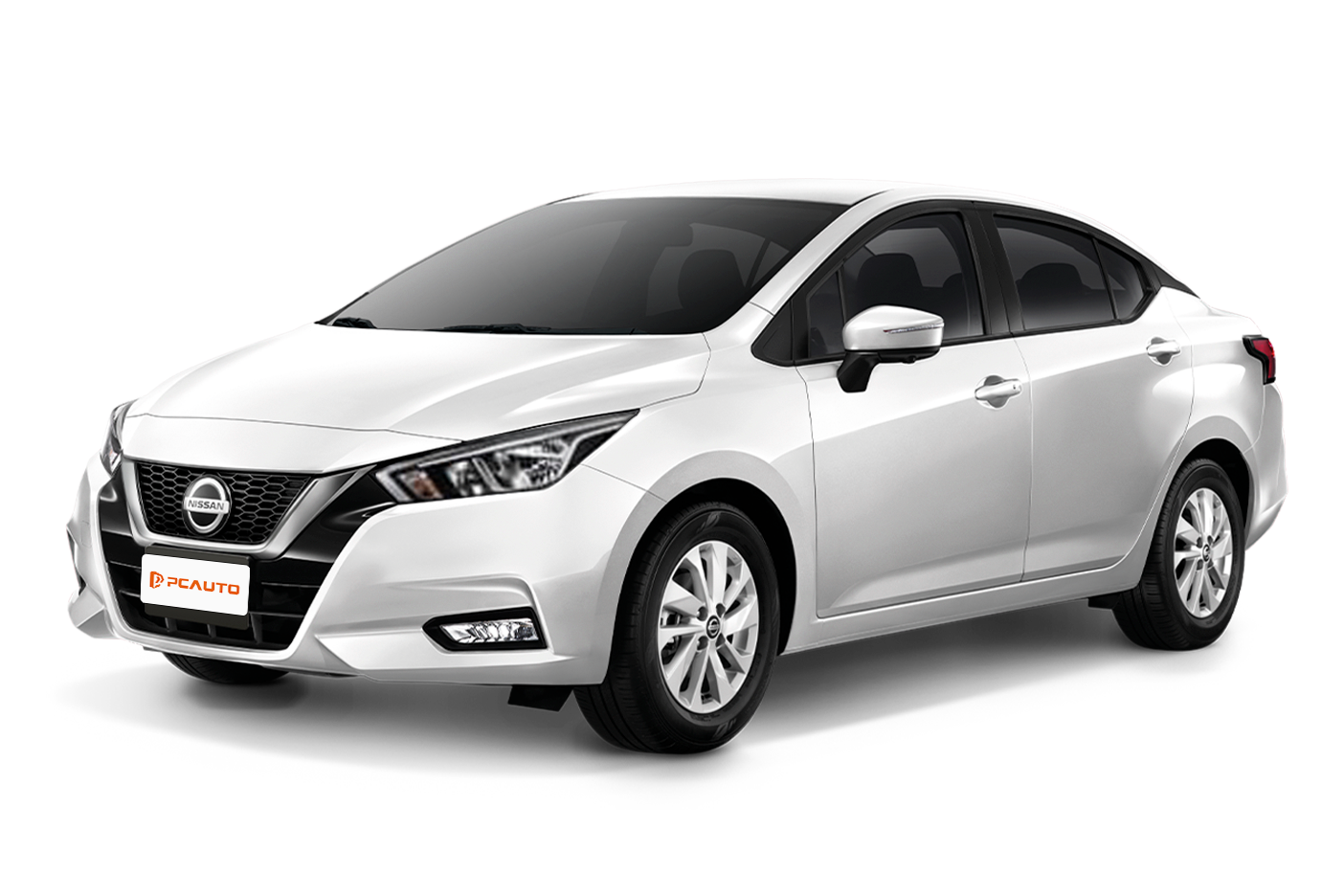
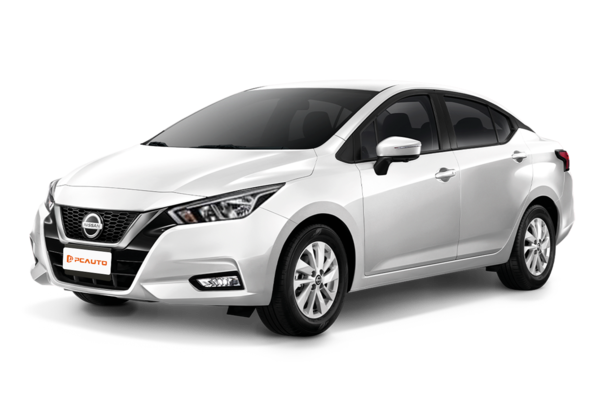
The 2024 Nissan Almera 1.0L Turbo VL is an affordable, practical, fuel-efficient, and well-equipped mid-size family sedan designed for consumers who value hassle-free commuting and family needs.
5
Rank in Sedan
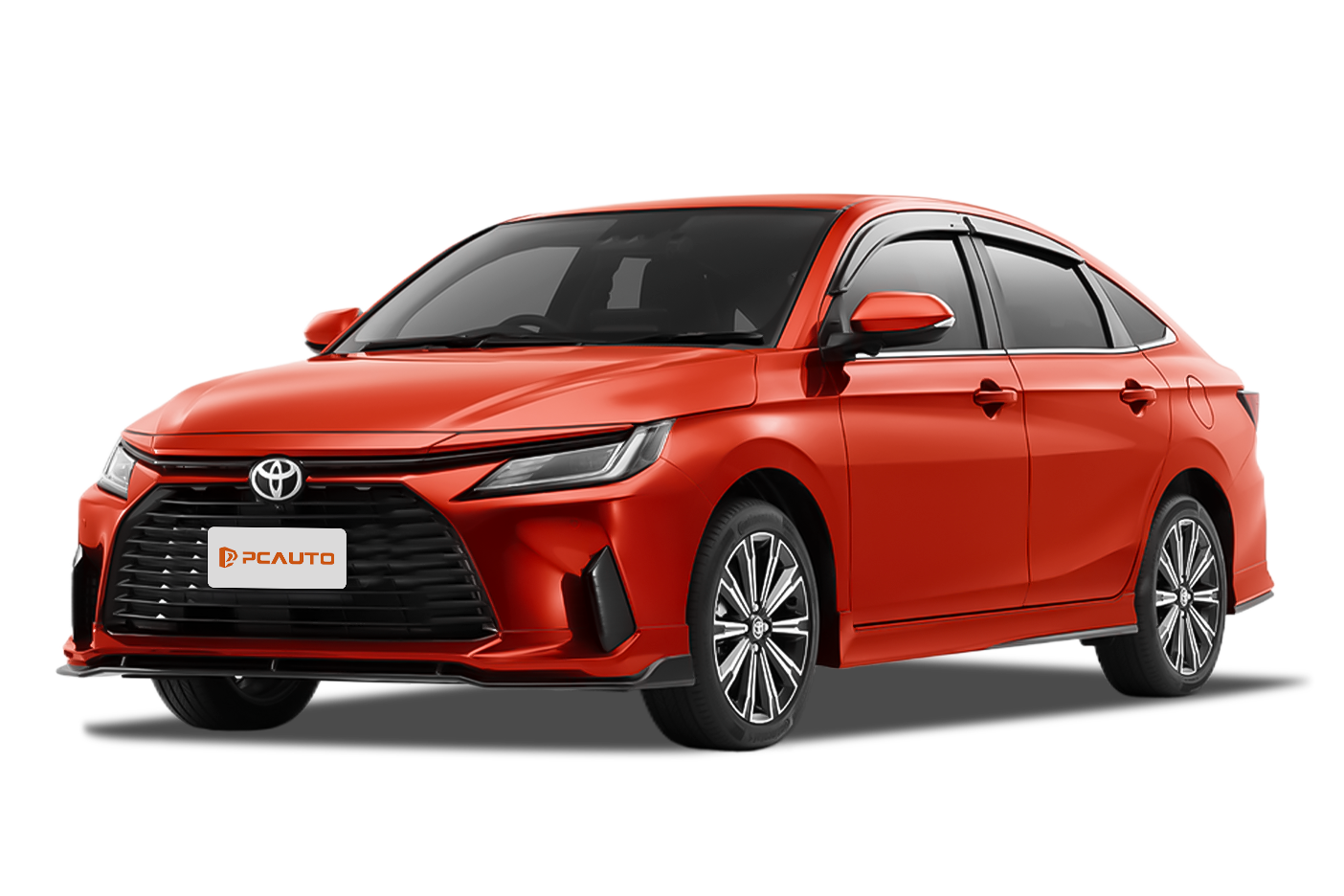
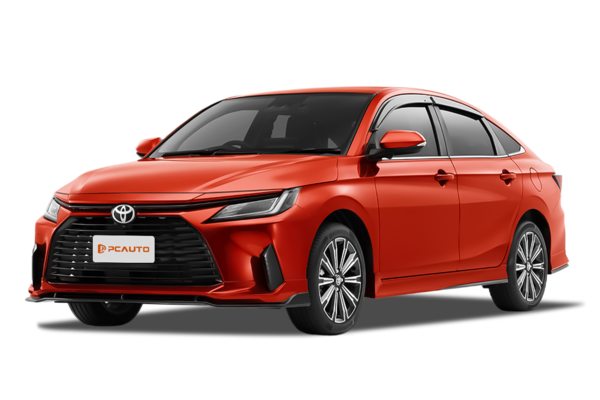
2023 Toyota Vios 1.5E AT, as a mid-range model in the facelift, with features such as the TSS Intelligent Safety System, HUD, and other high-end features being made available, along with balanced space and fuel efficiency, making it a high-value B-segment sedan choice in Malaysia.
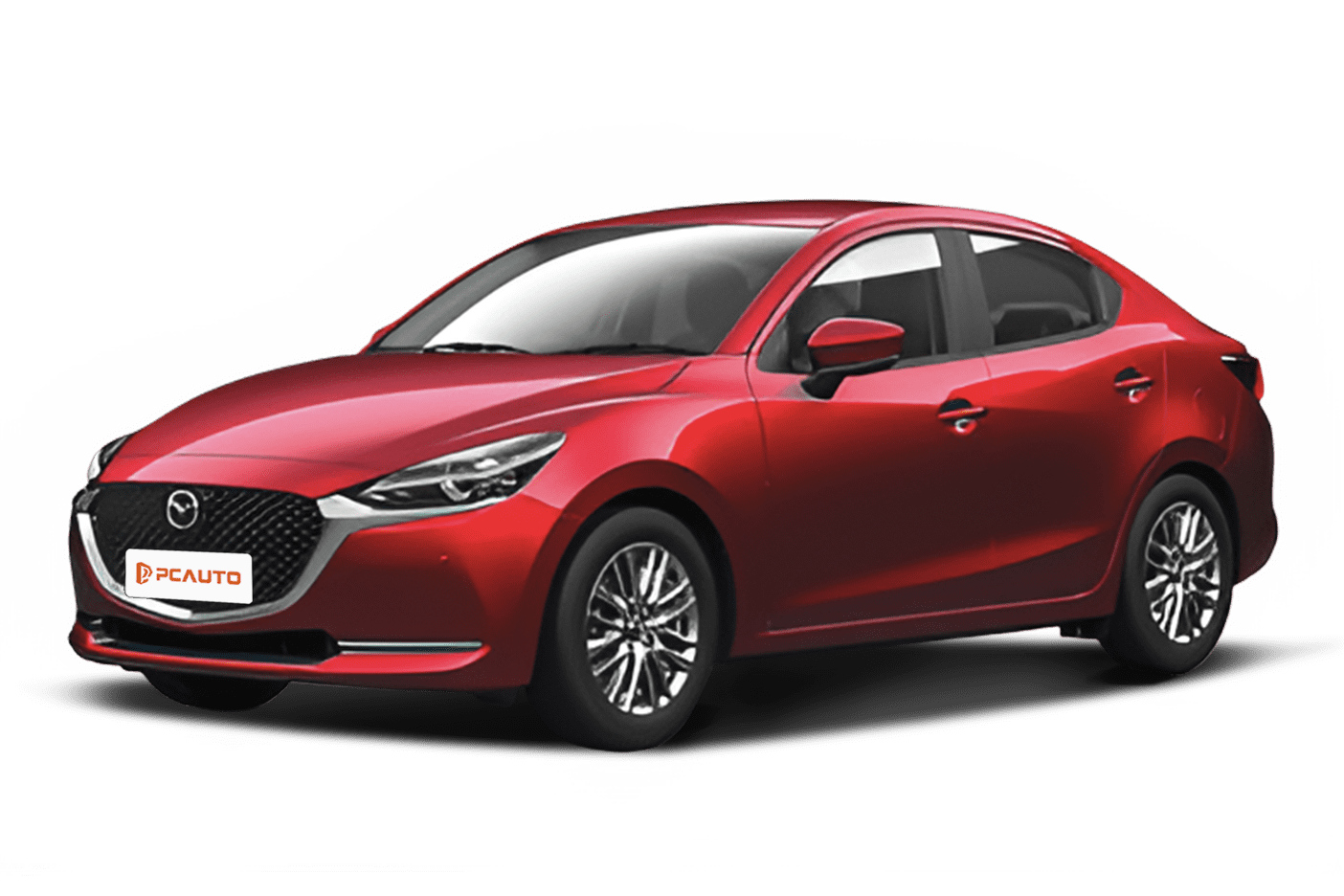
2023 Mazda 2 Sedan 1.5L is a family sedan that balances driving dynamics and practical features, with a price slightly over 100,000 MYR, making it suitable for urban commuting needs.