

2022 Honda City Hatchback RS e:HEV Review

 Share
Share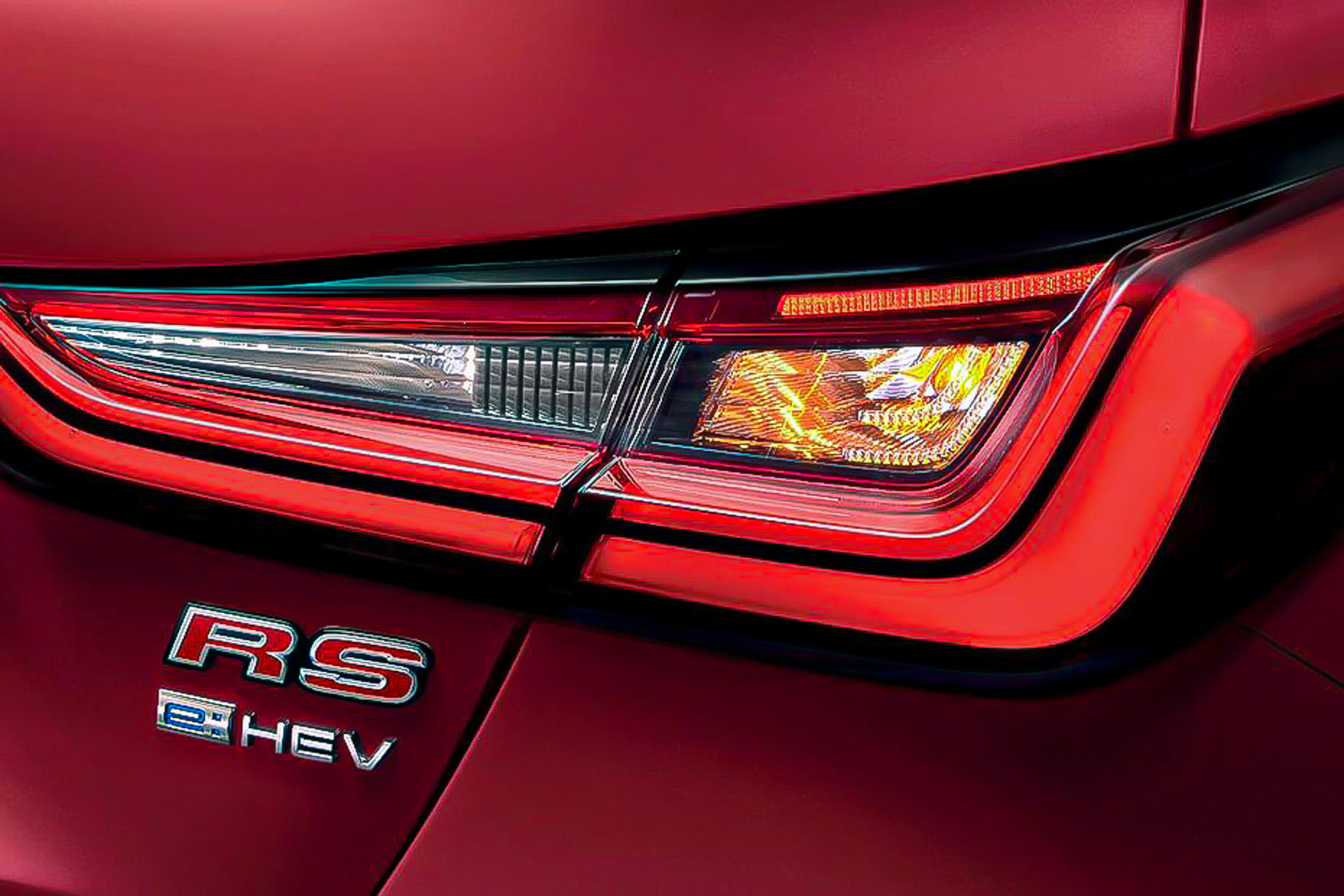
 Segment
 Body Type
 Capacity(L)
 Engine Power(PS)
 Engine Torque(Nm)
 Transmission
In Malaysia's B-segment market, the demand for high cost-performance, fuel efficiency, and practicality has always dominated. Since its introduction, the Honda City Hatchback series has established a solid foothold with its balanced performance. The 2022 RS e:HEV, as a hybrid version, combines fuel efficiency with the RS sporty appearance, making it a popular choice in the segment. This test drive focuses on evaluating the actual performance of its hybrid system, the rationality of the RS kit design, and whether its space and configurations meet the needs of family users in daily use.
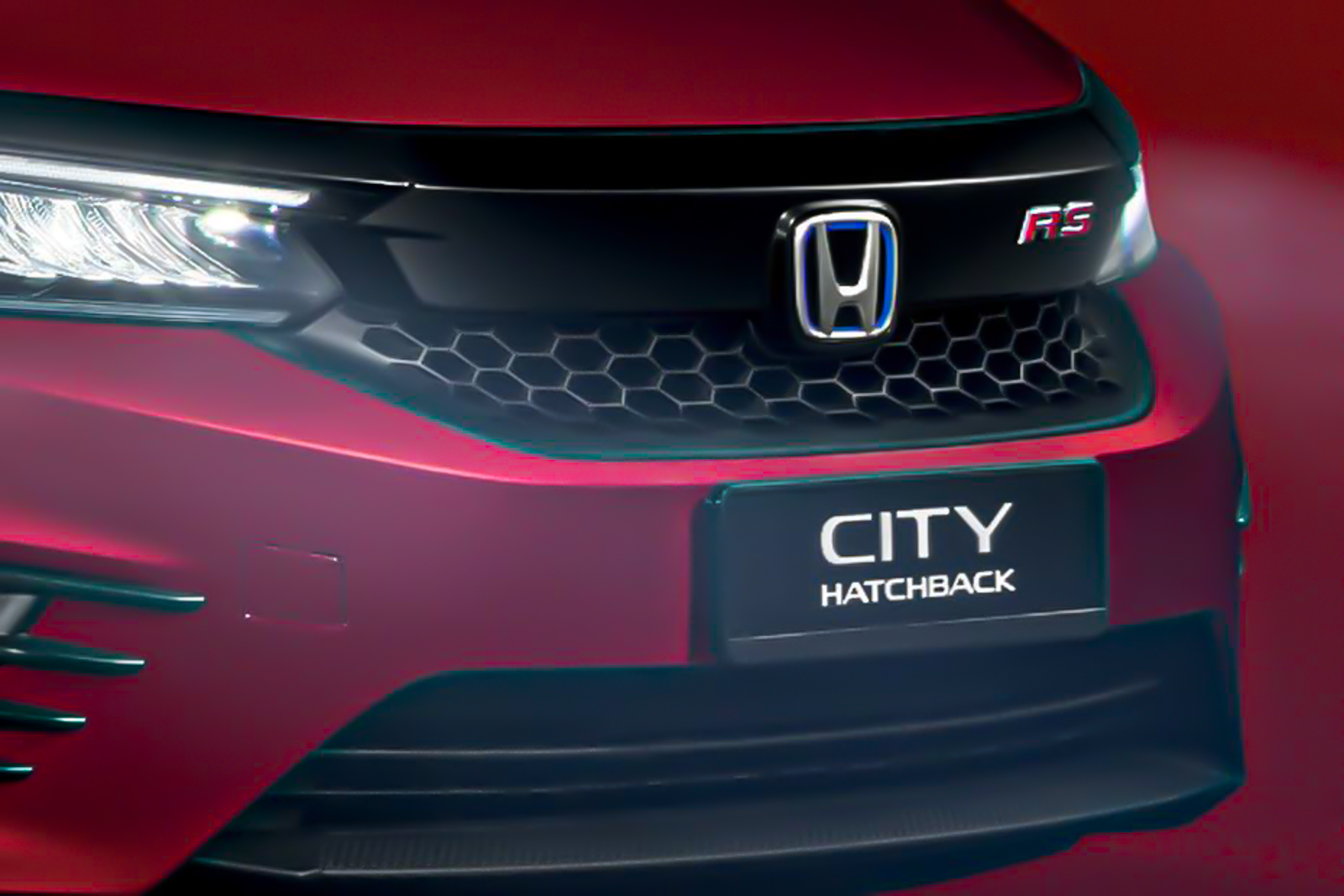
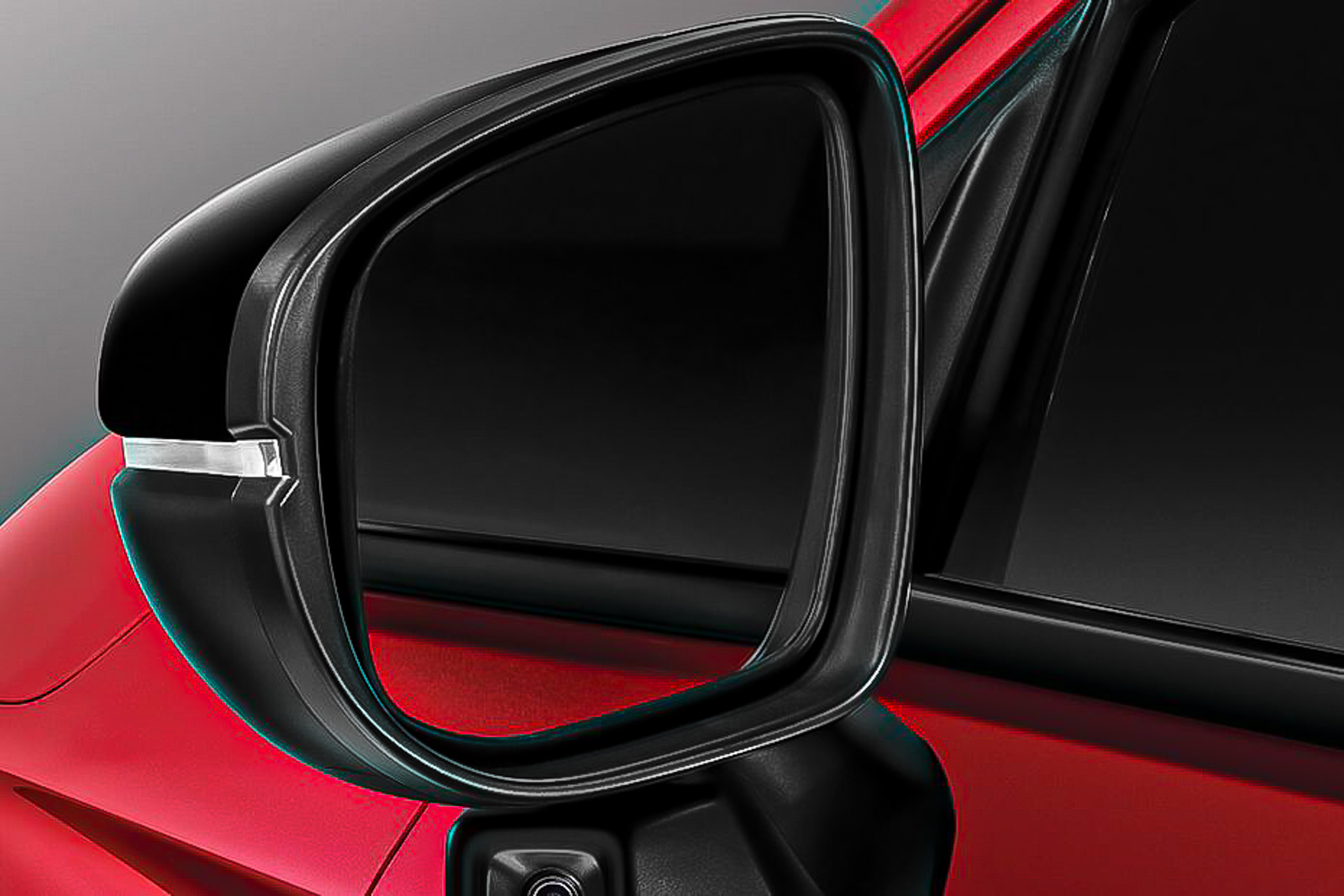
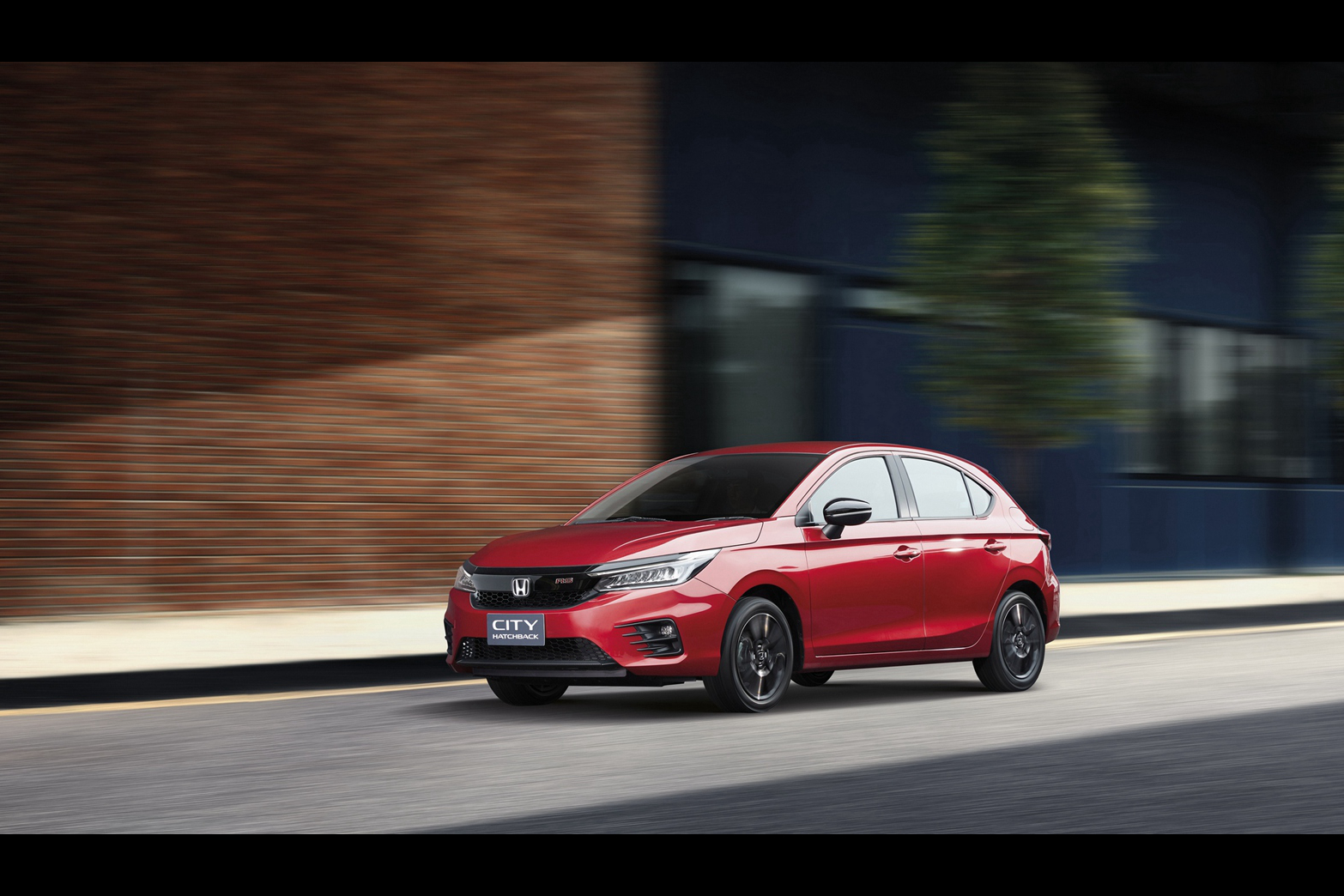
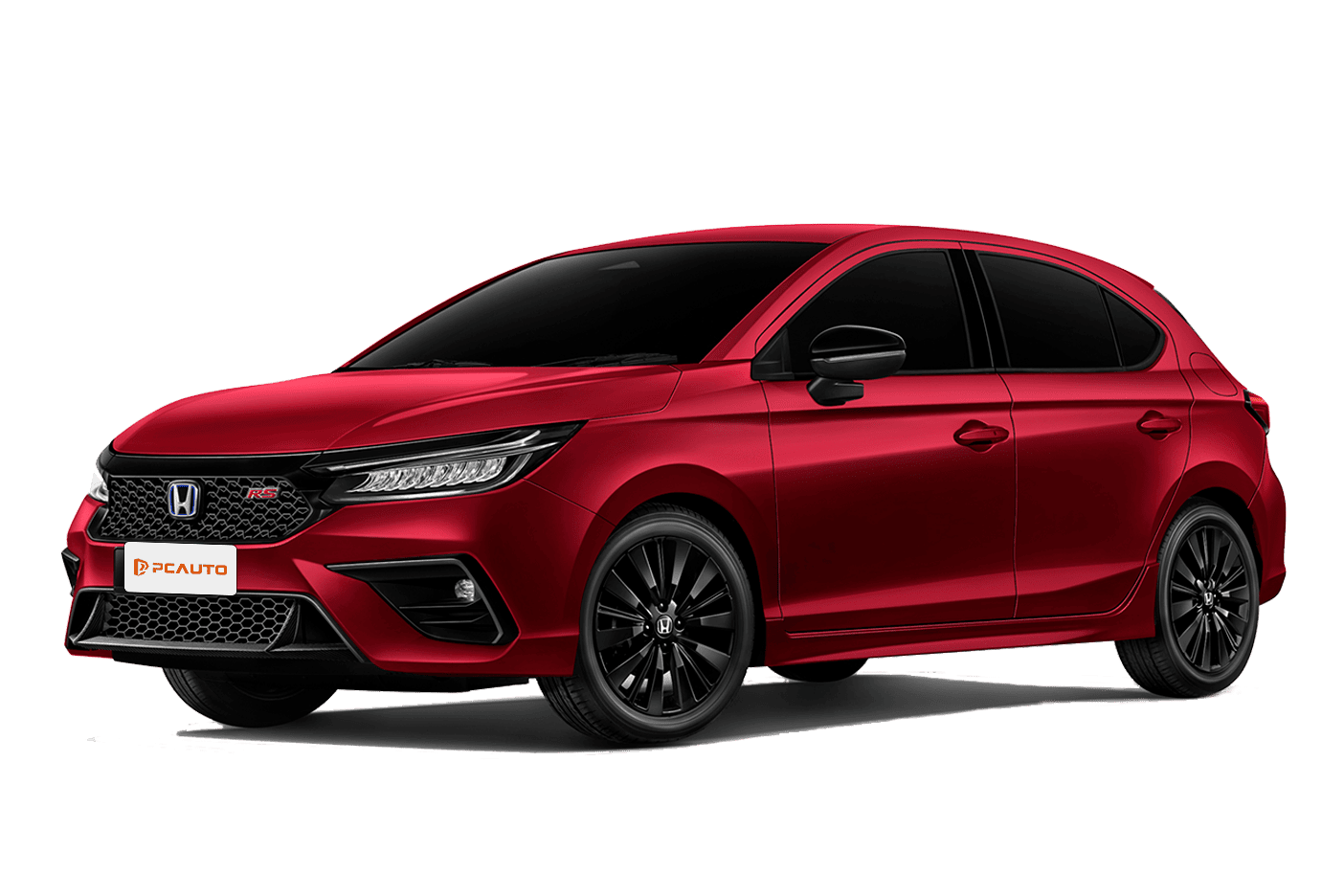
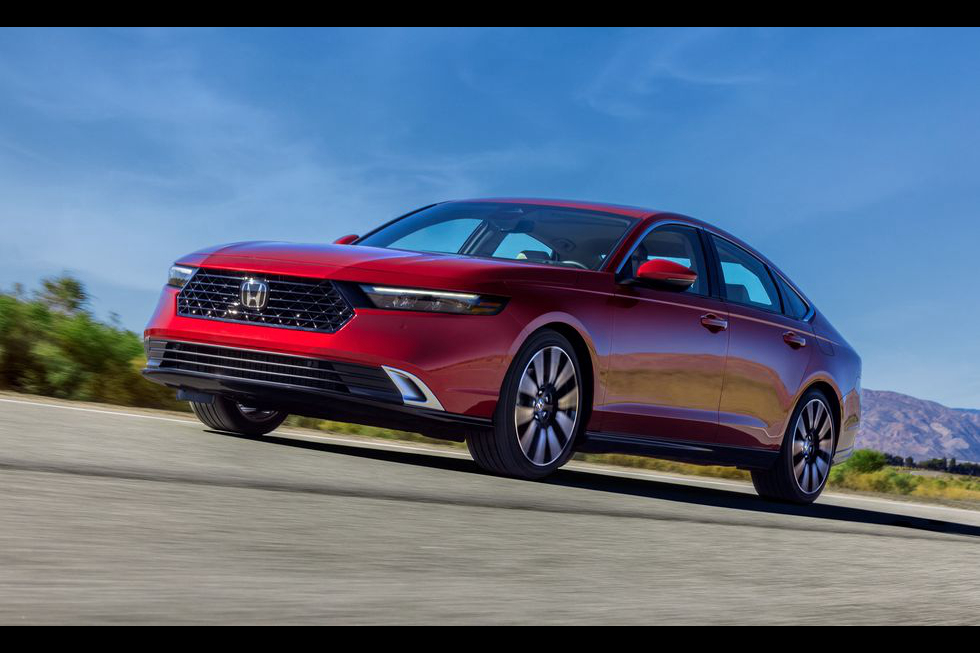
From the exterior, the overall style of the 2022 City Hatchback RS e:HEV leans towards sporty and youthful. The front adopts Honda's family design, featuring a large black honeycomb grille with the exclusive RS badge, giving it significantly higher recognition compared to the standard versions. The sharp LED headlights on both sides connect seamlessly with the grille for an integrated visual effect while offering practical features such as automatic headlights and daytime running lights. The body side lines are smooth, and the fastback-style design stretching from the A-pillar to the rear emphasizes the dynamic feel of the hatchback. The 16-inch alloy wheels have a simple design that aligns with its sporty positioning. At the rear, the black spoiler and decorative dual-exhaust outlets further highlight the RS identity. The LED taillights are darkened and highly recognizable when lit at night, while the diffuser design beneath the rear bumper adds to the sporty vibe.
Inside the cabin, the interior predominantly features black with silver trim accents, and the overall layout is simple and practical. The dashboard is covered in soft-touch materials with a refined texture. Although it doesn't include too many luxury elements, the craftsmanship meets the standard for its segment. The 8-inch touchscreen infotainment system is positioned above the dashboard and supports Apple CarPlay and Android Auto connectivity, providing smooth operation. Below the screen, some physical buttons are retained for easier access to air conditioning and volume controls while driving. The instrument panel has a semi-digital design, with a traditional analog tachometer on the left and a 7-inch digital display on the right, capable of showing the hybrid system status, fuel consumption, range, and other information in a clear and readable manner. In terms of configurations, the car comes standard with keyless entry, push-button start, an electronic parking brake, automatic air conditioning, and an 8-speaker audio system. The inclusion of a 220V/230V power outlet is also convenient for rear passengers to use electrical devices.
Regarding space performance, the vehicle's dimensions are 4349mm×1748mm×1488mm, with a wheelbase of 2600mm, placing it in the mainstream range among B-segment hatchbacks. The front seats are manually adjustable, offering moderate support and wrapping. A passenger with a height of 175cm can still have a fist's worth of headroom when seated. The rear space is pleasantly surprising, as passengers of the same height can have two fists of legroom and four fingers of headroom, which ensures it meets the daily needs of families. The rear seats are equipped with air conditioning vents and USB ports, and the 60:40 split-folding seats can be folded down with one touch. The standard trunk capacity is 289L, which can be expanded to a larger space after folding down the seats, accommodating bulky items such as strollers or suitcases.
Powertrain: The 1.5L naturally aspirated engine has a maximum horsepower of 98PS, and the electric motor provides a maximum horsepower of 109PS. The combined output is sufficient for daily driving. During the start-up phase, the electric motor drives the vehicle independently, offering quick and smooth response. Acceleration from 0 to 60km/h is brisk, making city driving or overtaking nimble. During medium and high-speed cruising, the engine and electric motor work together for linear power output, and stepping on the accelerator deeply provides continuous thrust. The official 0-100km/h acceleration is 9.7 seconds, which is more than adequate for family use. There are three driving modes: Eco, Normal, and Sport. In Eco mode, throttle response is slightly sluggish, making it suitable for city commuting with better fuel efficiency, while Sport mode enhances power output, catering to occasional driving fun.
In terms of handling, the front MacPherson independent suspension is tuned towards comfort while maintaining some level of support. When passing speed bumps or uneven roads, the suspension effectively filters vibrations, ensuring passengers inside do not feel significant jolts. During high-speed cornering, body roll is kept within a reasonable range, and the steering is precise with minimal slack, instilling confidence. The braking system performs consistently, with a combination of front ventilated discs and rear ventilated discs providing linear brake response, and the vehicle maintains a stable posture during emergency braking.
Fuel efficiency is a core advantage of hybrid models, with an official combined fuel consumption of 3.6L/100km. This test drive covered city traffic, highway cruising, and suburban roads, resulting in an actual fuel consumption of about 4.2L/100km. Although slightly higher than the official figure, it's still much lower compared to fuel-only vehicles in the same class. With a 40L fuel tank capacity, a full tank provides a range of approximately 900km, reducing the inconvenience of frequent refueling. Regarding noise control, the cabin remains quiet during low-speed city driving. At highway speeds, wind and tire noise become slightly noticeable but remain within an acceptable range. The seat comfort is commendable, ensuring no fatigue even during long trips.
In terms of safety features, the car comes standard with six airbags, ABS, Vehicle Stability Control, Forward Collision Warning, rear parking sensors, and a reverse camera. The addition of the Honda Sensing safety system further enhances driving safety. Overall, its safety performance meets the needs of family users.
In summary, the core advantages of the 2022 Honda City Hatchback RS e:HEV include fuel economy, practical space, and balanced features. Compared to its peer, the Toyota Yaris Cross Hybrid, this model is more affordable with better space utilization. Compared to the Mazda 2 Hybrid, Honda's hybrid system is known for better smoothness and reliability. It is suitable for families focusing on fuel economy and practicality and also appeals to younger consumers looking for sporty styling and tech features.
Overall, the 2022 Honda City Hatchback RS e:HEV is a B-segment hatchback that balances fuel efficiency, practicality, and sporty design, with no significant drawbacks. It is an excellent choice for daily family commuting or as the first car for young consumers.
Honda City Hatchback Car Compare
Honda City Hatchback Loan Calculator
Cars With Similar Price And Features
4
Rank in Hatchback
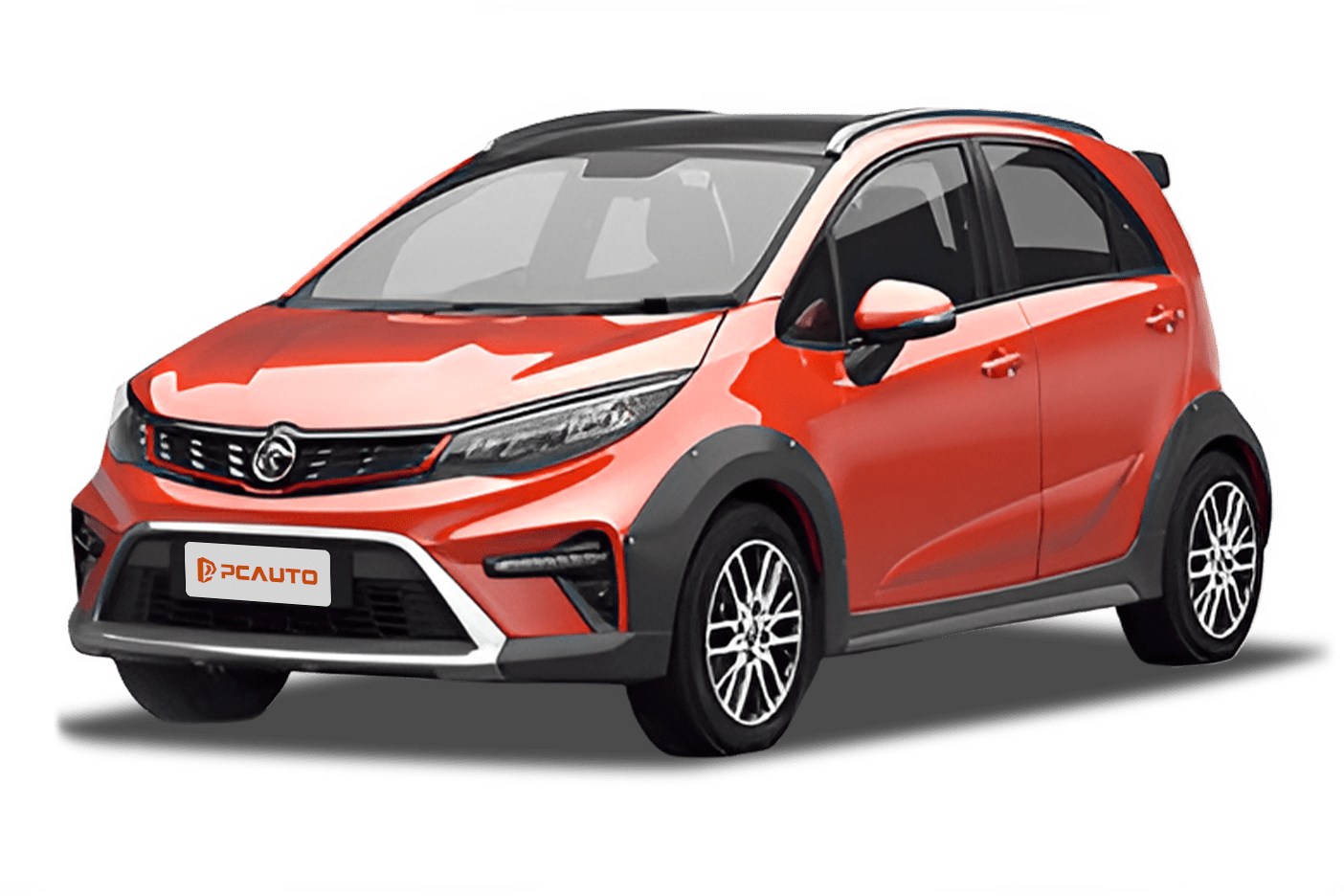
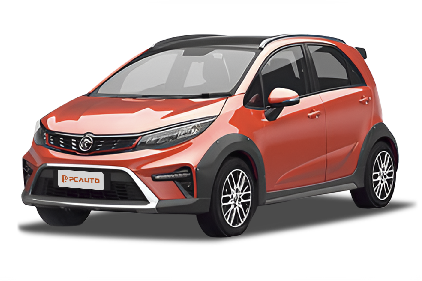
2023 Proton Iriz 1.3 Standard CVT is an affordable, well-balanced entry-level B-segment hatchback with safety features, suitable for budget-conscious families focusing on safety and practicality for daily commuting.
2
Rank in Hatchback

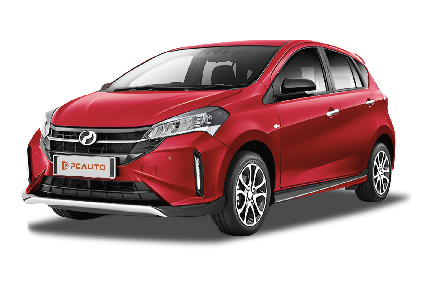
2023 Perodua Myvi 1.3 G with PSDA is an affordable B-segment hatchback, combining practical space, basic features, and PSDA safety assistance, suitable for family commuting.

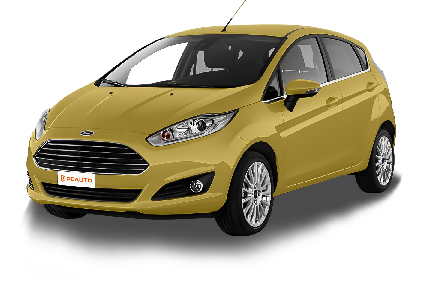
2022 Ford Fiesta public is a B-Segment model with responsive power, economical fuel consumption, and rich safety features, suitable for young families or individual users who prioritize driving experience and safety.
3
Rank in Hatchback
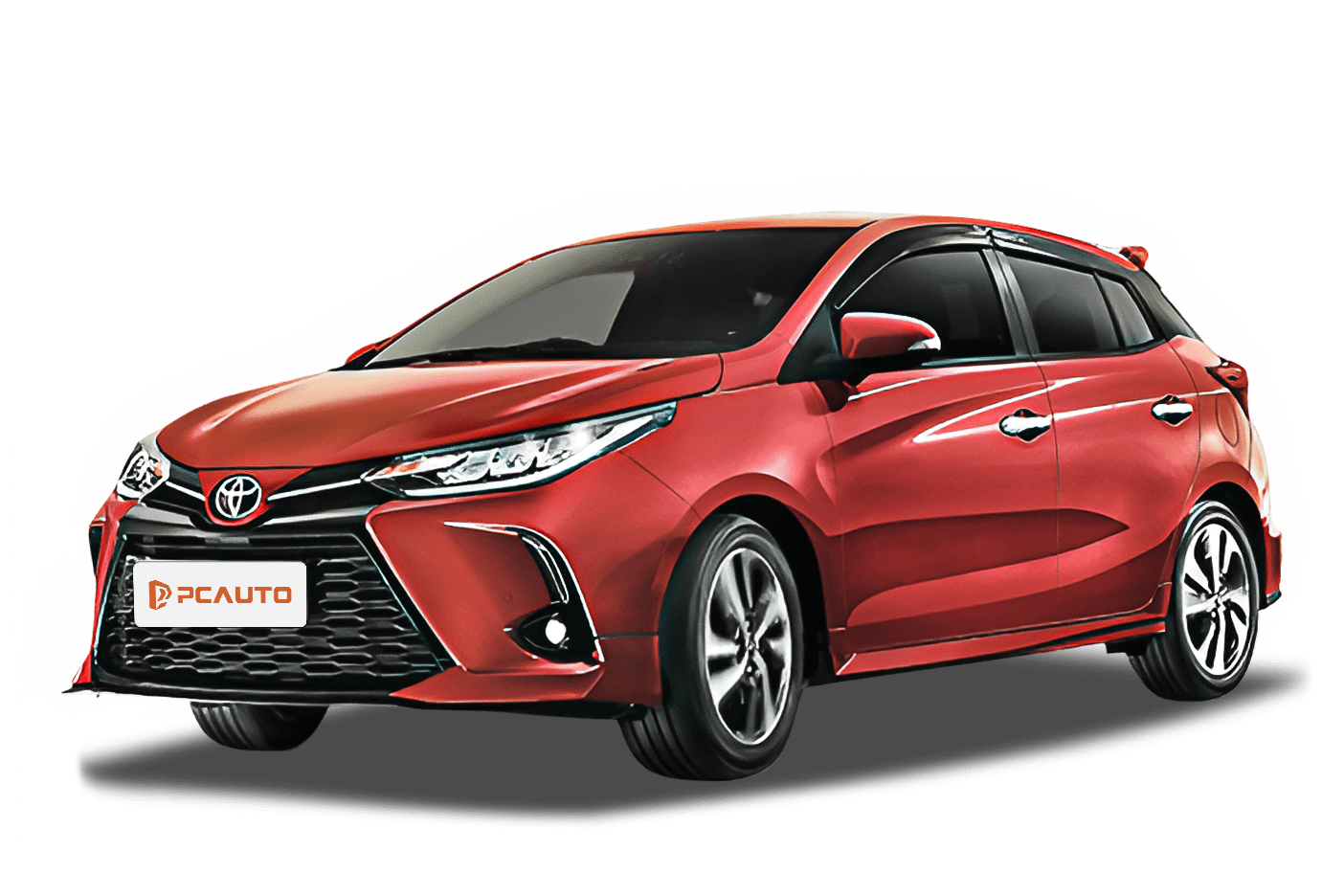
2024 Toyota Yaris 1.5E serves as the main entry-level household model, emphasizing durability, upgraded with a 360-degree parking camera and Optitron instrument panel. Its practical space, smooth power delivery, and high cost-performance ratio align well with family commuting needs.