

2022 Honda Civic 1.5 V Review

 Share
Share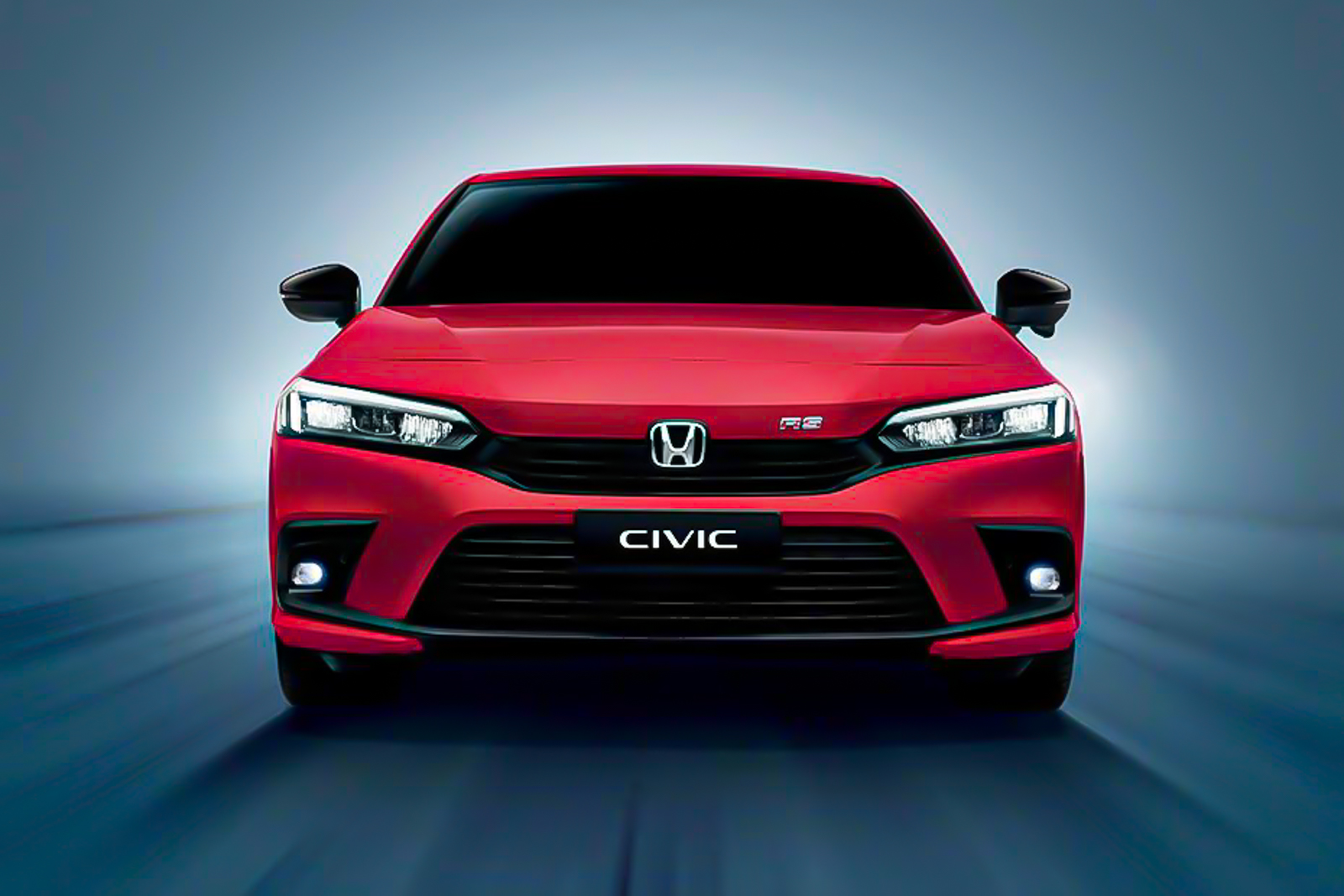
 Segment
 Body Type
 Capacity(L)
 Engine Power(PS)
 Transmission
 Driven Wheels
In recent years, the competition in Malaysia's C-segment sedan market has become increasingly intense. Consumers are not only paying attention to the economic efficiency of daily commuting but also demanding higher standards in configuration and space. As the main configuration model of the eleventh-generation Civic, the 2022 Honda Civic 1.5 V features a 182PS turbocharged engine, a class-leading wheelbase, and standard active safety systems as its core selling points. In this test drive, we aim to verify whether it can meet the balanced needs of local family users.
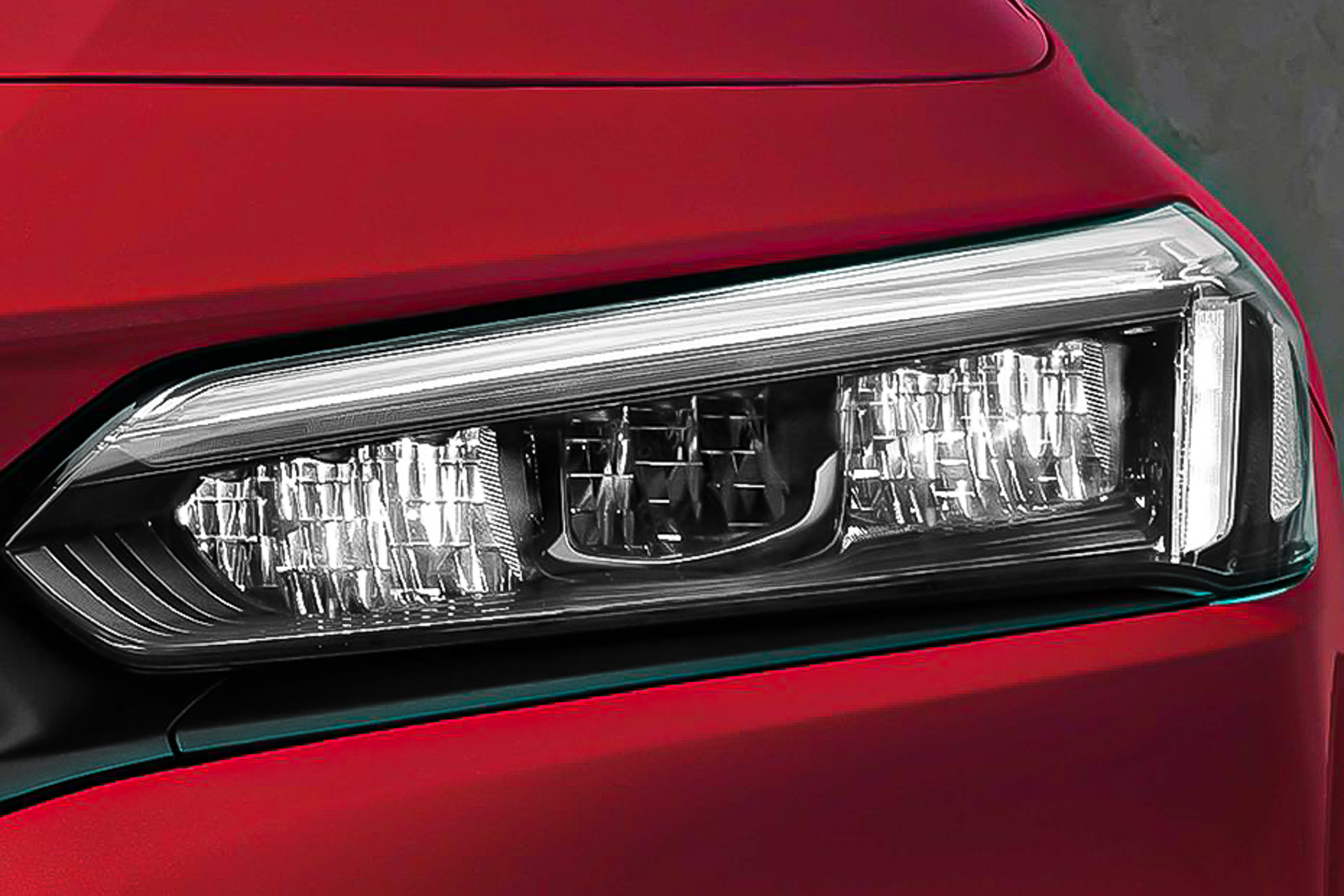
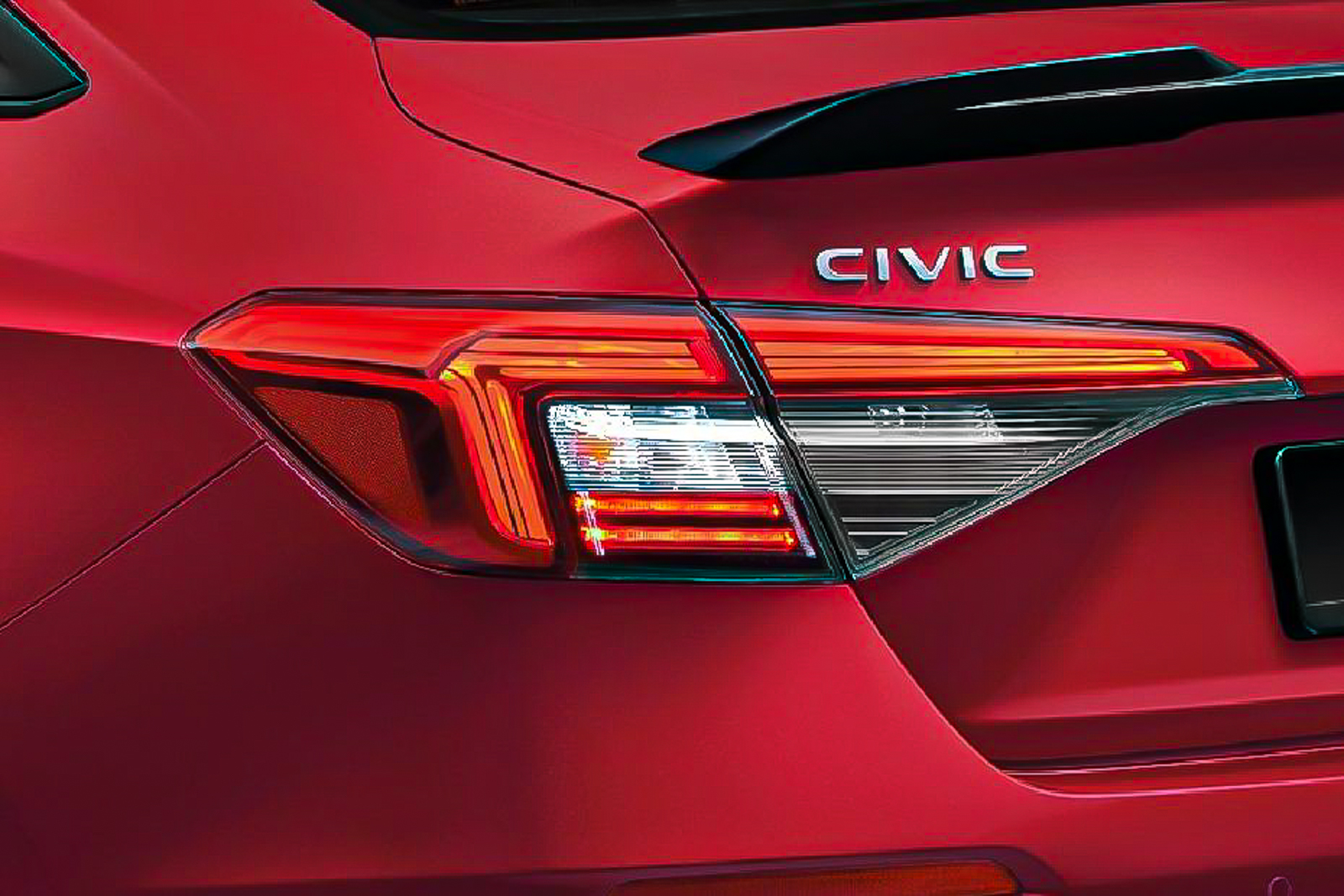
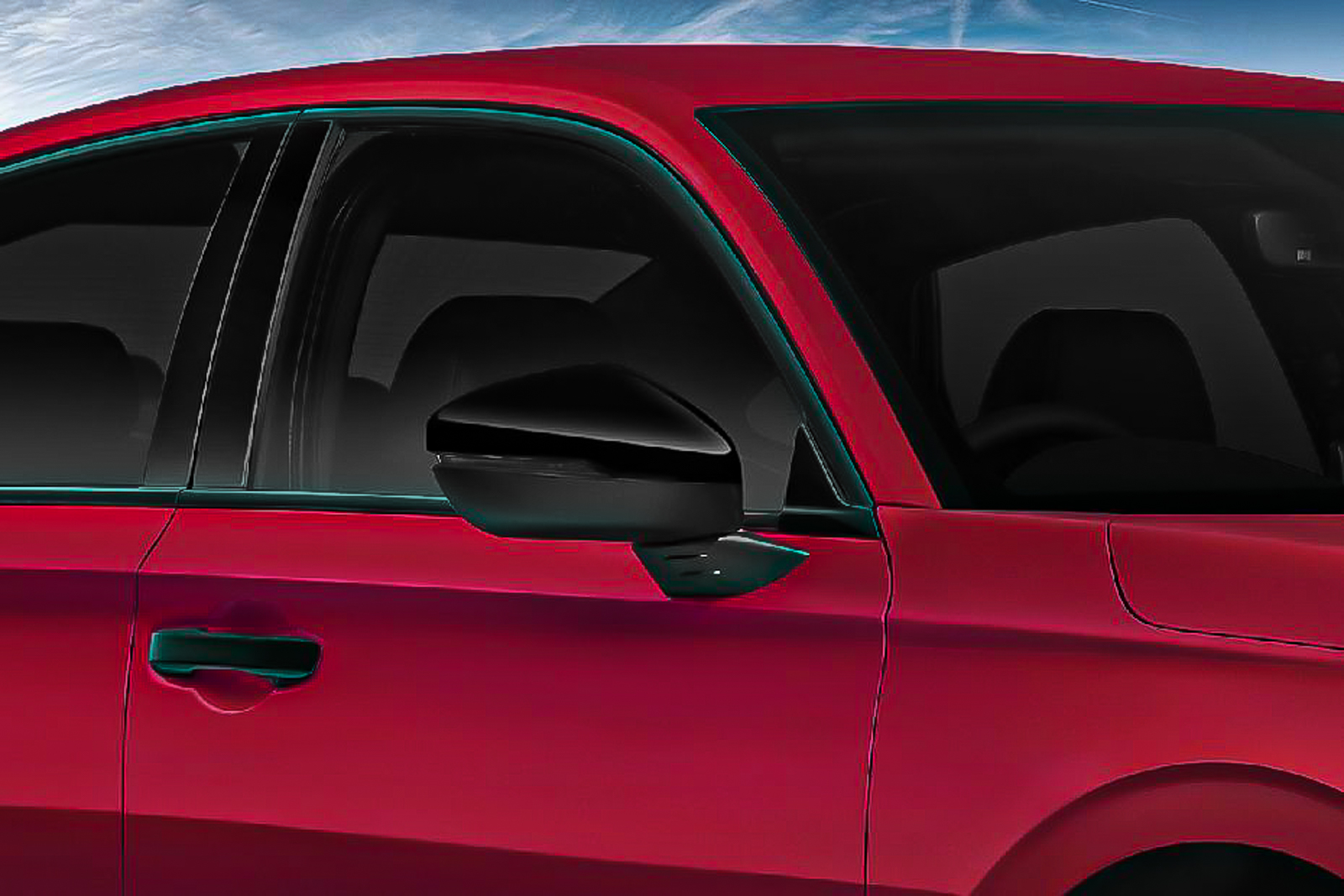
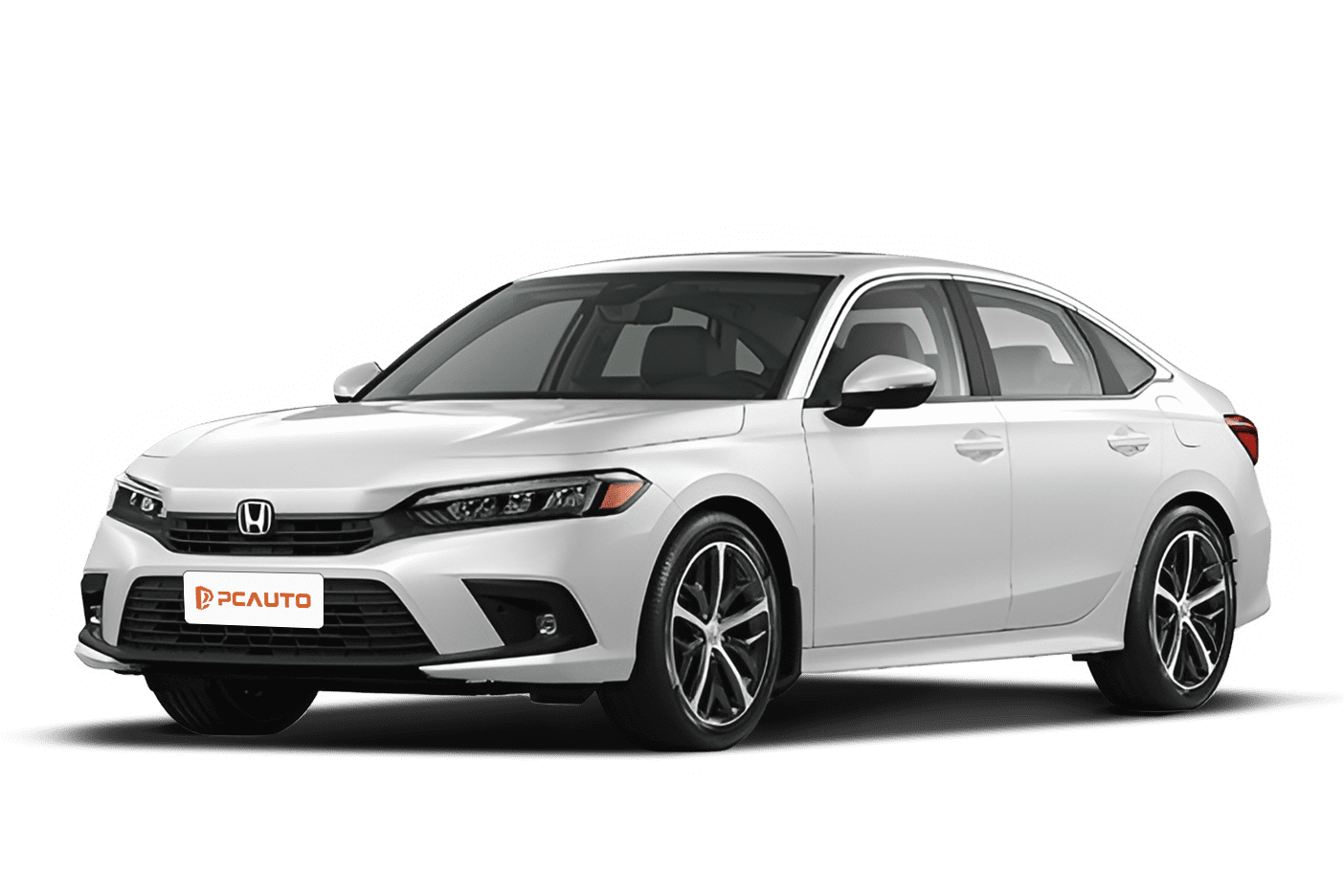
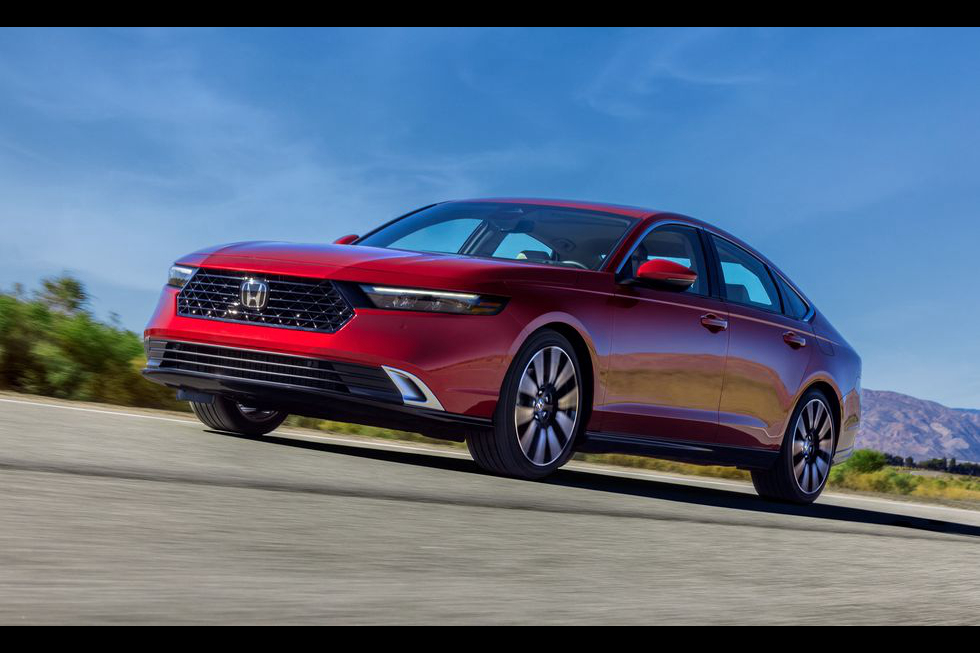
At first glance, the 2022 Civic 1.5 V gives an impression of simpler and smoother lines compared to the previous generation. The front features a narrow hexagonal grille paired with wing-shaped LED headlights, creating a sporty look with a low visual center. The side of the car lacks complex character lines, and the fastback design transitions naturally from the hood to the tail. The 17-inch multi-spoke rims are appropriately sized and do not look thin. The rear end stands out with its integrated LED tail lights, which enhance recognition when illuminated at night, while the hidden exhaust design gives the rear a cleaner appearance.
Sitting inside, the interior layout is driver-focused, with the center console tilted approximately 7 degrees toward the driver’s seat. The upper part of the dashboard is made of soft-touch plastic material, and the door armrests are wrapped in leather, with a tactile quality that is above the average in its class. A 9-inch touchscreen display sits atop the center console, featuring a clear interface, fast responsiveness, and support for Apple CarPlay and Android Auto connectivity. The instrument panel combines digital and analog design, with the tachometer displayed on the left, a digital speedometer on the right, and a central LCD screen that can toggle to display fuel consumption, driving assistance systems status, and other information.
In terms of space, the Civic 1.5 V's wheelbase measures 2735mm, providing impressive rear legroom. A rear passenger standing 175cm tall would still have more than two fist-widths of space between their knees and the front seat. The rear floor has a minimal central hump, giving adequate foot space for the middle passenger. The trunk offers a storage capacity of 497L, which is more than sufficient for everyday use, such as placing a stroller or luggage. The rear seats support a 60:40 split-folding feature, allowing for expanded cargo space when folded. The storage compartments are also practical in design, with the front center armrest box offering substantial capacity and the door panels capable of holding two standard-sized bottles of water.
The 1.5T turbocharged engine tested on this drive delivers a maximum output of 182PS, with its peak torque available from as low as 1700rpm, paired with a CVT transmission. The accelerator response is quick during initial acceleration, providing considerable power with light pedal input, making it suitable for following traffic in congested urban areas. Switching to sport mode, the transmission simulates gear shifts, giving a more pronounced sense of thrust during acceleration. When overtaking, pressing the accelerator deeply results in seamless power delivery without significant lag. While cruising at high speeds, the engine runs at around 2000rpm, with effective noise control.
In terms of handling, the steering wheel offers moderate resistance and precise direction, with good body roll suppression during cornering, instilling a high level of confidence in the driver. The suspension setup includes a front MacPherson strut and a rear multi-link independent suspension, tuned for comfort. It absorbs most vibrations when passing speed bumps or uneven roads, avoiding rigid shocks. The braking performance is also consistent, with moderate initial brake force and evenly distributed braking power when pressed harder. During emergency braking, the vehicle maintains a stable posture.
In the fuel consumption test, we drove 100km under mixed road conditions, with urban roads accounting for about 60% and highways for 40%. The final displayed fuel consumption was 6.2L/100km, which is close to the official figure of 6L/100km for combined fuel consumption. The fuel economy performance meets expectations. In terms of noise control, below a speed of 60km/h, the main noise in the cabin comes from the tires. When the speed exceeds 80km/h, wind noise gradually becomes noticeable, but overall it remains within an acceptable range.
In summary, the core strength of the 2022 Honda Civic 1.5 V lies in its balanced product attributes: ample space, abundant safety features, responsive powertrain, and good fuel economy. Compared to the Toyota Corolla Altis in the same class, the Civic 1.5 V offers stronger power output and more rear space; compared to the Mazda 3, it provides richer features and better value for money.
This car is suitable for consumers who value family use, especially those who need to balance daily commuting with weekend family outings. Its space is sufficiently spacious, safety features are comprehensive, power performance can meet the needs of most driving scenarios, and its fuel economy can help reduce daily usage costs. If you are looking for a well-rounded C-segment sedan with no significant weaknesses, the Civic 1.5 V is worth considering.
Honda Civic Car Compare
Honda Civic Loan Calculator
Cars With Similar Price And Features
3
Rank in Sedan
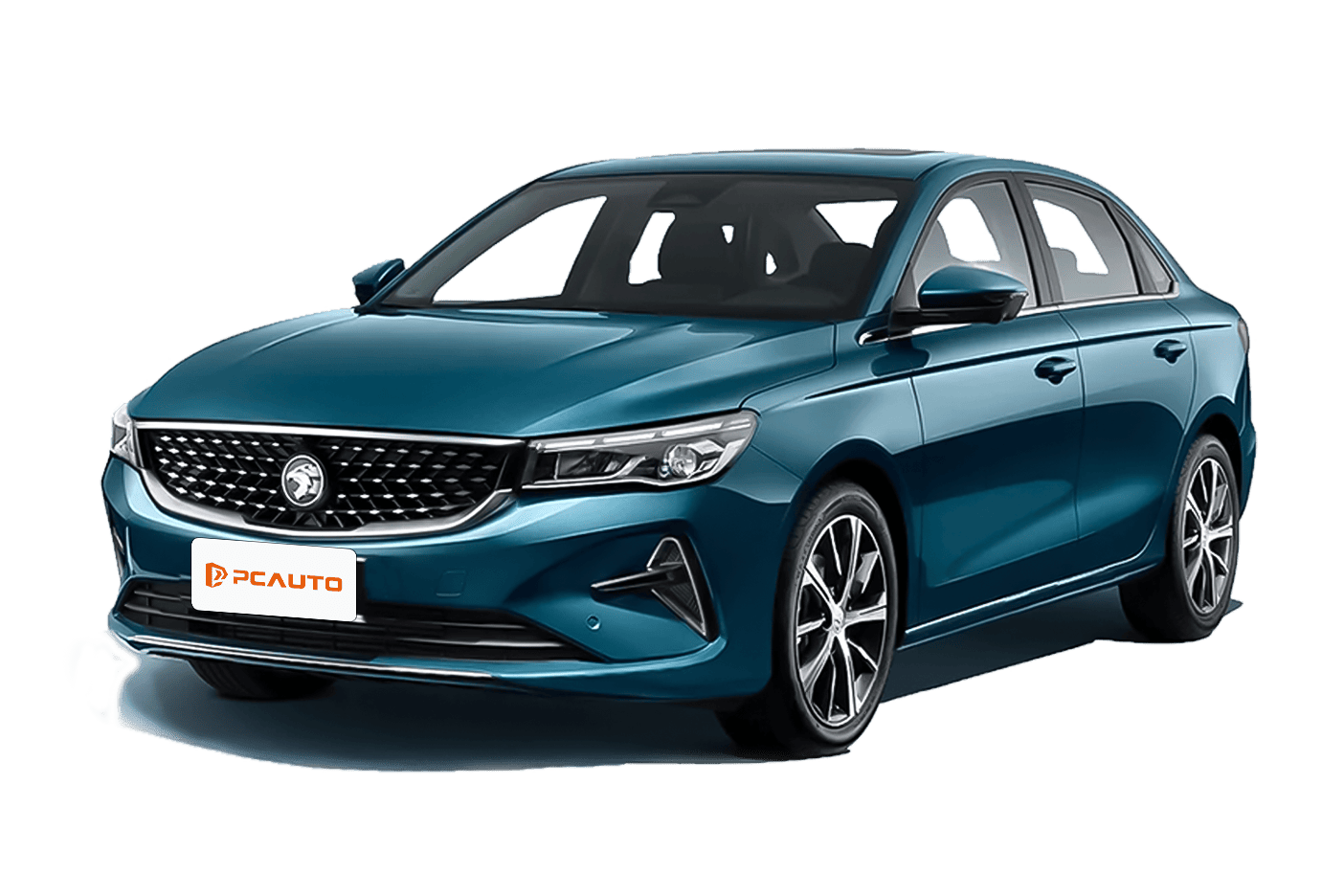
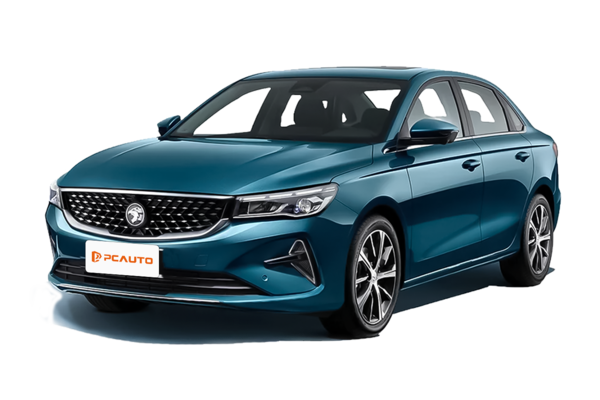
2024 Proton S70 1.5T Executive is an affordable entry-level family C-segment sedan with practical space and lively performance, balancing elegant design with basic safety features.
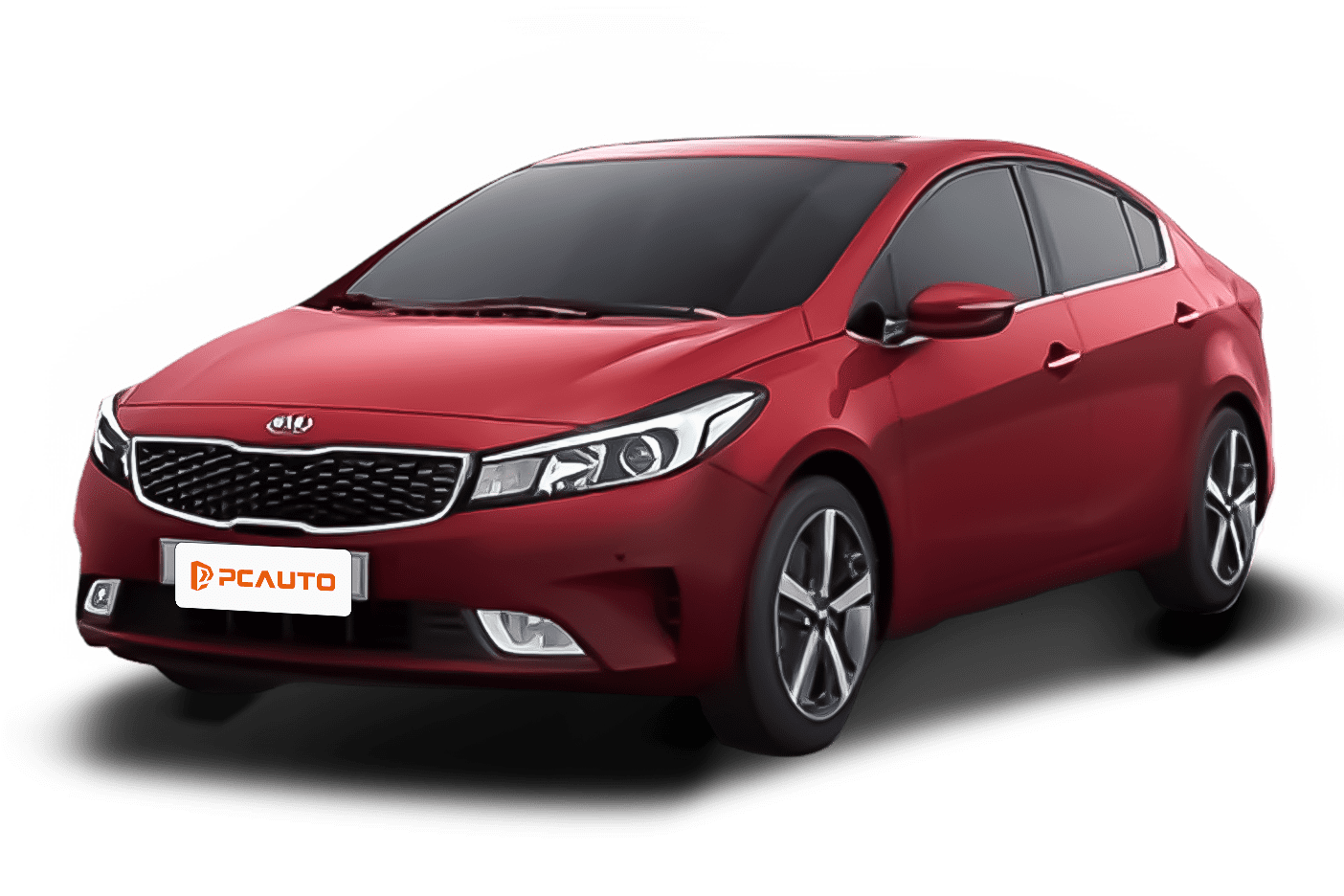
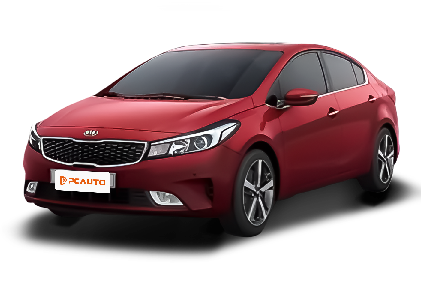
2020 Kia Cerato 1.6 SX is a high-value family sedan that retains core features at a lower price, offering practical space, reliable safety, and balancing the needs of commuting and family travel.
25
Rank in Sedan
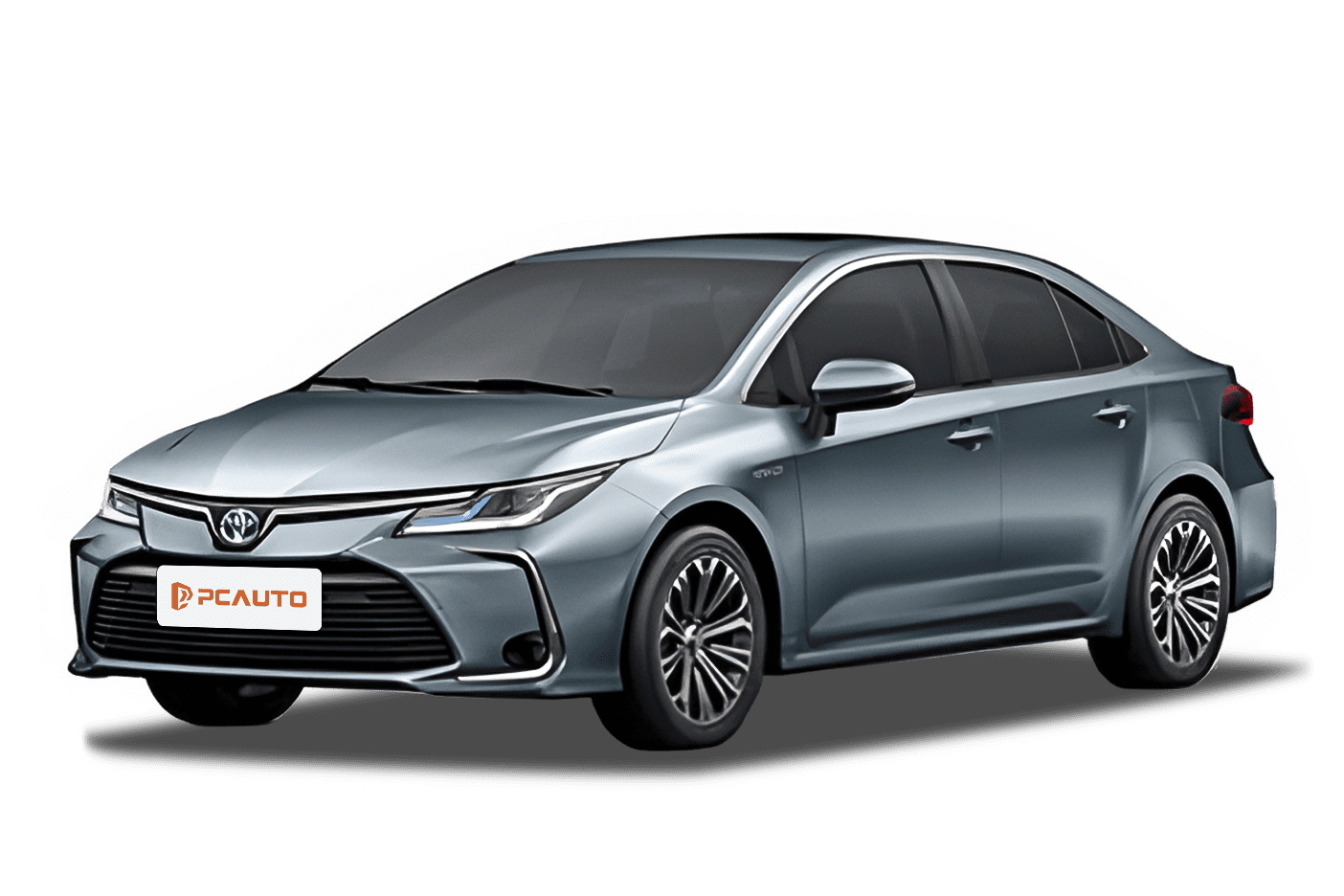
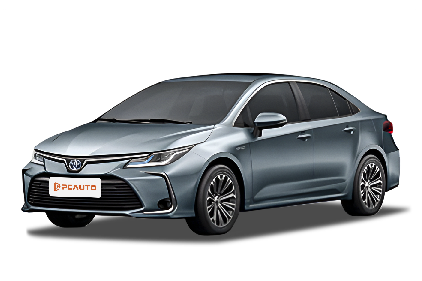
2025 Toyota Corolla GR Sport features a sporty design, upgraded intelligent configurations, and high cost performance, balancing practicality for family use and driving pleasure, making it an ideal choice for young families.
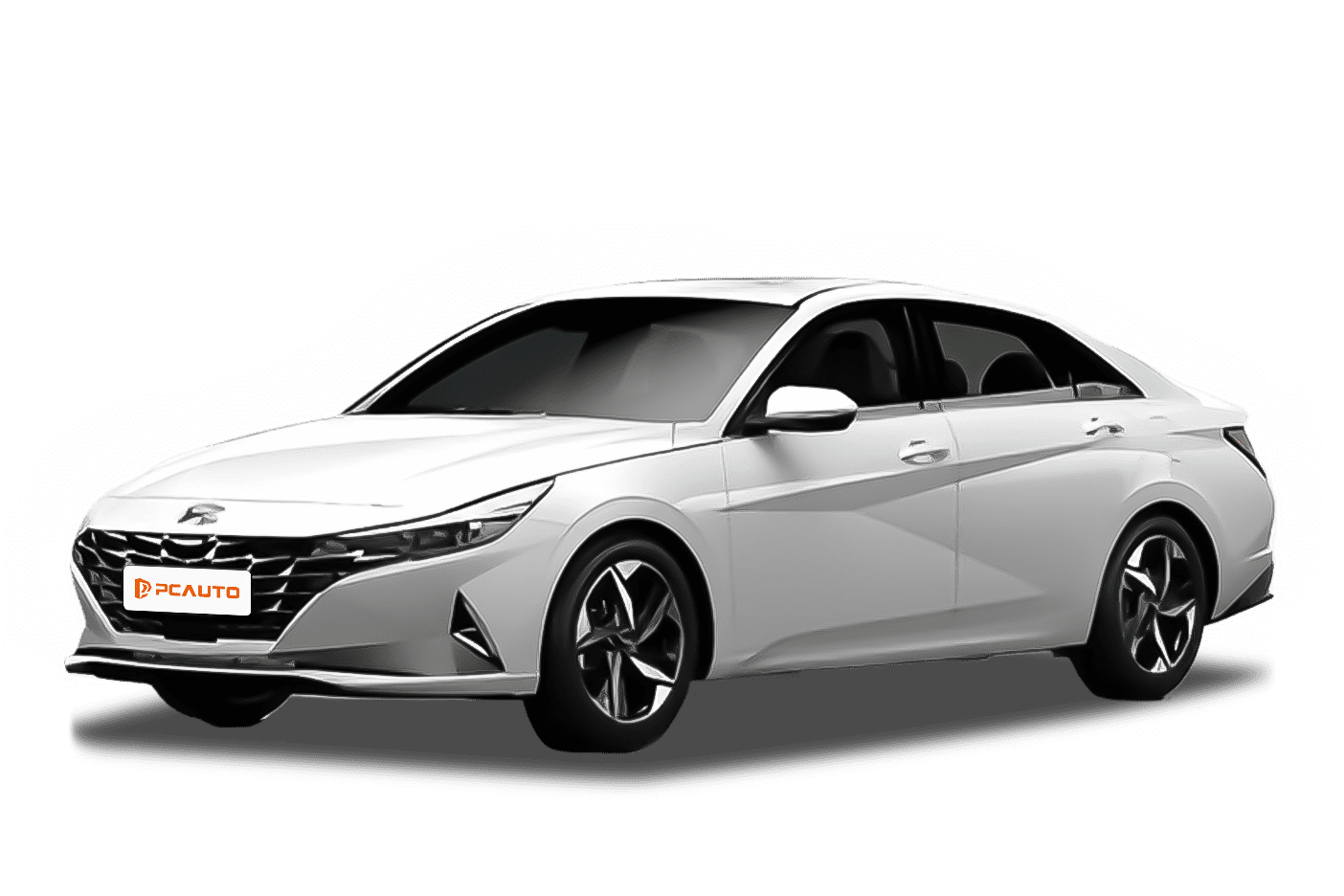
2024 Hyundai Elantra public is a C-segment sedan designed for Malaysian families and young professionals, focusing on class-leading safety features, flexible spaciousness, and balanced fuel efficiency, making it highly cost-effective.