

2022 Mercedes-Benz EQB Upcoming Version Review

 Share
Share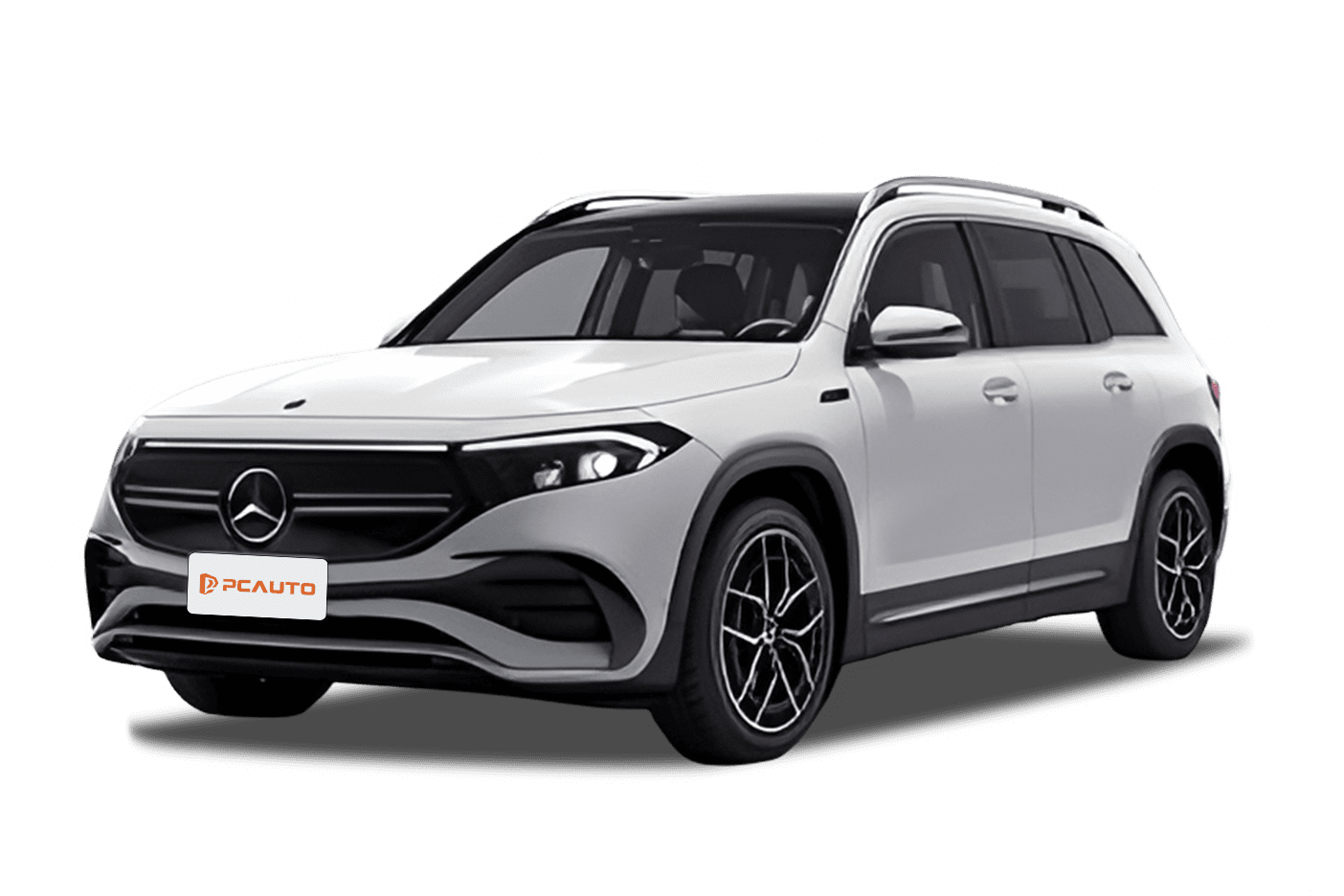
 Segment
 Body Type
 Motor Output(kW)
 Motor Torque(Nm)
 EV Range(km)
 Battery Capacity(kWh)
The selection of pure electric SUVs in the Malaysian market is gradually expanding, especially in the C-segment market around RM300,000, where consumers desire the luxurious feel of premium brands while also needing to meet daily family practicality and range requirements. The Mercedes-Benz EQB, launched in 2022, aims to fill this gap. As a pure electric SUV based on a fuel vehicle platform, it retains Mercedes-Benz's signature luxury feel while offering lower daily operating costs through electric power. This time, we have the 2022 EQB, which is about to be launched, with the main goal of testing whether it can strike a balance between luxurious feel and family practicality and validating the performance of its electric powertrain under local road conditions.
In terms of exterior design, the EQB follows the design language of the Mercedes EQ family, with an overall style tending towards stability, while incorporating exclusive elements of electric vehicles to enhance its recognizability. The front features a closed grille embedded with a large-sized three-pointed star emblem, paired with sharp-looking LED headlights on both sides, creating a visual effect that is both minimalist and retains the aura of a luxury brand. The side profile showcases smooth lines, and the standard 5-seat SUV contour ensures internal space. The door handles adopt a traditional design instead of a hidden type, which, while slightly less high-tech, is more user-friendly in daily use. At the rear, the through-type LED taillights are the highlight, offering high recognizability when illuminated, while the shape of the rear bumper is relatively rounded with no overly complex lines, leaving an overall harmonious impression.
Stepping inside, the classic Mercedes interior layout comes into view. The center console adopts a dual-screen design, with a 10.25-inch instrument cluster screen seamlessly connected to the infotainment display. The system supports Apple CarPlay and Android Auto connectivity, and its operation fluency meets expectations. The interior materials are primarily soft-touch, paired with some chrome accents. While cost constraints mean that extensive genuine leather wrapping is not utilized, the overall texture still surpasses many competing pure electric SUVs in the same price range. The seats feature faux leather upholstery with decent support, and the front seats are equipped with electric adjustment functions, with the driver's seat also supporting memory settings, making daily adjustments very convenient. In terms of features, the EQB comes standard with automatic air conditioning, wireless charging, 64-color ambient lighting, and a panoramic sunroof. These features are highly practical in family usage scenarios, especially the panoramic sunroof, which enhances the rear passengers' riding experience.
Regarding space performance, the dimensions of the EQB are 4684mm×1834mm×1667mm, with a wheelbase of 2829mm, ensuring ample space for both front and rear passengers. With the front driver's seat adjusted to a suitable position, a passenger with a height of 175cm has a fist's worth of headroom remaining. Similarly, a 175cm passenger sitting in the rear enjoys over two fists of legroom and a fist of headroom, ensuring comfort even during long rides. In terms of storage space, the front center armrest box and door storage compartments offer generous capacity. The rear seats support split-folding, allowing the trunk volume to expand from 495L to 1710L when folded down, accommodating items such as strollers or large suitcases with ease. Additionally, both the front and rear seats are equipped with USB-C charging ports, making it convenient for passengers to charge their electronic devices.
Powertrain: During this test drive, the EQB is equipped with a single-motor rear-wheel-drive layout, delivering a maximum power output of 140kW and a peak torque of 385N·m, paired with a fixed-ratio transmission. During actual driving, the power response at the start is very quick; a light press of the accelerator shows noticeable acceleration, making it more than sufficient for daily urban driving. At high speeds, the acceleration capability is slightly weaker, but overtaking below 100km/h is still effortless. The driving modes include Eco, Comfort, and Sport. In Eco mode, power output becomes smoother, suitable for daily commutes to save energy; in Sport mode, the throttle response is more responsive, suited for occasional driving pleasure scenarios.
In terms of handling, the steering wheel of the EQB has a moderate weighting with minimal free play, making it quite agile for daily driving. The suspension system uses a front MacPherson strut and a rear multi-link independent suspension, tuned for comfort. It performs well on city roads, over speed bumps, or small jolts, with good damping and minimal body movement. When cornering, the vehicle’s body roll is kept within a reasonable range. Even though it is an SUV, the overall stability is commendable. The chassis feels solid without any looseness, which aligns with Mercedes-Benz's characteristic tuning style. Regarding braking, the brake pedal provides linear feedback, and the braking force is evenly distributed. It is easy to control the braking force during daily driving, without causing a jolting sensation.
Range and energy consumption are key concerns for electric vehicles. The EQB is equipped with a 66.5kWh battery pack, and its official CLTC range is rated at 512km. In our mixed driving test, with 60% in urban settings and 40% on highways, and the AC turned on throughout, the actual driving range was approximately 420km, achieving about 82% of the official range figure. This result is above average under local climate conditions. In terms of energy consumption, it averaged about 16kWh/100km under mixed driving conditions, increasing to about 18kWh/100km on highways. Regarding charging, using a DC fast charging station, it takes about 45 minutes to charge from 10% to 80%. Alternatively, using an AC slow charger, the charging process takes around 7 hours, which satisfies daily home charging needs.
For ride comfort, the EQB performs well in noise control. Wind and tire noise at high speeds are within an acceptable range and do not disrupt normal conversation among passengers. The energy recovery system offers three adjustable levels. At the highest level, the recovery strength approaches a one-pedal driving experience, where releasing the accelerator pedal noticeably slows the vehicle down. This is ideal for use in congested urban traffic, reducing the frequency of braking. The lowest level of recovery is similar to a fuel-powered vehicle, making it suitable for highway cruising. The seats are comfortable for long drives, offering good support and cushioning that meets needs. The angle of the rear seats is also well-designed, ensuring that passengers do not feel fatigued.
Overall, the 2022 Mercedes-Benz EQB's core strengths lie in brand value, well-balanced spatial performance, and practical features. Compared to the Tesla Model Y in the same segment, the EQB has an advantage in interior quality and features but lags slightly in range and tech-forward feel. Compared to the BYD Atto 3, the EQB offers a higher brand premium and a more solid chassis feel. It is targeted primarily at consumers who prioritize brand quality and family practicality, especially those who want a luxury brand experience along with the low-cost daily usage of an electric vehicle for family purposes.
Overall, the 2022 Mercedes-Benz EQB is a well-balanced all-electric family SUV. It does not have particularly outstanding individual advantages, but it meets the needs of family users in terms of brand, space, configuration, and range. If you're looking for a reliable branded all-electric SUV with practical space around RM 300,000, the EQB is worth considering.
Mercedes-Benz EQB Car Compare
Mercedes-Benz EQB Loan Calculator
More Mercedes-Benz Reviews
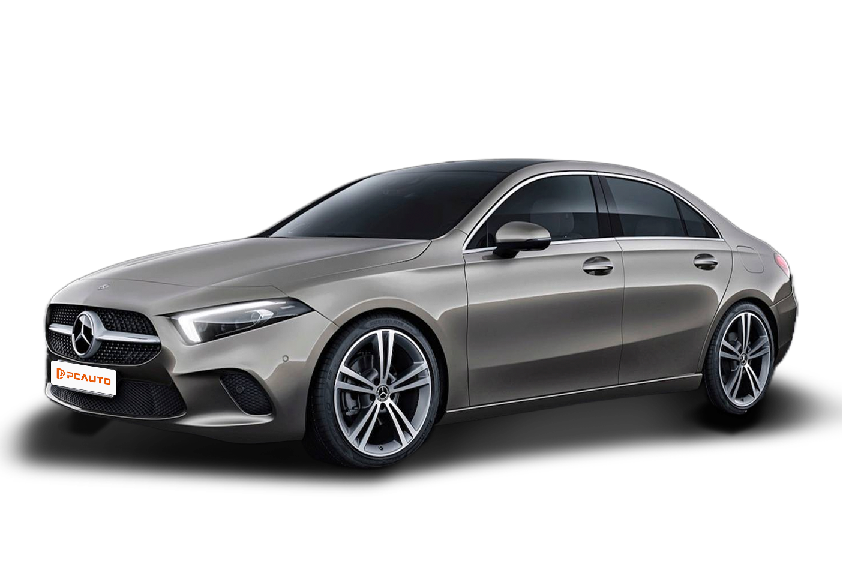
Cars With Similar Price And Features

1
Rank in SUV
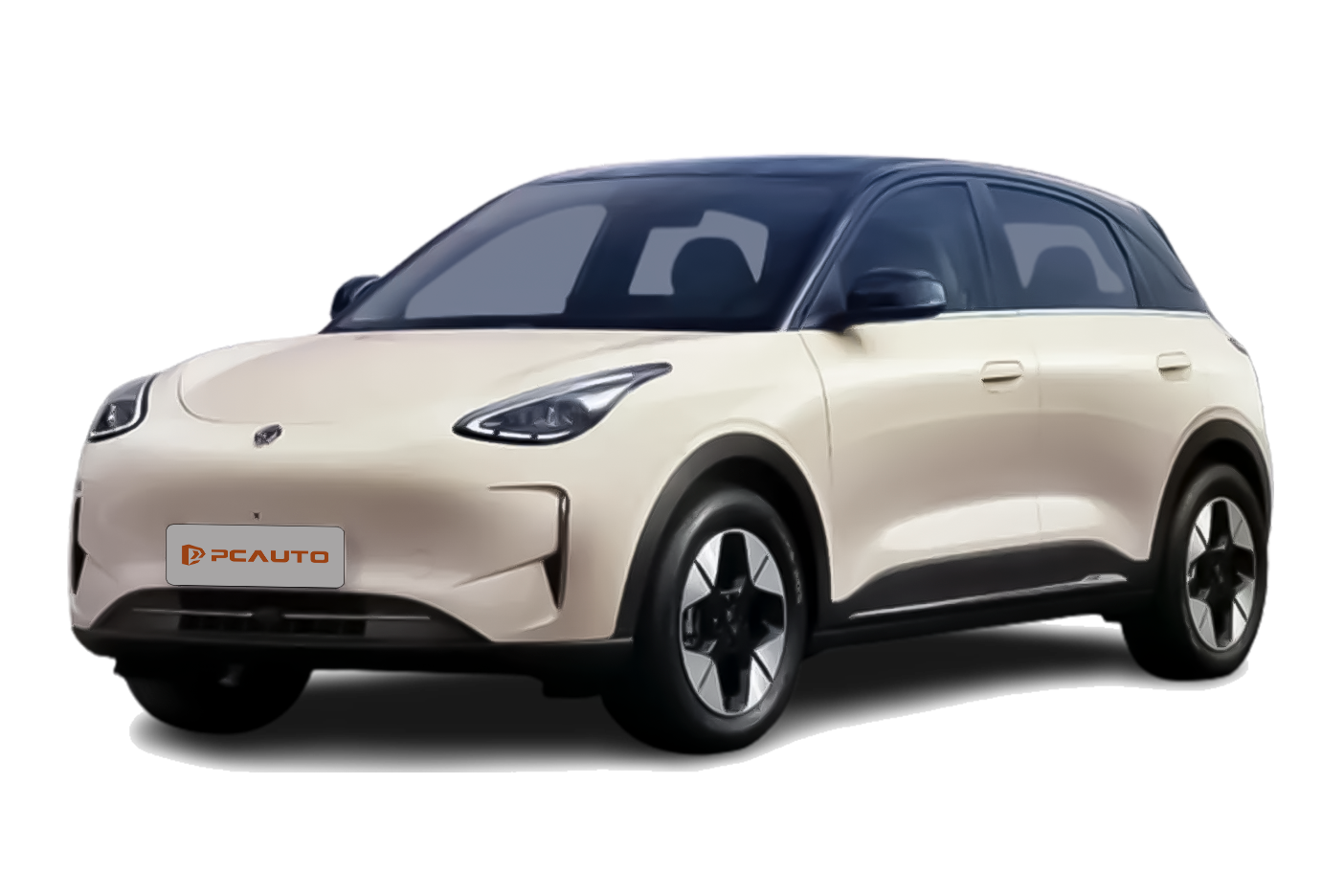
2025 Proton e.Mas 5 Prime is Proton's first entry-level pure electric C-Segment model, priced from 56,800 MYR to target the sub-100,000 MYR market, balancing practical features with commuting range.
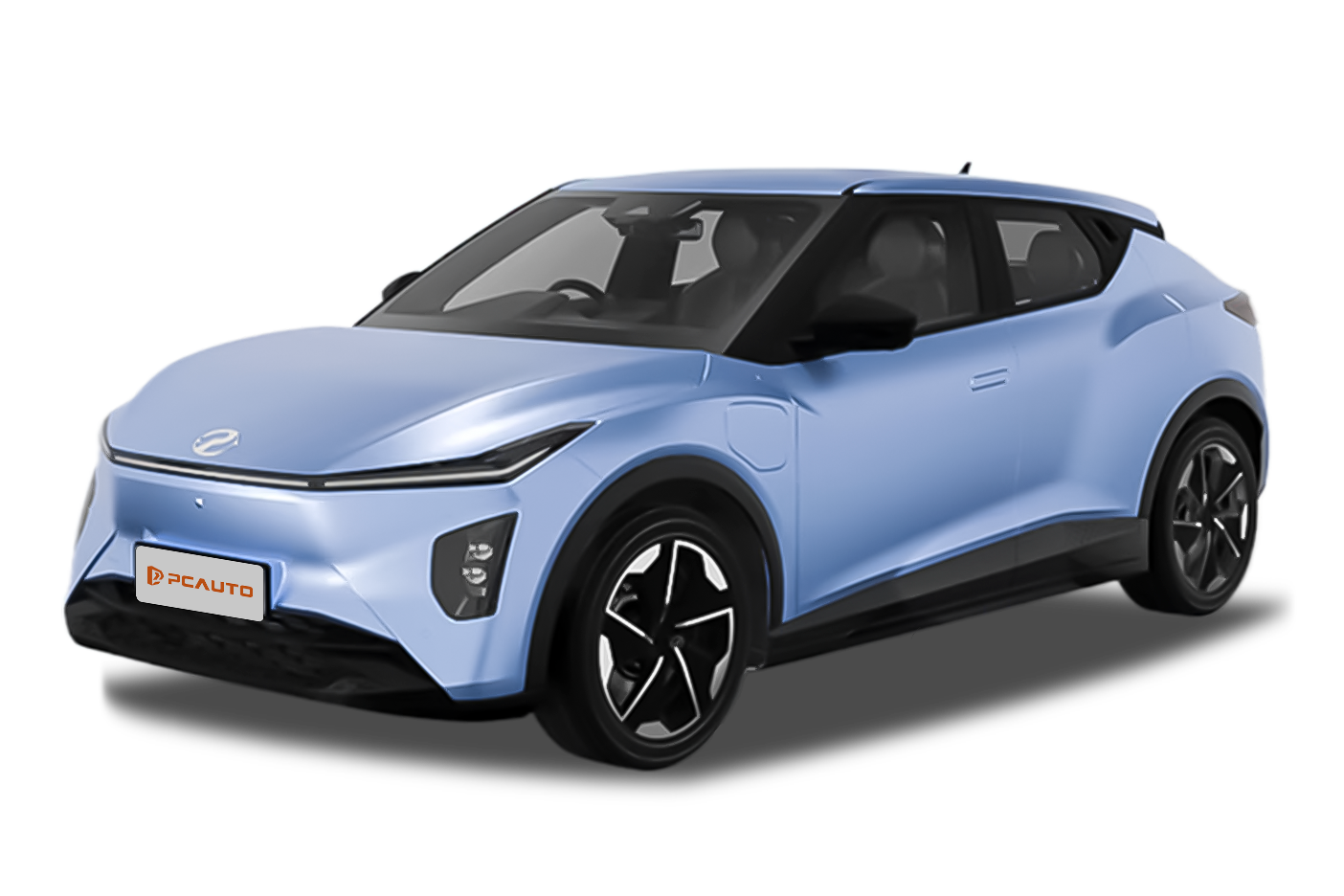
The 2025 Perodua QV-E is an affordably priced, practically ranged class-C pure electric vehicle, precisely tailored for family users and young commuters with its high safety features, spacious interior, and agile driving dynamics.
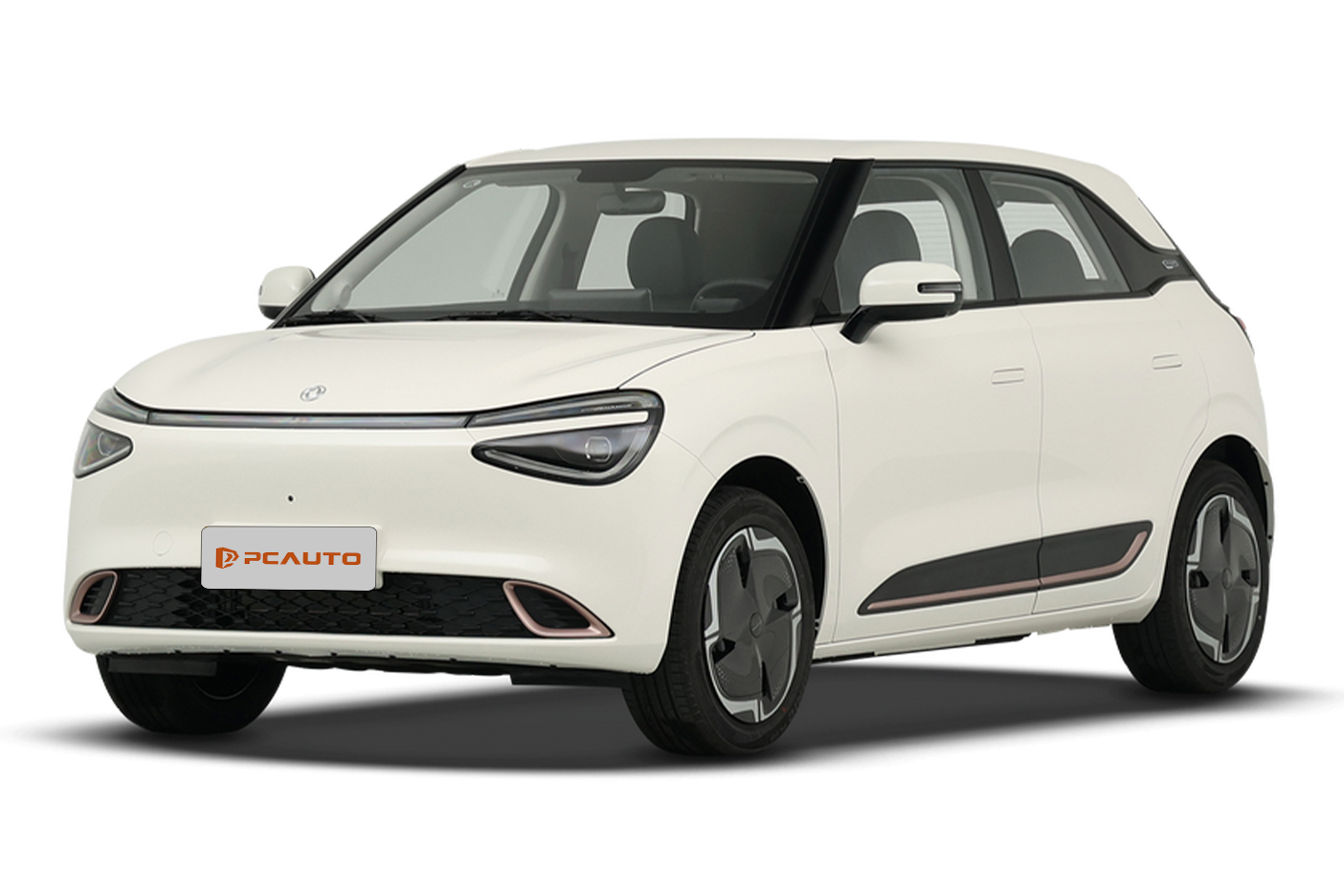
2024 DFSK Box E2 is a household pure electric vehicle in Malaysia priced at around 100,000 Ringgit, featuring a 330 km range, 12.8-inch large screen, and practical space as its main selling points, catering to both commuting and family needs.
30
Rank in SUV
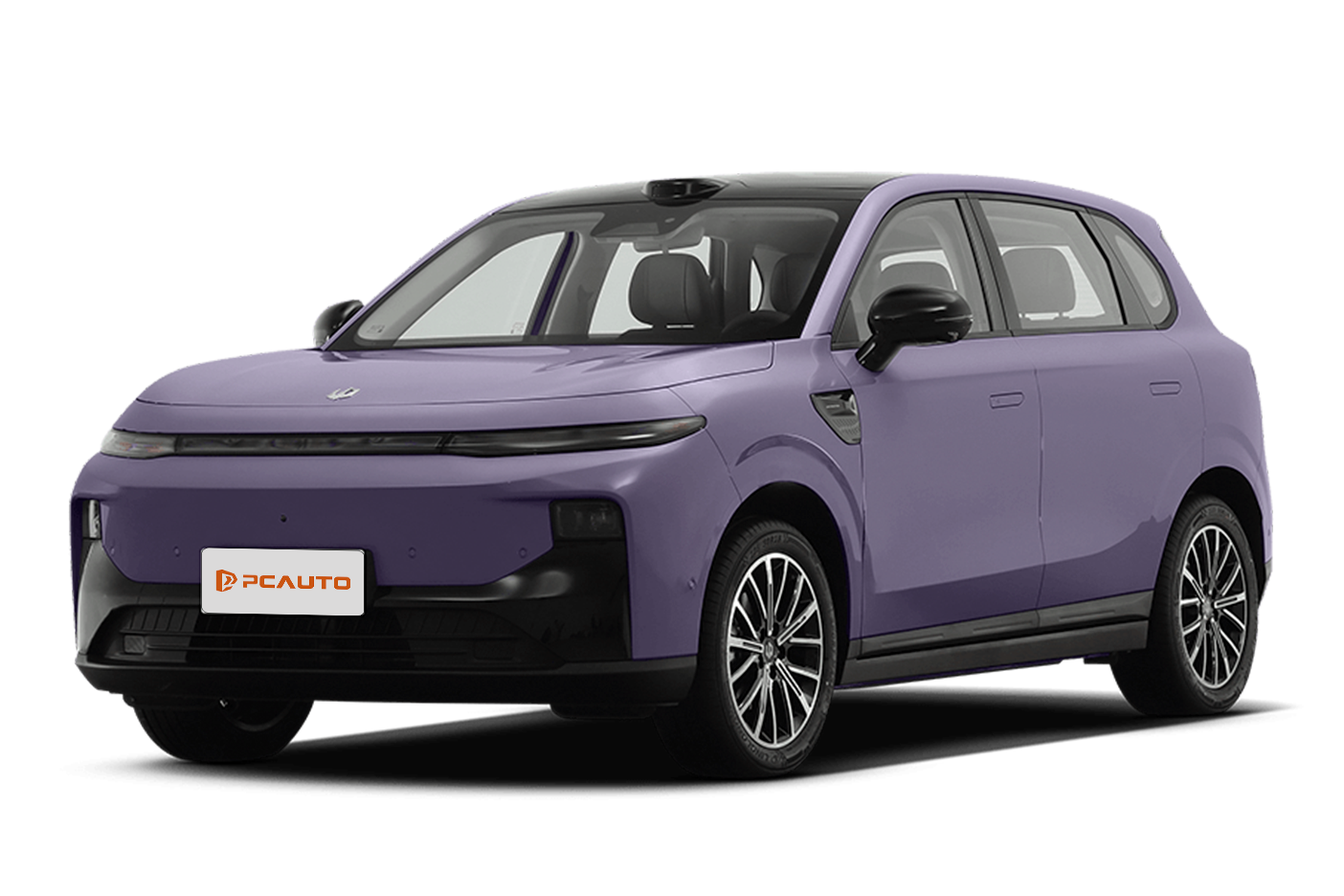
2025 Leapmotor B10 LIFE is a 100,000-level pure electric C-class SUV, equipped with standard L2 assisted driving and other practical features. It offers spacious interior and solid range, making it a go-to choice for family users.