

2023 BMW X1 sDrive20i xLine Review

 Share
Share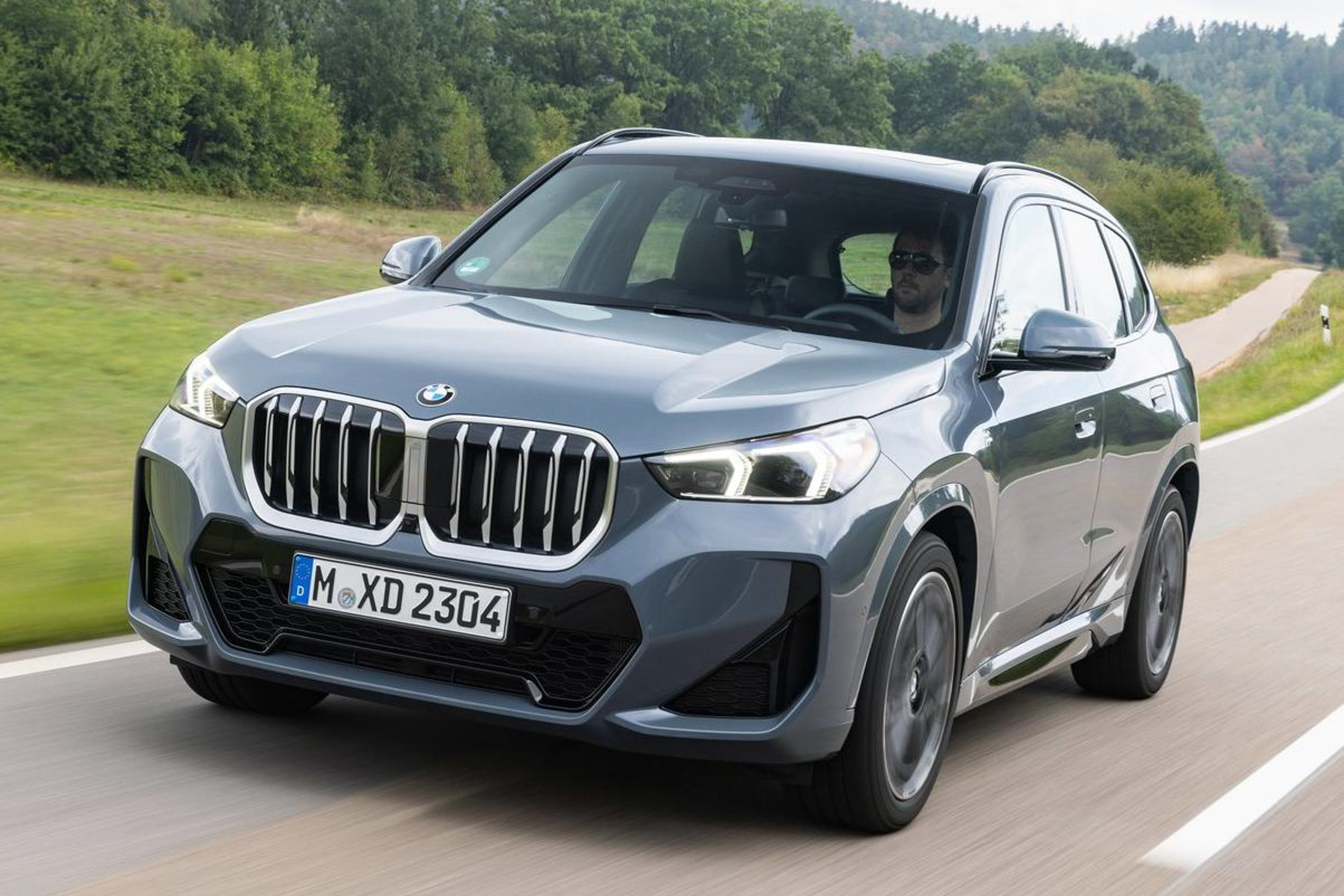
 Segment
 Body Type
 Capacity(L)
 Engine Power(PS)
 Engine Torque(Nm)
 Transmission
In 2023, competition in Malaysia's C-Segment SUV market remains fierce, with consumers valuing the quality brought by brand prestige while expecting a balance between practicality in space and features. The BMW X1 sDrive20i xLine, as the mid-life facelift model of the brand's entry-level SUV, enters the market with a 204PS 2.0T engine, standard ADAS system, and the identity of a luxury brand. Its core selling points directly address the needs of users seeking a combination of "brand + practicality." In this test drive, we focused on its daily driving performance, space utilization, and whether its features truly cater to the local usage scenarios.
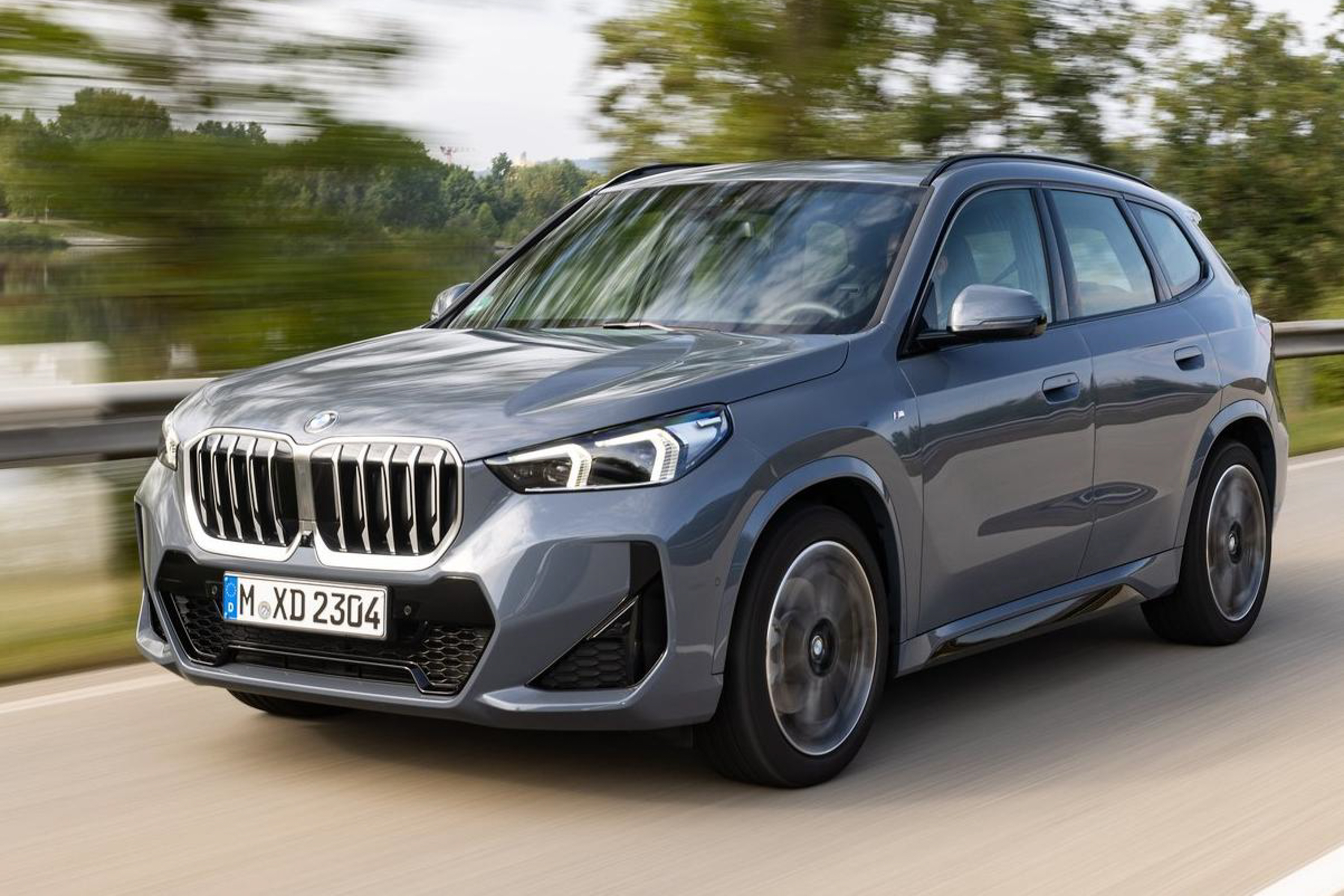
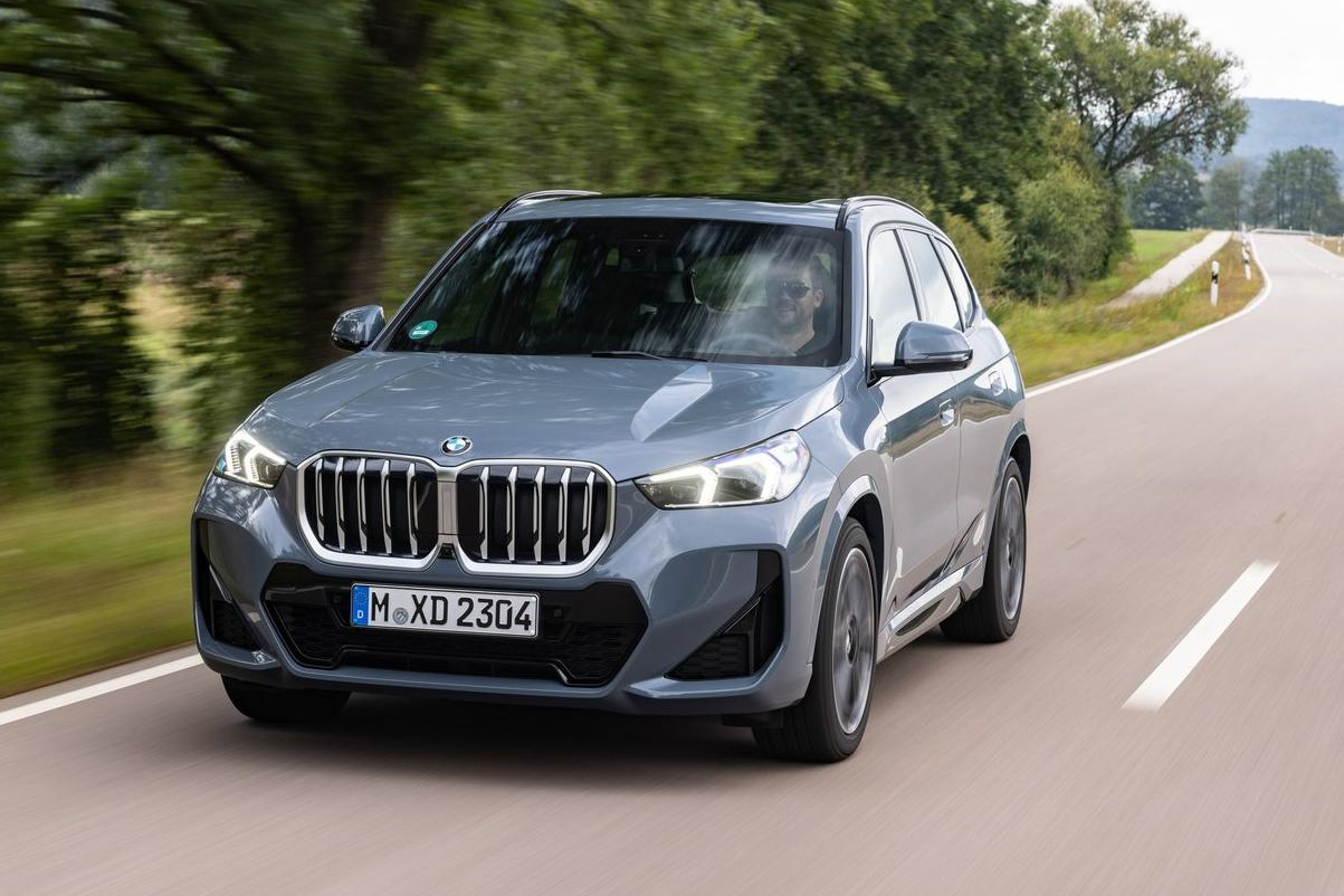
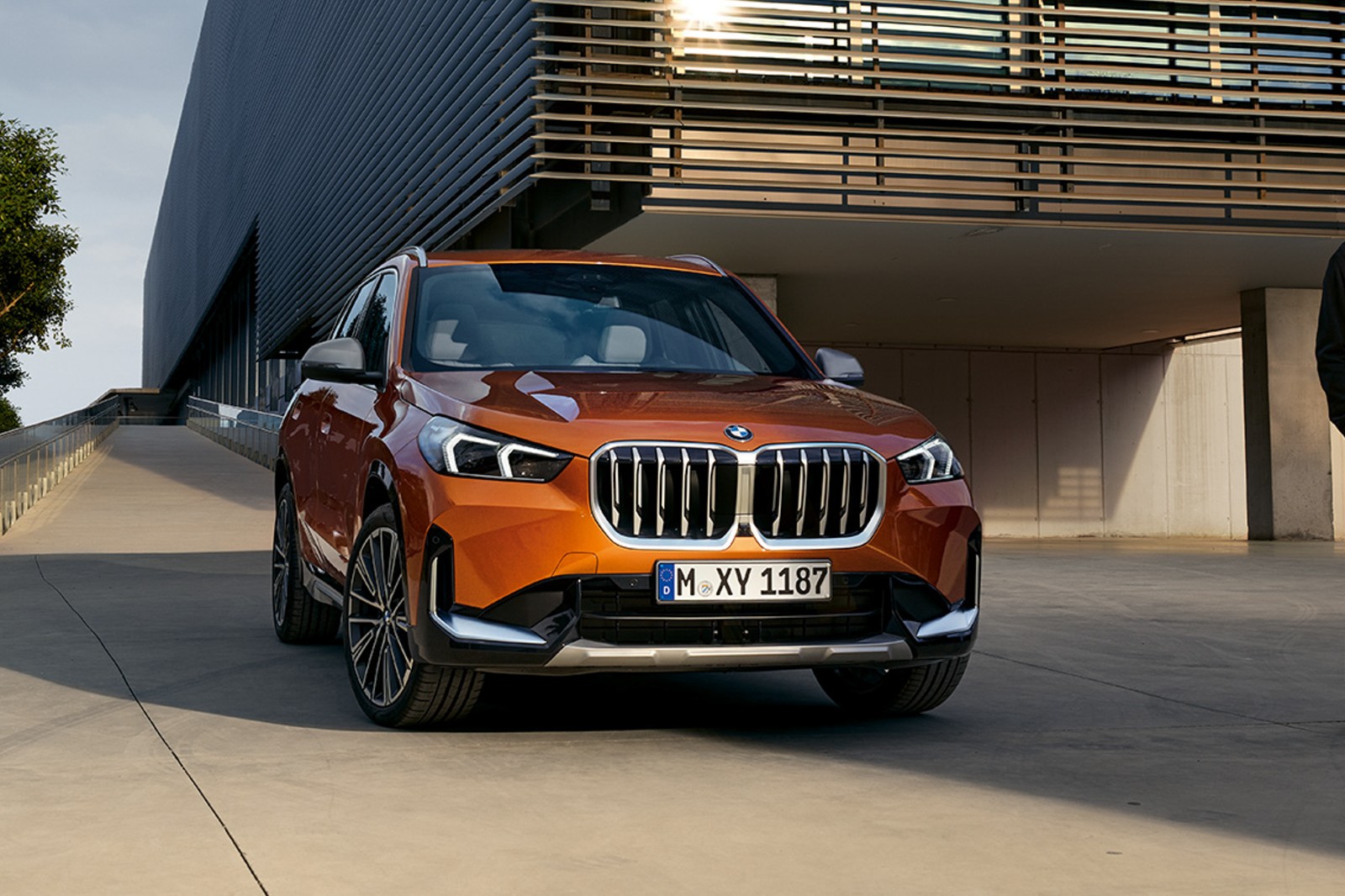
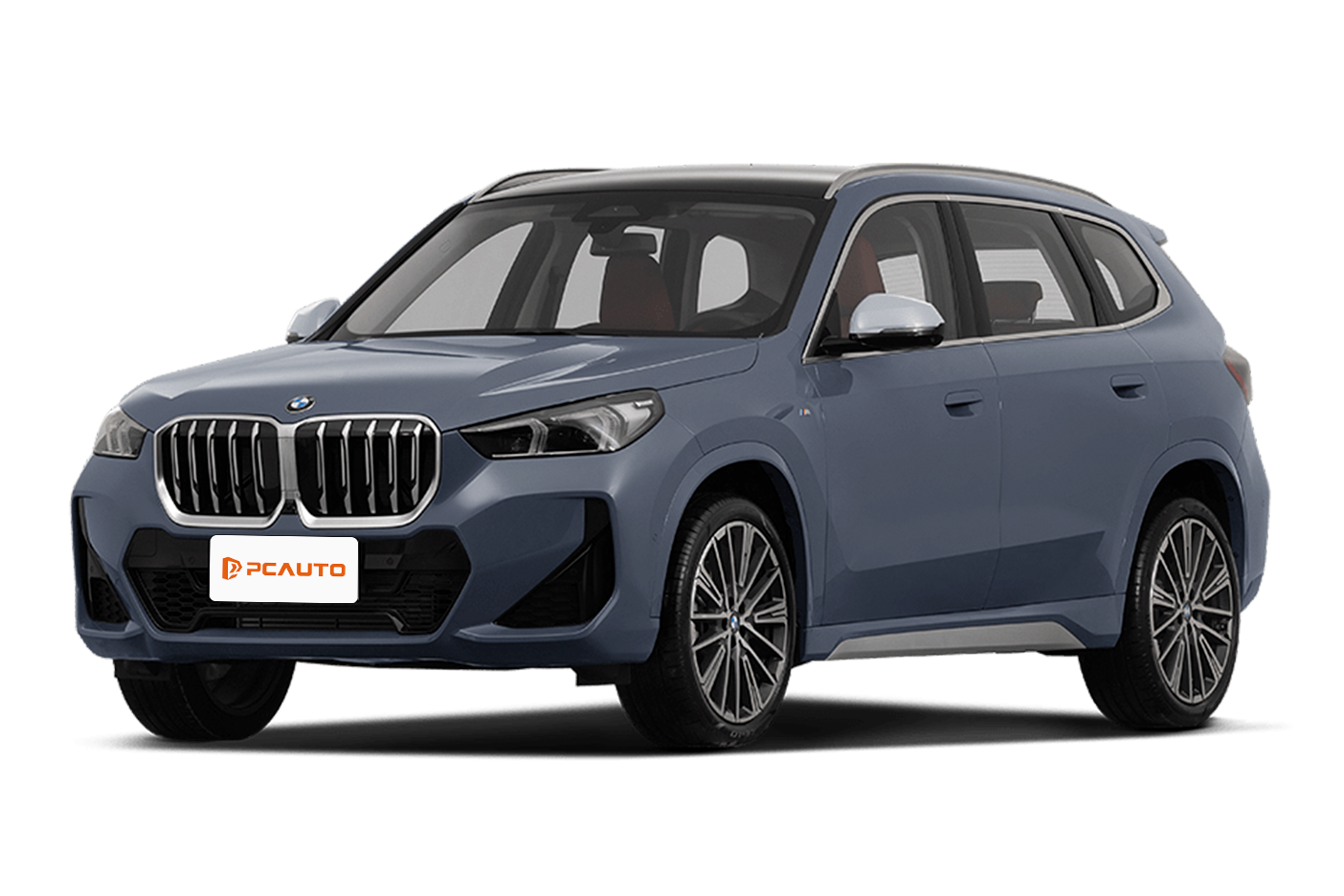
From the exterior, the new X1 sDrive20i xLine continues the family design language but appears more robust in detail. The front fascia features a blacked-out kidney grille complemented by a horizontal chrome trim below, increasing the overall visual width. The sharp design of the LED headlights connects seamlessly to the edges of the grille, creating high daytime driving light recognition when illuminated. The vehicle's side profile has smooth lines, with a muscular beltline extending from the front fender to the rear. The 19-inch multi-spoke wheels paired with 245/45 R19 tires retain the SUV's off-road capability while ensuring on-road stability. At the rear, the blacked-out LED taillights with L-shaped light strips mirror the design of the headlights. Additionally, silver skid plate decorations on the lower bumper enhance the rugged, off-road aesthetic.
Inside the cabin, the sense of luxury is primarily reflected in the materials and details. The dashboard is wrapped in soft-touch materials, accented with silver trim, and all expected tactile soft-touch areas are present. The steering wheel is wrapped in leather with a moderate thickness, featuring well-laid-out multi-function buttons and paddle shifters for easy operation. The instrument cluster is a 5.7-inch high-resolution TFT display, providing clear information and real-time feedback on core data such as fuel consumption and speed. The 8.8-inch touchscreen infotainment system supports CarPlay connectivity and responds smoothly. Although it isn't the largest screen in its class, the operational logic adheres to BMW's consistently simple style. Regarding features, both front seats are electronically adjustable, with the driver’s seat offering a memory function. They provide good support and are comfortable for long periods of sitting. While the rear seats are fixed, the backrest angle is appropriate, and thanks to the 2692mm wheelbase, a 175cm tall passenger has about two fist-widths of knee space when seated. Storage space is practical, with a trunk capacity of 540L in its standard setup, which can expand to 1550L when the rear seats are folded down — sufficient to fit a stroller or a golf bag. Additionally, the front center armrest box and door storage compartments have ample openings and depth, making it convenient for daily storage of water bottles, mobile phones, and other small items.
Dynamic performance is the focus of this test drive. The 2.0T turbocharged engine delivers a maximum power of 150kW (204PS) and a peak torque of 300N·m, paired with a 7-speed dual-clutch transmission. Its power figures place it in the upper-middle range among 2.0T models in its segment. During takeoff, the throttle response is sensitive, and even light pressure provides decent pushback. The gearbox shifts smoothly at low speeds with almost no jolts. Mid to high-range acceleration remains strong; when accelerating to overtake at 80km/h, pressing the throttle prompts the transmission to downshift quickly, offering direct power delivery. Given the official 0-100km/h acceleration time of 7.6 seconds, it is more than sufficient for daily overtaking and lane changing. There are three driving modes available — Comfort, Sport, and ECO. In Comfort mode, the steering is light, making it suitable for city commutes. In Sport mode, the steering weighs up, and throttle responses become more aggressive, ideal for high-speed or mountain road driving.
In terms of the chassis, the combination of front MacPherson struts and rear multi-link independent suspension is tuned towards comfort. When going over speed bumps or uneven roads, the suspension can filter out most of the small bumps, resulting in minimal body oscillation. During cornering, the body roll control is good, with sufficient support, avoiding an obvious "boat-like feeling." The braking performance is linear, with moderate force at the initial stage and noticeable braking effect later, providing confidence during daily driving. As for fuel consumption, it is about 9.5L/100km in congested urban areas and drops to 6.8L/100km on highway cruising. The combined fuel consumption is generally in line with the official figure of 7.2L/100km, which is reasonable for a 2.0T engine model.
The details of ride comfort are well-executed. The Harman Kardon audio system, though having only six speakers, delivers high-quality sound for its class, with deep bass and clear treble. The dual-zone automatic climate control for the front row cools quickly, while the rear air vents allow independent airflow adjustment, ensuring rear passengers do not feel stuffy. The sound insulation is commendable, with tire and wind noise kept at an acceptable level below 100km/h. At higher speeds, wind noise increases slightly but does not hinder normal conversation.
The highlights of the configuration lie in safety and convenience. Standard across the range are six airbags, ABS, electronic stability control, and ADAS features such as blind-spot monitoring, lane departure warning, and autonomous emergency braking, all of which provide ample safety protection during daily driving. Functions like ACC adaptive cruise control, automatic parking, front and rear parking sensors, and a reverse camera are highly practical for beginners or city parking. Features such as keyless entry, power seats with memory, rain-sensing wipers, and a sunroof align with the positioning of an entry-level luxury SUV.
Overall, the core advantage of the 2023 BMW X1 sDrive20i xLine is its "balance" — the prestige of a luxury brand, the sufficient performance of a 2.0T engine, practical space, and comprehensive safety features that cater to the daily needs of family users. Compared to competitors like Audi Q3 or Mercedes-Benz GLA in the same segment, it boasts a longer wheelbase, more spacious interior, and richer configurations. While the price of 244,800 Malaysian Ringgit is not the most "cost-effective," considering BMW's brand premium and the comprehensive standard equipment, it still holds a certain degree of competitiveness.
This car is suitable for two groups of people: firstly, young couples seeking the quality of a luxury brand alongside the space of an SUV for family trips; secondly, urban professionals with a budget of around 250,000 Malaysian Ringgit who aim for a premium brand image without compromising on performance and features. If you are looking for a luxury SUV that is "prestigious, easy to drive, and practical," the X1 sDrive20i xLine is a good choice.
BMW X1 Car Compare
BMW X1 Loan Calculator
More BMW Reviews
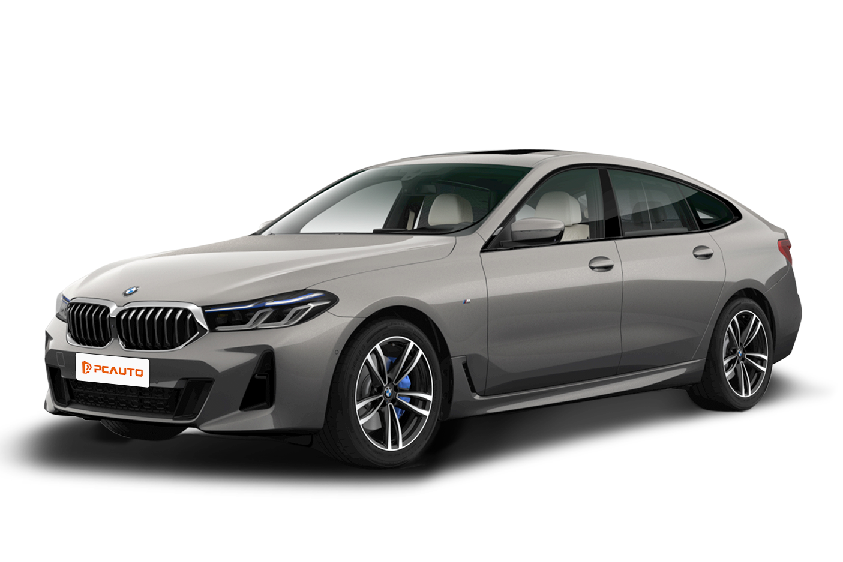
Cars With Similar Price And Features
8
Rank in SUV
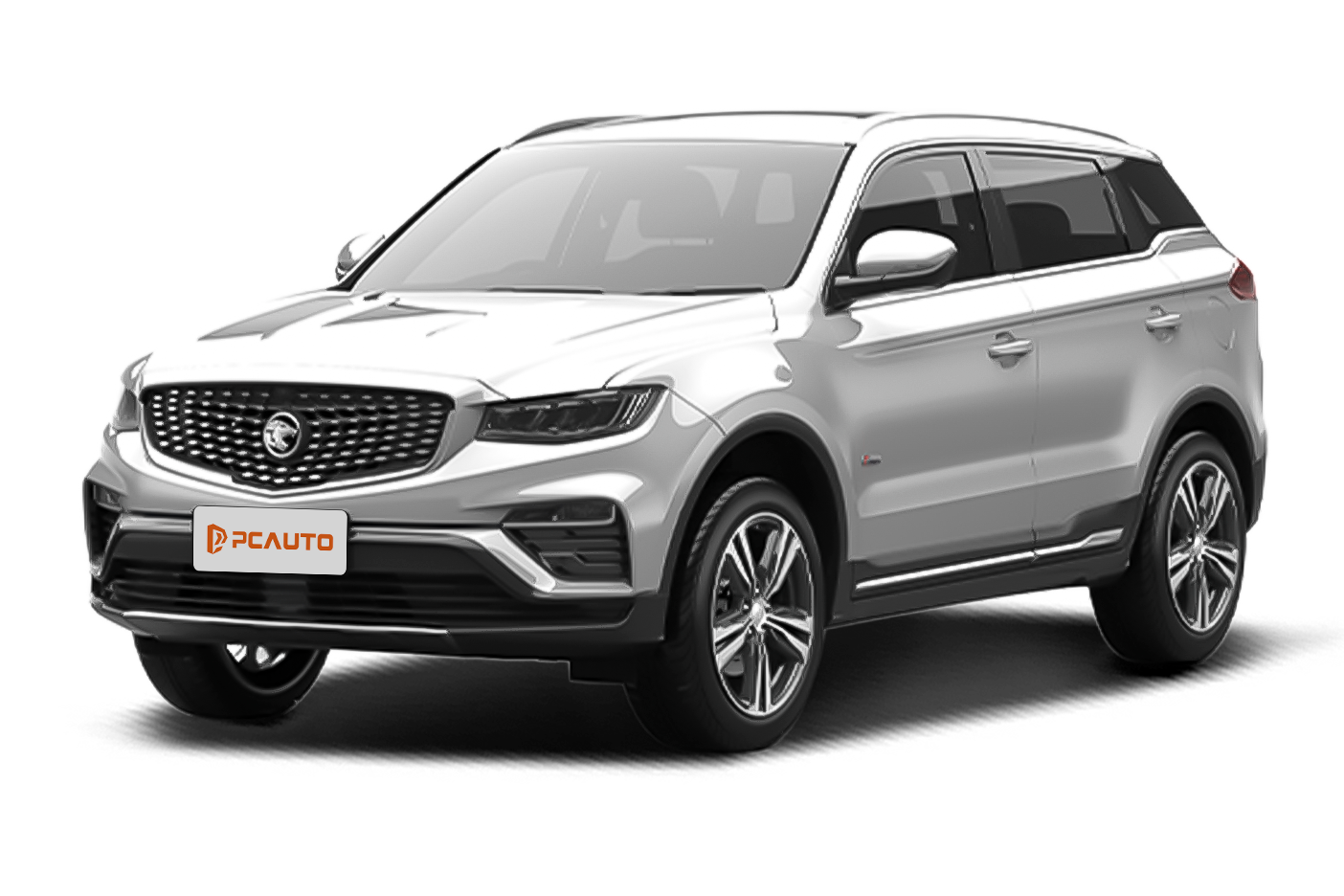
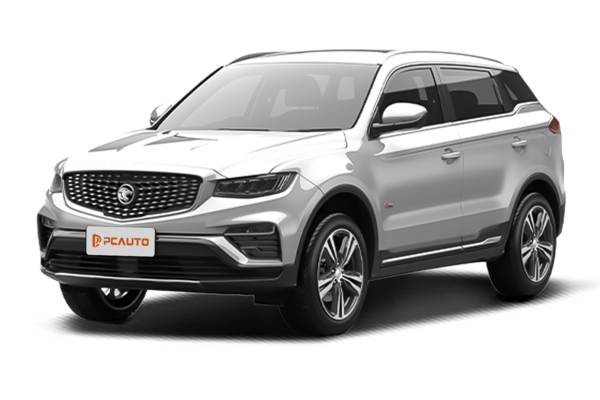
2026 Proton X70 1.5 TGDi Executive focuses on upgrading to a four-cylinder engine, practical configurations, and affordable pricing. It balances family commute practicality with value for money, making it a sensible choice among similarly priced C-segment SUVs.
10
Rank in SUV
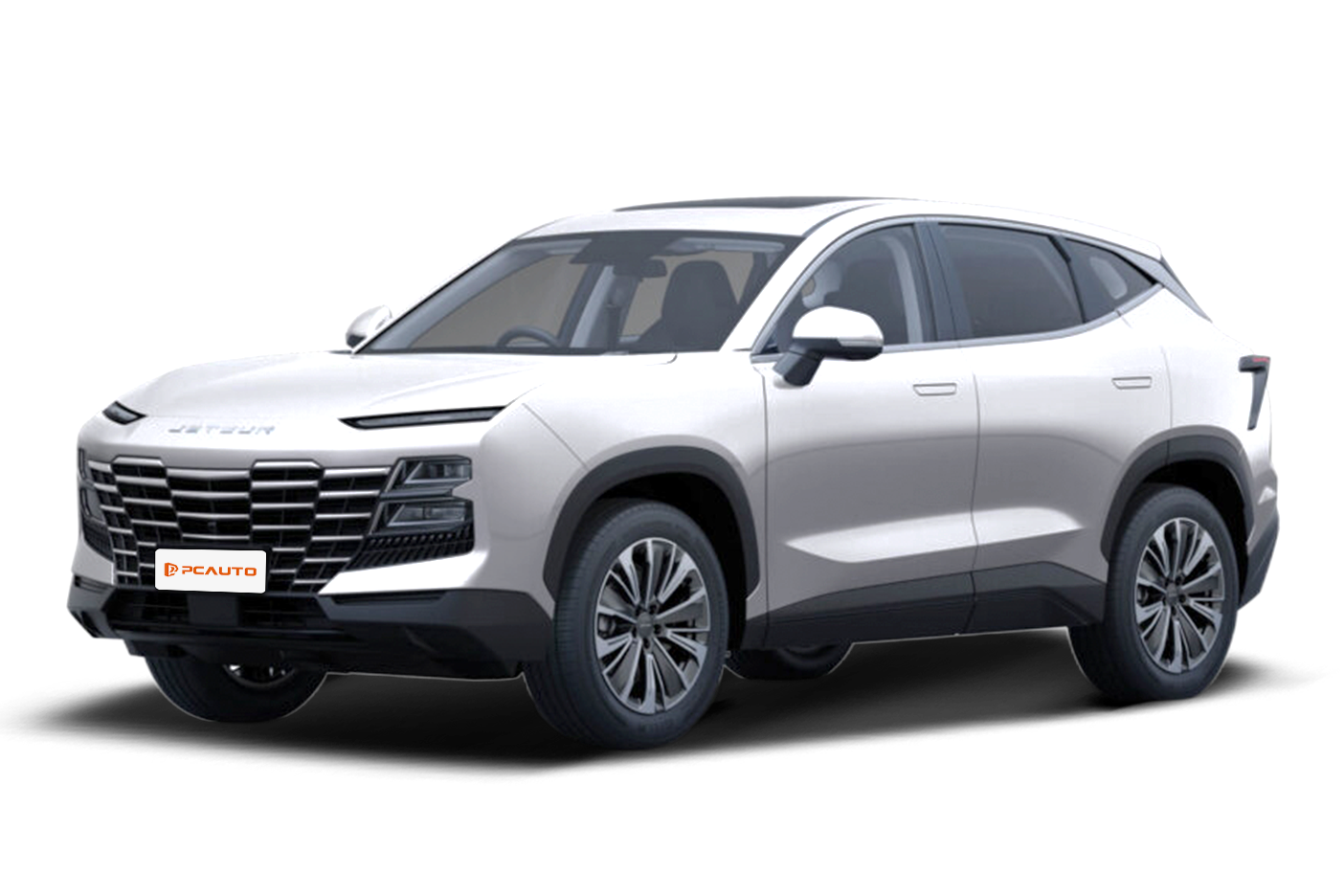
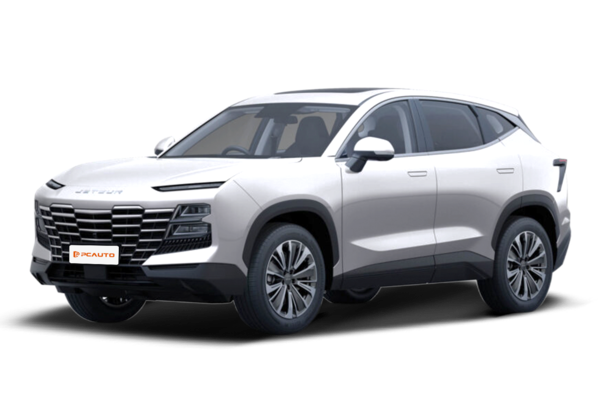
Jetour Dashing 1.5 TCI Comfort 2025 features a 2720mm long wheelbase and a 10.25-inch dual screen as its core, focusing on balanced cost performance to meet family practical needs.
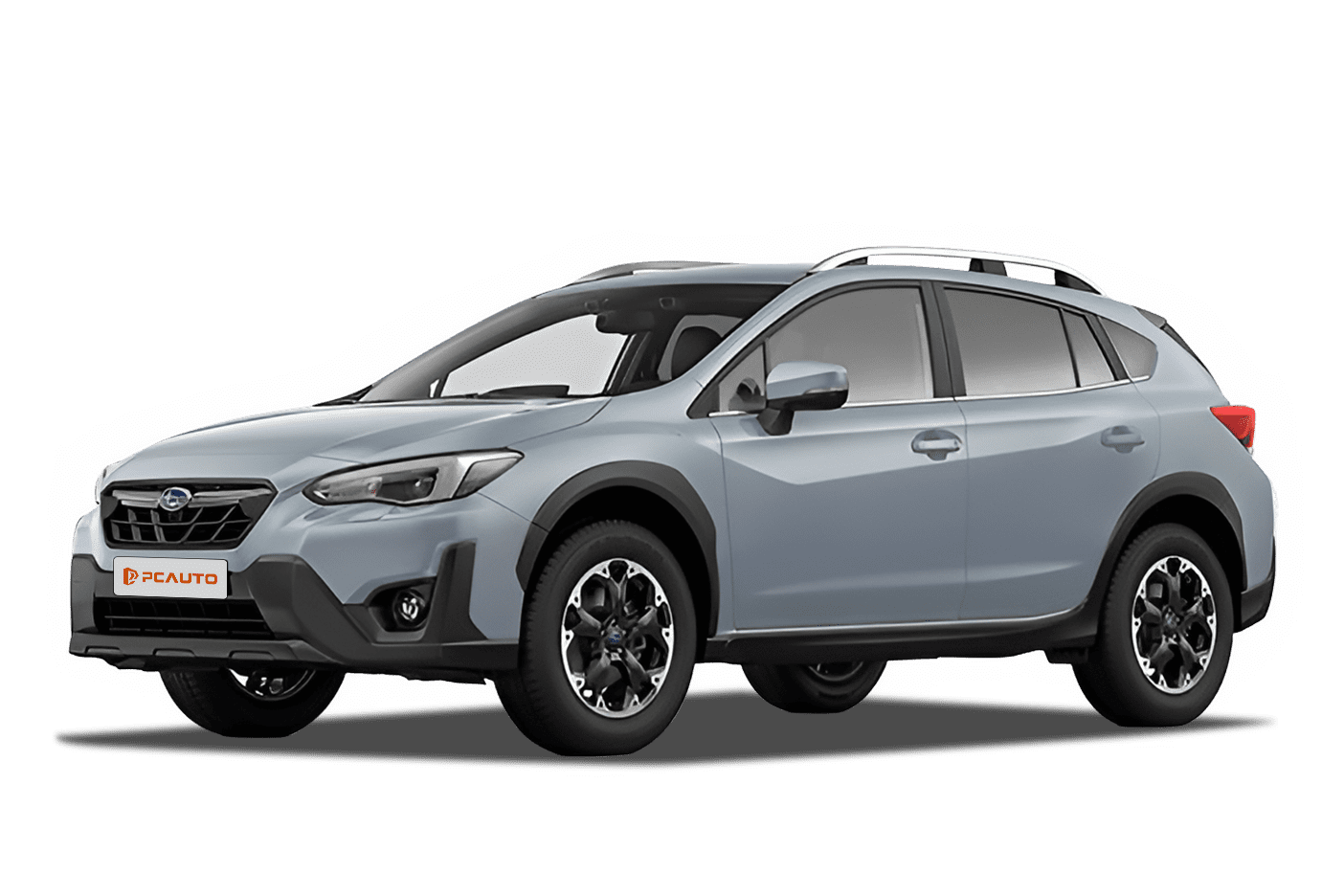
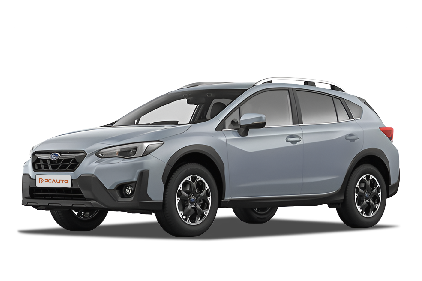
The 2021 Subaru XV 2.0i is a model targeting the C-segment crossover market, equipped with standard all-wheel drive and high safety features, balancing off-road capability and handling, with practical space.

2021 Hyundai Kona 2.0 Standard, as a high-value entry-level compact SUV, retains essential safety and practical features with an affordable price, meeting the daily commuting and loading needs of families.