

2023 Honda City 1.5L V Review

 Share
Share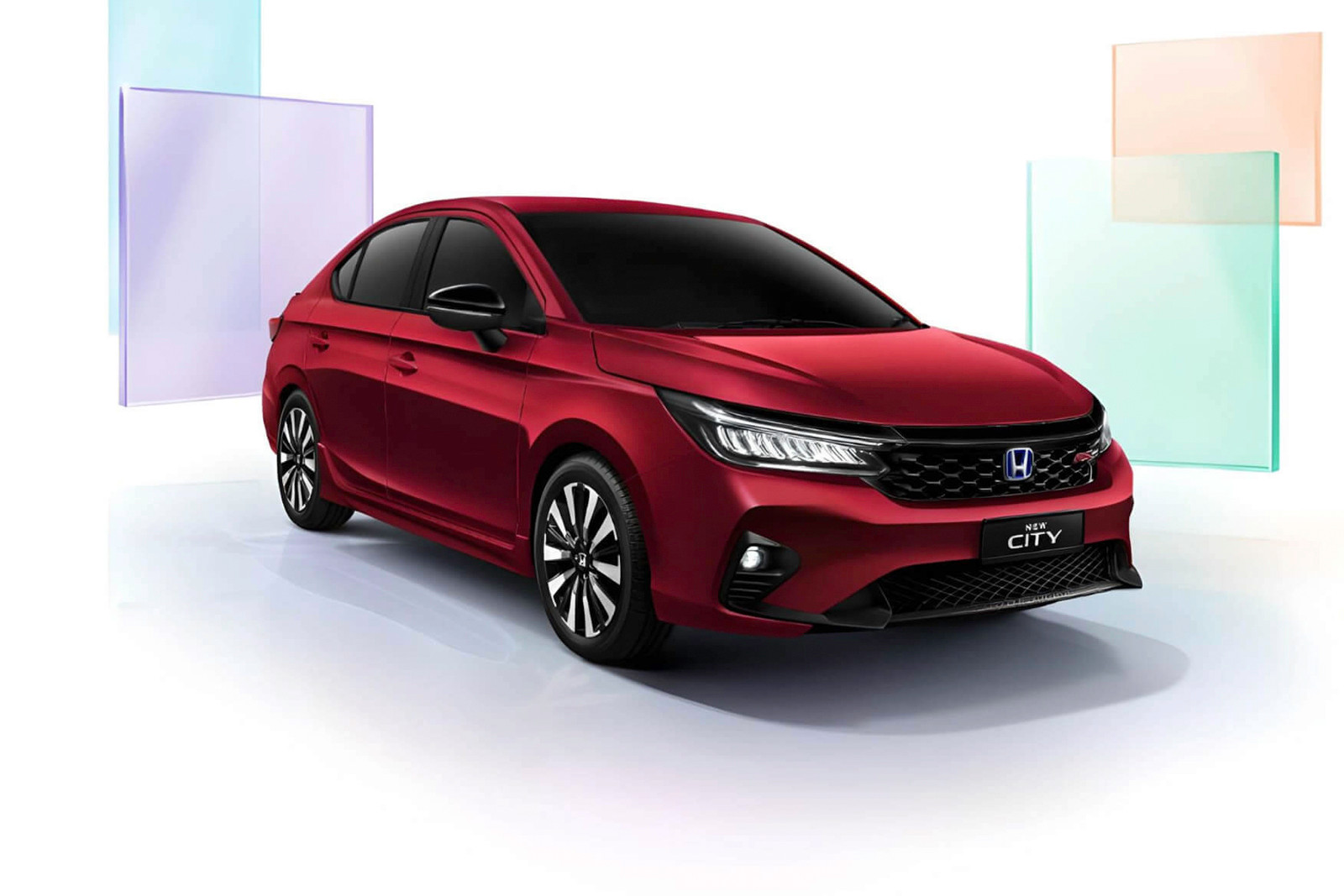
 Segment
 Body Type
 Capacity(L)
 Engine Power(PS)
 Transmission
 Driven Wheels
The B-segment sedan market has always been the main battlefield for Malaysian family users. Surrounded by popular models like the Proton Persona and Toyota Vios, the Honda City, as a veteran, relies on what to attract attention with its 2023 1.5L V variant? Its main selling points are balanced configurations, space advantages, and reliable performance—exactly what practical consumers look for. This time, our comprehensive test drive aims to see whether it meets real-life usage scenarios and if the configurations truly live up to the mark.
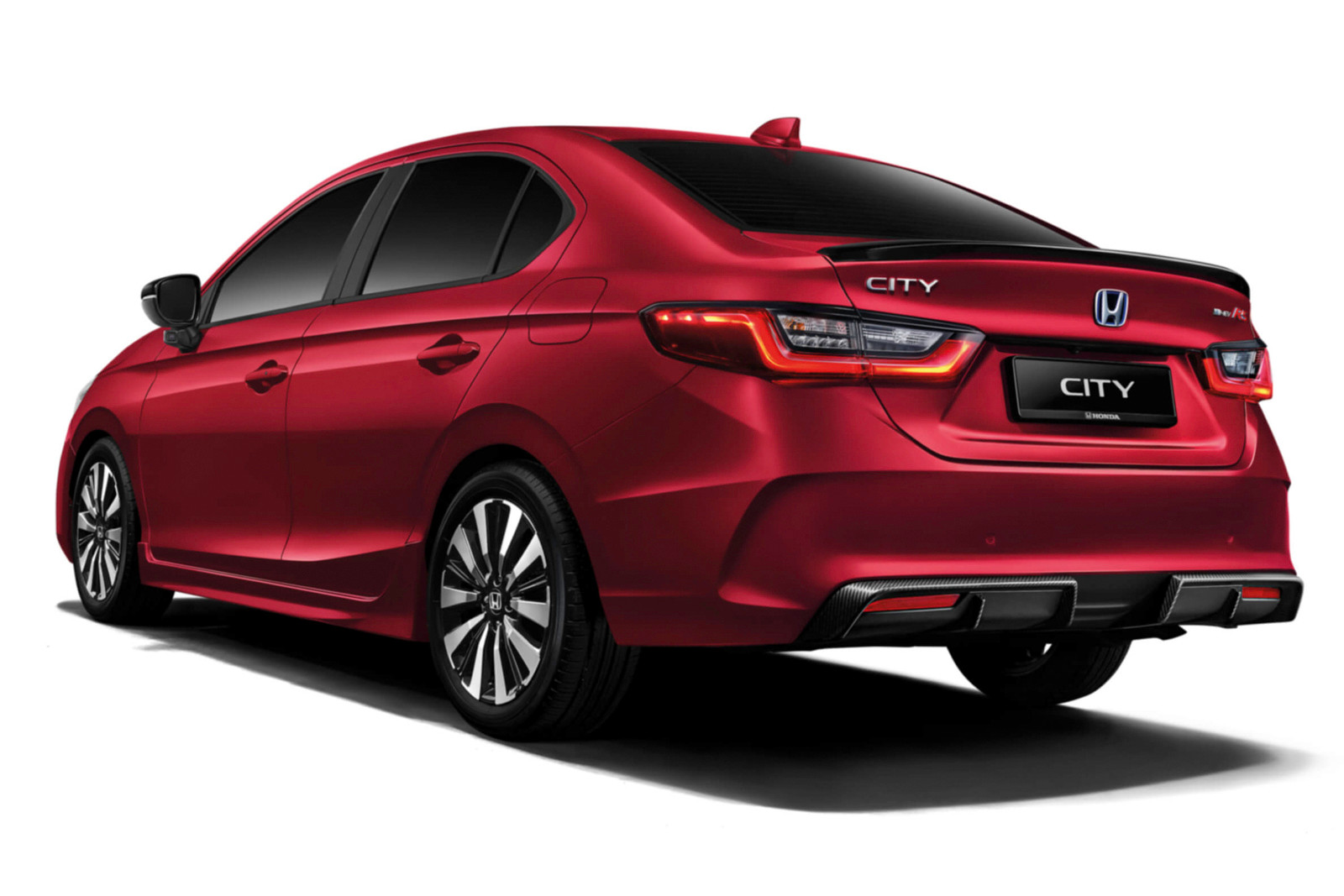
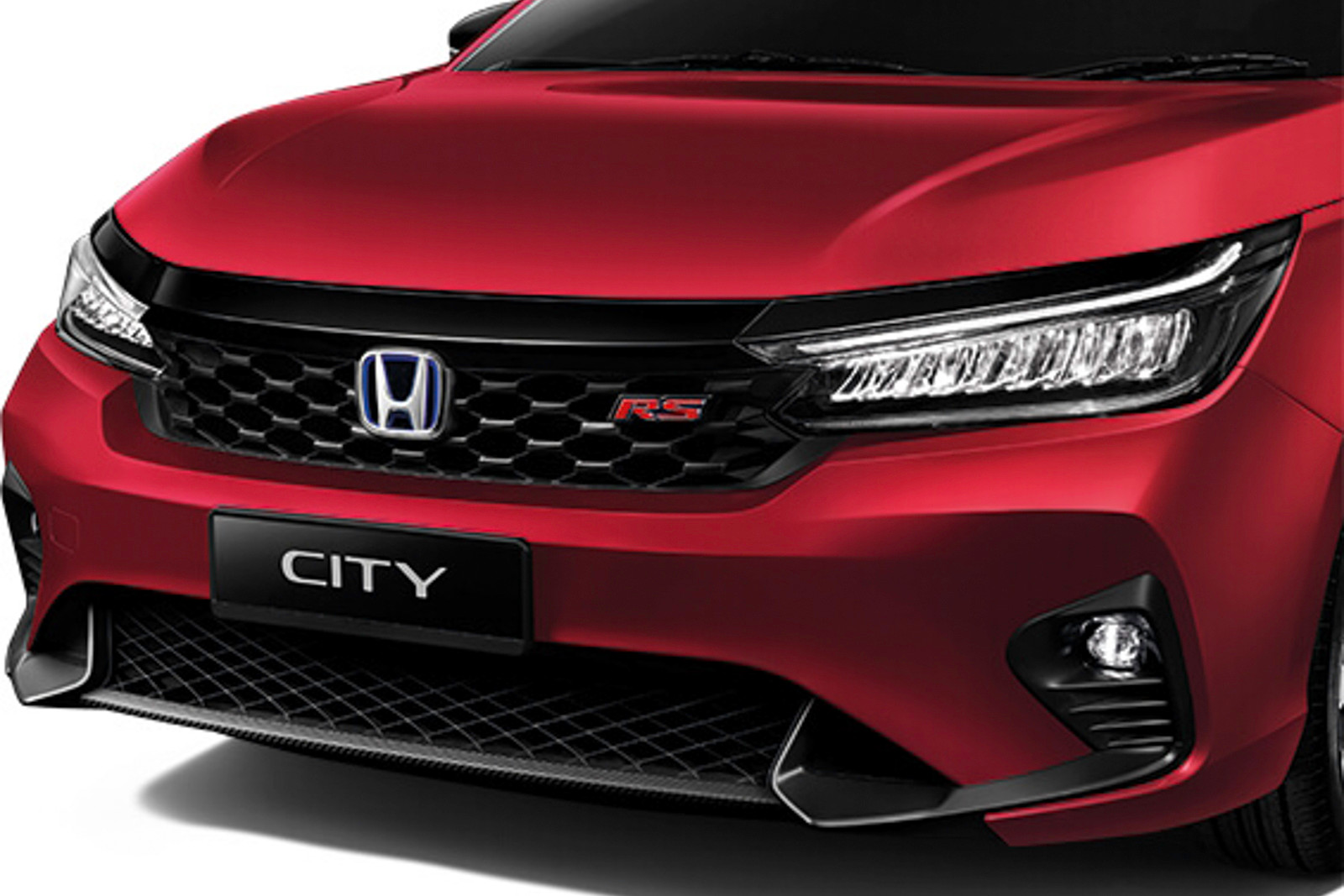
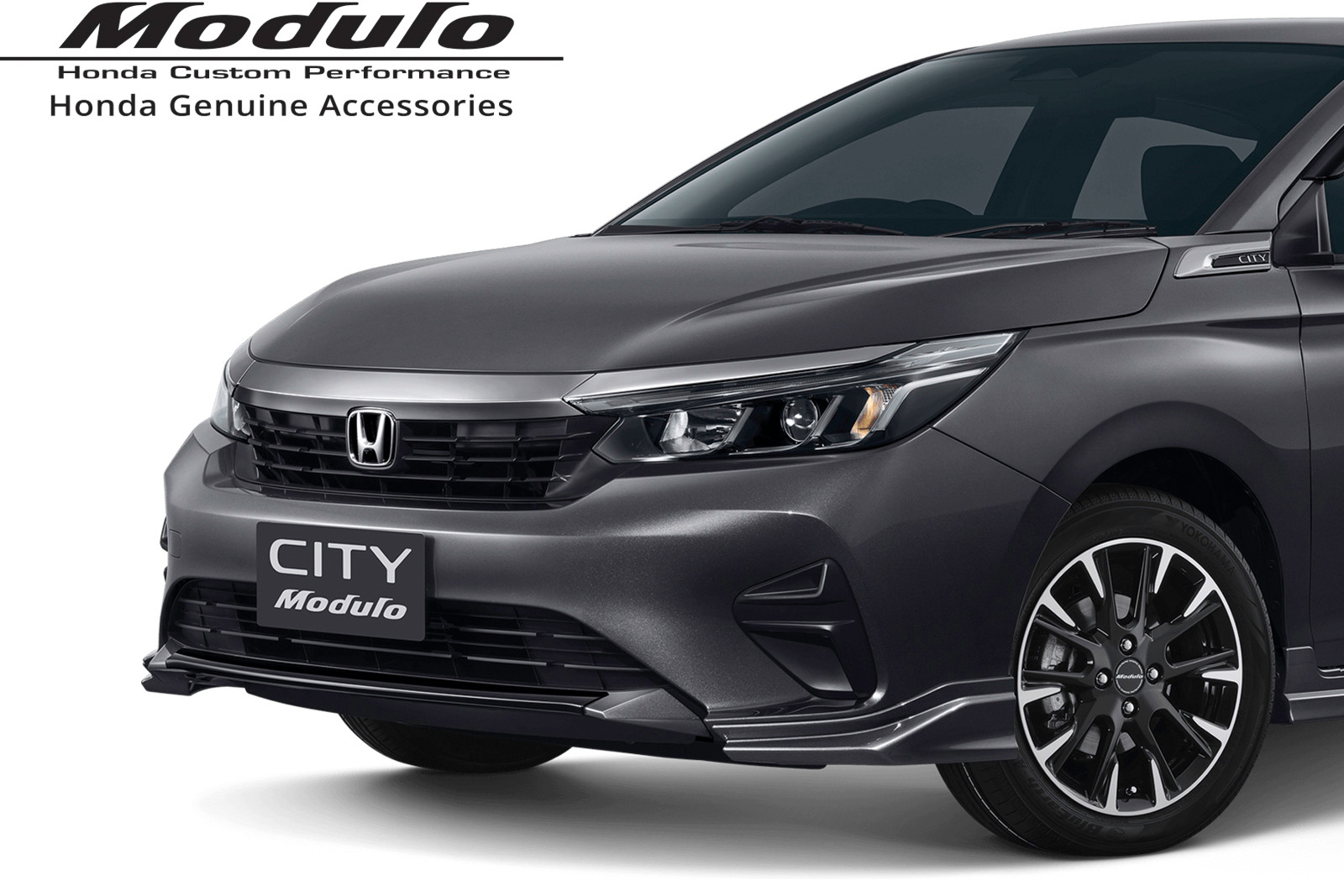
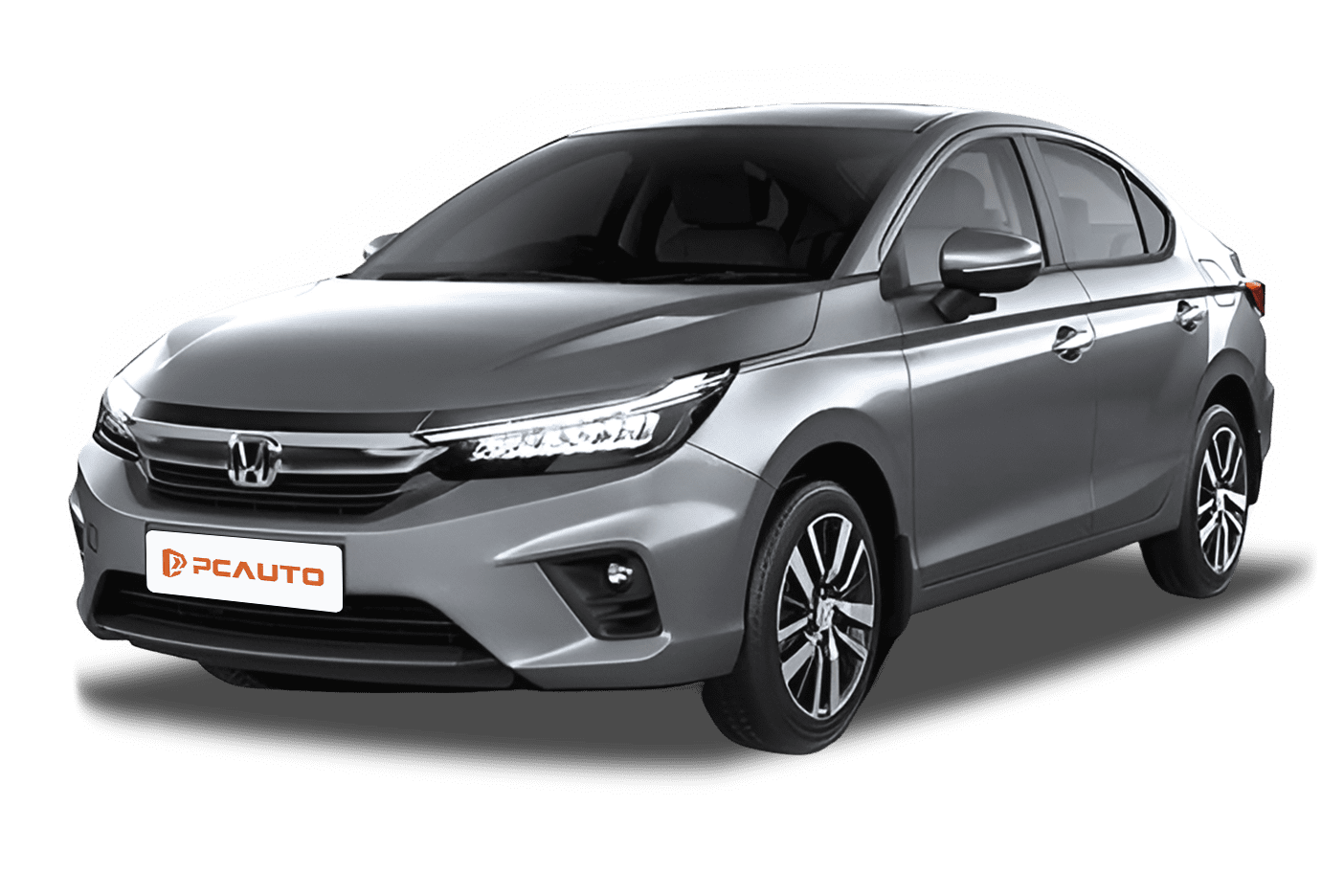
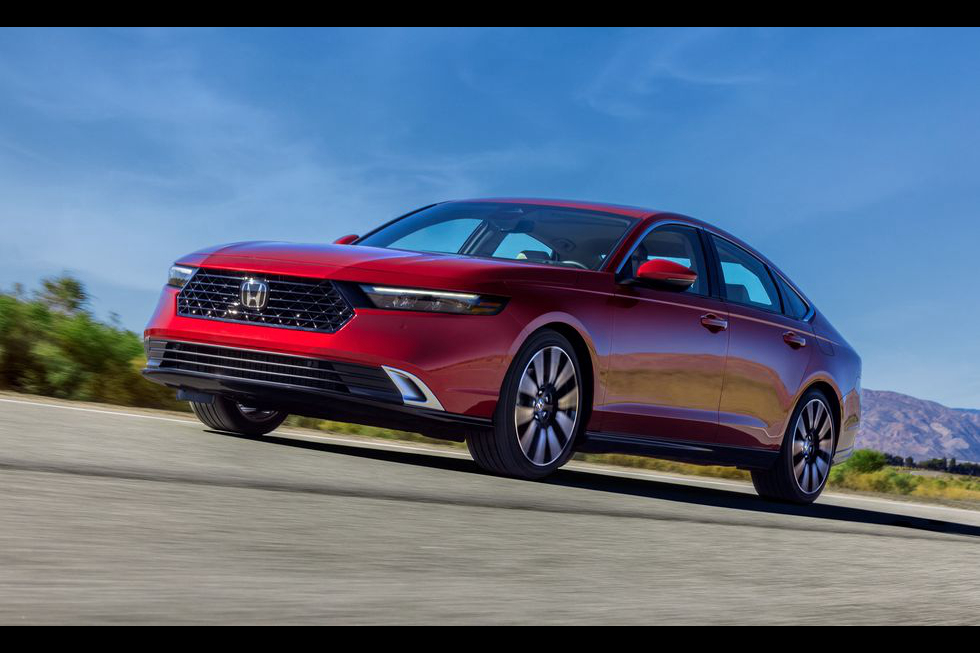
Starting with the exterior, it maintains Honda's youthful family design language. The front grille adopts a blacked-out honeycomb style, paired with silver chrome garnish. The sharp LED headlights on both sides connect seamlessly with the grille, visually widening the car. The side profile has smooth lines, with a simple waistline extending from the front fender to the rear. The 16-inch multi-spoke wheels, while not stunning, are well-proportioned with the overall design of the car. The rear LED taillights adopt a through-type design, connected by a black trim piece in the middle, enhancing recognition when lit; the rear bumper features a small diffuser-style molding, which adds a slight sporty touch. Overall, the design is simple yet enduring, suitable for daily commutes or family outings without looking out of place.
Moving to the interior, the materials used are mostly soft-touch plastics and fabric, but the stitching and build quality are fairly meticulous. The dashboard layout is straightforward, with an 8-inch floating touchscreen as the focal point, supporting Apple CarPlay and Android Auto, providing smooth interaction. Physical buttons are retained below the screen, making it practical for air conditioning adjustments without needing to look at the screen. In terms of features, keyless entry and engine start come standard, so there’s no digging around for the keys. The steering wheel is equipped with paddle shifters, which, though paired with a CVT gearbox, can still meet occasional sporty driving needs. The rear seats are equipped with independent air conditioning vents and USB ports, catering to passenger comfort. However, the front seats are manually adjustable, which might take some getting used to for those accustomed to electric adjustments, but the range of adjustment should be sufficient for most drivers of varying heights.
Space performance is one of City’s key strengths. With a wheelbase of 2600mm, when the front seats are adjusted to a comfortable driving position, the rear seats still provide about two fists of legroom for a passenger of 175cm in height, without feeling cramped; there’s also roughly a fist of headroom, so tall passengers won’t feel their head hitting the roof. The trunk offers a capacity of 519 liters, enough for two 28-inch suitcases, and the rear seats support a 60:40 split-fold design, allowing for additional space when carrying long items. Thoughtful storage compartments are also present—the front door panels can hold two bottles of water, the center console box is deep enough for a small wallet, and there’s a wireless charging area for the front seats (although it’s not fast charging, it suffices for emergencies).
In terms of performance, the 1.5L naturally aspirated engine delivers a maximum output of 121 PS and a torque of 145 N·m, paired with a CVT transmission. Daily acceleration is very smooth, and the throttle responds linearly, making it effortless when driving in the city or overtaking on short distances. Switching to sport mode keeps the RPM above 2000, providing more immediate acceleration. However, as this is a naturally aspirated engine, accelerating beyond 120 km/h on the highway feels a bit underpowered. Fuel efficiency is impressive, with our test drive covering mixed conditions (30% city driving + 70% highway) achieving a fuel consumption of 5.8L per 100km, which is close to the manufacturer’s rated 5.6L. With a 40L fuel tank, a full tank can take you around 650 kilometers, sufficient for a week's commute without frequent refueling.
In terms of handling, the front MacPherson independent suspension is tuned for comfort. When passing over speed bumps or potholes, jolts are well filtered, leaving no significant bounces. The steering wheel is precise with minimal play, and the body roll is well-controlled in corners, making the drive feel very stable. The braking performance is reassuring as well, with the brake pedal having a linear feel—what you step is what you get. During emergency braking, the vehicle remains stable and doesn't deviate from its path. Noise control is average; at 120km/h on the highway, wind and tire noise become noticeable, but it is within an acceptable range and doesn't impact normal conversations.
Safety features are a highlight of this car. It comes standard with 6 airbags (front dual airbags, side airbags, and curtain airbags for front and rear), as well as the Honda Sensing system, which includes adaptive cruise control (ACC), lane departure warning, and forward collision warning. Using ACC on the highway can reduce fatigue, and in urban traffic, the forward collision warning is a helpful reminder to stay alert. These features are considered comprehensive within its class, more so than many competitors that only offer basic safety features.
To summarize, the core strengths of the 2023 Honda City 1.5L V are its spaciousness, balanced features, fuel efficiency, and robust safety equipment. Compared to the Proton Persona, it has an advantage in brand reliability and interior space; against the Toyota Vios, it offers more features and a friendlier price. It's well-suited for families focused on practicality or young couples who need a car for both commuting and family outings. It doesn't have any major shortcomings and is a "jack-of-all-trades" vehicle that can meet all daily needs. If you're looking for a worry-free, adequately equipped, and well-rounded sedan, the City 1.5L V is worth considering.
Honda City Car Compare
Honda City Loan Calculator
Cars With Similar Price And Features
6
Rank in Sedan
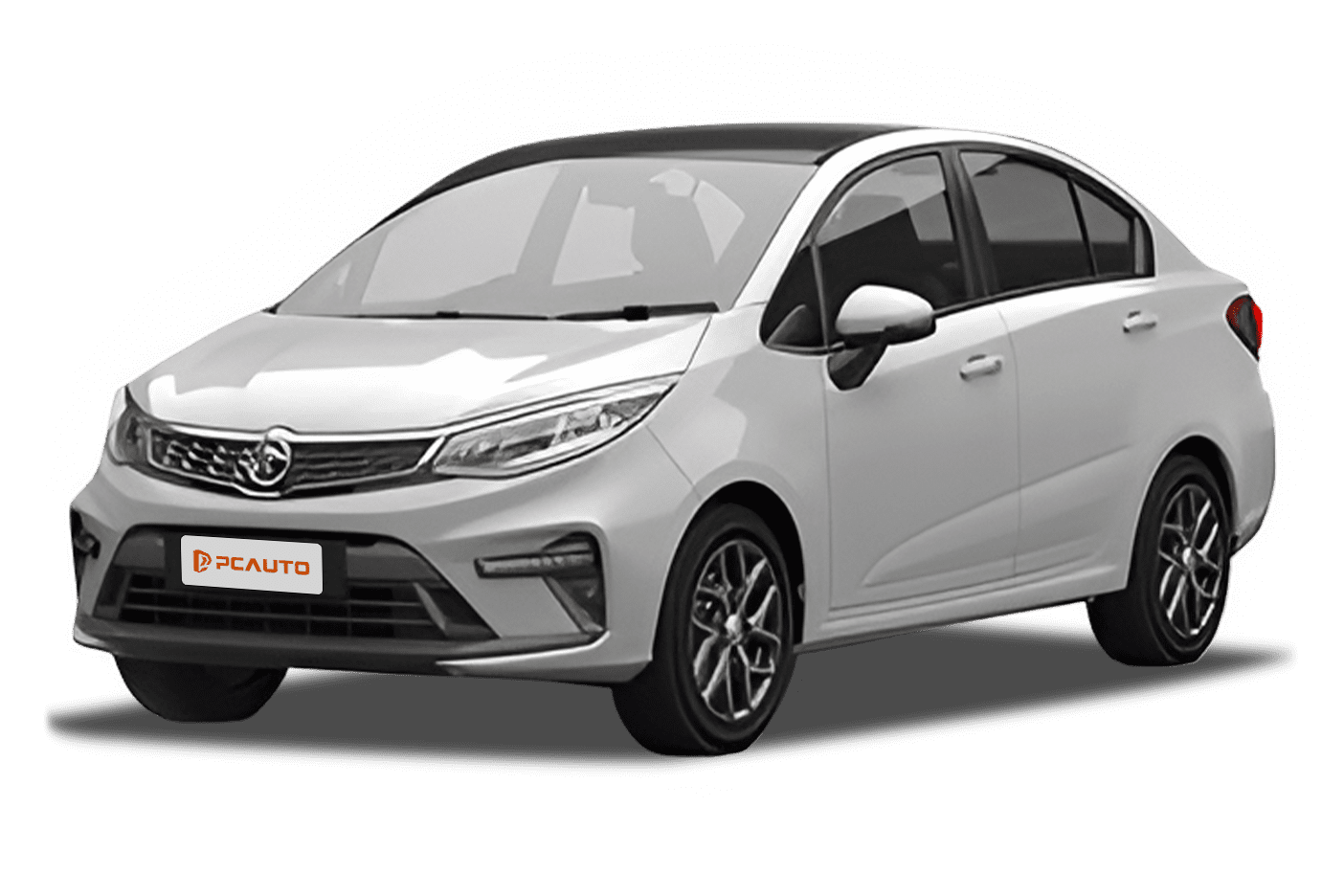
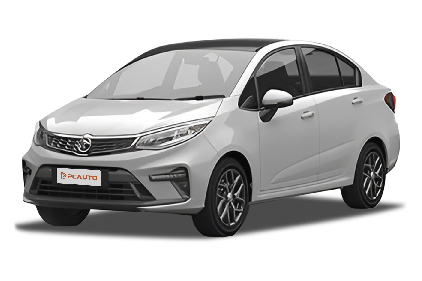
2023 Proton Persona 1.6 Standard CVT is an affordable, safety-configured entry-level family sedan with practical space, balancing daily commuting and family needs.
18
Rank in Sedan
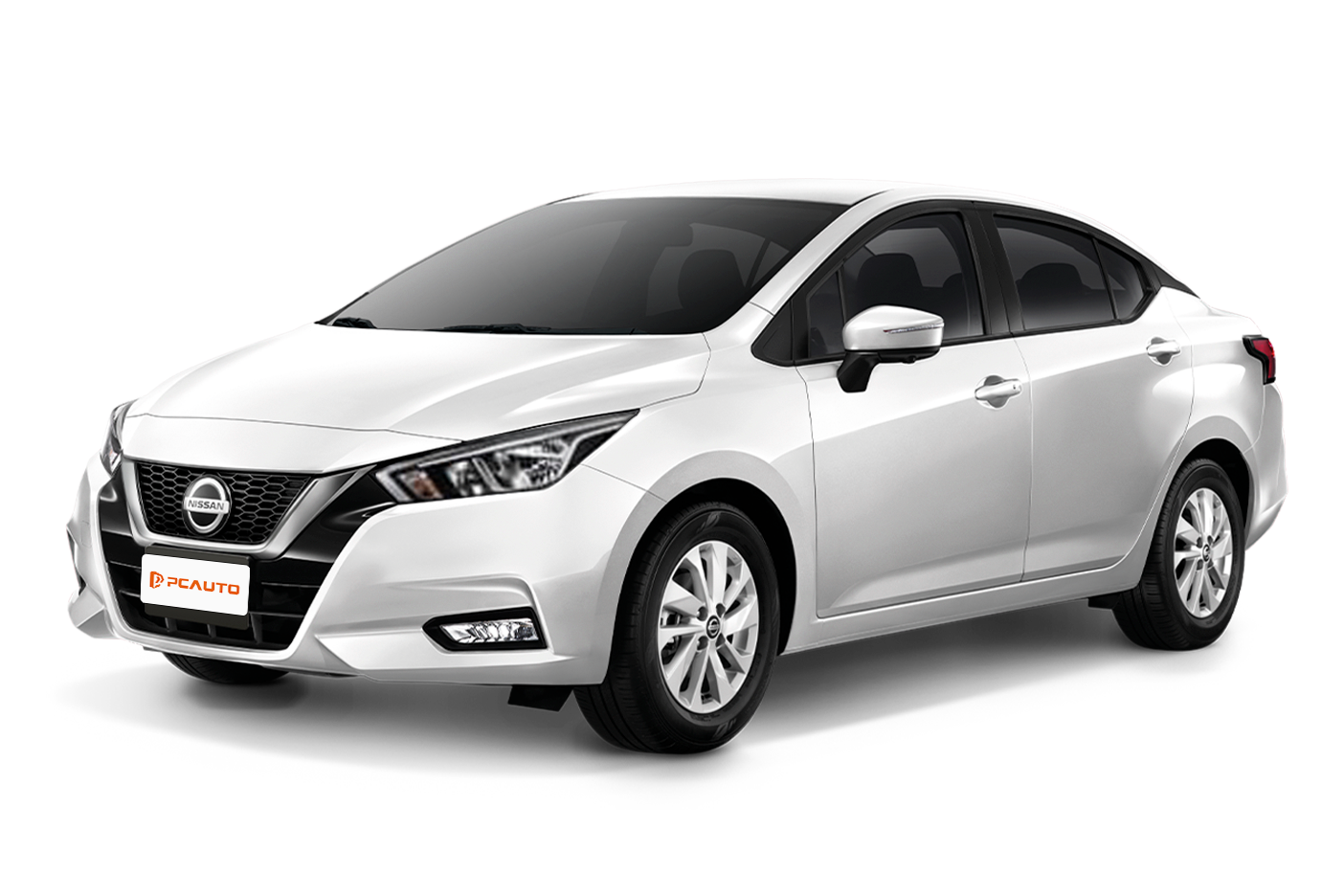
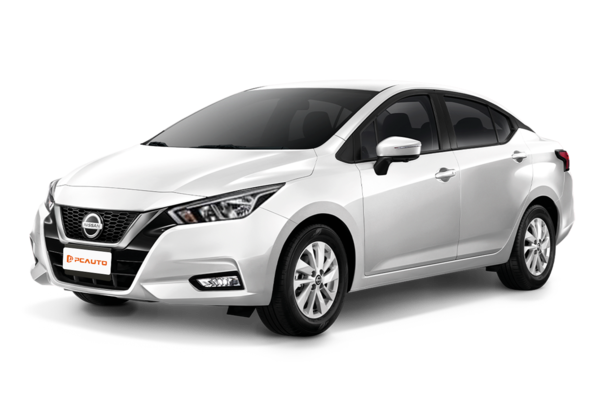
The 2024 Nissan Almera 1.0L Turbo VL is an affordable, practical, fuel-efficient, and well-equipped mid-size family sedan designed for consumers who value hassle-free commuting and family needs.
5
Rank in Sedan
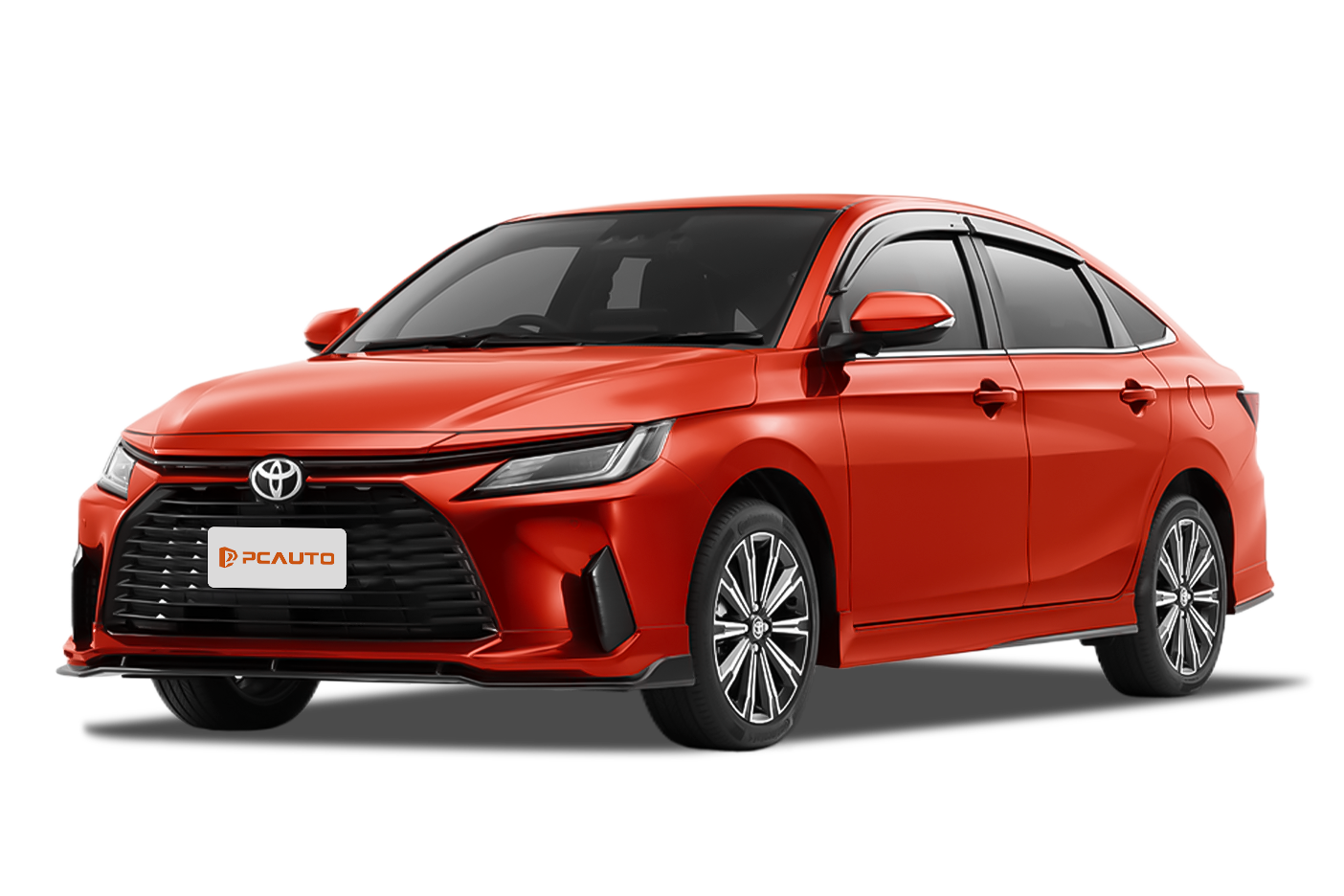
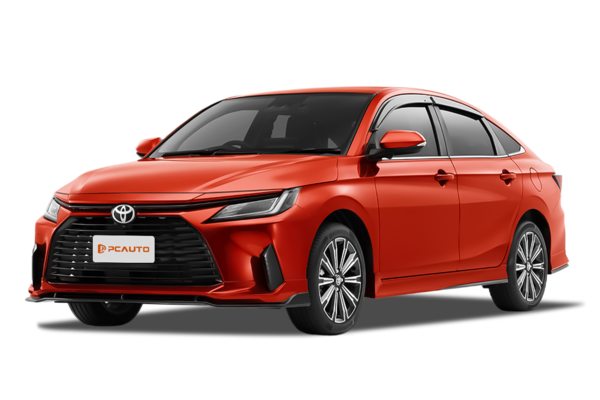
2023 Toyota Vios 1.5E AT, as a mid-range model in the facelift, with features such as the TSS Intelligent Safety System, HUD, and other high-end features being made available, along with balanced space and fuel efficiency, making it a high-value B-segment sedan choice in Malaysia.
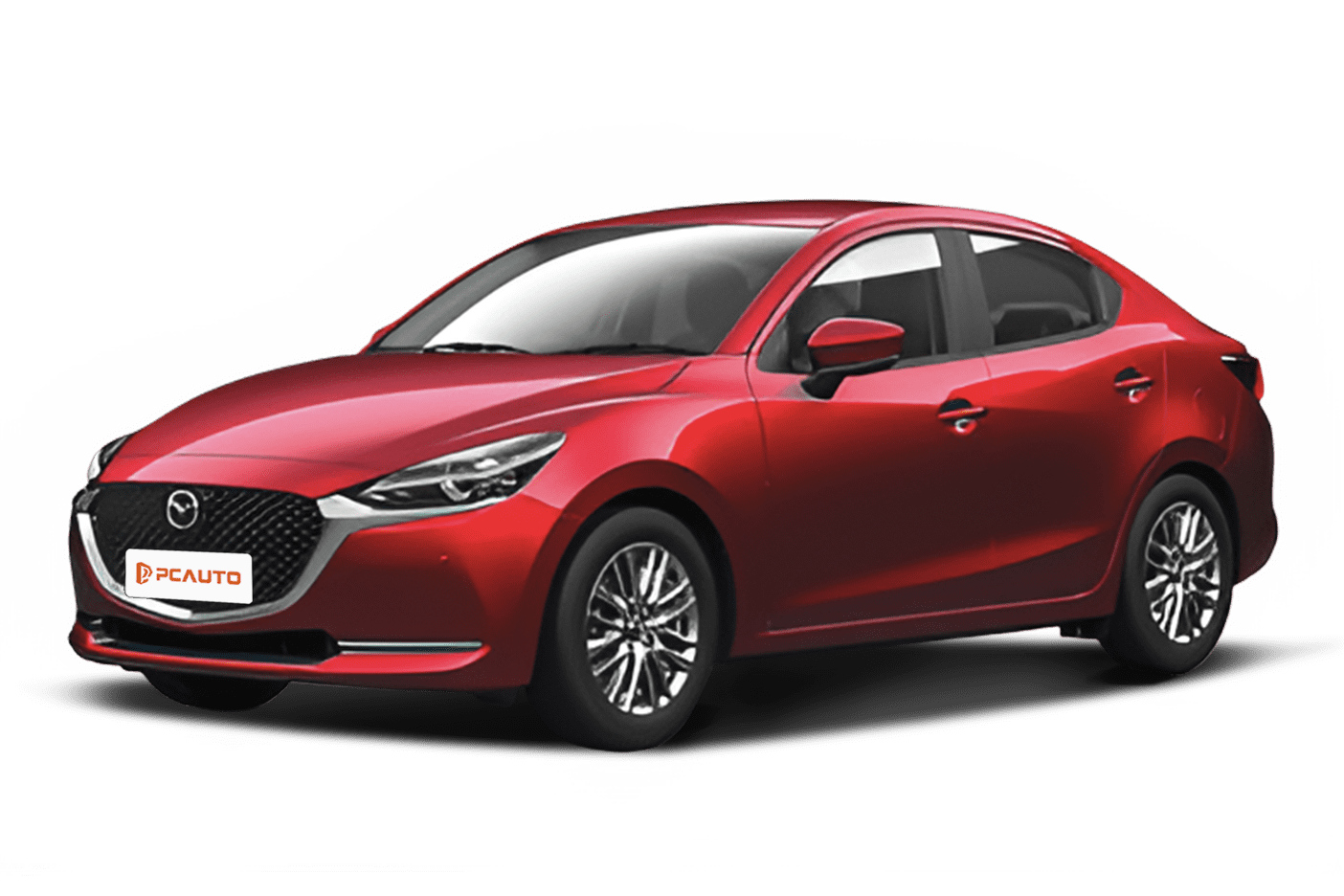
2023 Mazda 2 Sedan 1.5L is a family sedan that balances driving dynamics and practical features, with a price slightly over 100,000 MYR, making it suitable for urban commuting needs.