

2023 Honda City Hatchback 1.5 E Review

 Share
Share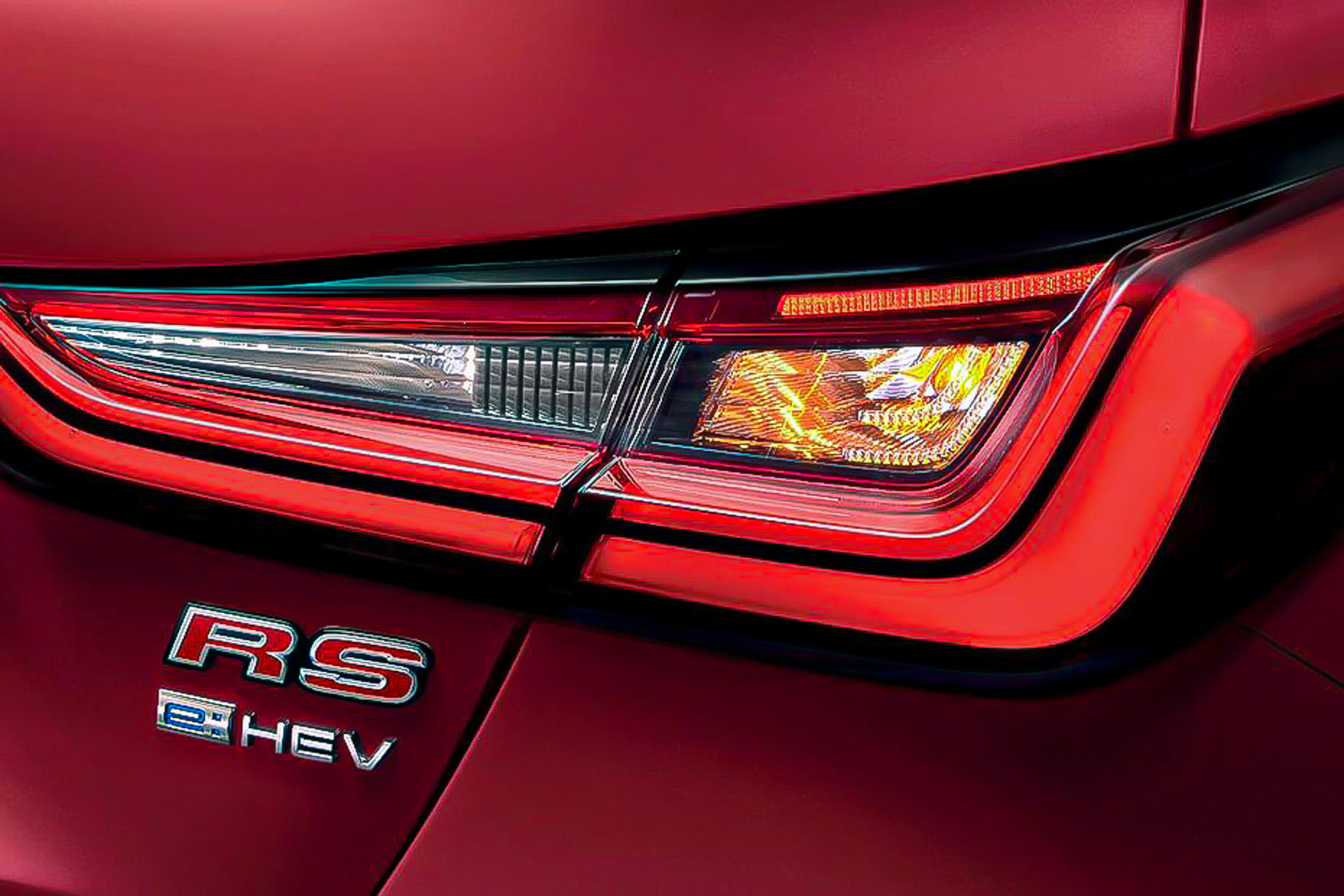
 Segment
 Body Type
 Capacity(L)
 Engine Power(PS)
 Engine Torque(Nm)
 Transmission
The current B-segment hatchback market in Malaysia is highly competitive. Consumers are not only concerned about the economic efficiency of daily commuting but also value the abundance of features — after all, users in this segment often need a "versatile" car. The 2023 Honda City Hatchback 1.5 E, as a main configuration model of its series, highlights practical features such as 6 airbags, an 8-inch central control screen, and keyless entry as its core selling points. Coupled with Honda's consistent reputation for reliability, it is easy to attract the attention of family buyers. In this test, we focus on assessing its spatial practicality, power responsiveness for daily needs, and whether its features match its RM 86,900 price tag.
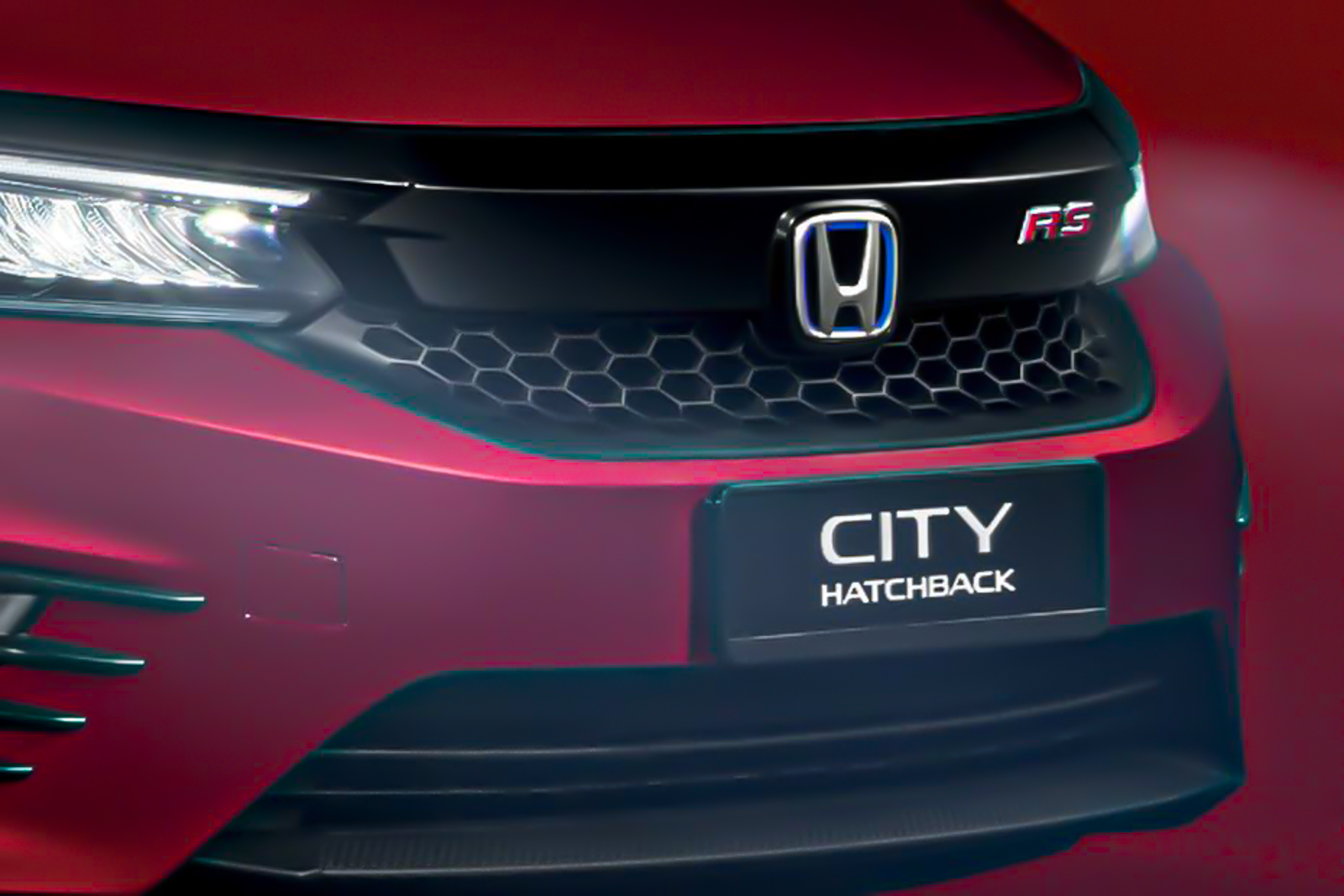
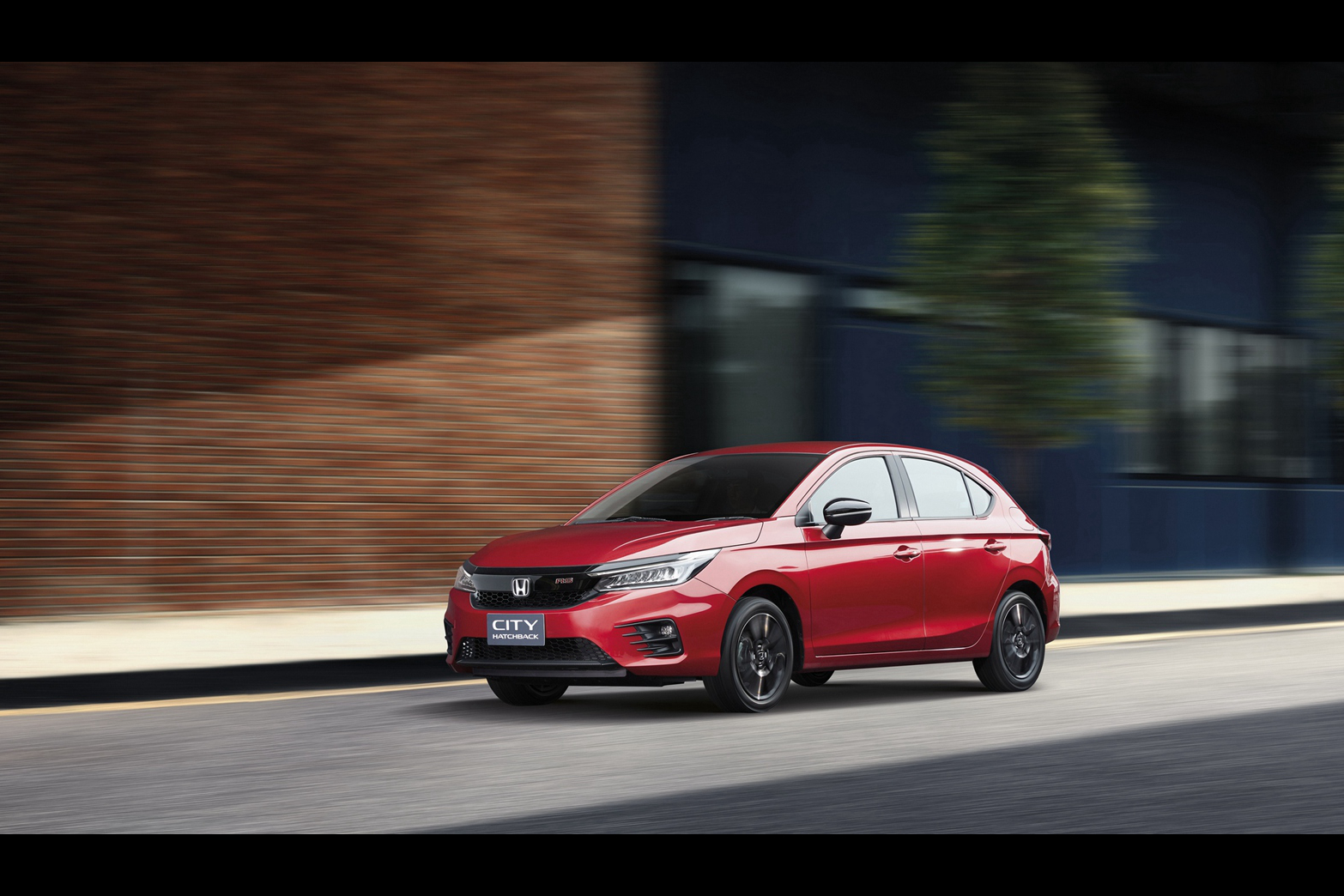
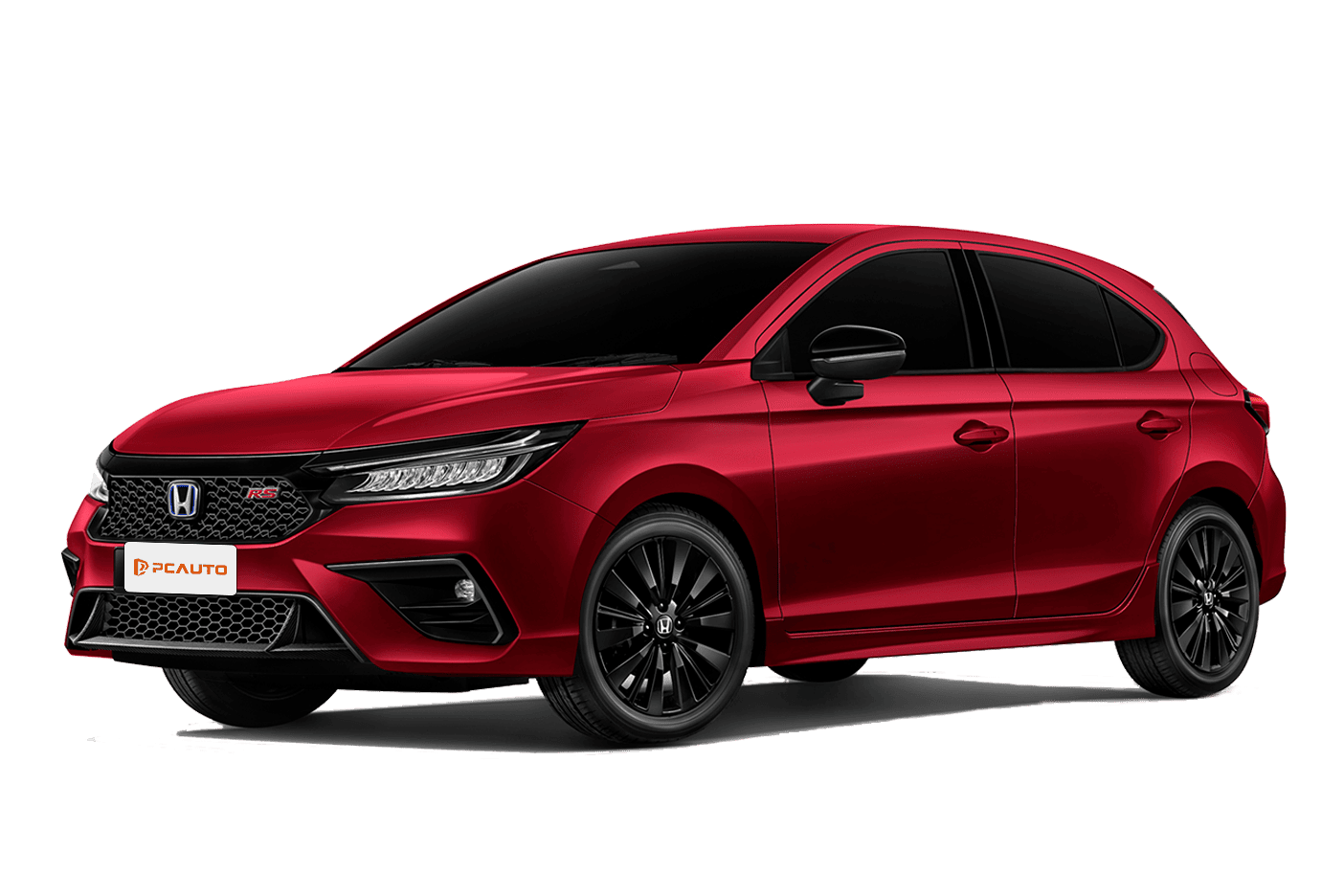
At first glance, the 2023 City Hatchback 1.5 E continues Honda's youthful family design style, with smooth body lines running from the front to the rear, making the hatchback design appear more compact and dynamic. The front end features a large black grille, embellished with chrome strips, providing a good level of recognition. Although the headlights use halogen bulbs, the standard LED daytime running lights offer clear illumination when lit. The automatic headlight function also enhances convenience for daily use. The rear design is simple, with horizontally arranged taillights echoing the front look. The black cladding at the bottom of the rear bumper adds a hint of a crossover vibe. Overall, the exterior design avoids overly flashy elements, presenting a look that is pleasing and aligns with mainstream aesthetics.
Stepping inside, the interior adopts a dark tone with a clearly organized layout, making it easy to get used to. The upper part of the dashboard uses hard plastics, but the detailed treatment is well-done, leaving no obvious sense of cheapness. The multifunction steering wheel is moderately sized and comfortable to grip. The left side controls the audio and phone, while the right side adjusts the instrument panel information, with logical and intuitive operation. The 8-inch touchscreen central control screen is a standout feature. It supports the Sound Plus function and is paired with an 8-speaker system, making the sound quality rank above average in its class. The screen is responsive, smoothly handling daily navigation and Bluetooth phone connections. The instrument panel has a traditional illuminated analog style, which doesn't offer the high-tech feel of a fully digital display, but it provides clear information on RPM, speed, and more—perfectly sufficient for family needs.
In terms of space, the 2600mm wheelbase is considered standard among B-segment cars. The front seats are manually adjustable, with decent support. A 175cm passenger can adjust their seat to leave a fist's worth of headroom. The rear space performance is impressive. Passengers of the same height stepping into the rear seats can enjoy two fists of legroom and four fingers' worth of headroom, avoiding a cramped feeling. The rear is equipped with air conditioning vents and USB ports (though not explicitly mentioned in the official specifications, testing revealed an extension interface below the front central control panel), ensuring long-distance comfort. The trunk offers a standard capacity of 289 liters, enough to fit two carry-on suitcases. The rear seats can be folded in a 60:40 split, which expands the storage space and can handle occasional transportation of large items.
As for power, the 1.5L naturally aspirated engine delivers a maximum output of 121PS and a peak torque of 145N·m, paired with a CVT transmission. The power response during start-up is smooth without the abruptness of turbocharged engines, making it suitable for urban traffic congestion. When stepping harder on the accelerator for acceleration, the power output is linear. Increasing the speed from 60km/h to 100km/h requires some patience, but it fully meets the needs of daily commuting and school runs. The official 0-100km/h acceleration time is 10.7 seconds, which was close to our actual test results. On highways, overtaking requires planning the distance in advance, as naturally aspirated engines lack explosive power.
The chassis adopts a front MacPherson independent suspension and a rear torsion beam non-independent suspension (a typical Honda setup). During daily driving on smooth roads, the suspension handles small bumps well; when encountering speed bumps or uneven roads, the rear passengers may feel a slight bounce, but it does not feel loose. Overall, its performance aligns with its positioning as a family car. The steering wheel is precise with minimal slack, and body roll is within reasonable limits when cornering. It is fairly agile for everyday driving. The brake pedal feels linear, with a moderate braking distance that gives a sense of safety.
Fuel consumption performance is one of the key concerns for family cars. We drove 50km in urban congested areas and 50km on the highway. The overall fuel consumption averaged about 6.2L/100km, slightly higher than the official 5.6L/100km. However, considering the frequent stops and starts and the air conditioning being on during tests, this result is still excellent. Based on the current gasoline price in Malaysia, a full 40L tank can run approximately 650km, making weekly commuting hassle-free when it comes to refueling.
In terms of noise control, the cabin remains relatively quiet at speeds below 60km/h, with tire and engine noise being negligible. Beyond a speed of 80km/h, wind noise gradually increases but does not affect normal conversations. The engine stop-start technology responds quickly, turning off automatically at red lights and restarting immediately when the accelerator is pressed, with no significant vibrations. This effectively reduces fuel consumption in urban traffic congestion.
In summary, the 2023 Honda City Hatchback 1.5 E has prominent core advantages: 6 airbags for safety (rare in this segment), an 8-inch central control screen with 8 speakers, spacious rear seating, and Honda's reliable brand reputation. Compared to competitors in the same price range, like the Toyota Yaris or Proton Persona, it has an edge in space and features. While its power is not as strong as some turbocharged models, its smoothness and fuel efficiency make it better suited for family use.
This car is most suitable for family users who prioritize "balance" — those with a budget of 80,000 to 90,000 MYR who need a daily commuter car with sufficient space, practical features, and economical fuel consumption. It can also handle occasional short family trips. If you're pursuing extreme power or high-tech features, this might not be the best choice. However, if you're looking for a "worry-free, adequate, and reliable" family car, the City Hatchback 1.5 E is worth considering.
Overall, the 2023 Honda City Hatchback 1.5 E is a family hatchback without significant shortcomings. With its practical features, spaciousness, and economical fuel consumption, it meets the core needs of most family car users. In the highly competitive B-segment car market, with Honda's brand strength and balanced performance, it remains a strong option to consider.
Honda City Hatchback Car Compare
Honda City Hatchback Loan Calculator
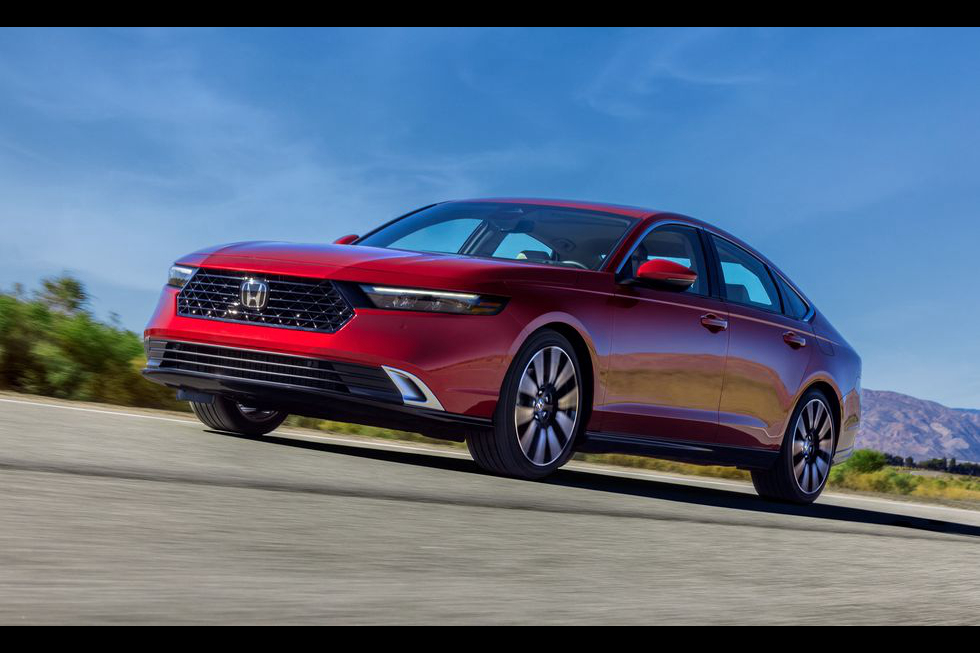
Cars With Similar Price And Features
4
Rank in Hatchback
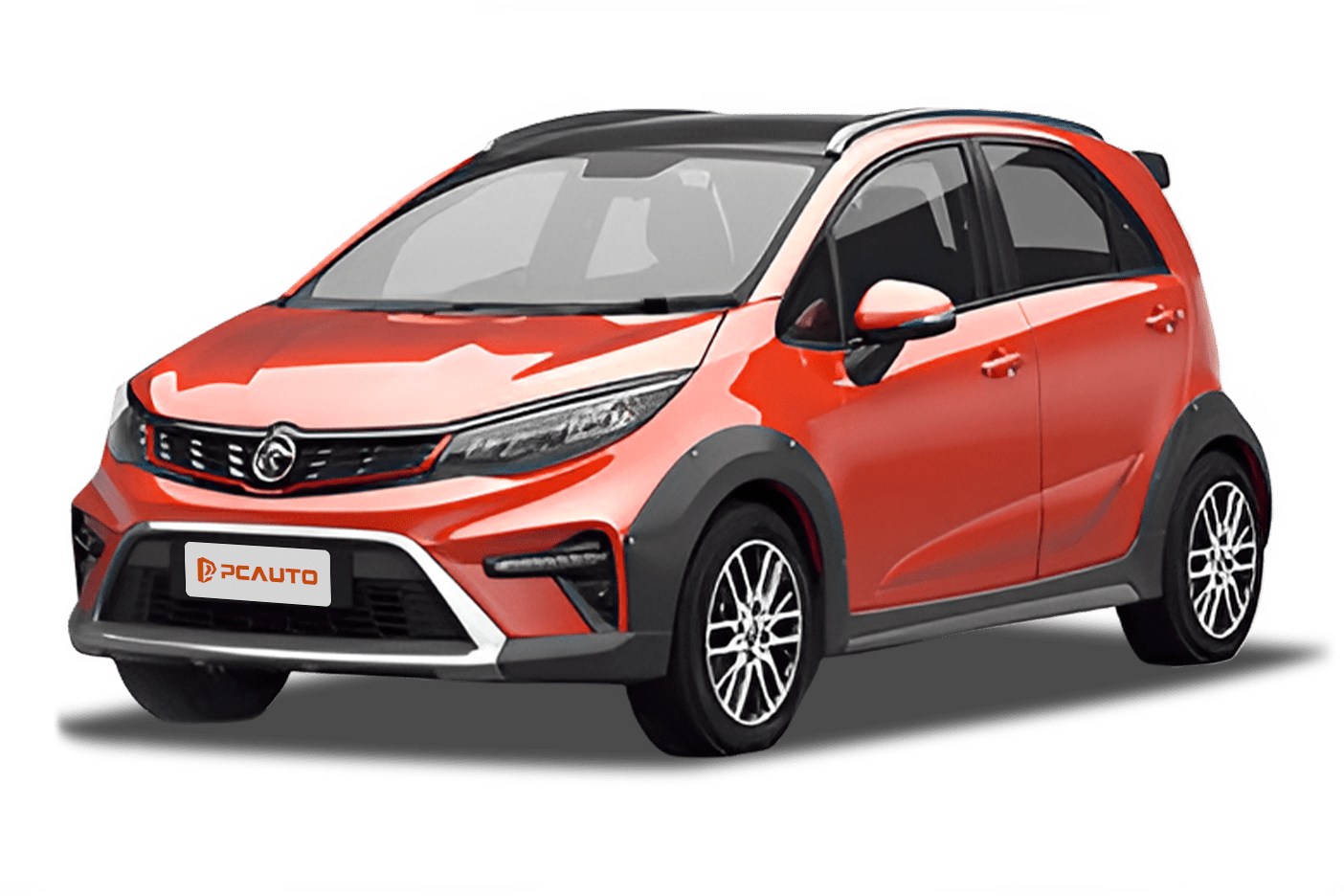
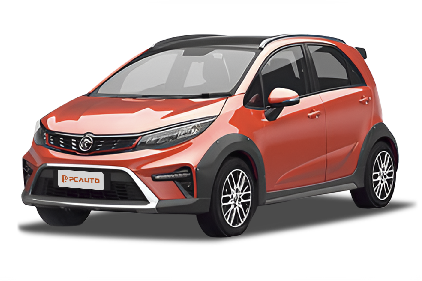
2023 Proton Iriz 1.3 Standard CVT is an affordable, well-balanced entry-level B-segment hatchback with safety features, suitable for budget-conscious families focusing on safety and practicality for daily commuting.
2
Rank in Hatchback

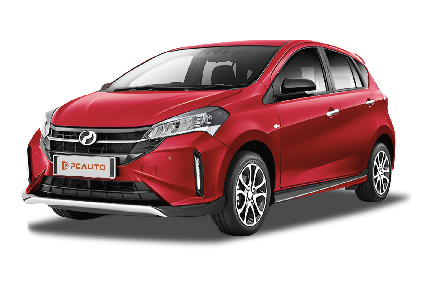
2023 Perodua Myvi 1.3 G with PSDA is an affordable B-segment hatchback, combining practical space, basic features, and PSDA safety assistance, suitable for family commuting.

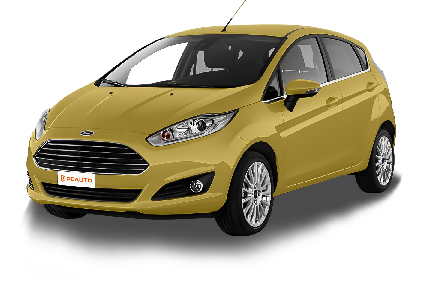
2022 Ford Fiesta public is a B-Segment model with responsive power, economical fuel consumption, and rich safety features, suitable for young families or individual users who prioritize driving experience and safety.
3
Rank in Hatchback
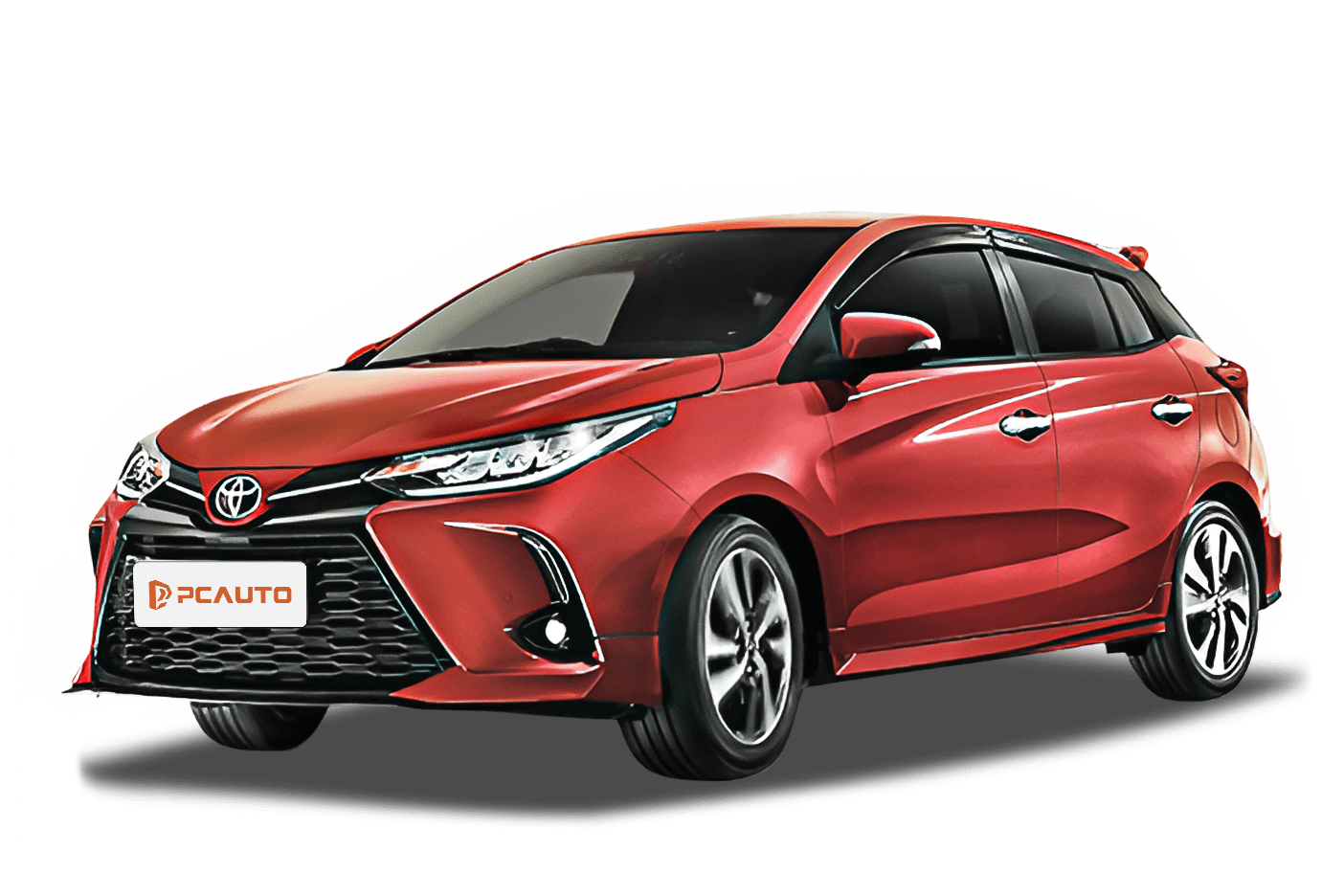
2024 Toyota Yaris 1.5E serves as the main entry-level household model, emphasizing durability, upgraded with a 360-degree parking camera and Optitron instrument panel. Its practical space, smooth power delivery, and high cost-performance ratio align well with family commuting needs.