

2023 Honda Civic e:HEV 2.0L RS Review

 Share


 Segment
 Body Type
 Capacity(L)
 Engine Power(PS)
 Engine Torque(Nm)
 Transmission
As competition in Malaysia's C-segment sedan market becomes increasingly fierce, consumers' demand for a balance between fuel efficiency and performance continues to rise. Representing hybrid models, the 2023 Honda Civic e:HEV 2.0L RS enters the spotlight with its fuel economy, sporty design, and well-rounded features. This time, we got our hands on a test drive vehicle with the primary goal of evaluating its actual performance under local road conditions, examining the practicality of the hybrid system, space utilization, and overall daily driving experience to see if it meets market expectations.
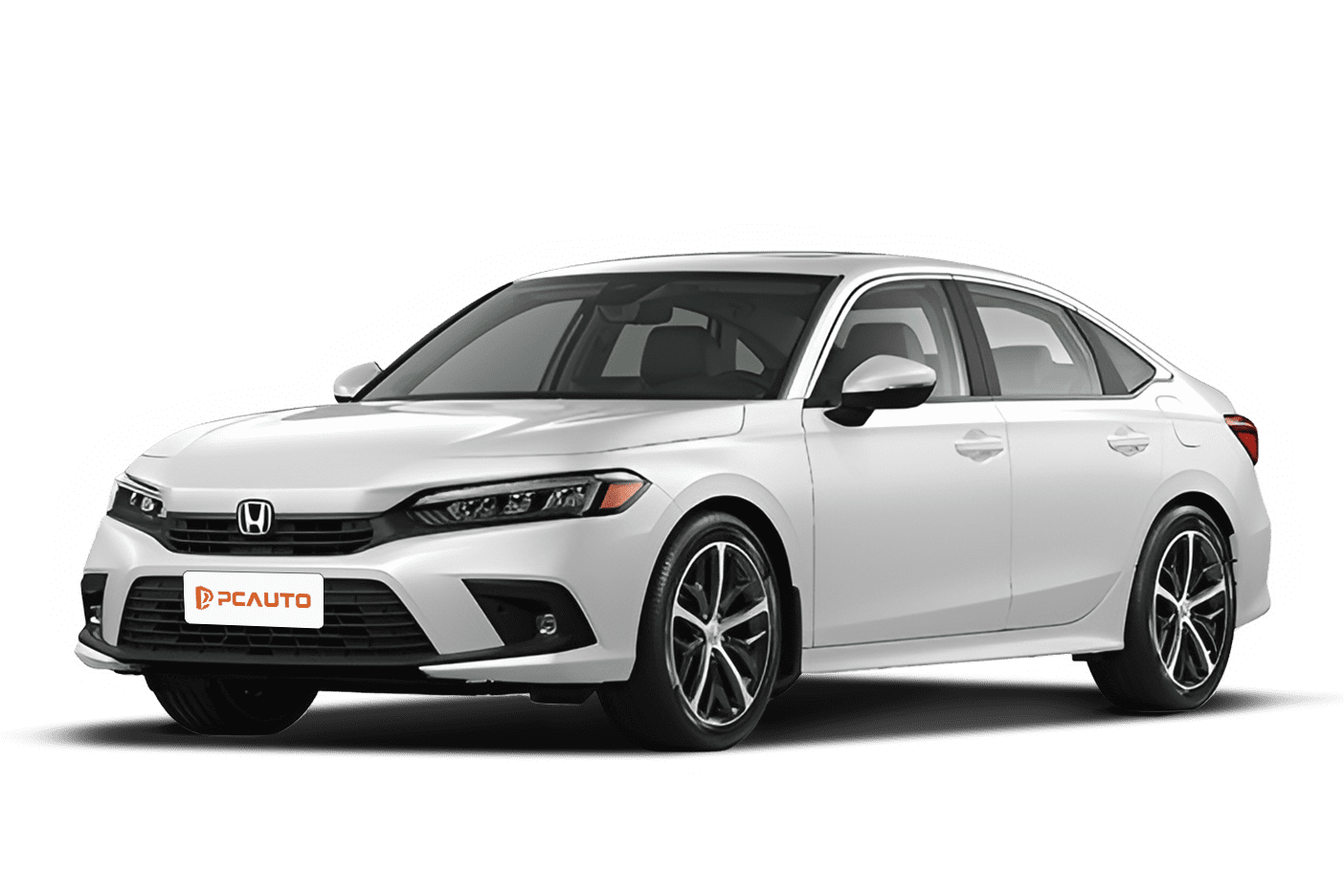
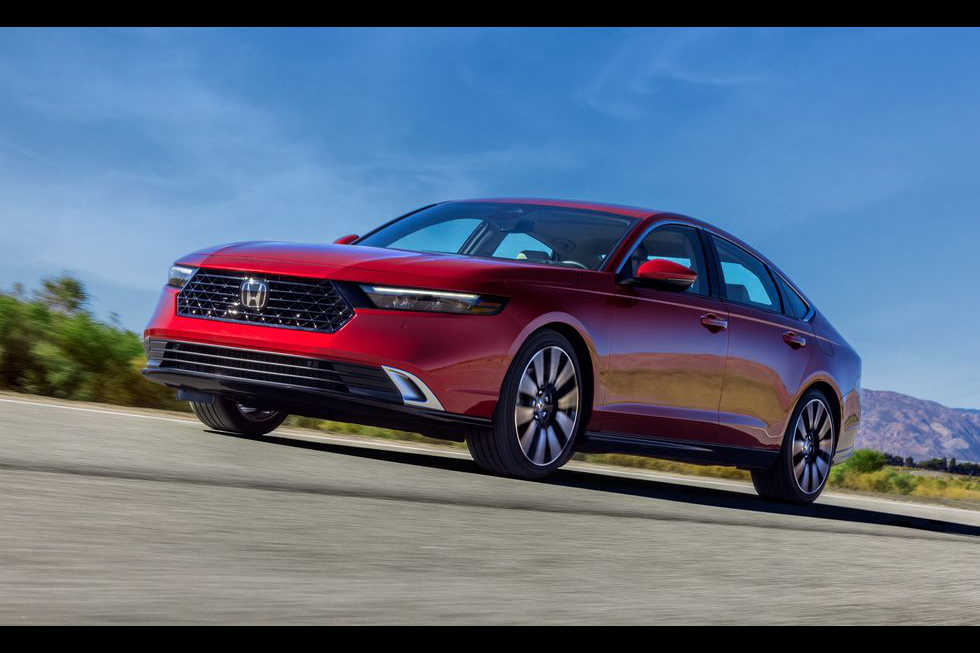
From the exterior, the design of the Civic e:HEV RS retains the streamlined silhouette of the new generation Civic while incorporating sporty elements unique to the RS version. The front face features a large black honeycomb grille, complemented by chrome accents, giving it a more aggressive visual appeal. The side profile is sleek, with the waistline extending from the front fender to the rear. The 18-inch multi-spoke alloy wheels with 235/40ZR18 tires enhance the sporty feel. At the rear, the LED taillights adopt a through-type design, paired with a body-colored rear spoiler and a twin exhaust layout (decorative), further emphasizing the RS model's distinctive identity. The lighting system includes standard LED headlights, daytime running lights, and front fog lights across all variants. The automatic headlight function responds promptly when entering and exiting tunnels, offering high practicality.
Inside, the interior is predominantly black with silver trims and red stitching, creating a clean yet sporty atmosphere. The dashboard adopts a layered design, with a 9-inch central touchscreen positioned on the top. It supports touch operation, features a clear layout, and responds quickly. In terms of materials, the upper part of the dashboard and the inner sides of the door panels are wrapped in soft materials, providing a comfortable touch. For features, the HUD (Head-Up Display) showcases speed and navigation information, reducing the need for the driver to glance down at the instruments; the 8-way electrically adjustable driver’s seat supports multi-directional adjustment, while the 4-way manually adjustable passenger seat can accommodate various passenger needs. The rear row is equipped with independent air-conditioning vents and two USB ports, enhancing passenger comfort in the back. As for space, the vehicle dimensions are 4678mm×1802mm×1415mm, with a wheelbase of 2735mm. The front row provides approximately 900mm of headroom (for passengers 175cm tall), along with ample legroom. In the rear, legroom measures about 850mm after adjusting the front seats to a suitable position, and headroom is approximately 880mm, fulfilling the space requirements for daily family use. The trunk offers a capacity of 497L, and the rear seats fold in a 60:40 split, allowing flexibility for storage. It is convenient for carrying larger items like strollers or suitcases.
Regarding the powertrain, the Civic e:HEV is equipped with a 2.0L naturally aspirated engine (143PS/105kW/189N·m) and an electric motor (184PS/135kW/315N·m), paired with an E-CVT transmission. During actual driving, the vehicle is powered by the electric motor during the start-up phase, providing swift power response, with smooth and quiet acceleration from 0-60km/h. At mid-to-high speeds, the engine engages for propulsion, offering linear acceleration. When overtaking, pressing the accelerator firmly allows the system to deliver power quickly, with an official 0-100km/h acceleration time of 7.9 seconds, performing well among similar hybrid models. The car offers three driving modes: Eco, Normal, and Sport. In Eco mode, throttle response is slightly sluggish, suitable for city commuting; in Sport mode, the throttle sensitivity is heightened, and power delivery becomes more direct.
In terms of handling performance, the steering wheel is precise, with minimal play and moderate feedback. It maintains good handling both in congested urban traffic and at high speeds. The suspension system adopts a front MacPherson independent suspension and rear multi-link independent suspension, tuned for a sporty feel. It provides good control over body roll when cornering, ensuring high body stability. When passing over speed bumps or uneven roads, the suspension effectively absorbs vibrations to maintain in-cabin comfort while delivering appropriate road feedback to the driver. Regarding braking performance, the front ventilated discs and rear solid discs, combined with electronic parking brake, offer a linear braking pedal feel and short braking distance, ensuring confidence during daily driving. In fuel consumption tests, under urban driving conditions (about 30% congested roads and 70% regular roads), the actual fuel consumption is approximately 4.5L/100km. On highways (100-120km/h), it reaches around 4.0L/100km. Overall, the fuel efficiency is close to the official 4L/100km rating, showcasing outstanding fuel economy.
In terms of driving comfort, the vehicle exhibits good noise insulation. At low speeds in the city, the electric motor operates with almost no noise; while driving at high speeds, wind noise and tire noise are kept within a reasonable range, without impacting in-car conversations. The seats provide good support, with padding that is neither too soft nor too hard, making long drives less tiring. The energy recovery system offers three adjustable levels. In default mode, the recovery strength is moderate, and releasing the accelerator does not create a pronounced dragging sensation, providing a driving experience close to that of a gasoline car. In strong recovery mode, the dragging sensation increases, reducing brake usage frequency, which is suitable for users familiar with EV driving dynamics.
Overall, the core advantages of the 2023 Honda Civic e:HEV 2.0L RS lie in its hybrid system's fuel efficiency, comprehensive safety features (6 airbags, ACC adaptive cruise control, active braking, lane departure warning, etc.), and balanced space performance. Compared to similar models like the Toyota Corolla Altis Hybrid, the Civic e:HEV offers superior power performance and richer configurations. In terms of pricing (RM 167,900), it is slightly higher than the Corolla Altis Hybrid (around RM 155,000), but it excels in configurations and performance.
This car is suitable for consumers who value fuel efficiency, such as family users, young consumers pursuing sporty design and driving experiences, and those who need to balance daily commutes and occasional long-distance travel. If your budget is between RM 160,000 and RM 180,000 and you need a fuel-efficient, well-equipped, and well-rounded C-segment sedan, the Civic e:HEV RS is a great choice.
On the whole, the 2023 Honda Civic e:HEV 2.0L RS performs well in terms of power, fuel economy, features, and space. The exceptional fuel efficiency and responsiveness of its hybrid system make it suitable for diverse local road conditions. As a vehicle that balances both family use and a sporty essence, it meets the daily needs of most consumers and stands as a strong contender in the C-segment hybrid sedan market.
Honda Civic Car Compare
Honda Civic Loan Calculator
Cars With Similar Price And Features
3
Rank in Sedan
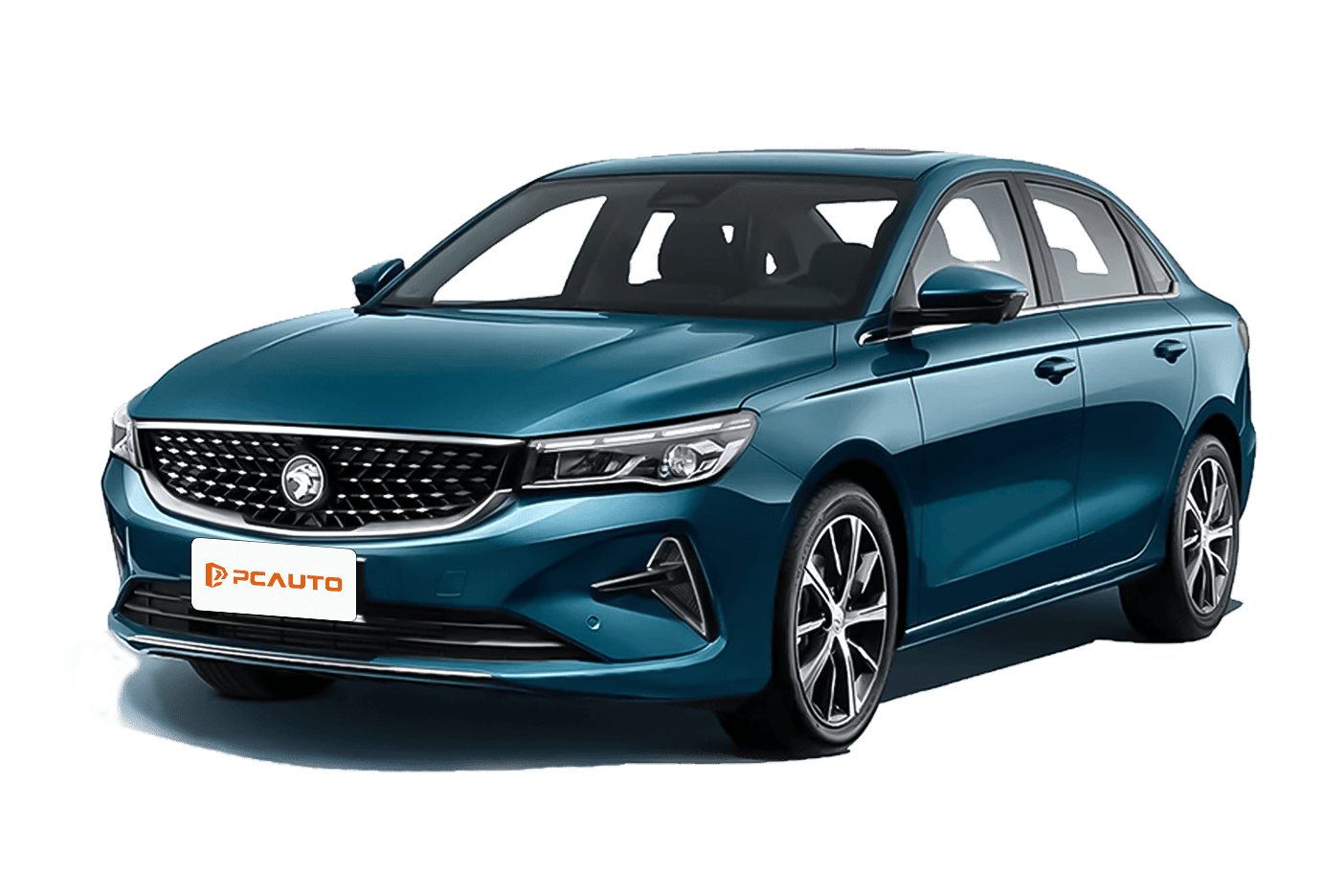
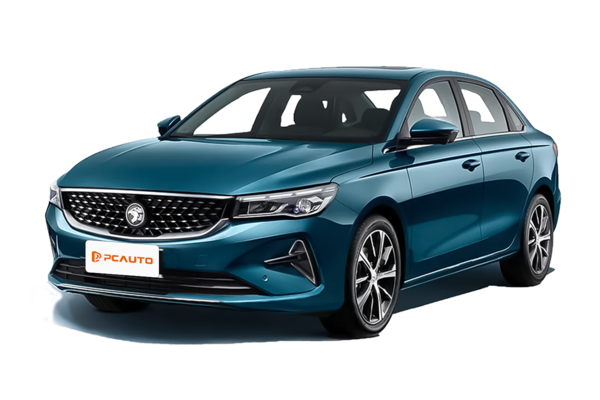
2024 Proton S70 1.5T Executive is an affordable entry-level family C-segment sedan with practical space and lively performance, balancing elegant design with basic safety features.
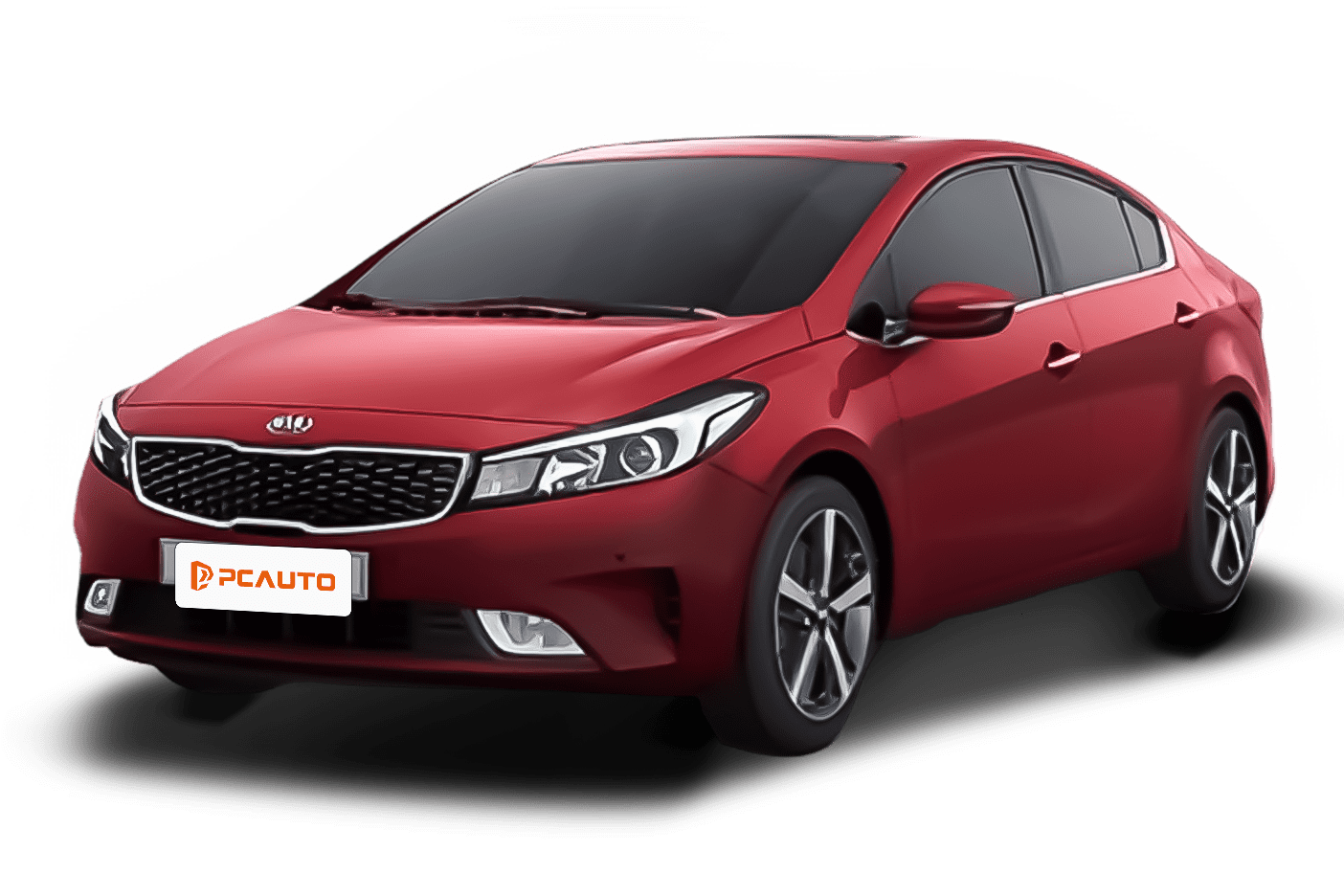
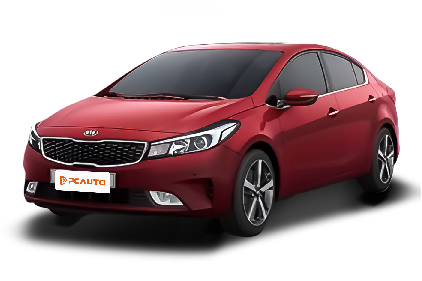
2020 Kia Cerato 1.6 SX is a high-value family sedan that retains core features at a lower price, offering practical space, reliable safety, and balancing the needs of commuting and family travel.
25
Rank in Sedan
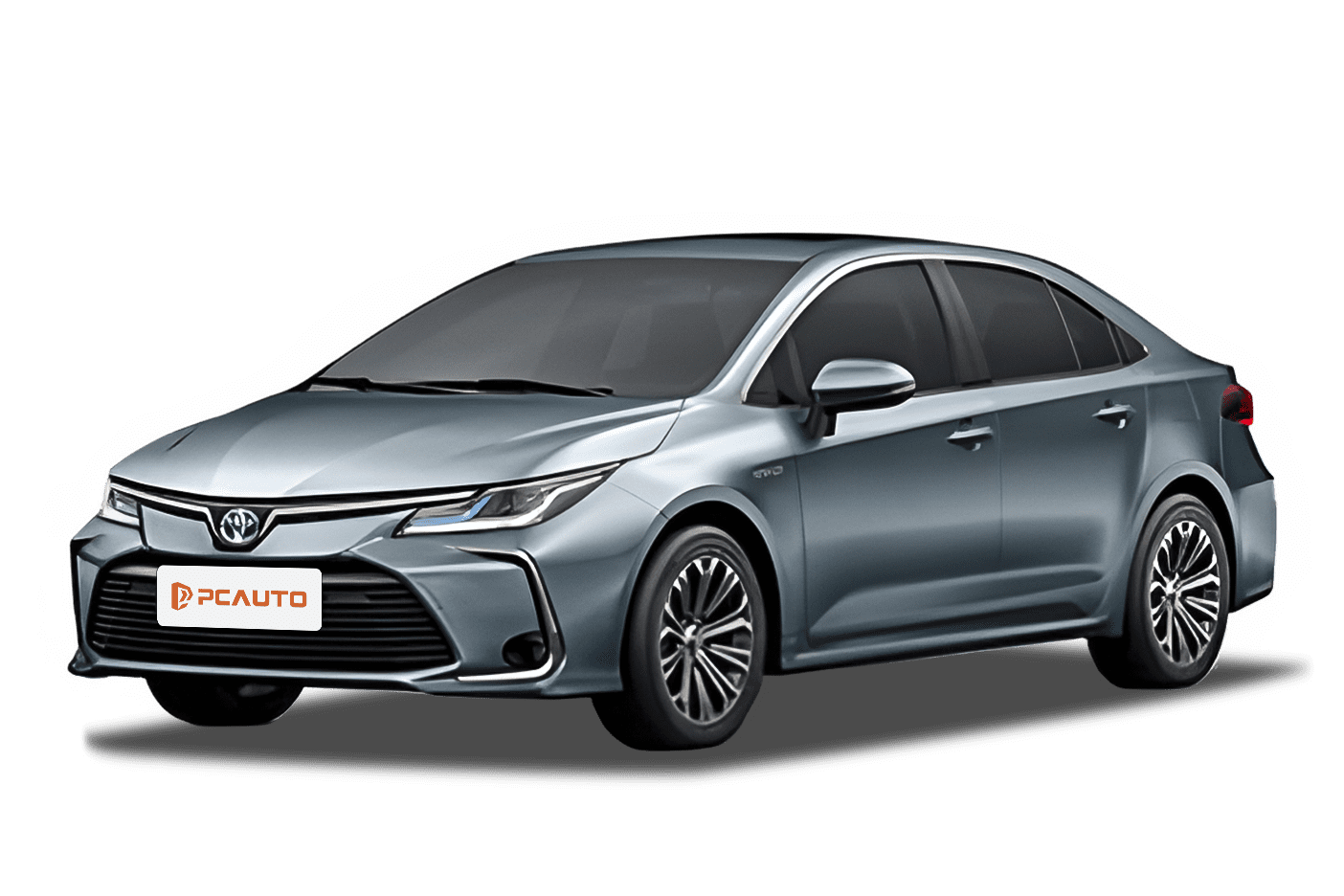
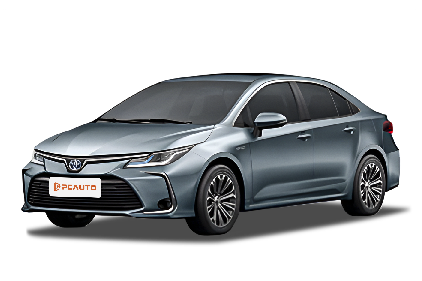
2025 Toyota Corolla GR Sport features a sporty design, upgraded intelligent configurations, and high cost performance, balancing practicality for family use and driving pleasure, making it an ideal choice for young families.
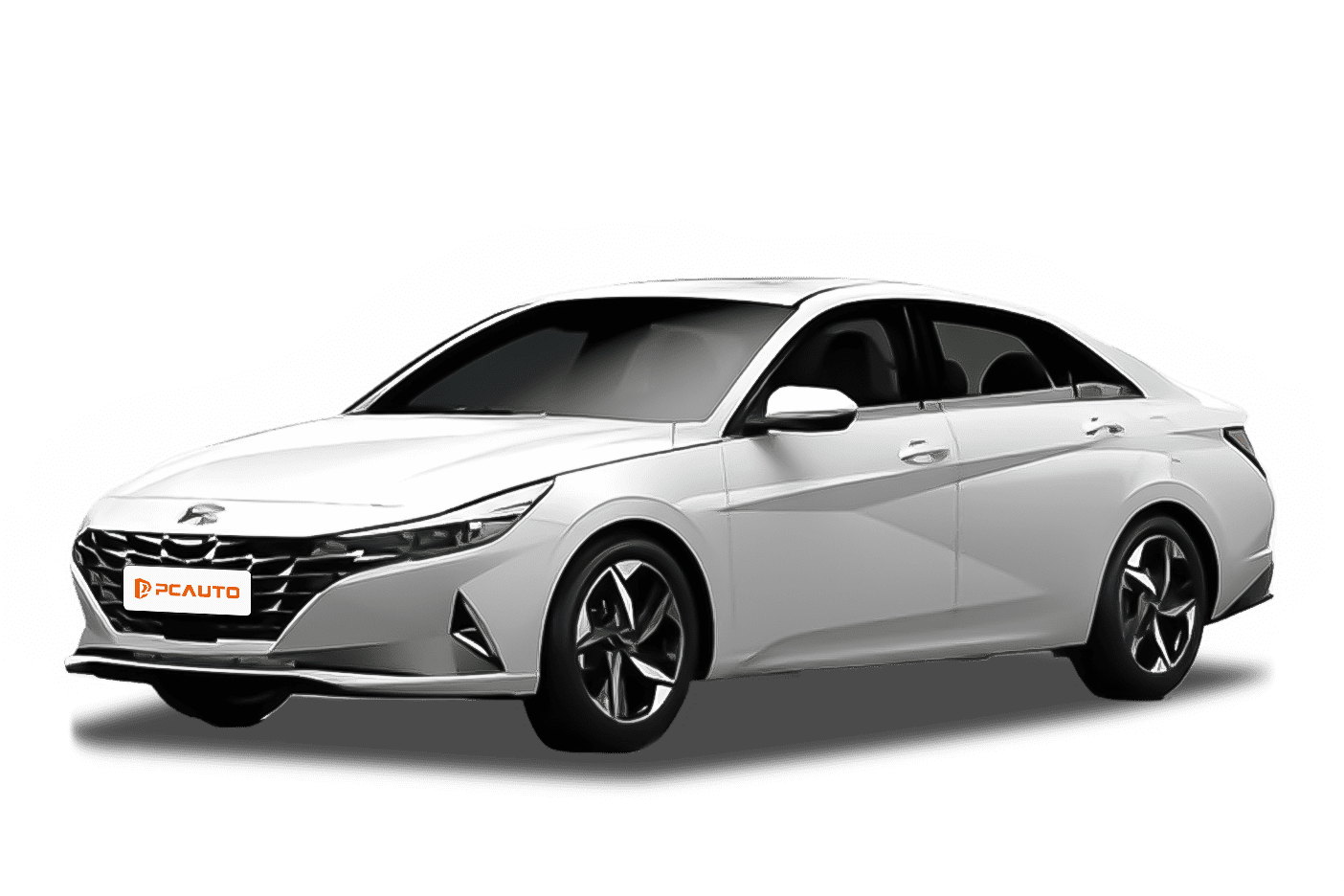
2024 Hyundai Elantra public is a C-segment sedan designed for Malaysian families and young professionals, focusing on class-leading safety features, flexible spaciousness, and balanced fuel efficiency, making it highly cost-effective.