

2023 Mazda 2 Hatchback 1.5L Review

 Share
Share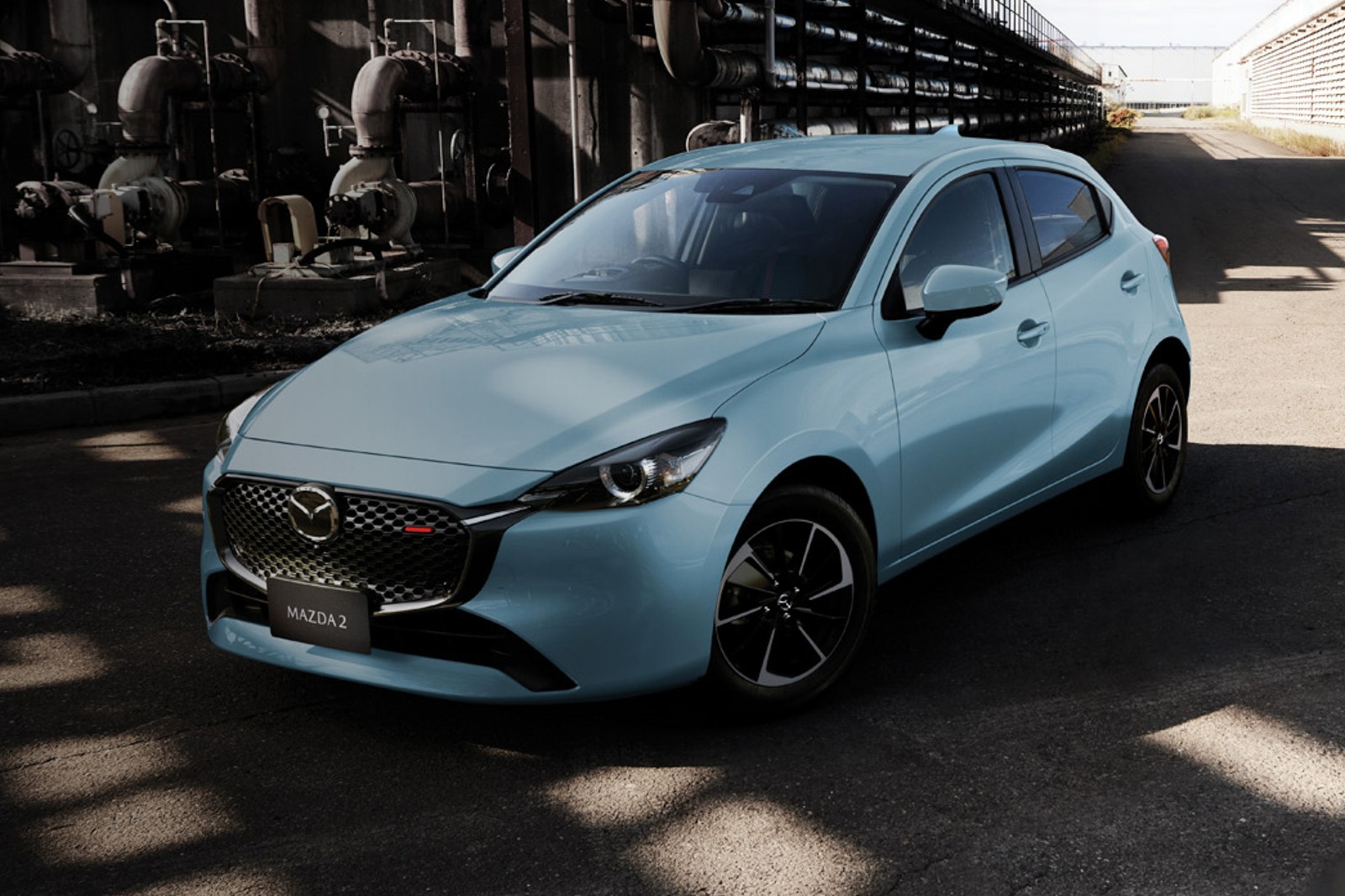
 Segment
 Body Type
 Capacity(L)
 Engine Power(PS)
 Engine Torque(Nm)
 Transmission
In recent years, competition in Malaysia's B-Segment hatchback market has become increasingly intense. Consumers not only value the economical benefits of daily commuting but also have higher expectations for configurations and design details. The 2023 Mazda 2 Hatchback 1.5L, as a popular choice in this segment, has listed practical features such as HUD head-up display and front and rear parking cameras as standard configurations in this facelift, while maintaining Mazda's consistent advantage in handling and tuning. Many consumers are curious whether it can stand out among its peers. In this test drive, we will focus on testing its power response, space practicality, and the actual experience of its features to see if it meets the daily needs of Malaysian family users.
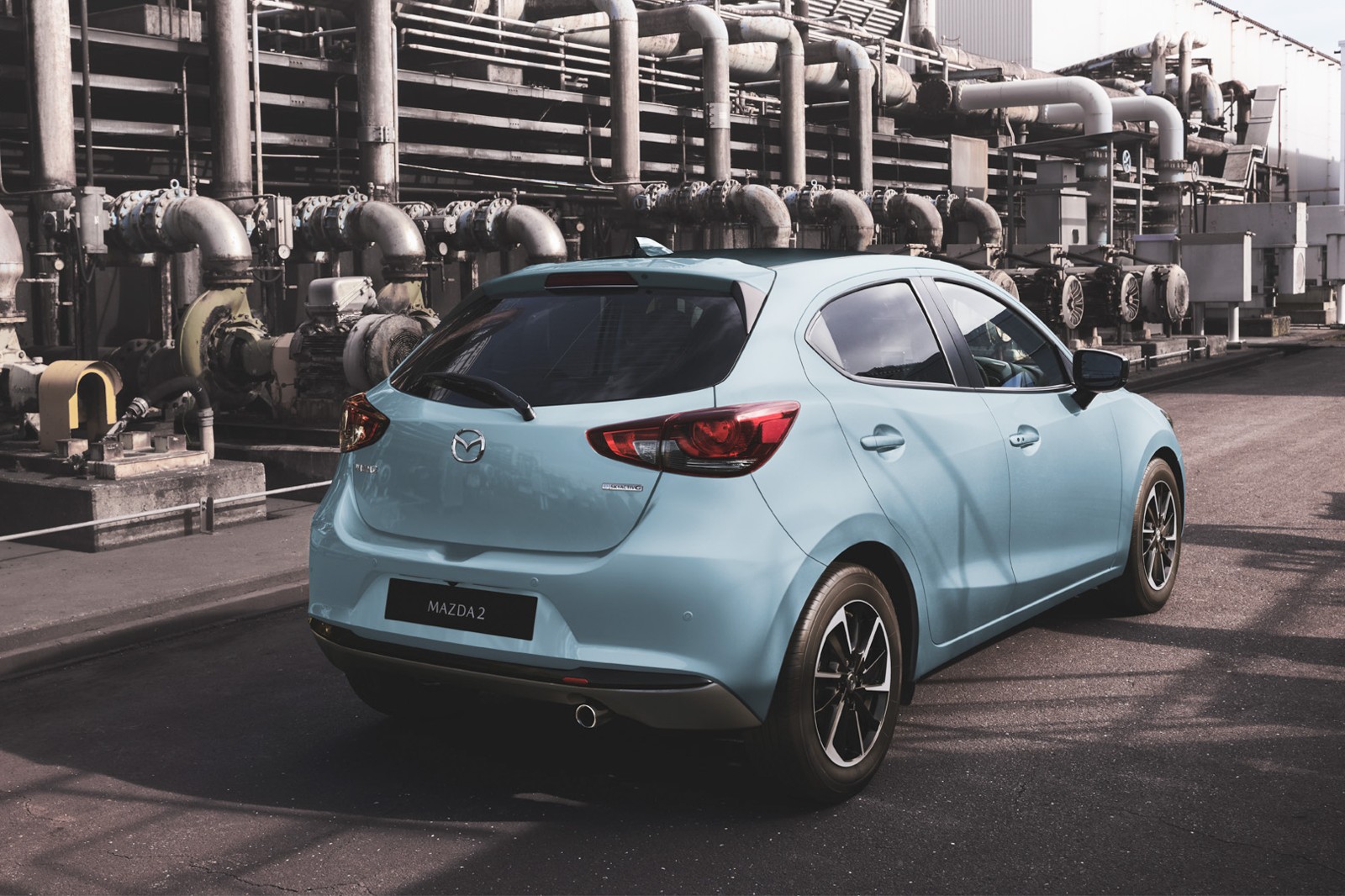
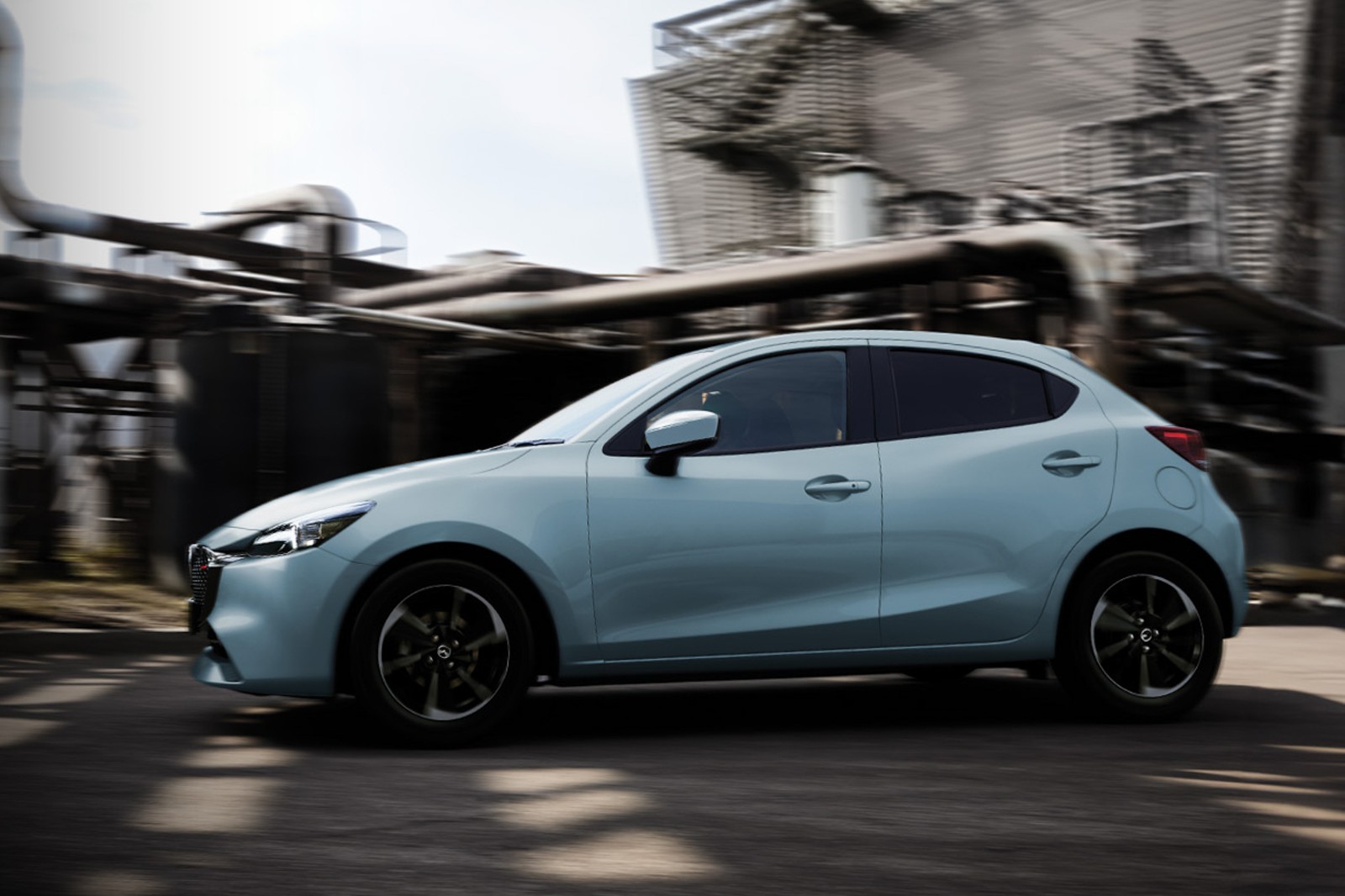
In terms of appearance, the 2023 Mazda 2 Hatchback continues the family-style Kodo design language, with smooth and dynamic overall lines. The front features a large shield-shaped grille, paired with chrome trim and sharp LED daytime running lights on both sides, providing high recognition; the double waistline design on the side extends from the front to the rear, complementing the 16-inch alloy wheels to enhance the vehicle's sporty feel. At the rear, the horizontally arranged taillights blend seamlessly with the body lines, and the black protective panel under the rear bumper adds a touch of crossover flavor. As for the lighting system, the headlights are a combination of halogen and LED, and both front and rear fog lights are standard, meeting daily nighttime driving needs.
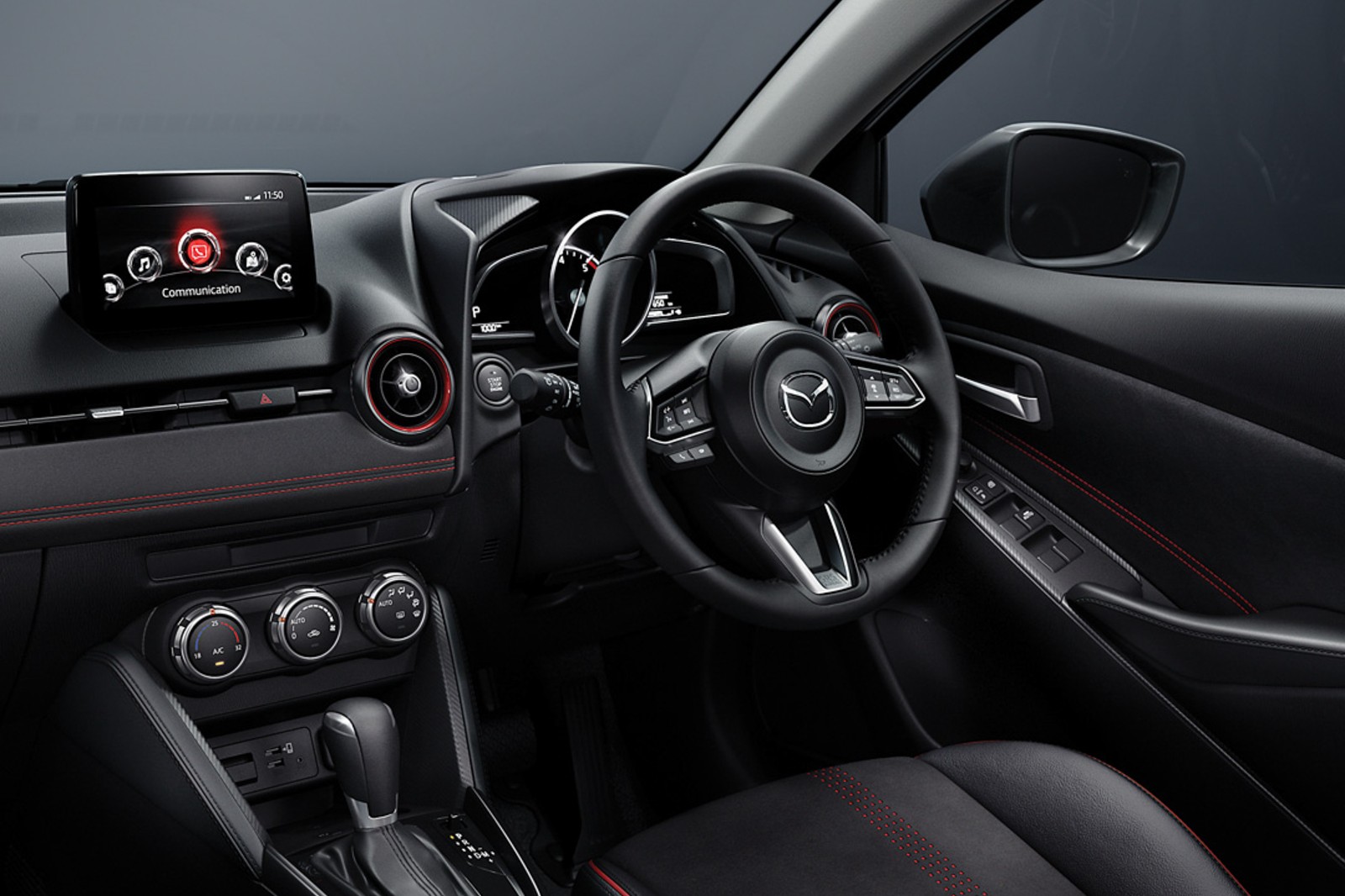
Inside, the interior adopts a simple and symmetrical layout, with a slight tilt of the central control panel towards the driver, making it easy to operate. In terms of materials, the top of the dashboard is covered with soft plastic, and the door panels are wrapped in fabric, providing overall quality that is above average for this class. Key features include a 7-inch touchscreen infotainment system with basic multimedia functions, and a 6-speaker audio system that meets daily usage needs. The head-up display (HUD) can show information such as vehicle speed and navigation, enhancing driving convenience. The front row is equipped with single-zone automatic air conditioning, with adjustment knobs that are moderately resistant and intuitive to operate. The multifunction steering wheel supports manual up and down adjustments and is integrated with buttons for volume control, phone calls, and other functions, making it user-friendly.
In terms of space, the vehicle dimensions are 4080mm×1695mm×1495mm, and the wheelbase is 2570mm, which is standard for the B-Segment. The front row seating space is relatively spacious, with a 175cm tall tester having a fist's space above the head after adjusting the seat. In the rear row, the same tester had about two fingers of legroom and a fist of headroom when seated, sufficient for short trips but slightly cramped for long journeys. For storage, the trunk offers 220L of capacity, enough to accommodate two 20-inch suitcases with ease. The rear seats can be folded down in a 60:40 split, expanding the space significantly, making it suitable for carrying long items. Additionally, the front central armrest storage box and the door pocket storage design are reasonable, making it easy to place small items like phones and water bottles. The rear row is equipped with air conditioning vents and two USB ports, enhancing the comfort of rear passengers.
In terms of power, it is equipped with a 1.5L naturally aspirated engine, delivering a maximum power of 114PS and a maximum torque of 149N·m, paired with a 6-speed automatic transmission. During actual driving, the power response in the initial acceleration stage feels agile, the throttle pedal is tuned to be linear, and it is well-suited for city traffic. When accelerating, the engine delivers maximum torque around 4000rpm, requiring a deeper press of the accelerator for overtaking. The gearbox downshifts actively, but acceleration in the high-speed range (above 100km/h) feels slightly lacking. Regarding driving modes, it offers Normal and Sport modes. In Sport mode, the gearbox shifts at higher revs, and the power output feels more immediate, suitable for scenarios requiring rapid acceleration.
In terms of handling and chassis performance, the steering wheel provides precise control, with minimal play and moderate self-centering force, offering drivers a good road feel. The suspension system features a front MacPherson independent suspension and a rear torsion-beam semi-independent setup, tuned for sportiness. Body roll is well-controlled during cornering, and the vehicle exhibits high stability. On bumpy roads, the suspension absorbs most minor vibrations, but comfort in the rear seats is slightly impacted when passing over speed bumps or larger potholes. Regarding braking performance, the front and rear ventilated disc brakes respond promptly, with short braking distances, providing sufficient confidence during daily driving.
In the fuel consumption test, under urban congested conditions (approximately 30% idling time), fuel consumption was about 6.5L per 100 kilometers; on the highway (average speed of 90km/h), it was approximately 4.8L per 100 kilometers. The combined fuel consumption is consistent with the official figure of 5.3L, demonstrating good fuel efficiency. Regarding noise control, the cabin is quiet when idling, while wind and tire noise become slightly more noticeable at high speeds (120km/h), but remain within an acceptable range. The fabric seats offer good support, making long drives less fatiguing.
In terms of safety features, standard equipment includes ABS anti-lock brakes, electronic stability control, autonomous emergency braking, and forward collision warning systems. Passive safety features include dual airbags and ISOFIX child seat anchors. The front and rear parking cameras and parking sensors enhance parking convenience. The vehicle comes with a comprehensive warranty of 5 years or 100,000 kilometers, providing sufficient assurance for buyers.
Overall, the 2023 Mazda 2 Hatchback 1.5L stands out for its balanced handling performance, practical features (such as HUD and front/rear parking cameras), and reliable fuel efficiency. Compared to its segment rival, the Toyota Yaris, it offers better handling but slightly less rear passenger space. On the other hand, while its configuration is more comprehensive than the Honda Jazz, its performance in terms of power is slightly inferior. It is suitable for young families prioritizing driving dynamics and daily commuting, or for consumers in need of an economical and practical city car.
All things considered, the 2023 Mazda 2 Hatchback 1.5L is a well-balanced model in terms of handling, features, and fuel consumption. Although it has certain drawbacks in rear space and high-speed acceleration, its overall performance aligns with its positioning, making it a worthwhile option in the B-Segment market.
Mazda 2 Hatchback Car Compare

Mazda 2 Hatchback Loan Calculator
More Mazda Reviews
Cars With Similar Price And Features
4
Rank in Hatchback
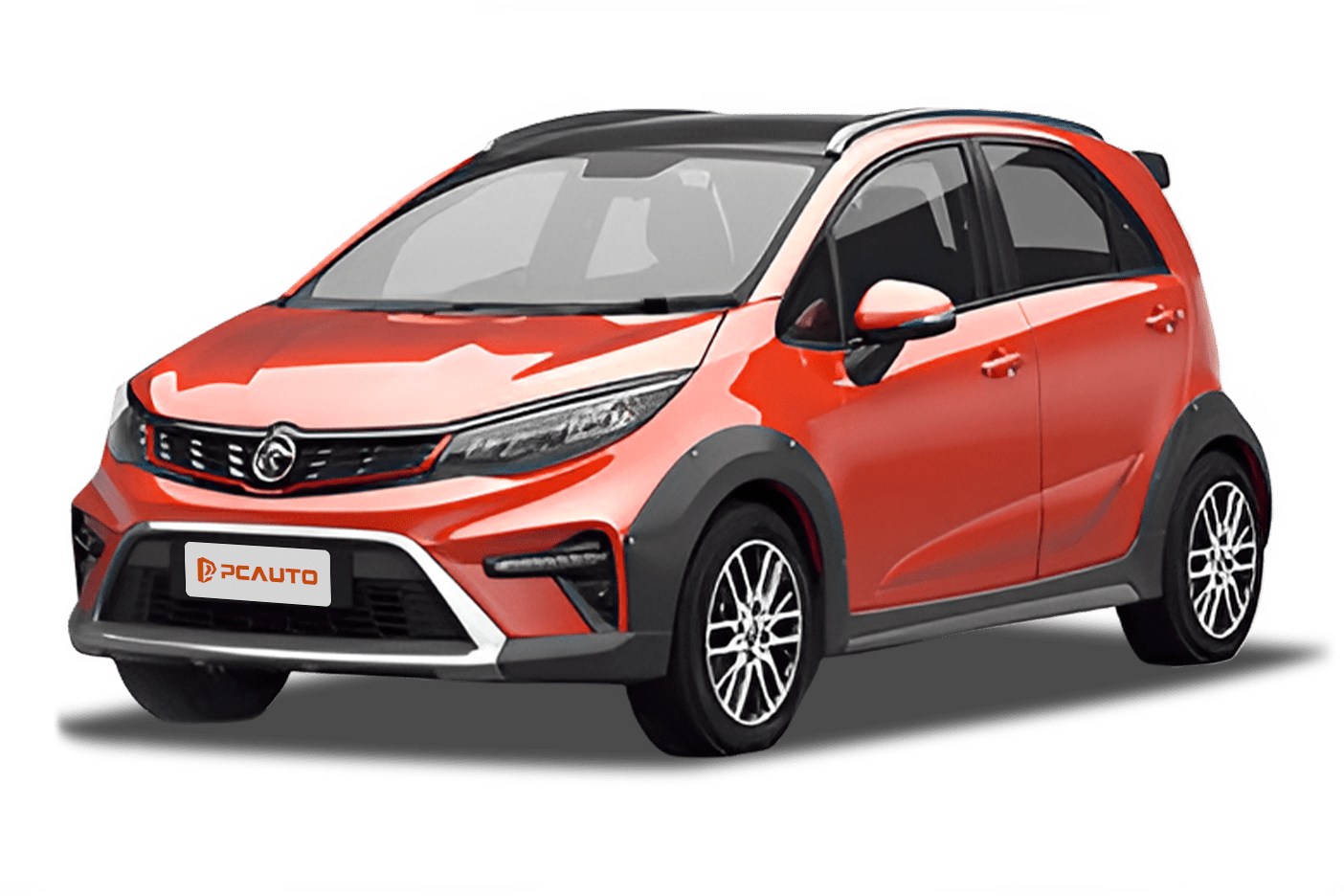
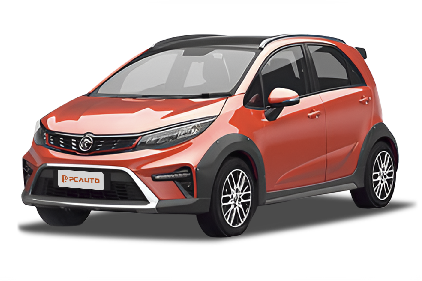
2023 Proton Iriz 1.3 Standard CVT is an affordable, well-balanced entry-level B-segment hatchback with safety features, suitable for budget-conscious families focusing on safety and practicality for daily commuting.
2
Rank in Hatchback

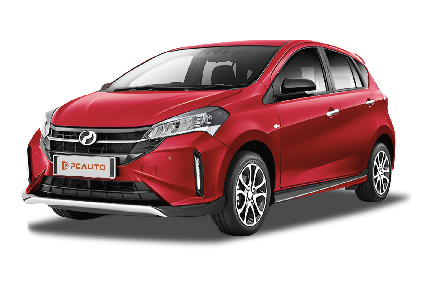
2023 Perodua Myvi 1.3 G with PSDA is an affordable B-segment hatchback, combining practical space, basic features, and PSDA safety assistance, suitable for family commuting.

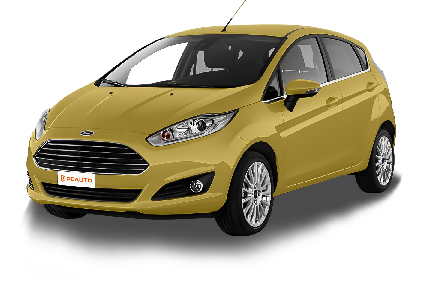
2022 Ford Fiesta public is a B-Segment model with responsive power, economical fuel consumption, and rich safety features, suitable for young families or individual users who prioritize driving experience and safety.
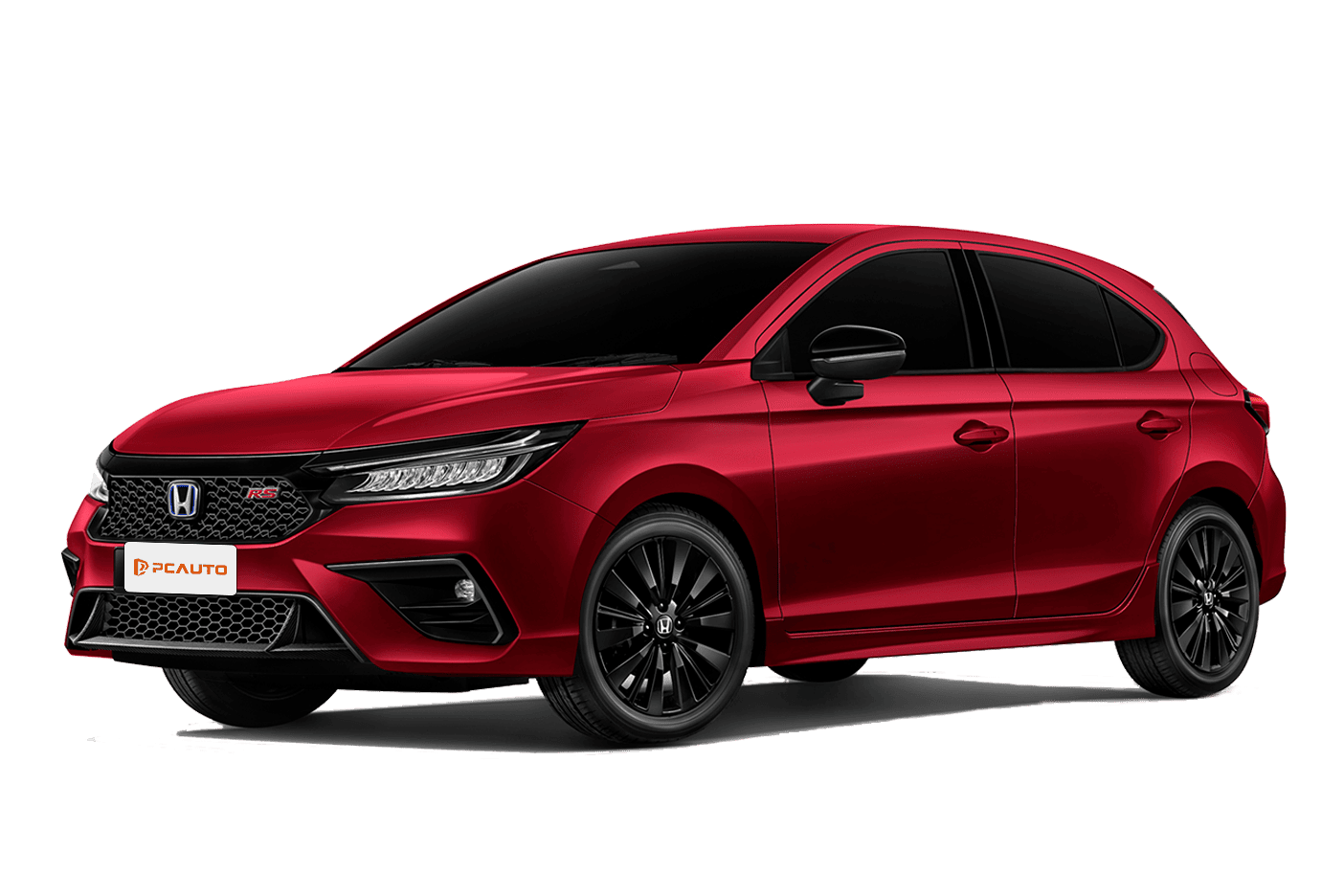
2024 Honda City Hatchback 1.5 S, as a high-value entry-level hatchback, comes standard with Honda Sensing and 6 airbags, offering practical space, economical fuel consumption, and balancing safety with daily commuting needs.