

2023 Perodua Axia 1.0 SE Review

 Share
Share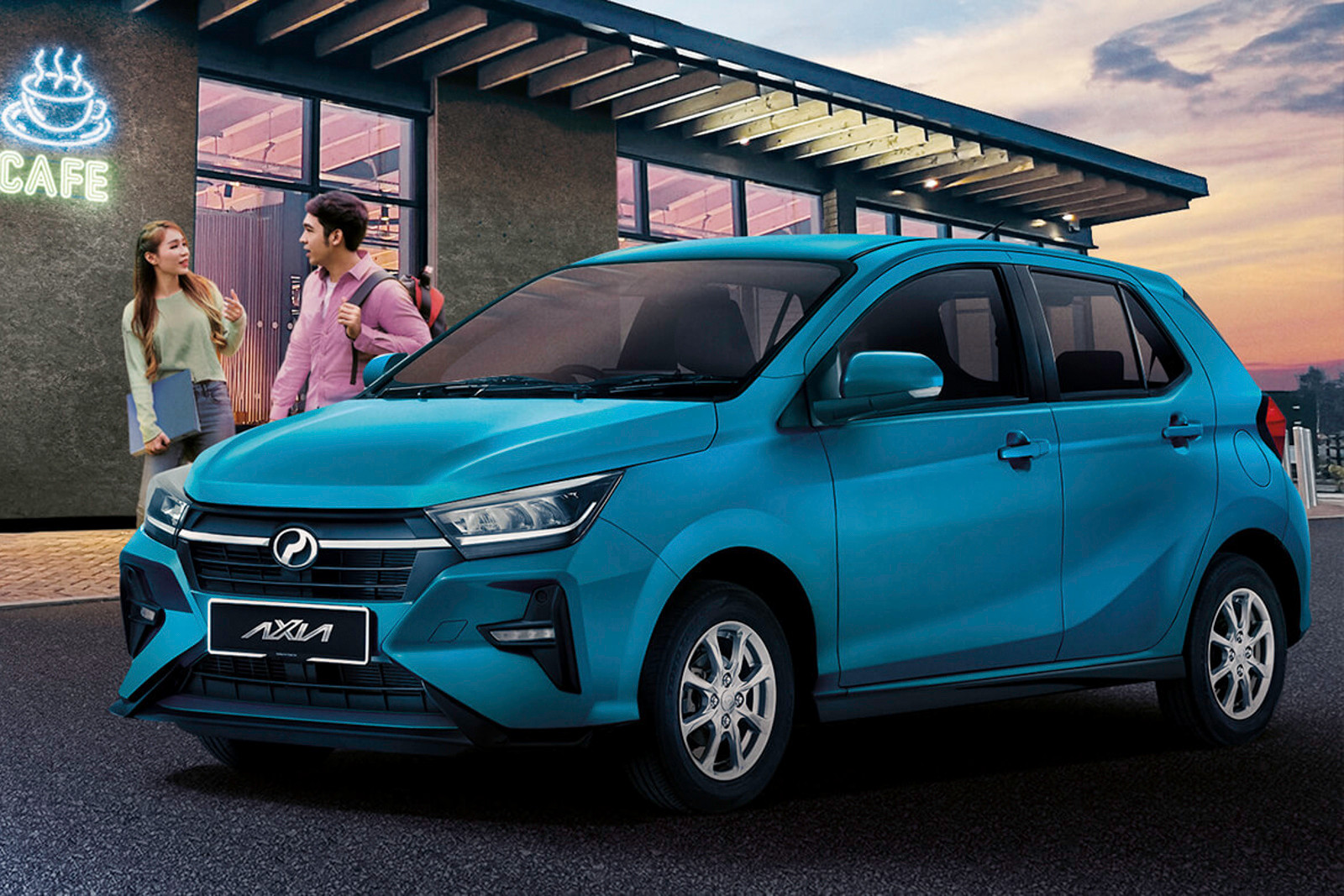
 Segment
 Body Type
 Capacity(L)
 Engine Power(PS)
 Engine Torque(Nm)
 Transmission
In Malaysia's A-segment market, the consumer demand for "adequate and balanced" vehicles has always been mainstream—meeting the fuel economy needs for daily commuting without overly compromising on features. The 2023 Perodua Axia 1.0 SE, as a popular contender in this segment, has combined "high cost-performance ratio" and "practical features" even more tightly after this upgrade, even exceeding expectations in certain details compared to its peers. The aim of our test drive this time is to verify whether its real-world performance lives up to its market positioning and whether these new features truly enhance daily use experience.
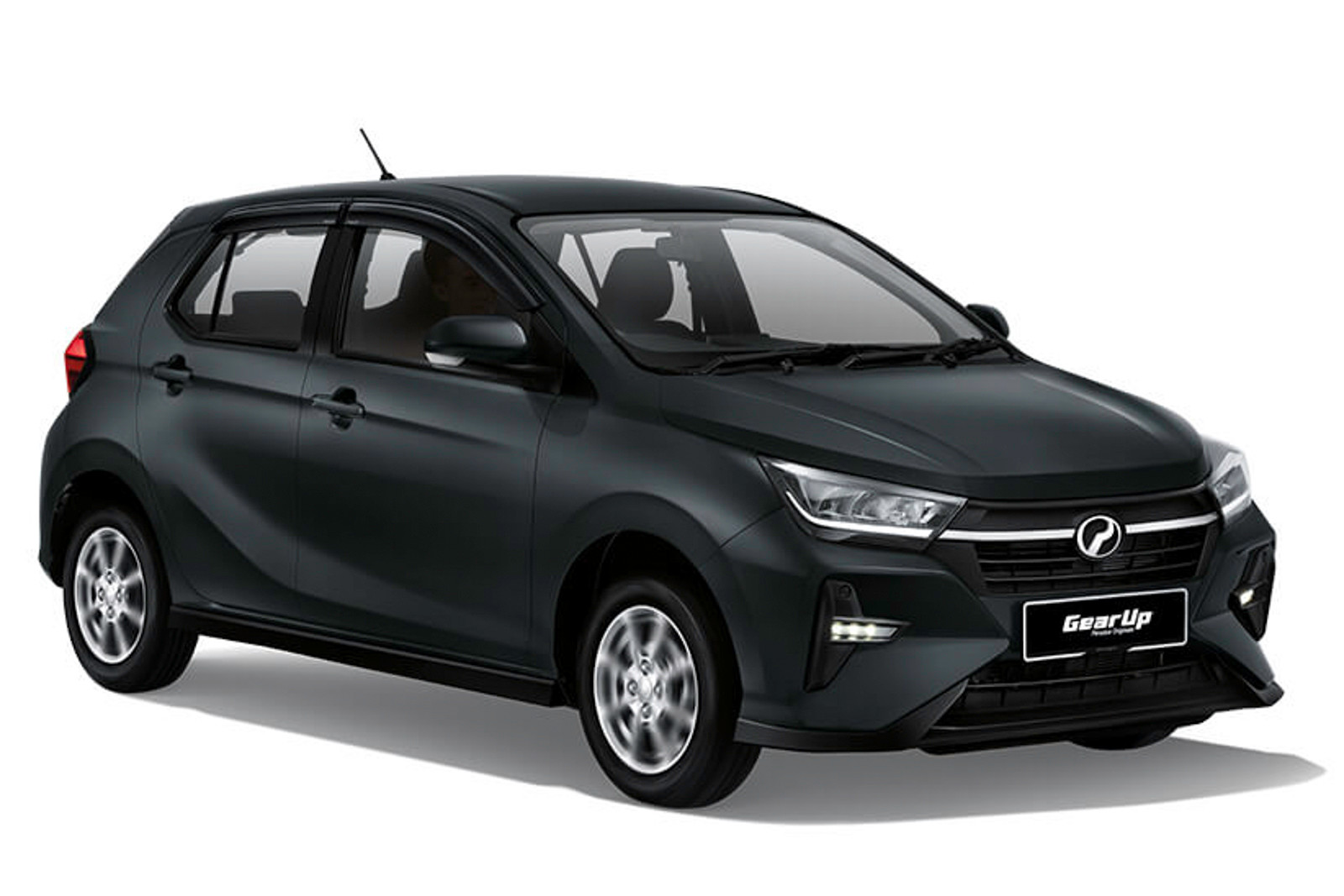
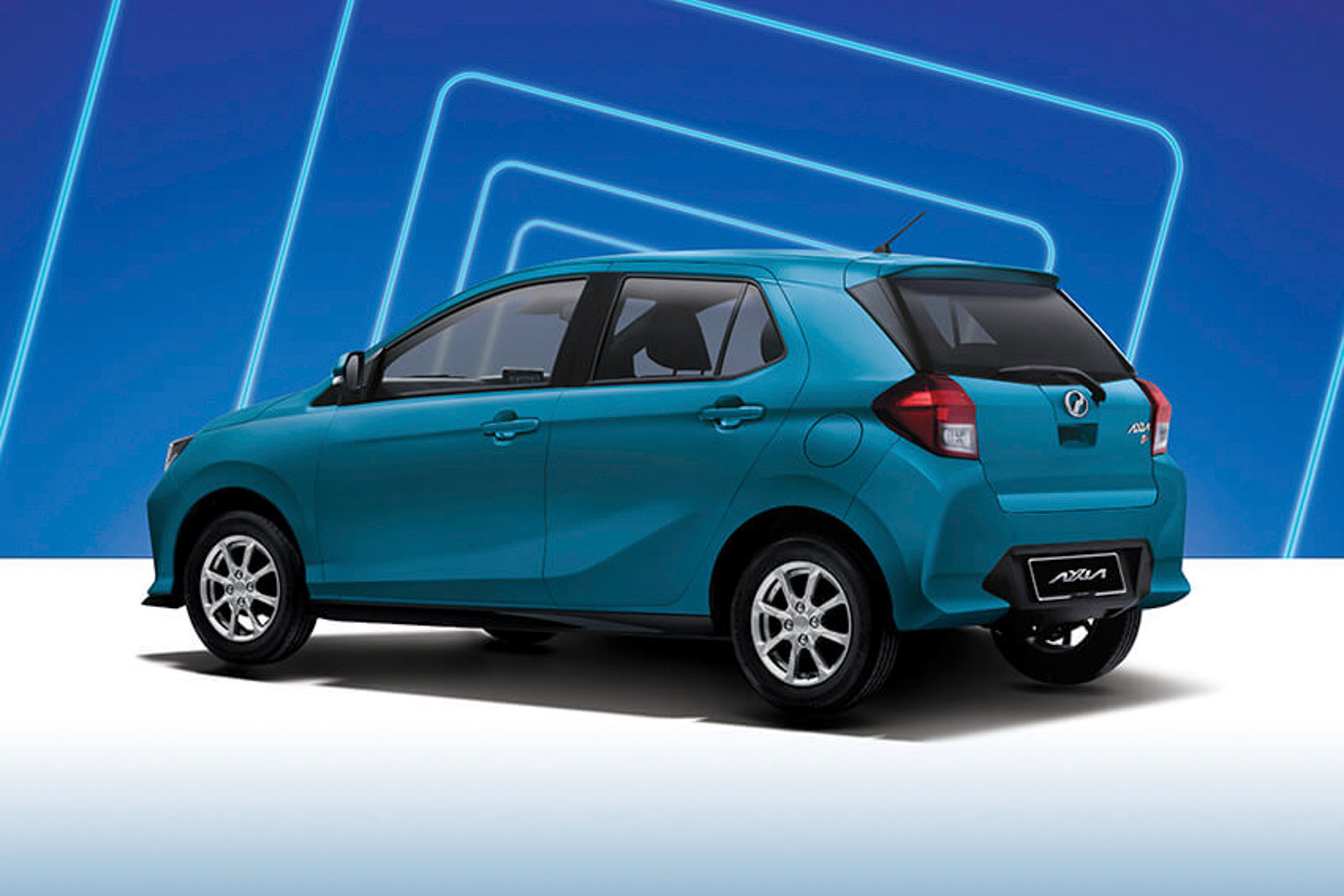
At first glance, the 2023 Axia 1.0 SE appears sleeker than its predecessor. The front adopts Perodua’s family-style large lower grille, paired with a smoked upper grille, giving it a lower visual focus and reducing the cramped feel typical of microcars. The side profile features simple lines, with a waistline extending from the front fender to the taillights that isn’t overly exaggerated but makes the 3760mm length look more elongated; the 14-inch alloy wheels are exclusive to the SE version, showing a significant improvement in refinement compared to the steel wheels of the base model. Changes at the rear mainly involve the taillights, with the addition of LED light sources greatly enhancing nighttime visibility. The lines of the rear bumper echo those of the front, presenting a youthful yet understated style that aligns with the aesthetic preferences of most family users.
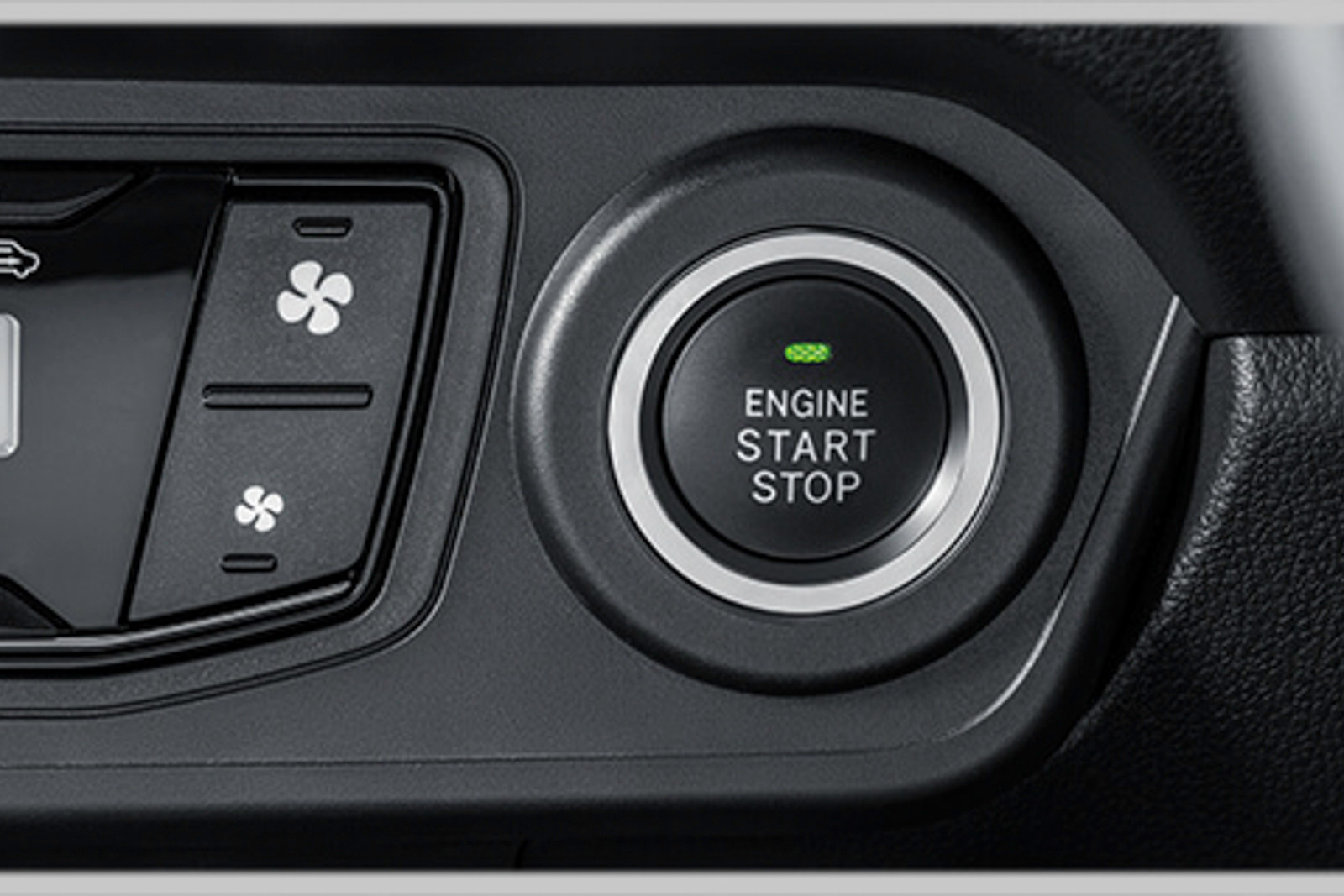
Stepping into the interior, the first thing to notice is the layout of the dashboard—even as an entry-level model, the SE version's interior materials do not feel cheap. The steering wheel is wrapped in leather, with clearly laid-out multifunction buttons—media controls on the left and trip computer adjustments on the right. The tactile feedback during operation is appropriate. The instrument cluster uses an analog-style digital display, presenting rpm, speed, and fuel levels in a sufficiently intuitive manner; a highlight of this upgrade is the Head-Up Display (HUD), which projects speed and navigation prompts, reducing the need to look down at the dashboard. The central control screen features a multifunctional digital display, supporting Bluetooth connectivity and basic navigation. While the response speed isn’t top-notch, it performs sufficiently well for daily use. As for seating, the front row offers 4-way manual adjustments with cushions that skew toward softness but provide adequate support. A passenger with a height of 175cm still has a fist’s worth of headroom after adjusting their seating position. The rear passenger space is a strong point for the A-segment, with a 2525mm wheelbase offering sufficient legroom for two adults seated side-by-side. The middle seat position features minimal floor protrusion, making it tolerable for temporary occupancy. The trunk has a capacity of 265 liters, enough to fit two 20-inch suitcases. The rear seats can be folded down in a 60:40 split, expanding the space to accommodate longer items like strollers or folding bicycles. In terms of details, the front door storage compartments hold two 500ml water bottles, the center armrest compartment has moderate depth for small objects, and the front row is equipped with a 220V power outlet, convenient for charging laptops or small appliances.
In terms of performance, the 1.0L naturally aspirated three-cylinder engine delivers a maximum output of 50kW (68PS) and a maximum torque of 91Nm, paired with a CVT gearbox. During daily driving, the power delivery at start is relatively smooth, suitable for low-speed city driving. When RPM exceeds 4000, torque starts to kick in, and accelerating or overtaking requires a deep press on the gas pedal. The transmission simulates gear shifts to avoid the "slipping" sensation typical of traditional CVTs. When Eco mode is activated, throttle response slows down and RPM stays around 2000, making it efficient for fuel-saving in congested traffic. In standard mode, power delivery is more direct, fully sufficient for daily commuting. As for the suspension, it consists of front MacPherson struts and a rear torsion beam, tuned for comfort. When driving over speed bumps or uneven roads, the suspension absorbs most minor vibrations; only larger bumps are slightly felt inside the vehicle, but without any harsh jolts. At high speeds, the body stability is decent; cruising at 100km/h shows no significant slack in the steering wheel, and lane changes maintain side tilt within the acceptable range for the A-segment. Fuel efficiency meets expectations: during city traffic, the displayed fuel consumption was about 4.5L/100km, while on the highway it dropped to 3.8L/100km, averaging close to the official 3.7L/100km. With a 36L fuel tank capacity, the range is approximately 900km, reducing refueling frequency. The braking system comprises front ventilated discs and rear drum brakes. The brake pedal travel feels moderate, providing sufficient braking force in the initial range, instilling confidence during daily use.
In terms of ride comfort, NVH control is a highlight. Engine vibration is not noticeable at idle, and while there is slight noise transmitted into the cabin when the RPM exceeds 3000, it is within an acceptable range. At high speeds, wind noise and tire noise are well controlled, allowing normal conversation in the cabin even during 110km/h cruising. The manual air conditioner features digital controls and memory functions, offering higher temperature adjustment precision compared to traditional knobs. The rear seats are equipped with air conditioning vents, which can quickly lower the cabin temperature. The addition of rain-sensing wipers and automatic headlights enhances convenience, especially during rainy conditions or when entering tunnels, eliminating the need for manual operation.
Overall, the core advantage of the 2023 Perodua Axia 1.0 SE lies in its “balance” — its space ranks among the top in the A-Segment, and its configurations, such as HUD, keyless entry, and automatic headlights, surpass the average level of competitors in the same category. The 5-year/150,000km warranty also reassures users. Compared to the same-class Proton Saga, the Axia has lower fuel consumption and offers a more spacious interior; compared to the Toyota Vios E, while its power is slightly weaker, it is nearly RM 10,000 cheaper, offering better value for money.
The target audience for this car is quite clear: firstly, families on a budget, as its 2525mm wheelbase and flexible storage space can meet everyday needs for carrying kids or shopping; secondly, recent graduates, as its low fuel consumption and maintenance costs reduce the financial burden of car ownership, and its stylish appearance appeals to young aesthetics; lastly, office workers in need of a daily commuter car, with its compact body making urban parking more convenient and the CVT transmission reducing driving fatigue during traffic congestion.
In conclusion, the 2023 Perodua Axia 1.0 SE is not a performance-focused vehicle, but a “hassle-free” commuting tool. It achieves the optimal solution in space, configuration, and fuel consumption within the A-Segment, making it suitable for most consumers who prioritize practicality and value for money. If you need a reliable daily commuter and don’t want to compromise on configurations, then the Axia 1.0 SE is worth considering.
Perodua Axia Loan Calculator
More Perodua Reviews
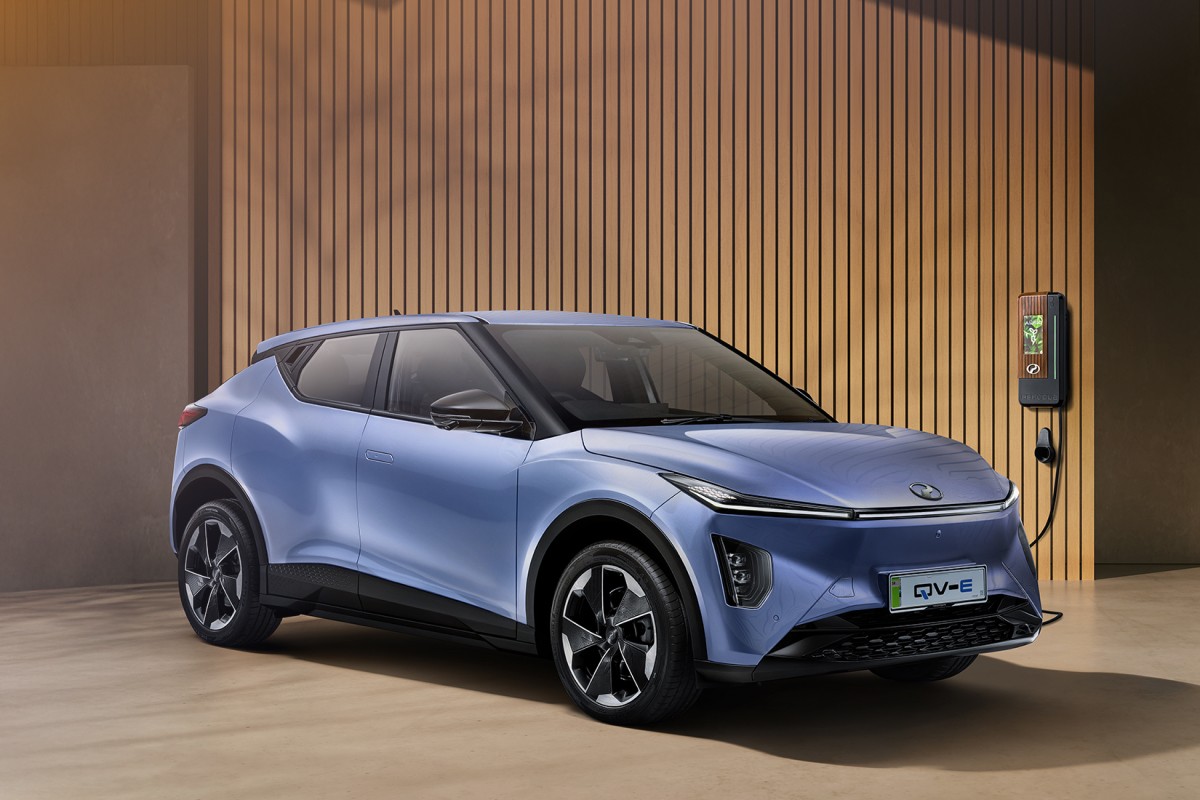
Cars With Similar Price And Features

2023 Daihatsu Ayla 1.0 X CVT is an automatic transmission model in Malaysia's A-segment market, offering balanced features, a worry-free CVT gearbox, and low fuel consumption to meet the needs of daily commuting and short family trips.
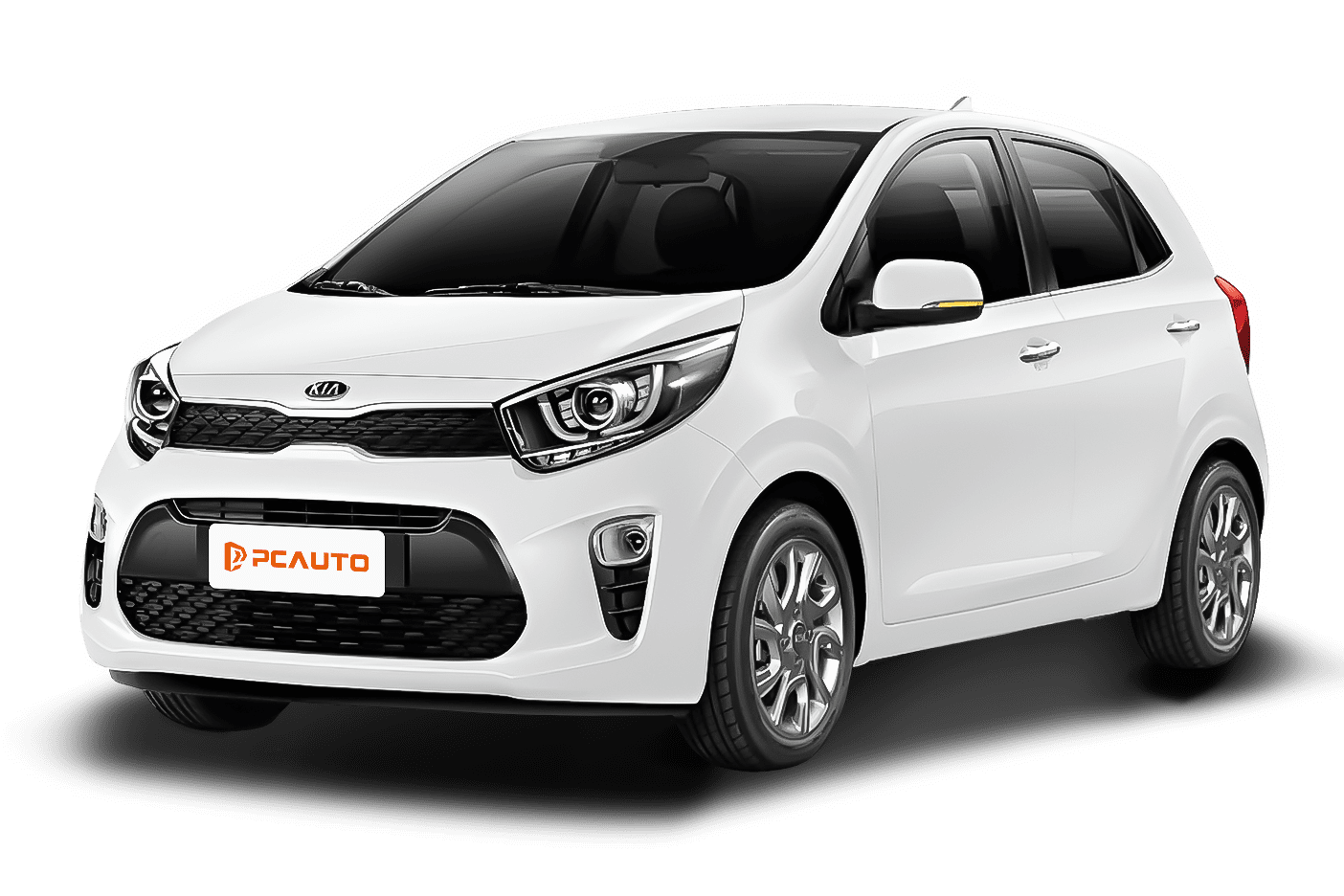
2024 Kia Picanto public is a high-value-for-money commuter car in the Malaysian A-Segment market, practical and attractive, with sufficient space and comprehensive safety features, suitable for commuting.