

2023 Perodua Bezza 1.3 AV (A) Review

 Share
Share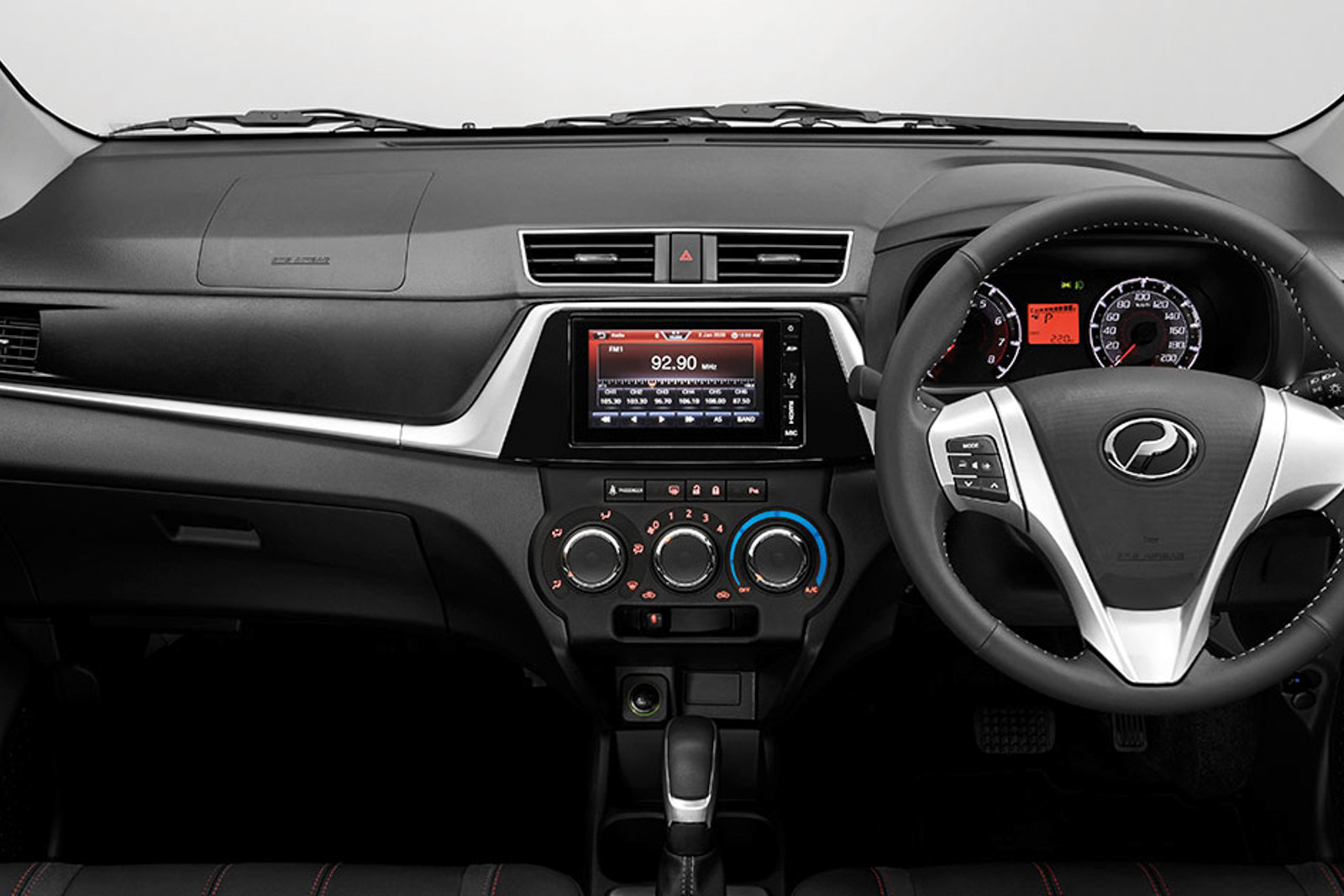
 Segment
 Body Type
 Capacity(L)
 Engine Power(PS)
 Engine Torque(Nm)
 Transmission
The A-segment sedan market in Malaysia has always been a fiercely competitive space for entry-level family cars. What consumers value the most are none other than cost-effectiveness, practicality of space, and daily reliability — after all, most people buy this type of car to meet the basic needs of commuting to work and short family trips on weekends. The 2023 Perodua Bezza 1.3 AV (A), being the top variant of the lineup, not only maintains its affordable pricing (RM 49,980) but also comes with upgrades in safety features, even introducing functionalities that were previously only available in mid-range models to the entry-level range. In this test drive, my main focus was to see if the car could provide more surprises in terms of space, features, and driving experience while maintaining fuel efficiency.
Starting with the exterior, the design of the Bezza 1.3 AV continues Perodua's family-style "Dynamic Sword" design language, featuring overall lines that are steady yet detailed. The front is adorned with a chrome strip extending from the emblem to the LED headlights on both sides. The headlights integrate lenses, making them highly recognizable when illuminated. The front bumper below has a more structured design, with the fog lamp areas surrounded by black plastic, adding a touch of sportiness. The side profile of the car is sleek, with 15-inch multi-spoke alloy wheels paired with 175/60 R15 tires, which are perfectly proportioned and do not appear too thin. Most changes at the rear are visible in the taillights, adopting a horizontally stretched design connected to the chrome trim on the rear trunk lid, visually widening the car. The black trim below the rear bumper and the hidden exhaust pipe give the rear a cleaner look.
Sitting inside, the interior of the Bezza 1.3 AV is mainly made of hard plastic, but the assembly quality is decent, with no obvious gaps. The center console layout is very clear, featuring a 7-inch touchscreen on top that supports Bluetooth connectivity and a reverse camera. The interface is straightforward and quite responsive. Below are physical buttons for the manual air conditioning, with the knobs offering moderate resistance, making it convenient to operate without looking. The multifunction steering wheel is wrapped in leather, providing a good grip. The left-side buttons control the volume, track switching, and call answering, while the right side is reserved for cruise control (although the test model did not include it, the button area is left in place). The instrument cluster remains traditional with backlit mechanical gauges — a tachometer on the left and a speedometer on the right. In the middle, a monochrome display shows fuel levels, water temperature, mileage, and fuel consumption, which is very easy to read.
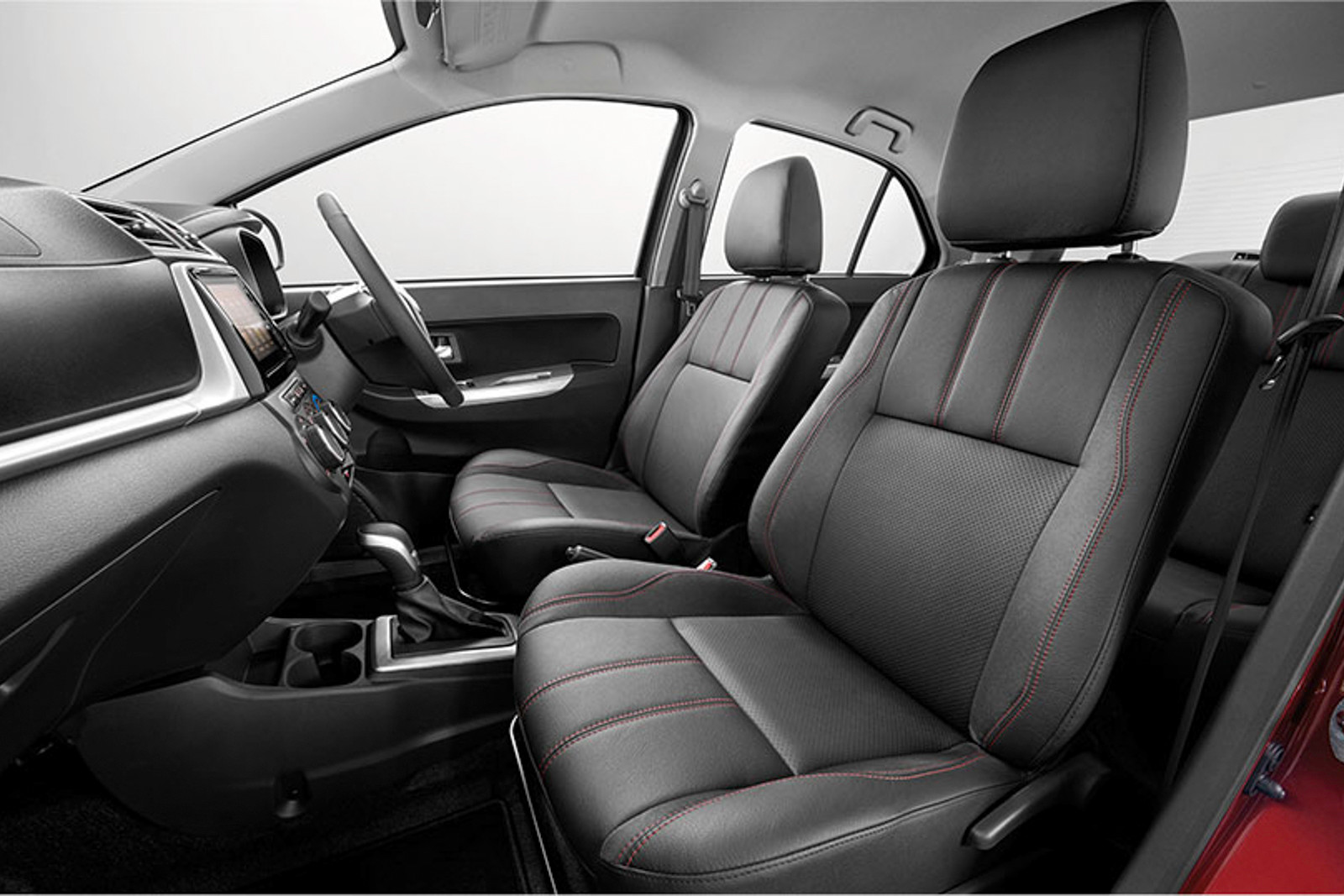
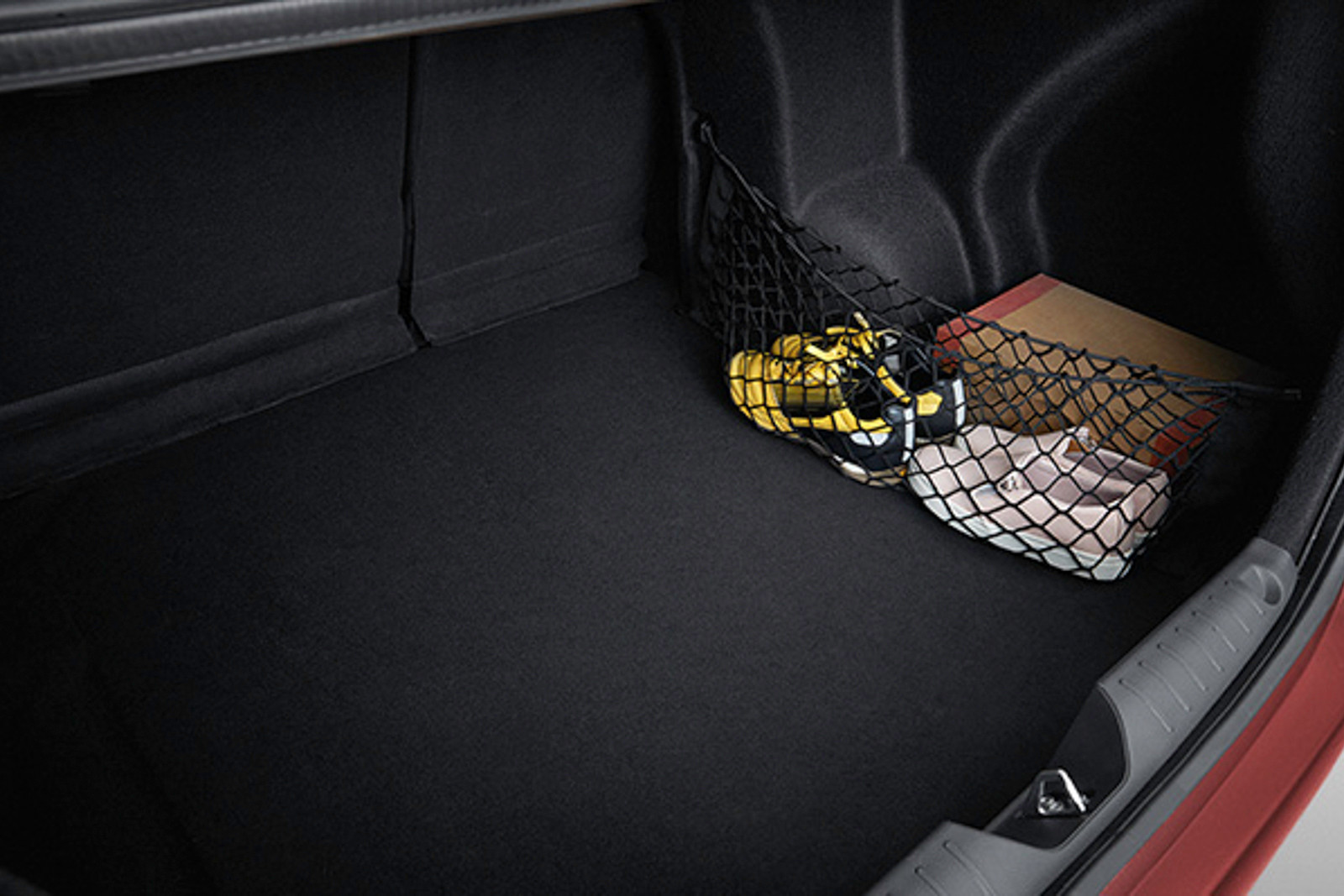
Space is one of Bezza's strong points. The dimensions of the car are 4170mm×1620mm×1525mm, with a wheelbase of 2455mm, placing it in the upper-middle range for an A-segment car. The front seats provide good support; at 175cm tall, I still have a fist worth of headroom after adjusting the driving position appropriately. The rear legroom measures around two fists, with a headroom of one fist, which makes it comfortable even for three adult passengers. The rear seats support a 60:40 split and can fold down to connect with the trunk. The trunk itself already has a 508L capacity, and folding the seats allows for even larger items like a baby stroller or a foldable bike. As for storage space, the door panel pockets can fit two bottles of water, the central armrest console is deep enough for small items, and there is even a drawer below the front seats, which is highly practical.
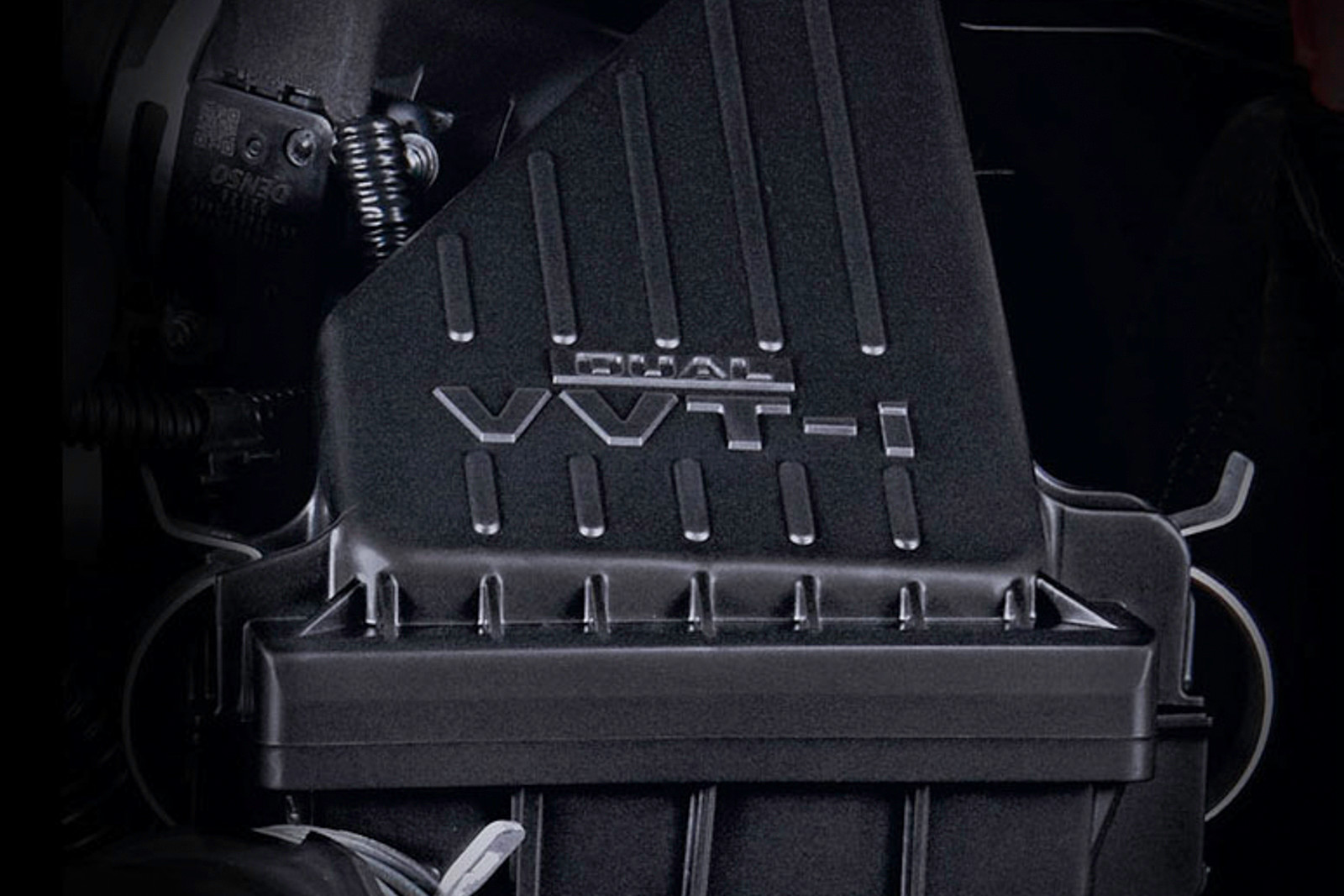
In terms of power, the Bezza 1.3 AV is equipped with a 1.3L naturally aspirated engine, with a maximum power of 96PS (70kW) / 6000rpm and a maximum torque of 121N·m / 4000rpm, paired with a 4AT transmission. The power output is relatively smooth during startup, making it suitable for urban traffic congestion; after pressing the accelerator deeply, the engine demonstrates significant power above 3000rpm. When accelerating or overtaking, as long as you press the accelerator in advance, it can meet your needs. The transmission's shift logic emphasizes smoothness, and while the shift actions are not fast, they won't feel sluggish during daily driving. There are two driving modes: economy and normal. In economy mode, the throttle response slows down, making it suitable for highway cruising and slightly lowering fuel consumption; normal mode is more suited for city driving with more direct power output.
In terms of handling and suspension, the Bezza uses a combination of front MacPherson independent suspension and rear torsion beam non-independent suspension, tuned for comfort. When passing speed bumps or uneven roads, the suspension can filter out most of the minor bumps without any overly harsh impacts; however, on larger undulations, the rear seats may still experience noticeable bounces. The steering wheel is very light, so even female drivers won't feel strained. However, the steering precision is average, with a relatively large dead zone, making it more suitable for daily commuting rather than aggressive driving.
Fuel consumption testing was one of the key aspects of this test drive. I departed from Kuala Lumpur city, drove on a section of highway and a section of rural road, covering a total distance of about 150km, of which highways accounted for 60% and urban areas 40%. The tank was filled before departure, and after the test drive, it was refilled, consuming a total of 6.3L of fuel. The average fuel consumption was 4.2L/100km, which is even lower than the official 4.5L/100km, delivering a pleasantly surprising performance. As for braking performance, the combination of front ventilated discs and rear drum brakes offers a soft pedal feel. However, the braking force output is very linear, and the car remains stable during emergency braking without significant nose dive.
In terms of comfort, the Bezza's performance is average. The seat padding is relatively soft, so long hours of sitting won't feel overly tiring; however, the lack of lumbar support may lead to slight backaches over extended drives. As for noise control, the cabin remains relatively quiet at speeds under 60km/h, with minimal tire and engine noise; however, wind noise gradually increases above 80km/h, primarily coming from the A-pillar and side mirrors, but it's still within an acceptable range. The air conditioning performs well, capable of quickly cooling the cabin even in high temperatures of 35°C.
Safety features are a major highlight of the Bezza 1.3 AV. In addition to standard ABS, EBD, electronic stability control, and hill-start assist, it is also equipped with active braking and front collision warning systems, which are relatively rare in vehicles of the same class. Although there are only two airbags, combined with ISO FIX child seat anchors, it basically meets daily safety needs. The combination of front and rear parking sensors and a reverse camera is very friendly for new drivers, helping to avoid scrapes during parking.
In summary, the 2023 Perodua Bezza 1.3 AV is a well-balanced family car. Its advantages include spacious interior, low fuel consumption, rich safety features, and affordable pricing. Its price tag of RM 49,980 is slightly cheaper than the Proton Saga Premium (RM 50,900) in the same class, yet the Bezza offers more features. The downsides are its average interior materials, modest power performance, and the 4AT transmission.
If you are a family user who values practicality and cost-effectiveness, mainly for commuting to and from work and short weekend family trips, the Bezza 1.3 AV is definitely a great choice. It won't bring you much driving pleasure, but it can meet all your daily needs, and the maintenance cost is very low. If you are looking for more power and a more advanced transmission, you may need to consider higher-priced models, but for most people, the Bezza 1.3 AV is already sufficient.
Perodua Bezza Loan Calculator
More Perodua Reviews
Cars With Similar Price And Features
1
Rank in Sedan
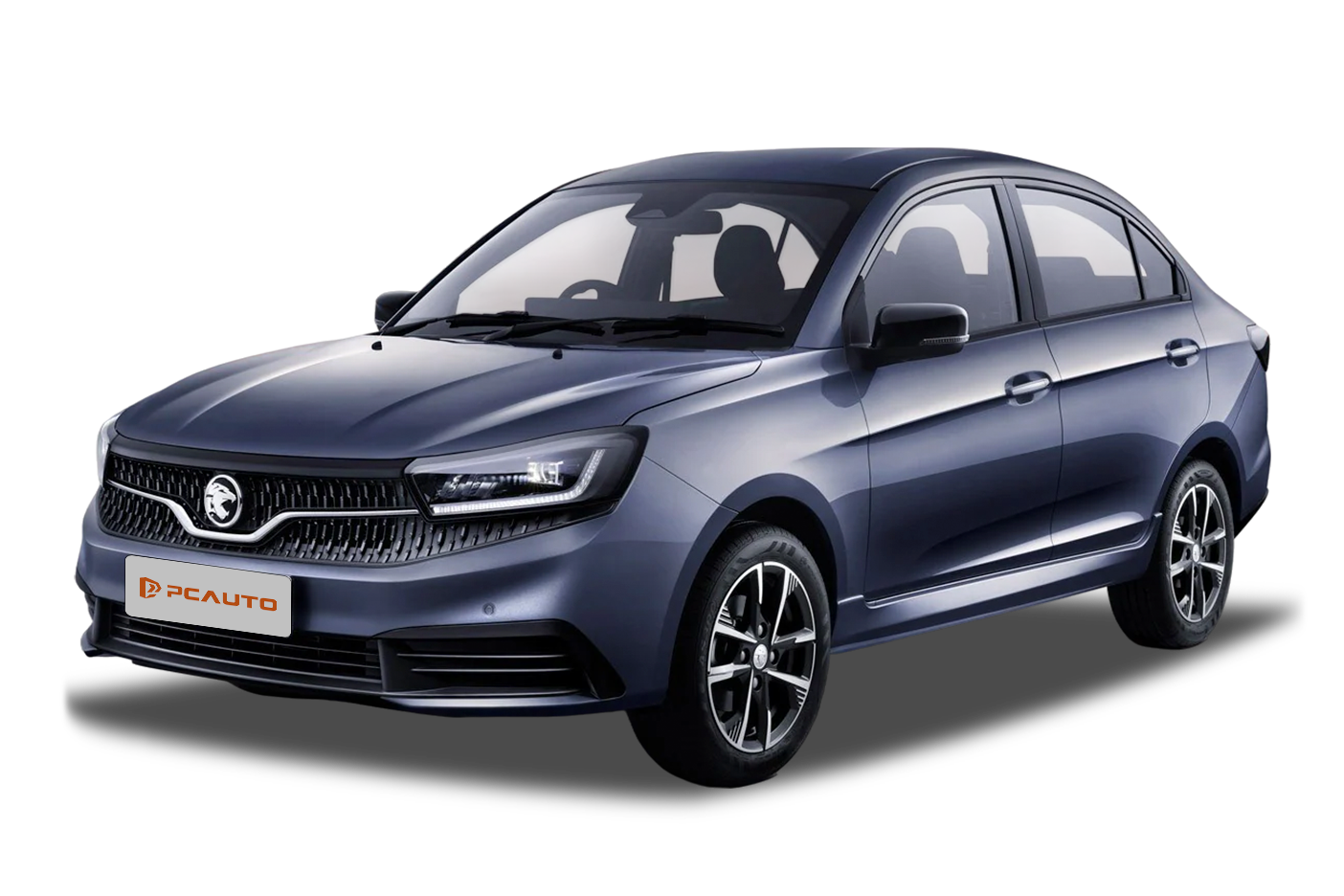
2025 Proton Saga 1.5 Standard AT, as an entry-level automatic sedan, upgraded to a 1.5L engine, offering practical space, thoughtful features, and outstanding value for money, making it an affordable choice for families and commuters.
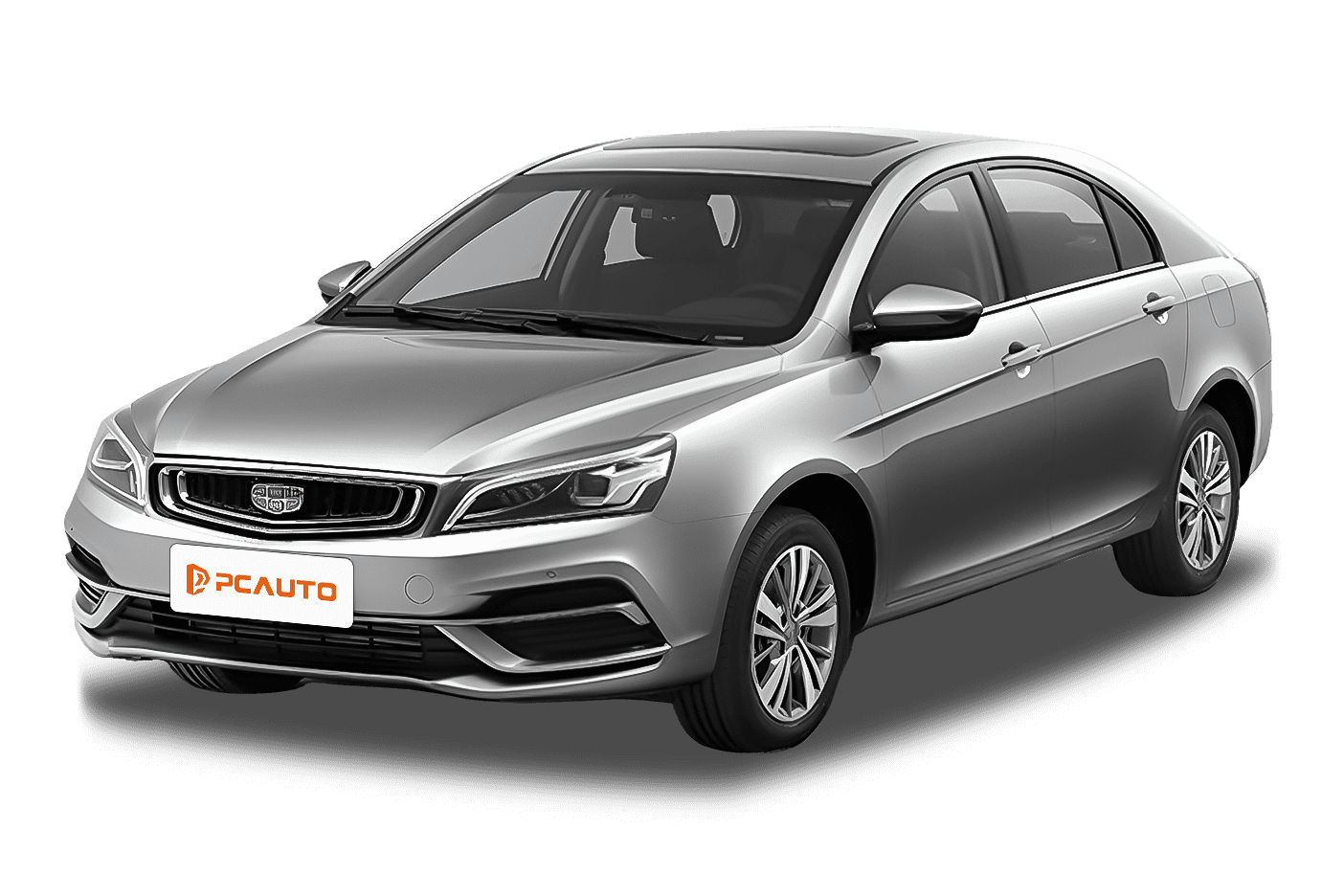
2019 Geely New Emgrand 1.5L-CVT is a balanced family sedan with practical space, rich safety features, and fuel efficiency, meeting the needs of daily commuting and short trips.