

2023 Toyota Innova Zenix 2.0 Hybrid (New 5th gen hybrid) Review

 Share
Share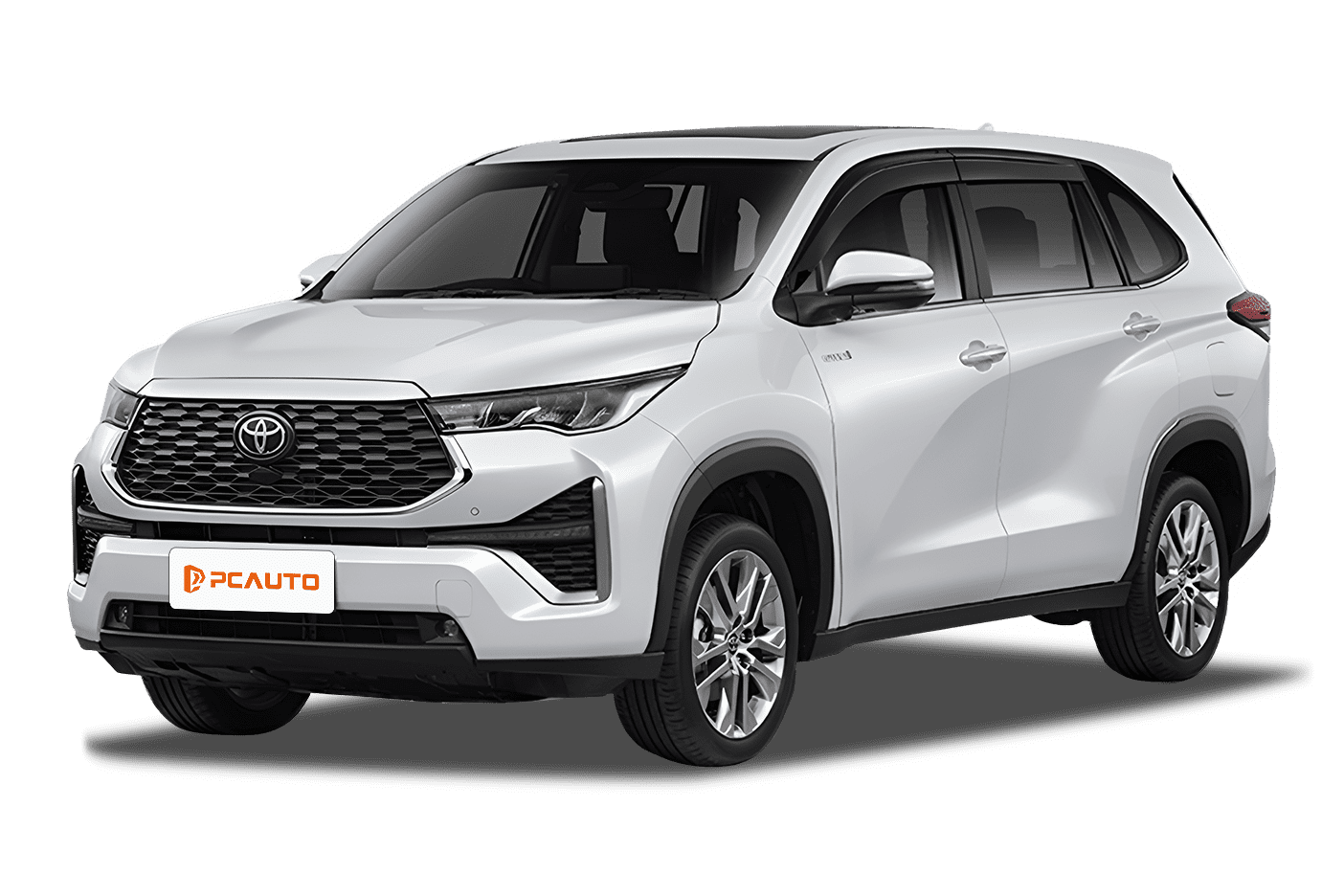
 Segment
 Body Type
 Capacity(L)
 Engine Power(PS)
 Transmission
 Driven Wheels
In Malaysia's C-segment MPV market, the demand for spaciousness, fuel efficiency, and high configurations among family users has always been dominant. The 2023 Toyota Innova Zenix 2.0 Hybrid, as the hybrid version of the fifth generation model, directly targets these needs—not only continuing the practicality of the Innova series but also reducing fuel consumption with its hybrid system while upgrading its intelligent features. The main purpose of this test drive is to verify whether its hybrid performance truly achieves a balance between power and efficiency, and whether its space and features meet the daily usage needs of family users.
At first glance, the Innova Zenix 2.0 Hybrid reveals its differences from the previous generation: the overall style shifts from a rugged MPV design to a more modern family-oriented appearance. The front face adopts a large trapezoidal grille featuring a black mesh structure, paired with sharp LED headlights on both sides for a highly recognizable look. The body side profile is sleek, with a waistline extending from the front to the rear, adding a sense of depth. The design of the 18-inch alloy wheels (front) is delicate, though the use of 16-inch steel wheels on the rear creates a slight contrast. The rear features LED taillights with a through-type design connected by a chrome trim, coupled with a silver skid plate on the bumper for a harmonious overall visual effect. Regarding the lighting system, LED headlights, daytime running lights, and automatic headlights come as standard, offering adequate brightness and range for nighttime use.
Inside, the interior style leans towards simplicity and practicality. The center console is covered with soft-touch materials and accented with silver trim, creating a noticeable improvement in quality compared to the previous generation. A 10.1-inch capacitive touchscreen sits atop the center console, offering smooth operation and support for Sound Plus functionality. Below the screen, some physical buttons have been retained for easier blind operation while driving. The instrument cluster is a 7-inch color TFT display that clearly shows hybrid system status, fuel consumption, and other information for easy reading. In terms of features, the standard equipment includes a HUD head-up display, an 8-way power-adjustable driver's seat, rear air conditioning, a 220V power outlet, and keyless entry/start, all of which prove practical in daily use—for instance, the rear air conditioning quickly regulates the temperature when traveling with children, and the 220V power outlet can supply power to child seats or electronic devices.
Space is one of Innova Zenix's core strengths. With body dimensions of 4760mm×1850mm×1795mm and a wheelbase of 2850mm, the 7-seat layout offers ample space in the first two rows: a passenger 175cm tall sitting in the front row will have about one fist of headroom; the rear row provides two fists of legroom and one fist of headroom. The seats support a 6:4 split sliding and folding option, making it easier for third-row passengers to get in and out. The third-row space is a bit snug for adults, but it’s suitable for children or teenagers on short trips. Regarding storage capacity, the central armrest box in the front row and door storage compartments offer considerable capacity, and folding down the third-row seats creates enough trunk space to accommodate multiple suitcases, meeting the needs of family road trips.
In terms of performance, the 2.0L naturally aspirated engine combined with the hybrid system provides a total maximum power output of 174PS, with peak torque reaching 4500–4900rpm. In everyday driving, the vehicle is primarily powered by the motor during initial acceleration, ensuring a quick and quiet response. Once the speed exceeds 60 km/h, the engine kicks in, generating a seamless power transition without significant jerking. Switching to sport mode enhances throttle responsiveness, offering sufficient power reserves for overtaking. However, at higher speeds above 120 km/h, the acceleration becomes less forceful. The CVT transmission performs moderately well, delivering smooth gear changes, though there’s a slight delay in RPM climb during rapid acceleration.
In terms of handling and chassis, the steering wheel has a moderate turning weight and is relatively precise, making daily driving very easy. The suspension system adopts a front MacPherson independent suspension and a rear torsion beam non-independent suspension, which are tuned for comfort. When going over speed bumps or uneven roads, most vibrations are filtered out, though the rear seats experience more bumps compared to the front seats. The body roll during cornering is at a normal level for MPVs, with no noticeable swaying, and the stability is quite good. Fuel efficiency is a highlight of the hybrid version, with an official combined fuel consumption of 4.6L/100km. In actual driving tests, the fuel consumption is about 5.2L/100km in urban conditions and approximately 4.8L/100km on highways. For a 7-seater MPV, this level of fuel consumption is very competitive.
Regarding ride comfort, the sound insulation is quite good. At speeds below 60 km/h, the noise from the electric motor and engine is almost inaudible inside the car. At higher speeds, tire noise and wind noise increase slightly but do not affect conversation. The seats provide average support and wrapping, which might cause some fatigue during long drives. However, the ability to adjust the angle of the rear seats helps alleviate some discomfort. The energy recovery system offers adjustable levels; at the lowest level, there is almost no noticeable drag, providing a driving experience similar to a conventional fuel car. At the highest level, deceleration is evident when releasing the accelerator, reducing the frequency of brake usage.
For safety features, the Innova Zenix 2.0 Hybrid comes standard with six airbags, ABS, vehicle stability control, lane departure warning, lane-keeping assist, and autonomous emergency braking, making its safety performance above average compared to vehicles in its class. For parking, the rear parking sensors and the clarity of the rearview camera are sufficient for even new drivers to park easily.
Overall, the core advantages of the 2023 Toyota Innova Zenix 2.0 Hybrid are its low fuel consumption, spacious interior, and comprehensive practical features. Compared to its competitor, the hybrid Honda Odyssey (priced at approximately RM250,000), it is more affordable (RM202,000) but has similar features, offering greater value for money. Compared to non-hybrid MPVs, its fuel efficiency is a significant advantage, reducing long-term running costs. This vehicle is suitable for families that prioritize practicality and fuel economy—such as those who frequently travel with family members and have a budget of around RM200,000, or small business owners who occasionally require a vehicle for business purposes.
In conclusion, the Innova Zenix 2.0 Hybrid is a well-balanced family MPV with no major shortcomings. It meets core family needs in terms of space, fuel efficiency, and features. If you are looking for a reliable, practical, and fuel-efficient 7-seater vehicle, this is a great choice.
Toyota Innova Zenix Loan Calculator
More Toyota Reviews
Cars With Similar Price And Features

2022 Proton Exora 1.6T Executive CVT is a 7-seater MPV designed for family users, focusing on balanced space practicality, basic configurations, and high cost-effectiveness to meet daily household needs.
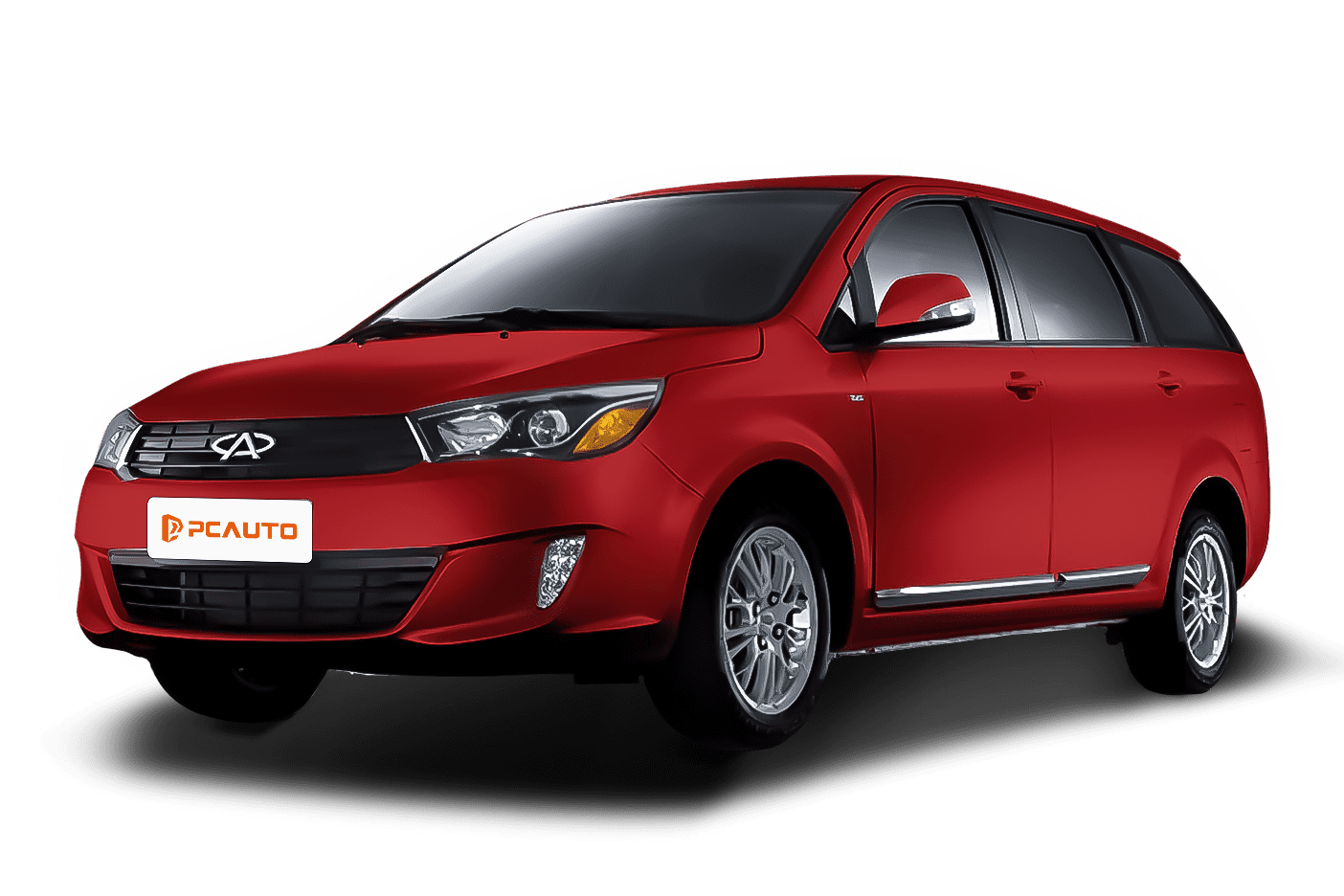
Chery Maxime 2.0 CVT Premium (2015) is a model targeting the household 7-seater segment, with a 2800mm long wheelbase, a 5-year/150,000-kilometer long warranty, and practical configurations as its core selling points.