

2023 Toyota Innova Zenix 2.0 V (Dynamic Force engine) Review

 Share
Share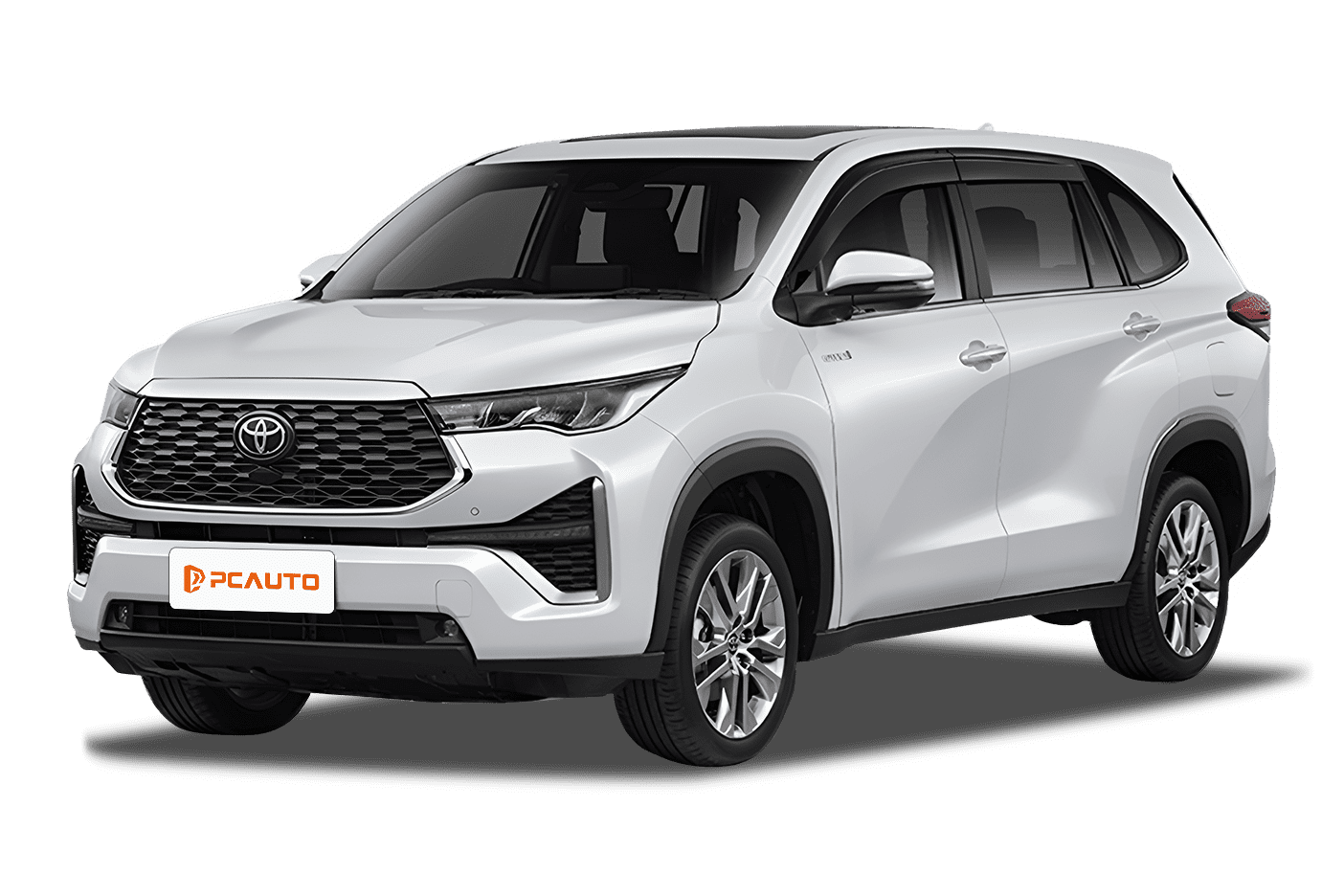
 Segment
 Body Type
 Capacity(L)
 Engine Power(PS)
 Transmission
 Driven Wheels
In recent years, the demand for C-Segment 7-seater MPVs among Malaysian household users has remained stable. This type of vehicle not only needs to meet the fuel economy requirements of daily commuting but also has to accommodate the space and comfort needed for multi-passenger travel. At the same time, the priority for safety configurations has been steadily increasing. As a long-standing player in this segment, the Toyota Innova has introduced the 2023 Zenix 2.0 V, now equipped with the Dynamic Force engine, which has significantly improved power output and fuel efficiency. Combined with a comprehensive upgrade to its smart configurations, many consumers are curious to see whether it can maintain its past market advantages. In this test drive, we aim to evaluate the practical application of these upgrades and assess its competitiveness among similarly priced models.
In terms of exterior design, the 2023 Innova Zenix 2.0 V looks younger and more dynamic compared to the older model. The front face adopts a large trapezoidal grille with a black honeycomb pattern inside, flanked by sharp LED headlights, giving it a highly recognizable visual identity. The two creases on the hood extend from the A-pillars to the grille, enhancing its sense of strength. The side profile of the vehicle has smooth lines, with a waistline running from the front fenders to the rear, preventing it from looking bulky. The 18-inch alloy wheels feature a simple and elegant design, paired with 225/50 R18 tires for a balanced proportion. At the rear, the LED taillights adopt a horizontal layout connected by a chrome strip that visually widens the rear. The black skid plate at the bottom of the rear bumper and dual chrome exhaust trims add a touch of sportiness. Overall, the new design maintains the practicality of an MPV while incorporating more stylish elements, aligning with the aesthetic preferences of modern family users.
Stepping into the interior, the quality has been noticeably improved compared to the older model. The dashboard is wrapped in soft-touch materials and accented with silver trim. While it may not quite reach luxury car standards, it ranks as above average in its class. The center console has a straightforward and clear layout, with a 10.1-inch capacitive touchscreen at the top of the dashboard offering smooth operation and supporting the Sound Plus feature, which delivers audio quality sufficient for daily needs. The instrument cluster features a 7-inch color TFT display that shows information such as fuel consumption, speed, and the status of driver assistance systems, and it is easy to read. The addition of a HUD (Head-Up Display) allows the driver to view critical information without having to look down, enhancing driving safety. In terms of configuration, the main driver’s seat with 8-way electric adjustment is very practical and makes it easy to find a comfortable sitting position. The second-row seats support a 6:4 split and can slide forward and backward, while the Walk-in Slide function makes it more convenient for third-row passengers to get in and out. Rear air conditioning vents, 220V/230V power outlets, and sunshades further improve the comfort of rear passengers. In terms of storage, the storage compartments in the front door panels, the central armrest box, and the cup holders provide ample space. With the third-row seats folded down, the trunk can accommodate larger luggage, meeting the storage needs of family trips.
Regarding performance, the 2.0L Dynamic Force naturally aspirated engine delivers a maximum power of 174PS at 6000rpm and a maximum torque of 205N·m between 4500-4900rpm, paired with a CVT transmission. During actual driving, the power response during startup is relatively prompt; a light press on the accelerator provides noticeable power output, which is suitable for following traffic in congested urban conditions. During acceleration, the CVT transmission performs smoothly without significant jolts, and the rise in revs is linear. During mid-range acceleration, overtaking requires a firm press on the accelerator to quickly push the engine revs above 4000rpm. At this point, power reserves are fairly adequate to meet daily overtaking needs. The official combined fuel consumption is rated at 6.7L/100km. In our test drive, fuel consumption under urban road conditions was approximately 7.5-8.0L/100km, while highway consumption was around 6.0-6.5L/100km. Overall, the fuel efficiency meets expectations. For a 7-seater MPV, this level of fuel consumption is relatively economical.
In terms of handling, the steering wheel is moderately weighted and offers relatively accurate directionality with no significant slack, making daily driving quite easy. The suspension system adopts a front MacPherson independent suspension + rear torsion beam non-independent suspension, tuned more towards comfort. It absorbs most of the fine bumps on the road, and when passing over speed bumps or uneven roads, body sway remains within an acceptable range, ensuring passengers do not feel uncomfortable. However, during high-speed cornering, the body roll is still relatively pronounced. After all, it's an MPV model, and handling is not its strong suit. For driving assistance systems, features like lane departure warning, active braking, and forward collision warning are included. In actual use, the lane departure warning sensitivity is moderate, and the active braking system intervenes timely in emergencies, enhancing driving safety.
In terms of ride comfort, the seats provide good support and cushioning, ensuring passengers don't feel too fatigued even on long rides. Regarding noise insulation, at high speeds, some wind and tire noise can be heard inside the cabin, but it's within an acceptable range and doesn't affect normal conversation. The addition of electronic parking brake and auto hold functions makes driving in urban traffic congestion much easier.
Overall, the core strengths of the 2023 Toyota Innova Zenix 2.0 V lie in the balance between fuel efficiency and power brought by the upgraded powertrain, comprehensive safety features, and practical space. Compared to competitors in the same class, such as the Honda Odyssey (which is more expensive) and Kia Carnival (which is larger but has higher fuel consumption), the Innova Zenix 2.0 V strikes a good balance between price, fuel economy, and features, offering excellent value for money. It is suited for families that value practicality, fuel economy, and safety features, particularly those who frequently travel with family members and wish to keep daily driving costs low. If you're looking for a well-balanced 7-seater MPV, the Innova Zenix 2.0 V is worth considering.
Toyota Innova Zenix Loan Calculator
More Toyota Reviews
Cars With Similar Price And Features

2022 Proton Exora 1.6T Executive CVT is a 7-seater MPV designed for family users, focusing on balanced space practicality, basic configurations, and high cost-effectiveness to meet daily household needs.
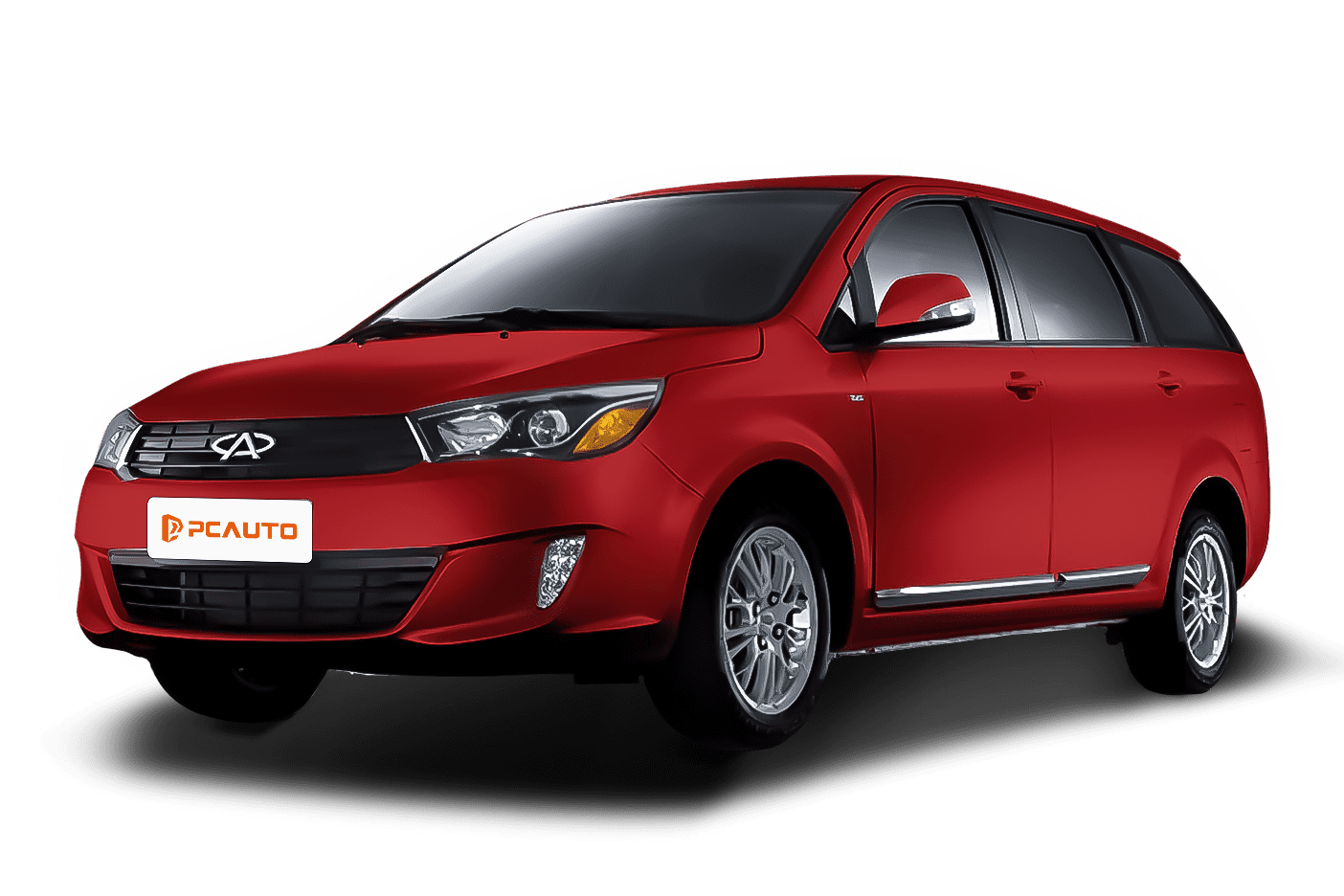
Chery Maxime 2.0 CVT Premium (2015) is a model targeting the household 7-seater segment, with a 2800mm long wheelbase, a 5-year/150,000-kilometer long warranty, and practical configurations as its core selling points.