

2024 DFSK Box E2 Review

 Share
Share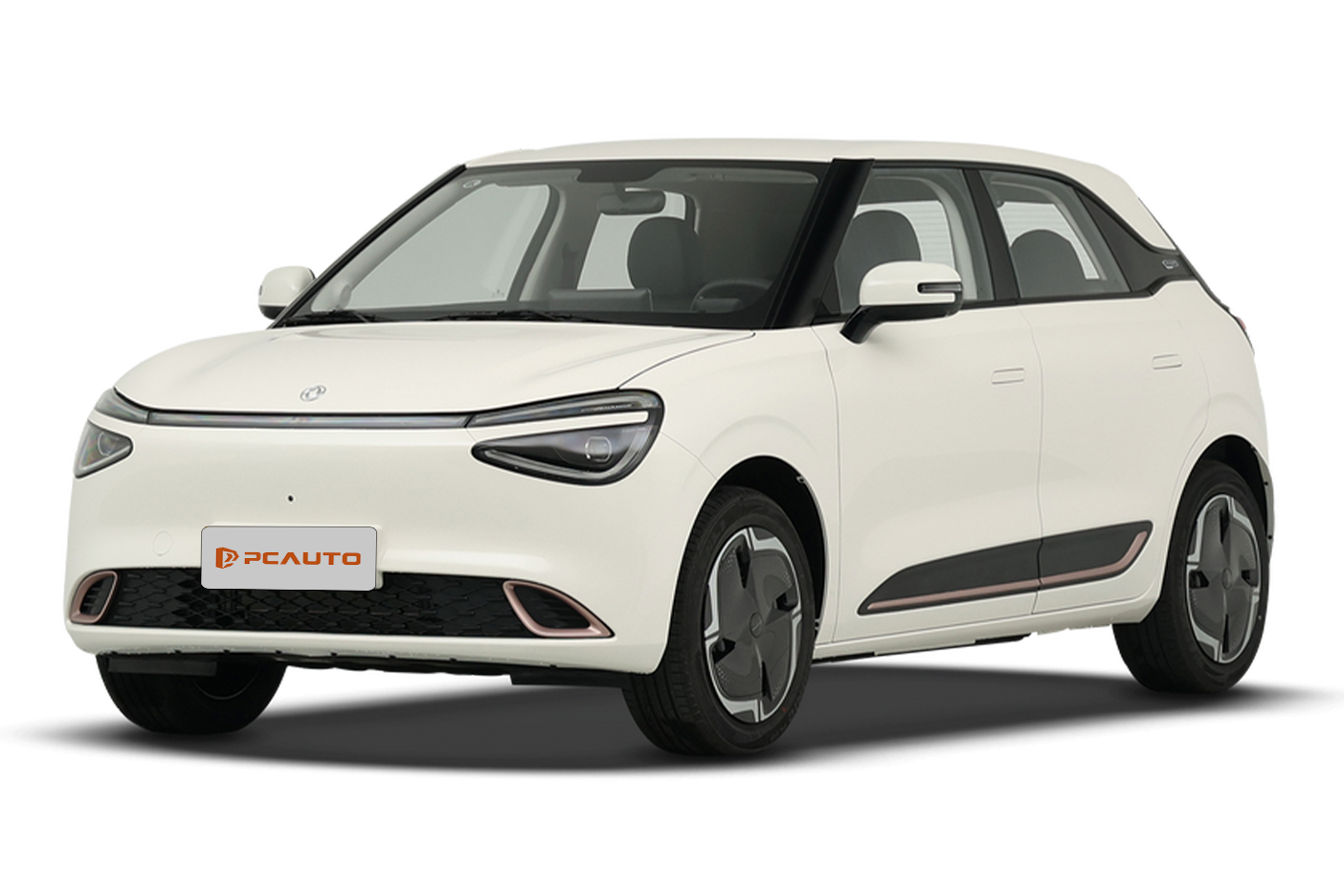
 Segment
 Body Type
 Motor Output(kW)
 Motor Torque(Nm)
 EV Range(km)
 Battery Capacity(kWh)
As competition intensifies in the local C-segment electric vehicle market, the demand for models that are "sufficient in range, practical in configuration, and affordable" among pragmatic family users has become increasingly evident — the 2024 DFSK Box E2 is designed to target this specific segment. Positioned as an entry-level pure electric sedan, its core selling points include an official range of 330 kilometers, a 12.8-inch large screen, and features like automatic parking. In this test drive, we focus on evaluating whether its actual performance can meet the needs of daily commuting and short family outings.
From a distance, the overall design of the Box E2 leans toward a simple family-oriented style, without excessive aggressive design elements. The front features a closed grille, complemented by integrated LED daytime running lights, which visually widen the car and give it reasonable recognition; the side profile has smooth lines, and the 215/55 R17 tire specifications are proportionate to the body, avoiding a thin appearance; at the rear, the horizontal LED tail light assembly matches the design of the front, while the small spoiler on the edge of the trunk adds a touch of sportiness. The lighting system throughout the vehicle is LED, and the automatic headlight function enhances the convenience of daily use.
Stepping inside, the interior features black as the main color tone, with a clearly arranged center console layout. The 12.8-inch touch screen serves as the visual centerpiece, offering a decent level of operating fluidity. The built-in multimedia system supports basic navigation and Bluetooth connection, while a few physical buttons are retained below for convenient blind operation of the air conditioning. In terms of materials, the upper part of the dashboard uses hard plastics, but the detailing is relatively well executed. The multifunction steering wheel comes with standard voice control and cruise control buttons, with a comfortable grip. The instrument cluster is fully digital, capable of clearly displaying range, vehicle speed, and motor status.
The cabin space meets the standards of the C-segment level. The 2650mm wheelbase provides ample legroom in the rear, and the 1810mm width makes seating three adults side by side not overly cramped. The front seats are manually adjustable, with firm padding but sufficient support. The rear seats can fold down as a whole, expanding the trunk capacity (326L in standard configuration), which is convenient for carrying large luggage. In terms of storage space, the front central armrest box and door storage compartments are moderately sized, while the rear seats feature air conditioning outlets and power interfaces to meet daily needs.
The Box E2 is equipped with a front-mounted permanent magnet synchronous motor, generating a maximum power of 70kW (95PS) and a maximum torque of 160N·m, paired with a single-speed gearbox. The power response is immediate upon startup, and low-speed driving feels light, making it suitable for urban commuting. However, after accelerating to 60km/h, the power output becomes more moderate, and overtaking requires pressing the accelerator in advance. There are two driving modes, Eco and Sport; in Sport mode, torque release is more aggressive, though the difference is not particularly significant.
The chassis features a combination of front MacPherson struts and a rear torsion beam, tuned towards comfort. When passing speed bumps or uneven roads, the suspension effectively filters out most vibrations, though the rear suspension may exhibit slight residual vibrations on continuous bumps. When turning at high speeds, the body roll is kept within a reasonable range, without significant floating sensation. The steering wheel is light, with minimal slack, making daily driving nimble and easy.
In terms of range, we tested it in urban road conditions with the air conditioning on (24℃), economy mode, and medium energy recovery. The actual range is about 280 kilometers, achieving approximately 85% of the official range, which is sufficient to cover a week's commuting needs. Fast charging takes 0.5 hours (official data), making it suitable for emergency recharging, while slow charging takes about 8 hours. The energy consumption is average, with a city electric consumption of about 12kWh/100km.
The braking system performs steadily, with a combination of front ventilated discs and rear disc brakes. The brake pedal offers a linear feel, and the vehicle remains stable during emergency braking. The automatic parking function is quite practical, with fast parking space recognition and accurate parking, making it friendly for novice drivers. The ACC adaptive cruise control maintains a safe distance from the car ahead on highways, reducing driving fatigue.
In terms of driving comfort, the noise control inside the car is average. Tire and wind noise become more noticeable at high speeds but remain within acceptable limits. The seat provides sufficient support, making long drives less tiring. The energy recovery system has three adjustable levels, with the lowest level simulating the coasting feel of gasoline cars, avoiding excessive drag sensations.
Overall, the core advantage of the 2024 DFSK Box E2 lies in its "balance": the 330-kilometer range meets daily commuting needs, and features like automatic parking and a 12.8-inch large screen are more abundant than competitors in the same price range. Its price is also more affordable. Compared to entry-level electric sedans in the same segment, it has certain advantages in space and features, but the limited number of airbags (only 2) and highway noise control are its shortcomings.
This car is more suitable for practical family users—especially those with a daily commute under 50 kilometers and occasional short-distance family outings. It doesn't have any particularly outstanding highlights, but it also lacks significant flaws, making it a "good enough" transportation tool.
In conclusion: The Box E2 is a clearly positioned entry-level electric sedan. It meets the basic needs of family users with its practical features and range. If you value cost-effectiveness and practicality rather than seeking extreme performance or luxury, it is a choice worth considering.
DFSK Box Car Compare
DFSK Box Loan Calculator
More DFSK Reviews
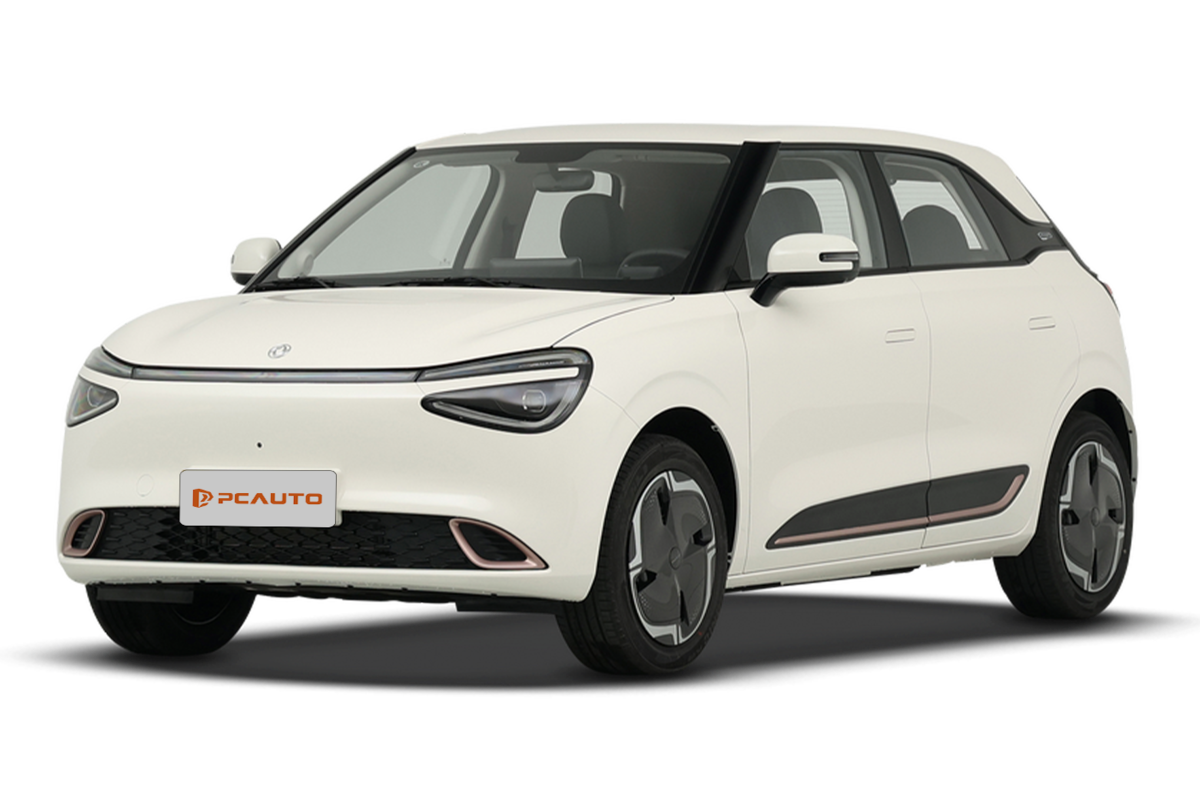
Cars With Similar Price And Features

1
Rank in SUV
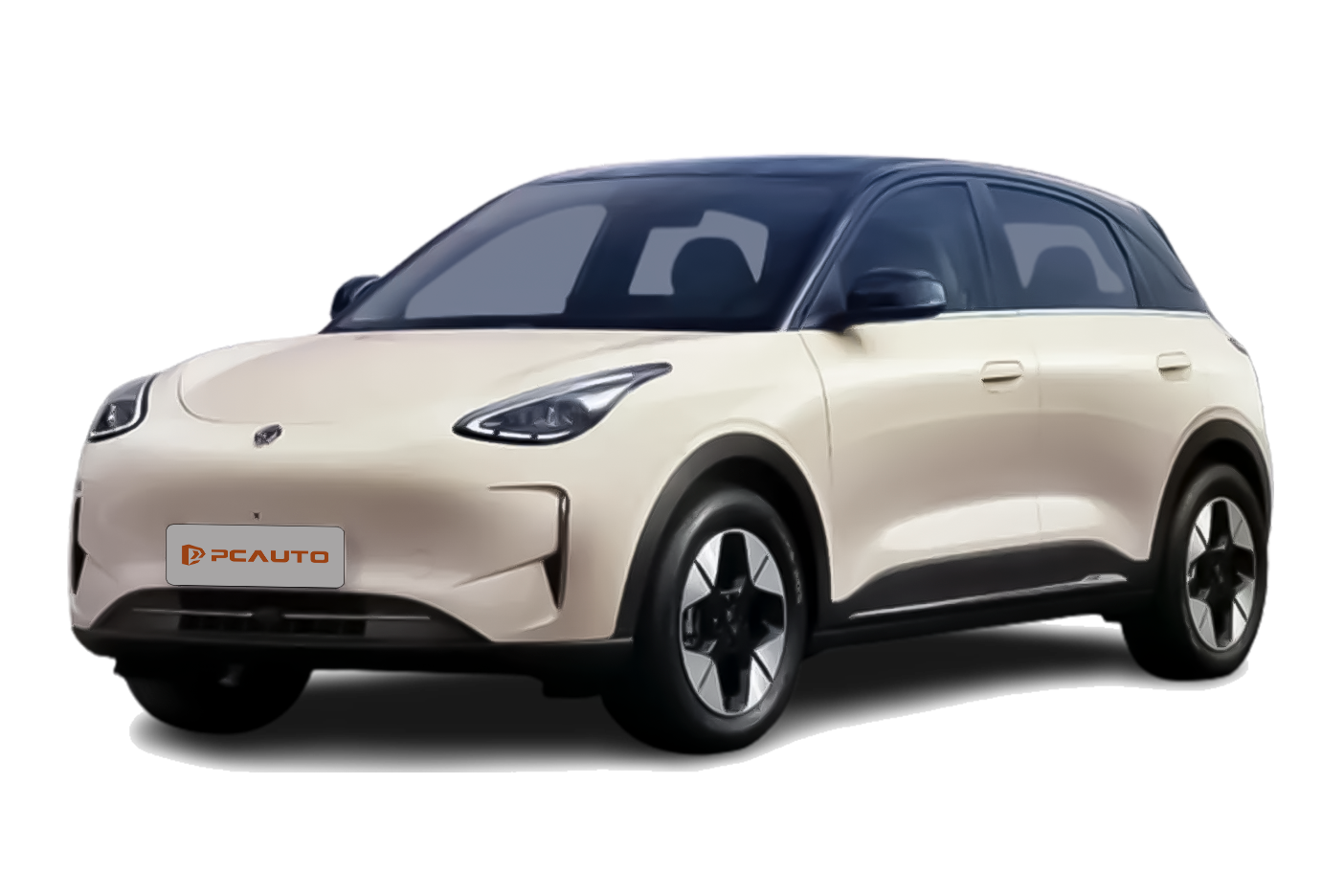
2025 Proton e.Mas 5 Prime is Proton's first entry-level pure electric C-Segment model, priced from 56,800 MYR to target the sub-100,000 MYR market, balancing practical features with commuting range.
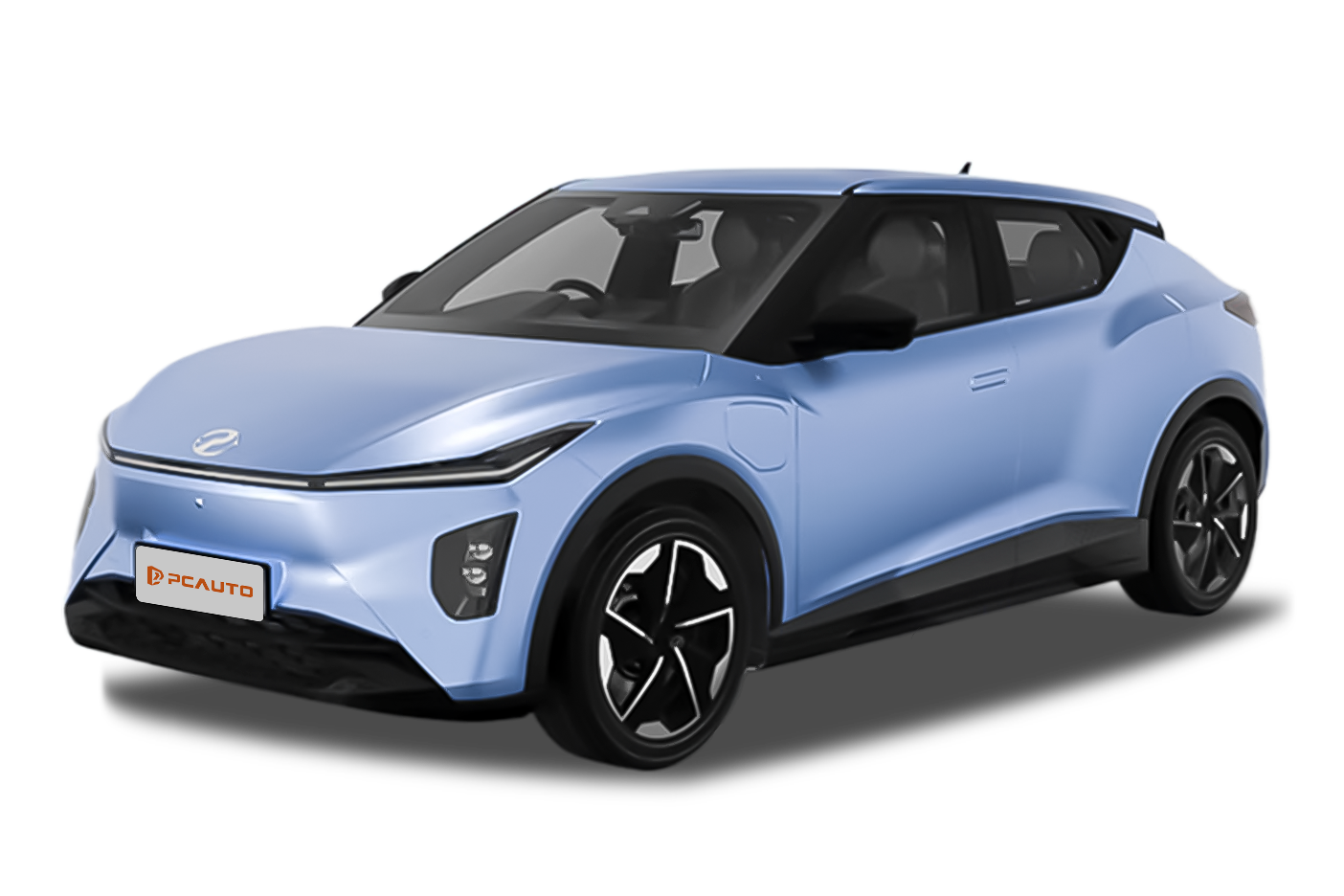
The 2025 Perodua QV-E is an affordably priced, practically ranged class-C pure electric vehicle, precisely tailored for family users and young commuters with its high safety features, spacious interior, and agile driving dynamics.
30
Rank in SUV
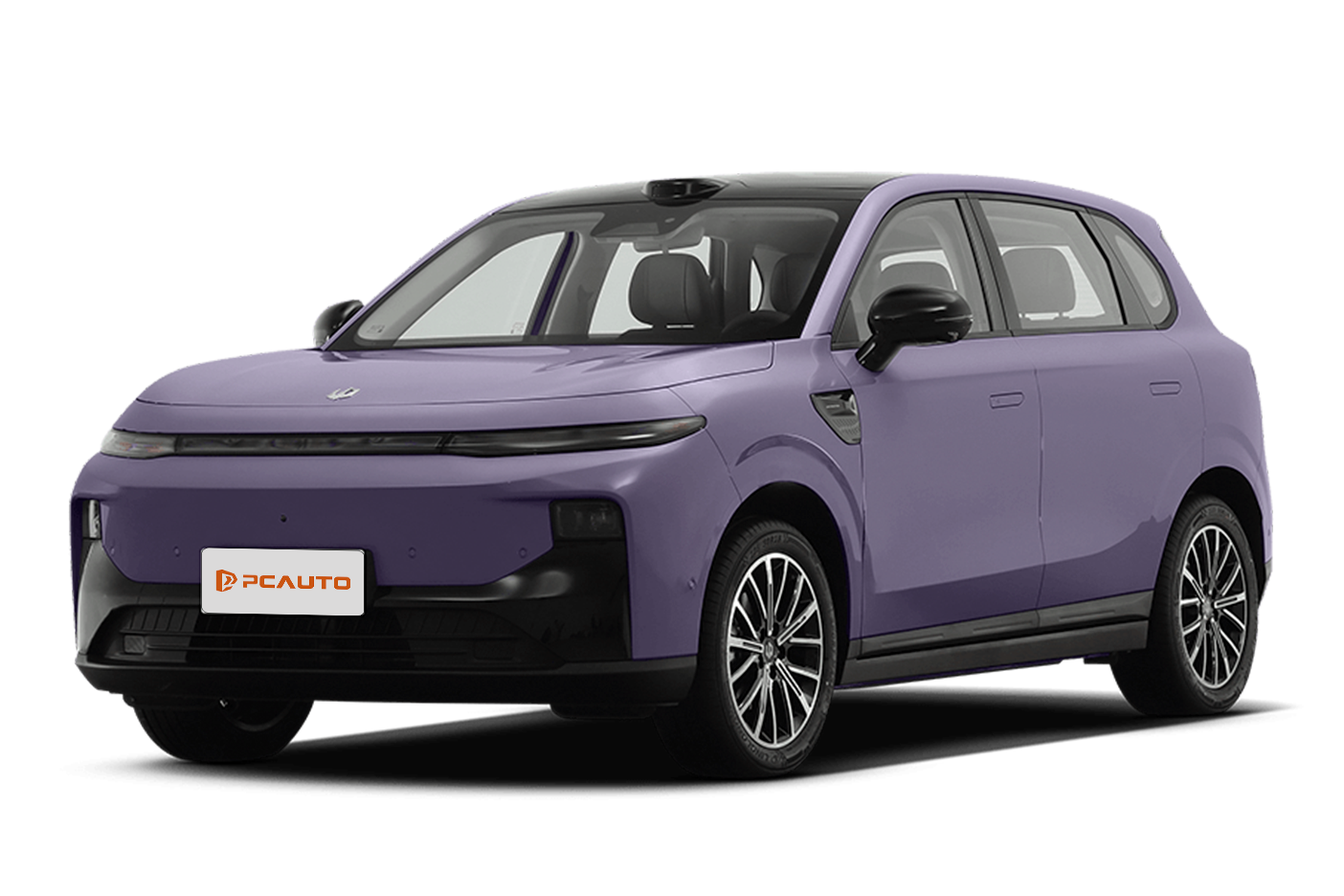
2025 Leapmotor B10 LIFE is a 100,000-level pure electric C-class SUV, equipped with standard L2 assisted driving and other practical features. It offers spacious interior and solid range, making it a go-to choice for family users.
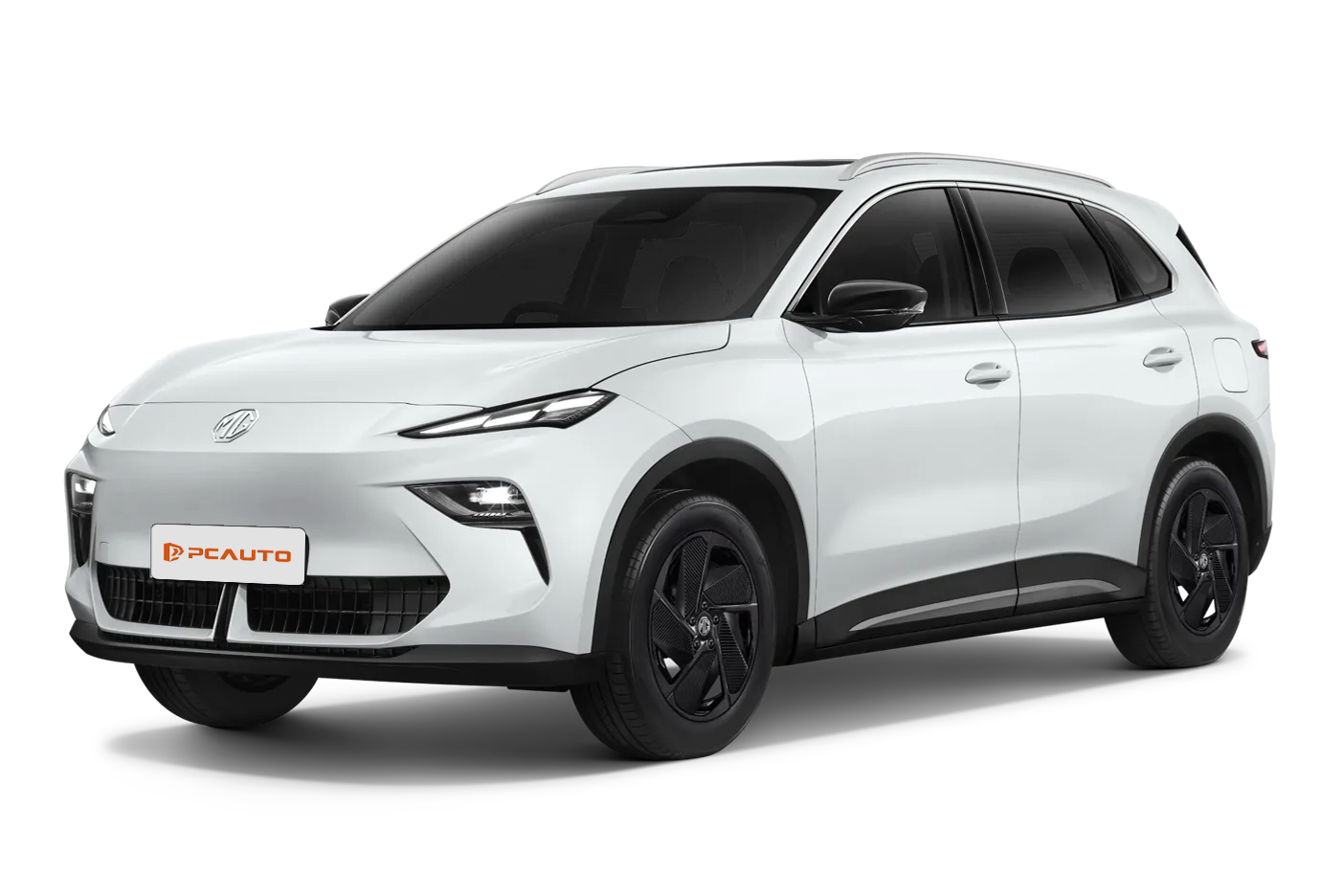
2025 MG S5 EV COM, as the entry-level model of Malaysia's C-Class all-electric SUV, offers high value for money with L2 assisted driving, long range, and practical features, meeting the needs of young families and commuters.