

DFSK Box 2024 Review

 Share
Share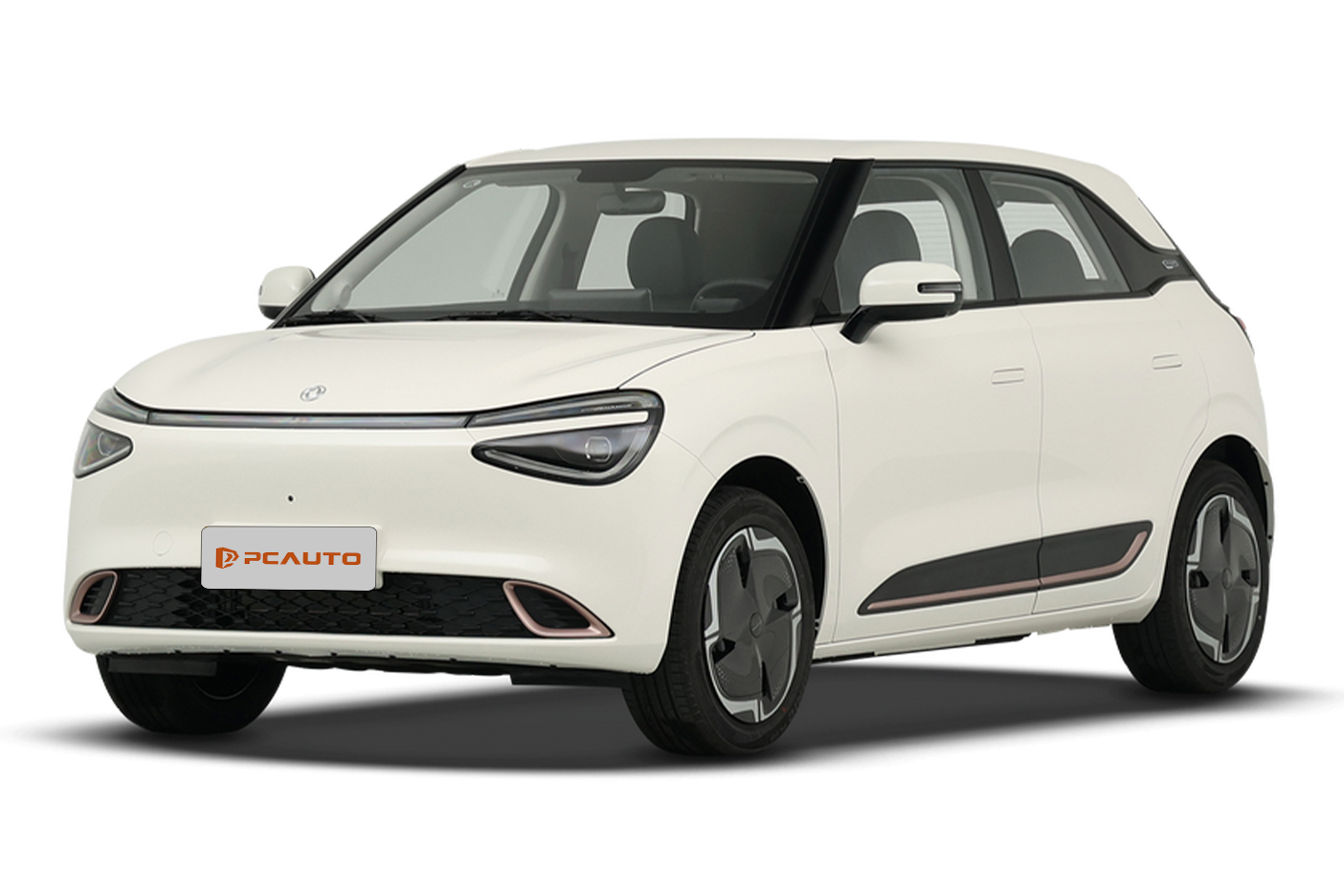
 Segment
 Body Type
 Motor Output(kW)
 Motor Torque(Nm)
 EV Range(km)
 Battery Capacity(kWh)
As competition in the local pure electric commuter vehicle market intensifies, C-segment EVs in the 100,000 to 110,000 MYR range are gradually becoming the focus of family users and urban commuters. This segment of vehicles needs to balance practicality, spaciousness, and smart configurations, while maintaining affordability. The DFSK Box E series (E2 and E3 configurations), which will be launched in November 2024, aims at this niche market, with its compact body size, official range of 330-430 km, and high cost-performance configurations as its core selling points. This review will focus on the differences in the actual performance of the two models, from static design to dynamic driving, to verify whether they can meet the daily needs of local users.
First, regarding exterior design, the Box E2 and E3 adopt the same design language, leaning towards a simple, family-oriented style. The front features through-type LED daytime running lights, with the DFSK brand logo embedded in the middle, connecting to split LED headlights on both sides for high recognition. The lower bumper uses a trapezoidal air intake grille design, paired with a silver front lip decoration, adding a touch of sportiness. The body side features smooth lines, and the 17-inch aluminum alloy wheels (tire size 215/55 R17) appear well-proportioned with the body. The black plastic surrounds on the side skirts and wheel arches retain the practical attributes of an SUV. At the rear, the through-type LED taillights echo the front design, and the silver skid plate on the lower rear bumper matches the front lip, creating a unified look. The overall design is not overly flashy but aligns with the aesthetic preferences of most family users.
In terms of interior and configuration, the center console layout of both models is identical. The centerpiece is a 12.8-inch touch control center screen with clear screen resolution, supporting Bluetooth, CarPlay, and Android Auto connectivity, and offering an operational smoothness that meets the mainstream standards of this class. The fully digital instrument cluster (exact size not specified but offers rich information, including range, speed, and driving modes) combined with the multifunctional steering wheel ensures convenient daily operation. In terms of materials, the upper part of the dashboard is covered with soft-touch plastic, while the lower part uses hard plastic. However, the joint workmanship is meticulous, and the overall texture matches its price positioning. The configuration differences mainly lie in the intelligent driving assistance functions: the E2 is equipped with rear parking sensors and a rearview camera only, whereas the E3 adds front sensors, a 360-degree panoramic camera, lane departure warning, forward collision warning, and an automatic emergency braking system, offering more comprehensive safety features. Both models are equipped with standard features such as ACC adaptive cruise control, automatic parking, keyless entry/start, electrically folding side mirrors, and a 6-speaker audio system, delivering an impressive base configuration.
In terms of space, the Box E series has dimensions of 4020mm (length) × 1810mm (width) × 1570mm (height) and a wheelbase of 2650mm, which falls within the mainstream range for compact-sized vehicles. The front-row seats are manually adjustable (6-way adjustment for both the driver and passenger). The seat cushions are relatively soft with moderate support, providing about one fist-width of headroom and ample legroom for passengers who are 175 cm tall. The rear row seats feature a one-piece fold-down design. For passengers of the same height sitting in the rear, headroom is about four fingers, and legroom is about two fists, which meets the needs of short-distance family outings. The rear floor is nearly flat, so the middle passenger also enjoys relatively good foot comfort. The trunk capacity is 326 liters, accommodating items such as strollers and shopping bags with ease. Folding down the rear seats provides expanded space, offering good practicality. For storage space, the front door panels can hold two bottles of mineral water, the center armrest box and glove compartment have moderate capacity, and the front row is also equipped with USB charging ports and phone storage slots, showcasing thoughtful details.
Dynamic Driving Experience: Both models have identical powertrains: front-mounted permanent magnet synchronous motor with a maximum power of 70kW (95PS) and a maximum torque of 160N·m, paired with a single-speed transmission and a front-wheel-drive layout. Official data shows that both have a top speed of 140km/h, sufficient for handling local highway conditions. During actual driving, the power response is quick during the start phase, and lightly pressing the accelerator provides a noticeable push-back feel. Acceleration from 0-60km/h is smooth, making it suitable for following and overtaking in congested city roads. However, acceleration above 60km/h is relatively moderate, and overtaking at high speed requires preemptive hard pressing of the pedal to build up power. Driving modes include Eco, Standard, and Sport. In Eco mode, power output is limited and is suitable for scenarios where range is a priority; in Sport mode, throttle sensitivity is significantly increased, ideal for situations requiring quick acceleration.
Handling and Suspension Performance: The front MacPherson independent suspension and rear torsion beam non-independent suspension combination is a common configuration in the same segment. During daily driving, the suspension absorbs minor road bumps effectively. However, on speed bumps or uneven road surfaces, the rear suspension exhibits relatively noticeable bouncing. Overall comfort remains acceptable. The steering wheel is relatively light and has moderate precision, making it suitable for female drivers. At high speeds, the steering wheel automatically becomes heavier, providing good stability. Regarding the braking system, both front and rear brakes are disc brakes (ventilated discs at the front, solid discs at the rear). The braking response is linear, and the body posture remains stable during emergency braking.
Range and Charging Performance: These are critical evaluation points for pure electric vehicles. The Box E2 comes equipped with a 31.45kWh lithium iron phosphate battery, with an official range of 330km. The E3 is equipped with a 42.3kWh lithium iron phosphate battery, with an official range of 430km. In this evaluation under urban conditions (approximately 70% congested road conditions and 30% clear roads) with the air conditioning set to 24°C auto mode and ACC cruise control enabled, the actual range of the E2 was approximately 280km, achieving about 85% of the claimed range. For the E3, the actual range under the same conditions was approximately 370km, achieving about 86%, which meets expectations. In terms of charging time, both models support fast charging, taking 0.5 hours to charge up to 80% (in actual tests, using a 60kW fast-charging station, the E2 took about 40 minutes to charge from 30% to 80%, while the E3 took about 50 minutes). Slow charging requires about 6-8 hours to fully charge, suitable for home charging setups. In terms of energy consumption, the E2's urban energy consumption is approximately 11.2kWh/100km, and the E3's is approximately 11.5kWh/100km, which is at the average level for the segment.
Driving Comfort Details: Both models show decent NVH (Noise, Vibration, and Harshness) control performance. Below 60km/h, tire and motor noise are not very noticeable. However, at speeds above 80km/h, wind and tire noise gradually increase but do not hinder normal conversations. In terms of seat comfort, the lumbar support of the front seats is slightly insufficient, making long hours of driving prone to fatigue. The rear seats have an appropriate backrest angle and are comfortable for short trips. The energy recovery system offers two adjustable modes (Light/Strong). The Light mode provides a coasting experience similar to fuel vehicles, while the Strong mode allows for one-pedal operation, which is suitable for urban commuting to minimize the use of brakes.
Overall, the core advantages of the 2024 DFSK Box E series lie in its cost-effective configurations and practical space performance. Compared with competitors in the same segment (such as BYD Dolphin, MG4 EV), the Box E2, priced at around RM 100,000, offers features like ACC Adaptive Cruise Control and Automatic Parking, giving it a significant price advantage; the Box E3, priced at around RM 113,700, adds comprehensive intelligent driving assistance features, making its safety configurations more competitive. The range performance of both models meets the needs of local urban commuting and short-distance intercity travel, and the space design is suitable for small families.
In terms of target audience, the Box E2 is suitable for city commuters or young families with limited budgets who value basic configurations and practical range; the Box E3 is more suitable for users with higher safety configuration requirements and a need for frequent long-distance travel. Overall, the DFSK Box E series, within the price range of RM 100,000–RM 110,000, fills the market gap for pure electric family cars with balanced product performance, making it a high-value choice worth considering.
DFSK Box Car Compare
DFSK Box Loan Calculator
More DFSK Reviews
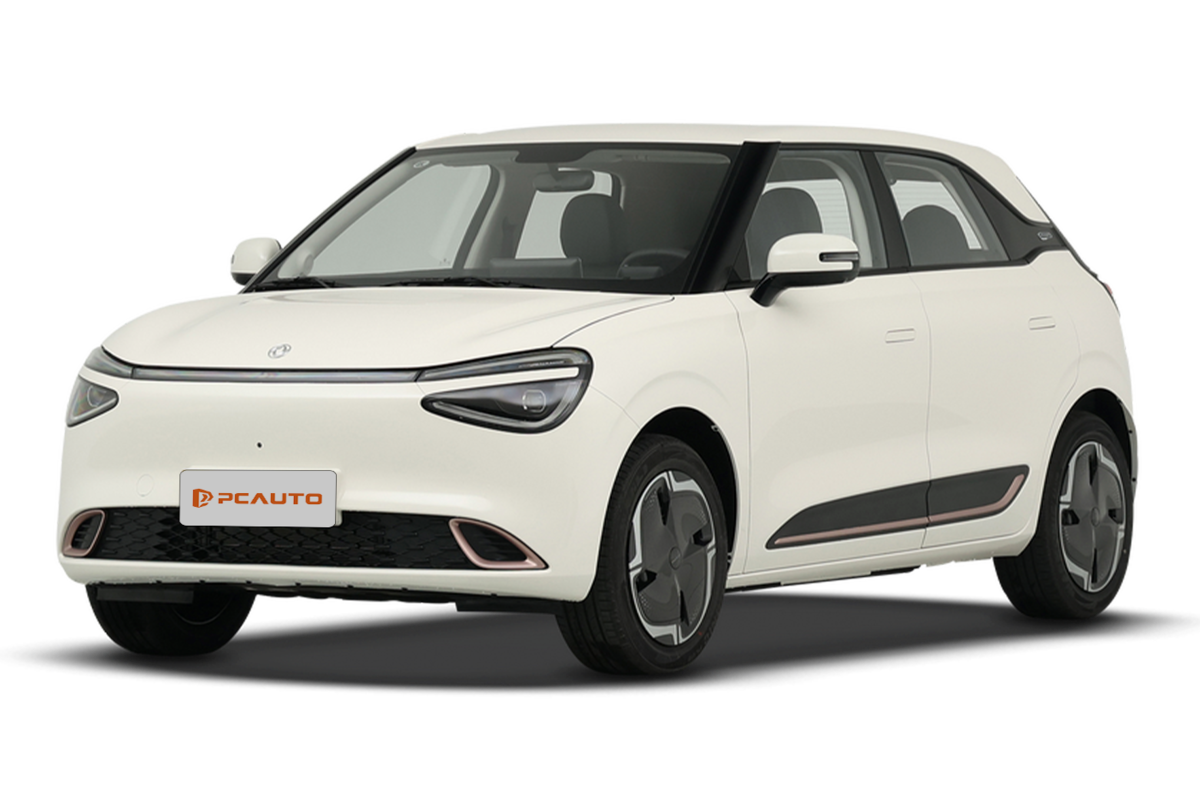
Cars With Similar Price And Features

1
Rank in SUV
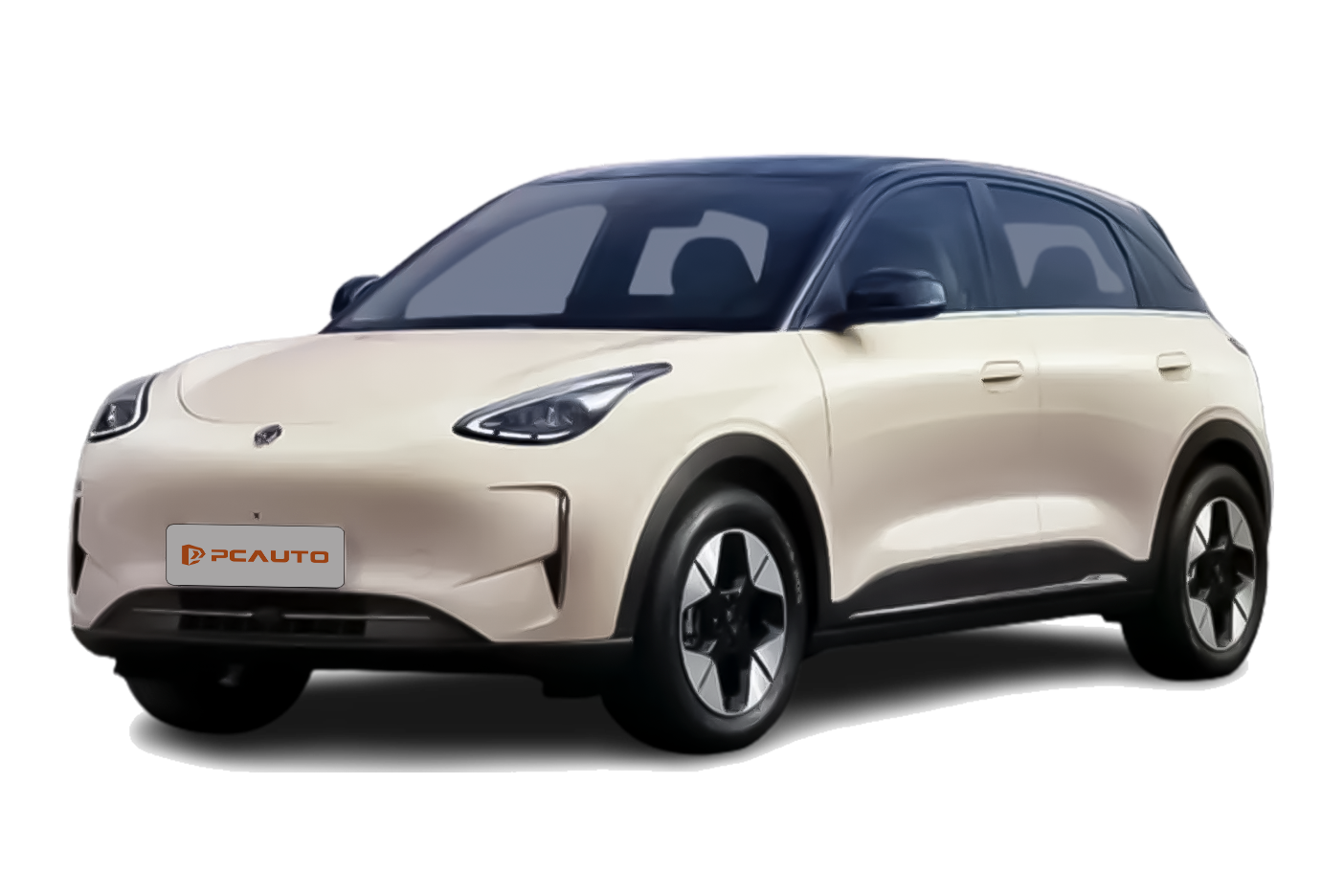
2025 Proton e.Mas 5 Prime is Proton's first entry-level pure electric C-Segment model, priced from 56,800 MYR to target the sub-100,000 MYR market, balancing practical features with commuting range.
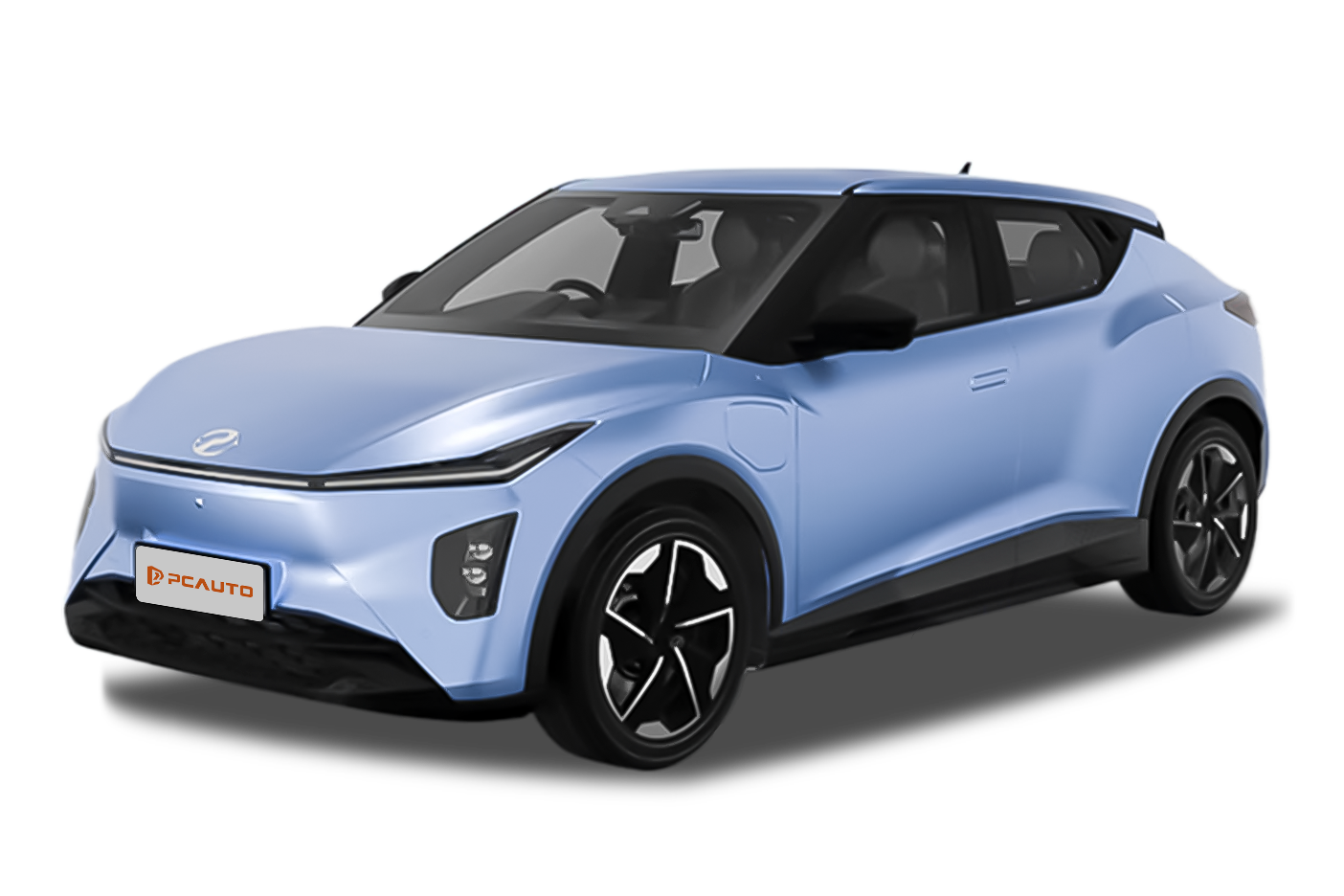
The 2025 Perodua QV-E is an affordably priced, practically ranged class-C pure electric vehicle, precisely tailored for family users and young commuters with its high safety features, spacious interior, and agile driving dynamics.
30
Rank in SUV
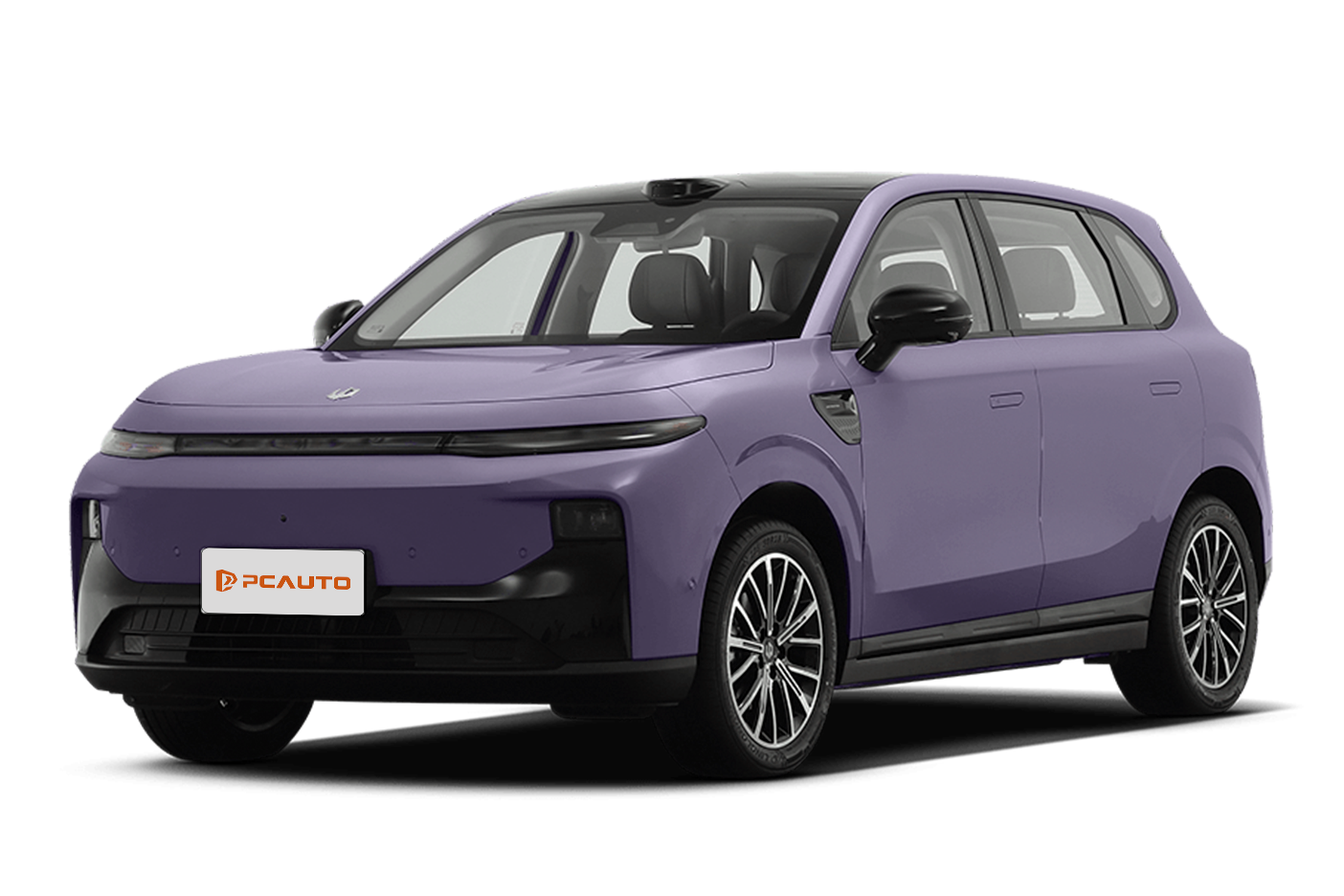
2025 Leapmotor B10 LIFE is a 100,000-level pure electric C-class SUV, equipped with standard L2 assisted driving and other practical features. It offers spacious interior and solid range, making it a go-to choice for family users.
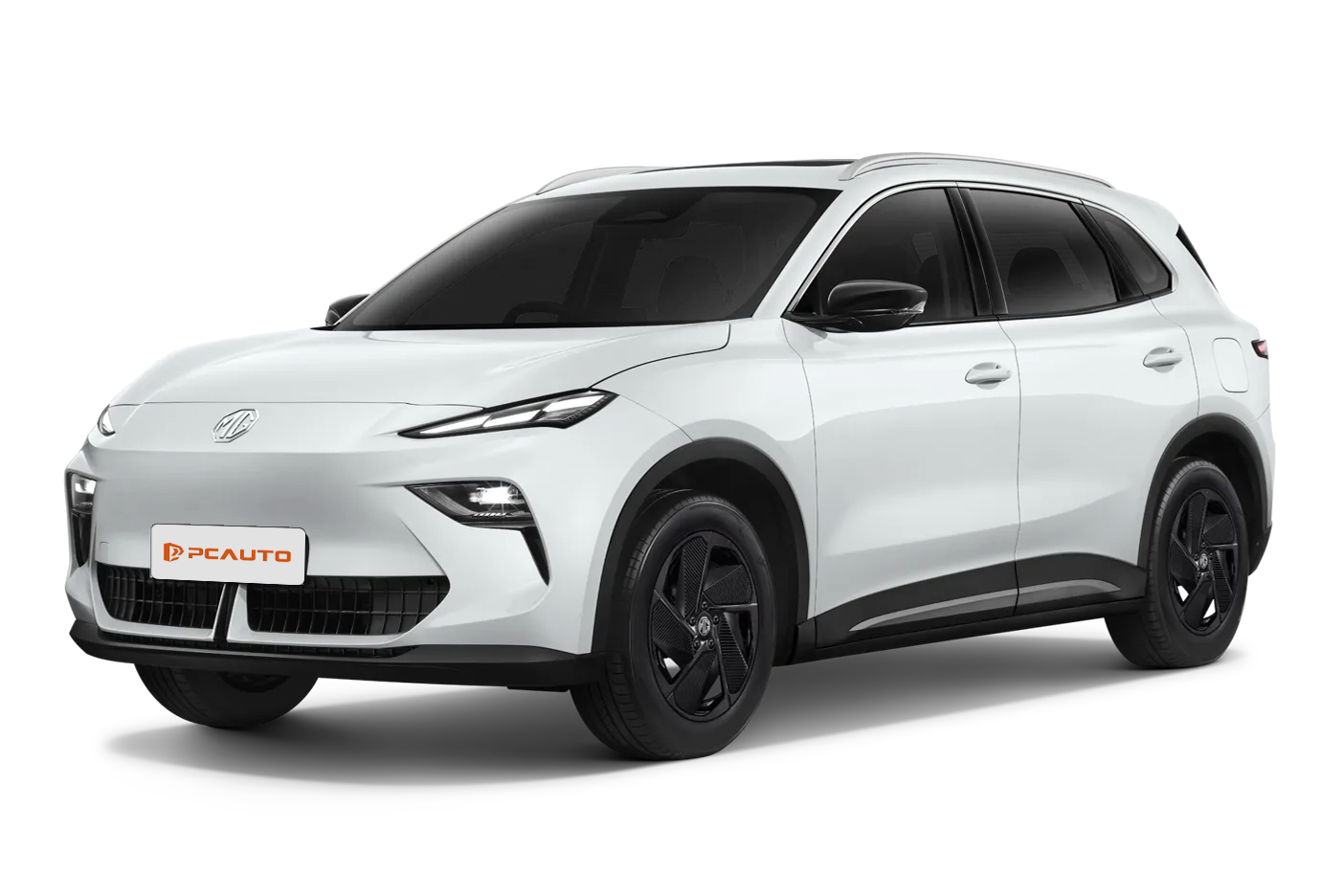
2025 MG S5 EV COM, as the entry-level model of Malaysia's C-Class all-electric SUV, offers high value for money with L2 assisted driving, long range, and practical features, meeting the needs of young families and commuters.