

2024 Honda City Hatchback 1.5 S Review

 Share
Share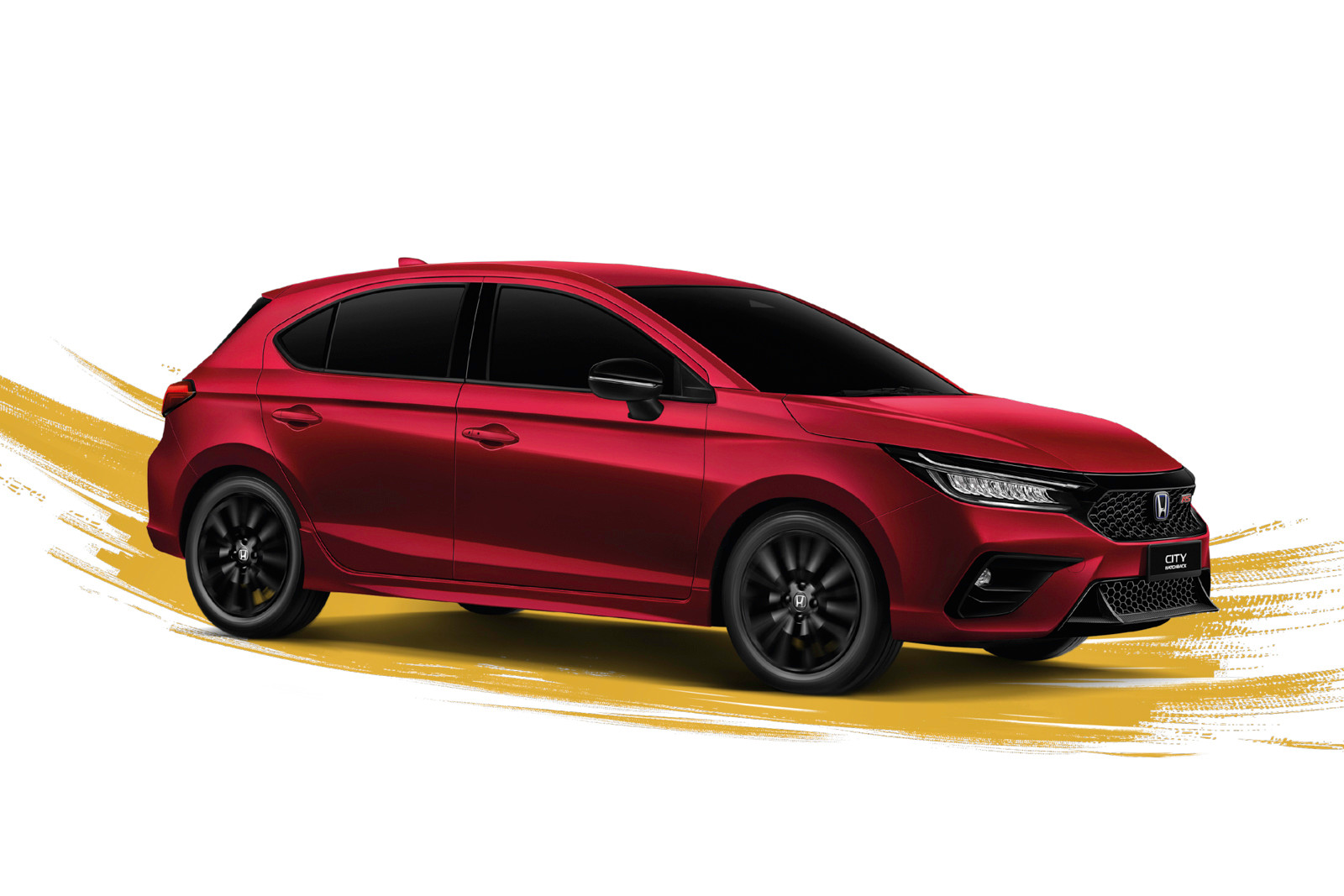
 Segment
 Body Type
 Capacity(L)
 Engine Power(PS)
 Engine Torque(Nm)
 Transmission
In Malaysia's B-segment hatchback market, customer demands for space practicality, fuel economy, and basic intelligent features have always been clear. As a popular contender in this segment, the 2024 Honda City Hatchback 1.5 S model has further included active safety features while maintaining its high cost-performance ratio, sparking interest among budget-conscious families and young consumers. The main purpose of this test drive is to determine whether this RM 85,900 entry-level model can balance practicality, safety, and driving experience in daily use, and whether it truly qualifies as the first car for families or a commuting option for young people.
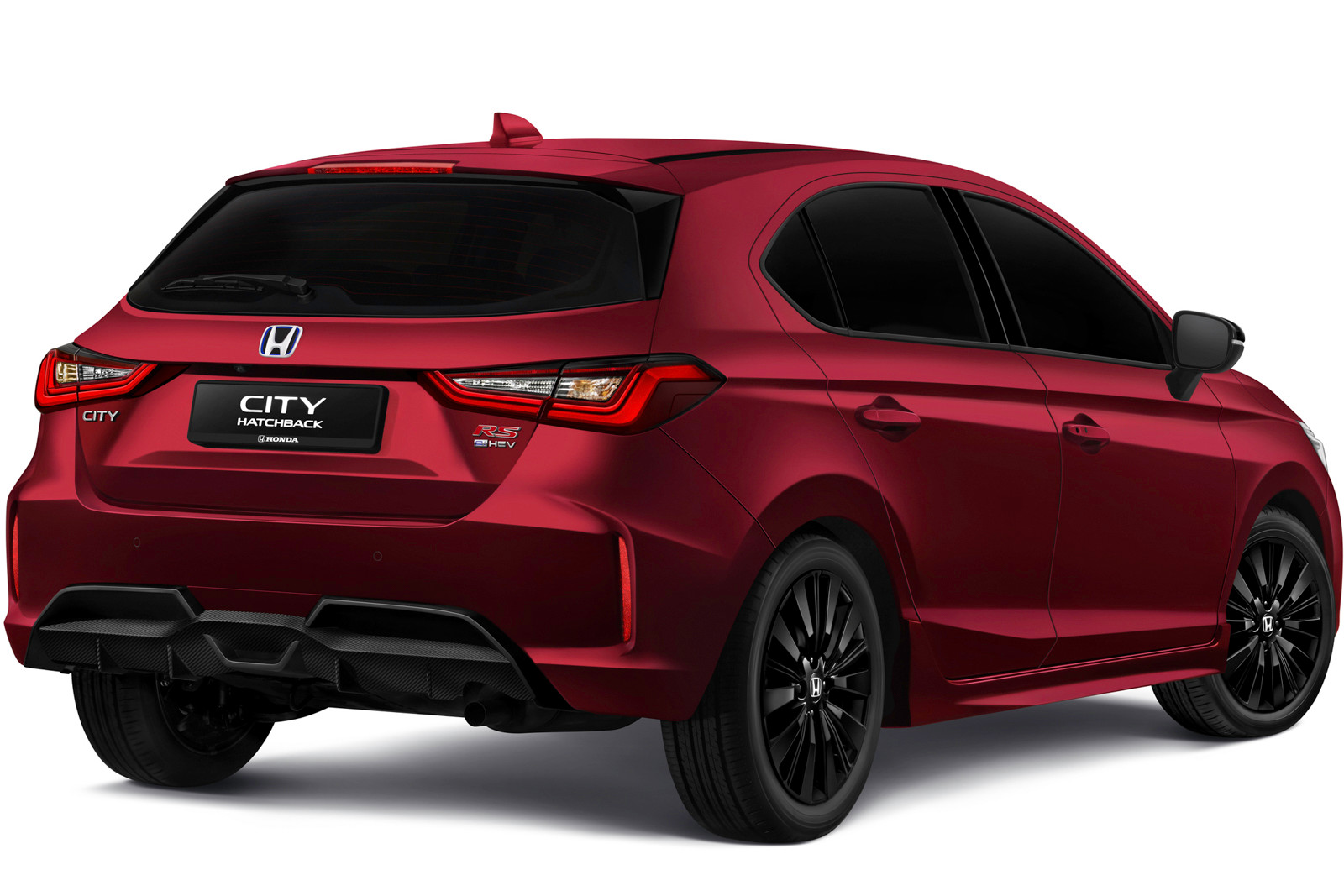
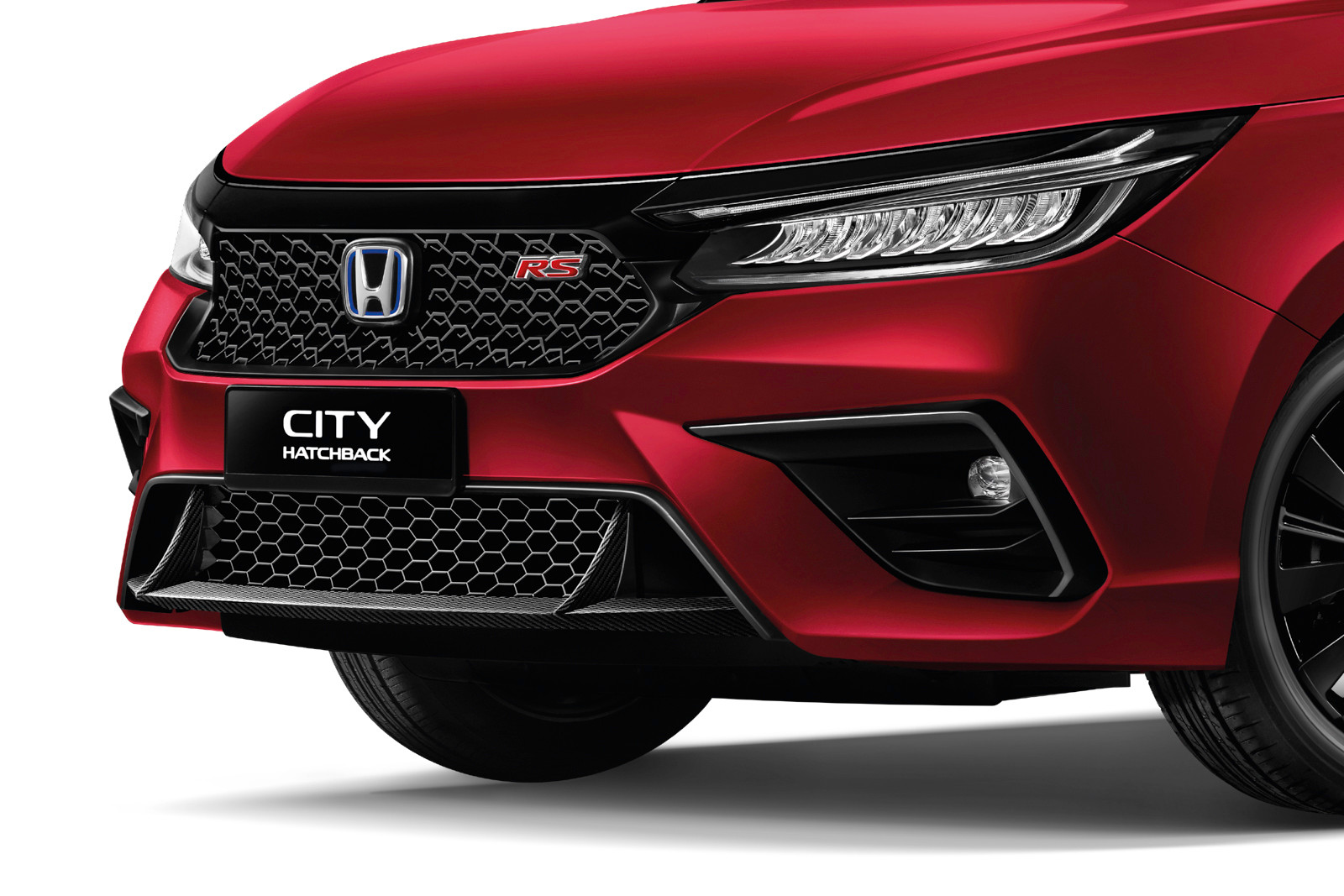
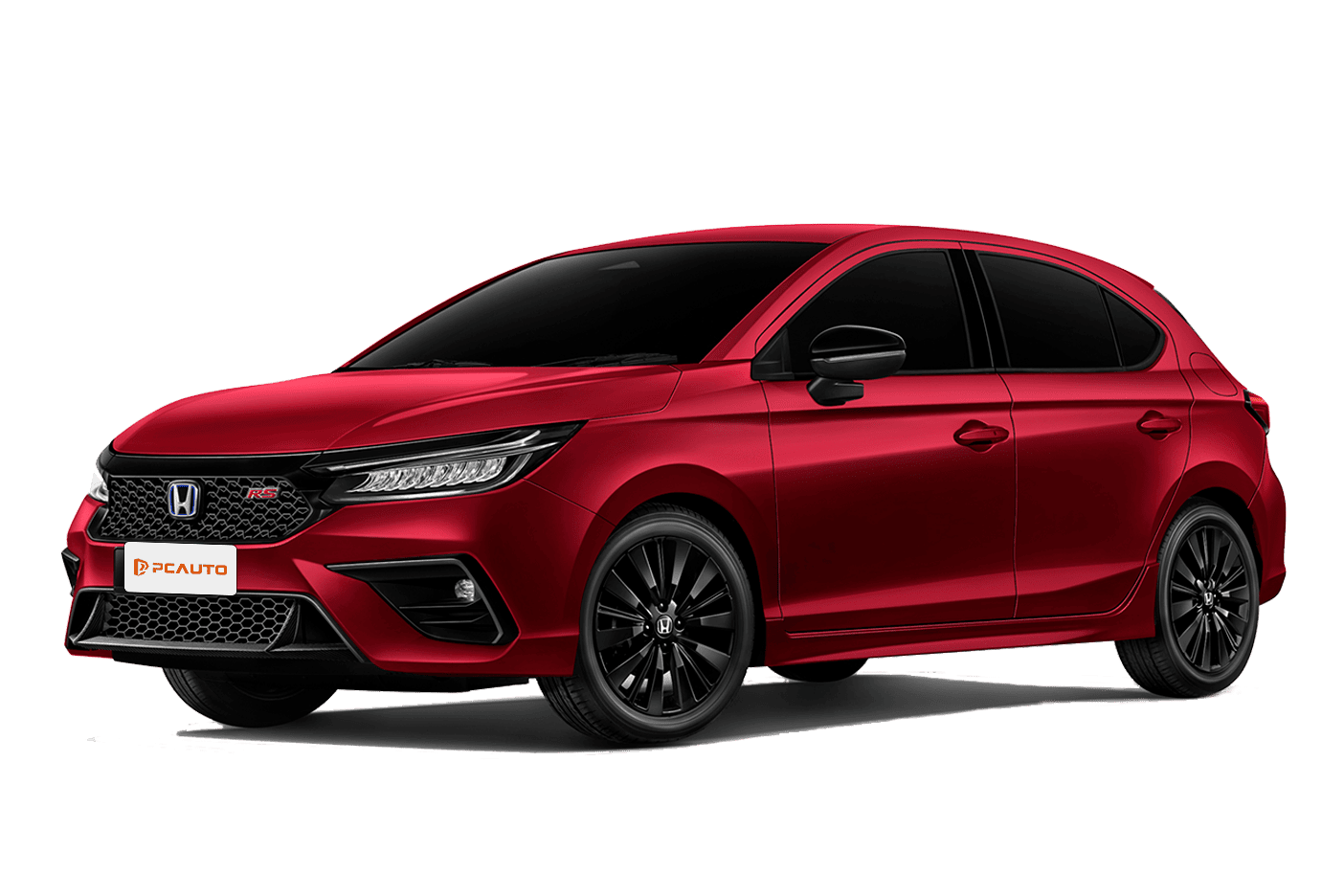
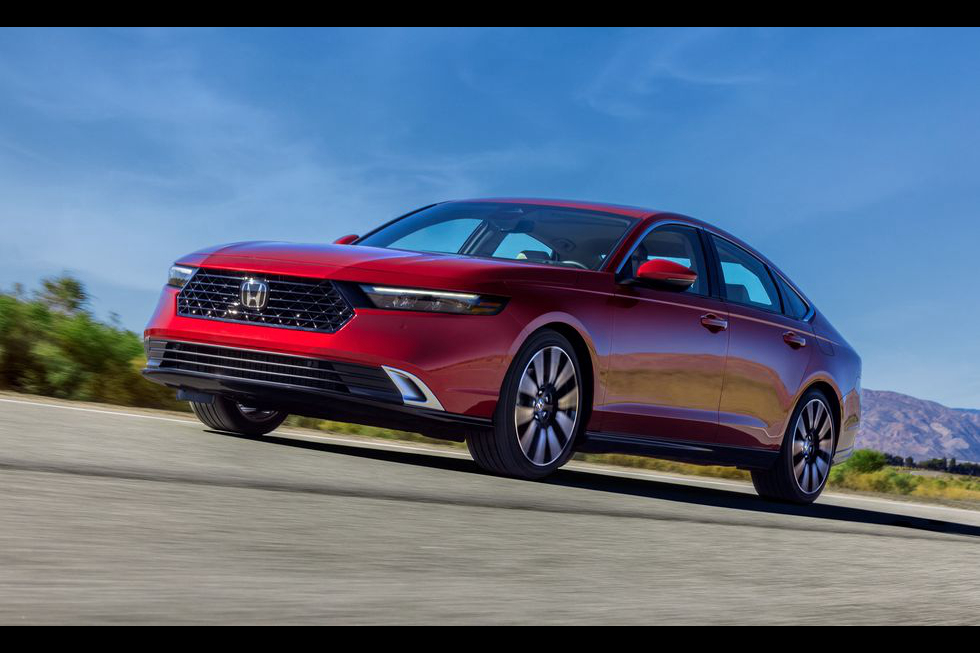
The exterior design of the 2024 City Hatchback 1.5 S continues the family-style design with an overall youthful and dynamic style. The front features Honda's signature black honeycomb grille, paired with sharp-shaped halogen headlights (equipped with LED daytime running lights), offering high recognition. The body side lines are streamlined, with a waistline running from the front to the rear of the car adding a sense of muscularity. The 15-inch steel wheels, while less striking than the aluminum alloy wheels of higher-end models, paired with 185/60R15 tires, are durable enough for daily use. At the rear, the tail lights adopt an L-shaped LED light source, which is highly visible when illuminated, while the black plastic trim on the lower rear bumper adds a hint of crossover style. Overall, the exterior design avoids excessive flashy elements, aligning well with its family-oriented positioning.
Inside the car, the interior adopts a black theme, accented with silver trims for a simple and elegant look. The center console layout is clear, with the physical buttons and knobs positioned reasonably for ease of operation. The steering wheel features a multifunctional design, with the left side integrating ACC adaptive cruise control and lane departure warning controls, while the right side handles audio and phone controls. In addition, paddle shifters are included at the back, which are rare for models in this price range. The instrument cluster is an electronic illuminated analog display, which clearly shows information such as speed, engine RPM, and fuel levels, and the small screen in the center can display mileage, fuel consumption, and the status of safety systems. The central display is a standard audio system; though not large, it supports Bluetooth connectivity and basic audio playback, meeting daily use needs. The seats use fabric material, with manual adjustments for the front seats. They offer moderate support and cushioning, ensuring no noticeable discomfort during long rides. The rear seats support a 60:40 split fold configuration, increasing the boot capacity from 289L to a more expansive space, sufficient to easily accommodate large items like strollers or suitcases.
In terms of space, the vehicle dimensions are 4345mm×1748mm×1488mm, with a wheelbase of 2600mm, which ranks it among the mainstream sizes in B-segment vehicles. The front passenger space is spacious, with enough headroom and legroom for passengers up to 175cm tall. The rear space is also commendable, offering about two fists of knee room relative to the front seatbacks and one fist of headroom—comfortably accommodating three adults without feeling cramped. Regarding storage space, the front door panels can hold two water bottles, while the central armrest box and glove compartment also offer considerable capacity. The rear door panels are also equipped with storage compartments, making it convenient for passengers to store items. Additionally, the rear seats feature air conditioning vents and USB charging ports, enhancing the comfort of rear passengers.
Powertrain-wise, the 2024 Honda City Hatchback 1.5 S is equipped with a 1.5L naturally aspirated engine that delivers a maximum power output of 89kW (121PS) and a peak torque of 145N·m, paired with a CVT transmission. During daily driving, the power delivery is smooth and linear, with no noticeable jerkiness during initial acceleration. Acceleration response is also quite prompt. When driving in urban areas, the throttle pedal is light and responsive, requiring only about a third of its travel to deliver sufficient power. When overtaking, pressing the accelerator further prompts the transmission to downshift quickly, boosting power output. While it doesn’t have the explosive power of turbocharged models, it is more than capable of meeting the needs of daily commuting and family use. On highways, acceleration capability diminishes slightly once the car reaches a speed of 120km/h, but the cruising performance remains stable. There are two driving modes: Normal and ECON. In ECON mode, the power output is slightly more subdued, resulting in better fuel efficiency.
In terms of handling, the steering is precise with minimal dead zones, and it offers moderate resistance when turned, making it easy for female drivers to control as well. The chassis features a combination of a front MacPherson independent suspension and a rear torsion beam non-independent suspension, tuned with a focus on comfort. When passing over speed bumps or rough roads, the suspension effectively absorbs most vibrations, ensuring that passengers in the cabin do not feel significant jolts. During cornering, the body roll is kept within a reasonable range, and the suspension’s support is sufficient, inspiring confidence. The braking system performs consistently, with a moderate brake pedal travel and linear braking force. In emergency braking situations, the vehicle maintains stability without veering off course.
Regarding fuel consumption, the official combined fuel consumption figure is 5.6L/100km. During actual test drives, the fuel consumption in urban areas is approximately 6.5L/100km, while highway driving can reduce it to below 5.0L/100km. Overall, its fuel efficiency is satisfactory and meets expectations. As for noise control, cabin noise is relatively low at urban speeds, mainly coming from tires and the engine. At higher speeds, wind and tire noise become more pronounced but remain within an acceptable range without affecting normal conversations among passengers.
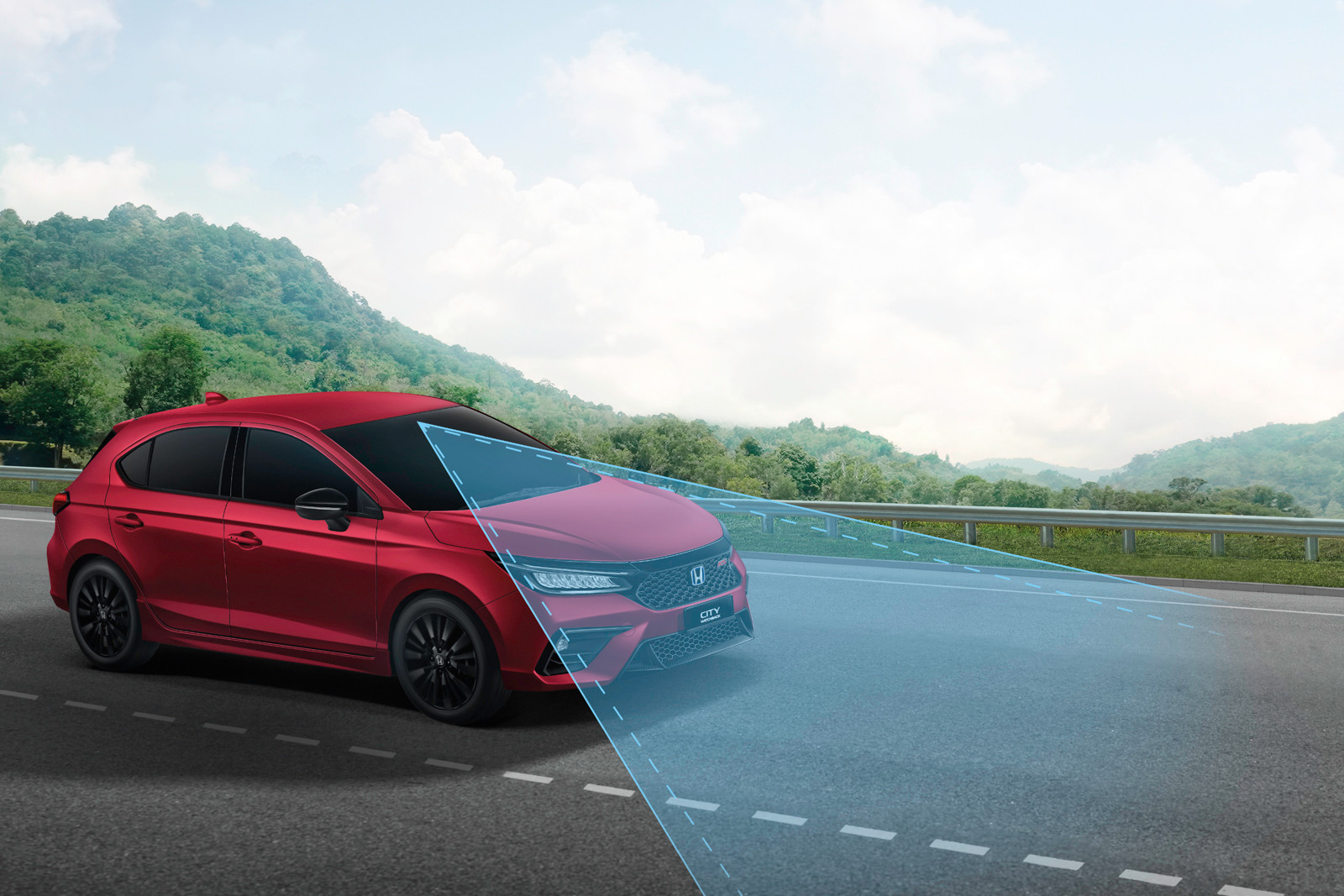
Safety configuration is one of the highlights of the 2024 Honda City Hatchback 1.5 S. It comes standard with six airbags, ABS, vehicle stability control, lane departure warning, automatic emergency braking, forward collision warning, and ACC adaptive cruise control. These safety features are quite extensive compared to competitors in the same price range, providing comprehensive protection for the driver and passengers. Additionally, it is equipped with practical features such as rear parking sensors, hill-start assist, and ISO FIX child seat anchors, further enhancing its convenience and safety for daily use.
Overall, the 2024 Honda City Hatchback 1.5 S excels in terms of spaciousness, fuel economy, and safety features. Although it does not offer surprising breakthroughs in terms of power and interior materials, it fulfills the needs of most users as a family car. Compared to the Toyota Yaris in the same segment, the City Hatchback 1.5 S offers better space and safety features. Compared to the Proton Persona, it boasts greater brand reputation and reliability. This car is suitable for families prioritizing practicality and safety or young buyers with a limited budget seeking a reliable commuting vehicle. If you are looking for a cost-effective, well-balanced hatchback for family use, the 2024 Honda City Hatchback 1.5 S is worth considering.
Honda City Hatchback Car Compare
Honda City Hatchback Loan Calculator
Cars With Similar Price And Features
4
Rank in Hatchback
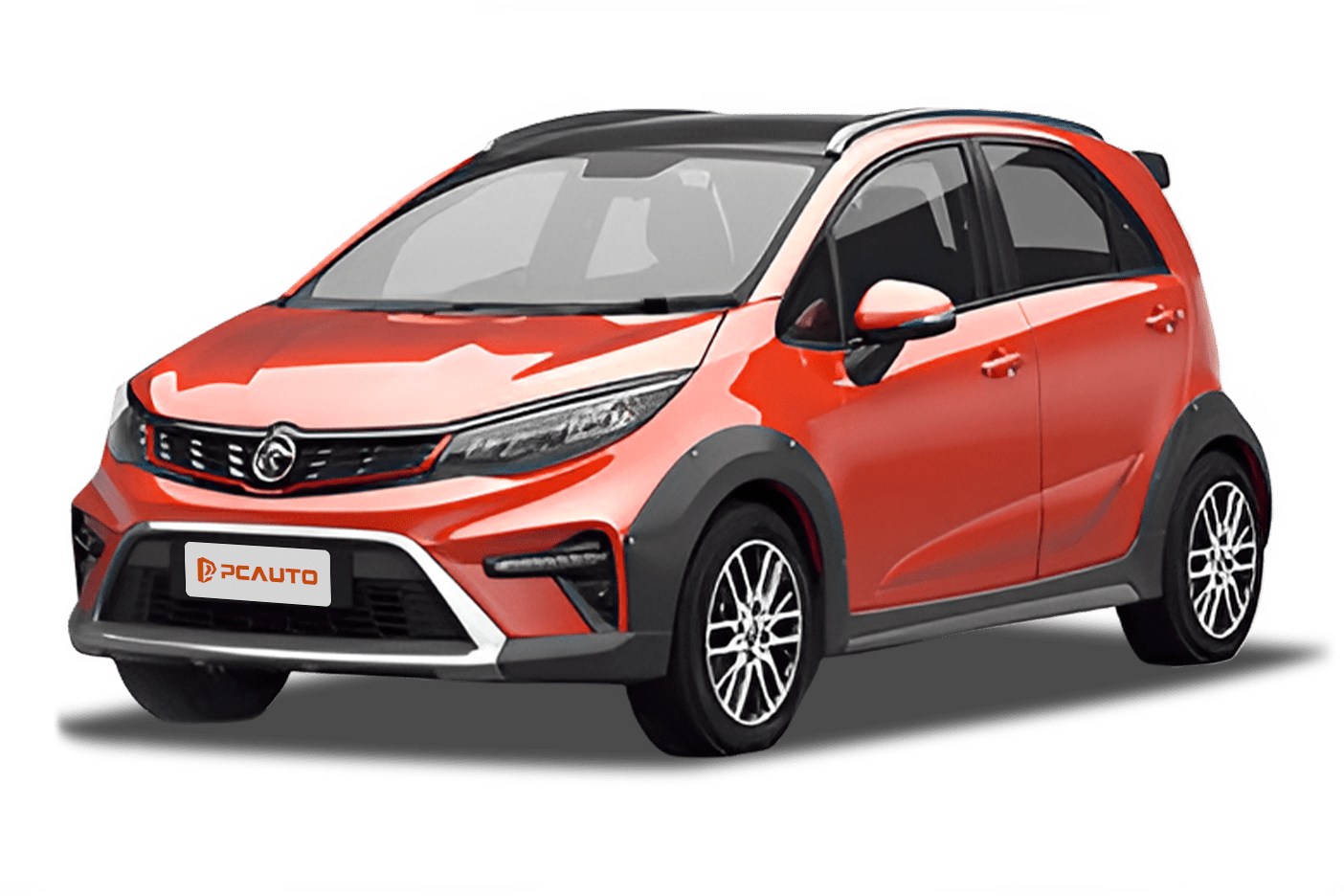
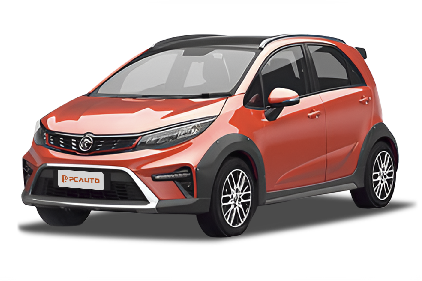
2023 Proton Iriz 1.3 Standard CVT is an affordable, well-balanced entry-level B-segment hatchback with safety features, suitable for budget-conscious families focusing on safety and practicality for daily commuting.
2
Rank in Hatchback

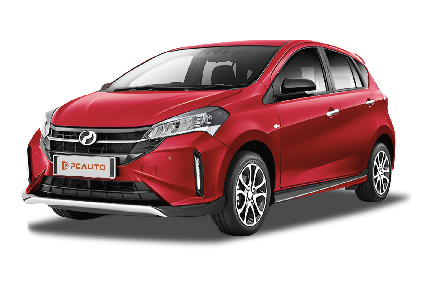
2023 Perodua Myvi 1.3 G with PSDA is an affordable B-segment hatchback, combining practical space, basic features, and PSDA safety assistance, suitable for family commuting.

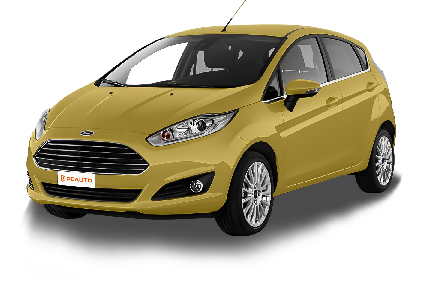
2022 Ford Fiesta public is a B-Segment model with responsive power, economical fuel consumption, and rich safety features, suitable for young families or individual users who prioritize driving experience and safety.
3
Rank in Hatchback
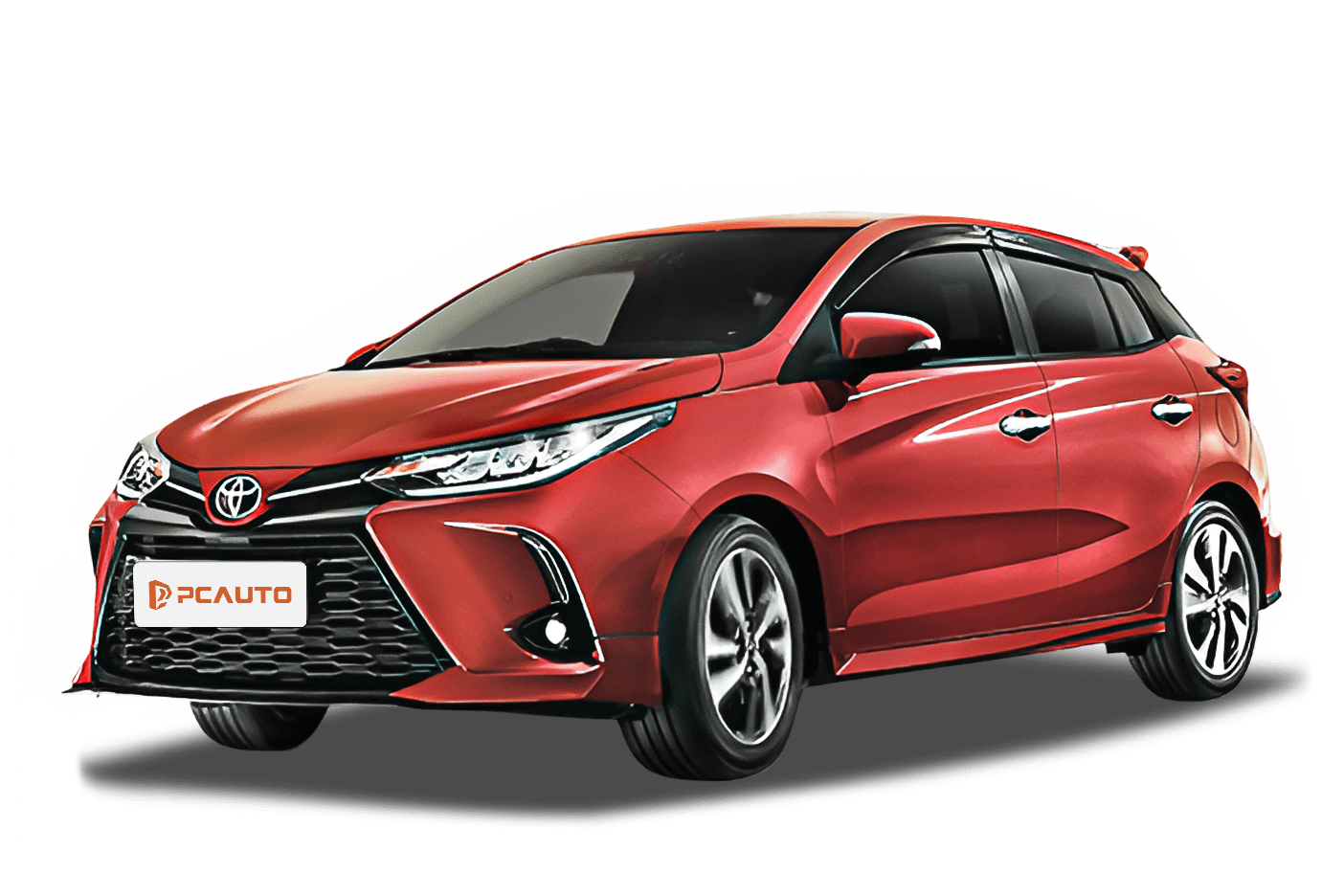
2024 Toyota Yaris 1.5E serves as the main entry-level household model, emphasizing durability, upgraded with a 360-degree parking camera and Optitron instrument panel. Its practical space, smooth power delivery, and high cost-performance ratio align well with family commuting needs.