

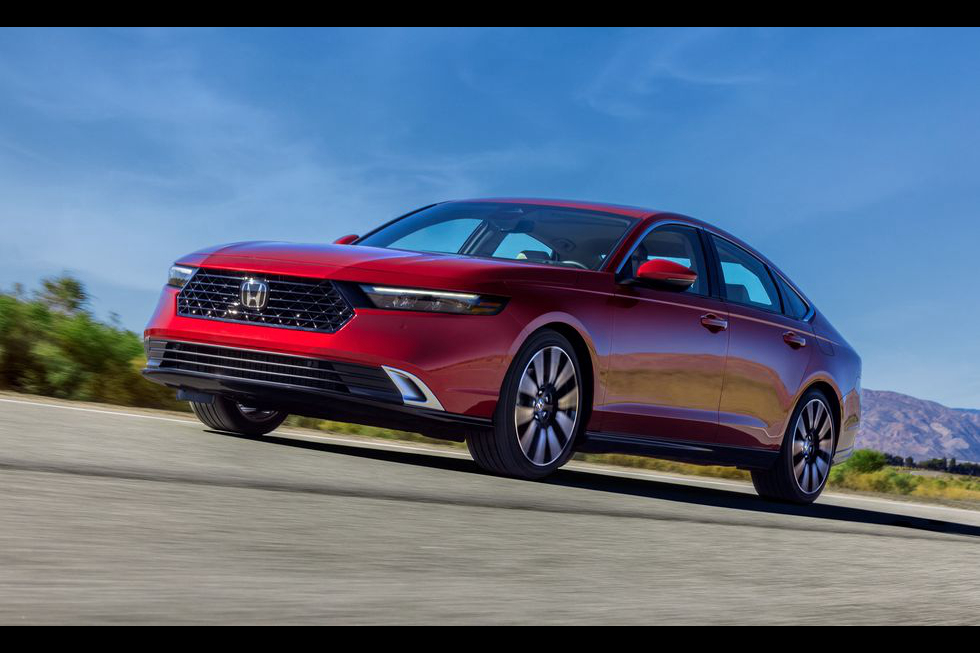
2024 Honda City Hatchback 1.5 V Review

 Share
Share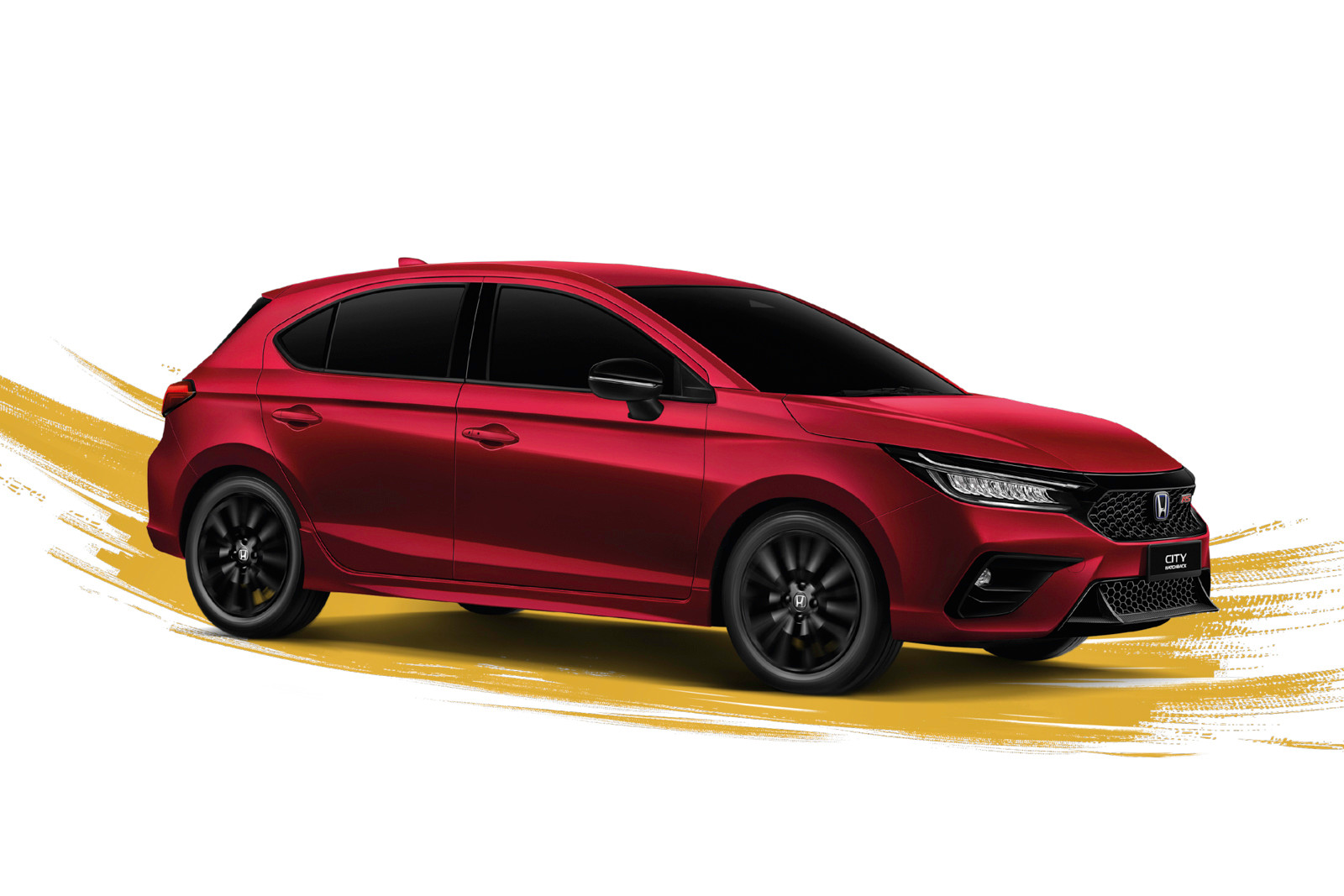
 Segment
 Body Type
 Capacity(L)
 Engine Power(PS)
 Engine Torque(Nm)
 Transmission
The B-segment hatchback market in Malaysia has always been a competitive space for family users and young buyers, with cost-effectiveness, practicality, and daily driving comfort being the core considerations for most. The 2024 Honda City Hatchback 1.5 V, as a popular contender in this segment, continues the reliability of the City series while upgrading its smart features and safety system in this facelift. This has piqued the curiosity of many consumers as to whether it can maintain its edge in the same-class competition. Our core goal in this test drive is to evaluate its static performance, dynamic capabilities, and whether these upgrades genuinely enhance the daily usage experience.
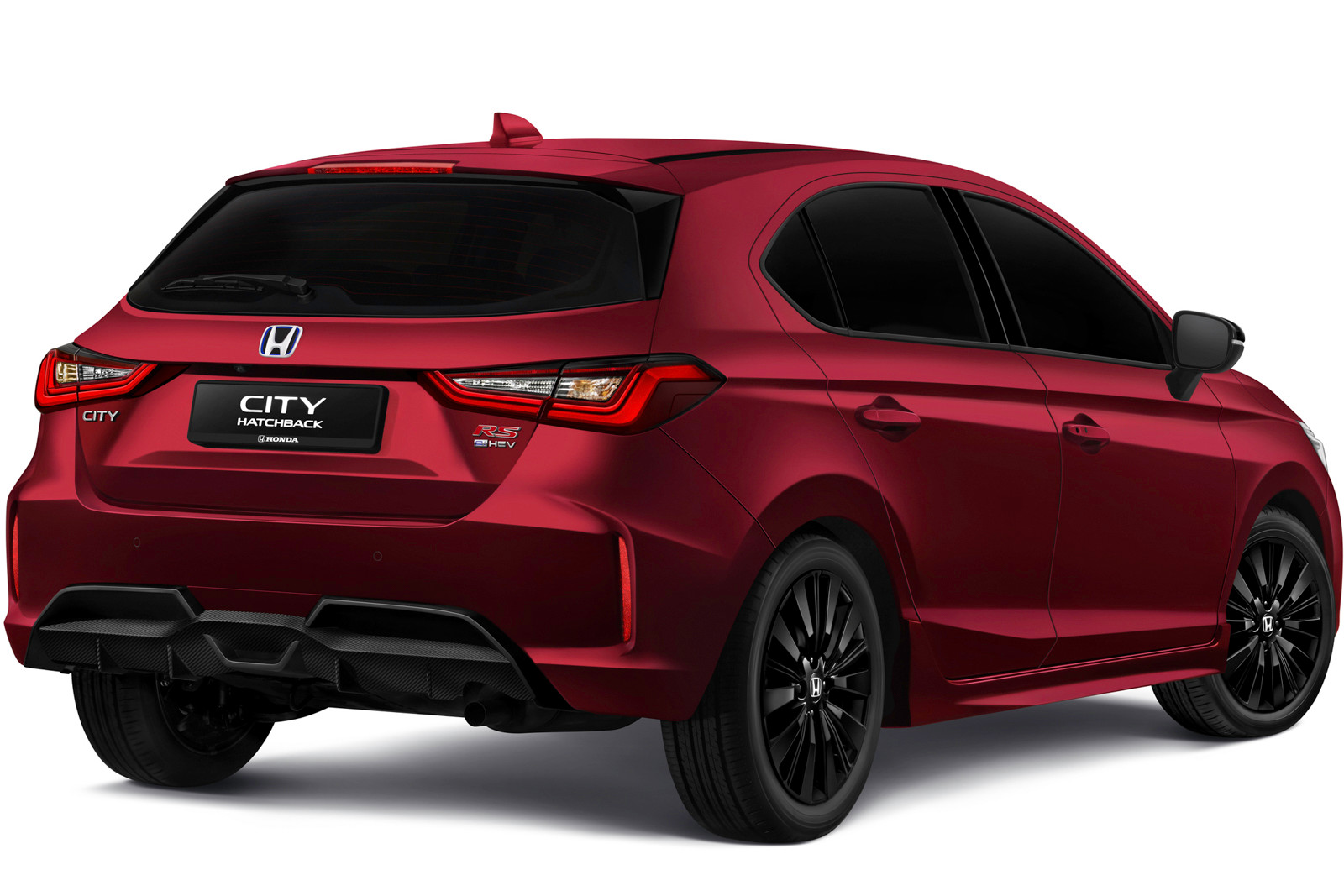
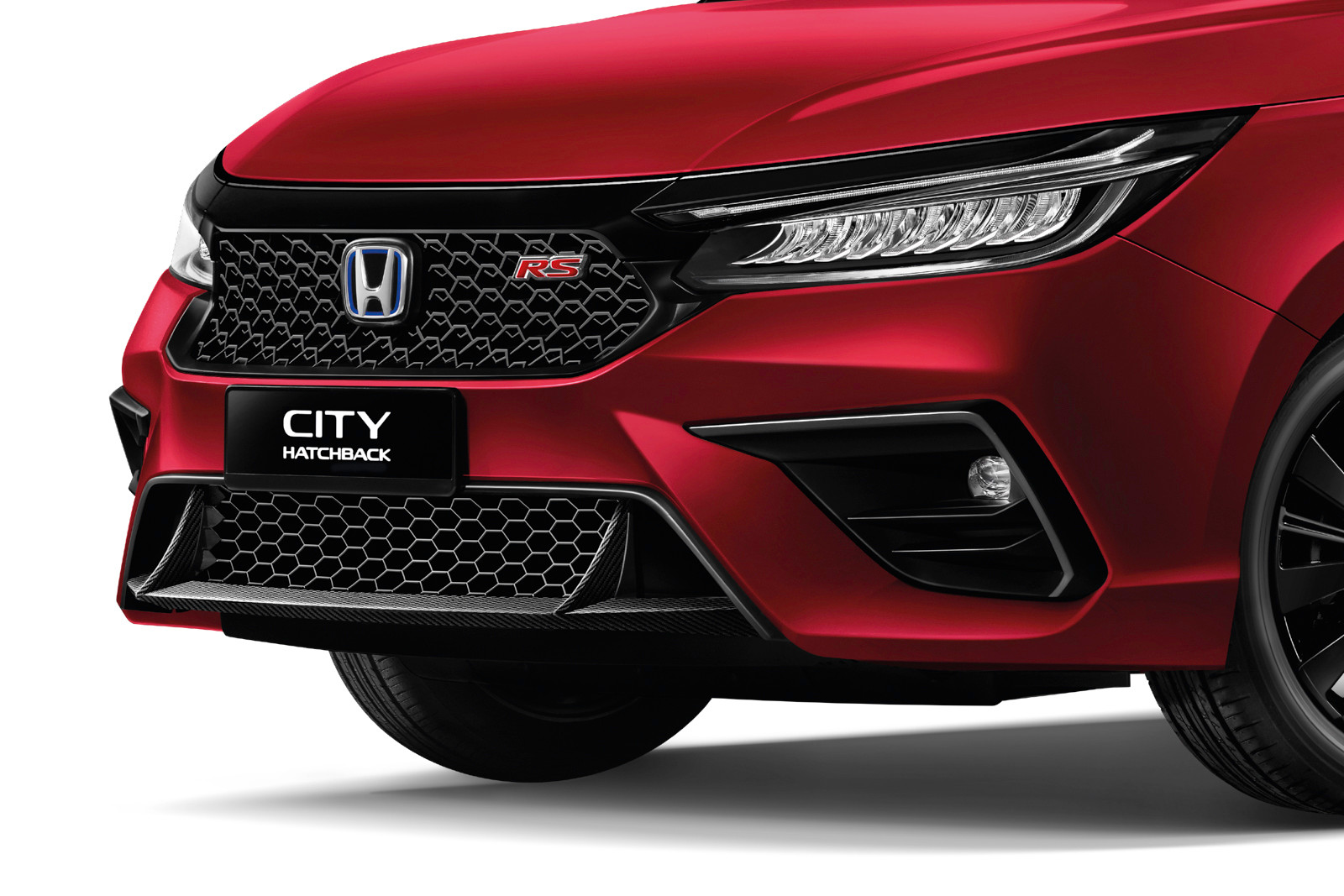
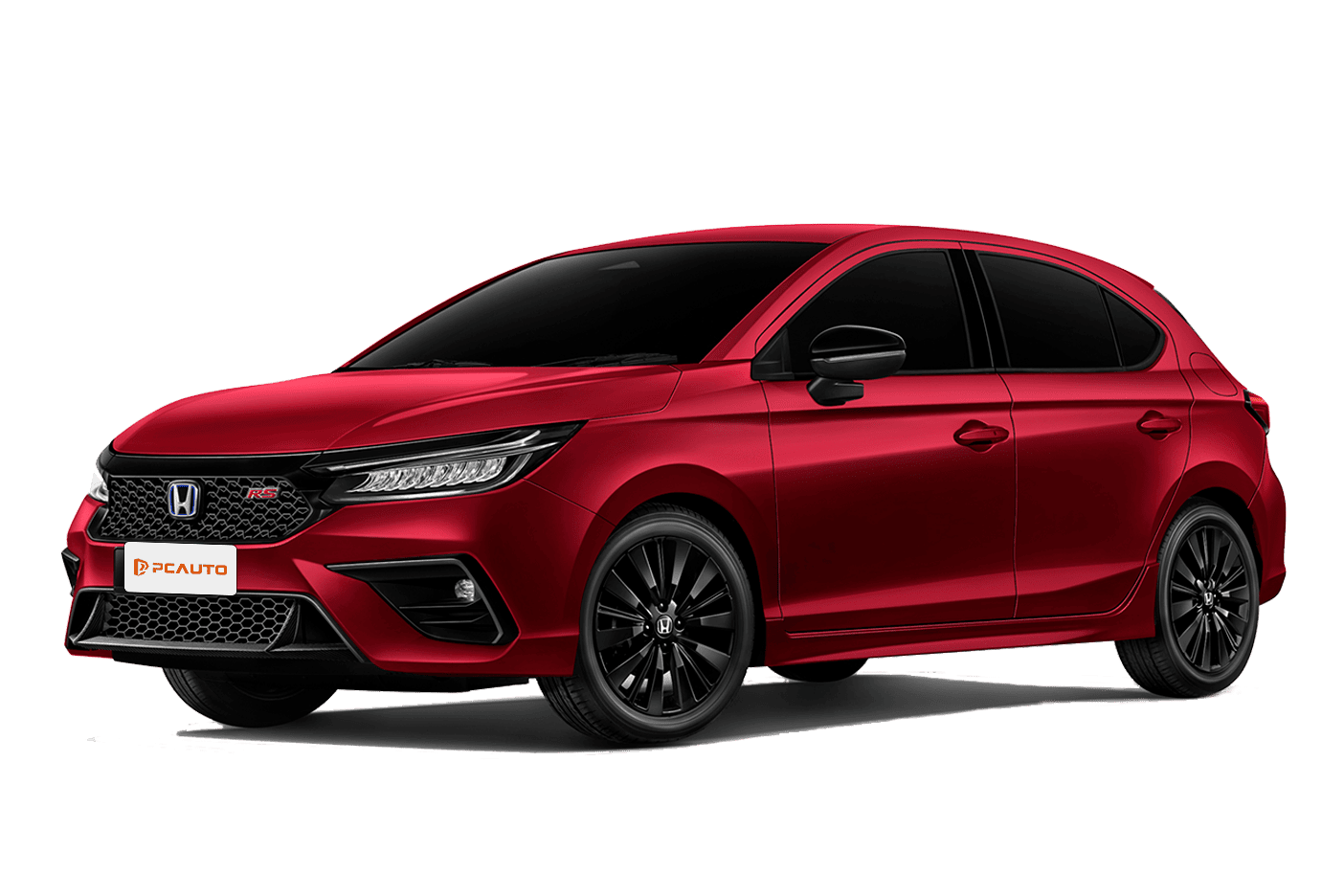
From a distance, the overall style of the 2024 City Hatchback 1.5 V leans toward being youthful and dynamic, with sleek body lines and no unnecessary complex designs. The front end features Honda’s signature chrome grille, flanked by sharp LED headlights, giving it a high level of recognition; the lower bumper incorporates black plastic cladding, adding a slight crossover vibe. The beltline stretches from the front to the rear of the car, complemented by 16-inch multi-spoke alloy wheels, giving it a compact and streamlined appearance. At the rear, the LED taillights are connected by a chrome strip along the upper edge, while the rear bumper also features black cladding and an inset exhaust pipe. The overall design is cohesive, aligning well with the aesthetic preferences of young people.
Sitting inside, the interior is predominantly black with a minimalist dashboard layout. Most areas are made of hard plastic materials, but soft-touch materials are used on frequently contacted areas like door panel armrests and seats, giving it a quality feel that is above average for its class. The centerpiece of the dashboard is an 8-inch touchscreen, which offers decent interface fluidity and supports Bluetooth connectivity and smartphone integration features. The instrument cluster is a digital-analog hybrid, displaying information like speed, fuel consumption, and the status of driver assistance systems with clarity. In terms of configurations, it comes standard with keyless entry, a multifunction steering wheel with paddle shifters, automatic air conditioning, and rear air vents, all of which are practical for daily use. The seats are manually adjustable but offer good support and cushioning, ensuring comfort even during long rides. The rear seats can be folded in a 60:40 split, increasing the trunk space from 289L to accommodate larger loads, meeting family storage needs.
In terms of performance, the 1.5L naturally aspirated engine produces a maximum power of 121PS and a peak torque of 145N·m, paired with a CVT gearbox. The power delivery during initial acceleration is smooth, with no noticeable jerking. On urban roads, the acceleration performance is sufficient for overtaking and lane changes. When switched to sport mode, the CVT simulates gear shifts, maintaining higher RPMs and delivering more direct power output. However, during high-speed acceleration, the limitations of the naturally aspirated engine become apparent. The official 0-100km/h acceleration time is 10.7 seconds, which is on par with vehicles of this engine displacement. The chassis features MacPherson struts at the front and a torsion beam setup at the rear, tuned for comfort. It absorbs most shocks when going over speed bumps or rough roads, avoiding harsh impacts. Meanwhile, body roll during cornering is kept within a reasonable range, providing good stability. The steering is precise with minimal dead zones, offering a light handling feel for daily driving while becoming heavier at higher speeds, instilling a sense of confidence.
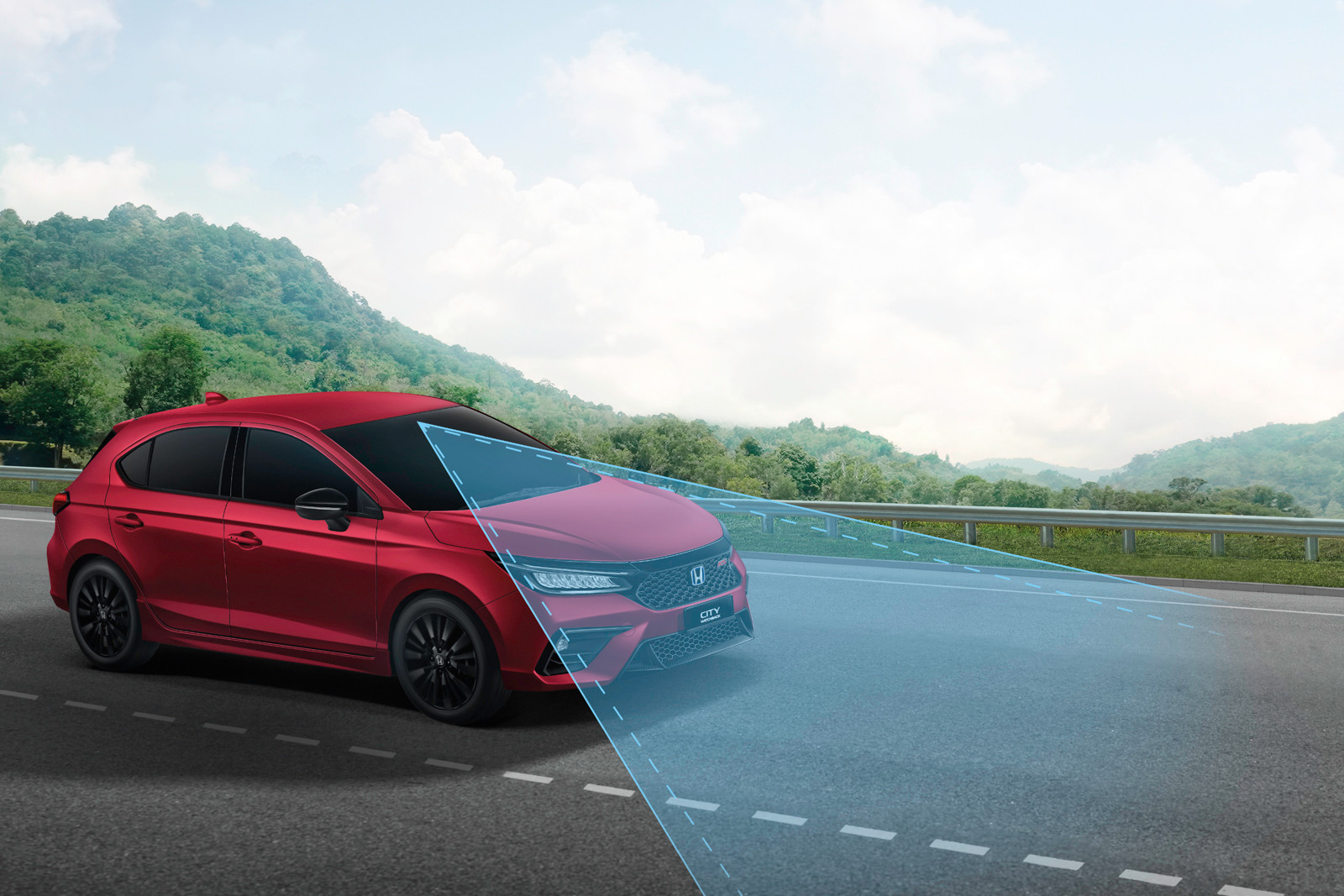
In terms of fuel consumption, we tested it under mixed road conditions (50% city + 50% highway), and the actual fuel consumption was approximately 6.2L/100km, slightly higher than the official 5.6L/100km. However, considering the use of air conditioning and variable road conditions during actual driving, this performance is excellent for its class. The safety features are a highlight of this car, with six airbags, lane departure warning, active braking, forward collision warning, and ACC adaptive cruise control as standard. These features are relatively rare in models of the same price range and can effectively enhance driving safety. Regarding noise control, there is some wind and tire noise transmission at high speeds, but it remains within an acceptable range, not interfering with normal in-car conversations. Engine noise becomes more noticeable when the RPM exceeds 3000, but since daily driving is mostly at around 2000 RPM, noise control is commendable.
In summary, the core advantages of the 2024 Honda City Hatchback 1.5 V are its balanced performance, practical space design, and comprehensive safety features. Compared to its peers like the Toyota Yaris and Proton Persona Hatchback, it has more comprehensive safety features, larger space, and better fuel efficiency, offering outstanding value for money. This car is suitable for families prioritizing safety, space, and daily practicality, as well as young professionals in need of a reliable vehicle for commuting. It doesn't have any particularly obvious weaknesses; its performance is well-balanced across various aspects, making it a B-segment hatchback worth considering.
Honda City Hatchback Car Compare
Honda City Hatchback Loan Calculator
Cars With Similar Price And Features
4
Rank in Hatchback
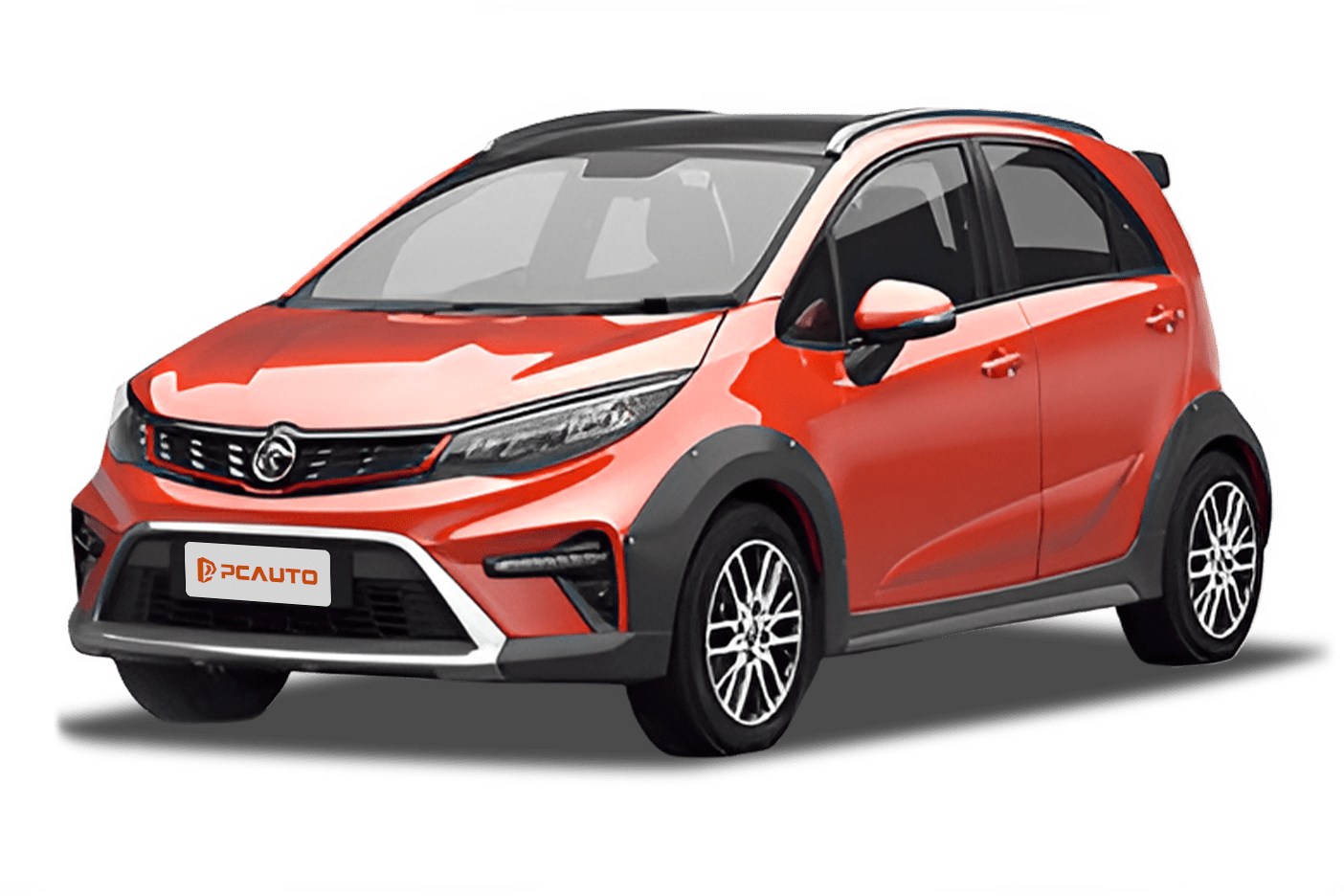
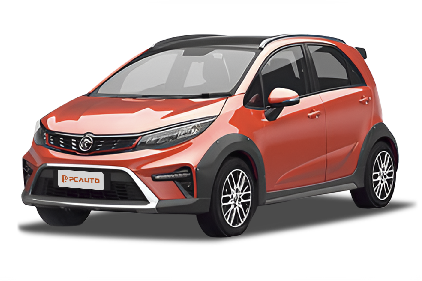
2023 Proton Iriz 1.3 Standard CVT is an affordable, well-balanced entry-level B-segment hatchback with safety features, suitable for budget-conscious families focusing on safety and practicality for daily commuting.
2
Rank in Hatchback

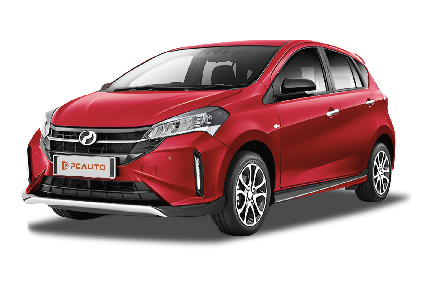
2023 Perodua Myvi 1.3 G with PSDA is an affordable B-segment hatchback, combining practical space, basic features, and PSDA safety assistance, suitable for family commuting.

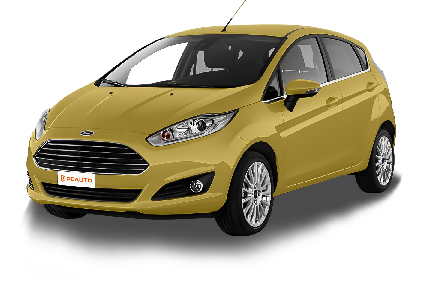
2022 Ford Fiesta public is a B-Segment model with responsive power, economical fuel consumption, and rich safety features, suitable for young families or individual users who prioritize driving experience and safety.
3
Rank in Hatchback
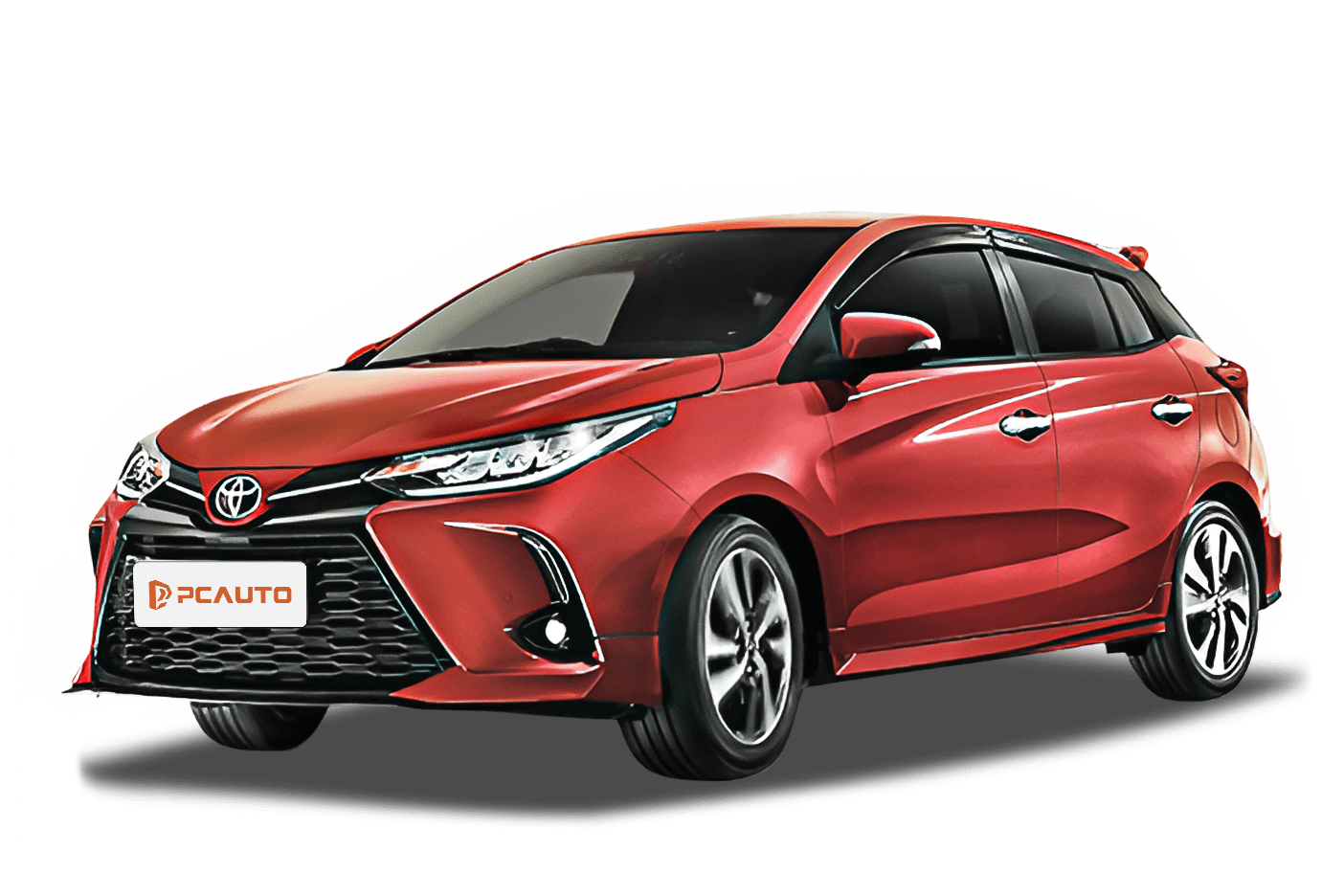
2024 Toyota Yaris 1.5E serves as the main entry-level household model, emphasizing durability, upgraded with a 360-degree parking camera and Optitron instrument panel. Its practical space, smooth power delivery, and high cost-performance ratio align well with family commuting needs.