

2024 Hyundai Santa Fe Hybrid Plus Review

 Share
Share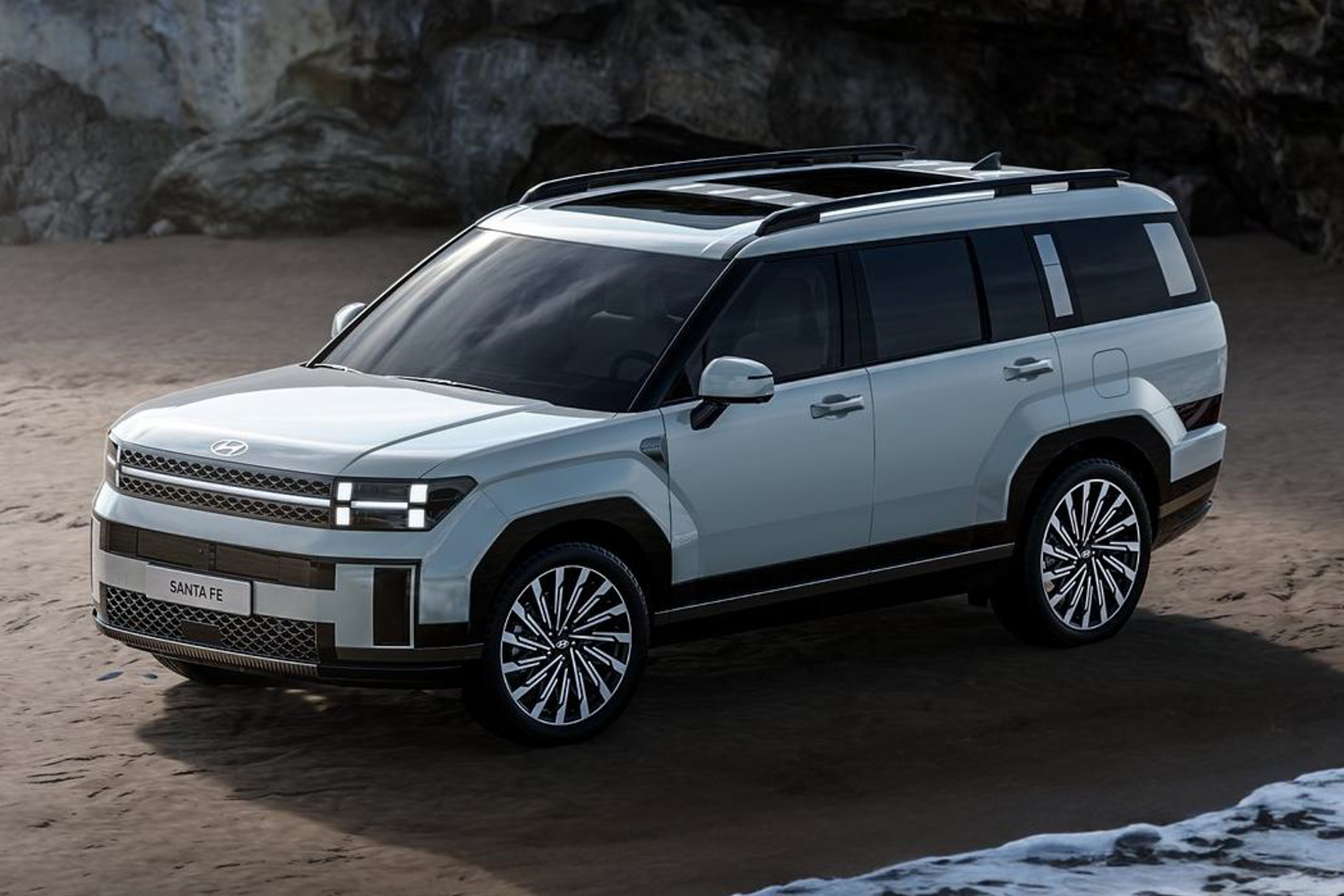
 Segment
 Body Type
 Capacity(L)
 Engine Power(PS)
 Engine Torque(Nm)
 Transmission
In today's increasingly competitive D-segment SUV market in Malaysia, consumers not only want a vehicle with enough space to accommodate the whole family, but they also have higher expectations for fuel efficiency and features — the 2024 Hyundai Santa Fe Hybrid Plus is precisely tailored to meet these needs. As a mid-size hybrid SUV under Hyundai, it not only satisfies family users with its 7-seater layout but also balances power and fuel consumption through its hybrid system. Coupled with its pricing of around RM180,000, it has sparked the curiosity of many value-conscious buyers: Does this vehicle truly manage to balance practicality and performance? This time, through a static experience and dynamic test drive, we focused on testing its spatial practicality, hybrid system performance, and everyday driving comfort to see how competitive it is in its class.
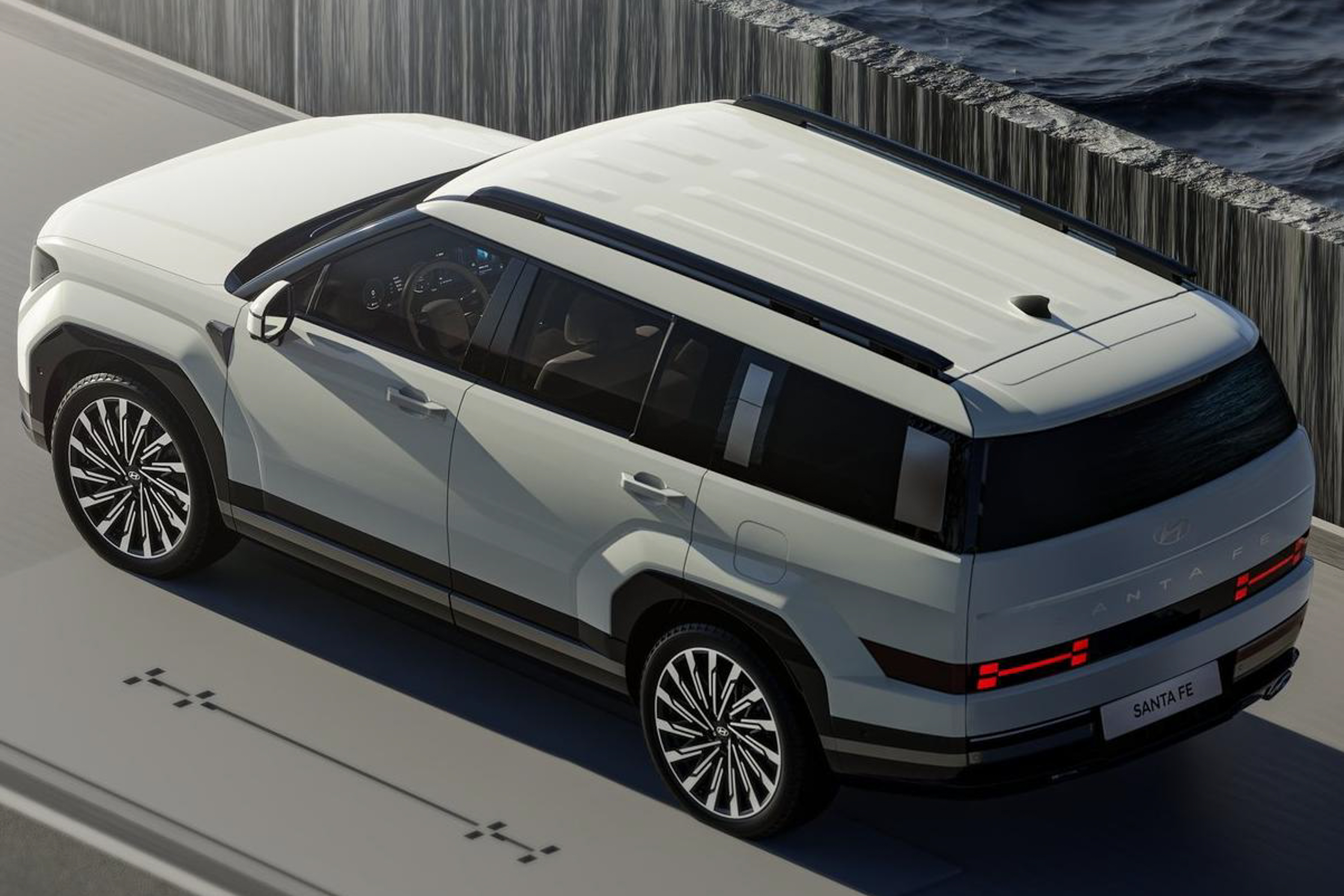
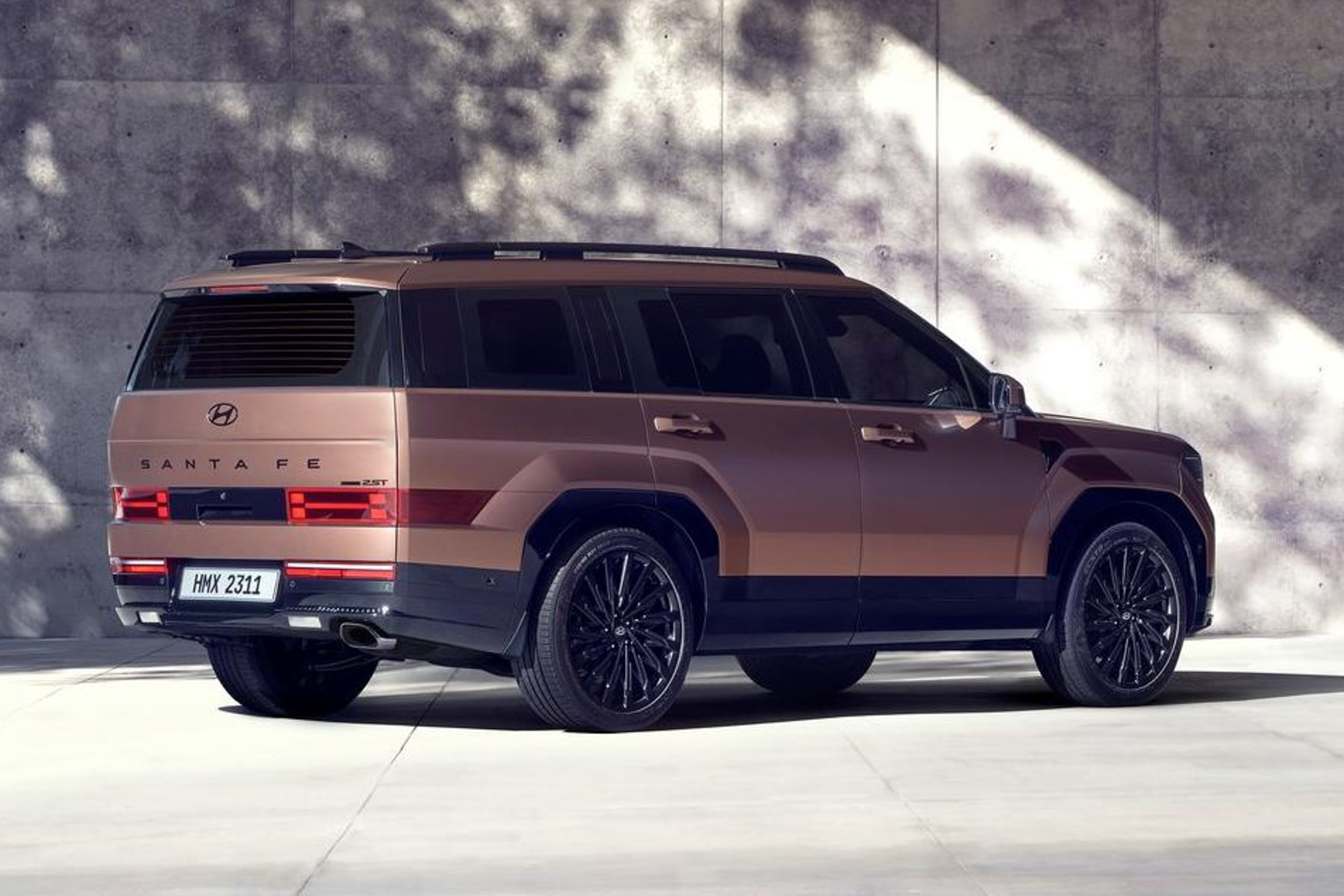
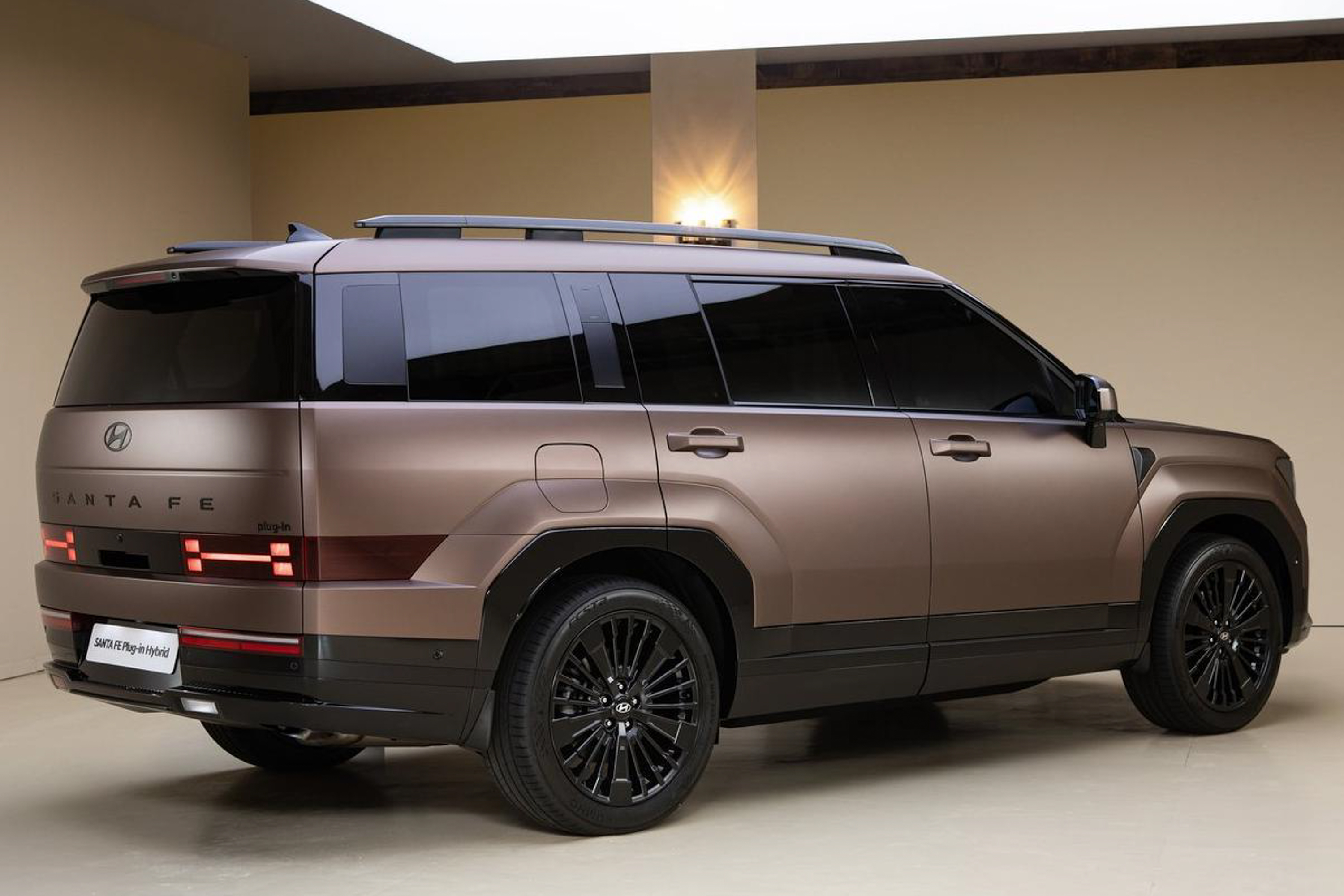
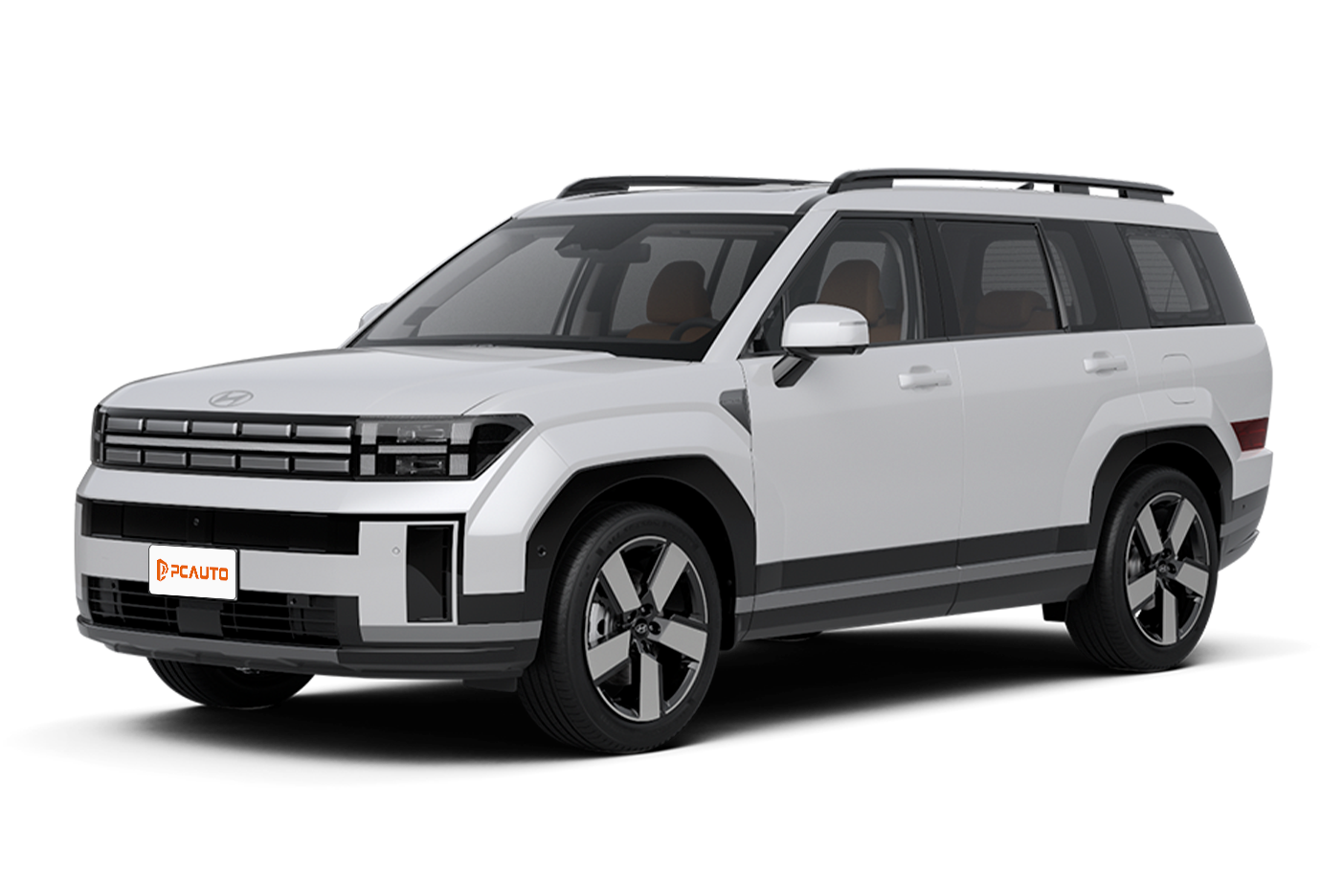
Looking at the Santa Fe Hybrid Plus parked in front of us, you immediately feel the stability of a D-segment SUV. The front adopts Hyundai's family-style design, with a large grille complemented by chrome accents. The LED headlights on both sides connect seamlessly to the grille, creating good brand recognition. The side profile features straight lines, and the waistline stretching from the front fender to the rear adds muscularity; the 17-inch wheels are well-proportioned to the body and do not appear small. At the rear, the horizontally arranged LED taillights echo the design of the headlights, while the silver skid plate on the lower bumper adds a touch of off-road character. The lighting system comes standard with LED across all trims, and the inclusion of automatic headlights and daytime running lights makes daily use more convenient.
Opening the door, the interior adopts a dark tone, and the center console layout is simple and organized. The upper part of the center console and the inside of the door panels are covered with soft-touch materials, which feel quite refined without any obvious sense of cheapness. The central screen is an 8-inch touchscreen with moderate responsiveness, but it supports CarPlay and Android Auto, making it convenient for connecting smartphones in daily use. The instrument cluster is a 12.3-inch fully digital screen that displays information such as fuel consumption and power flow, with clear and easy-to-read interfaces. In terms of features, the front seats support electric adjustment, and both the driver and front passenger can find a comfortable driving position. The second row supports a 40:20:40 split fold and forward-backward sliding, while the third row features a 50:50 fold design, offering good flexibility. The air conditioning system has dual-zone automatic temperature control, with independent vents for the rear seats, catering well to the comfort of rear passengers. Keyless entry, push-start ignition, a multifunction steering wheel, and paddle shifters are all standard, meeting basic daily convenience needs.
Space performance is one of the strengths of the Santa Fe Hybrid Plus. With a body length of 4,785mm and a wheelbase of 2,765mm, it offers ample room for passengers. When the front seats are adjusted to a suitable sitting position, passengers measuring 175 cm still have a fist-and-a-half worth of headroom. The legroom in the second row is about two fists, while headroom provides one fist even when seating three people, ensuring they do not feel cramped. Additionally, the seats can slide forward or backward, allowing for flexible allocation of legroom and trunk capacity. The third-row space is relatively compact, suitable for passengers under 165 cm for short trips, though it may feel cramped on longer journeys. The trunk has a default capacity of 634L, which can be expanded considerably by laying down the third row, making it sufficient for storing suitcases or strollers. Regarding storage, the door pockets, central armrest box, and front cup holders are all quite practical, providing enough space for daily small items.
Powertrain-wise, it is equipped with a 1.6T turbocharged engine combined with an electric motor hybrid system, delivering a total system power of 230 PS and a combined torque of 350 N·m, paired with a 6AT transmission. During daily driving, the electric motor takes priority during start-up, offering quick power response without the lag commonly associated with fuel-powered vehicles. Once the speed exceeds 60 km/h, the engine engages, providing smooth acceleration. When overtaking and pressing the accelerator deeply, the transmission downshifts promptly, offering sufficient and smooth power output. The official 0-100 km/h acceleration time is 8.9 seconds, which is above average among hybrid SUVs in the same segment. There are three driving modes to choose from: Economy, Normal, and Sport. In Economy mode, throttle response is slightly delayed, making it suitable for urban commuting, while Sport mode is more aggressive and ideal for highway overtaking.
In terms of handling, the steering wheel offers moderate resistance with minimal dead zone, providing precision when changing lanes or cornering during daily drives. The suspension system consists of front MacPherson struts and rear multi-link independent suspension, tuned towards comfort. When going over speed bumps or uneven roads, the suspension effectively filters most of the vibrations, and the body shows no significant bouncing. At high speeds, the chassis remains stable, with no sensation of floating. During cornering, body roll is kept within a reasonable range, ensuring passenger comfort. The braking system employs ventilated discs on both the front and rear. The braking feel is linear, and the braking power is evenly distributed, inspiring confidence during daily stops.
The hybrid system's fuel economy is noteworthy. We drove 50 km each in congested city traffic and on highways, with the air conditioning on throughout. The final indicated fuel consumption was 6.2L/100km, which is significantly lower than conventional fuel-powered SUVs in the same category. For family users, this translates to considerable savings on fuel expenses. As for noise control, the electric motor operates quietly during low-speed urban driving. Once the speed exceeds 80 km/h, wind and road noise become more noticeable but do not interfere with in-car conversations. Overall, the noise insulation is on par with vehicles in this segment. The seat comfort is commendable, with soft padding on the front seats and adequate lumbar support, ensuring the driver remains comfortable during long drives. The second-row seats are adjustable, also offering a pleasant seating experience for passengers.
In summary, the 2024 Santa Fe Hybrid Plus has clear core advantages: its 7-seater large space meets family needs, the hybrid system balances power and fuel economy, and it comes equipped with sufficient configurations for everyday use. Additionally, the 5-year or 300,000-km warranty policy provides further peace of mind for consumers. Compared with rivals like the CR-V Hybrid or RAV4 Hybrid, it is more affordable, offers larger space, and has outstanding cost-effectiveness. However, its smaller center screen and tighter third-row space are minor drawbacks.
Overall, the Santa Fe Hybrid Plus is suitable for families who value spacious practicality, fuel efficiency, and cost-effectiveness, especially for those who frequently travel short distances with 6-7 passengers or primarily drive within the city but occasionally take highway trips. If you're looking for a well-balanced 7-seater hybrid SUV without breaking the bank, this would be a great choice.
Hyundai Santa Fe Car Compare
Hyundai Santa Fe Loan Calculator
More Hyundai Reviews
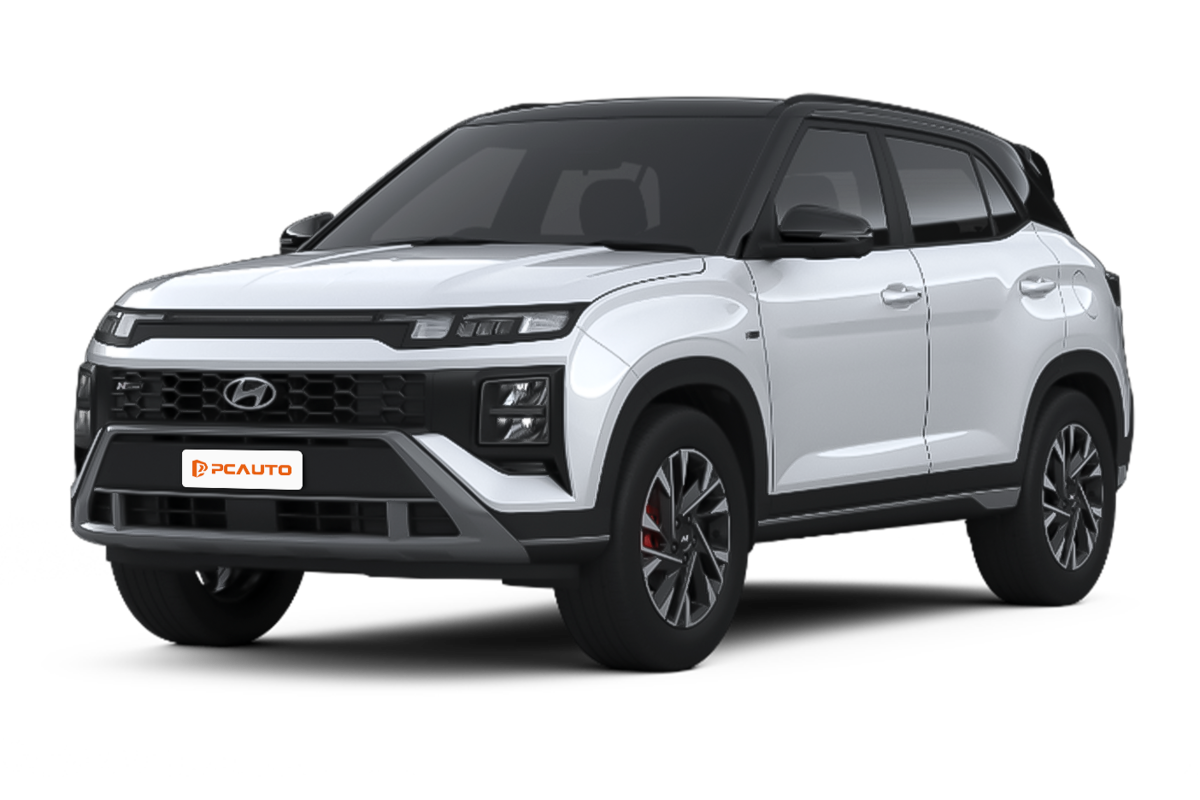
Cars With Similar Price And Features
21
Rank in SUV
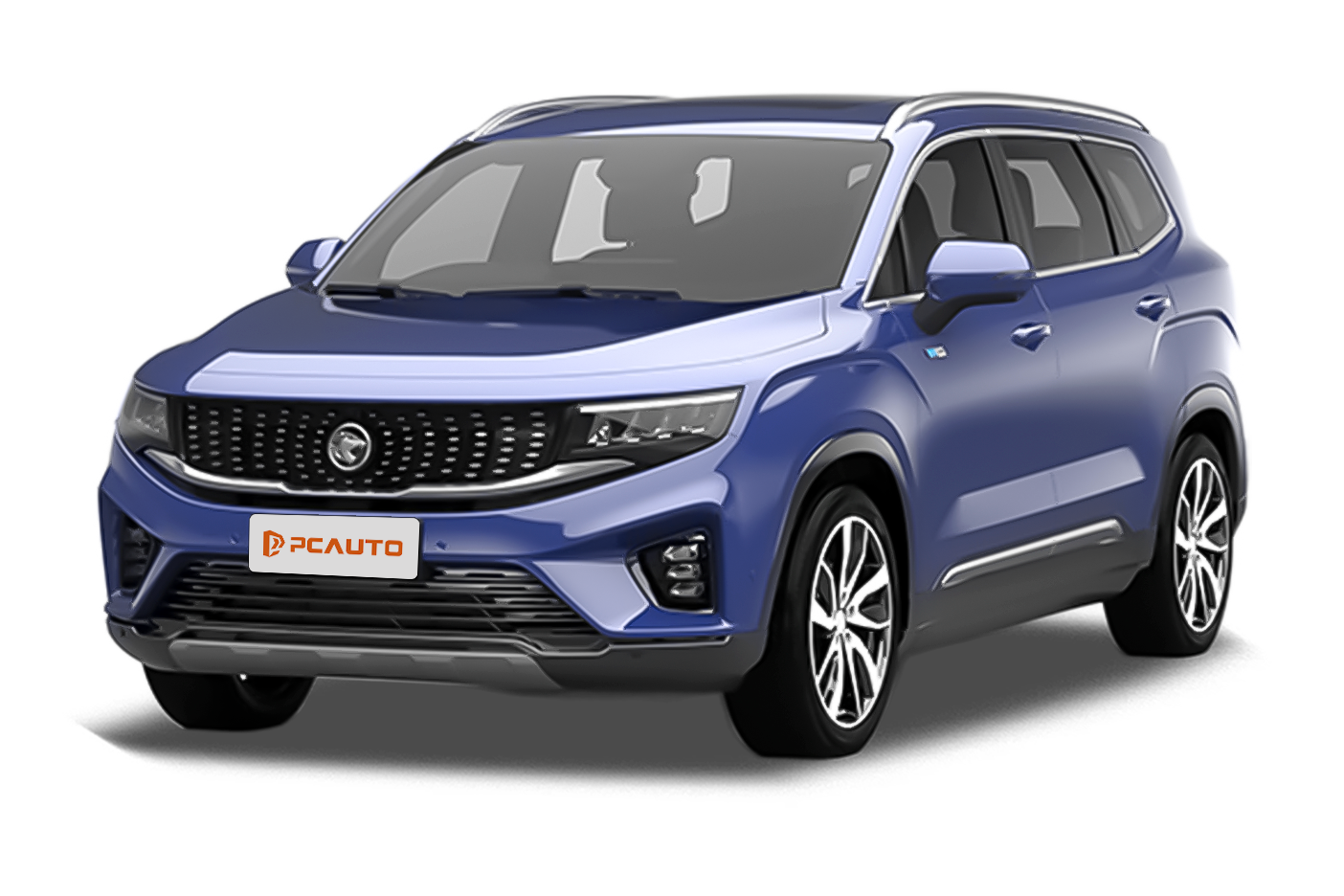
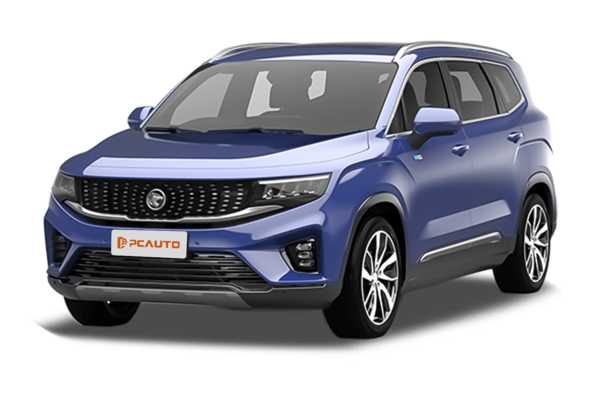
Proton X90 1.5TGDI BSG Standard 2023 is a family-oriented mid-size SUV that balances the practicality of a spacious 7-seater, the fuel economy of 1.5T mild hybrid, and mainstream technology features, offering outstanding value for money.

11
Rank in SUV
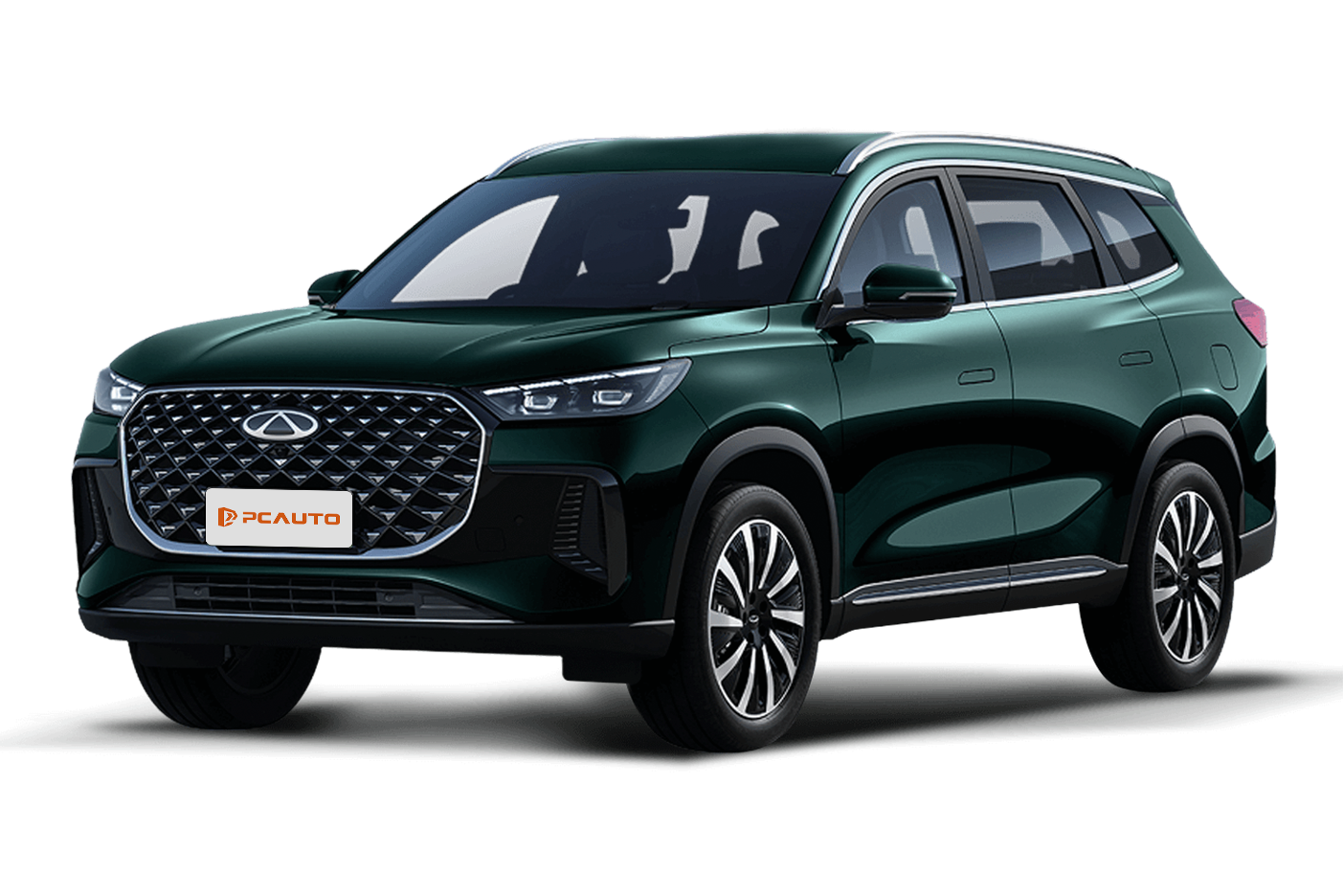
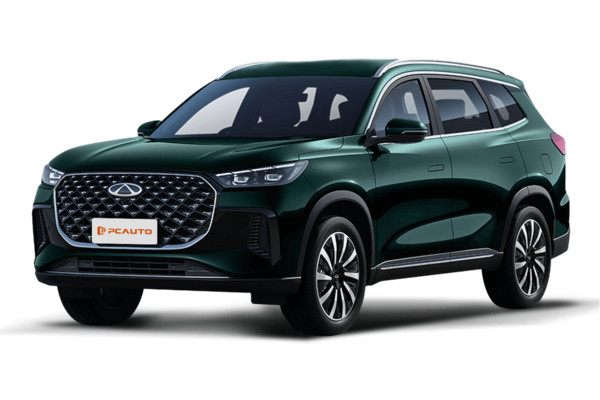
2026 Chery Tiggo 8 is a D-Segment SUV aimed at family users, offering superior configurations, practical space, and smooth power at a high cost-performance ratio, meeting both commuting and light off-road needs.
16
Rank in SUV

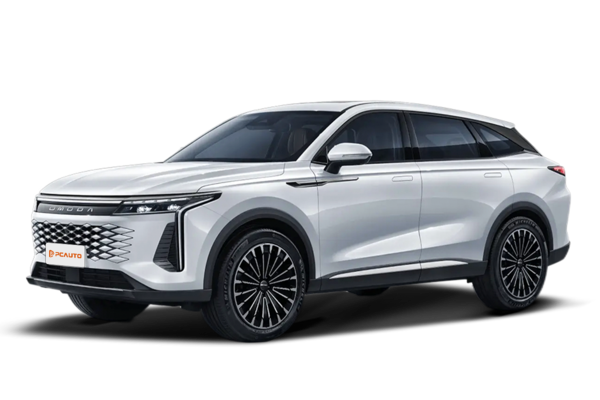
2024 Chery OMODA C9 2WD with 2.0T+8AT powertrain, L2 level assistance, and dual 12.3-inch screens, breaking the stalemate in the D-Segment market and becoming a high-value disruptor.

2022 Volvo XC60 B5 Momentum is a mid-size luxury SUV with strong safety features, equipped with a 48V mild hybrid system, practical space, and high cost-effectiveness, meeting the needs of both families and young users.