

2024 Mercedes-Benz GLA 250 4MATIC Review

 Share
Share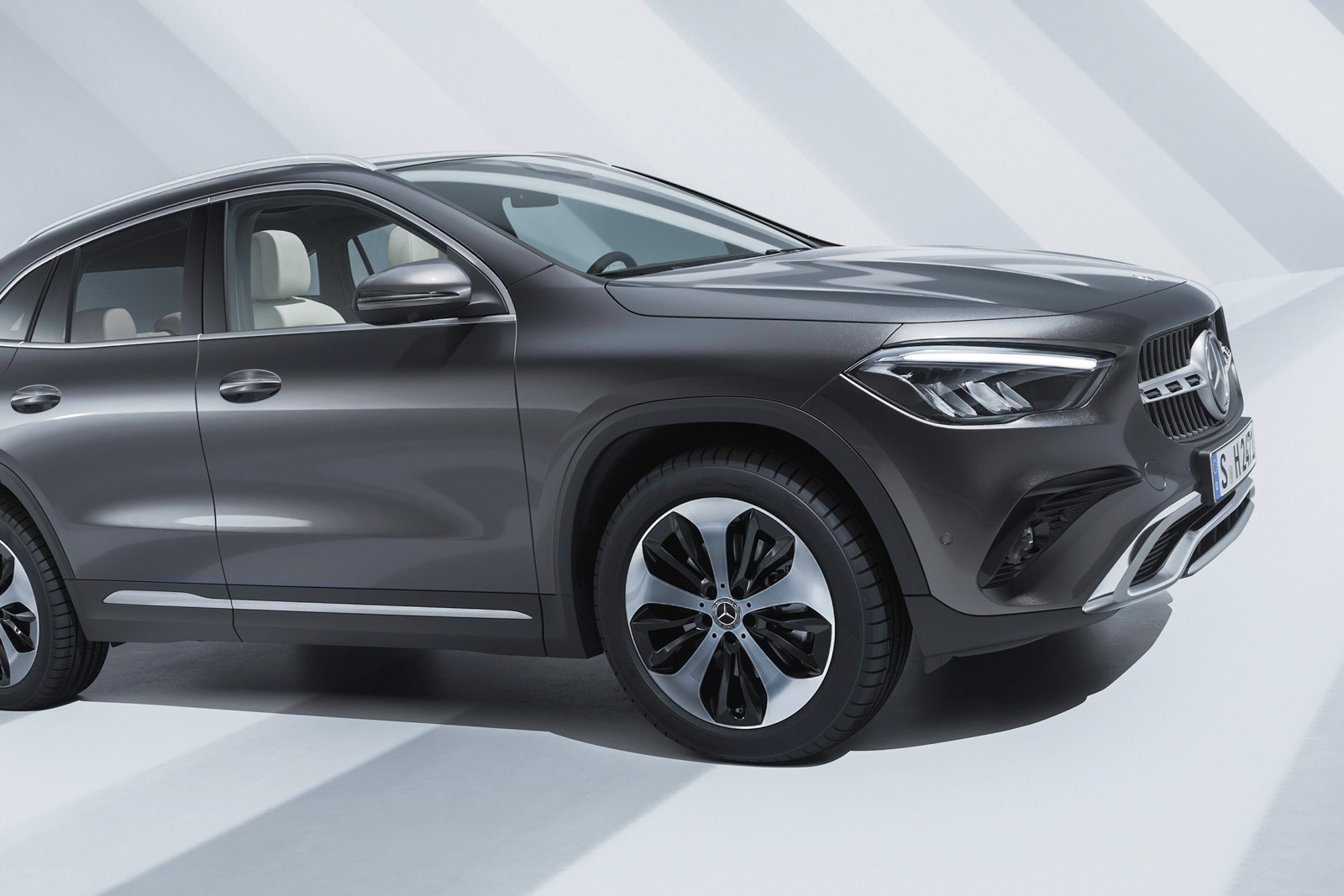
 Segment
 Body Type
 Capacity(L)
 Engine Power(PS)
 Engine Torque(Nm)
 Transmission
In Malaysia's compact luxury SUV market, young families and urban users who value quality have always been looking for a "balanced and presentable" option—a model that bears a premium brand while not compromising on space or features. The 2024 Mercedes-Benz GLA 250 4MATIC happens to hit this sweet spot. As a mid-cycle refresh of Mercedes-Benz's entry-level SUV, it not only retains the brand's signature refinement but also brings upgrades in smart features and power responsiveness. In this test drive, we focus on its performance in daily commuting and weekend family outings to see if it qualifies as the "practical choice" in its class.
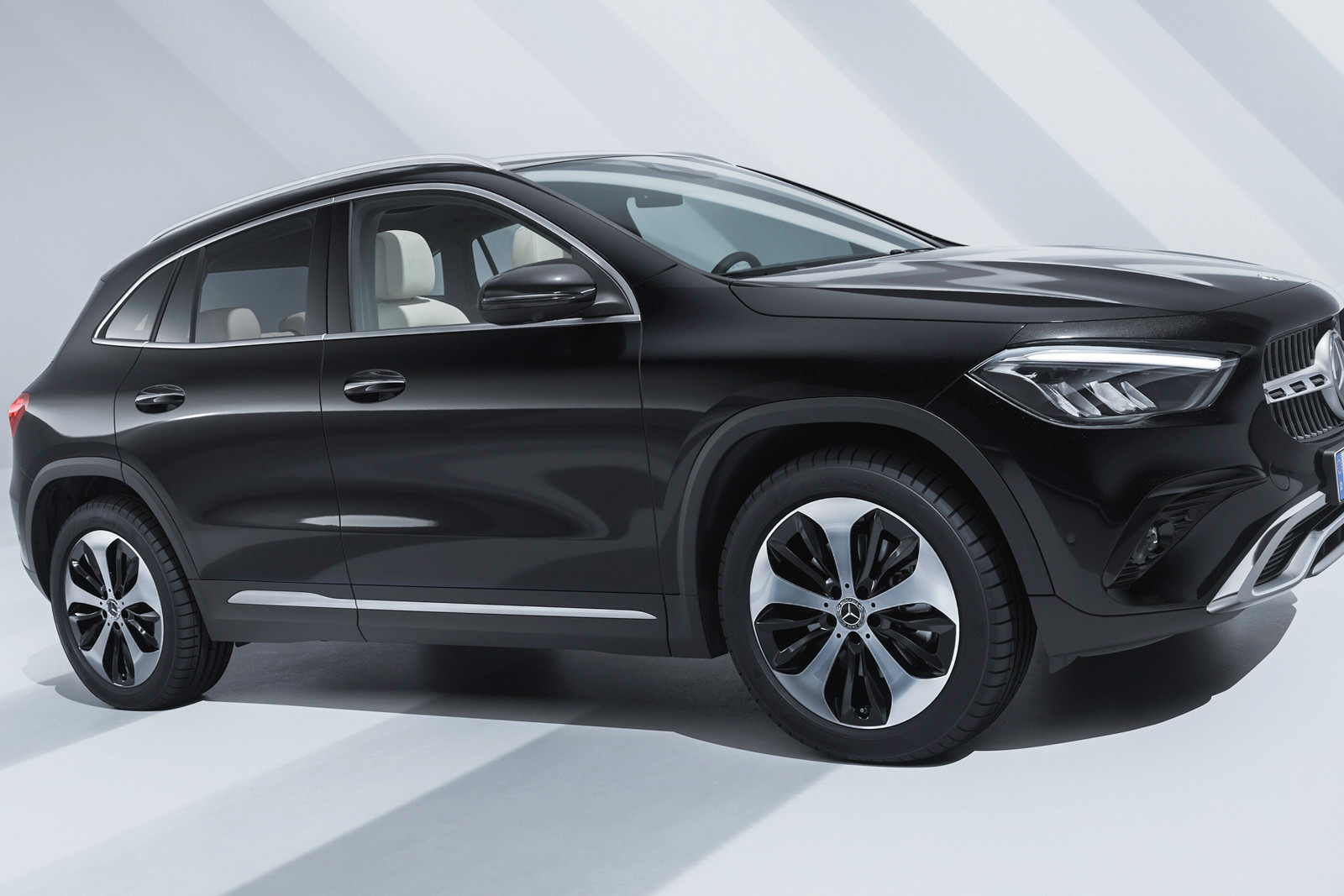
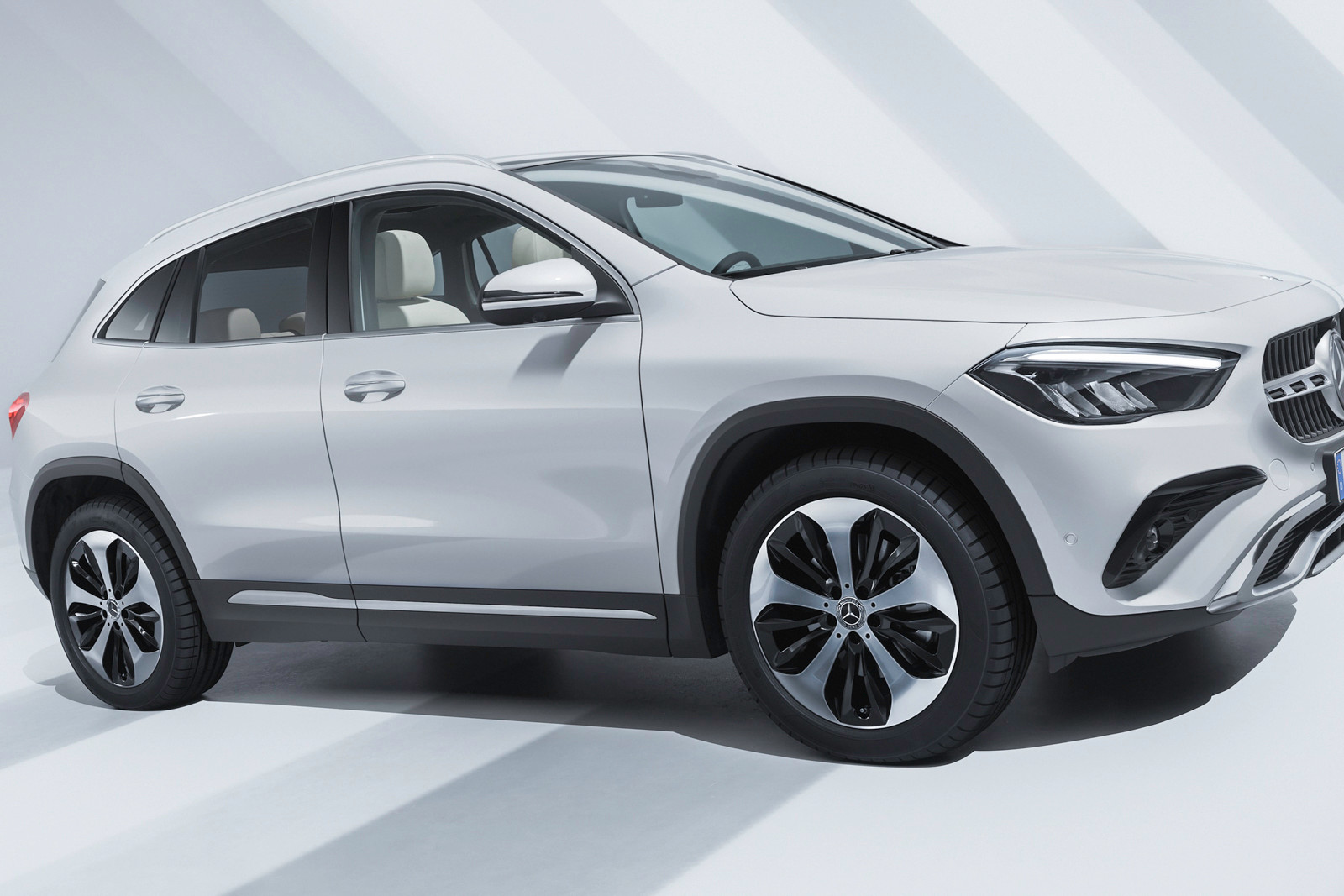
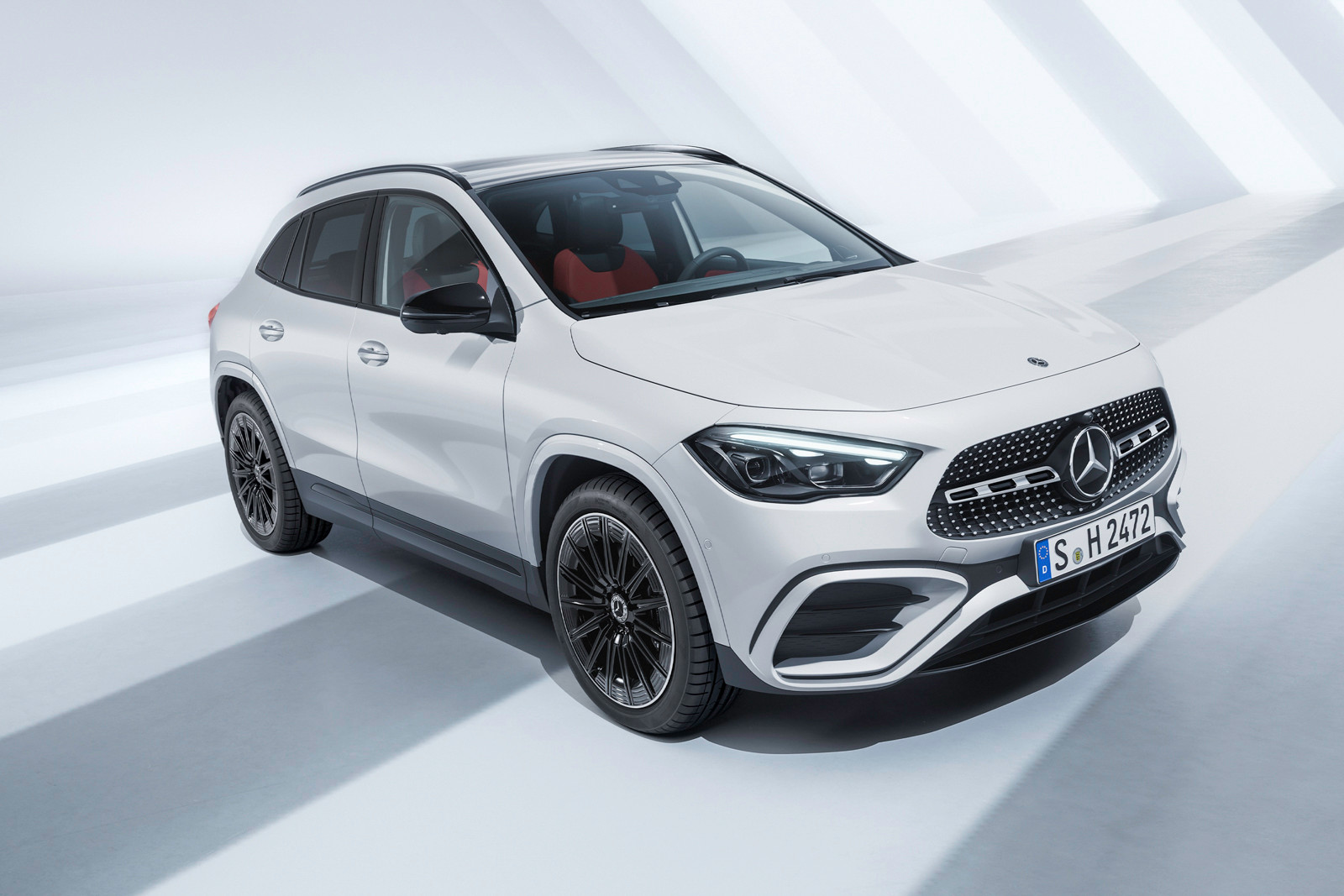
Upon first sight of the 2024 GLA 250 4MATIC, its exterior looks sharper than the previous model. The front fascia adopts Mercedes-Benz's family-style single-slat star grille, complemented by sharp LED headlights on both sides. The smoked-out design inside the lamp assembly and the folding lines of the daytime running lights give the car a sportier appearance, departing from its previous rounded look. The side profile shows smooth lines, with a body crease running from the front fender to the rear, creating a streamlined appearance. The 19-inch multi-spoke alloy wheels are well-proportioned, avoiding exaggeration while maintaining a sense of presence. The rear hasn't changed much; the internal structure of the LED tail lights has been slightly adjusted, providing better recognition when illuminated. The dual-outlet exhaust setup at the rear hints at its 2.0T engine. Overall, the design of this model preserves Mercedes-Benz's luxurious tone without being overly ostentatious, fitting well with the aesthetics of urban users.
Sitting inside, the familiar Mercedes-Benz interior style greets you. The dashboard is a combination of soft-touch materials and metallic accents, with most of the touchable areas made from soft materials, placing its quality among the top in its class. The dual 10.25-inch connected screens remain the visual center of the cabin. The instrument cluster displays information clearly and offers multiple theme options, while the central touchscreen supports touch operations with a responsive interface. The built-in MBUX system allows voice control for functions like air conditioning and navigation, making daily use convenient. The front seats are a highlight, offering electric adjustments and memory functions. The leather upholstery provides excellent support and wrapping, making long drives comfortable. The rear row space is average—passengers with a height of 175cm still have about two fists of legroom, and the headroom is sufficient as well. The trunk has a capacity of 425 liters, ample for a few suitcases. Rear seats can be folded down in a 40:20:40 split configuration, expanding the storage space when needed, showcasing decent practicality. In addition, the front row offers single-zone automatic air conditioning, and the rear row is equipped with air vents, catering to passenger needs in detail.
As for performance, this model is equipped with a 2.0T turbocharged engine, delivering a maximum power of 165kW (224PS) and a maximum torque of 350N·m. It is paired with a 9-speed DCT gearbox and a 4MATIC all-wheel-drive system. The official 0-100km/h acceleration time is 6.8 seconds. In actual driving, the power response at the start is quite prompt; a light step on the accelerator gives an obvious push-back feeling. The transmission shifts smoothly, with almost no perceptible jerkiness. Switching to Sport mode makes the accelerator pedal more sensitive, providing ample confidence for overtaking. The steering wheel offers moderate resistance, with minimal dead zones and precise directionality, making it easy to handle. The chassis uses a front MacPherson strut and rear multi-link independent suspension setup. The tuning leans towards comfort but retains a certain level of support. When driving over speed bumps or uneven surfaces, the suspension absorbs most of the vibrations, avoiding an overly bumpy ride. During high-speed cornering, the body roll is well-controlled, ensuring great stability.
In terms of fuel consumption, our test drive this time was mainly on urban roads with a small amount on highways. Overall, the fuel consumption was approximately 8.5L per 100 kilometers, which is not far off from the official figure of 8.1L. For a 2.0T all-wheel-drive SUV, this fuel consumption is considered acceptable. Noise control is also well-handled; when driving at low speeds, engine noise is almost imperceptible inside the car. On the highway, tire and wind noise become slightly more noticeable but remain within an acceptable range. Additionally, this car comes with comprehensive safety features, including seven airbags, active braking, forward collision warning, lane change assist, and more, providing an extra layer of security for daily driving.
Overall, the 2024 GLA 250 4MATIC delivers balanced performance. Compared to competitors like the BMW X1 and Audi Q3 in the same class, its advantages lie in stronger brand identity and more refined interior quality and features. For instance, the convenience of the MBUX system and the comfort of the front seats are highlights. However, its rear-seat space and trunk capacity are slightly inferior to the BMW X1, while fuel consumption is about the same.
In summary, the 2024 Mercedes-Benz GLA 250 4MATIC is well-suited for users who value brand, quality, and driving experience. If you're a young family primarily commuting in the city and occasionally taking short trips with your family on weekends, this car will meet your needs. If you're a young person pursuing a sense of luxury, its design and features will also satisfy you. Overall, this is a compact luxury SUV with "no significant shortcomings," and it is a highly competitive choice within its class.
Mercedes-Benz GLA Car Compare

Mercedes-Benz GLA Loan Calculator
More Mercedes-Benz Reviews
Cars With Similar Price And Features
8
Rank in SUV
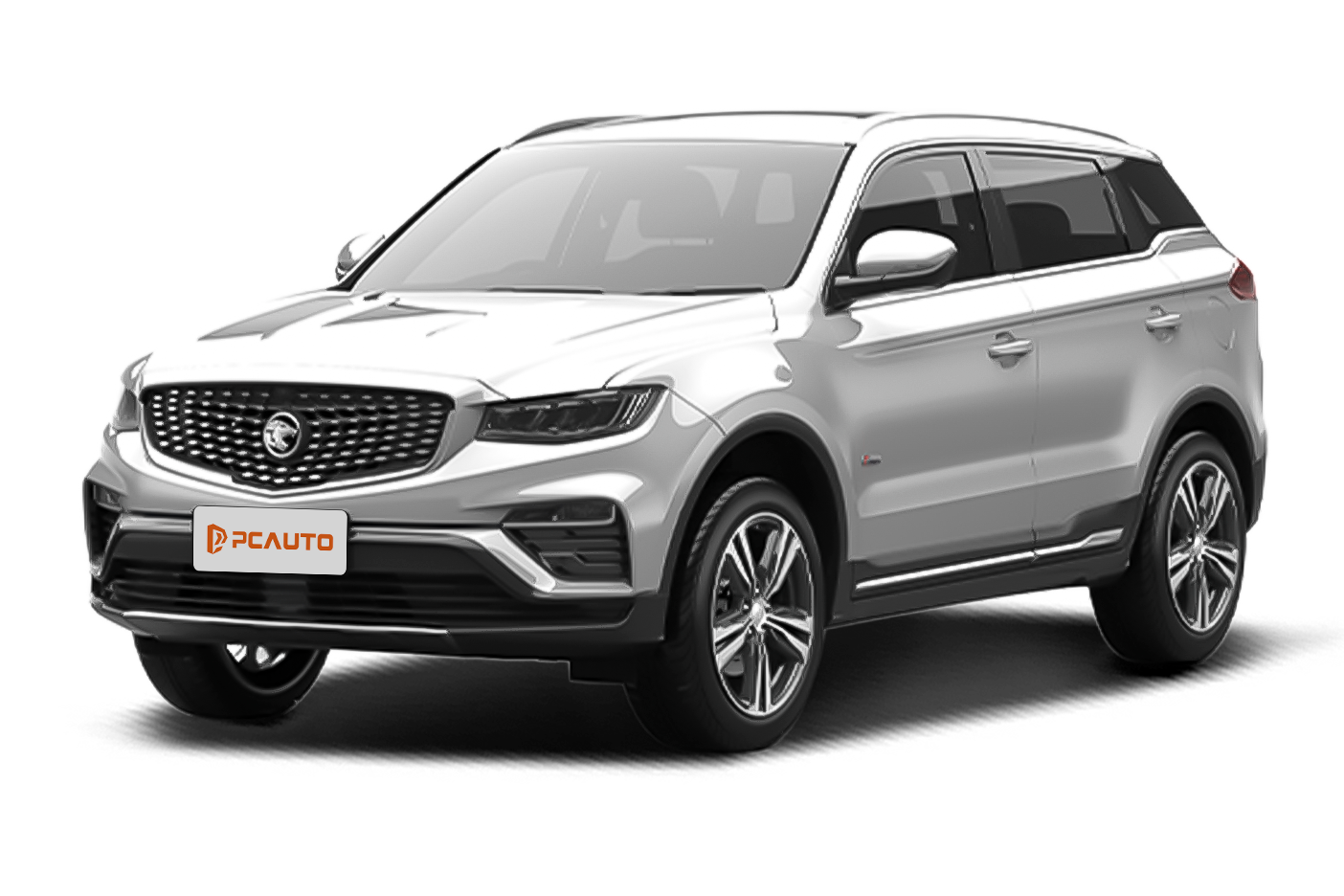
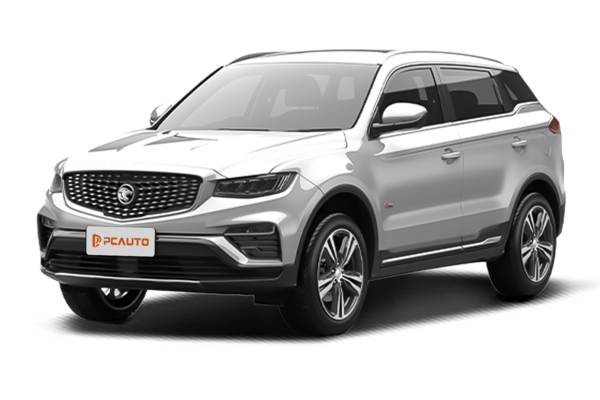
2026 Proton X70 1.5 TGDi Executive focuses on upgrading to a four-cylinder engine, practical configurations, and affordable pricing. It balances family commute practicality with value for money, making it a sensible choice among similarly priced C-segment SUVs.
10
Rank in SUV
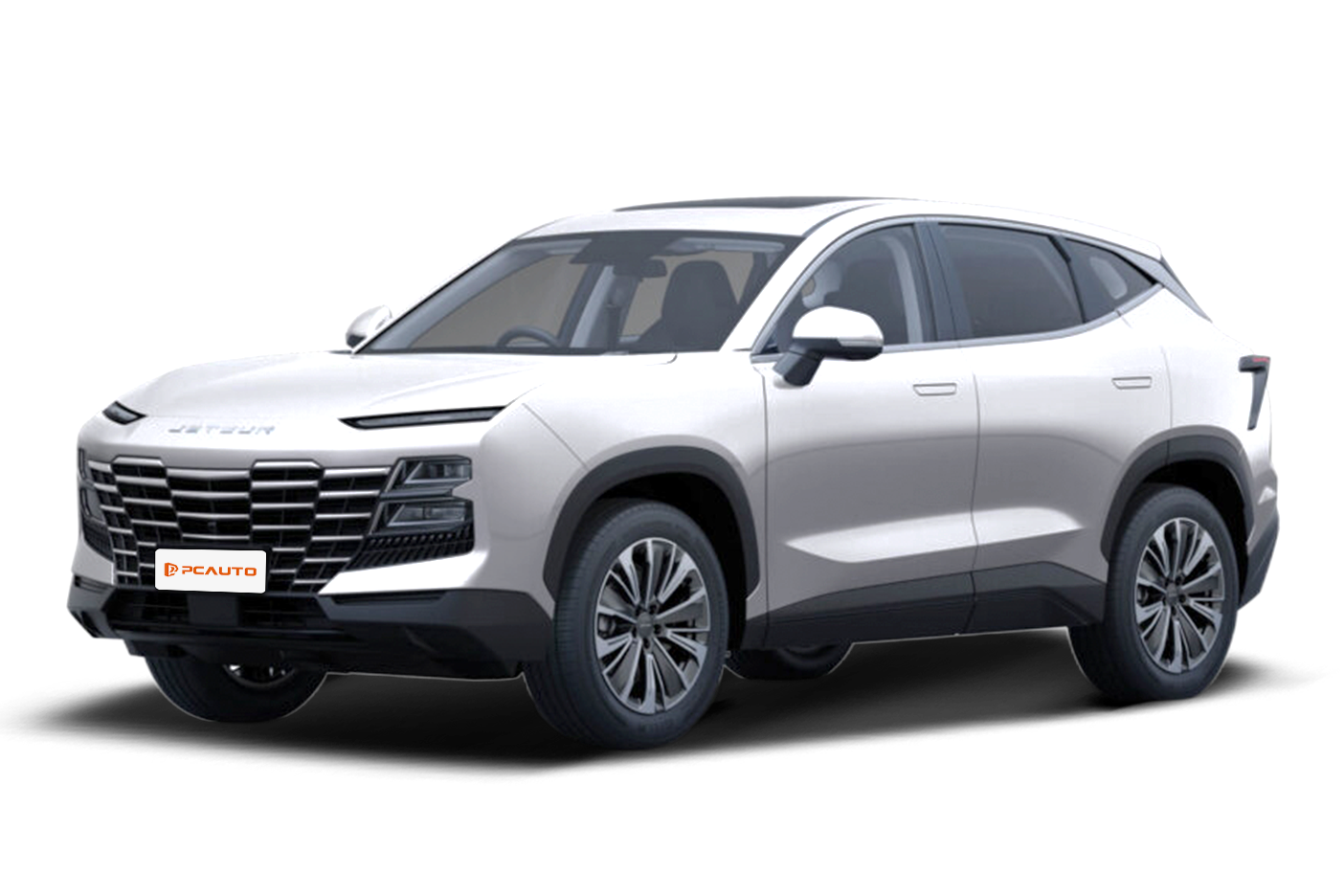
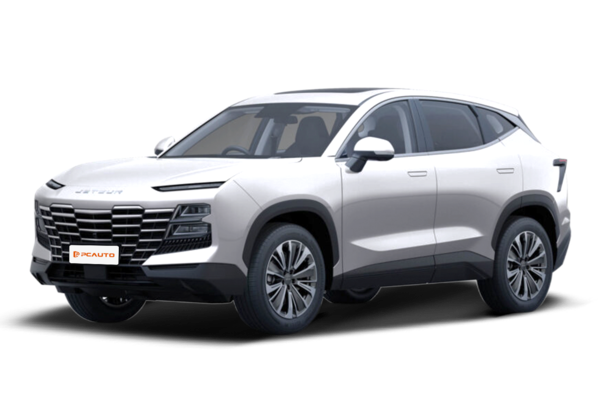
Jetour Dashing 1.5 TCI Comfort 2025 features a 2720mm long wheelbase and a 10.25-inch dual screen as its core, focusing on balanced cost performance to meet family practical needs.
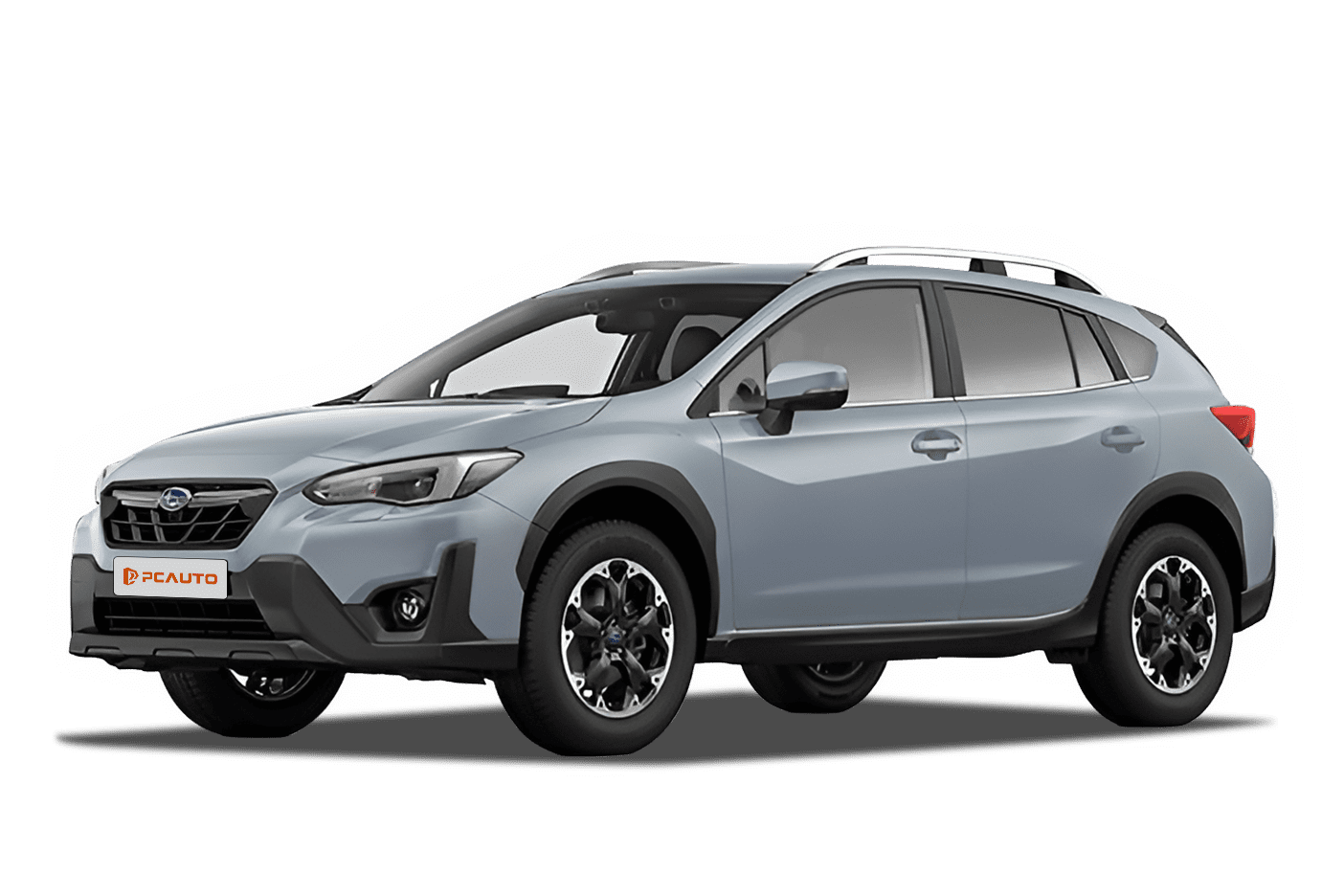
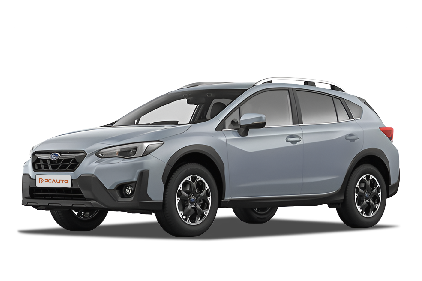
The 2021 Subaru XV 2.0i is a model targeting the C-segment crossover market, equipped with standard all-wheel drive and high safety features, balancing off-road capability and handling, with practical space.

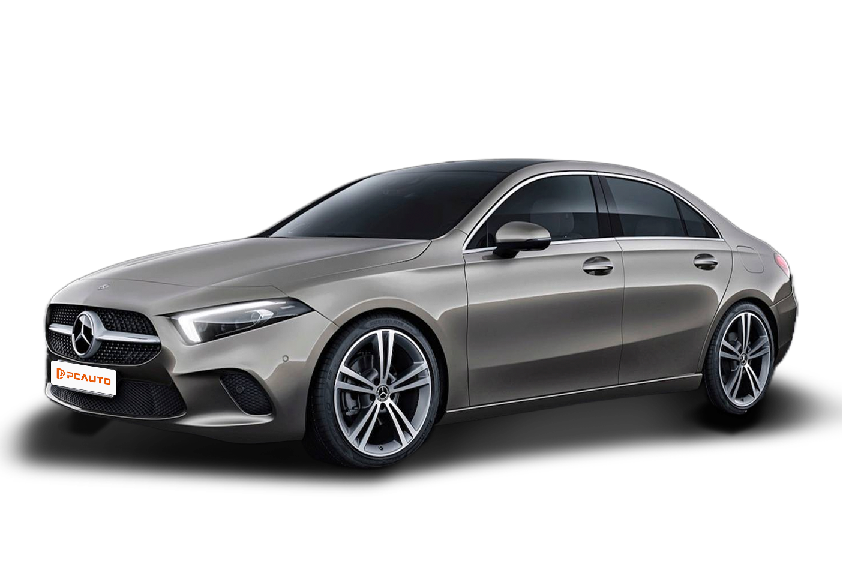
2021 Hyundai Kona 2.0 Standard, as a high-value entry-level compact SUV, retains essential safety and practical features with an affordable price, meeting the daily commuting and loading needs of families.