

2024 Proton X50 1.5T Premium Review

 Share
Share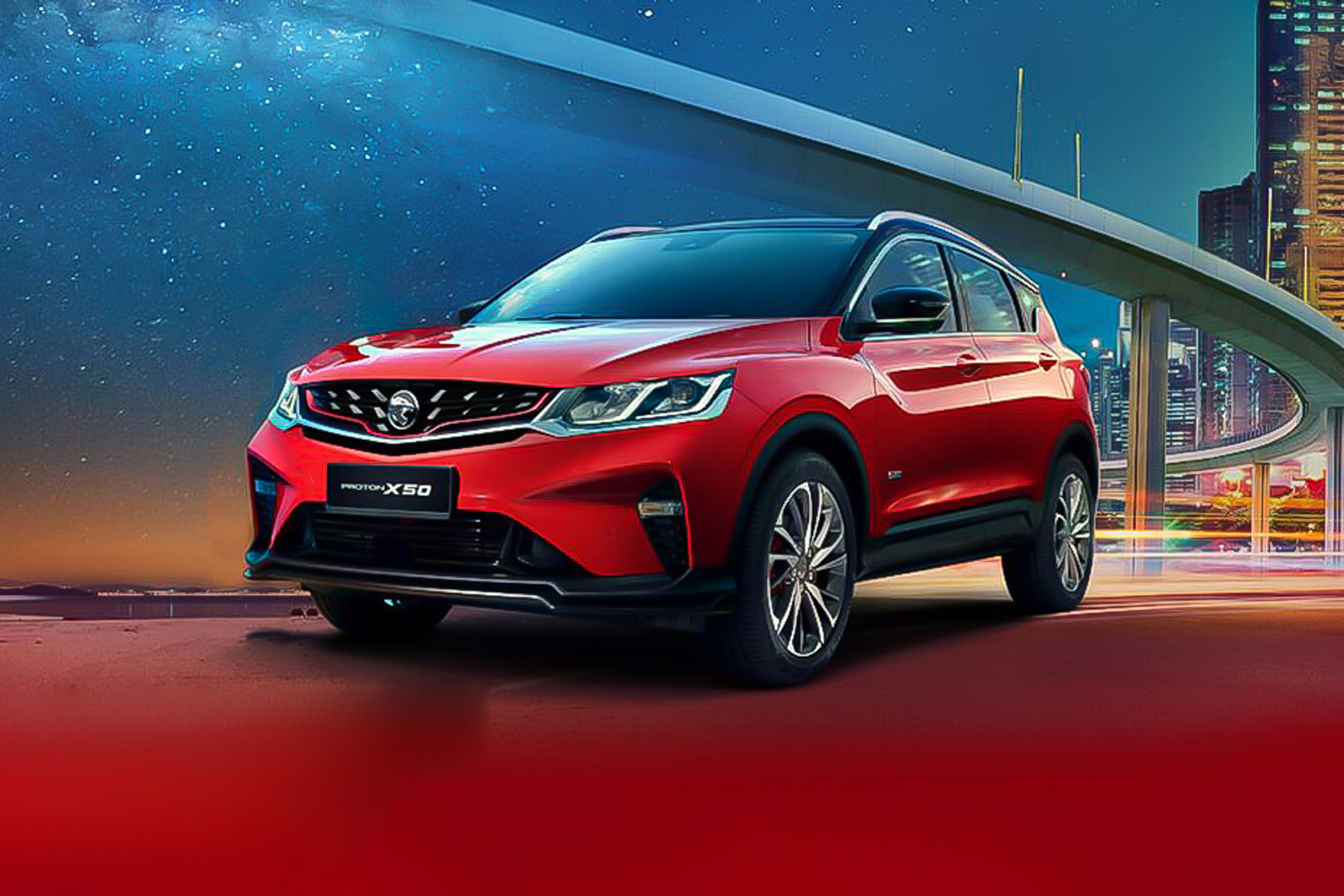
 Segment
 Body Type
 Capacity(L)
 Engine Power(PS)
 Engine Torque(Nm)
 Transmission
In the local B-Segment SUV market, the balance between cost-performance and configuration has always been the core of consumer decisions — after all, users in this segment not only need practicality for daily commuting but also hope to get a "class-above" experience within a limited budget. As the top-end version of the series, does the facelifted (or continued) 2024 Proton X50 1.5T Premium retain Proton's signature advantage of "high configuration, low price"? And does its dynamic performance meet the needs of family users? With these two questions in mind, I conducted a week-long real-world test of this car, covering urban congestion, highway cruising, and suburban mountain road scenarios, hoping to provide potential buyers with the most direct reference.
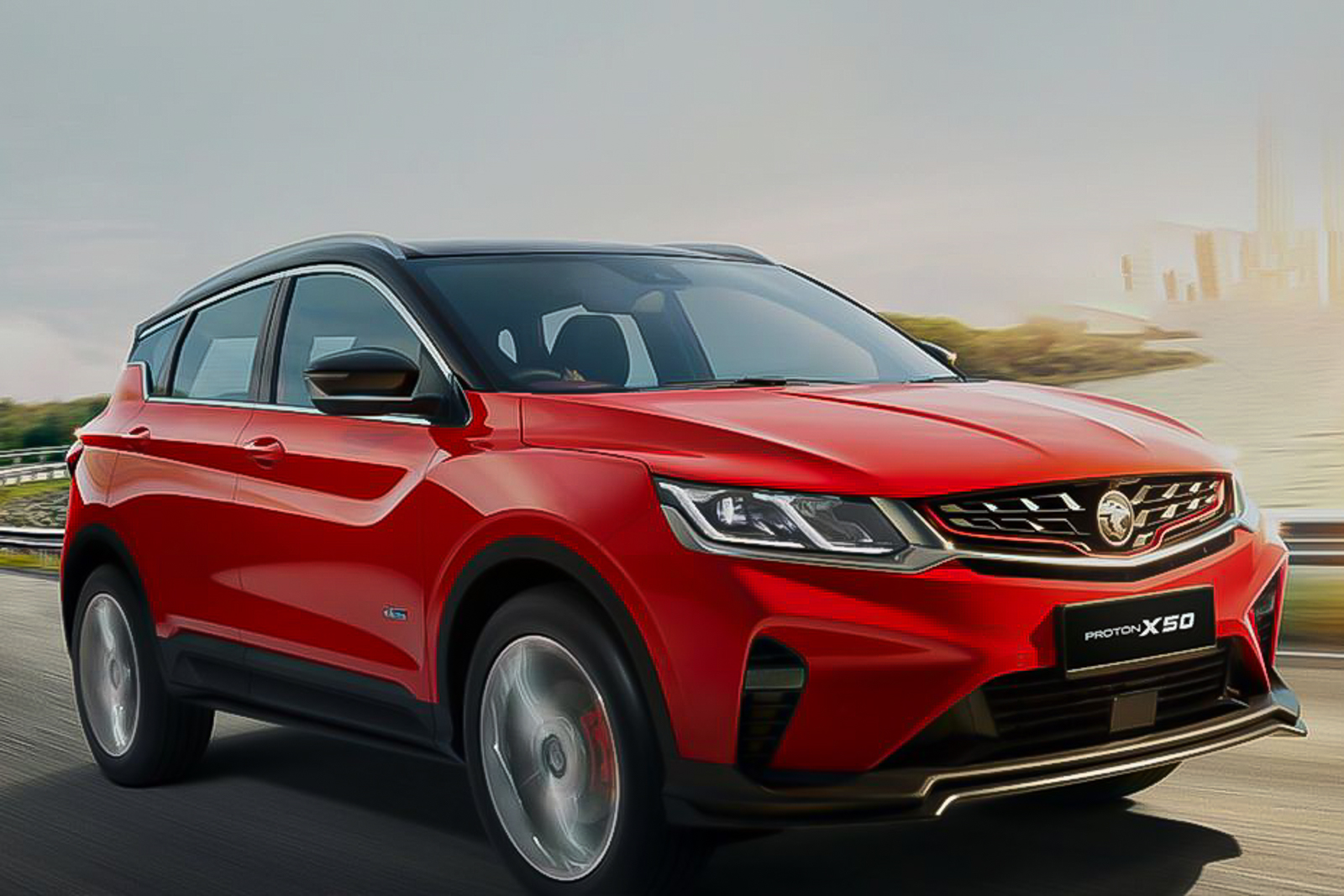
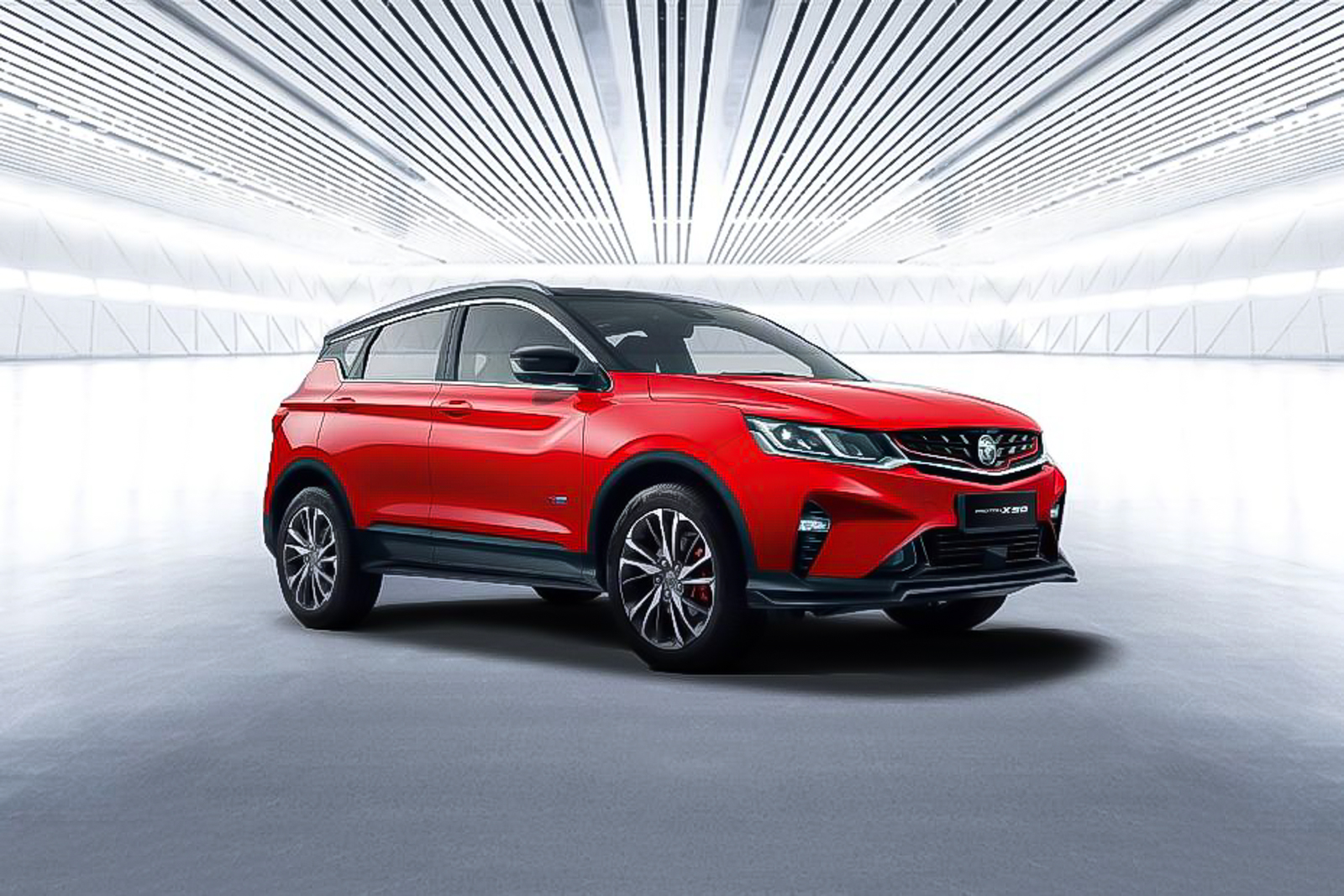
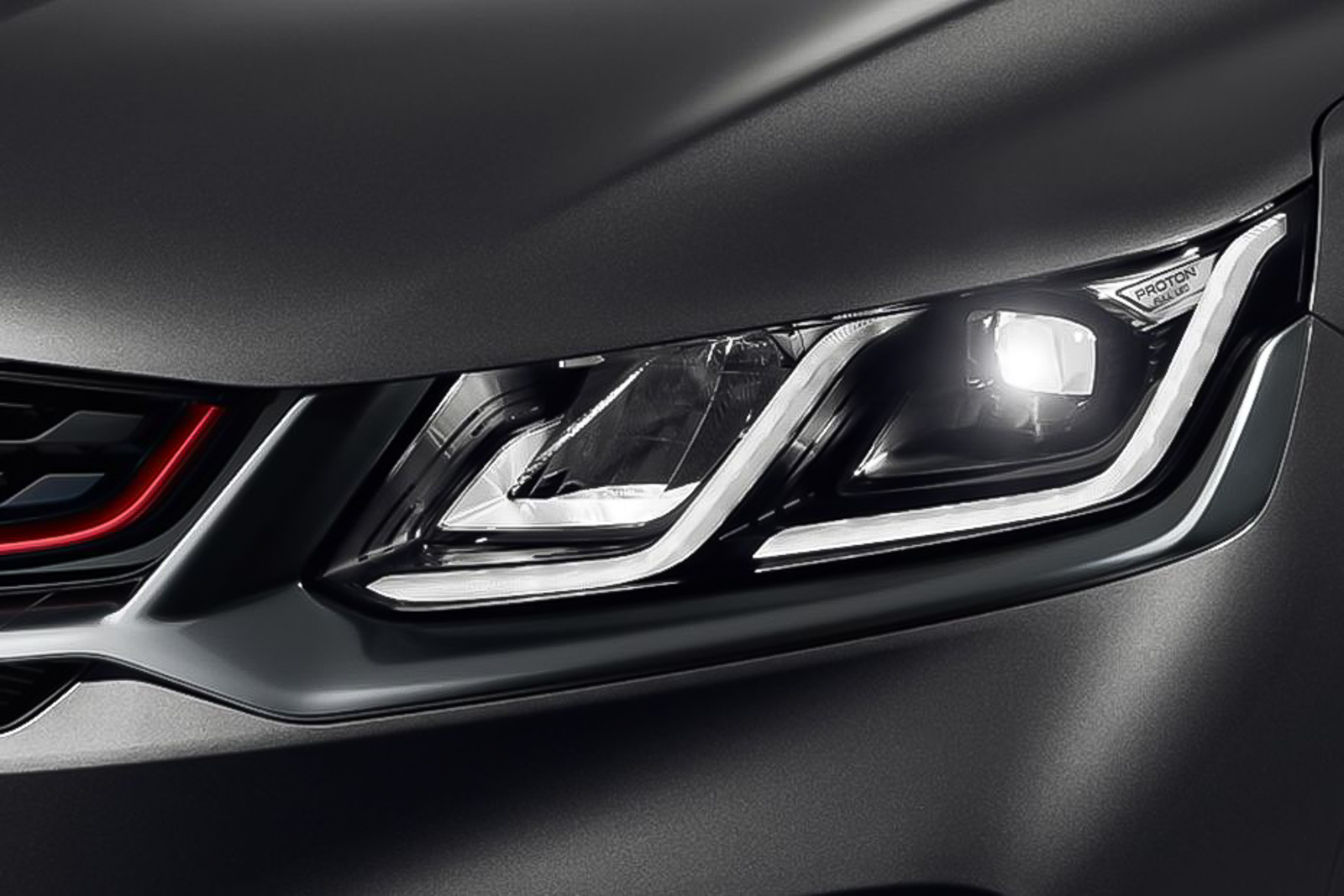
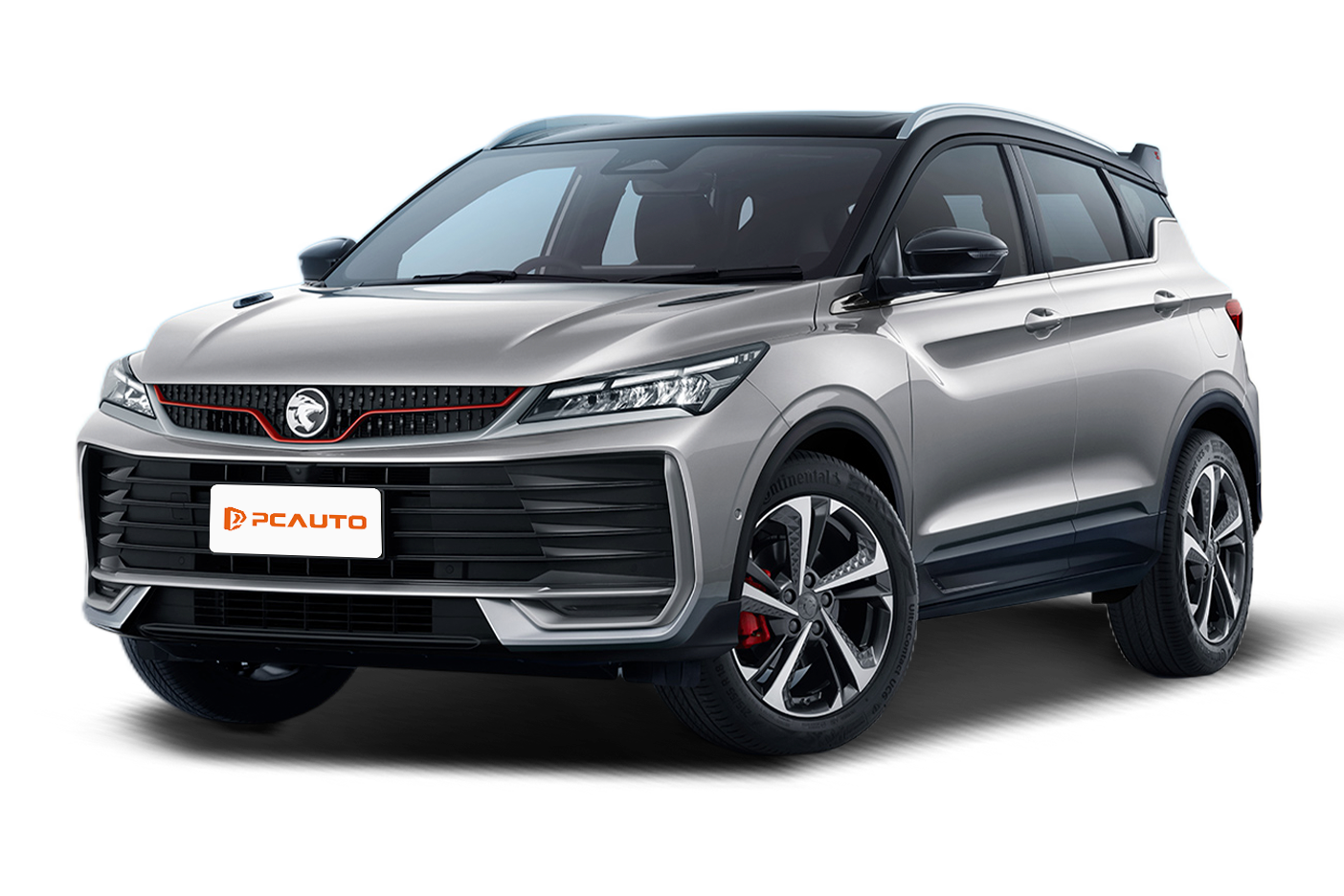
From the front view, the 2024 X50 Premium continues the family design style of previous models but emphasizes a sportier feel in the details: a large blackened front grille paired with a connecting chrome strip, and LED headlight groups on both sides that align perfectly with the grille, offering high recognizability when illuminated—especially since the automatic headlight function can respond quickly in tunnels or rainy conditions, making daily use very convenient. The side profile is sleek, with a length of 4330mm and a wheelbase of 2600mm, positioning it at the mainstream level in its class. The 18-inch dual-tone wheels paired with 215/55 R18 tires visually look more stable than the older version. The rear LED taillight design remains connected, making it easily identifiable at night; the silver skid plate on the rear bumper retains the ruggedness of an SUV. Overall, the exterior design is "understated but durable," catering to the aesthetic preferences of most family users.
Sitting inside the vehicle, one can immediately notice the sincerity in the choice of materials: the upper part of the dashboard is made of soft material, and the inner sides of the door panels are wrapped in leather, with almost no cheap hard plastics in touchable areas. The 10.25-inch center touchscreen size feels just right, with good operational smoothness, and it supports Apple CarPlay and Android Auto, making navigation and music playback after connecting a phone very convenient. Below the screen, a row of physical buttons remains for adjusting the air conditioning temperature and volume, which is more intuitive to use than a fully touch-based interface when operating by feel. In terms of features, the advantages of the top-end version are evident: the front driver and passenger seats are both 6-way electrically adjustable, which is very friendly for long drives. The rear seats have independent air-conditioning vents, ensuring that passengers seated in the back during summer won't feel stuffy. The 360-degree panoramic camera offers high clarity, ensuring that even novice drivers won't encounter blind spots when parking. As for space, the 2600mm wheelbase provides ample legroom in the rear; a 175cm tall passenger will still have two fist-widths of space between their knees and the front seats. The rear seats can be folded down in a 60:40 split; once folded, the trunk space expands to 1170 liters, capable of accommodating a baby stroller or suitcases, which is fully sufficient for everyday family use.
In terms of performance, the 1.5T three-cylinder turbocharged engine offers a maximum power of 150 PS and maximum torque of 226 Nm, paired with a 7-speed dual-clutch transmission. The power response is quite swift during start, reaching maximum torque at just 1500 rpm. Following cars in urban traffic does not feel sluggish. With a deep press of the accelerator, the transmission shifts smoothly and quickly, providing enough confidence for overtaking—for instance, going from 80 km/h to 120 km/h on the highway is a smooth process, without any obvious jerks. There are three driving modes available: Eco, Normal, and Sport. In Eco mode, the accelerator feels slightly less sensitive, suitable for daily commuting; whereas in Sport mode, the transmission stays in lower gears, delivering more direct power, ideal for moments when you want to have a bit of fun.
One of the highlights of the X50 is its chassis performance: the front MacPherson + rear torsion beam suspension setup is well-tuned, achieving a good balance. When passing speed bumps or bumpy roads, the suspension quickly absorbs the shocks without unnecessary bouncing. On mountain roads, the body roll is well-controlled, the steering is precise, and the steering wheel has no dead zone, making it very easy to handle. The braking performance is also commendable, with a linear pedal feel. When braking hard, the braking force is released promptly, and the car remains stable during emergency braking without veering. As for fuel consumption, after a week of testing, the combined fuel consumption under urban conditions (traffic congestion + slow driving) is about 7.2L/100km, while on highways it drops to 5.8L/100km. For a 1.5T SUV, this performance is above average. With a fuel tank capacity of 45L, a full tank allows for roughly 600 kilometers of driving, eliminating the need for frequent refueling.
In terms of noise control, the interior is very quiet at speeds below 80km/h, with minimal tire and wind noise. Once speeds exceed 100km/h, some wind noise may come from the A-pillar but it doesn't hinder normal conversations. The seat comfort is also commendable, with moderate support, ensuring that long drives of two to three hours are not tiresome. The rear seatback angle is quite natural, so prolonged sitting won't cause back discomfort.
Overall, the core advantages of the 2024 Proton X50 1.5T Premium are very clear: it's the most feature-packed in its class, offers sufficient space, smooth power delivery, and economic fuel consumption. Compared to competitors in the same class like the Honda HR-V or Toyota Corolla Cross, it is more affordable while offering higher specifications—such as electric seats and a 360-degree panoramic camera, which are typically optional extras in rival models at the same price point. Regarding dynamic performance, it does not compromise on smoothness despite being equipped with a three-cylinder engine, and the chassis tuning meets the needs of family users looking for comfort.
If you're a family user who values cost performance and features, primarily using the car for commuting and weekend family outings, then the X50 Premium is definitely worth considering. It doesn't require you to compromise on a particular feature, and its well-rounded performance covers most day-to-day usage scenarios. If you're after extreme performance or brand premium, it may not be the best option, but for 80% of average consumers, it is more than sufficient.
All in all, the 2024 Proton X50 1.5T Premium remains the "value-for-money king" in the B-Segment SUV market—with a price of less than 105,000 RMB, it offers class-leading features and balanced dynamic performance, fully meeting the core needs of family users. If you're currently considering an SUV in this class, you might want to visit a dealership for a test drive—its real-world performance may exceed your expectations.
Proton X50 Car Compare
Proton X50 Loan Calculator
More Proton Reviews
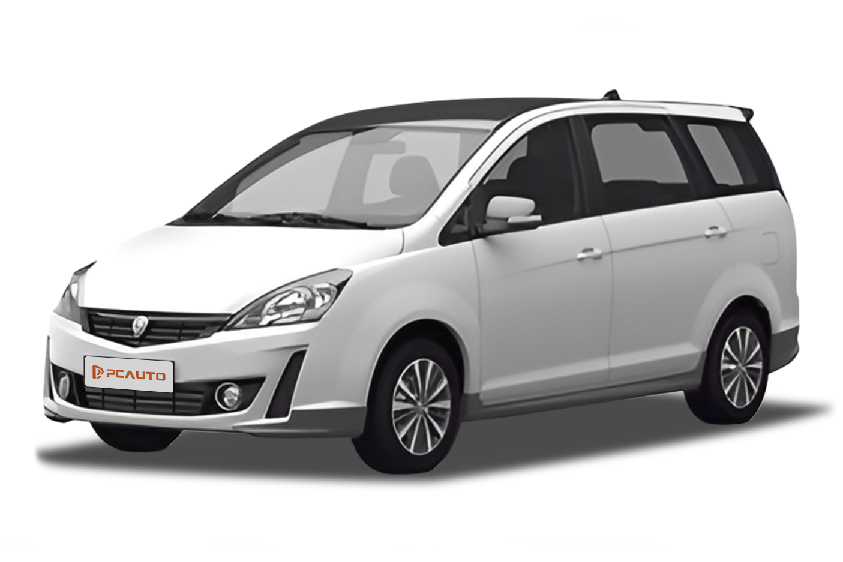
Cars With Similar Price And Features
4
Rank in SUV
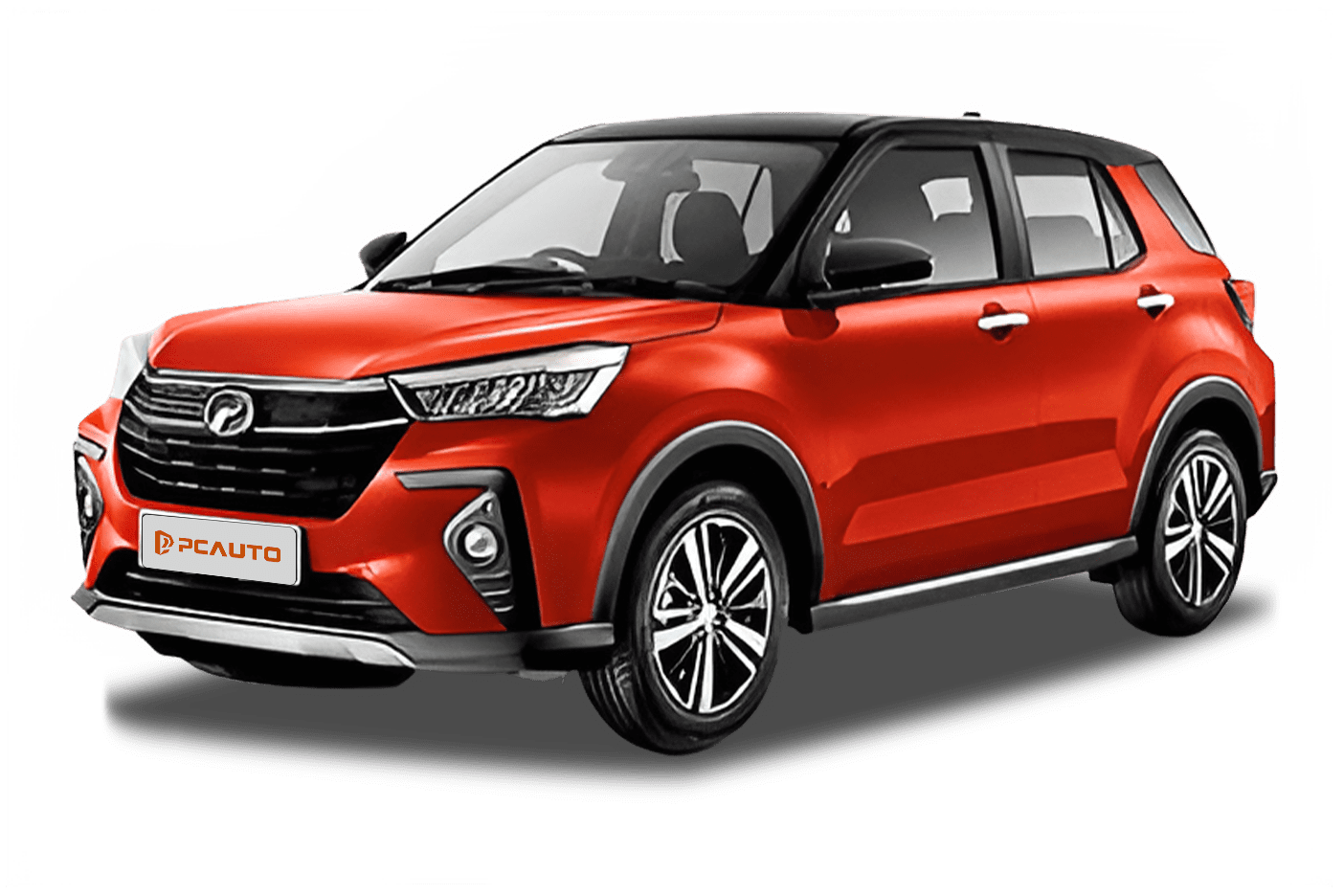
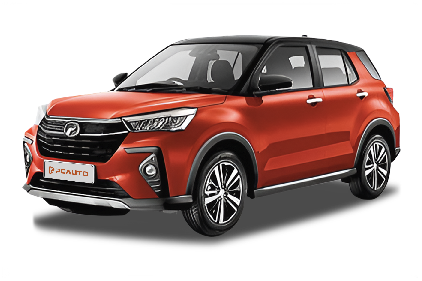
2023 Perodua Ativa 1.0L Turbo X, as a high-value-for-money entry-level B-SUV, meets the commuting and short-distance travel needs of family users with advanced safety features, practical space, and economical fuel consumption.
15
Rank in SUV
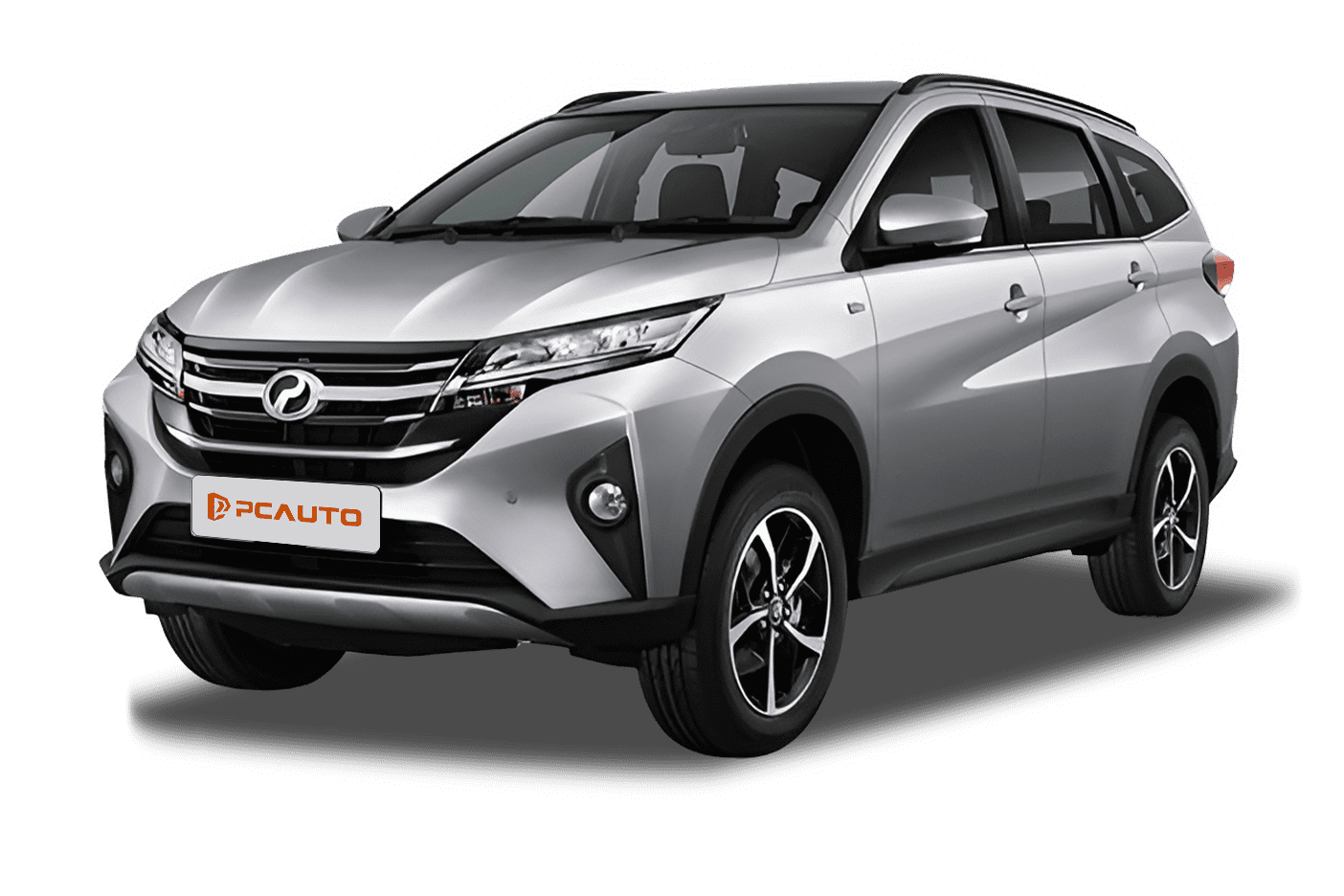
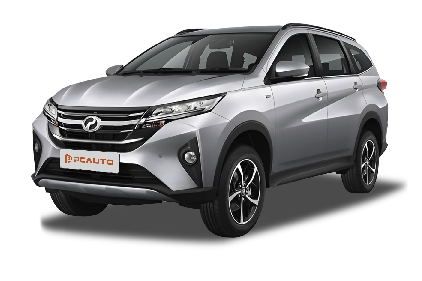
The 2023 Perodua Aruz 1.5L X is a high-value-for-money B-segment 7-seater SUV, offering 6 airbags and active safety systems as standard equipment for under RM63k. It balances practical space and daily commuting needs, making it a pragmatic choice for budget-conscious families.
3
Rank in SUV
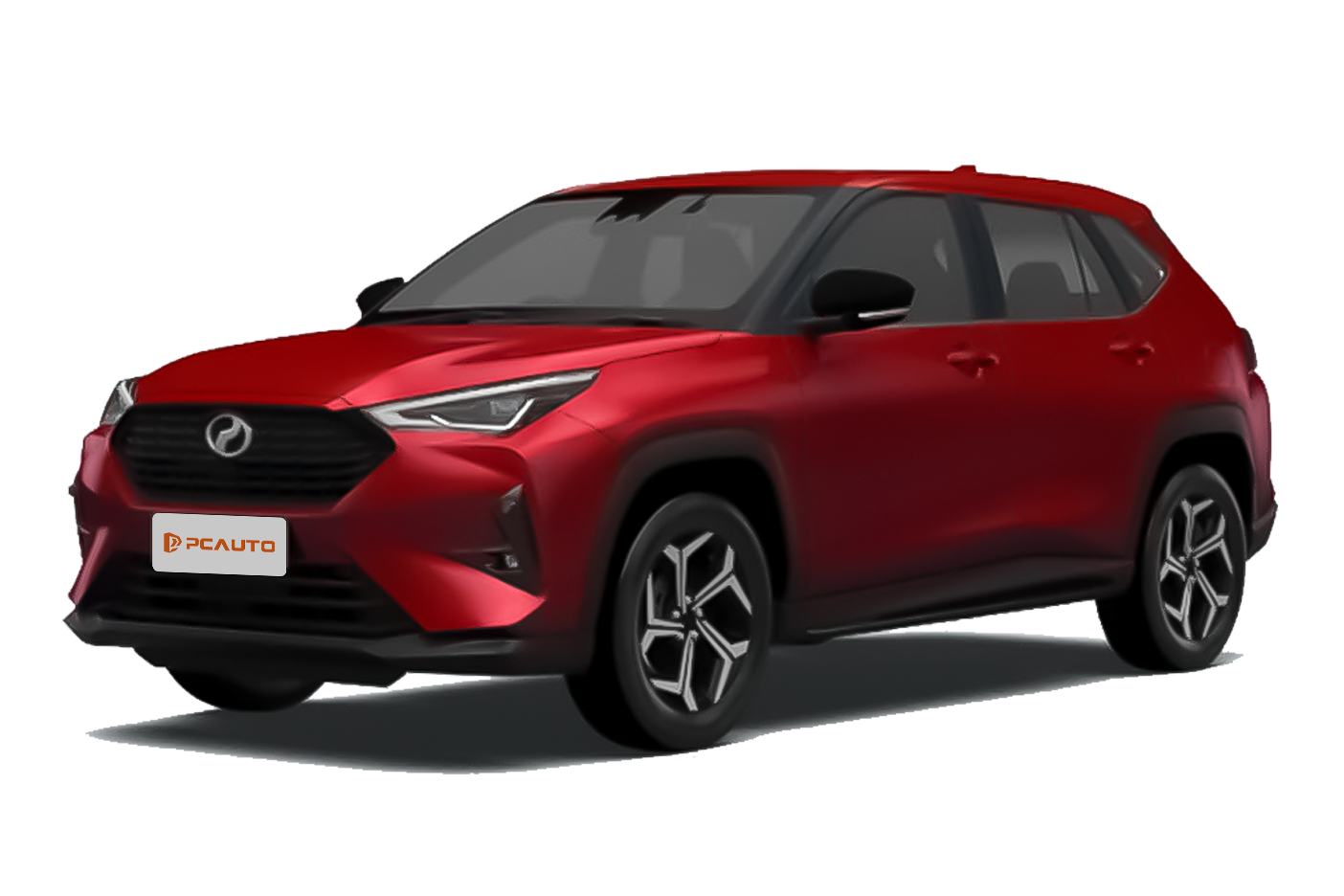
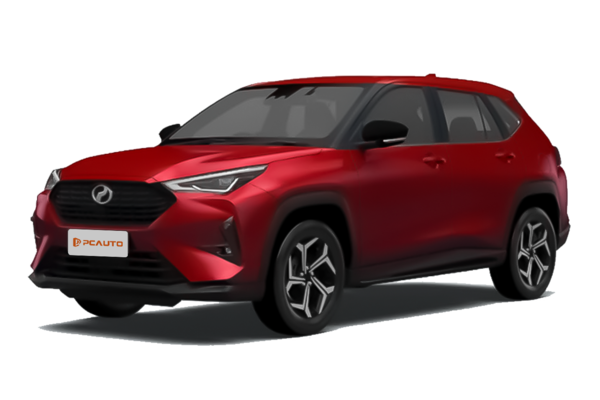
2025 Perodua Traz X, positioned as a B-segment SUV for family users, highlights advanced safety features, 210mm high ground clearance, and practical spaciousness as its main selling points, balancing flexibility and practicality.