

2024 Proton X50 1.5T Standard Review

 Share
Share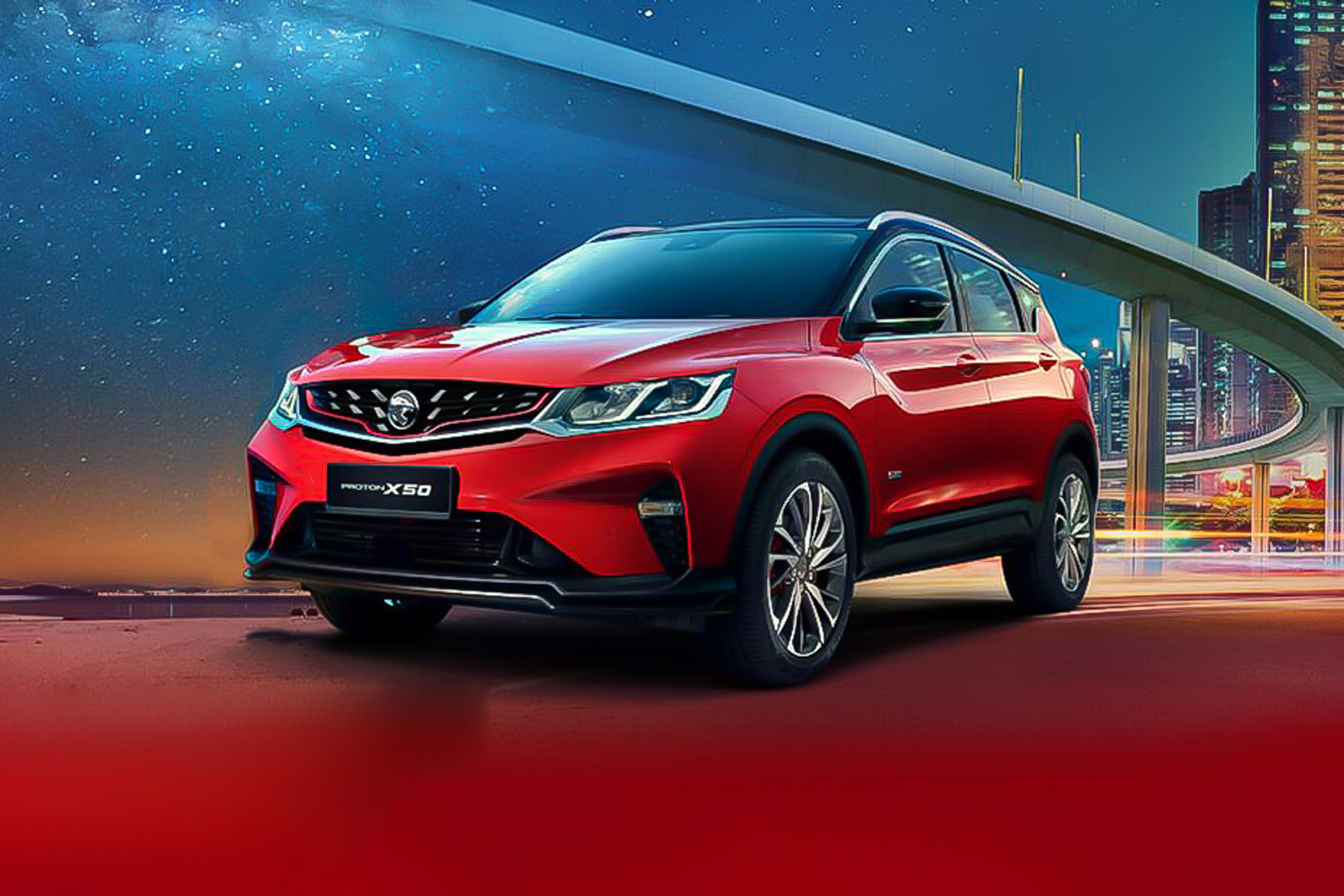
 Segment
 Body Type
 Capacity(L)
 Engine Power(PS)
 Engine Torque(Nm)
 Transmission
The competition in Malaysia's B-Segment SUV market has always been fierce, with consumers looking for fuel efficiency for daily commuting, as well as sufficient space and basic smart features—the 2024 Proton X50 1.5T Standard Edition happens to target this demand pain point. As the entry-level version of the X50 series, it retains the core powertrain and practical configurations with a guide price of RM 86,300. This test drive focuses on verifying whether the entry-level model can meet the basic needs of most family users and whether the reduction in features affects daily experience.
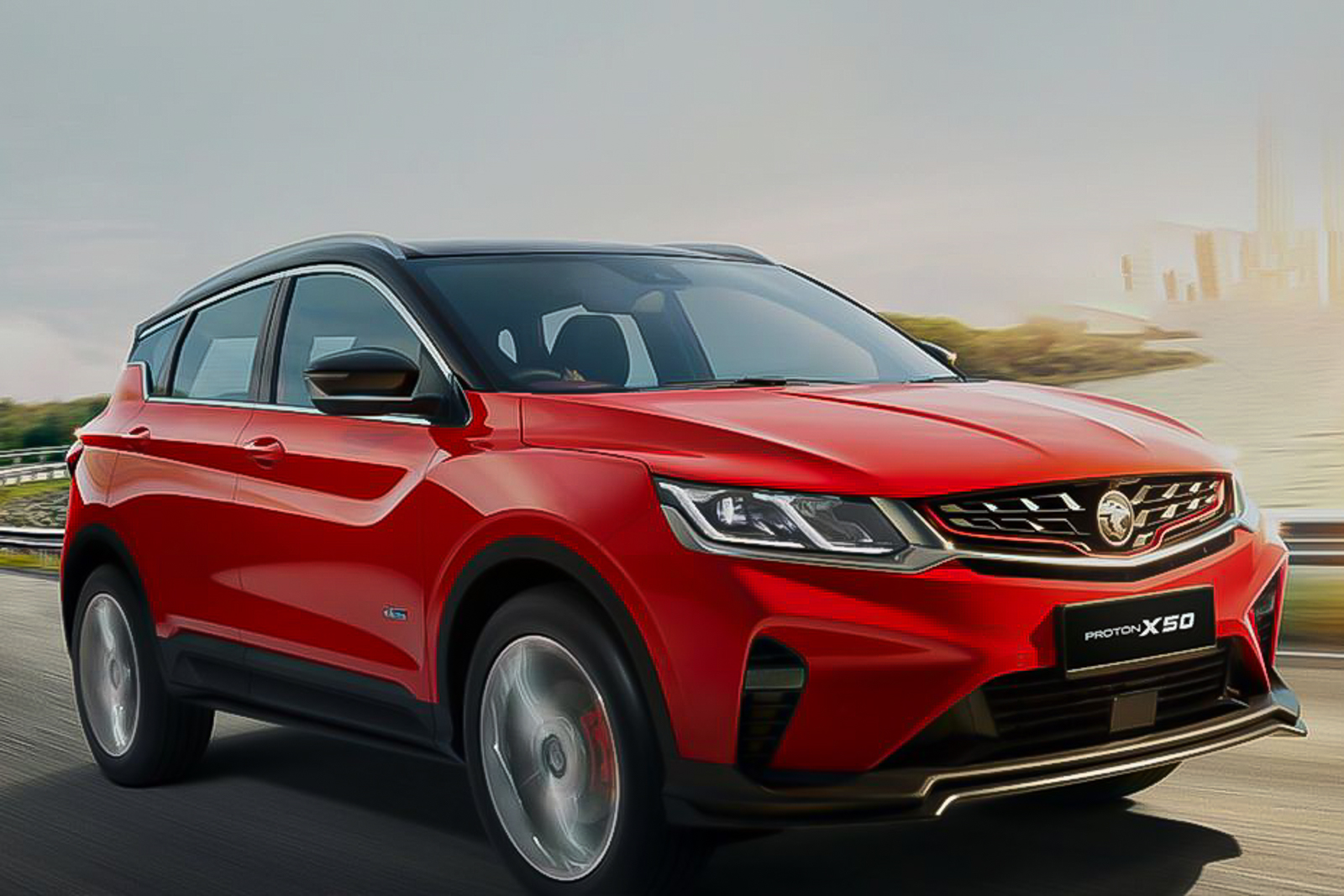
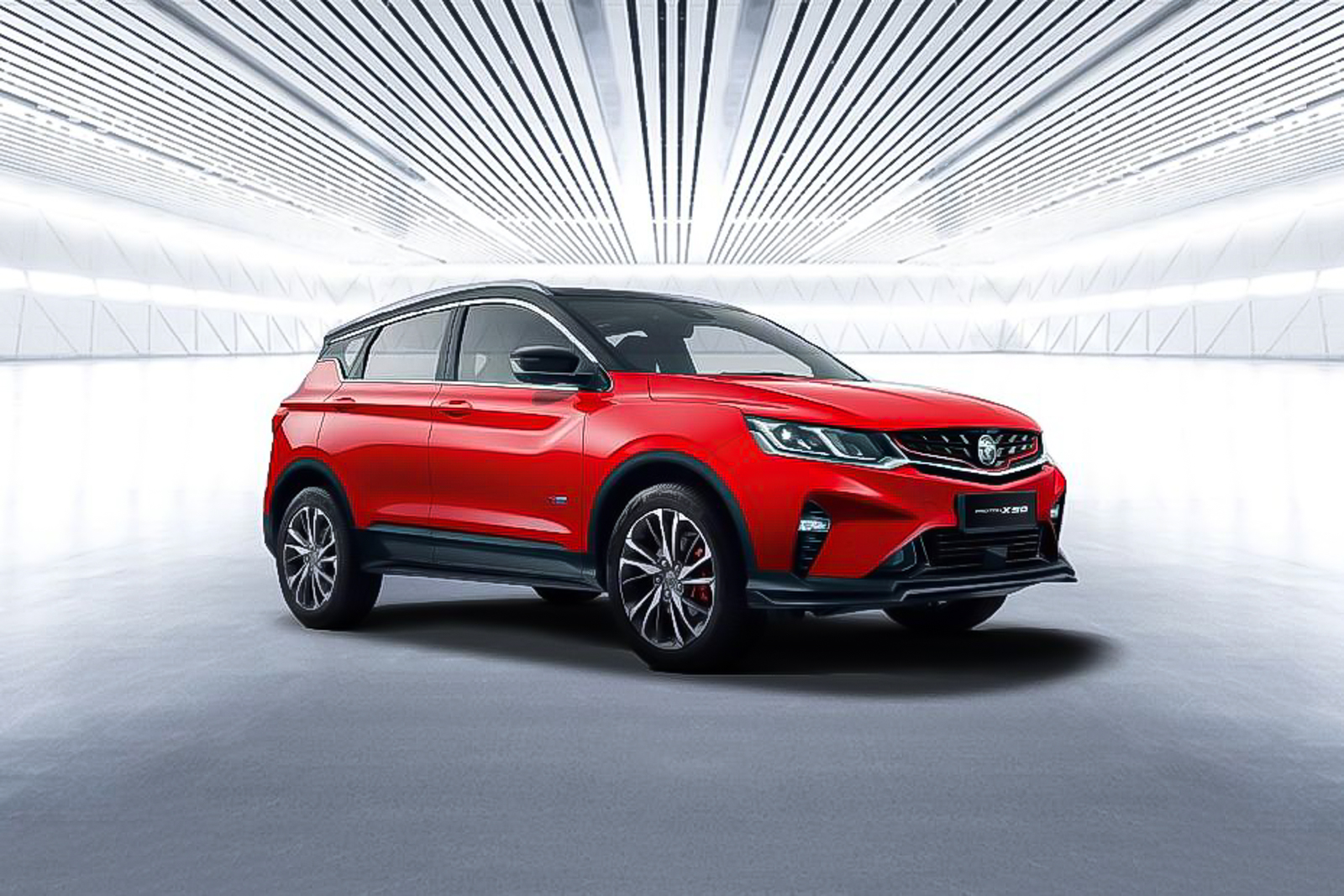
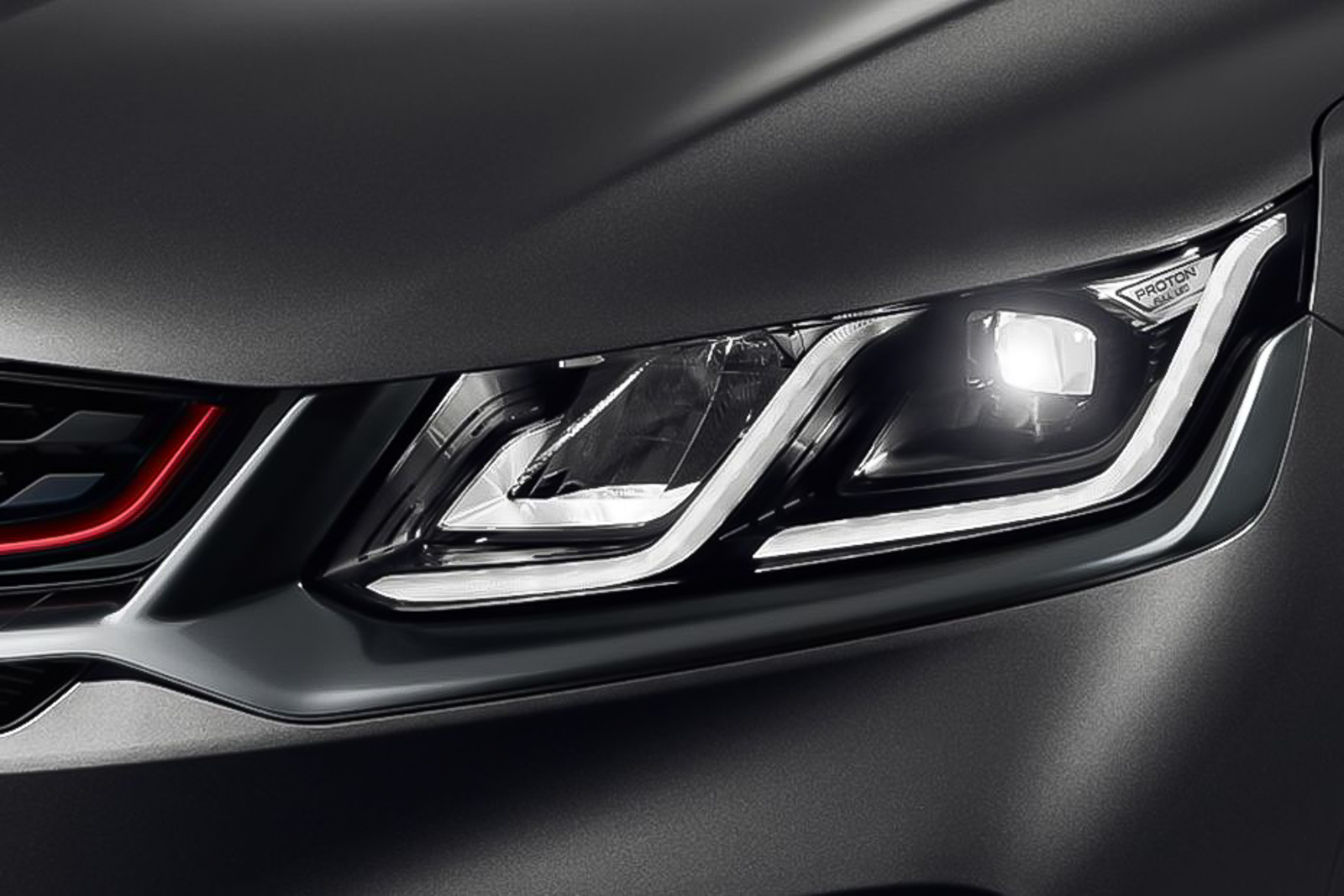
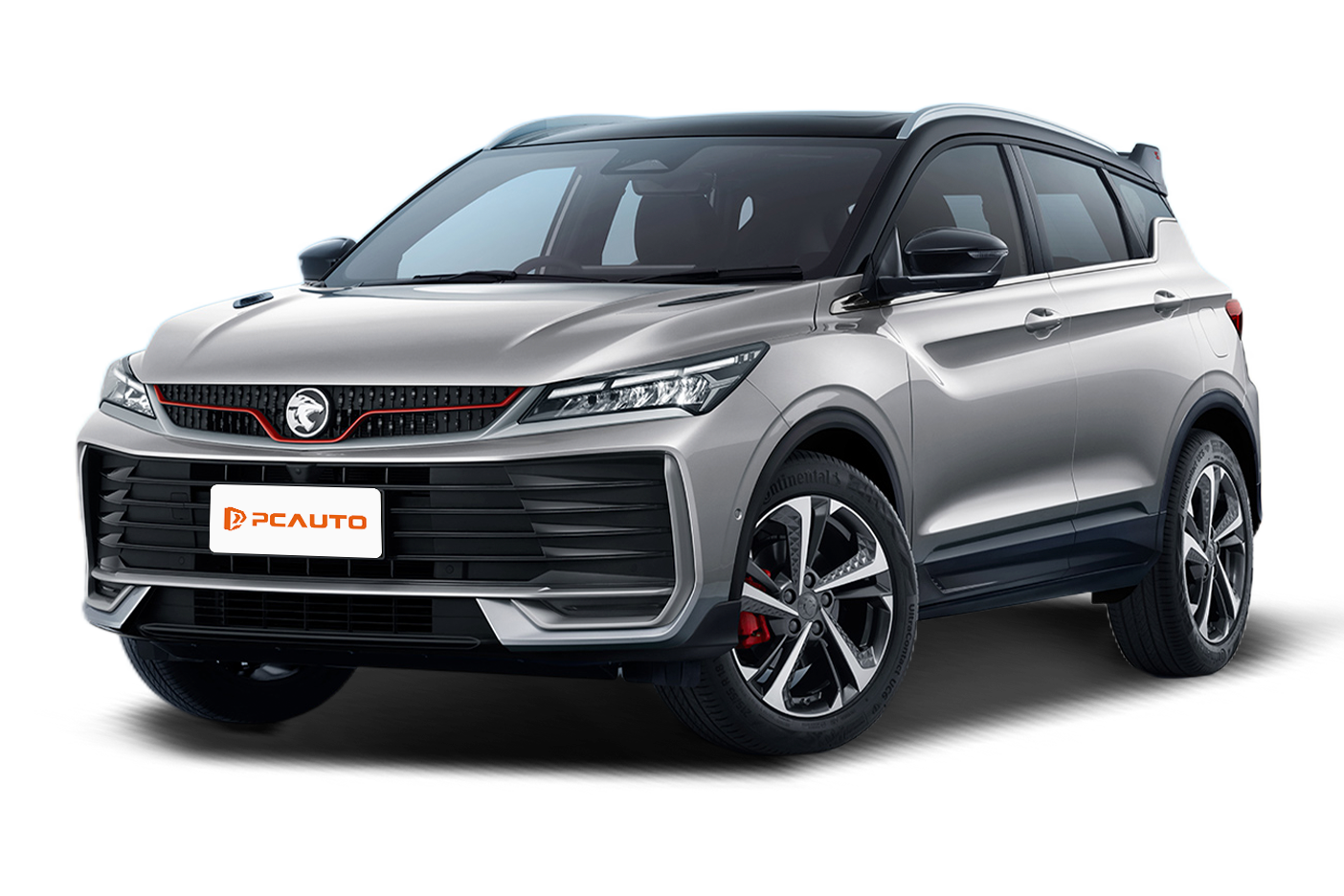
At first glance, the 2024 X50 Standard continues the sporty style that is iconic to the series. The front grille with an "infinite matrix" design is moderately sized and paired with sharp LED headlights on both sides, giving it high recognition value. The black plastic surrounds on the lower front lip add a touch of rugged SUV character, though it lacks the chrome trims of the higher variants, appearing more practical. The side profile features smooth lines, with 17-inch multi-spoke alloy rims (tire size 215/60 R17) well-proportioned to the body, avoiding a slim appearance. The shoulder line runs from the fender through to the taillights, elongating the visual effect. The rear LED taillights adopt a through-type design, creating a striking effect when lit. The black protective panel on the rear bumper and the dual exhaust trim (actual exhaust is concealed) maintain the sporty positioning. The overall exterior design avoids unnecessary flamboyance, making it a timeless and mainstream aesthetic.
Sitting inside, the interior style leans towards simplicity and practicality. The center console is made largely of hard plastic, but the stitched texture and silver trims prevent it from looking cheap. The steering wheel is multifunctional, with the left side controlling the audio and phone, while the right side adjusts the trip computer. The button feedback is clear, and the manual adjustment range accommodates drivers of different heights. The 10.25-inch touch infotainment screen is the visual centerpiece and supports Bluetooth, USB connectivity, and the Sound Plus feature. The operation is smooth, and although it lacks advanced features like navigation and connected services found in higher trims, it fully meets basic multimedia needs. The instrument cluster is traditional with analogue dials, complemented by a small monochrome LCD screen displaying core information like RPM, speed, and fuel consumption, which is intuitive to read.
In terms of space, the X50 Standard's dimensions of 4330mm×1800mm×1609mm and a wheelbase of 2600mm place it slightly above average in its class. The front seats have good support, and with a driver height of 175cm, there is still about a fist and two fingers' worth of headroom after adjusting seating position. Rear seat space is even more impressive; a passenger of the same height sitting in the back has about two fists of legroom and a fist of headroom, avoiding a cramped feeling. The center floor hump is low, so temporarily seating a third person won't feel too tight. As for storage capacity, the door storage compartments can fit two 500ml water bottles, and the center armrest and glovebox have a decent capacity. The rear seats support a 60:40 split-fold configuration, expanding the trunk volume from 330L to 1170L—enough for a stroller or suitcase. In terms of configurations, the front features manual air conditioning, but the rear passengers have independent air vents, ensuring they don't feel hot in summer. The front also has two USB ports for convenient phone charging.
Powertrain-wise, the X50 Standard is equipped with a 1.5T three-cylinder turbocharged engine, delivering a maximum power of 110kW (150PS) and a peak torque of 226N·m, paired with a 7-speed wet dual-clutch transmission. The throttle response is quite active at the start; a light press provides noticeable power output without feeling slow. At low to medium speeds, the gear shifts are smooth with no obvious jolts, and acceleration within 80km/h is very linear, making it well-suited for city commuting. When pressing the accelerator hard to reach 100km/h, there is sufficient power reserve, and as long as you accelerate slightly in advance, the transmission downshifts quickly, offering a decent push-back sensation. There are only two driving modes, Normal and Sport. In Sport mode, throttle sensitivity is increased, shift timing is delayed, and power output is more direct, but the Normal mode is sufficient for everyday use.
The handling and chassis performance align with its family-oriented positioning. The steering wheel has moderate resistance and good precision, with no obvious slack when cornering, providing enough confidence for the driver. The combination of front MacPherson independent suspension and rear torsion beam non-independent suspension is tuned for comfort. When going over speed bumps or uneven roads, the suspension filters out most of the smaller vibrations without causing harsh impacts. During high-speed cornering, the body roll is kept within a reasonable range without excessive swaying. The braking performance is also linear, with some slack in the initial pedal range, but once pressed further, the braking force is released evenly, keeping the vehicle stable during emergency braking.
Fuel consumption testing was a key focus. We drove 50km on city roads (half congested, half smooth) and 50km on highways, resulting in a combined fuel consumption of 7.2L/100km, slightly higher than the official figure of 6.5L/100km. However, considering the frequent acceleration and air conditioning usage during the test drive, this result is within a normal range for a 1.5T vehicle in the same class. In terms of noise control, the cabin remains relatively quiet under 60km/h, with minimal tire and engine noise. When speed exceeds 80km/h, wind noise can be heard from the A-pillar, but it does not affect normal conversations.
In summary, the core advantages of the 2024 Proton X50 1.5T Standard are very clear: in the RM 80k-90k price range, it retains the key 1.5T powertrain, offers adequate space, and practical features, without compromising the basic experience even as an entry-level model. Compared to rivals in the same segment, such as the Honda HR-V 1.5 S (priced at RM 109,900), the X50 Standard is nearly RM 20k cheaper, with minimal differences in power and space. Compared to the Perodua Ativa 1.0T Advance (priced at RM 79,900), it is slightly more expensive but offers more power and a larger space.
This vehicle is best suited for budget-conscious families—it saves fuel for daily commutes, has enough space for family outings on weekends, includes essential features, and has manageable maintenance costs under Proton's well-established system. If you are on a tight budget but want an SUV with decent power and ample space, the X50 Standard is definitely worth considering.
Proton X50 Car Compare
Proton X50 Loan Calculator
More Proton Reviews
Cars With Similar Price And Features
4
Rank in SUV
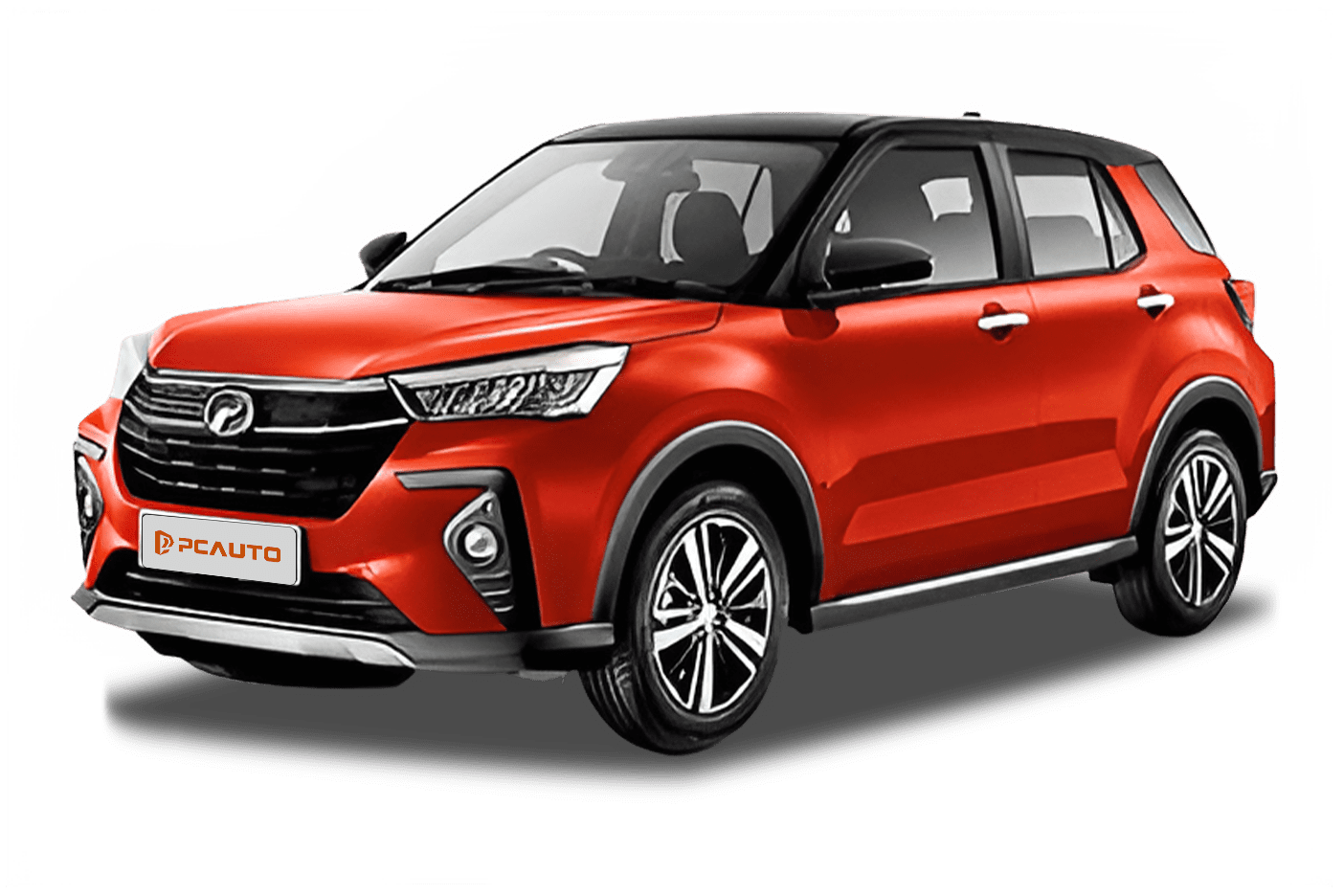
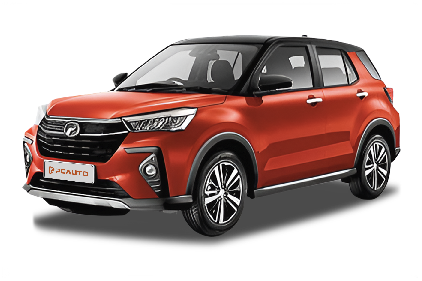
2023 Perodua Ativa 1.0L Turbo X, as a high-value-for-money entry-level B-SUV, meets the commuting and short-distance travel needs of family users with advanced safety features, practical space, and economical fuel consumption.
15
Rank in SUV
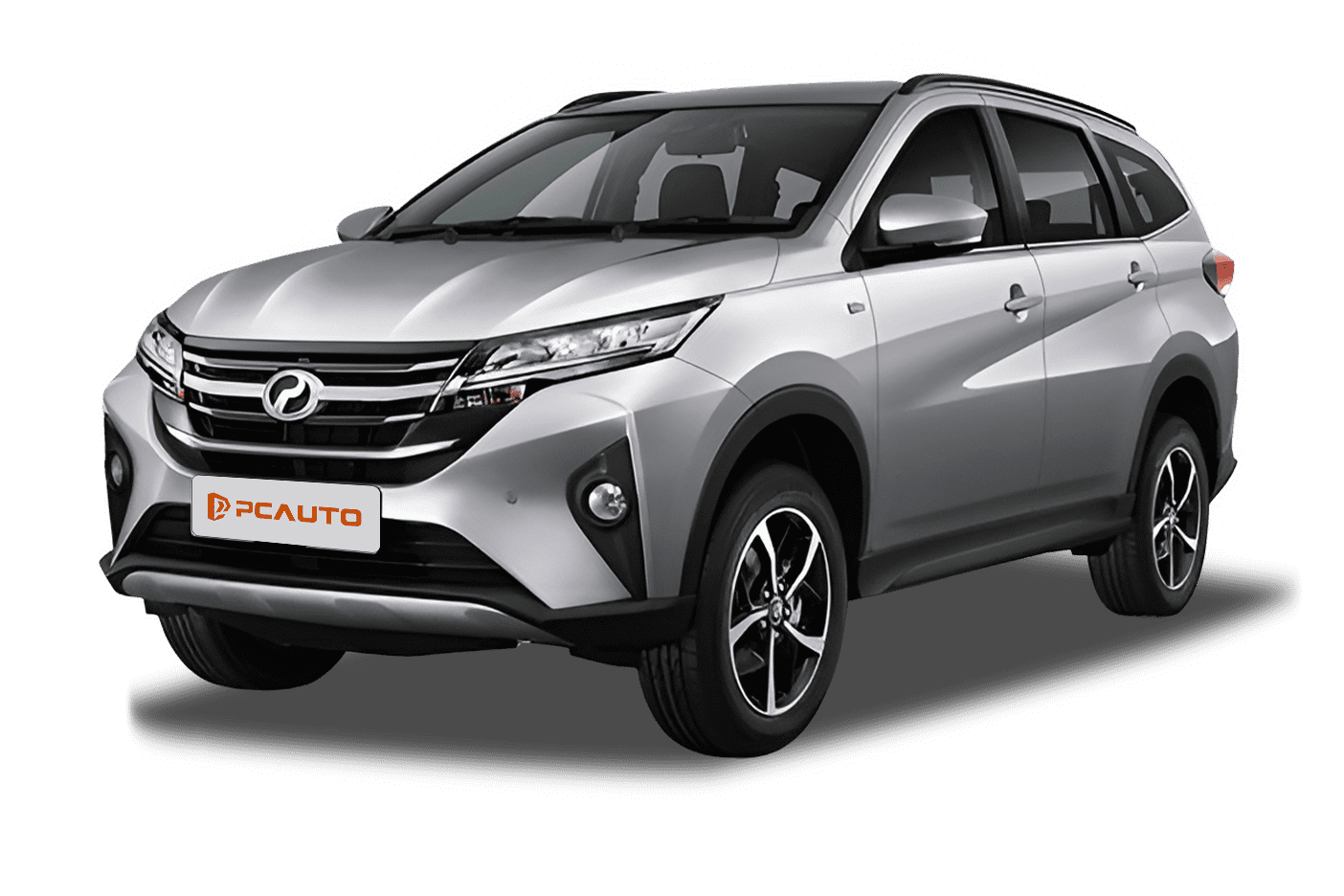
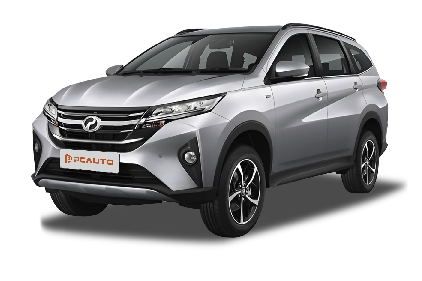
The 2023 Perodua Aruz 1.5L X is a high-value-for-money B-segment 7-seater SUV, offering 6 airbags and active safety systems as standard equipment for under RM63k. It balances practical space and daily commuting needs, making it a pragmatic choice for budget-conscious families.
3
Rank in SUV
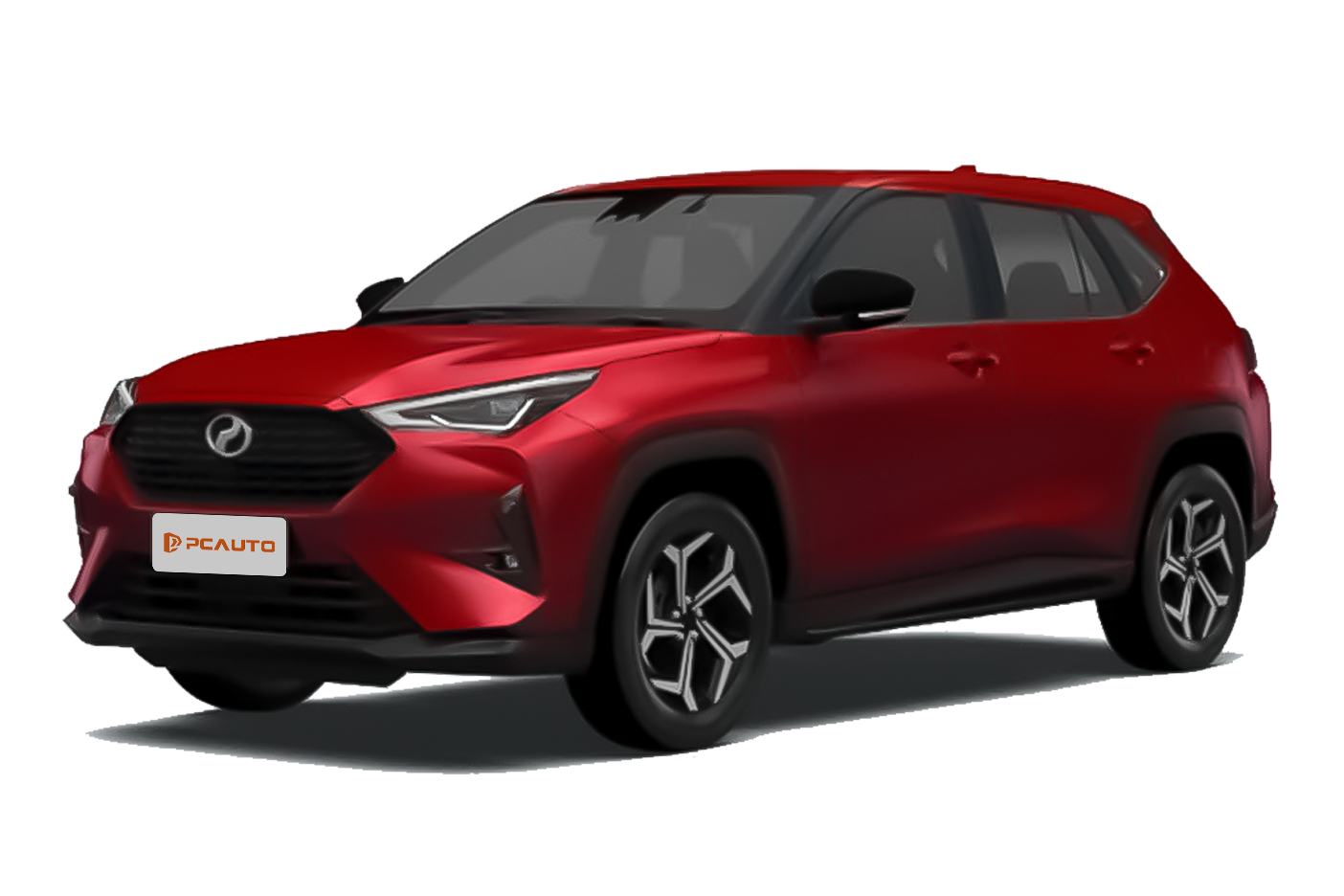
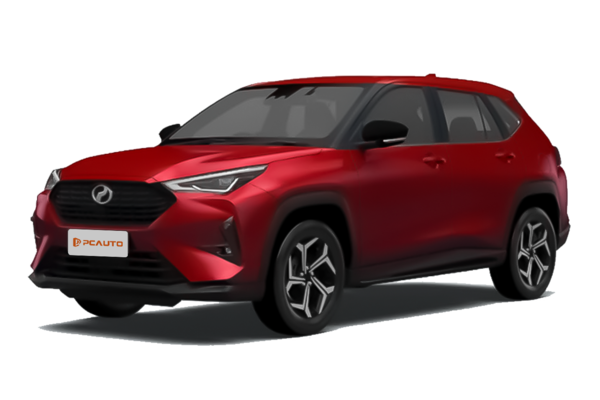
2025 Perodua Traz X, positioned as a B-segment SUV for family users, highlights advanced safety features, 210mm high ground clearance, and practical spaciousness as its main selling points, balancing flexibility and practicality.