

2024 Proton X70 1.5 TGDi Premium Review

 Share
Share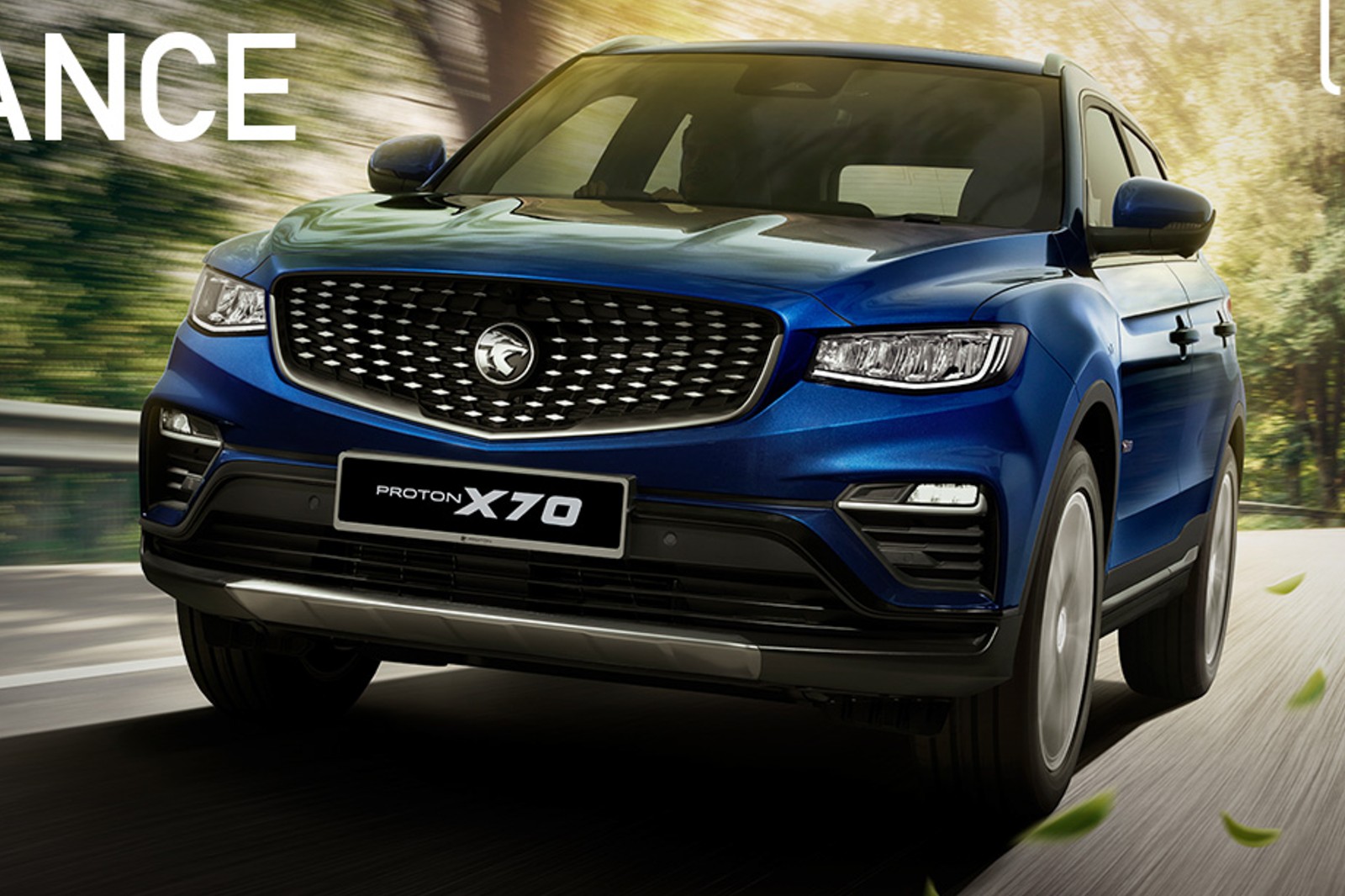
 Segment
 Body Type
 Capacity(L)
 Engine Power(PS)
 Engine Torque(Nm)
 Transmission
In 2024, competition in Malaysia's C-Segment SUV market remains intensely fierce, as family users increasingly demand "spacious interior + high configurations + balanced fuel efficiency." Launched this August, the Proton X70 1.5 TGDi Premium, as a mid-cycle facelift of the brand's flagship SUV, not only maximizes intelligent safety configurations but also maintains a budget-friendly price, sparking curiosity among potential buyers: Can it continue its reputation as the "national SUV"? This test drive focuses on three core aspects: detailed upgrades after the facelift, dynamic driving quality, and practicality in daily use, to provide you with the most authentic experience.
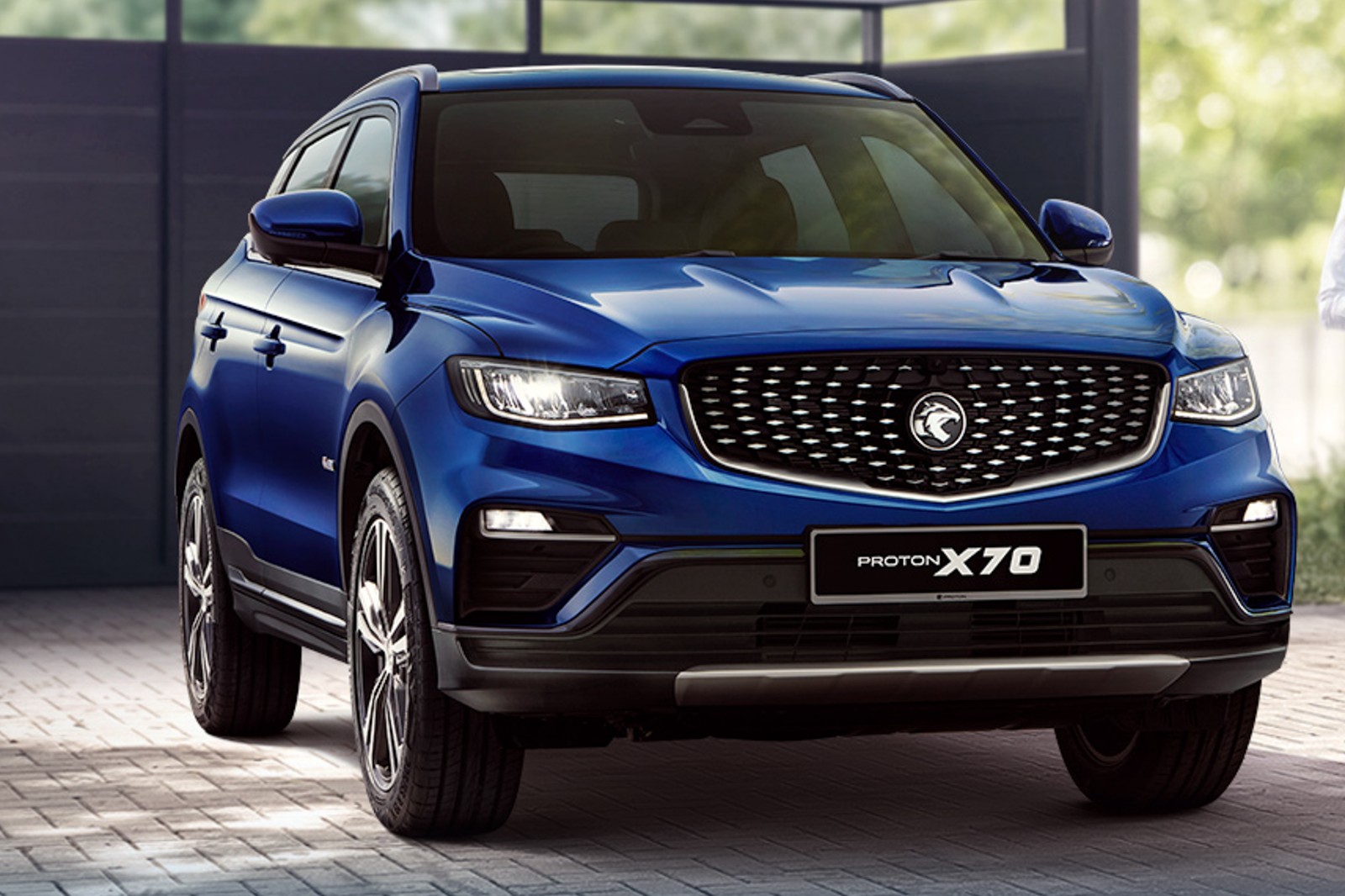
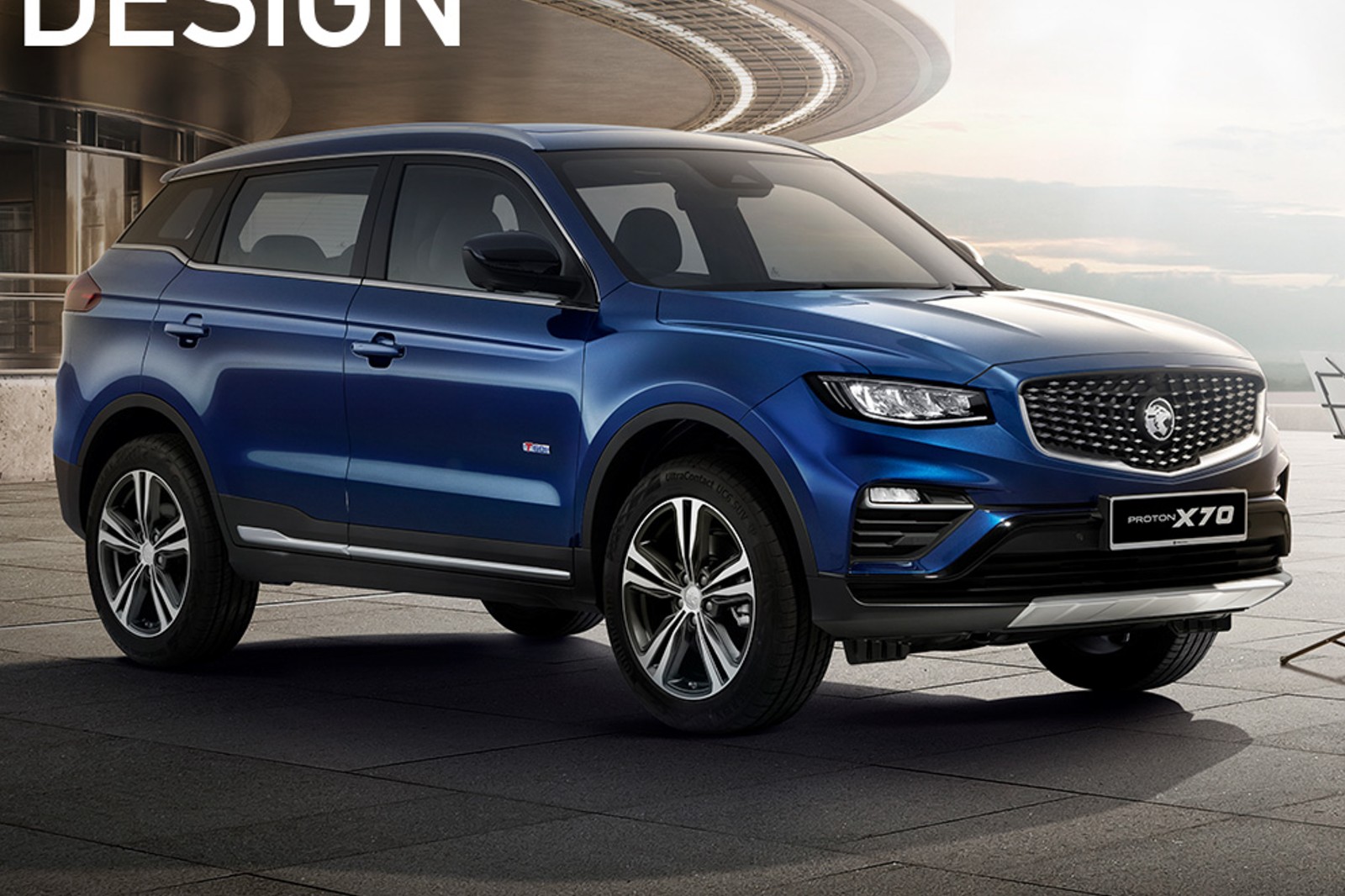
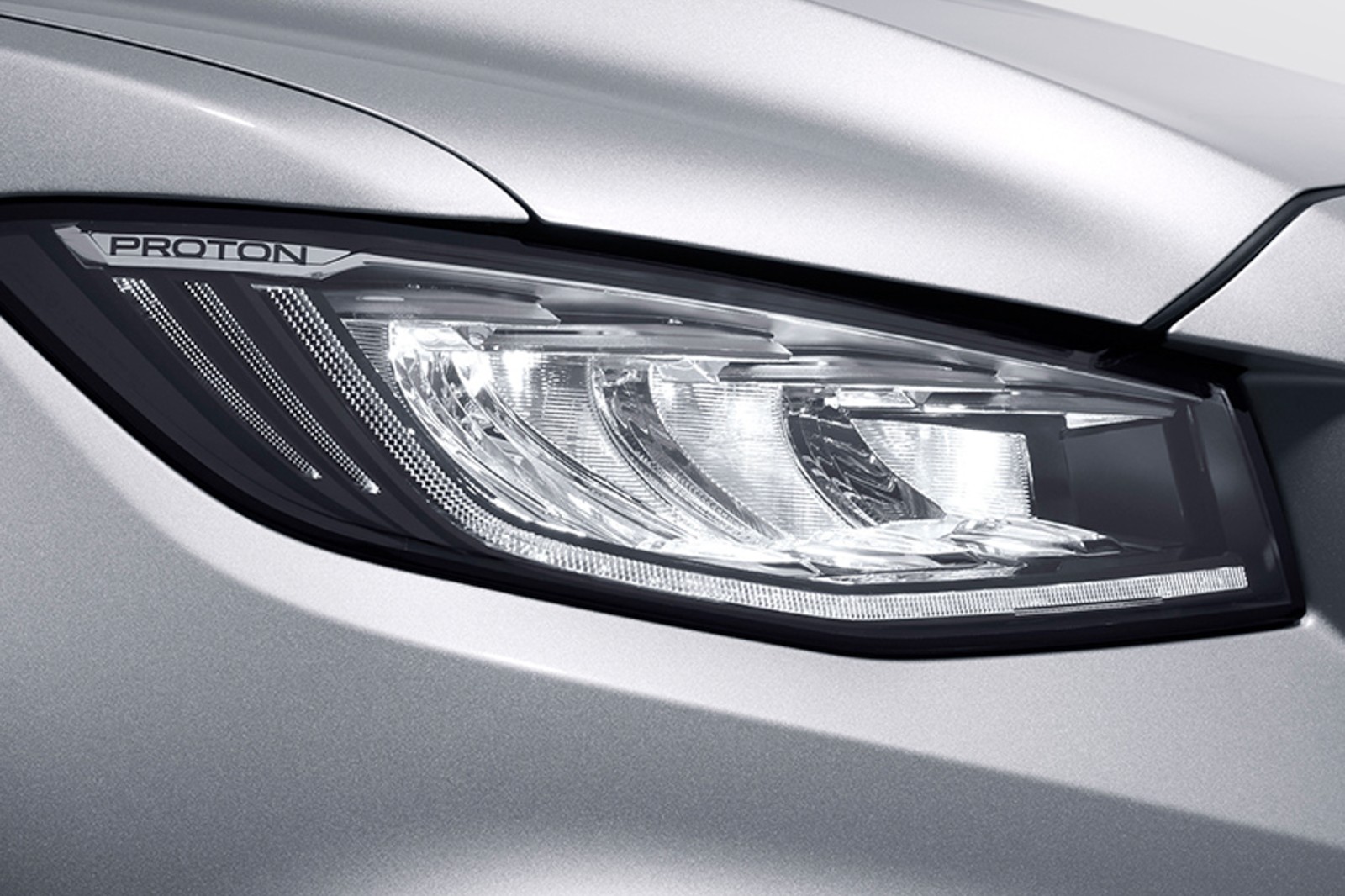
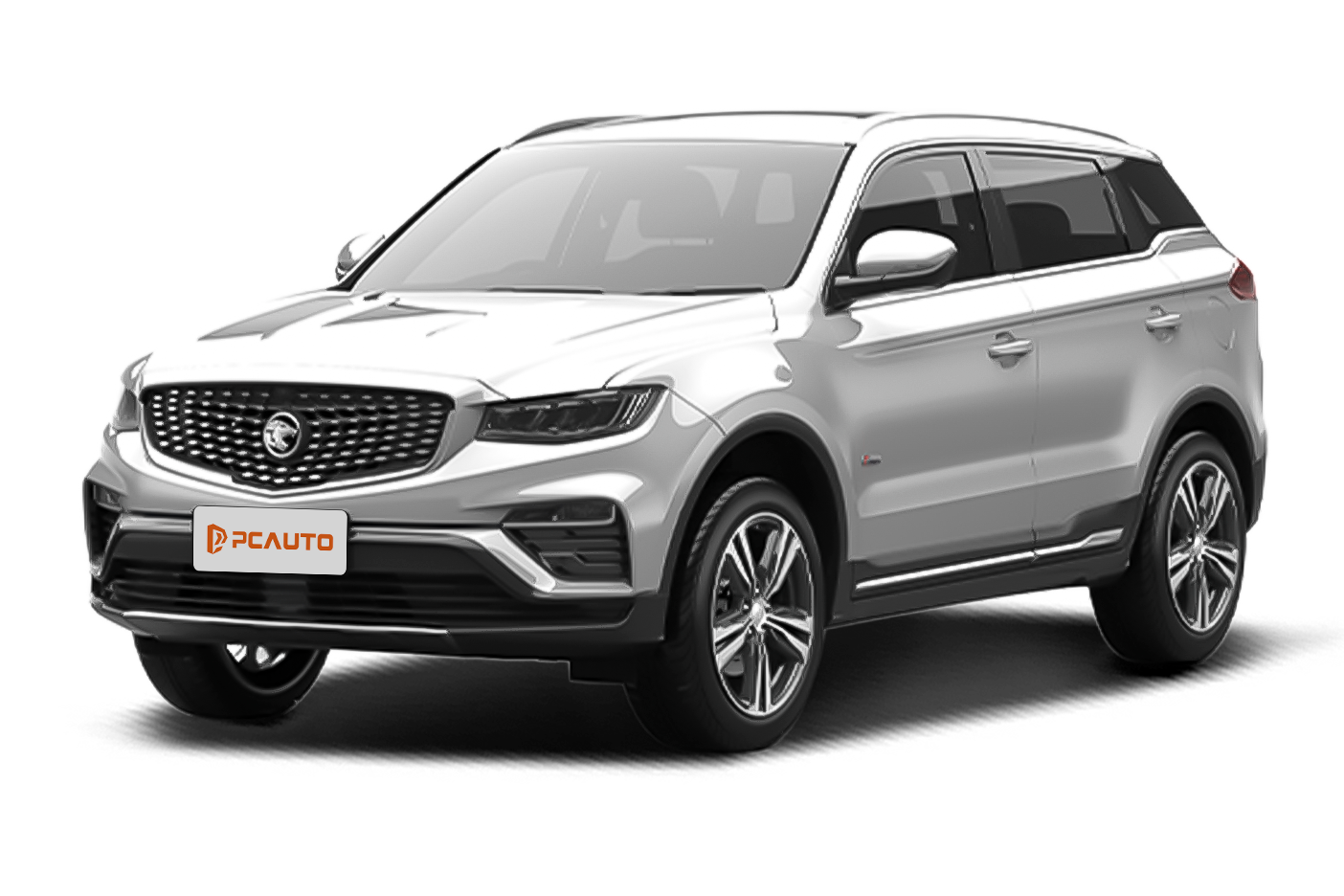
In terms of appearance, the 2024 X70 Premium continues the family-style "Infinite Weave" design language, but detailed adjustments enhance its recognizability. The large front grille features a blacked-out vertical slat design paired with silver trim, creating a more stable visual focal point; the internal structure of the LED headlights on both sides has been optimized, and the daytime running lights adopt a segmented design, giving off a more technological feel when lit. The side profile of the body is smooth, with 19-inch multi-spoke aluminum alloy wheels (225/55 R19 specification) filling the gaps in the wheel arches. Coupled with a waistline extending from the front fender to the rear, the overall proportions are well-balanced. The most noticeable change at the rear is the through-type LED taillight, embedded with the "PROTON" lettering in the middle, offering maximum recognizability when illuminated at night. Chrome dual-exhaust embellishers on both sides enhance its sporty appeal.
Stepping inside, the interior feels more luxurious compared to the previous model. The dashboard uses soft-touch materials combined with imitation wood trim, boasting a delicate texture. A 12.3-inch floating central control screen replaces the previous 8-inch screen, offering higher resolution and smoother operation, supporting Bluetooth, CarPlay, and Android Auto. The fully digital instrument cluster provides clear display, with three theme modes to switch between, and can display real-time fuel consumption, tire pressure, and driving assistance status. In terms of configuration, the front row features a 6-way electrically adjustable driver’s seat and a 4-way electrically adjustable passenger seat, with soft cushioning and decent support. The rear row has independent air conditioning vents and USB charging ports, with an almost flat floor. A passenger of 175cm height will still have two fists' worth of legroom. Storage performance is impressive: door storage compartments can hold two 500ml water bottles, the center armrest box is deep enough to fit a long wallet, and the trunk offers a standard capacity of 400L, expandable to 1141L by folding the rear seats, easily accommodating a baby stroller and two suitcases.
In terms of power, the new car is equipped with a 1.5T three-cylinder turbocharged engine, delivering a maximum power of 130kW (177PS) and a maximum torque of 255N·m, paired with a 7-speed wet dual-clutch transmission. In actual driving, the power response is quick during start-up, with no obvious turbo lag. When the accelerator is pressed deeply, the transmission shifts gears actively, and the official 0-100 km/h acceleration time is 9.8 seconds, which is sufficient for daily overtaking or highway cruising. When switched to Sport mode, throttle sensitivity increases, the RPM is maintained above 2000rpm, and power delivery becomes more direct. Handling performance is moderate: The steering wheel feels light with accurate feedback, aligning with the positioning of a family SUV. The front MacPherson and rear multi-link independent suspension is tuned towards comfort, filtering out most bumps when driving over speed bumps or uneven roads. Rear passengers will not feel significant shaking. However, when cornering at high speeds, the body tilt is somewhat prominent, which is a common trait among SUV models.
In the fuel consumption test, we simulated daily commuting scenarios (30% urban congestion + 70% highway), with air conditioning and ACC adaptive cruise control activated throughout the journey. The final combined fuel consumption was 7.5L per 100km, slightly higher than the official 7.3L. Considering the vehicle weight of 1605kg, this result is middle-range among similar models. Safety features are a highlight: standard 6 airbags, ACC adaptive cruise control, lane departure warning, autonomous emergency braking, 360-degree panoramic camera, and blind-spot assist. Among these, the autonomous emergency braking system effectively detects vehicles and pedestrians ahead during testing, responding promptly. Noise control performs well, with minimal tire and wind noise at speeds below 80km/h; above 100km/h, wind noise slightly increases but does not interfere with in-car conversations.
Overall, the core advantages of the 2024 Proton X70 1.5 TGDi Premium lie in its "balanced features + practical space + affordable price." Compared to similar models like the Honda CR-V 1.5T or Toyota Corolla Cross 1.8L, it offers richer intelligent safety features while being approximately RM 20,000 cheaper, making it highly cost-effective. However, the issue of vibration with the three-cylinder engine is still slightly noticeable at idle, which might require some adaptation for consumers sensitive to cylinder counts.
This car is most suitable for family users who value cost-effectiveness—it offers ample space to meet daily commuting and short-trip travel needs, comprehensive safety features to ensure family safety, and balanced fuel consumption that won't significantly increase car maintenance costs. If your budget is around RM 120,000 and you're looking for a "well-rounded" family SUV, the 2024 Proton X70 Premium is worth considering in your shortlist.
Proton X70 Car Compare
Proton X70 Loan Calculator
More Proton Reviews
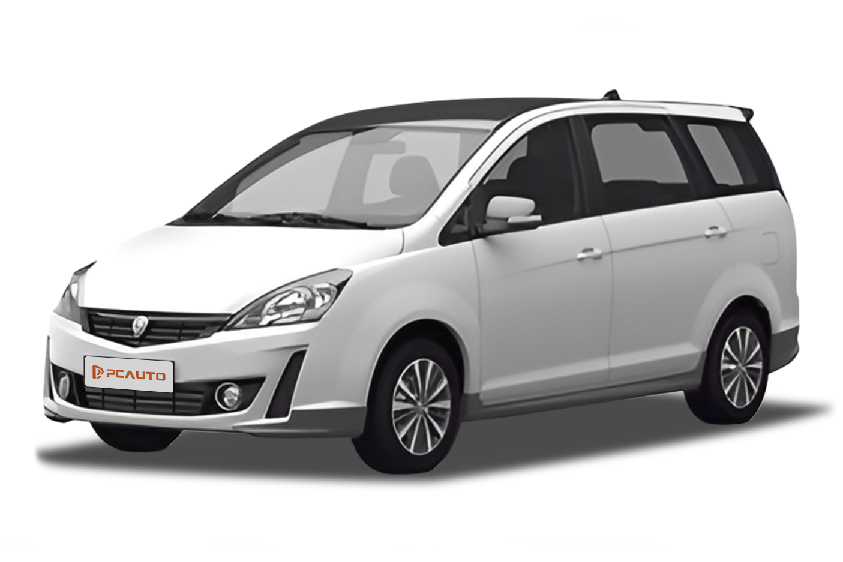
Cars With Similar Price And Features
10
Rank in SUV
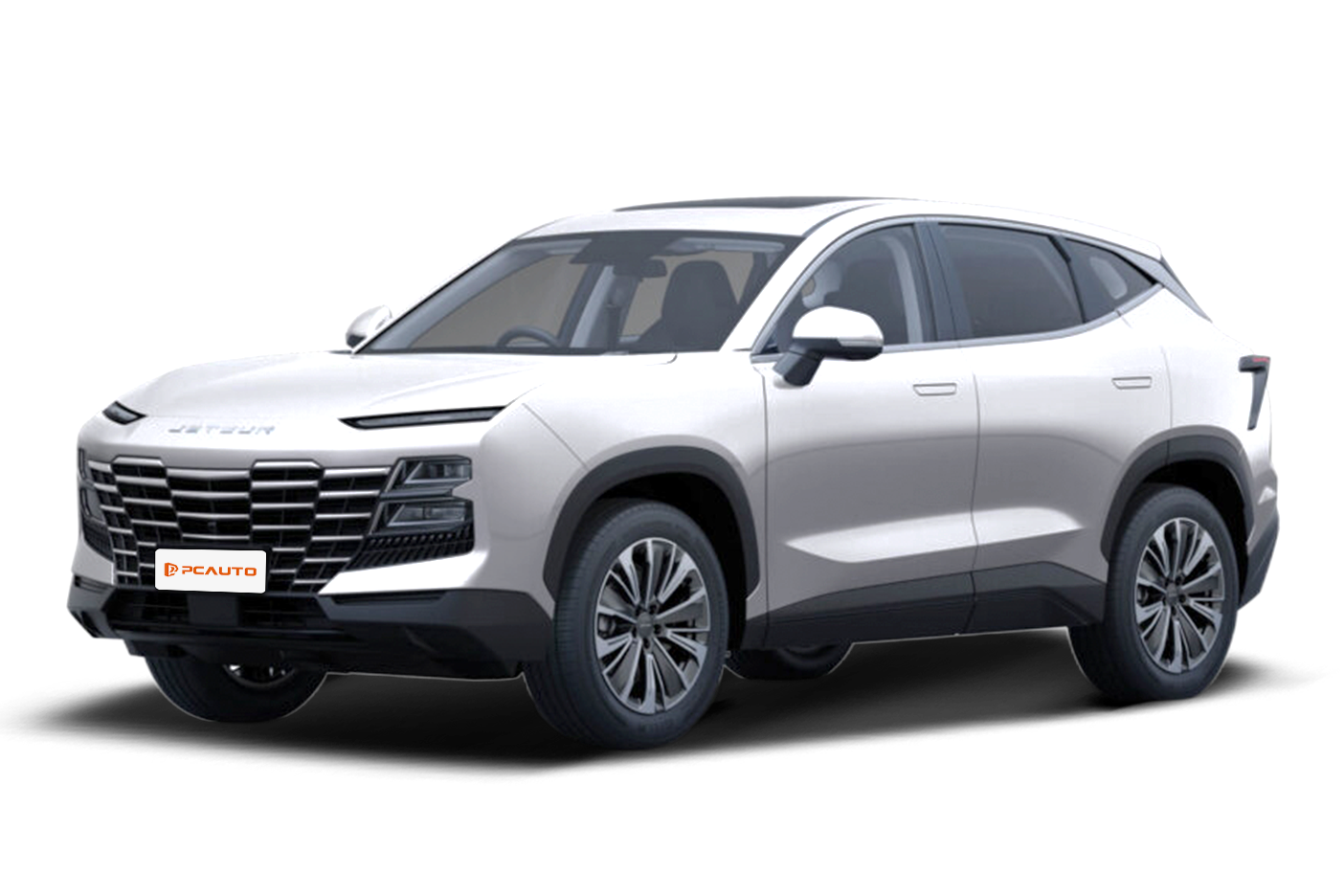
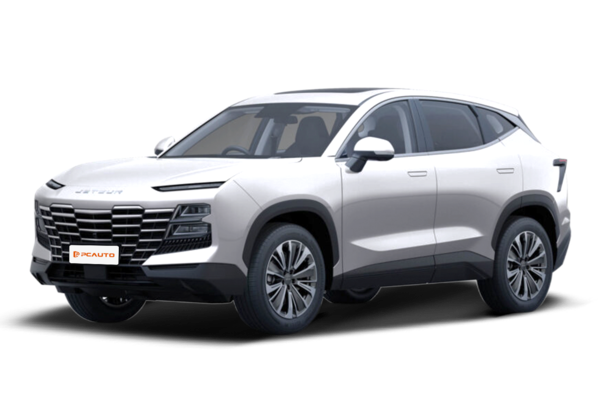
Jetour Dashing 1.5 TCI Comfort 2025 features a 2720mm long wheelbase and a 10.25-inch dual screen as its core, focusing on balanced cost performance to meet family practical needs.
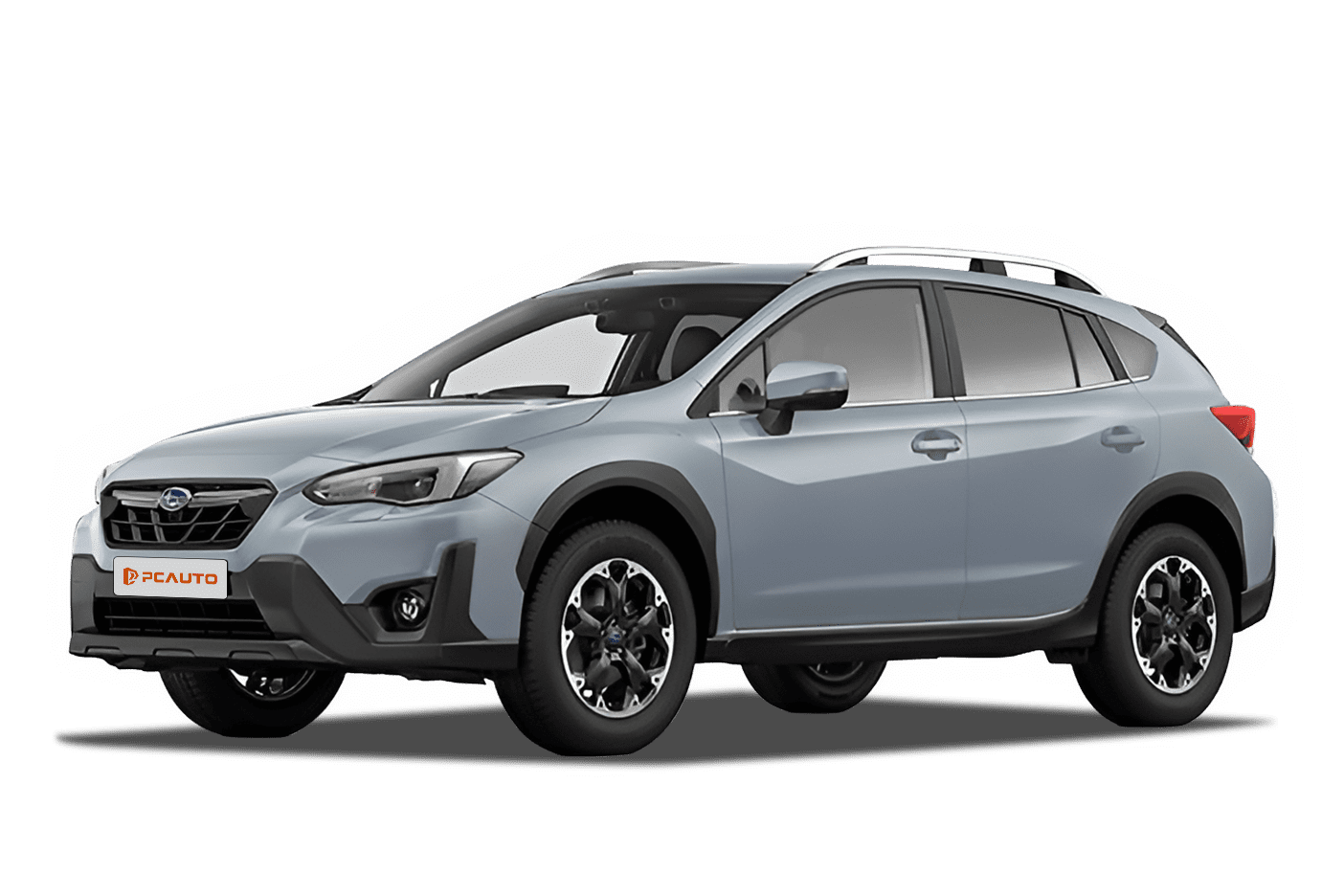
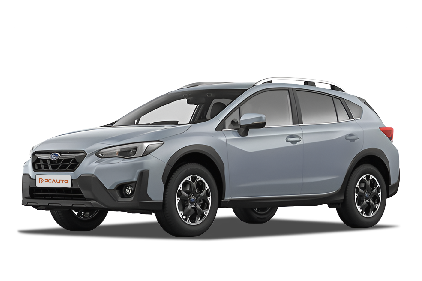
The 2021 Subaru XV 2.0i is a model targeting the C-segment crossover market, equipped with standard all-wheel drive and high safety features, balancing off-road capability and handling, with practical space.

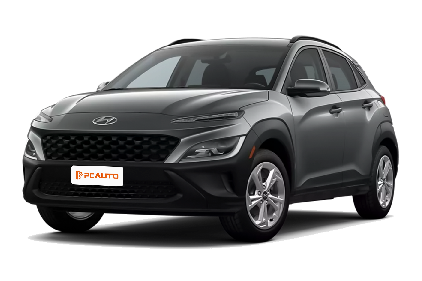
2021 Hyundai Kona 2.0 Standard, as a high-value entry-level compact SUV, retains essential safety and practical features with an affordable price, meeting the daily commuting and loading needs of families.
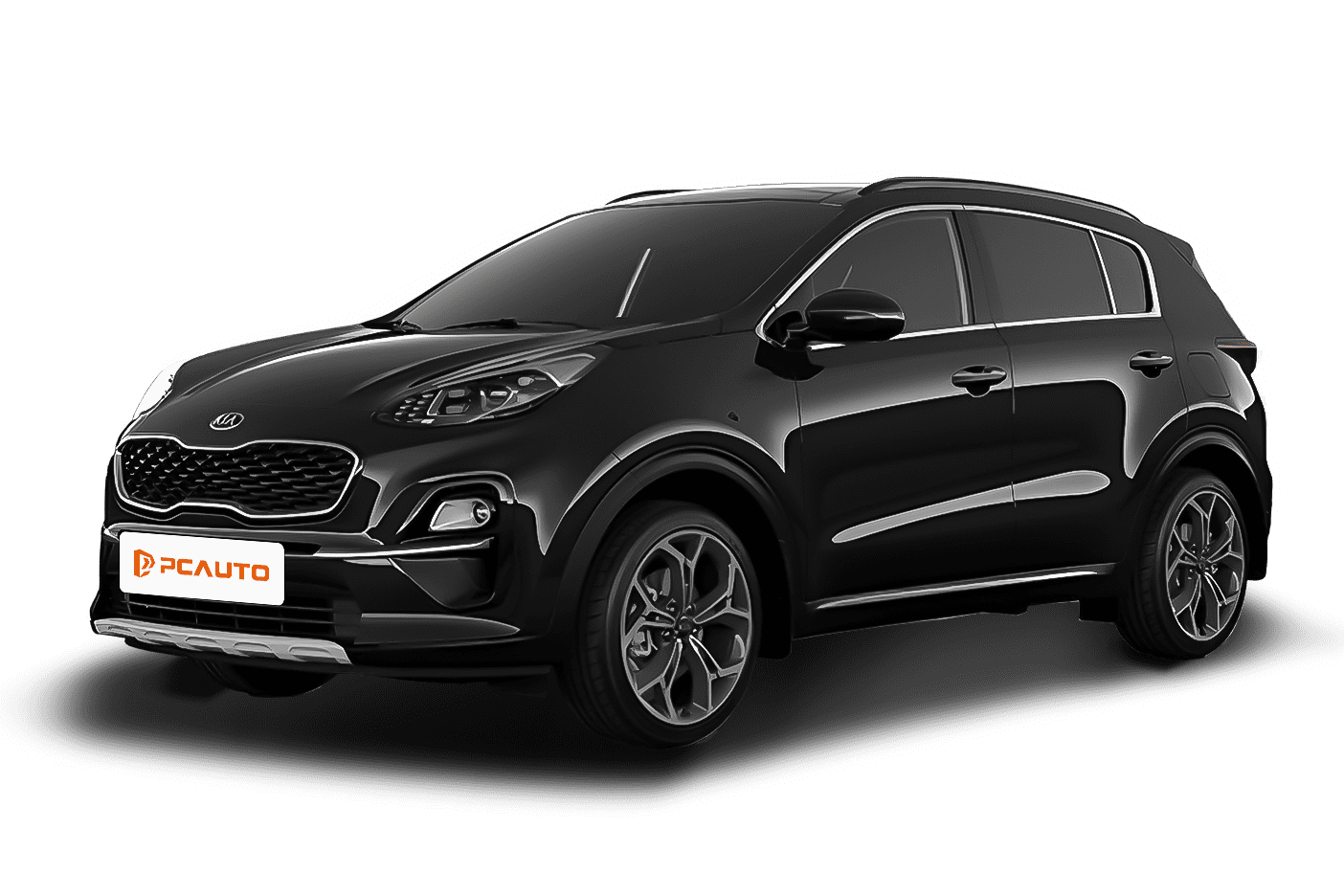
2024 Kia Sportage 2.0G 2WD, as the entry-level fuel version, with avant-garde design, 12.3-inch full LCD instrument panel, practical space, and economical fuel consumption, precisely meets the needs of family and cost-effectiveness-focused users.