

2024 Proton X70 1.5 TGDi Standard Review

 Share
Share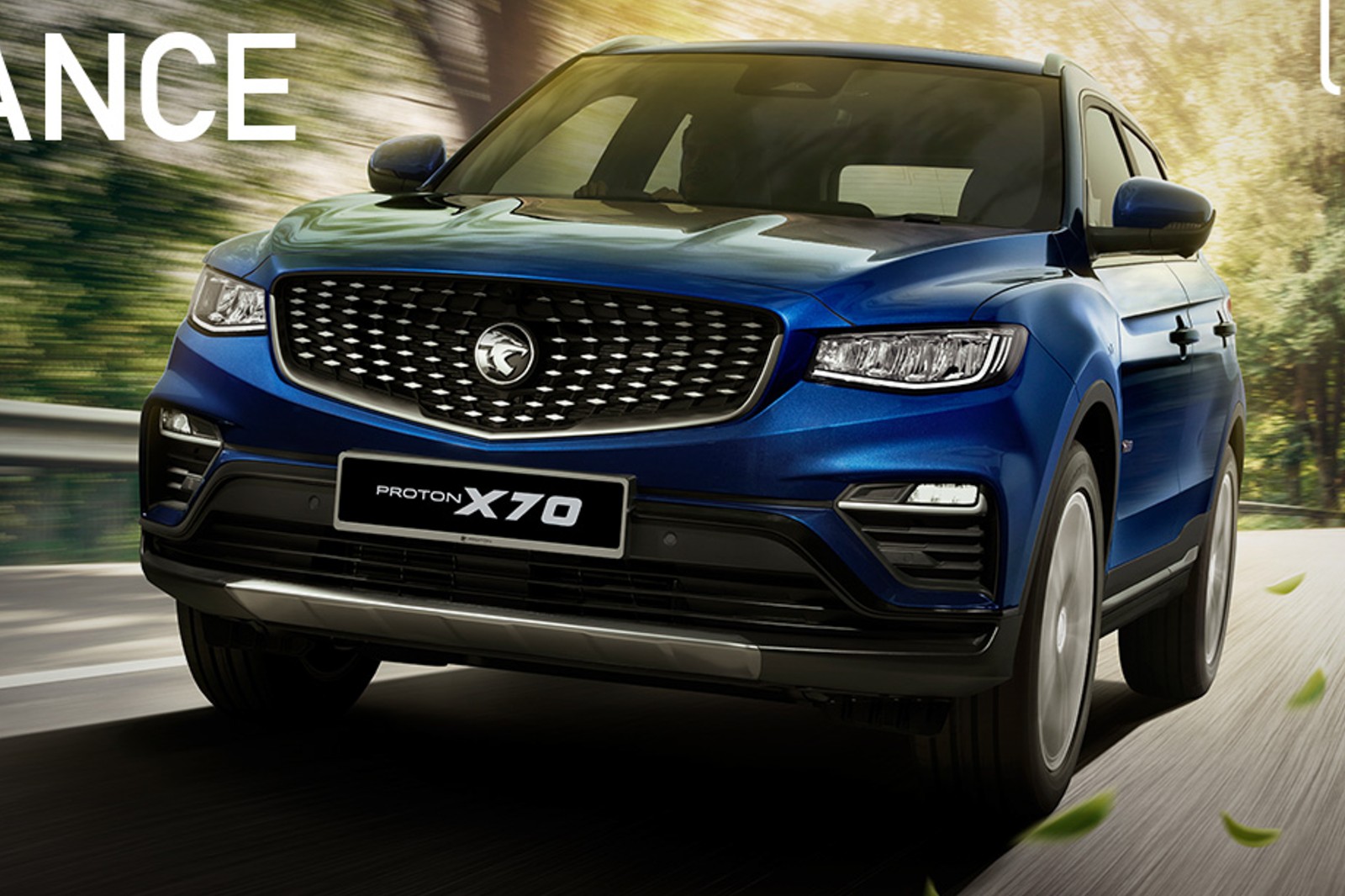
 Segment
 Body Type
 Capacity(L)
 Engine Power(PS)
 Engine Torque(Nm)
 Transmission
In Malaysia's current C-Segment SUV market, a budget of around RM 100,000 is the primary consideration for most family users, and the Proton X70 has been a popular choice in this price range since its introduction in 2018. The 2024 X70 1.5 TGDi Standard, as the entry-level version of the mid-cycle facelift, maintains an affordable price (RM 98,800) while continuing Proton's tradition of solid configurations. It even features upgrades in some basic configurations. We got the actual car this time to see if this entry-level version of the "national SUV" can still meet the core needs of today's users in terms of configurations, space, and driving experience.
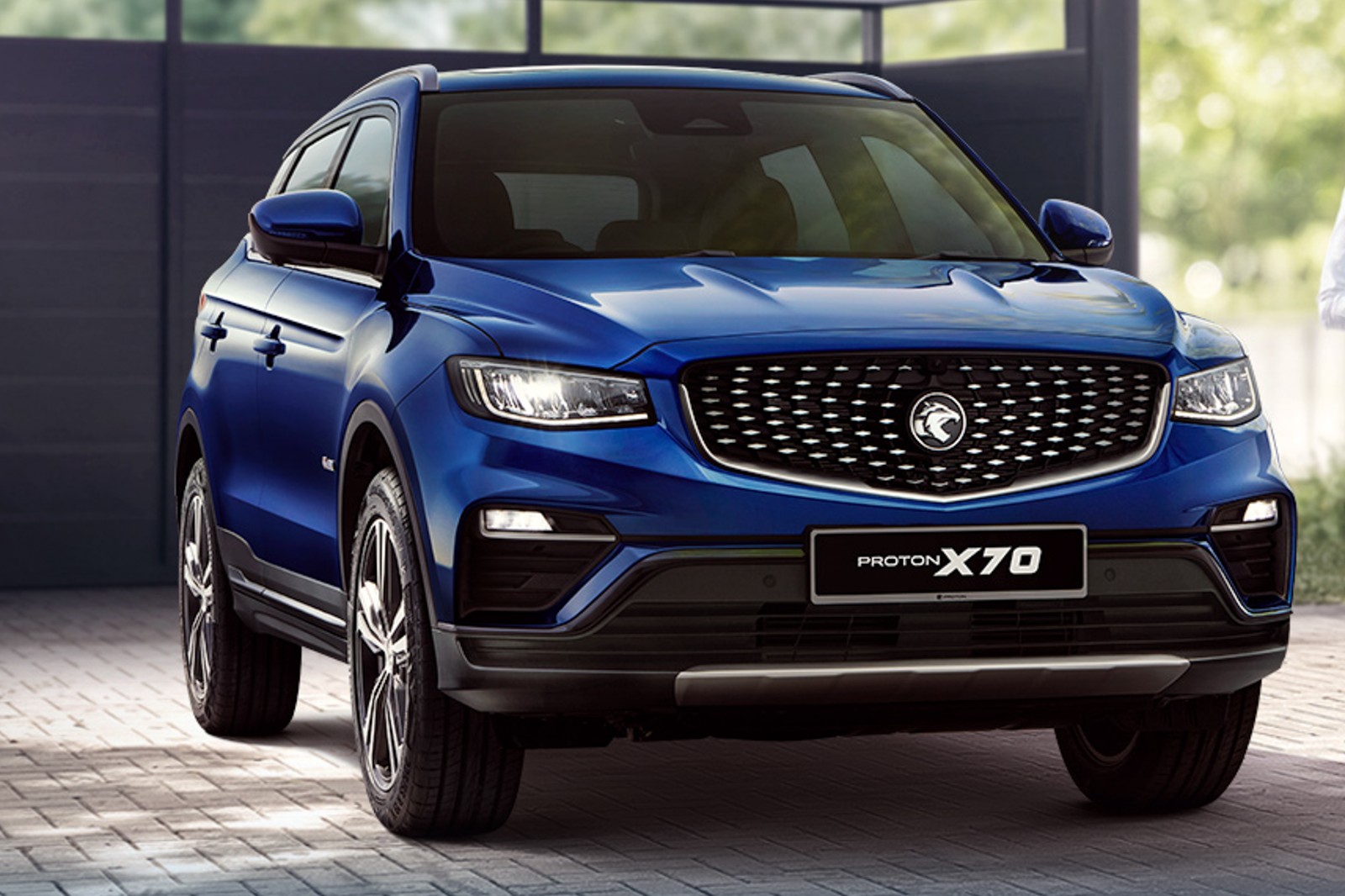
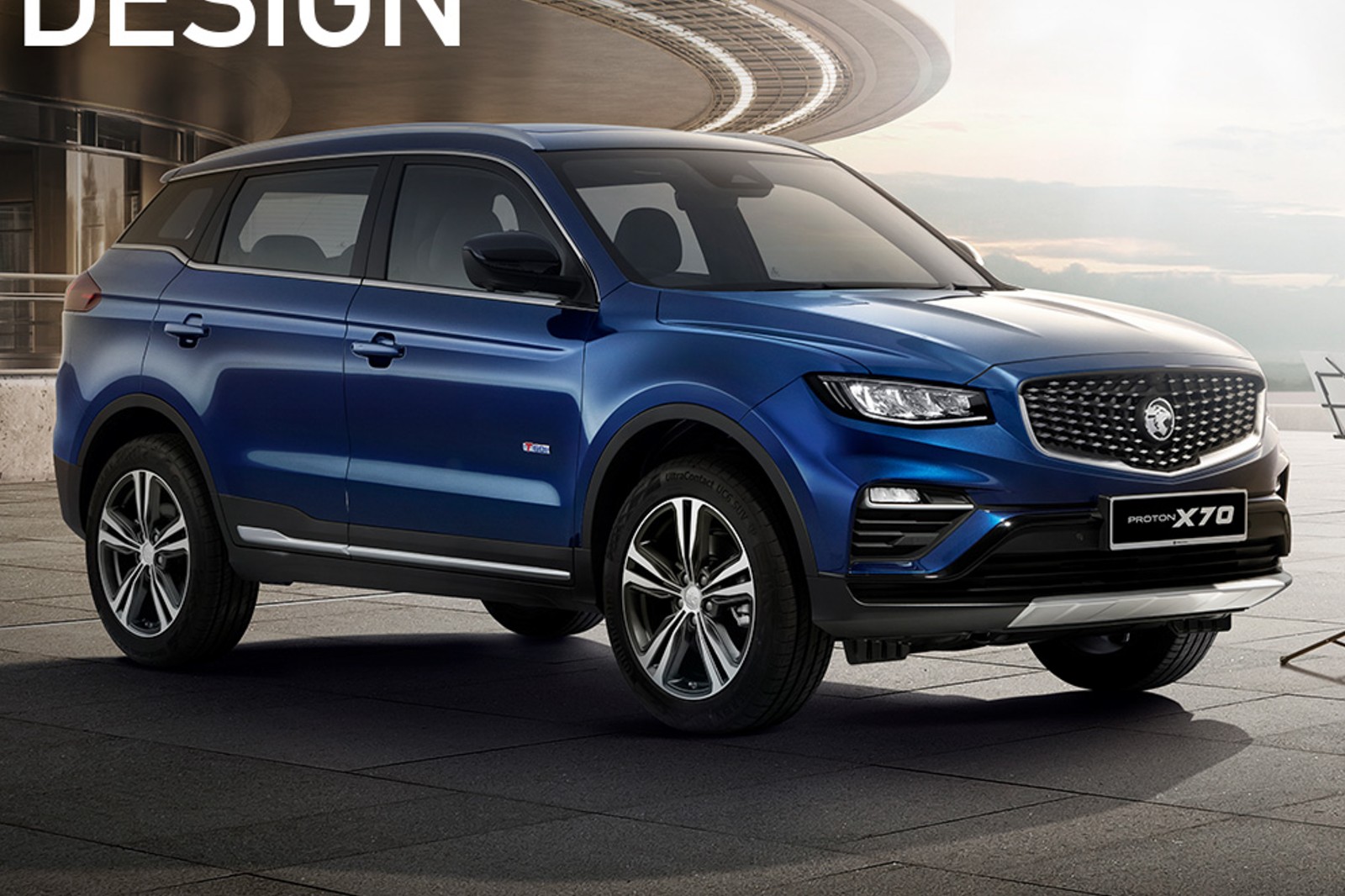
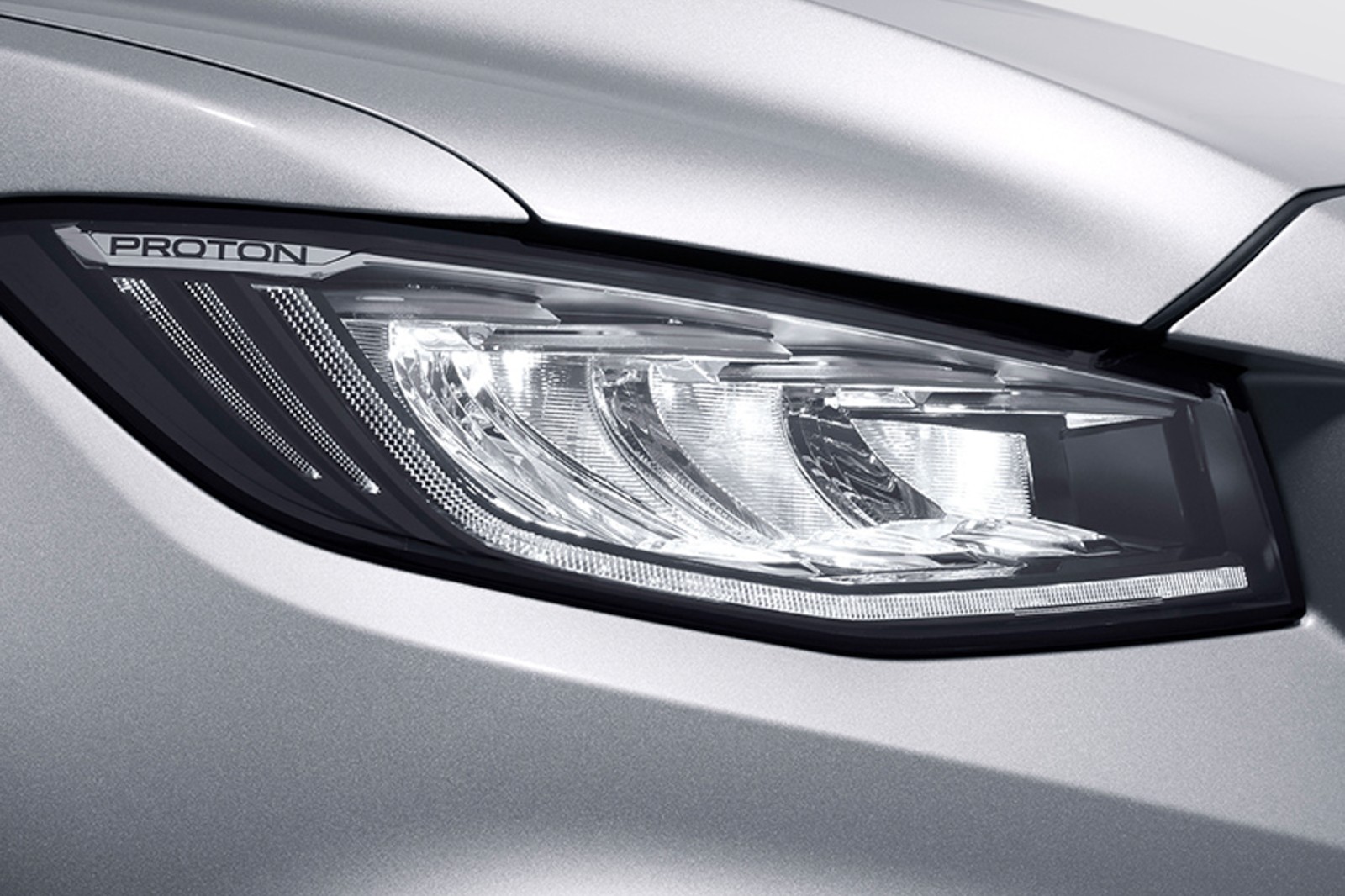
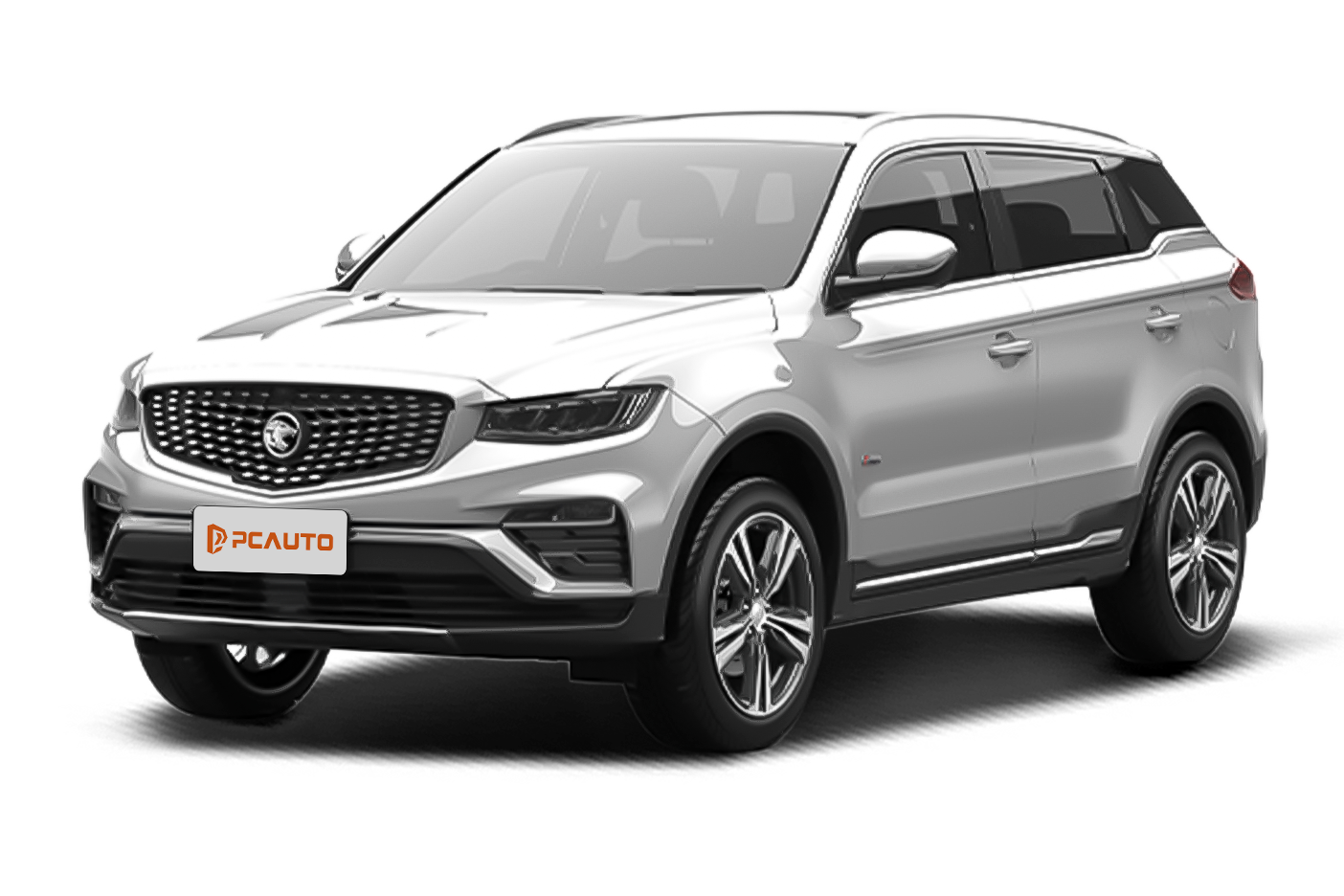
Starting with the exterior, the overall design of the 2024 X70 Standard is not very different from the higher-end versions, still maintaining a stylish and understated style. The front features Proton's signature large hexagonal grille with a blacked-out mesh design inside, paired with two raised lines on the hood, giving it a bold appearance. The headlight set has been upgraded to full LED lights with a seamless connection to the grille edges, featuring a clear lens structure inside the lamp housing for high recognition when lit. The side profile has smooth lines, with a waistline extending from the front fenders to the rear. It’s not overly aggressive but ensures the sides don’t look bulky. The 17-inch multi-spoke alloy wheels are exclusive to the Standard version, paired with 225/65 R17 tires. The moderately thick tire walls are better at filtering road bumps. At the rear, the taillights also use LED sources with a design that mirrors the headlights, connected by a chrome strip in the middle to visually enhance the horizontal width of the rear. The silver skid plate under the rear bumper and the dual chrome-trimmed exhaust outlets (with hidden actual exhaust) add a touch of sportiness to the rear. Overall, the Standard version's exterior design avoids overly flashy elements, but its attention to detail meets a family user's need for an SUV that's "pleasing to the eye and practical."
Sitting inside, the first impression is that the dashboard layout is very organized. The interior predominantly uses black as the main color tone, with the door panels and upper part of the dashboard wrapped in soft-touch plastic materials. While the texture is not particularly refined, it’s standard for this price range. The most noticeable feature on the dashboard is the 12.3-inch floating touchscreen. The screen resolution and responsiveness are decent, and the built-in GKUI system supports Bluetooth, USB connections, and smartphone mirroring, making daily use convenient. The instrument cluster is fully digital. Although it’s smaller than the central screen, it displays rich information and offers different themes to switch between. It can also show navigation information, which is very practical. The steering wheel features a multifunctional design with media control buttons on the left and cruise control buttons on the right. The buttons have a slightly stiff feel but are logically arranged, allowing for easy operation without looking. The steering wheel adjustment on the Standard version is manual, but the range is wide enough for most drivers to find a comfortable driving position. For seats, the Standard version features fabric material for both the front and rear row seats. Although these lack the premium look of leather seats, they offer better breathability. The front seats are manually adjustable, including front-back movement, backrest angle, and height (driver’s seat). The adjustment range is sufficient, and with my height of 175cm, there’s ample headroom and legroom. The rear row space is a traditional advantage of the X70. Although the wheelbase of 2670mm isn’t the longest among C-Segment SUVs, the actual space utilization is excellent: sitting in the back, there’s more than two fist widths between my knees and the front seat, with about one fist of headroom. The middle floor doesn’t have a high hump, so seating three people won’t feel too cramped. Storage space-wise, the door pockets can hold two water bottles, there’s an open storage compartment under the center console for placing phones and keys, the central armrest box has standard volume capacity, and the trunk offers a regular capacity of 510L. Folding down the rear seats expands it to about 1500L, enough for items like strollers or suitcases. In terms of features, the Standard version comes standard with dual-zone automatic air conditioning and rear air vents, which are very practical in Malaysia’s hot climate. There are two USB ports for the front and one for the rear, meeting charging needs. For safety features, 6 airbags, electronic stability control, and rear parking sensors come standard. These basic safety configurations have not been reduced, which is commendable.
This test drive features a 1.5T three-cylinder turbocharged engine, paired with a 7-speed wet dual-clutch transmission, delivering a maximum power of 130kW (177PS) and a maximum torque of 255N·m, with parameters consistent with the older model. During startup, the accelerator pedal's response is not particularly sensitive but very linear. Gently pressing the pedal provides a noticeable power output, without a sudden "jerk" sensation, making it suitable for daily urban driving. When the engine revs reach 1500rpm, the turbo kicks in, providing a substantial power boost. When accelerating or overtaking, pressing the accelerator deeply triggers a quick downshift in the gearbox. While the push-back feeling is not particularly strong, it is sufficient to overtake the car in front with ease. At a highway speed of 120km/h, there is still enough reserve power for further acceleration, without feeling "underpowered." The gearbox performs adequately—it is not particularly fast but offers good smoothness, with minimal jerkiness during daily driving. Only during low-speed crawling does it occasionally show slight jolting. The driving modes include Eco, Standard, and Sport. In Eco mode, the power output is gentler, suitable for congested city conditions; in Sport mode, the throttle response becomes more aggressive, and the gearbox delays shifting, making it suitable for rapid acceleration when needed.
In terms of handling, the steering wheel of the X70 Standard is light in weight, making daily U-turns and parking effortless. The steering accuracy is decent, with no noticeable dead zones. The suspension setup includes a front MacPherson and rear multi-link independent suspension, tuned towards comfort: when going over speed bumps or uneven roads, the suspension absorbs most of the bumps, providing minimal harsh feedback. During high-speed cornering, body roll is noticeable but within a controllable range, not instilling a sense of insecurity for the driver. As for braking, the combination of ventilated discs at the front and solid discs at the rear offers linear braking force. The initial phase is not overly sensitive, and the braking force in the later phase is sufficient, providing confidence during daily driving. Regarding fuel consumption, the official combined fuel consumption is 7.3L/100km. During our test drive, city congestion conditions yielded about 8.5L/100km, and highway conditions achieved roughly 6.8L/100km. Overall, the fuel consumption performance is average, aligning with the standard level for 1.5T SUVs.
In terms of comfort, noise insulation is a highlight: during city driving, both tire noise and wind noise are well-controlled, with wind noise becoming slightly noticeable only at highway speeds above 120km/h. However, it does not affect interior conversation. The seat support is also commendable. After a long drive (approximately 3 hours in our test), fatigue in the lumbar and leg areas was not significant. The rear air conditioning vents and USB ports cater to the needs of rear passengers, which is a thoughtful touch.
Overall, the 2024 Proton X70 1.5 TGDi Standard's greatest strength lies in its "balance": an attractive exterior, practical space, solid features (especially in terms of safety and multimedia configurations), and sufficient power and fuel economy to meet the daily needs of family users. Compared to competitors in the same price range, such as the Honda HR-V 1.5 S (RM 109,900), the X70 Standard is over RM 10,000 cheaper and offers additional features like a fully digital instrument cluster, a 12.3-inch central control screen, and dual-zone automatic air conditioning, along with a larger interior space. Compared to the Perodua Ativa 1.0 Turbo AV (RM 89,900), the X70 Standard’s larger size, more powerful engine, and more comprehensive safety features give it an advantage.
This car is most suitable for families who value "cost-effectiveness" and "practicality": with a budget of around RM100,000, they need a spacious, well-equipped SUV with smooth driving, mainly for daily commuting, picking up kids, and occasional family trips. If you are pursuing extreme performance or luxurious interiors, this car might not be the best choice, but if you want a family SUV that "meets all your needs," the X70 Standard is definitely worth considering.
In summary: the 2024 Proton X70 1.5 TGDi Standard is a "no significant weaknesses" family SUV. It offers more-than-expected features and space at an affordable price, making it an excellent choice for families in the RM100,000 price range.
Proton X70 Car Compare

Proton X70 Loan Calculator
More Proton Reviews

Cars With Similar Price And Features
10
Rank in SUV
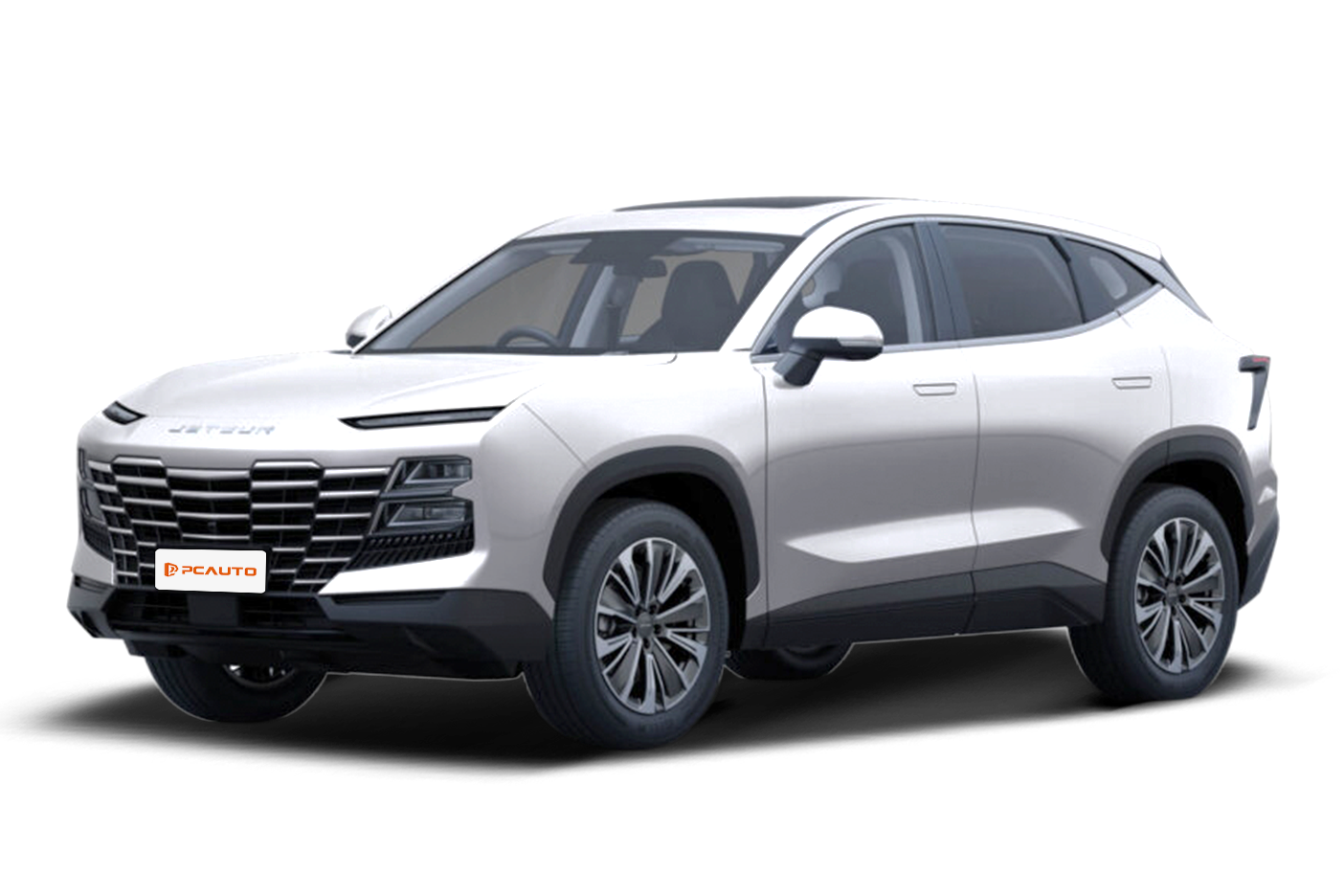
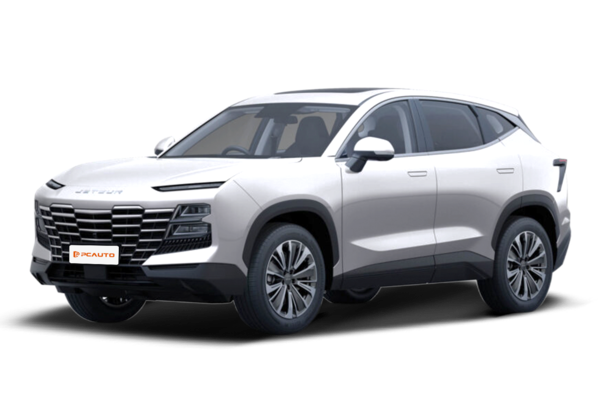
Jetour Dashing 1.5 TCI Comfort 2025 features a 2720mm long wheelbase and a 10.25-inch dual screen as its core, focusing on balanced cost performance to meet family practical needs.
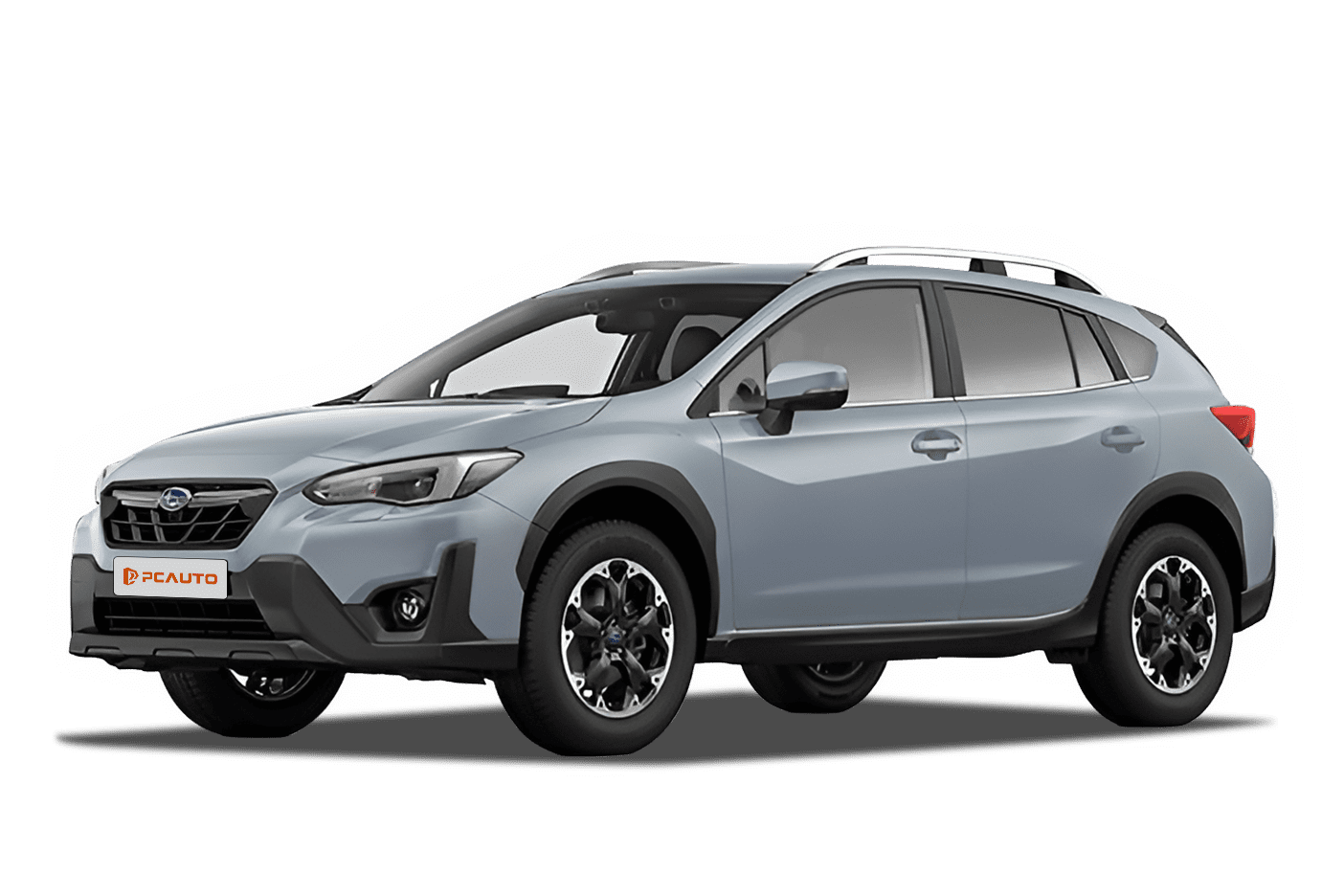
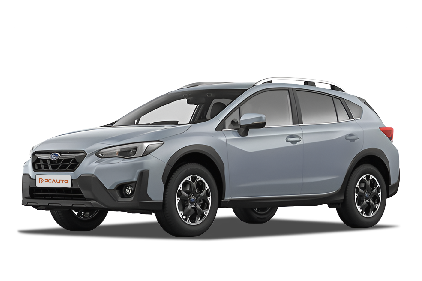
The 2021 Subaru XV 2.0i is a model targeting the C-segment crossover market, equipped with standard all-wheel drive and high safety features, balancing off-road capability and handling, with practical space.

2021 Hyundai Kona 2.0 Standard, as a high-value entry-level compact SUV, retains essential safety and practical features with an affordable price, meeting the daily commuting and loading needs of families.

2024 Kia Sportage 2.0G 2WD, as the entry-level fuel version, with avant-garde design, 12.3-inch full LCD instrument panel, practical space, and economical fuel consumption, precisely meets the needs of family and cost-effectiveness-focused users.