

2025 BYD Atto 2 Premium Review

 Share
Share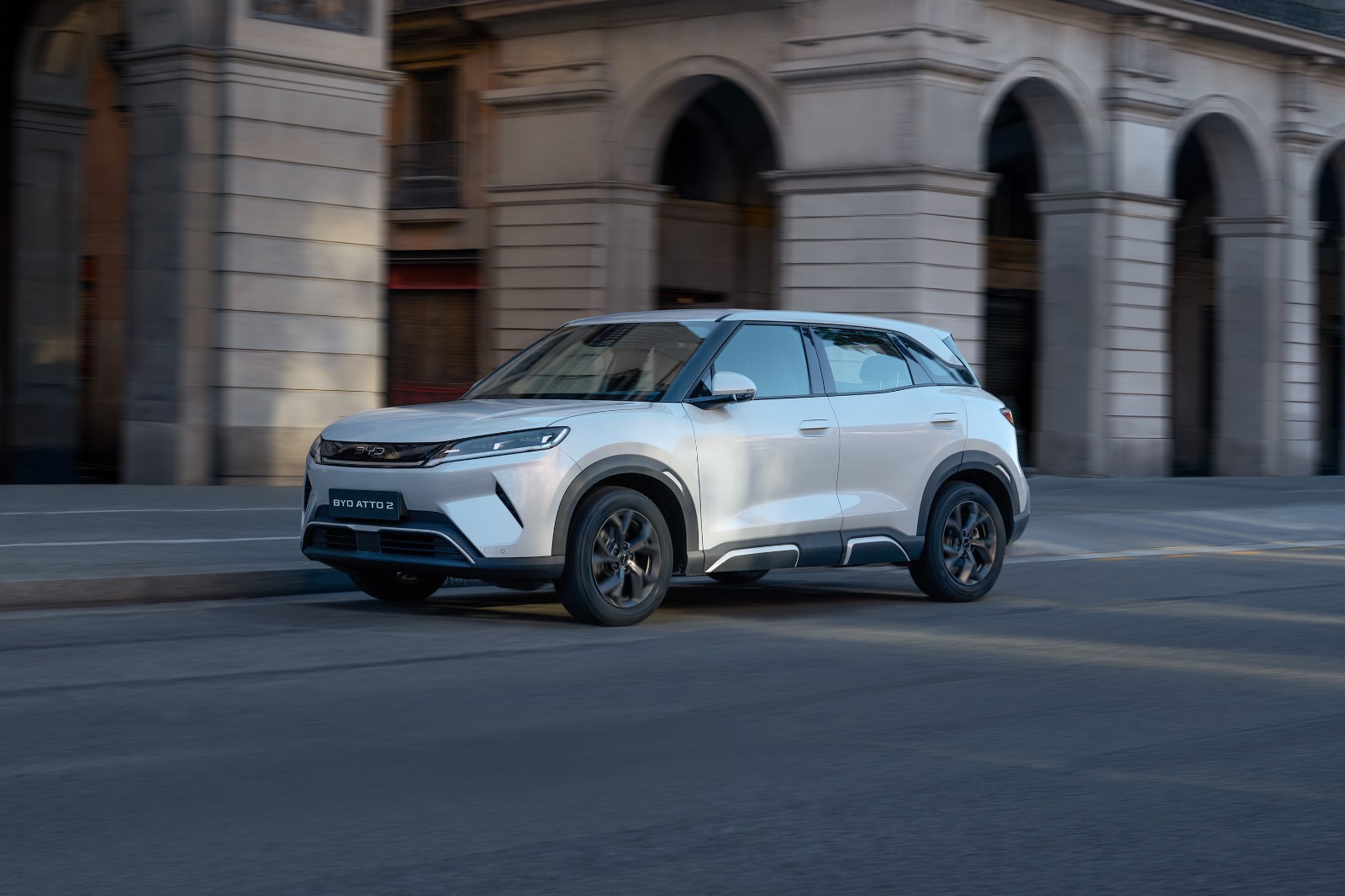

 Segment
 Body Type
 Motor Output(kW)
 Motor Torque(Nm)
 EV Range(km)
 Battery Capacity(kWh)
In Malaysia's current B-segment electric vehicle market, consumers are looking for both reasonable prices and configurations that don’t fall short while ensuring sufficient range. The 2025 BYD Atto 2 Premium, priced slightly above RM100,000 and equipped with features like L2-level driving assistance and a rotating central control screen, has immediately attracted the attention of many family users after its launch. This time, we got our hands on a test drive vehicle with the main goal of evaluating its actual performance in everyday commuting and family travel scenarios to see if it truly balances cost-effectiveness and practicality.
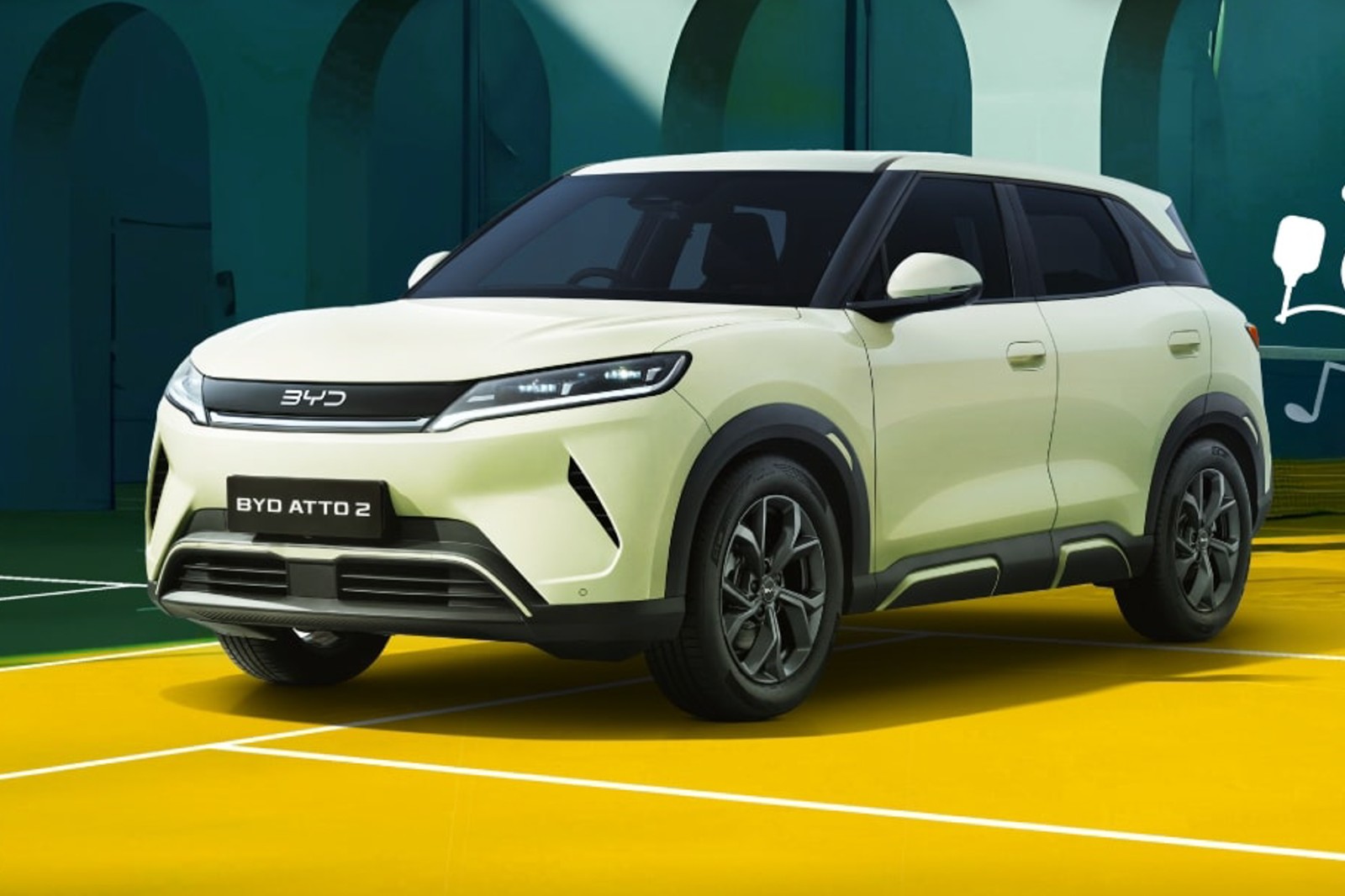
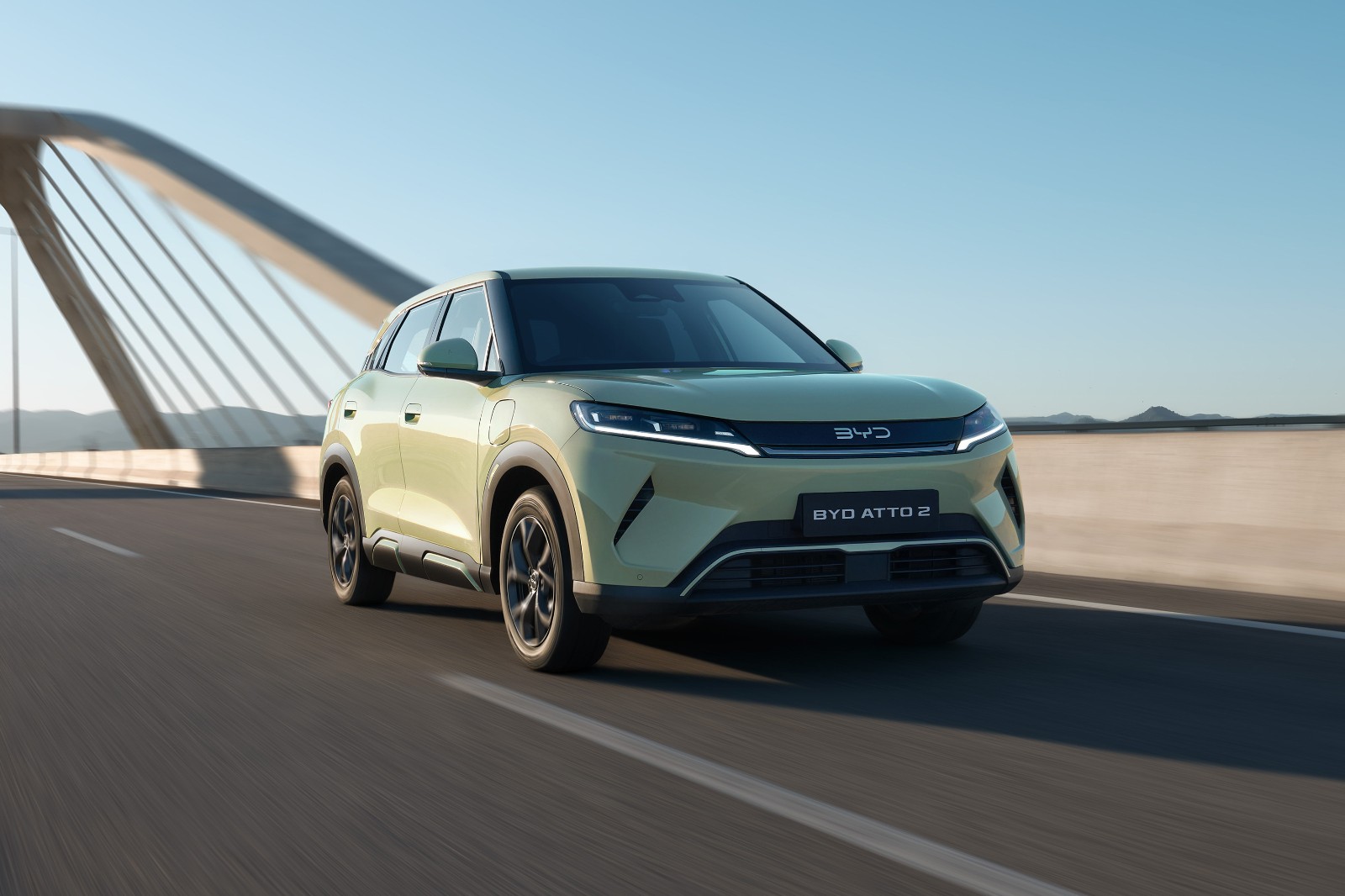
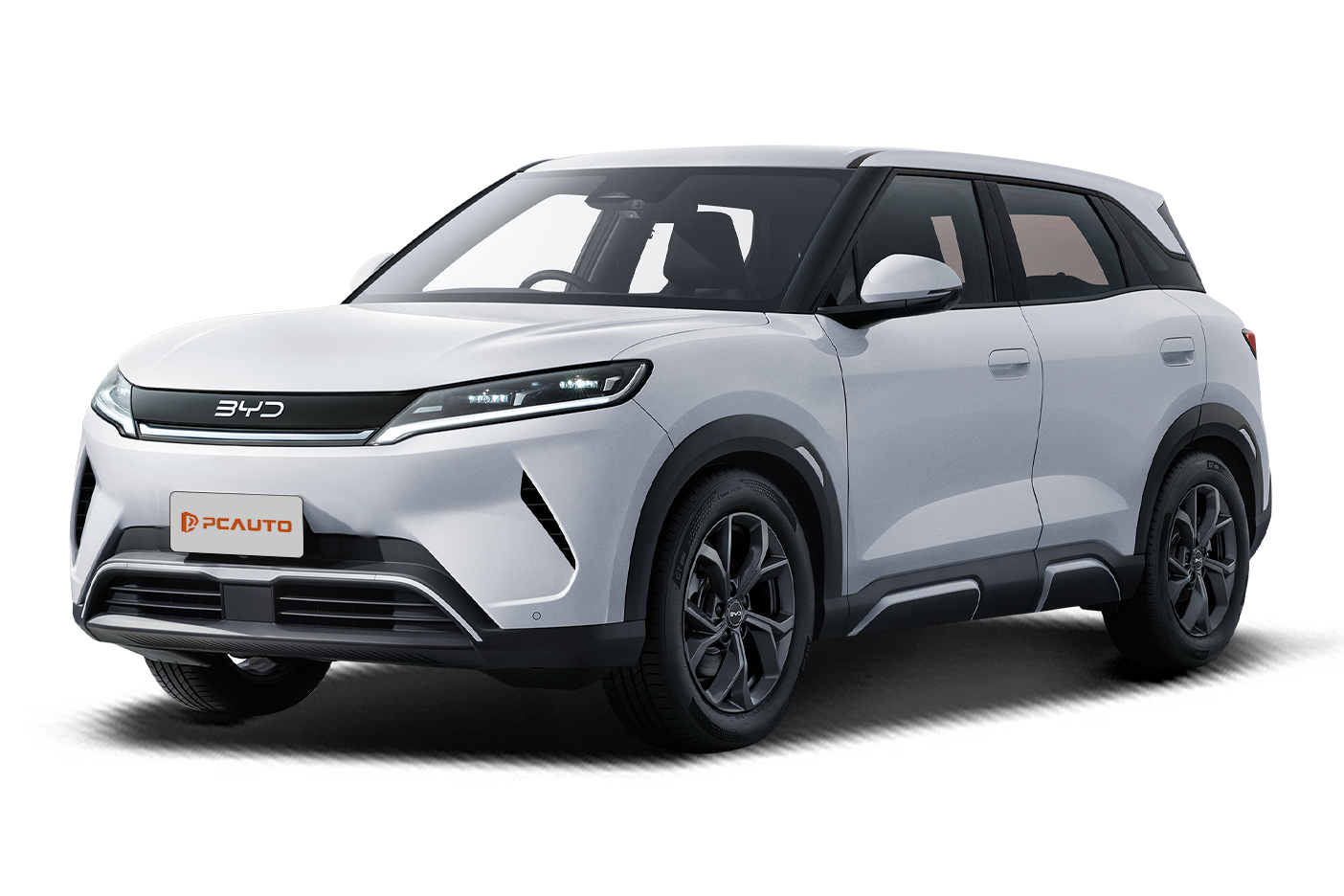
The Atto 2 Premium's exterior adopts a smooth and rounded design, with an overall youthful yet understated style. The front features a closed grille design, with BYD's brand logo in the center. Below, the trapezoidal air intake has a moderate size, matched with sharp LED daytime running lights on both sides for good recognition. The side body lines stretch from the front to the rear of the car. Though the waistline is not prominent, the overall design feels harmonious. The 17-inch rim design is simple, and the 215/60 R17 tires offer both comfort and grip. The highlight of the rear is the through-type LED taillights, which provide a clear visual effect when illuminated. Black plastic protective panels below the rear bumper add a slight SUV ruggedness to the mix, though the overall style leans more towards family use. The lighting system is equipped with LED lights across the board, and features like automatic headlights and rear fog lights are not missing, making it convenient for daily use.
Sitting inside, the interior layout is minimalist, without overly complex buttons. The upper part of the dashboard is wrapped in soft-touch materials, providing a good tactile feel. At the center is a 12.8-inch rotating central control screen that supports both horizontal and vertical switching. Its operational fluidity meets mainstream standards. The instrument cluster is an 8.8-inch LCD digital screen, offering clear display and showing core data such as speed, range, and driving assistance status. As for the configuration, it’s quite practical: the front seats support electric adjustment, with six-way adjustment for the driver and four-way for the passenger. The rear row includes air conditioning vents and power outlets, ensuring comfort for rear passengers. The multi-functional steering wheel integrates buttons for volume, cruise control, phone calls, and more, making it user-friendly. Keyless entry, one-touch start, and rain-sensing wipers are also standard features. In terms of storage space, the front central armrest box and door panel storage compartments are adequate in volume. The trunk has a standard capacity of 380L, and the rear seats support a 60/40 split-fold design, making it more flexible for larger items.
The space performance meets the positioning of a B-segment SUV. With a wheelbase of 2620mm, a 175cm tall passenger sitting in the front, after adjusting the seat to an appropriate posture, will have a headroom of one and a half fists, with ample legroom. For a passenger of the same height in the rear, there are about two fists of legroom and one fist of headroom, avoiding any sense of being cramped. The center floor has a low protrusion, allowing the middle passenger to rest their feet comfortably. ISOFIX-standard child seat anchors are included, making it convenient for family users traveling with children.
As for the powertrain, the Atto 2 Premium is equipped with a front-mounted permanent magnet synchronous motor, delivering a maximum power of 130kW (177PS) and a maximum torque of 290Nm. The official 0-100km/h acceleration is 7.9 seconds. During actual driving, the power response at start-up is very direct, providing a good sense of push-back with just light throttle input. It’s agile for overtaking or following cars in the city. There are several driving modes available. The Eco mode softens the power output, making it suitable for daily commuting, while the Sport mode has a more sensitive throttle response and stronger acceleration, albeit with slightly higher energy consumption. On the highway, even after reaching 100km/h, it still has sufficient acceleration capability, with no long waiting time needed for overtaking.
As for handling, the steering wheel has moderate resistance, with minimal play, making daily driving very easy. The chassis adopts a front MacPherson and rear torsion beam combination, which is a common configuration in this segment. When dealing with speed bumps or small jolts in the city, the suspension filters out most of the vibrations, and it doesn’t feel too hard; however, when facing consecutive bumpy roads, the feedback from the rear suspension becomes slightly more noticeable. Overall, it still leans towards comfort. During cornering, the body roll is kept within a reasonable range, without giving a swaying sensation, and the overall stability is good.
Range and energy consumption are top concerns for EV users. It has a battery capacity of 51.13kWh, with an official pure electric range of 410km. During our urban commuting test, with air conditioning on and normal driving, the range achievement rate is about 80%-85%. For instance, with a displayed battery drop of 100km, the actual distance covered was 82km. This performance is fairly standard. On highways, when driving at a speed of around 100km/h, the energy consumption is approximately 16-17kWh/100km, and the range achievement rate is slightly lower. Fast charging takes 0.46 hours (approximately 28 minutes) to charge from 30% to 80%, which is quite convenient for daily energy replenishment.
In terms of driving comfort, its noise control is quite good. At low speeds in the city, motor noise is almost inaudible. On highways, at speeds over 100km/h, wind noise and tire noise become slightly noticeable but are still within an acceptable range. The seat padding is relatively soft with adequate support, so long drives won’t feel tiresome. Energy regeneration has adjustable levels. Even at the highest level, the drag feeling is not significant, ensuring passenger comfort. At the lowest level, the coasting feel is almost identical to that of a fuel-powered car, which makes it easy for new drivers to adapt.
To summarize, the core advantages of the 2025 BYD Atto 2 Premium are clear: high configuration, with features like L2-level driving assistance, electric seats, and a rotating central control screen, which are uncommon in cars at this price point; adequate space, suitable for family users; and power and range that meet daily commuting and short-distance travel needs. Its price is also relatively affordable. Compared to other EVs in the same class, such as the Honda e:NS1 or Toyota bZ4X, it has a more distinct advantage in both configuration and pricing, offering outstanding value for money.
All in all, this car is suitable for consumers who value features and need a well-balanced family EV—such as office workers with a daily commuting distance of 30-50km, or families looking for short-distance outings. It doesn’t have any significant shortcomings, and its overall performance is quite solid. Being able to buy such configurations and space for a price just over 100,000 RM makes it very appealing. If your budget falls within this range and you’re seeking a well-equipped and spacious EV, the Atto 2 Premium is worth considering.
BYD Atto 2 Car Compare
BYD Atto 2 Loan Calculator
More BYD Reviews
Cars With Similar Price And Features


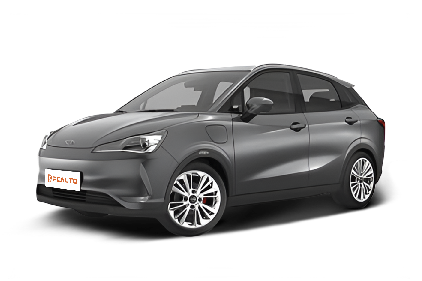
2023 Neta V is a high-value electric vehicle in Malaysia's B-Segment market, offering mid-to-high-end features such as 6 airbags and L2 assistance at an entry-level price, while balancing spacious practicality and a comfortable driving experience.
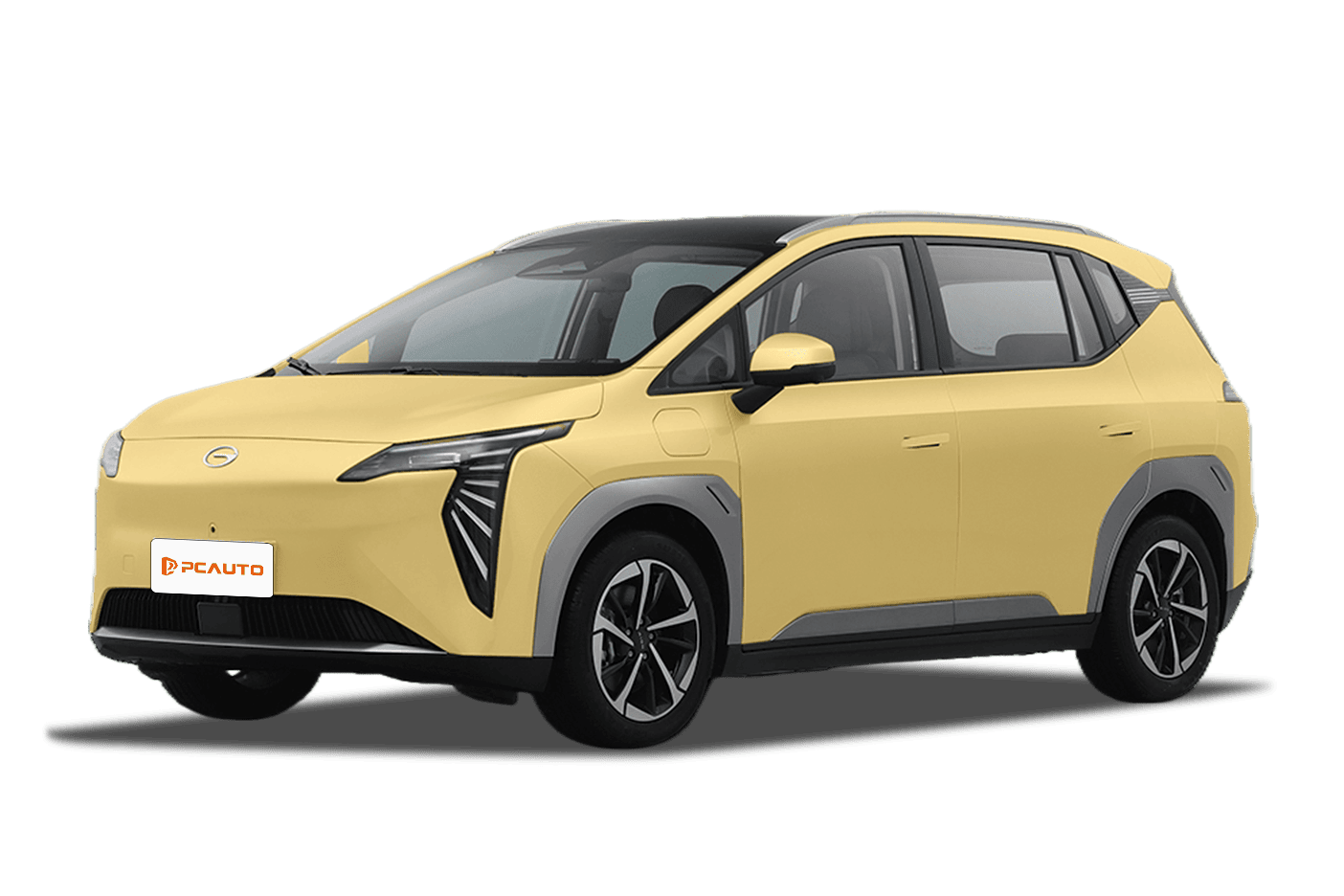
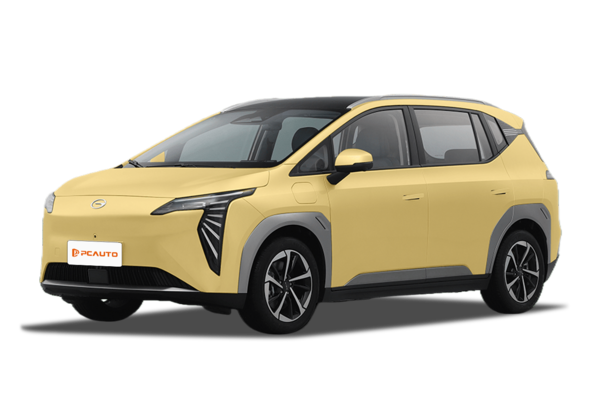
2024 GAC Aion Y Plus Elite is a pure electric mid-size SUV targeting the Southeast Asian home market, offering a spacious cabin with a 2750mm long wheelbase, standard 6 airbags, and a 14.6-inch central control screen, with solid range suitable for family travel.
14
Rank in SUV
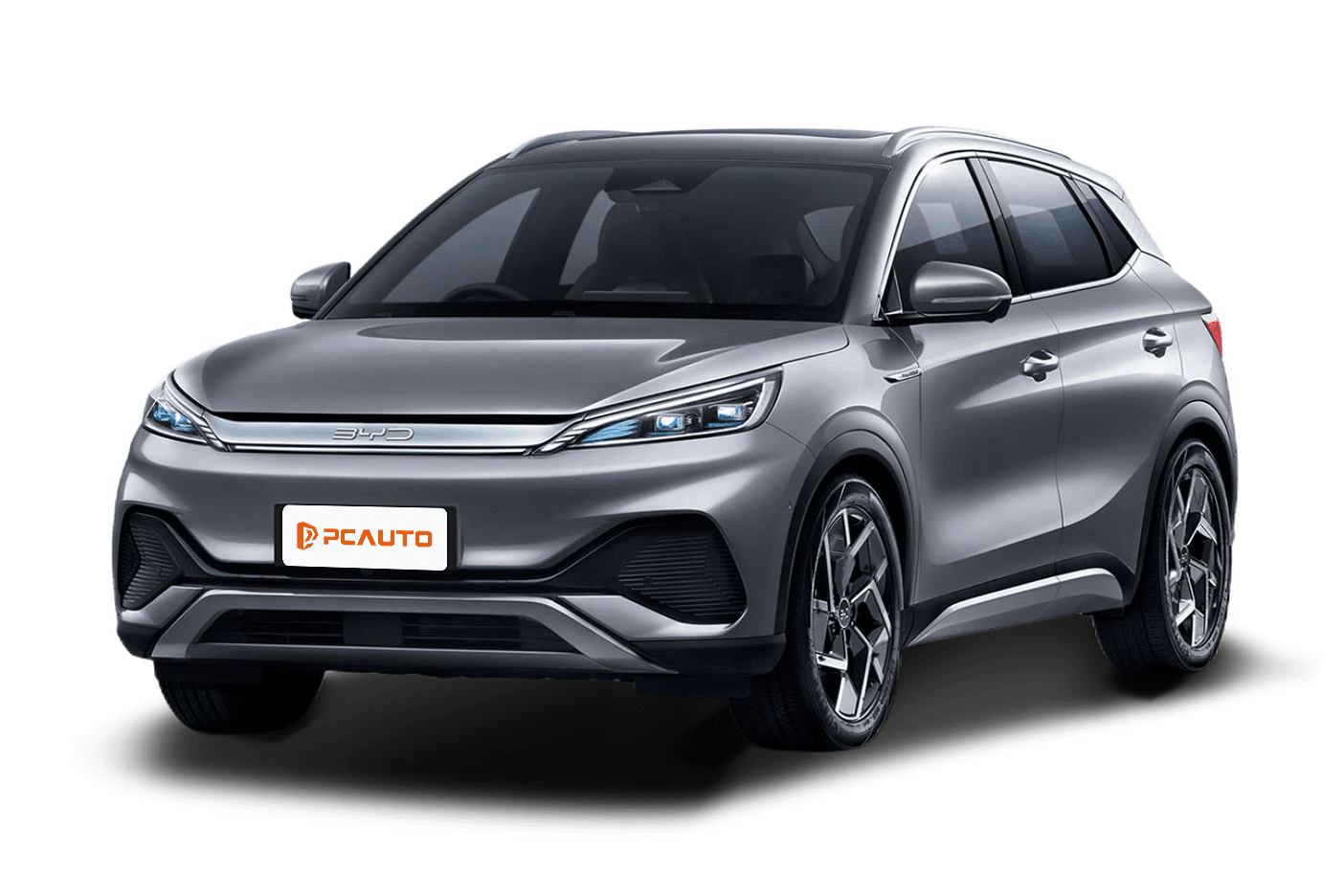
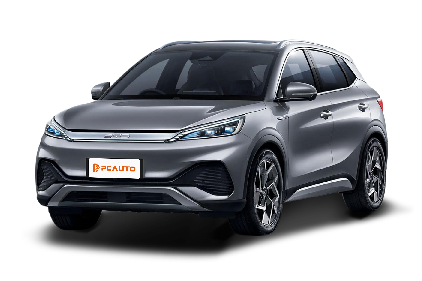
2025 BYD ATTO 3 Ultra is a cost-effective, solid-range, safety-feature-rich, and practical-space electric C-segment compact SUV that balances family needs with dynamic performance.
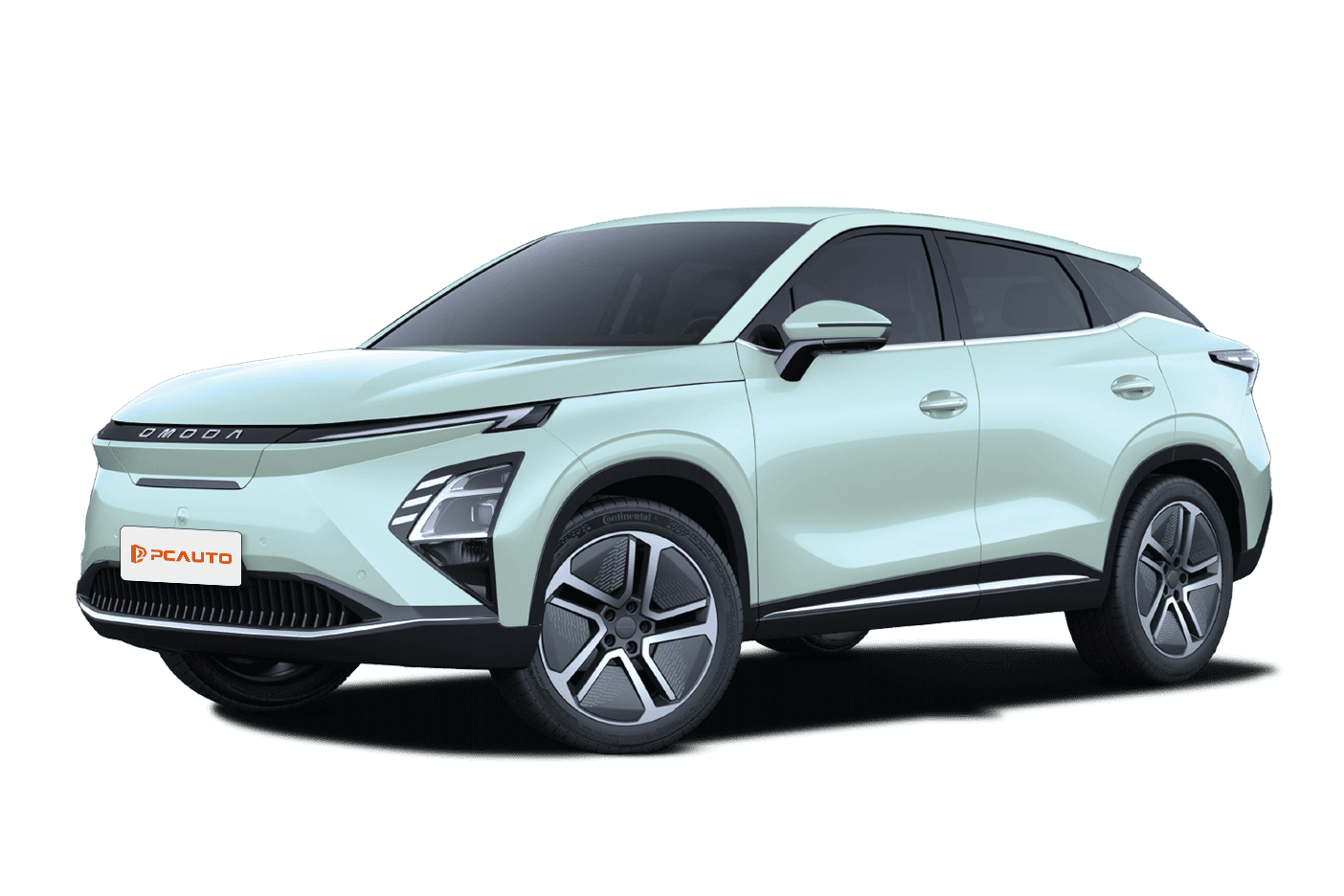
2024 Chery OMODA E5 is a mid-size pure electric vehicle designed for families, with core selling points of advanced features, balanced range, and affordable pricing, combining sporty design and comfortable driving experience.