

2025 Hyundai Santa Fe 2.5 T-GDi HTRAC Calligraphy Review

 Share
Share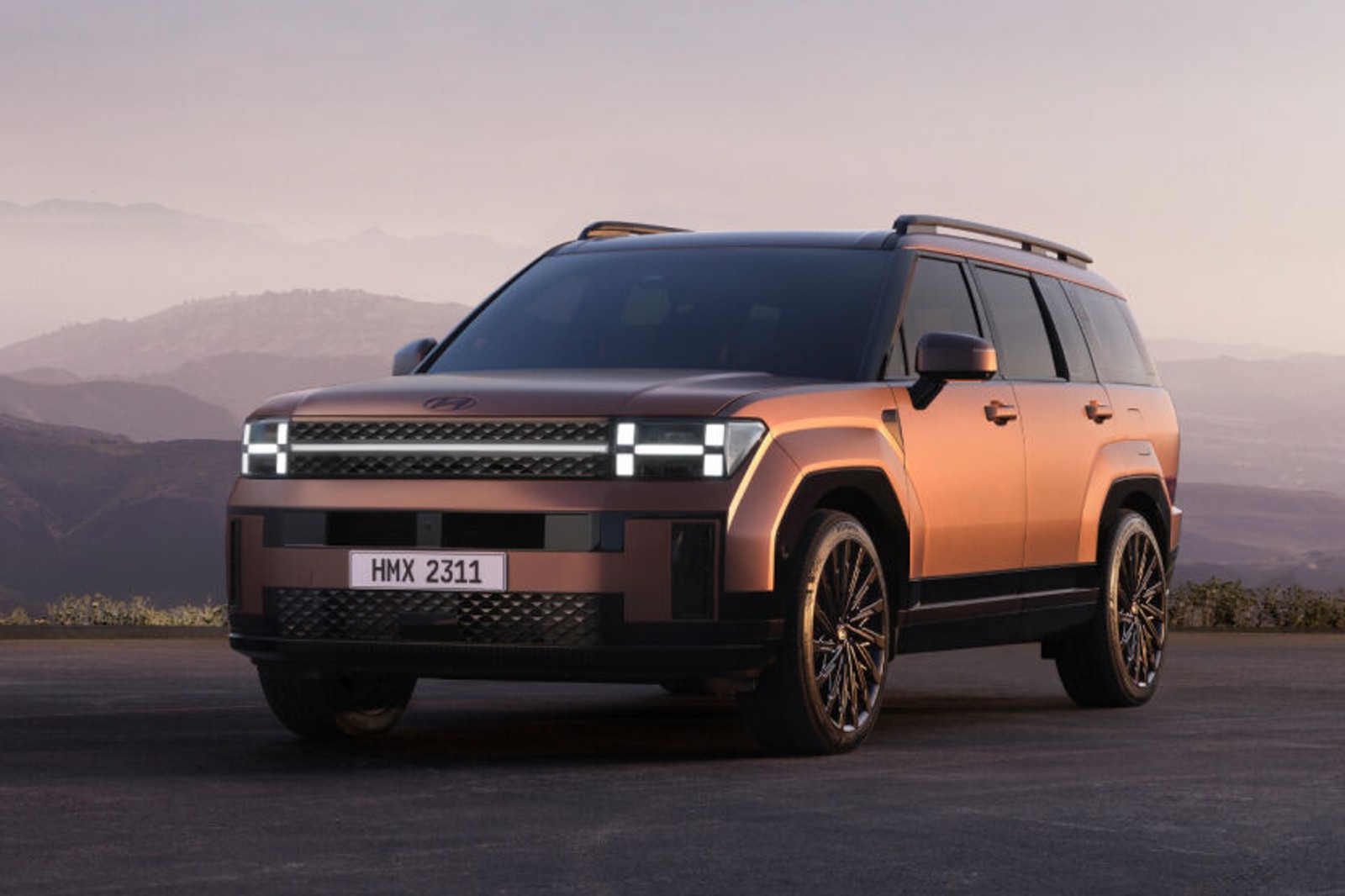
 Segment
 Body Type
 Capacity(L)
 Engine Power(PS)
 Engine Torque(Nm)
 Transmission
In recent years, the competition in Malaysia's D-Segment SUV market has intensified. Family users and mid-to-high-end consumers tend to favor models that are practical in space, rich in features, and balanced in performance. The 2025 Hyundai Santa Fe 2.5 T-GDi HTRAC Calligraphy, as the top-tier model of the series, highlights its core selling points of 281PS turbocharged power, six-seat layout, and full-featured intelligent configurations. In this test drive, we aimed to verify whether its static experience and dynamic performance match its "flagship" positioning.
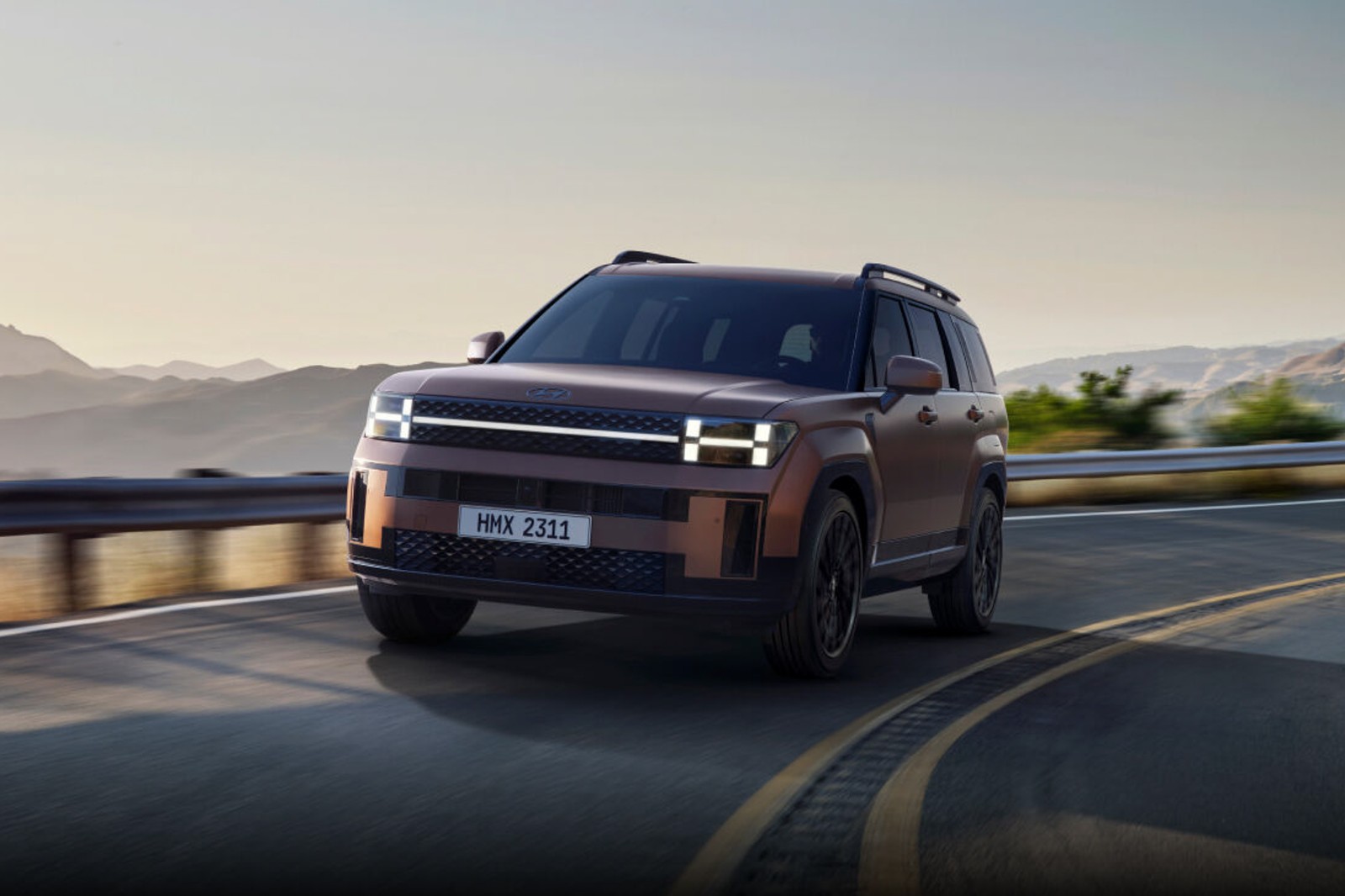
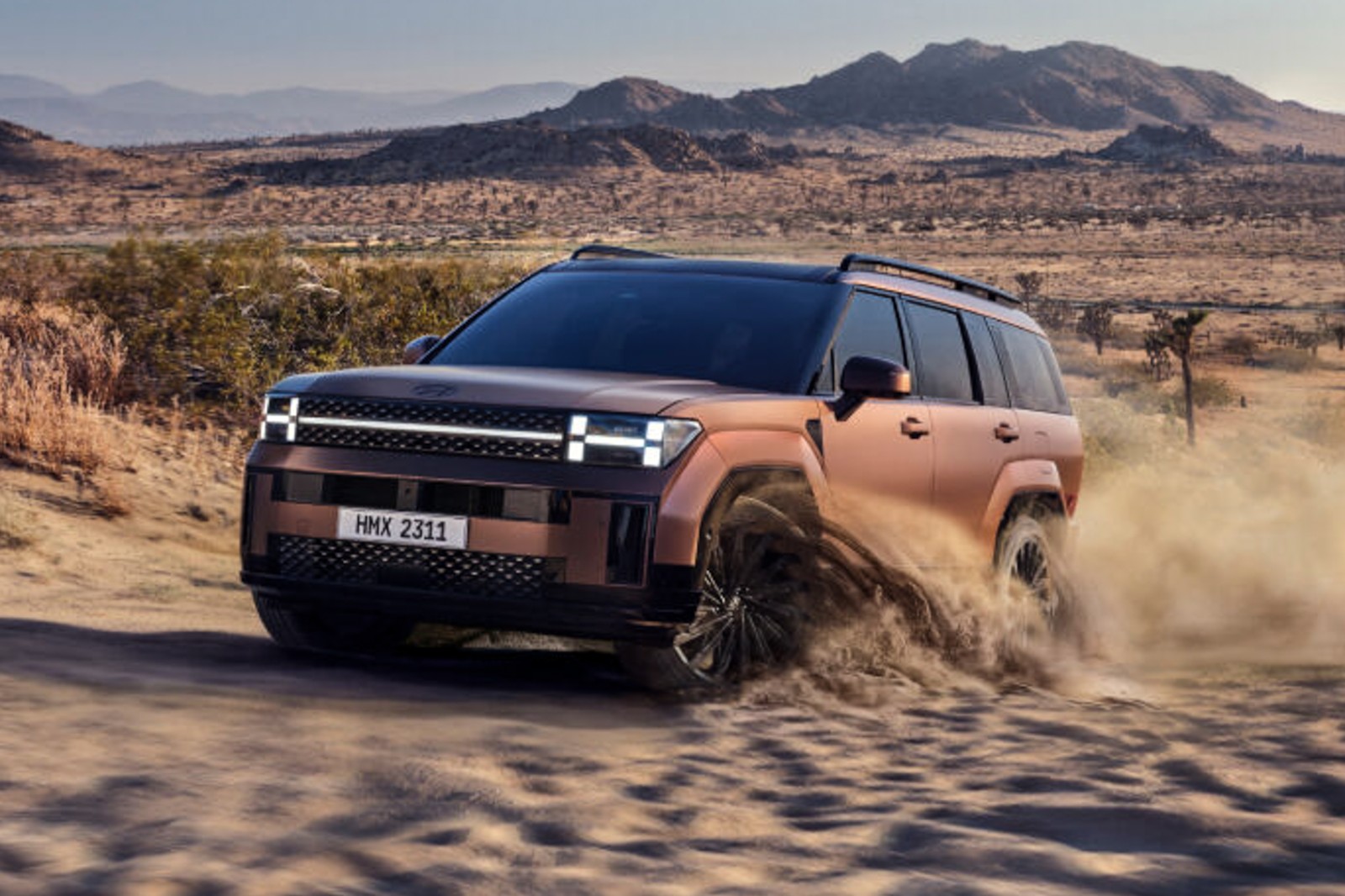
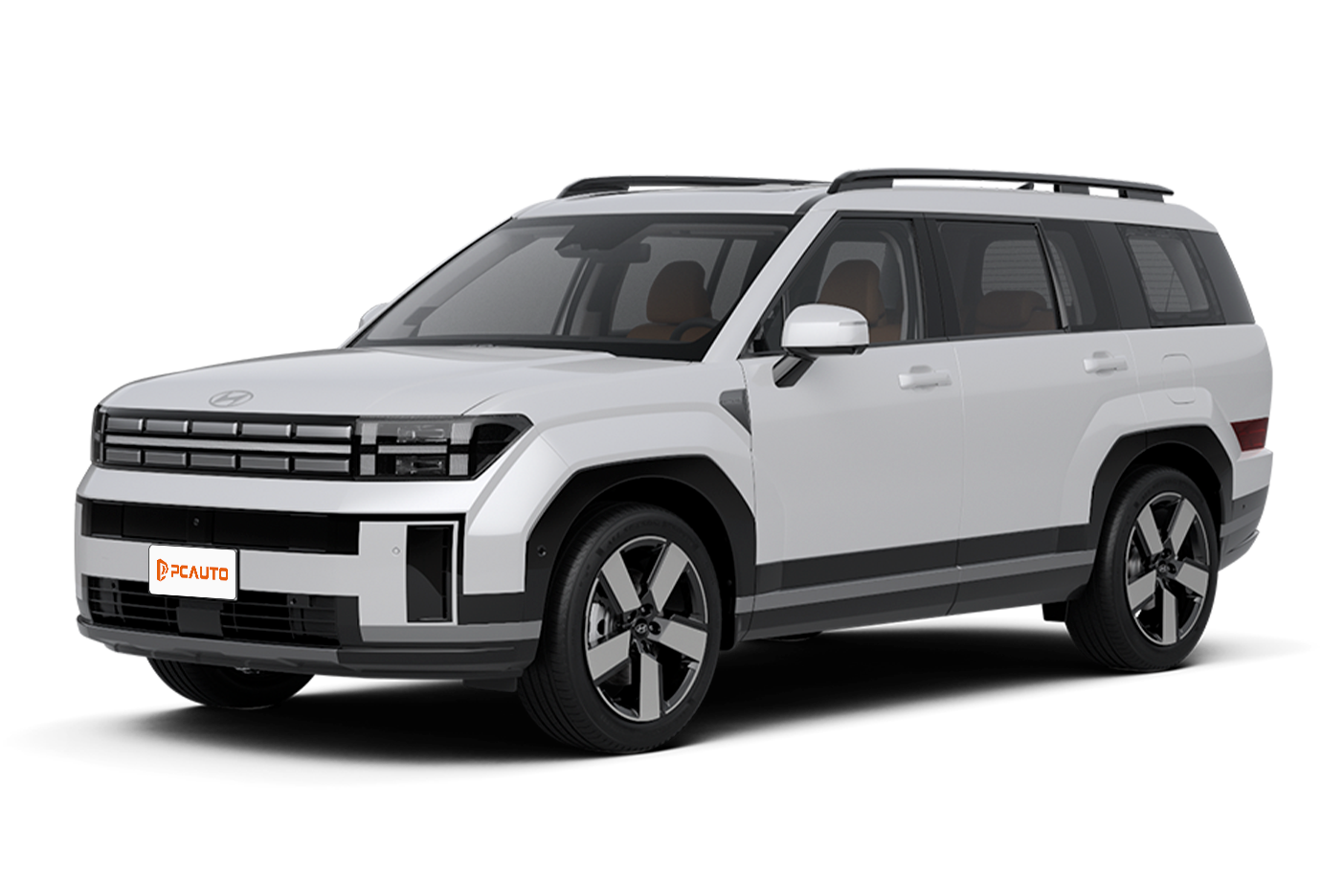
In terms of exterior design, the new car adopts a robust boxy shape, with an overall style leaning towards a grand and stable appearance. The front features a large blacked-out grille, with dot-matrix chrome accents inside the grille. The LED headlight assemblies on both sides are connected via a through-type light strip, offering high recognition. The body side has straight lines, and the 21-inch multi-spoke alloy wheels paired with 245/45 R21 tires enhance the visual heft; the black plastic cladding on the wheel arches and side skirts retain the off-road vibe of an SUV. At the rear, vertically arranged LED taillights also adopt a through-type design, echoing the front, while the silver skid plate under the rear bumper adds a touch of refinement.
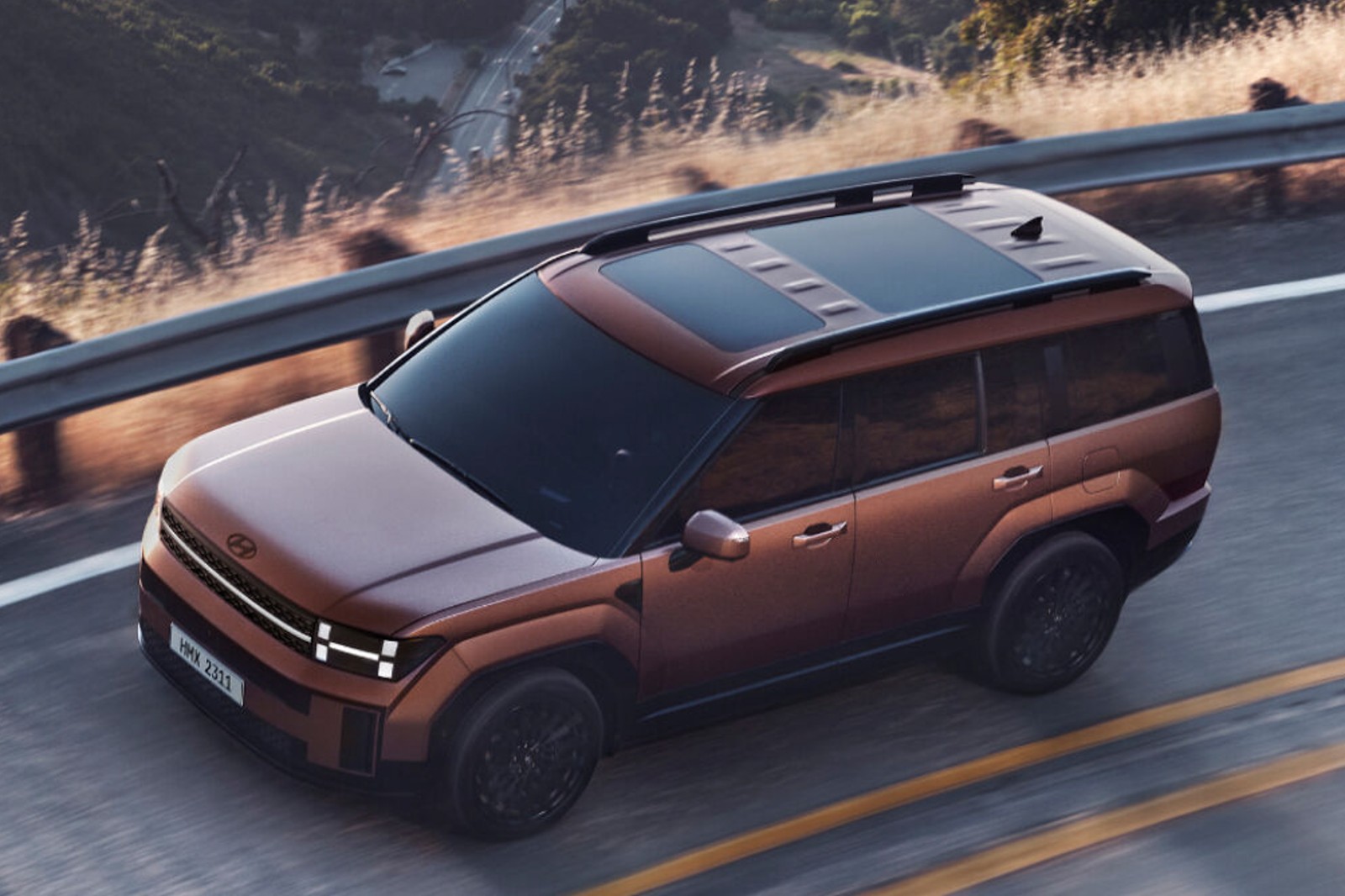
Inside the car, the interior is primarily made of black soft-touch materials, and the dashboard adopts a layered design. The 12.3-inch curved central control screen is integrated with the 12.3-inch full LCD instrument panel, exhibiting good operational smoothness and display clarity. The multi-functional steering wheel supports manual four-way adjustment and is covered with leather for a comfortable grip; the HUD head-up display in front can show information such as speed and navigation, enhancing driving convenience. In terms of features, the front seats support electric adjustment, the second row consists of independent seats with heating functionality, and the third-row seats can be folded down in a 50:50 split. The dual-zone automatic air conditioning system comes with separate rear air vents, the 12-speaker BOSE sound system delivers excellent audio performance, and the dual sunroof design increases the interior's sense of openness.
In terms of space performance, the new car measures 4830mm in length, 1900mm in width, and 1780mm in height, with a wheelbase of 2815mm. Front-row seating is spacious, with about two fists of headroom for a passenger standing at 175cm tall. The second-row independent seats offer up to three fists of legroom, with ample left and right spacing. The central aisle facilitates access to the third row. The third-row seats are suitable for children or short trips, providing approximately one fist of legroom and about one fist of headroom. Regarding storage capacity, the front central armrest box has a relatively large capacity, and the door pocket can accommodate two bottles of water. The regular trunk capacity is 571L, which can be expanded to 1601L when the third-row seats are folded down, meeting the demands of family long-distance travel.
Powering the vehicle is a 2.5T turbocharged four-cylinder engine with a maximum power of 207kW (281PS) and a peak torque of 422N·m. It is paired with an 8-speed DCT transmission and an HTRAC all-wheel-drive system. In standard mode, the start-up is smooth, with the turbo kicking in at around 1700rpm. The acceleration process is linear. Switching to sport mode increases throttle sensitivity, providing ample confidence in mid-range acceleration (60-120km/h). The transmission's shift logic is clear, and downshifts are relatively quick. The daily driving fuel consumption is about 9.5L/100km, while highway fuel consumption can drop to 7.8L/100km, meeting expectations for this class of vehicle.
In terms of handling, the steering wheel has moderate weight with good accuracy and minimal play; the MacPherson front suspension and multi-link rear suspension are tuned for comfort, effectively filtering vibrations when passing speed bumps or uneven roads, making rear passengers feel almost no noticeable jolt. While cornering, body roll is kept within a reasonable range, and the four-wheel drive system distributes power between front and rear axles according to road conditions, enhancing stability. The braking performance is excellent, with a 100-0km/h braking distance of approximately 38 meters, and the brake pedal feedback is linear.
As for driving comfort, the cabin has excellent sound insulation, with wind and tire noise kept at a low level during high-speed driving; the seats are soft with adequate support, making long durations of sitting less fatiguing. In terms of safety features, the vehicle is equipped with 10 airbags, ACC adaptive cruise control, 360-degree panoramic camera, lane departure warning, forward collision warning, and other functions, showing comprehensive active safety performance.
Overall, the key advantages of the 2025 Hyundai Santa Fe 2.5 T-GDi HTRAC Calligraphy lie in its balanced space utilization, rich configurations, and strong performance. Compared to competitors in the same class, its six-seater layout and all-wheel-drive system make it more suitable for large families. Priced at RM 270,000, it is slightly higher than the Toyota Fortuner 2.8 GR Sport (approx. RM 259,800) but offers richer configurations; compared to the Mazda CX-8 2.5 Turbo (approx. RM 249,000), it has a performance edge in terms of power specifications.
This vehicle is suitable for consumers who value family practicality and seek a balance of configuration and performance, especially for those who often need to carry multiple passengers. Its rugged exterior design also appeals to some younger groups who favor an off-road style. Overall, the top-tier version of the 2025 Santa Fe is a well-rounded D-Segment SUV that meets the needs of mid-to-high-end families in terms of space, configuration, and performance.
Hyundai Santa Fe Car Compare
Hyundai Santa Fe Loan Calculator
More Hyundai Reviews
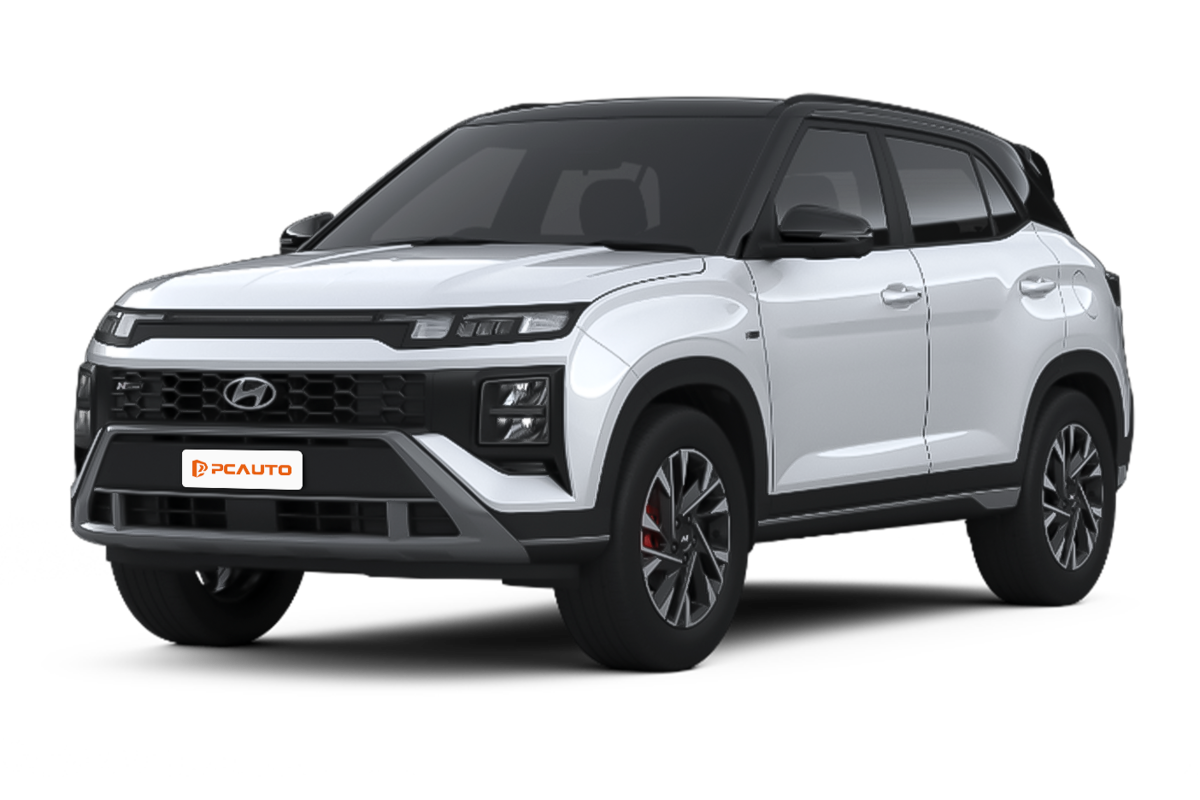
Cars With Similar Price And Features
21
Rank in SUV
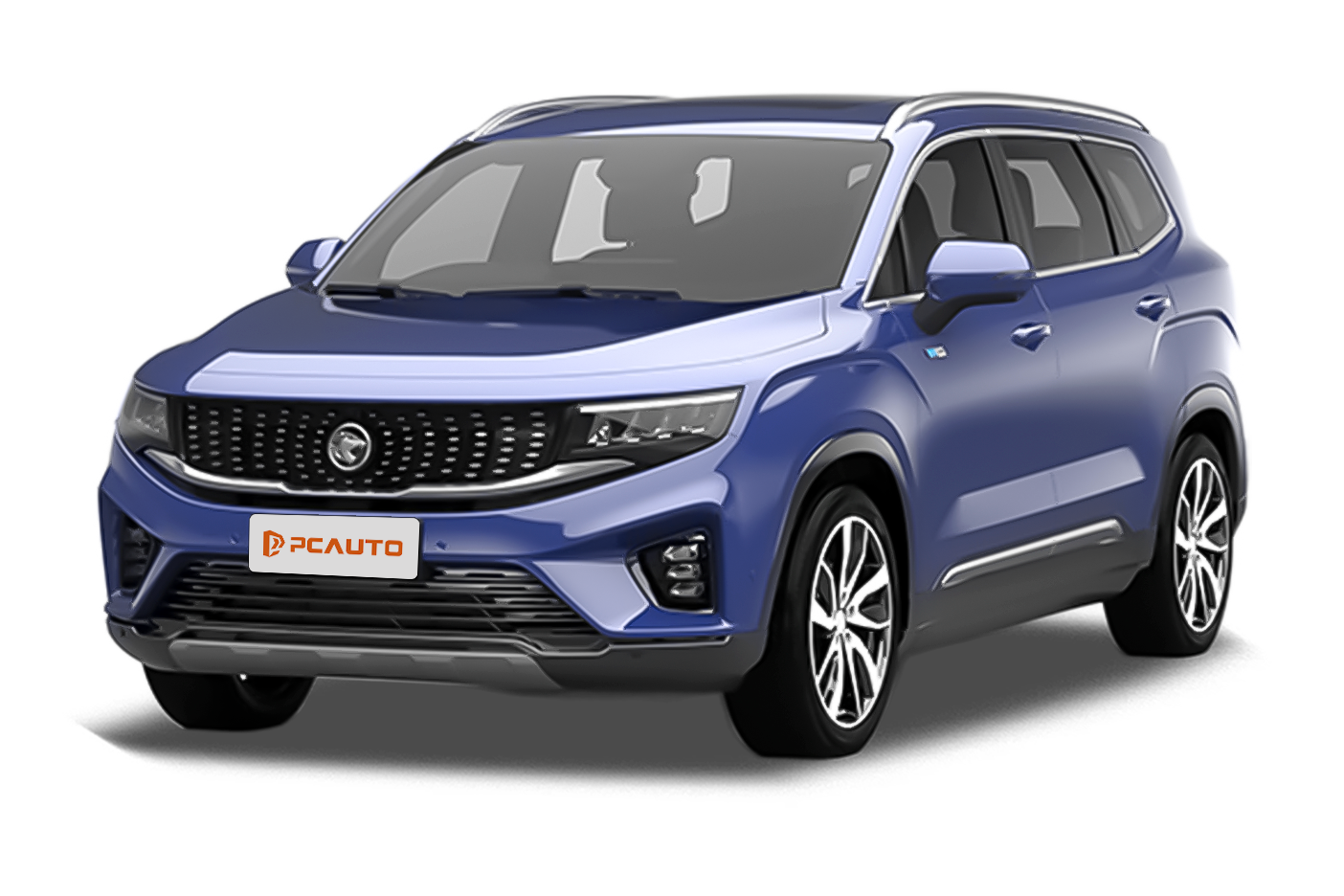
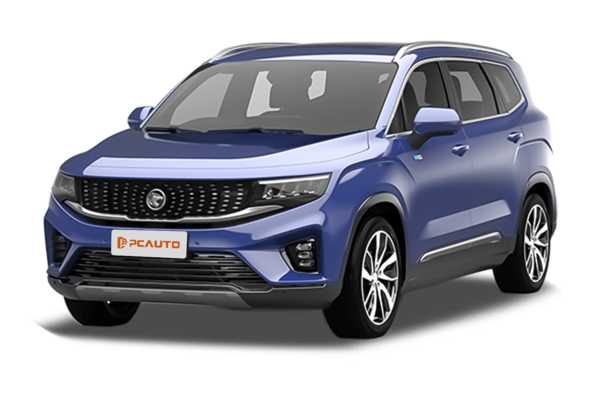
Proton X90 1.5TGDI BSG Standard 2023 is a family-oriented mid-size SUV that balances the practicality of a spacious 7-seater, the fuel economy of 1.5T mild hybrid, and mainstream technology features, offering outstanding value for money.

11
Rank in SUV
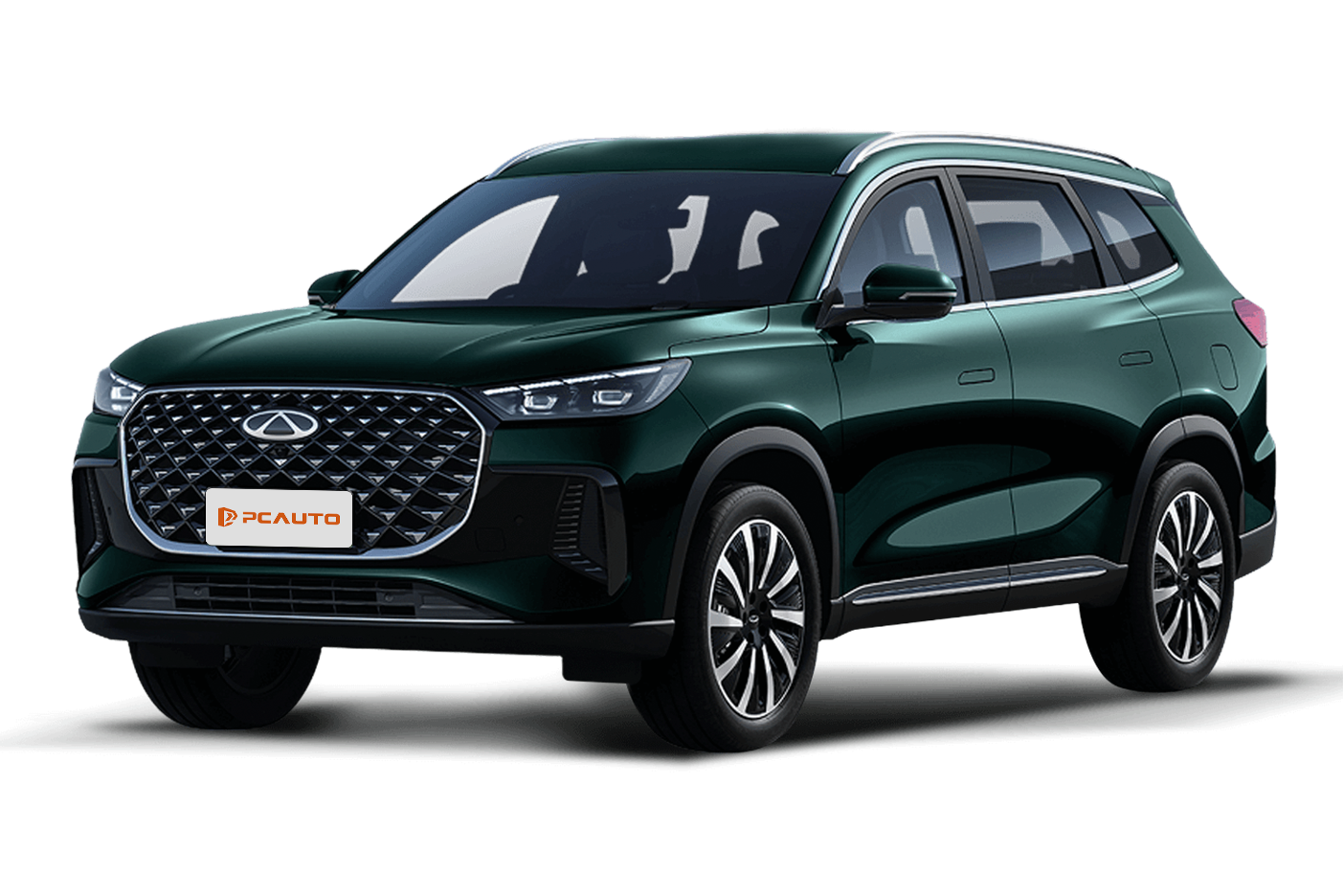
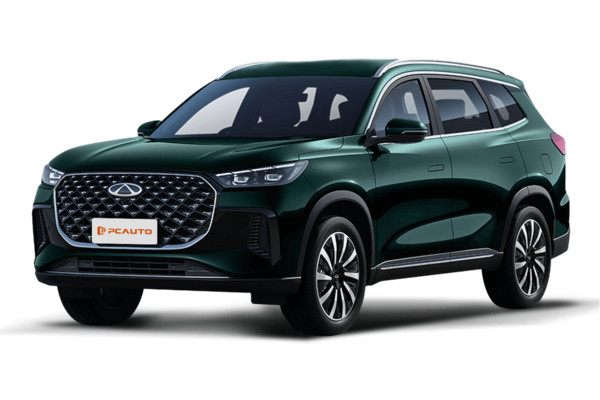
2026 Chery Tiggo 8 is a D-Segment SUV aimed at family users, offering superior configurations, practical space, and smooth power at a high cost-performance ratio, meeting both commuting and light off-road needs.
16
Rank in SUV

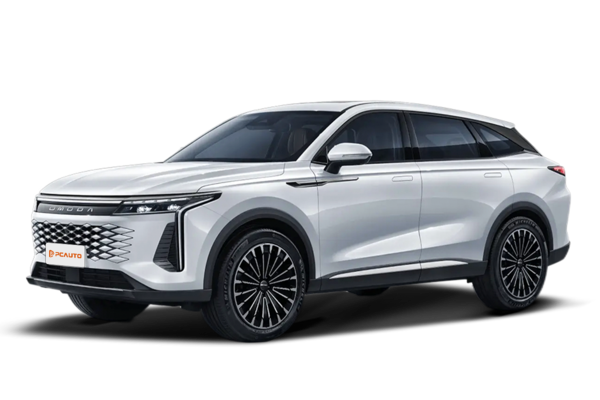
2024 Chery OMODA C9 2WD with 2.0T+8AT powertrain, L2 level assistance, and dual 12.3-inch screens, breaking the stalemate in the D-Segment market and becoming a high-value disruptor.

2022 Volvo XC60 B5 Momentum is a mid-size luxury SUV with strong safety features, equipped with a 48V mild hybrid system, practical space, and high cost-effectiveness, meeting the needs of both families and young users.