

2025 Isuzu D-MAX 1.9L 4x2 Low Ride Review

 Share
Share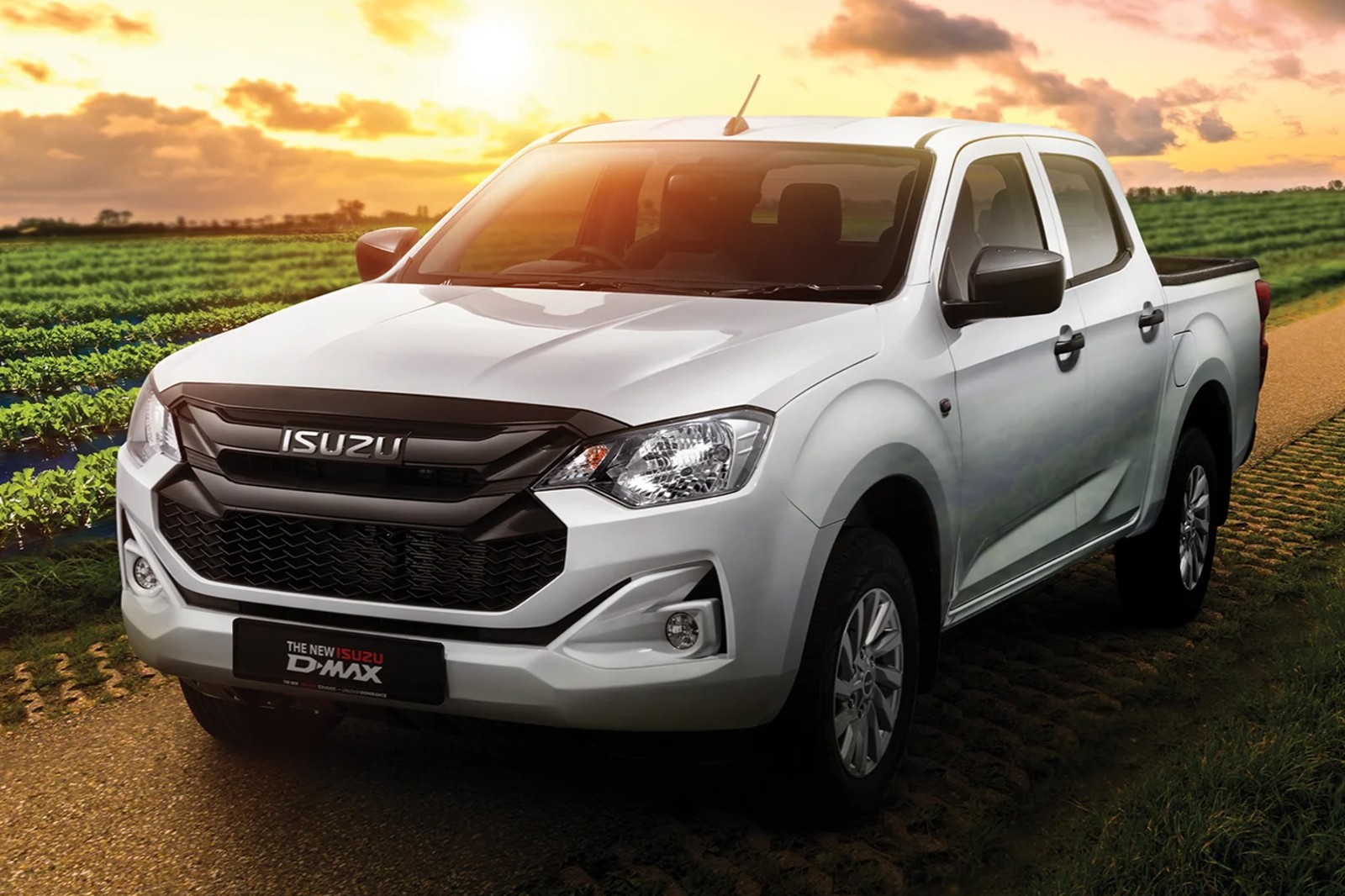
 Segment
 Body Type
 Capacity(L)
 Engine Power(PS)
 Engine Torque(Nm)
 Transmission
In recent years, Malaysia's pickup truck market has been heating up, and more and more consumers are no longer just focusing on the utility attributes of pickups but also hope that they can meet daily commuting and light cargo-carrying needs. Against this backdrop, the 2025 Isuzu D-MAX 1.9L 4x2 Low Ride targets the entry-level pickup truck segment, aiming to attract users with a limited budget who need a reliable and versatile vehicle, with its durable diesel powertrain and cost-effective features as key selling points. The main purpose of our test drive this time is to verify whether this entry-level D-MAX can satisfy the comprehensive needs of daily commuting, short family trips, and light cargo transport.
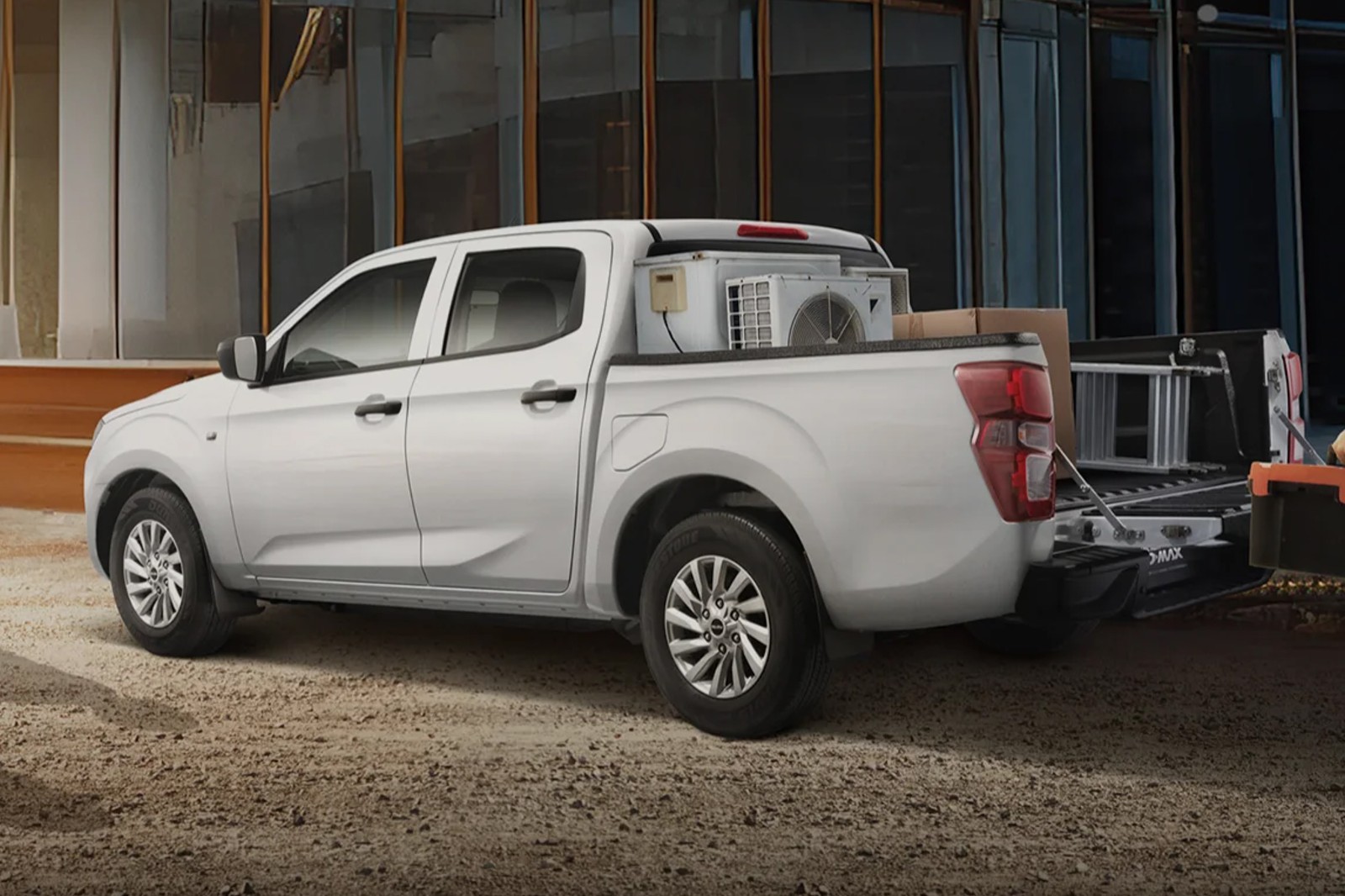
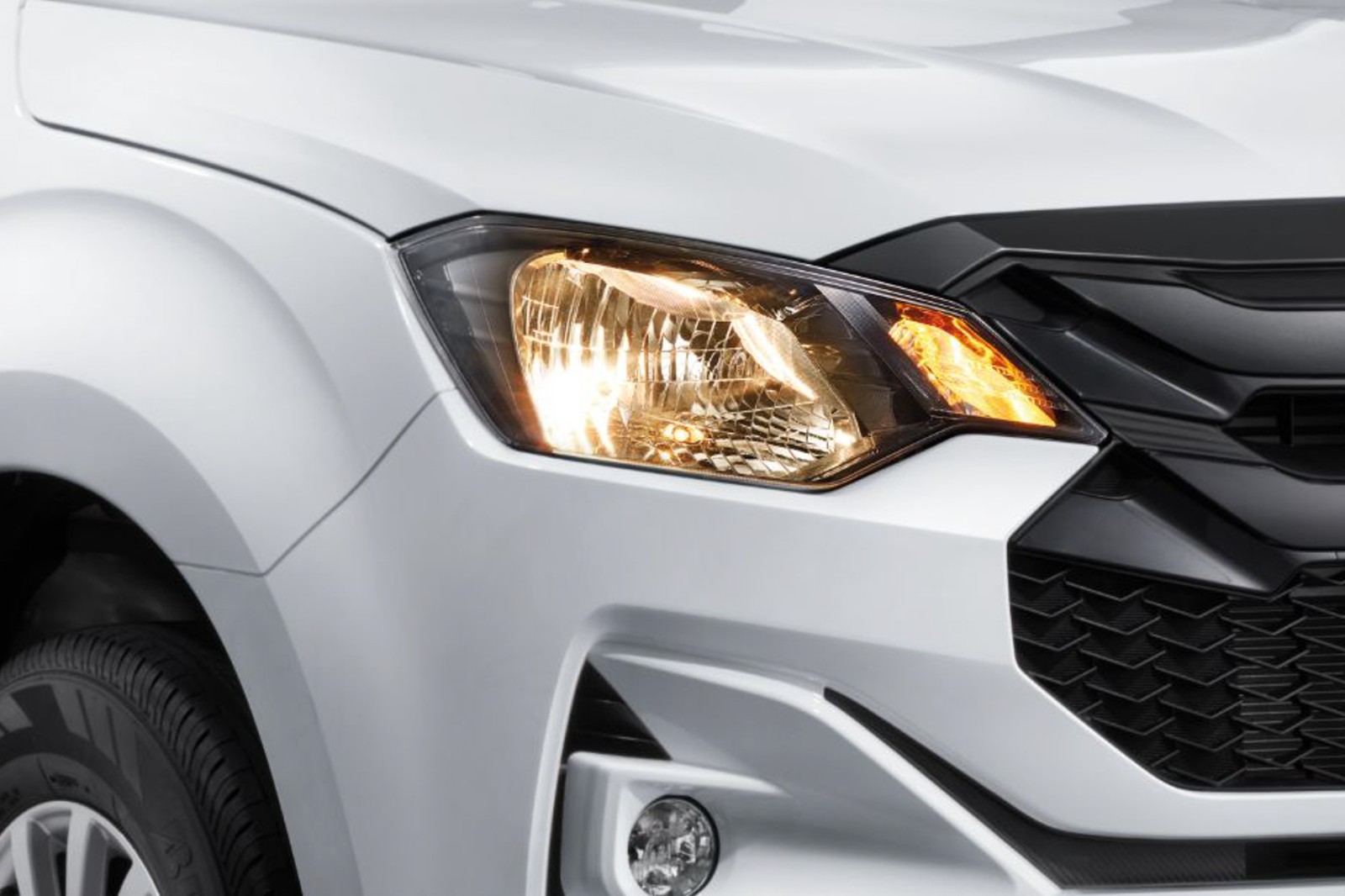
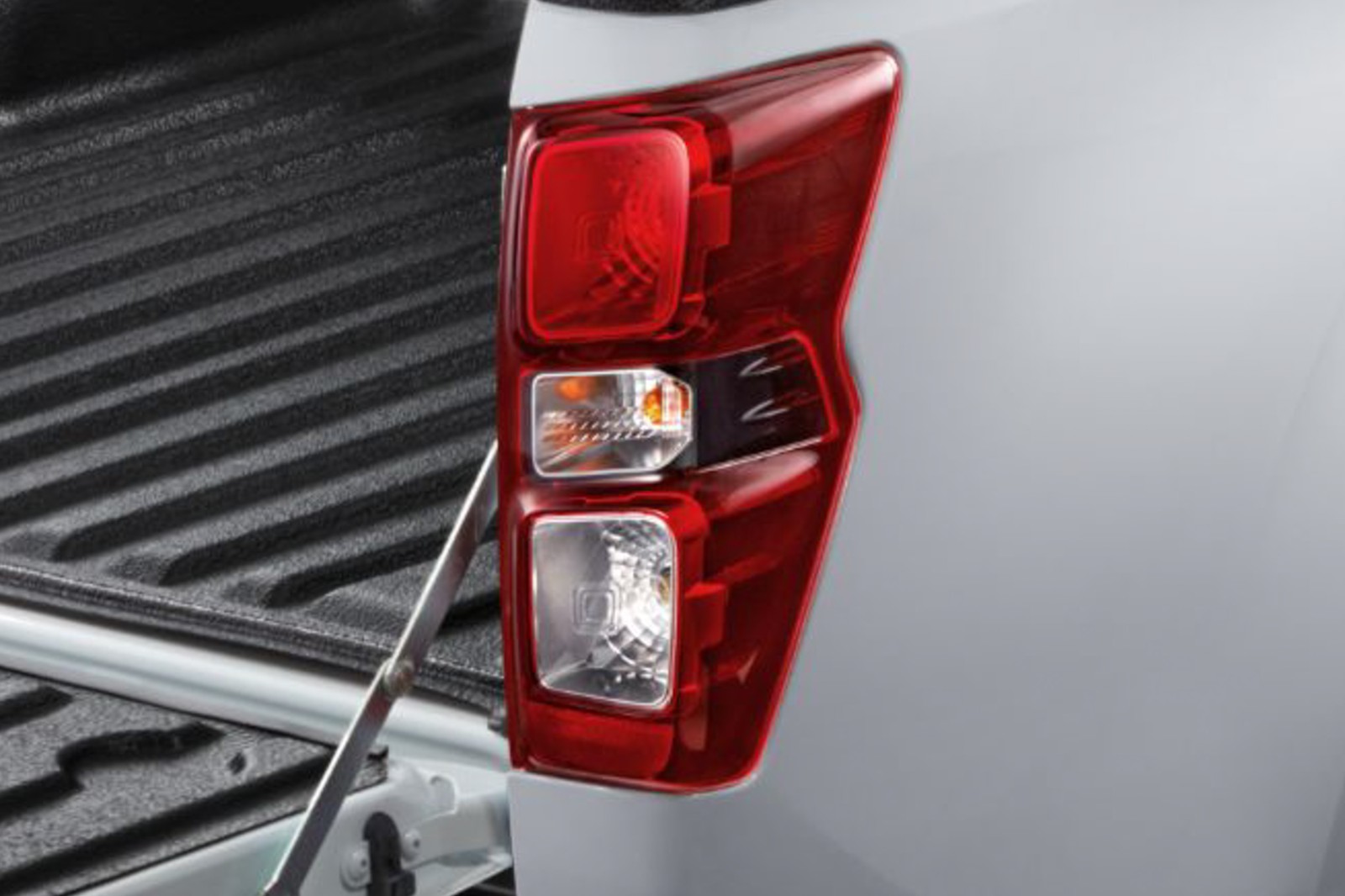
The appearance of this D-MAX maintains the classic rugged style of a pickup truck, with overall clean and sharp lines. The front features Isuzu’s family design, a wide grille paired with chrome trim, connected to the halogen headlights on both sides, which offers good recognizability. The sides of the vehicle are free from excessive decorations, and its length of 5285mm and width of 1810mm make it appear quite long, while the height of 1695mm is slightly lower than traditional high chassis pickup trucks, making it easier to get in and out. At the rear, the LED tail lights provide clear lighting effects, and the sturdy rear bumper is designed to handle daily scrapes and bumps. The 16-inch wheels paired with 215/70 R16 tires balance comfortable highway driving with light off-road capability.
Stepping inside, the interior style is practical and avoids overly fancy designs. The center console layout is simple, and the 3.5-inch monochrome LCD central display, though not large, is clear and capable of showing basic multimedia information. A multifunctional steering wheel is standard, with volume control and call answer buttons integrated on the left side, making daily operations relatively convenient. The instrument panel is a traditional mechanical needle type with brightness adjustment, offering clear and intuitive readings. For the seats, the front driver and passenger seats feature 4-way manual adjustment, with cushioning that is not especially soft but provides adequate support, ensuring comfort even during long drives. The rear seats support a 60:40 split fold, which expands trunk space when folded down, making it suitable for placing long items.
Space is one of this vehicle's standout features, with a wheelbase of 3125mm providing ample legroom in both the front and rear rows. A front-row passenger with a height of 175cm will have a fist-width of headroom remaining; similarly, a passenger of the same height in the rear row will have two fists worth of legroom and one fist of headroom, eliminating any sense of claustrophobia. In terms of storage, the inner sides of the door panels feature cup holders, and there’s a storage compartment below the center console, which can hold small items like phones or wallets. While there’s no central armrest in the rear row, the floor is relatively flat, making it not too uncomfortable for a middle passenger to sit temporarily.
For the powertrain, it is equipped with a 1.9L turbocharged diesel engine with a maximum power output of 110kW (150PS) and a maximum torque of 350N·m, paired with a 6-speed manual gearbox. When starting, as long as the clutch engagement point is found accurately, power delivery is smooth, without any obvious jerking. The maximum torque range of 1800-2600rpm covers the commonly used speed range for daily driving. During acceleration, the power response is prompt; when overtaking, a deep press on the accelerator prompts the gearbox to downshift and delivers power swiftly. At highway speeds, the engine runs at around 2500rpm, providing sufficient power reserves.
In terms of handling, the steering wheel has moderate weight and no noticeable slack, making daily lane changes and turns quite nimble. The front suspension features independent double wishbones with coil springs, while the rear suspension uses leaf springs. When dealing with minor bumps on city roads, the front suspension absorbs most of the vibrations. However, the rear suspension can feel slightly rigid when unloaded, but its comfort improves when fully loaded. Body roll during cornering is not significant, and overall stability is decent. The braking performance is fairly standard, with a combination of front ventilated disc brakes and rear drum brakes. The brake pedal offers clear feedback, and the braking force is linear, providing sufficient safety for daily driving.
During fuel consumption testing, we drove 50km each on urban congested roads and highways, with a combined fuel consumption of approximately 7.5L/100km. For a diesel pickup, this fuel efficiency is relatively economical. In terms of noise control, wind and tire noise become somewhat noticeable at high speeds, but they remain within an acceptable range. The diesel engine’s noise is relatively subtle at idle, and as long as the RPM does not exceed 3000 during driving, cabin noise won't significantly affect conversations.
Overall, the core advantages of the 2025 Isuzu D-MAX 1.9L 4x2 Low Ride include its reliable diesel powertrain, spacious interior, and affordable pricing. Compared to the Toyota Hilux 2.4L E manual version in the same class, this model is more affordable with similar fuel efficiency but lacks some comfort-oriented features, such as automatic air conditioning and a larger infotainment screen. However, for budget-conscious users focused on practicality, these differences in features are acceptable.
The target audience for this vehicle is quite clear: families needing a vehicle for daily commuting and occasional cargo hauling, or small business owners looking to transport goods and travel. The durable and reliable nature of this model aligns with Isuzu’s established brand image, and its maintenance costs are expected to be low. If you're seeking an entry-level pickup with high cost-effectiveness, ample space, and sufficient power, this model is worth considering.
Isuzu D-MAX Car Compare

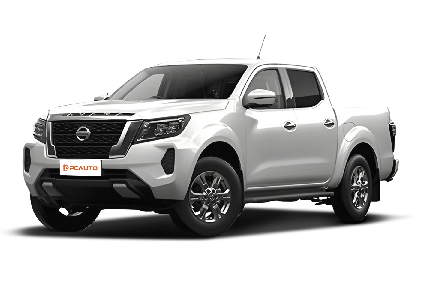
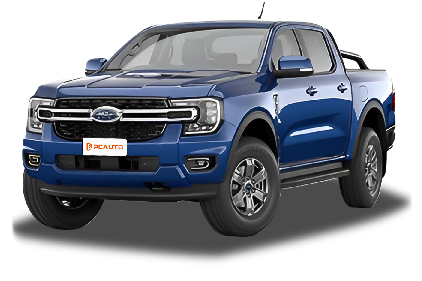
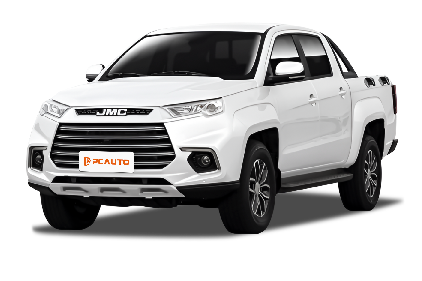
Isuzu D-MAX Loan Calculator
More Isuzu Reviews
Cars With Similar Price And Features
5
Rank in Pickup
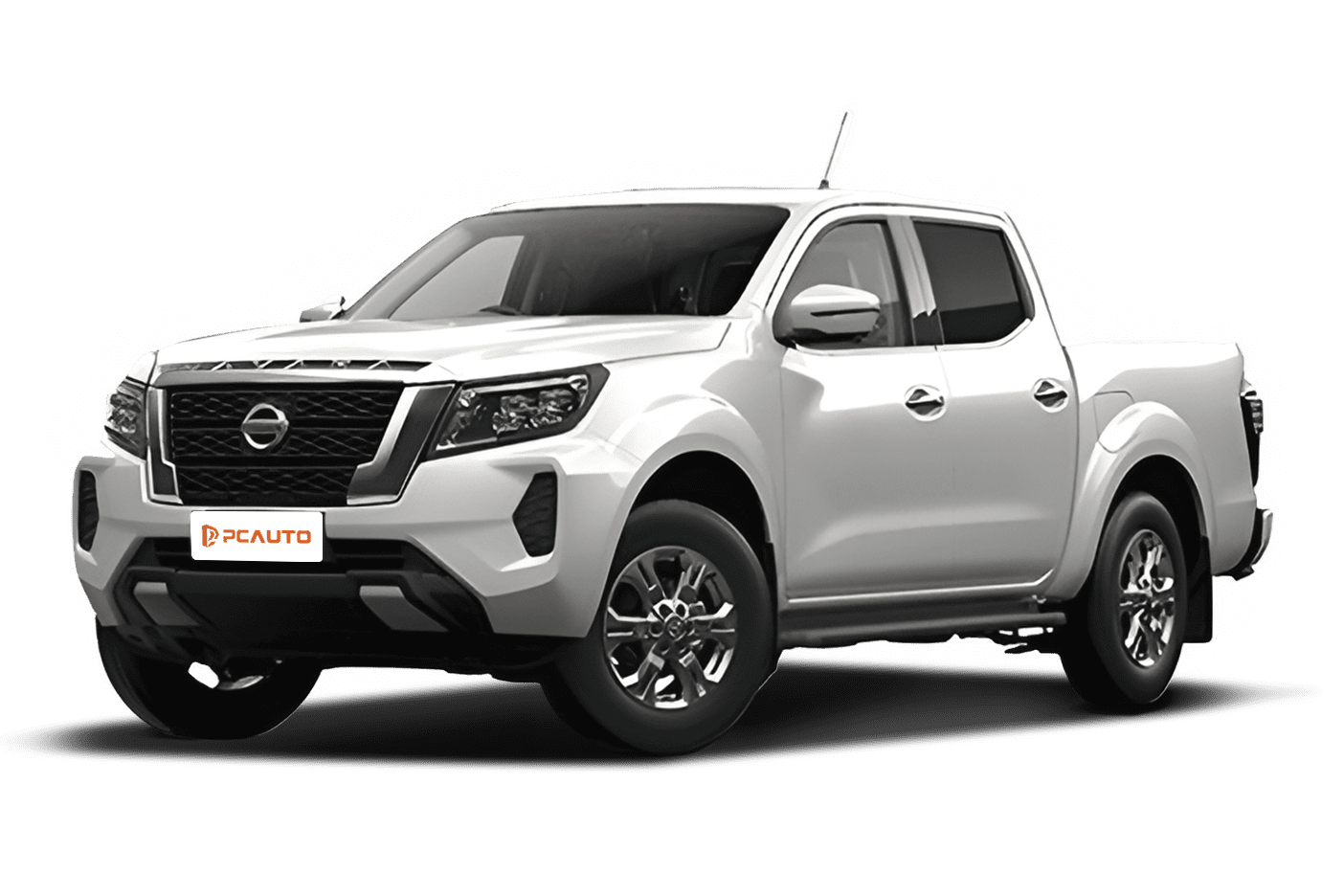
2023 Nissan Navara 2.5 VL Black Edition is a pickup truck that balances household comfort with light off-road capability, featuring exclusive black trims, a full suite of active safety features, and practical configurations, precisely catering to the needs of families and small business owners.
3
Rank in Pickup
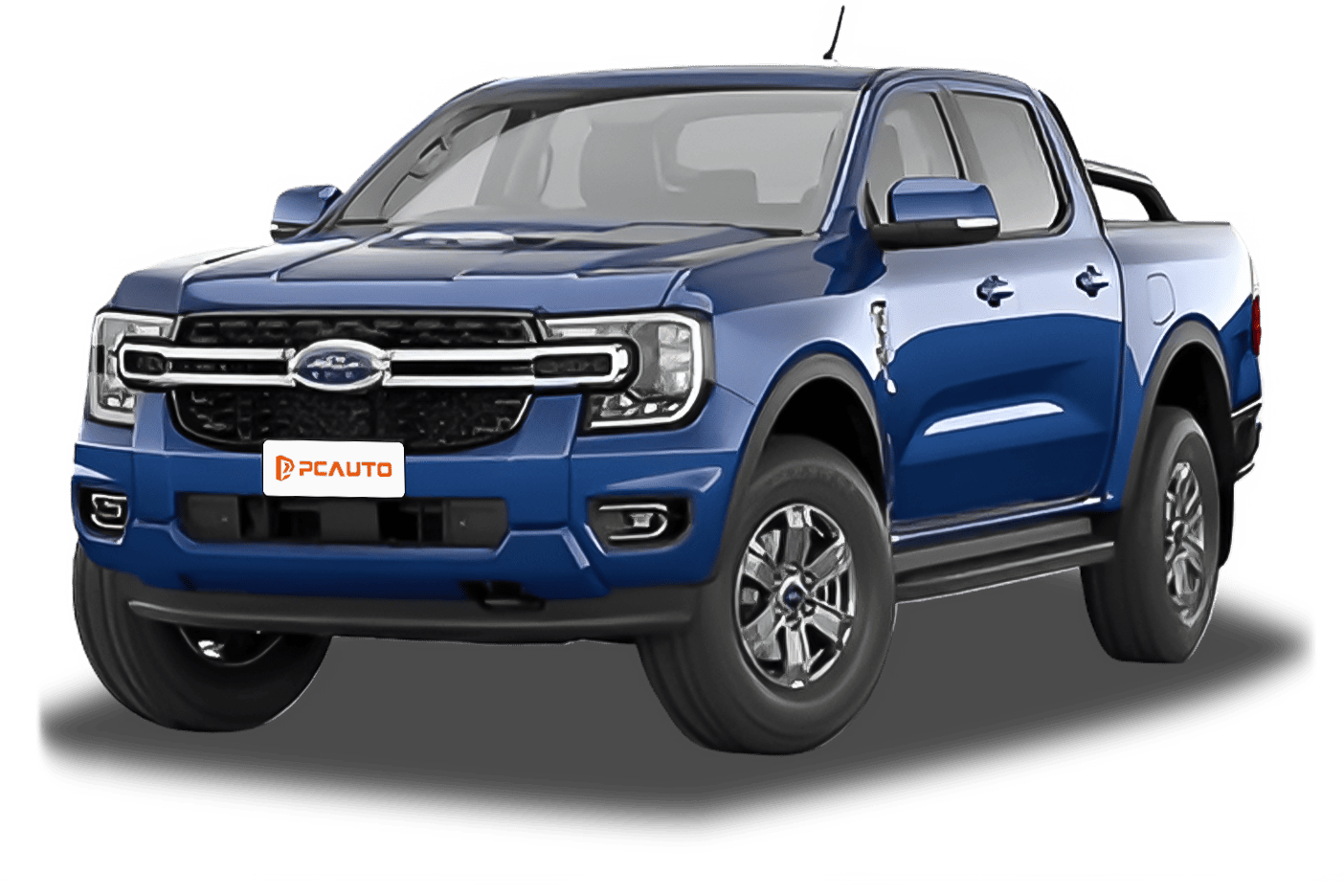
2023 Ford Ranger WildTrak is a mid-to-high-end pickup truck that balances the comfort of daily commuting with the practicality of cargo and off-road capabilities. It features powerful performance, ample space, and practical configurations, making it a versatile choice for both family and work scenarios.

2023 JMC Vigus Pro White Series 2.0L 4WD 8AT combines rugged design, practical features, and powerful diesel performance, balancing everyday durability and mild off-road needs, making it a high-value choice for pickup users.

2022 Maxus T60 2.8L 4WD AT is a practical pickup truck that balances work and life. The strong diesel torque and 4WD capability meet cargo and off-road needs, while the premium features and spacious interior enhance daily comfort.