

2025 Leapmotor B10 LIFE Review

 Share
Share
 Segment
 Body Type
 Motor Output(kW)
 Motor Torque(Nm)
 EV Range(km)
 Battery Capacity(kWh)
In the current Malaysian C-segment SUV market, users' demand for pure electric models is becoming increasingly clear—they want sufficient range without compromising on features and space. The 2025 Leapmotor B10 LIFE, being Leapmotor's main model in this segment, is priced directly at RM 107,800 and comes standard with L2-level driver-assist system and a 360-degree panoramic camera. Such a configuration combination is indeed rare in the same price range. For this test drive, I mainly wanted to see if its actual range, driving performance, and practicality in space could truly meet the daily needs of family users.
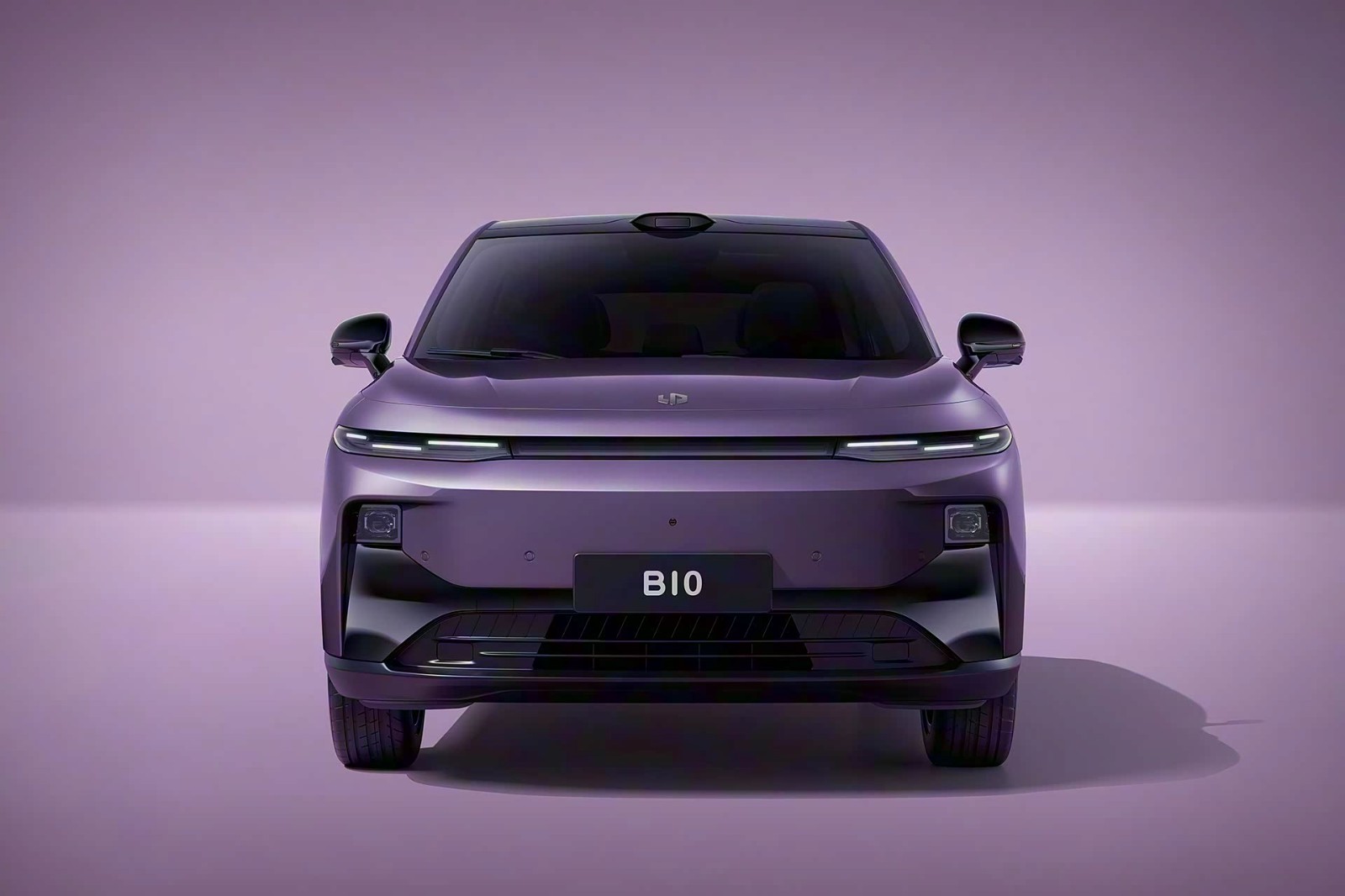
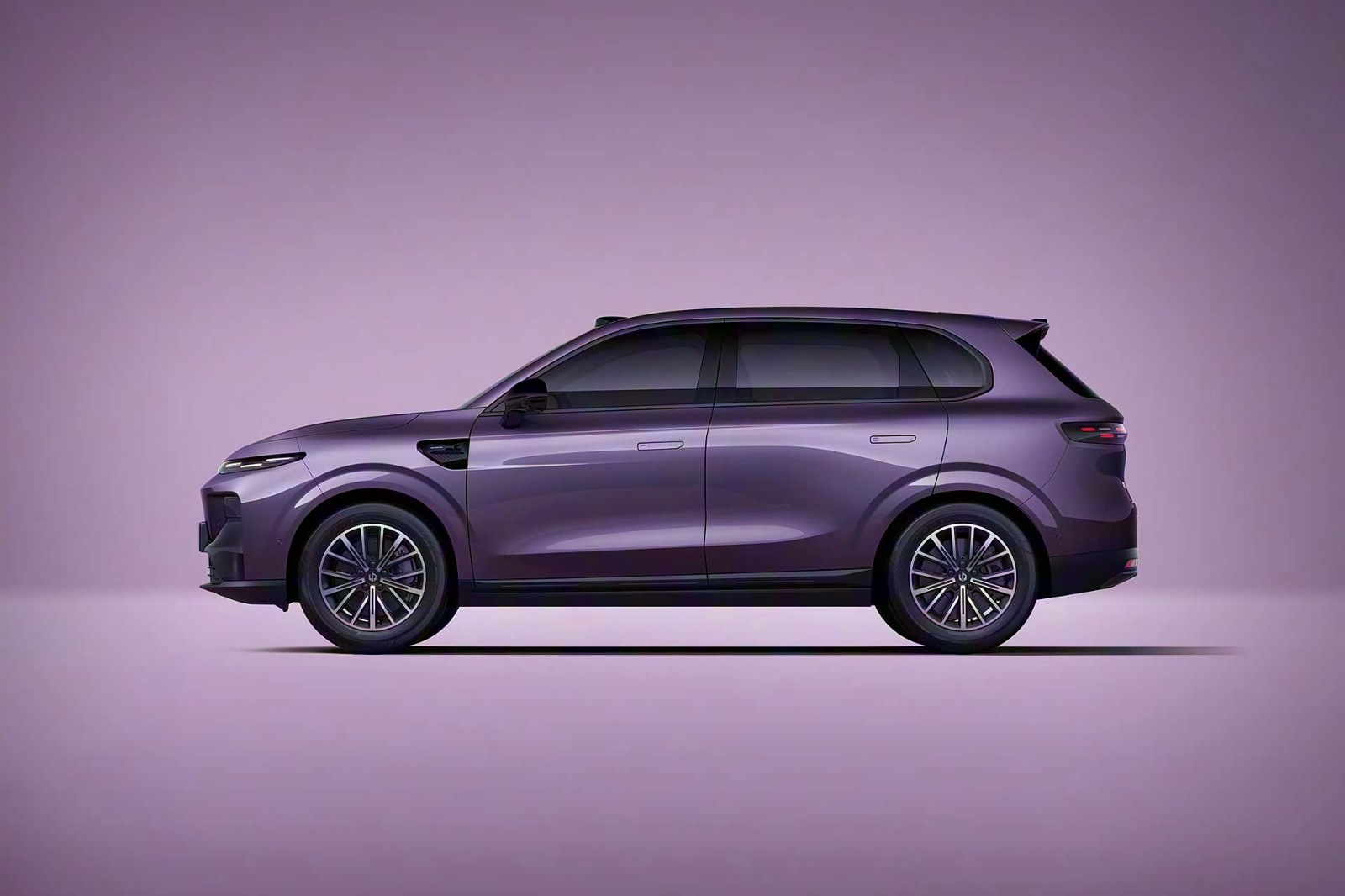
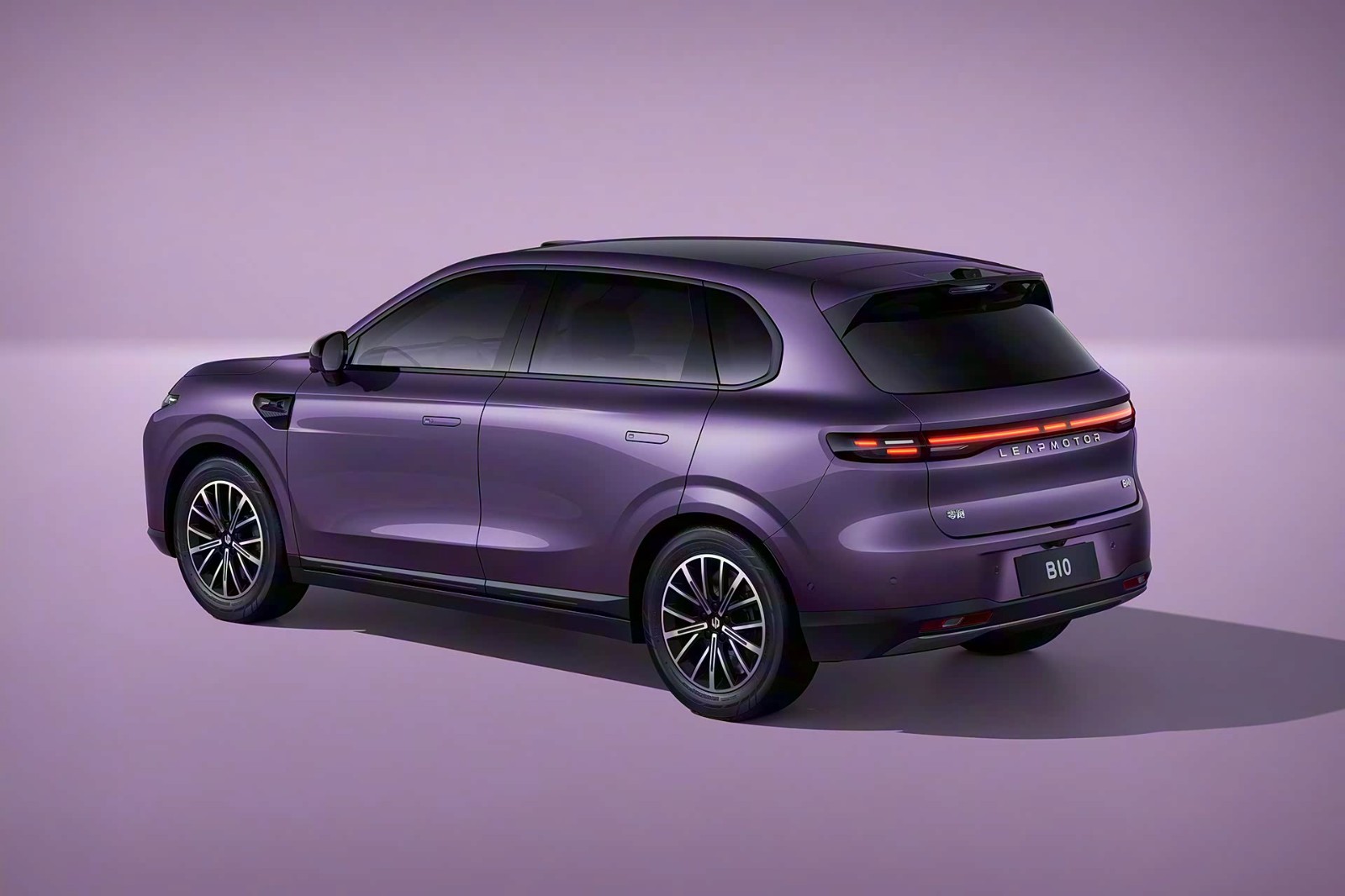
From the exterior, the B10 LIFE adopts a simple and practical design approach without overly exaggerated elements. The front features a closed grille with Leapmotor's logo embedded in the center. The trapezoidal air intake below is connected to the LED daytime running lights on both sides, visually widening the front and enhancing recognition. The side profile of the vehicle is relatively straight, with a straight waistline extending from the fender to the rear. Combined with the 18-inch multi-spoke wheels, the overall look is stable and elegant. The focus of the rear design lies in the through-type LED taillights, which are clear and striking when lit at night, while the silver trim on the lower rear bumper adds a touch of ruggedness to the SUV. The vehicle's dimensions are 4515mm×1885mm×1655mm, with a wheelbase of 2735mm, which falls into the upper-middle range among C-segment SUVs.
Sitting inside, the interior layout is very well-organized, with the center console angled slightly toward the driver, making it quite user-friendly. In terms of materials, the upper part of the dashboard uses soft-touch plastic, while the middle and lower parts are made of hard plastic. However, the seams are fairly well-finished. Among the core features, the 14.6-inch central control screen stands out the most, with high resolution and smooth operation. It supports Bluetooth, CarPlay, and Android Auto, which is sufficient for daily use. The HUD head-up display comes standard, showing speed, navigation, and driver-assist system information, which avoids the need to lower your head to check the instrument panel and significantly improves safety. The 8.8-inch fully digital instrument cluster is clear and displays crucial information such as battery level, range, and driving mode at a glance. The seats are made of fabric material, which, although not as premium as leather, is quite breathable. The driver's seat supports 6-way manual adjustment, and the front passenger seat supports 4-way manual adjustment. Once adjusted, the support is decent. The rear seats can be folded down in a 60:40 split, expanding the trunk capacity from 430L to 1700L. This provides ample space for items like a baby stroller or a large suitcase.
In terms of space performance, the 2735mm wheelbase does provide good rear legroom. I am 175cm tall, and after adjusting the front driving position, there were more than two fists of space for my legs when seated in the rear, along with about a fist of headroom, making it feel spacious rather than cramped. The rear floor is almost flat, so when three people are seated at the back, the middle passenger also has space to place their feet. For storage, there is an open storage compartment under the front center console for items like phones and wallets. The center armrest box also offers decent volume, and the door pockets can hold two bottles of mineral water. At the rear, there’s a foldable armrest with two cup holders, showing attention to detail.
Dynamic driving section: The B10 LIFE is equipped with a rear-mounted permanent magnet synchronous motor, with a maximum power of 160 kW (218 PS) and a maximum torque of 240 N·m, offering an official range of 442 km. During the test drive, the weather was around 30°C. With the air conditioning on and driving in standard mode under urban conditions, the car accelerated very smoothly. The throttle pedal is tuned to be quite linear, providing noticeable power output with a light press. When overtaking, pressing the throttle harder results in responsive acceleration without any noticeable lag. At highway speeds of over 100 km/h, the acceleration ability isn't as strong as in city driving, but the car maintains a stable cruise at 120 km/h. There are three driving modes: Eco, Standard, and Sport. The Sport mode offers more sensitive power response, but the Standard mode is sufficient for daily use.
Chassis: The car features a front MacPherson strut and rear multi-link independent suspension system, tuned for comfort. When driving over speed bumps or uneven roads, the suspension absorbs most of the shocks, avoiding any harsh impact, which provides a good experience for rear-seat passengers as well. Its performance in corners is standard, with slight body roll that remains within an acceptable range. The steering wheel offers moderate resistance with minimal play, making daily driving effortless. The brake pedal has a linear feel, providing evenly distributed braking force, and the vehicle remains stable during sudden braking.
Range and energy consumption: This test drive covered approximately 150 km, with 60% on city roads and 40% on highways. The air conditioning was maintained at 24°C on automatic mode throughout. The final displayed range dropped by 170 km, yielding a range achievement rate of about 88%. This result is quite good compared to other electric vehicles of the same class. Fast charging from 30% to 80% takes 0.35 hours (21 minutes), and slow charging from 0 to 100% takes 2.5 hours, meeting the daily recharging needs.
Noise control: When driving at low speeds in the city, tire noise and electric motor noise are minimal. Wind noise becomes increasingly noticeable when the speed exceeds 80 km/h, but it remains within an acceptable range and does not disrupt conversations inside the cabin. There are three levels of regenerative braking adjustment; at the highest level, releasing the accelerator produces a significant dragging effect, similar to the braking of a fuel car, while the lowest level hardly feels any drag, making it suitable for drivers accustomed to traditional fuel vehicles.
In summary, the 2025 Leapmotor B10 LIFE offers distinct core advantages: affordable pricing – with an RM 107,800 price tag that includes features like L2-level driver assistance, HUD, and a 360-degree camera system. It is almost unrivaled in the pure-electric C-SUV segment at this price point; the space it provides is decent, with the rear seats and trunk effectively meeting the needs of family users; and its high range achievement rate makes it well-suited for daily commutes and short weekend trips. Compared to competitors like the BYD Atto 3 or Proton X50 EV, the B10 LIFE is more competitive in terms of price and features. Although it may not have the same brand recognition as those two models, its cost-performance ratio is outstanding.
This car is clearly aimed at specific groups: budget-conscious families or young professionals who recently started working and are looking for an affordable pure-electric SUV for commuting. It doesn't have any major shortcomings, and its overall performance is quite balanced, making it a hassle-free choice for everyday use. If your budget is around RM 110,000 and you want a pure-electric SUV with comprehensive features and ample space, the B10 LIFE is worth considering.
Leapmotor B10 Car Compare
Leapmotor B10 Loan Calculator
More Leapmotor Reviews
Cars With Similar Price And Features

1
Rank in SUV
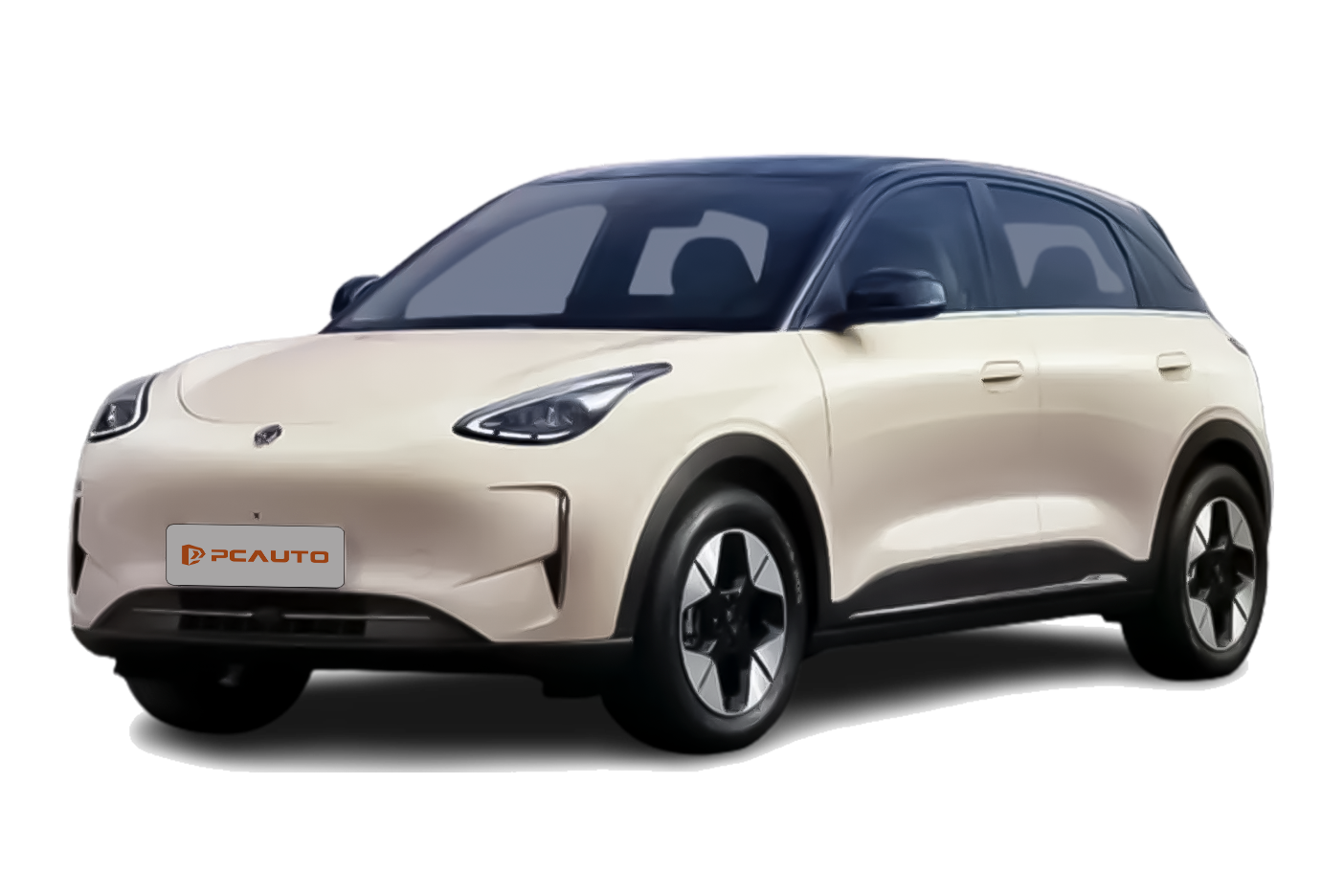
2025 Proton e.Mas 5 Prime is Proton's first entry-level pure electric C-Segment model, priced from 56,800 MYR to target the sub-100,000 MYR market, balancing practical features with commuting range.
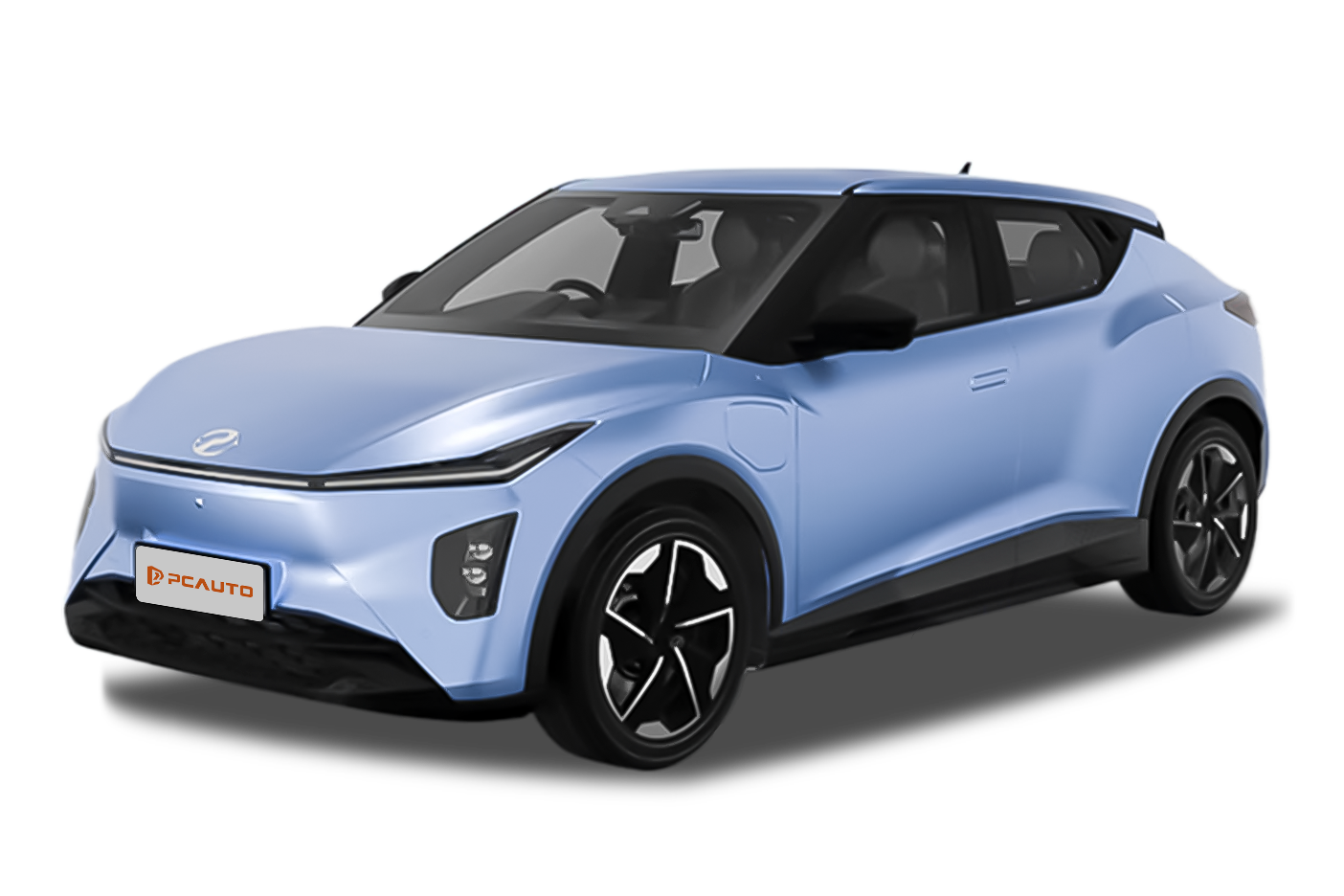
The 2025 Perodua QV-E is an affordably priced, practically ranged class-C pure electric vehicle, precisely tailored for family users and young commuters with its high safety features, spacious interior, and agile driving dynamics.
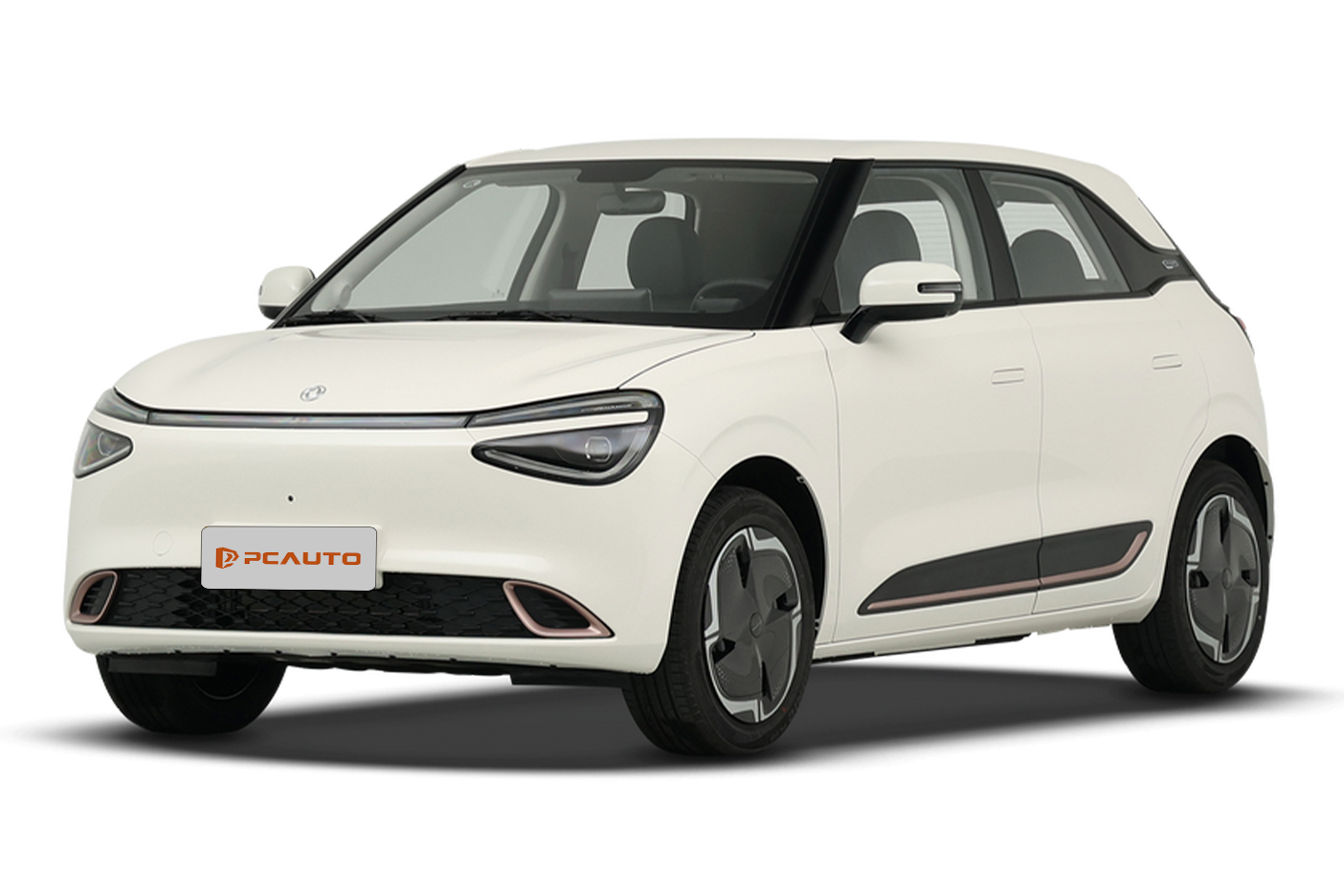
2024 DFSK Box E2 is a household pure electric vehicle in Malaysia priced at around 100,000 Ringgit, featuring a 330 km range, 12.8-inch large screen, and practical space as its main selling points, catering to both commuting and family needs.
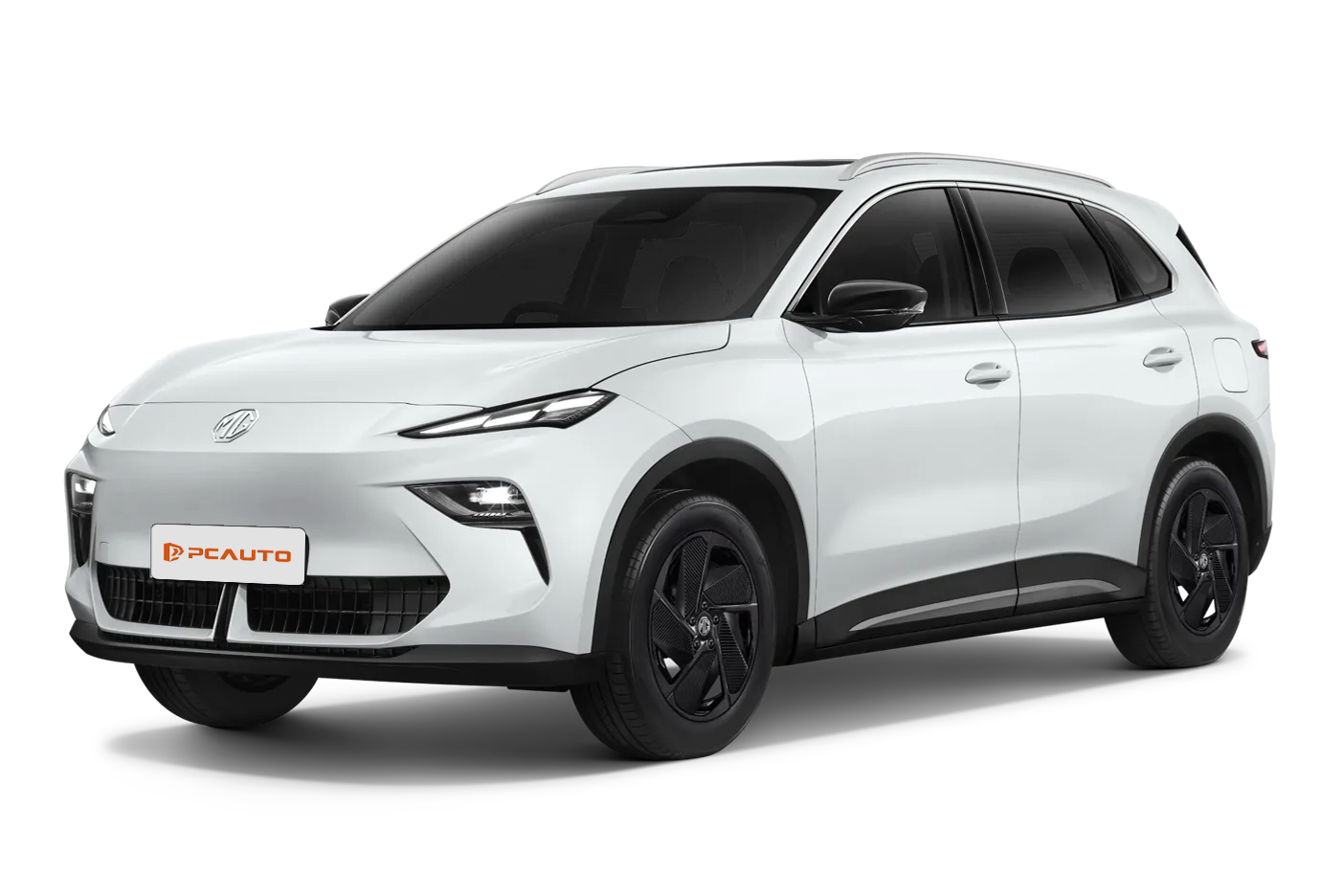
2025 MG S5 EV COM, as the entry-level model of Malaysia's C-Class all-electric SUV, offers high value for money with L2 assisted driving, long range, and practical features, meeting the needs of young families and commuters.