

2025 Perodua Traz H Review

 Share
Share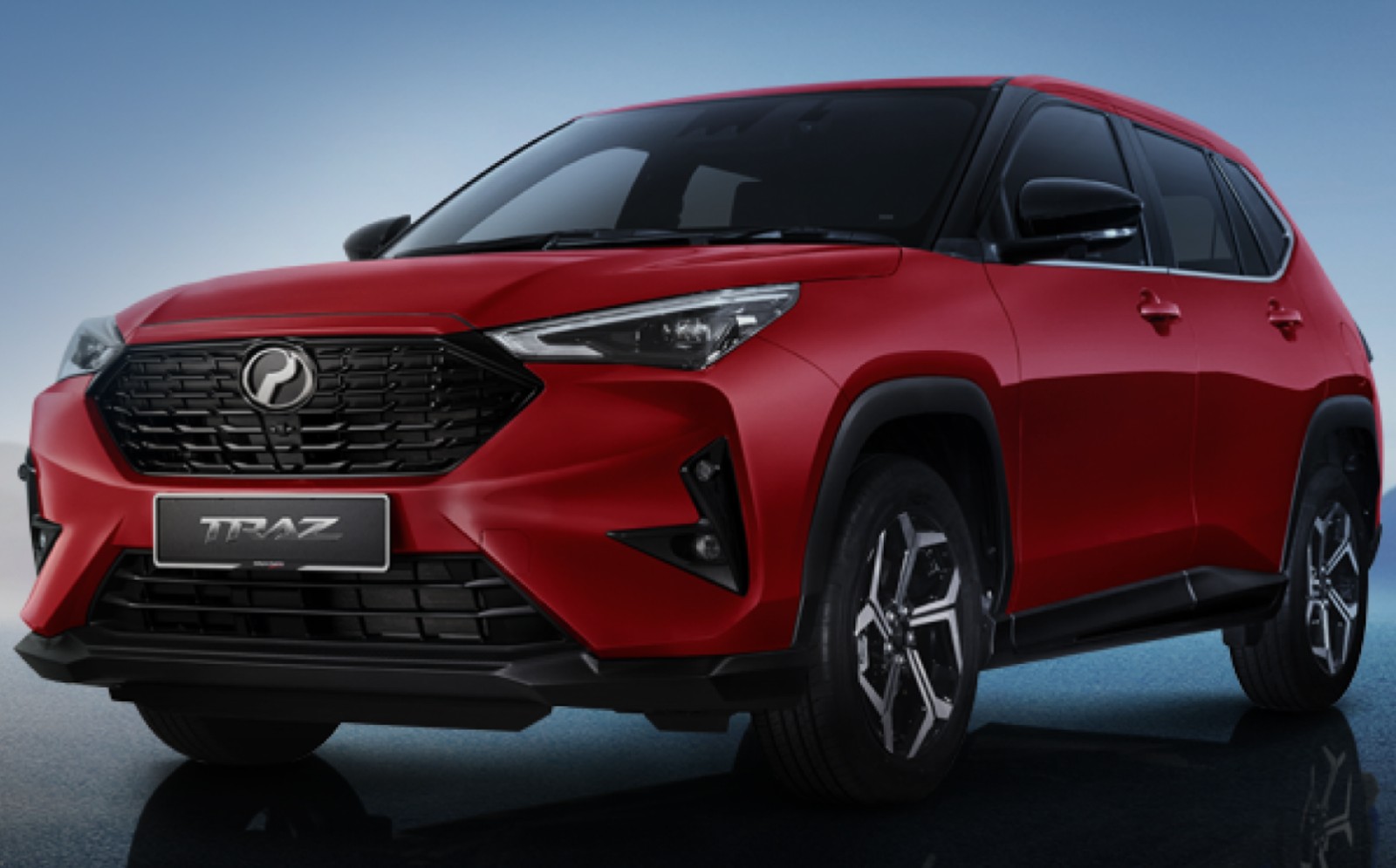
 Segment
 Body Type
 Capacity(L)
 Engine Power(PS)
 Engine Torque(Nm)
 Transmission
In Malaysia's B-Segment SUV market, balanced space, practical features, and affordable prices have always been the core needs of consumers. The recently unveiled 2025 Perodua Traz H targets this specific market segment, highlighting its comprehensive intelligent safety features and optimized spatial performance as key selling points. This time, through a test drive with the actual vehicle, let's see if it can stand out in this highly competitive market.
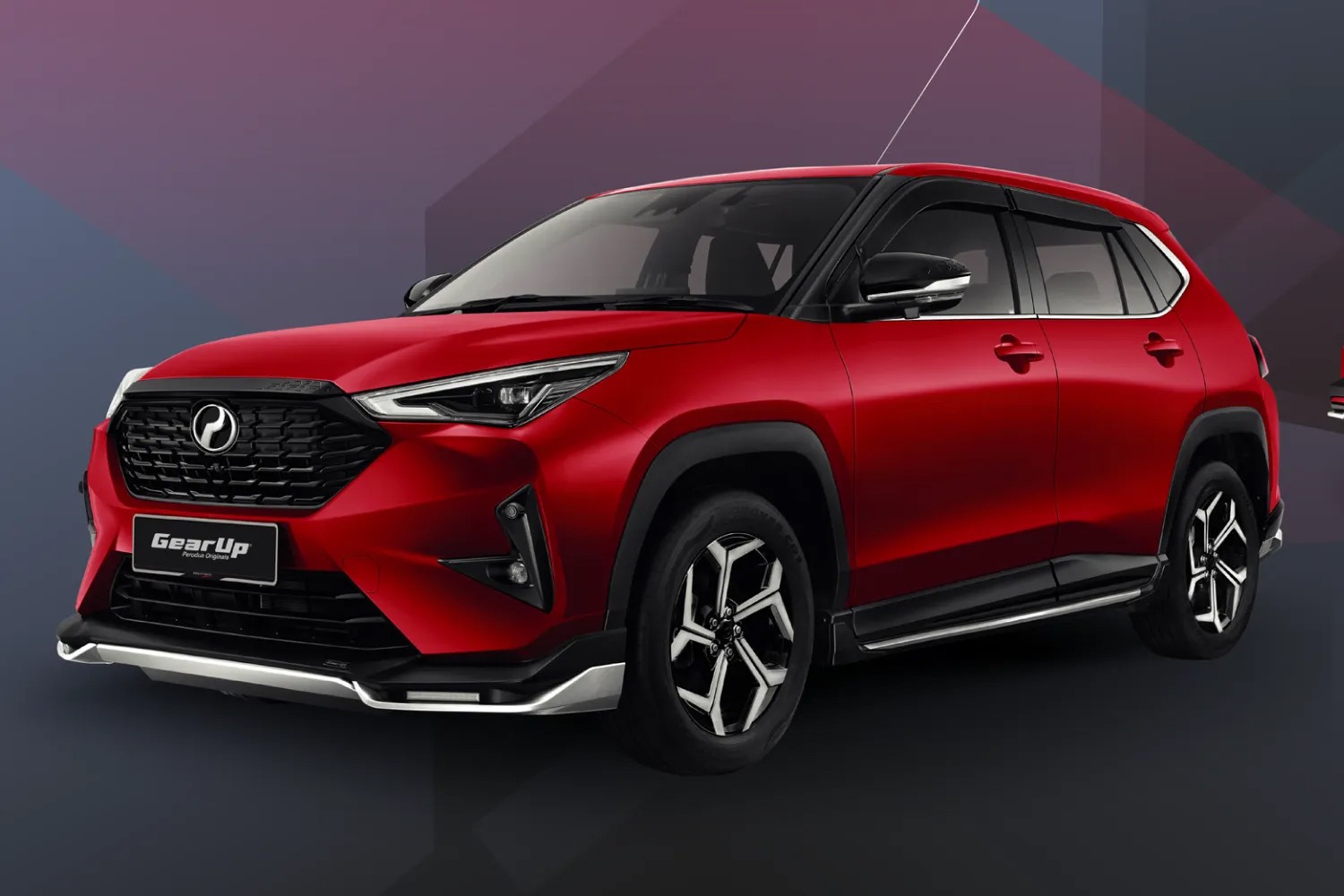
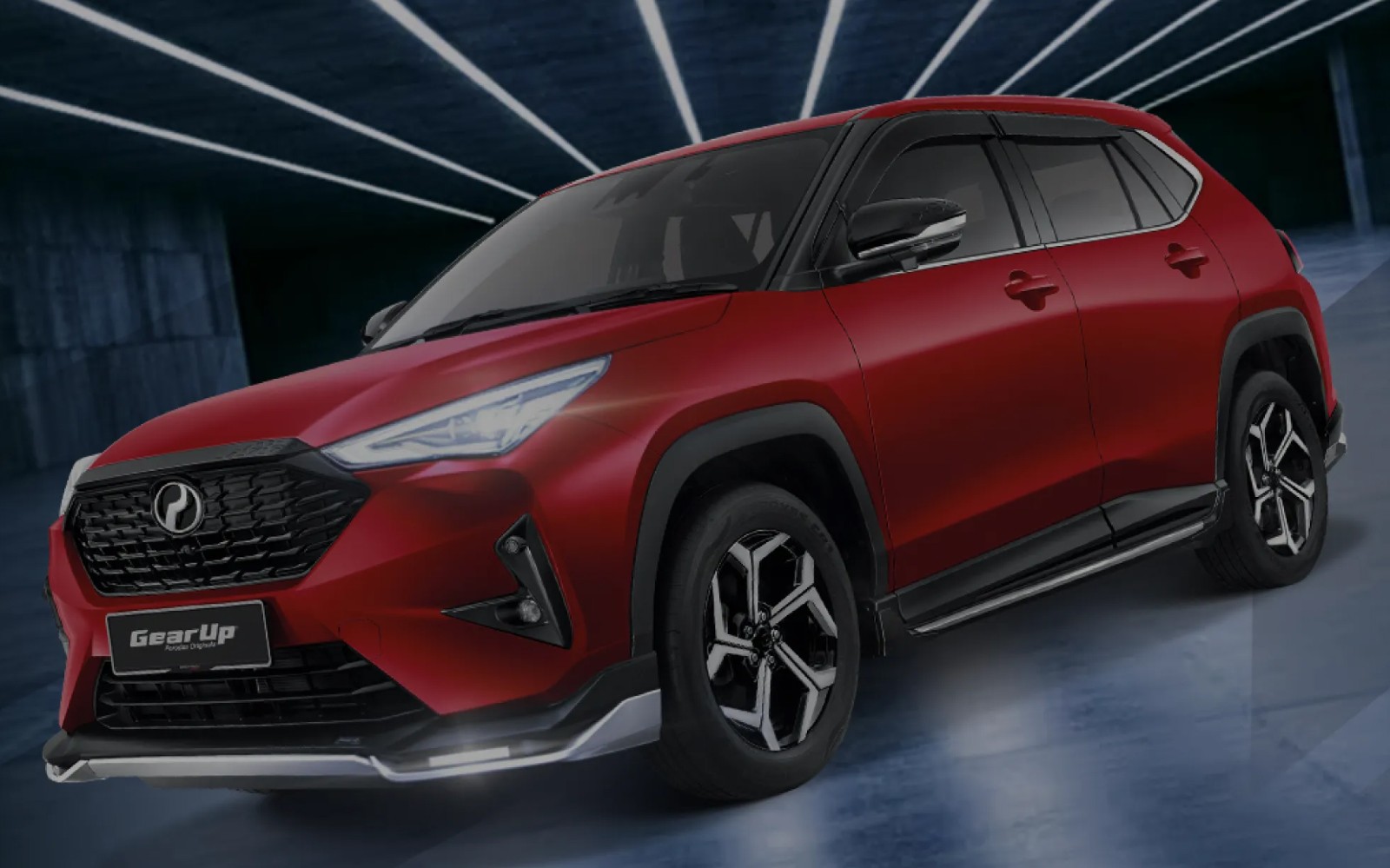
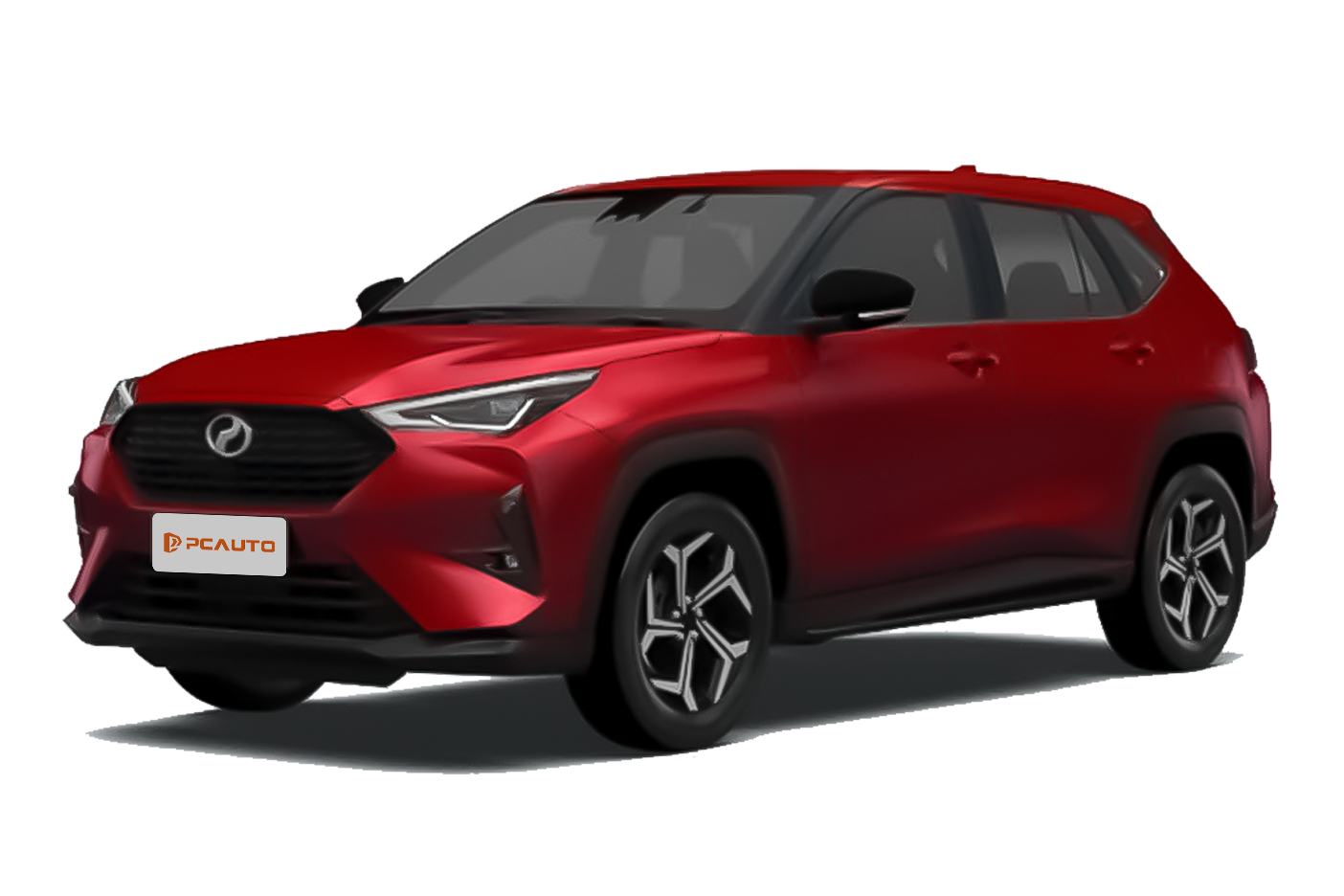
In terms of exterior design, the Traz H maintains the tough styling of the Perodua family. The front features a large blacked-out grille, paired with sharp LED headlights on both sides. The seamless connection between the lamps and grille enhances the visual width. The side profile showcases straight lines, with a waistline extending from the fender to the rear, adding a sense of power. The combination of 17-inch alloy wheels and 215/60 R17 tires not only ensures good clearance but also provides better side proportions. At the rear, the LED tail lights are designed in a through-type style, with the Perodua logo embedded in the middle, offering high recognition when lit at night. The silver skid plate at the bottom of the rear bumper adds a rugged SUV vibe.
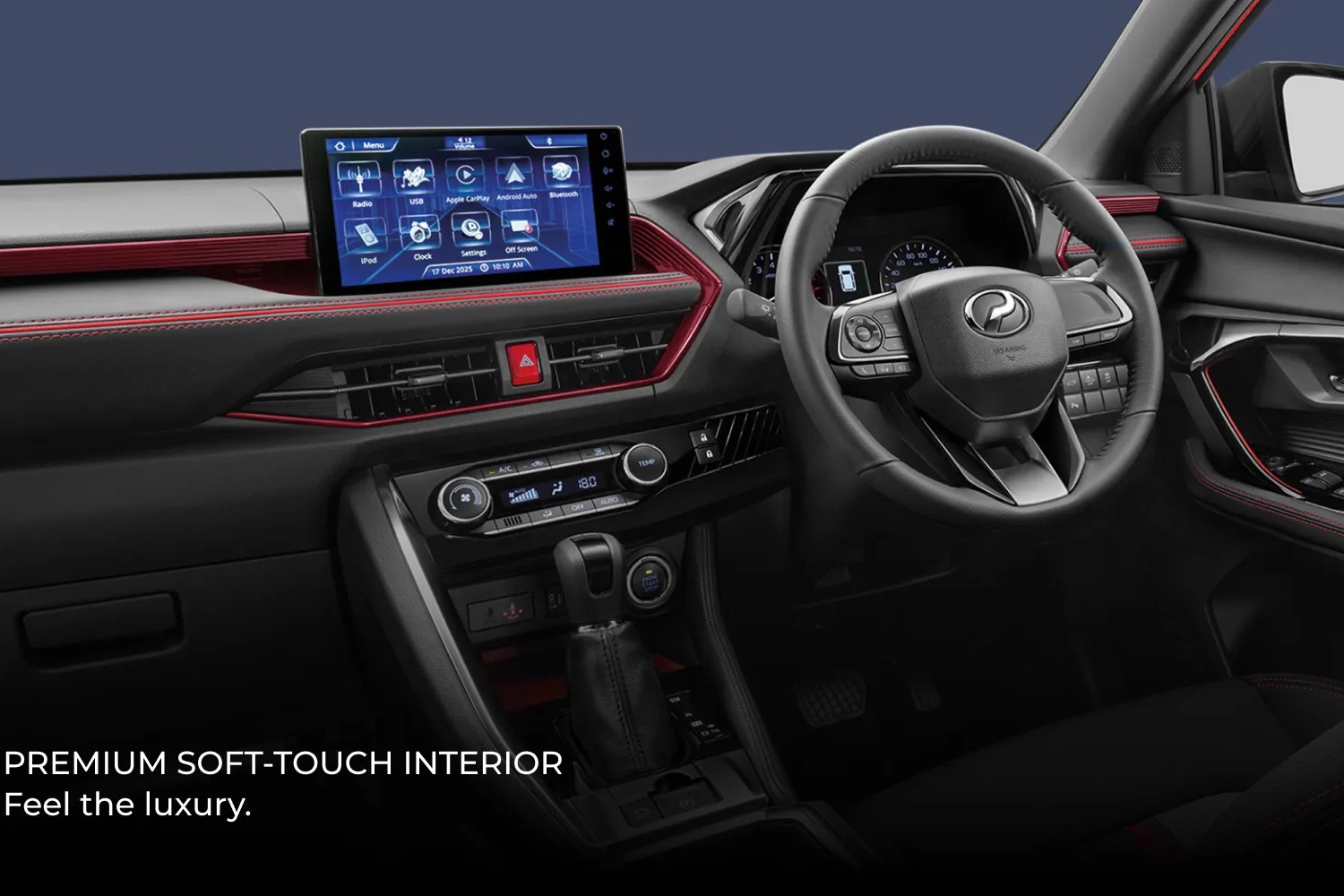
Inside the cabin, the interior of the Traz H is dominated by dark tones. The dashboard is covered with soft-touch plastic, accented with silver trim, providing a texture that ranks above average for its class. The center console layout is simple, featuring a 9-inch multimedia touchscreen in the center. It supports Bluetooth connectivity and smartphone mirroring, with decent operational smoothness. Physical buttons for air conditioning are retained below, allowing for easy blind operation during driving. The instrument cluster includes a 4.2-inch TFT color screen, clearly displaying speed, fuel consumption, and safety system status information, making data easy to read. In terms of features, keyless entry, one-touch start, automatic air conditioning, and rear air vents are all standard. The front seats are manually adjustable, with cushions and backrests that are slightly on the soft side, providing comfortable long-term seating.
Space performance matches the positioning of a B-Segment SUV. The dimensions are 4310mm/1770mm/1655mm (L/W/H) with a wheelbase of 2620mm. When seated in the front row, a 175cm tall passenger has a headroom clearance of one fist and two fingers. Similarly, at the rear, when seated by a 175cm tall passenger, legroom is two fists, and headroom is one fist, making it suitable for regular family use. The trunk offers a standard capacity of 471L, which can be further expanded by folding down the rear seats to accommodate strollers or large suitcases. Interior storage space is abundant, with front door panels able to hold two water bottles, a central armrest box with moderate depth, and a rear armrest featuring cup holders.
In the power department, the Traz H is equipped with a 1.5L naturally aspirated engine, delivering a maximum output of 106PS/6000rpm and a peak torque of 138N·m/4200rpm, paired with a CVT transmission. For daily driving, power output at the start is smooth, suitable for urban conditions. After accelerating to 60km/h, power responsiveness improves. For overtaking, pressing the accelerator deeper allows the transmission to simulate gear shifts, with the engine revving above 4000rpm to provide sufficient power reserves. The vehicle offers only two driving modes: Eco and Normal. The Eco mode lowers throttle sensitivity, ideal for fuel-efficient cruising, while the Normal mode is better suited for daily commutes.
The handling and chassis performance are geared towards comfort. The combination of front MacPherson + rear double wishbone independent suspension can filter out most small vibrations when passing speed bumps or uneven roads, making the rear passengers feel minimal jolts. The steering feel is light with minimal play, making it very flexible for urban commuting or parking; at high speeds, the steering wheel becomes slightly heavier, enhancing stability. The vehicle's minimum ground clearance of 215mm provides better off-road capability compared to regular sedans when facing suburban unpaved roads.
Safety features are the highlight of the Traz H, with standard 6 airbags (including knee airbags), ABS, vehicle stability control, blind-spot assist, lane departure warning, autonomous emergency braking, and more, offering comprehensive safety performance. Regarding fuel consumption, the urban test recorded approximately 7.5L/100km, while on highways it was about 6.2L/100km, aligning with the level of a 1.5L naturally aspirated engine. Noise control is average, with wind and tire noise entering the cabin at high speeds, but within an acceptable range.
Overall, the core advantages of the 2025 Perodua Traz H lie in its comprehensive safety configurations, practical space, and balanced driving performance. Compared to competitors in the same class, its safety features are more advanced, and the price (RM 81,100) maintains Perodua's tradition of affordability. It is suitable for consumers who prioritize safety and need a family vehicle for daily commuting, especially those with a budget around RM 80,000 who also seek to balance urban commutes and occasional suburban trips.
All in all, the Traz H is a B-segment SUV with no significant weaknesses. It focuses on safety as its core selling point while meeting the family needs for space and practicality, making it a worthy choice in this segment.
Perodua Traz Car Compare
Perodua Traz Loan Calculator
More Perodua Reviews
Cars With Similar Price And Features
15
Rank in SUV
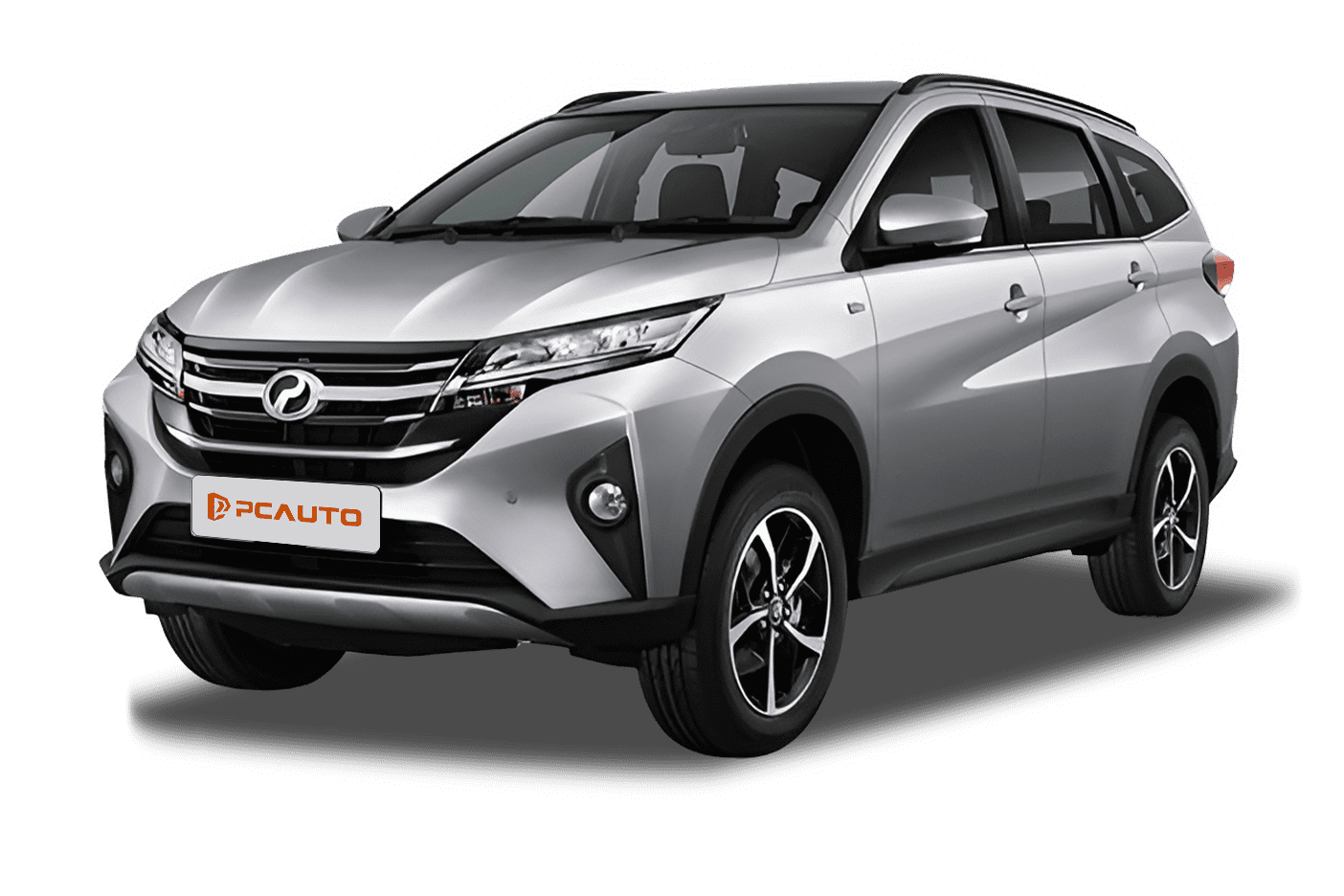
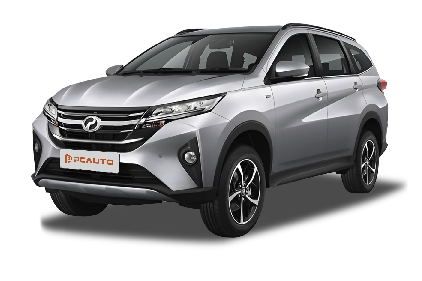
The 2023 Perodua Aruz 1.5L X is a high-value-for-money B-segment 7-seater SUV, offering 6 airbags and active safety systems as standard equipment for under RM63k. It balances practical space and daily commuting needs, making it a pragmatic choice for budget-conscious families.
4
Rank in SUV
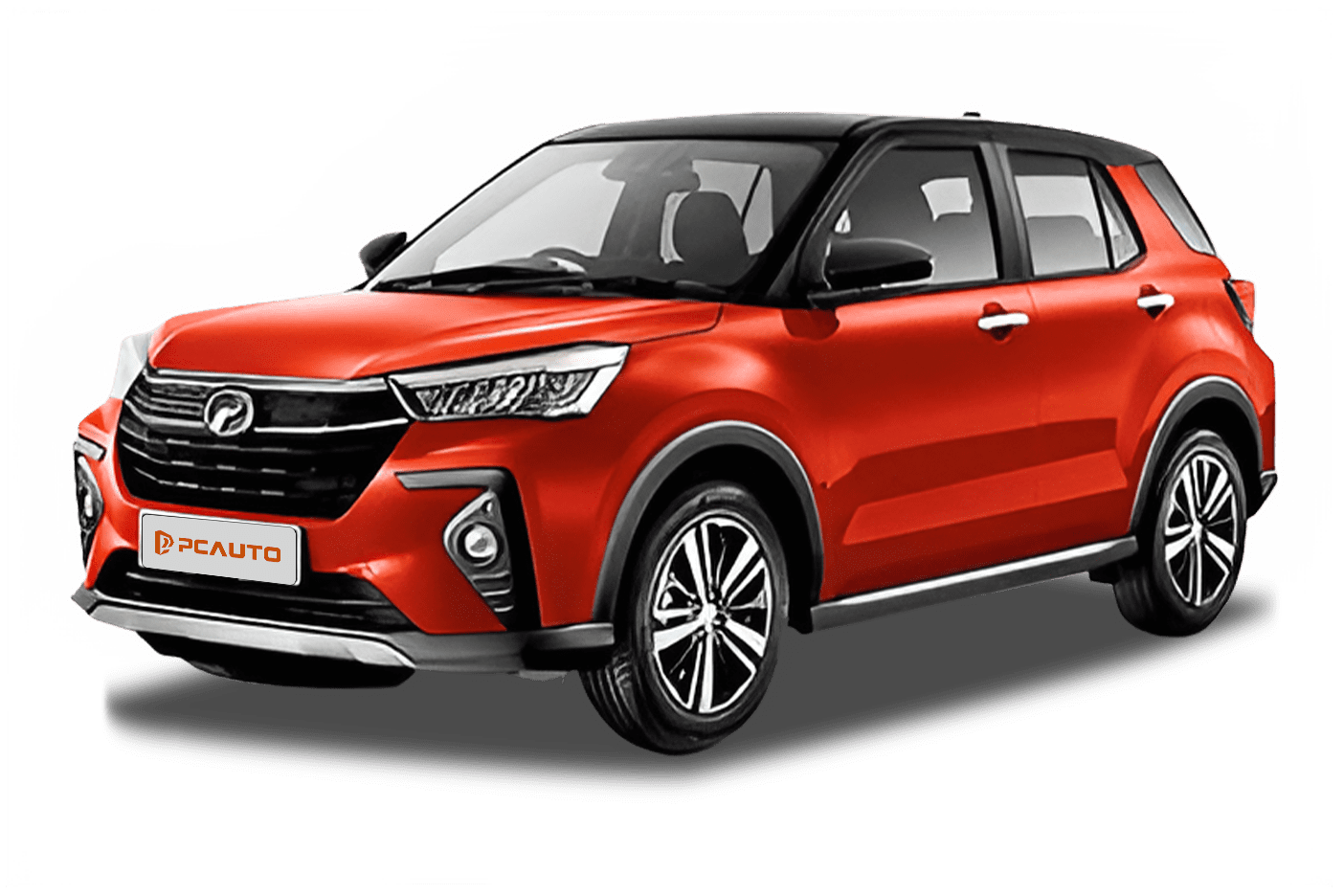
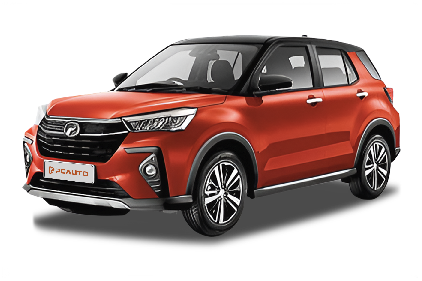
2023 Perodua Ativa 1.0L Turbo X, as a high-value-for-money entry-level B-SUV, meets the commuting and short-distance travel needs of family users with advanced safety features, practical space, and economical fuel consumption.
2
Rank in SUV
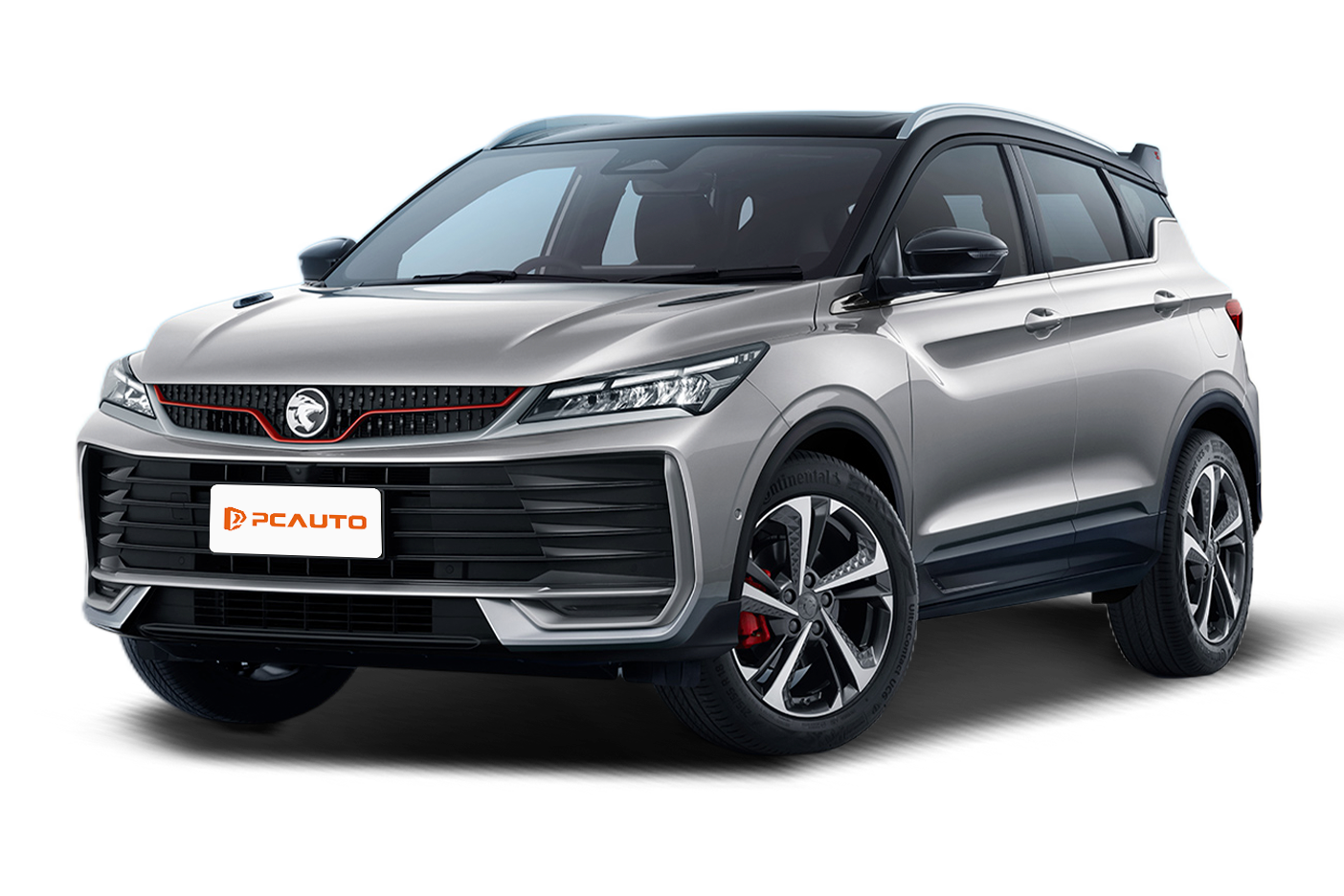
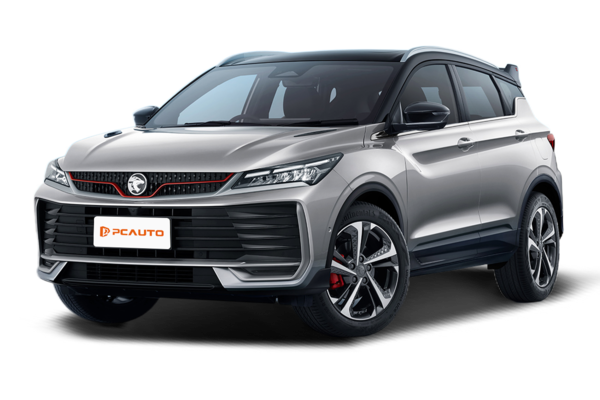
2025 Proton X50 Executive is an upgraded and price-reduced mid-size SUV that combines refined exterior, tech-savvy interior, powerful performance, and practical space, offering exceptional value for money.