

2025 Volvo XC90 Ultra B5 Review

 Share
Share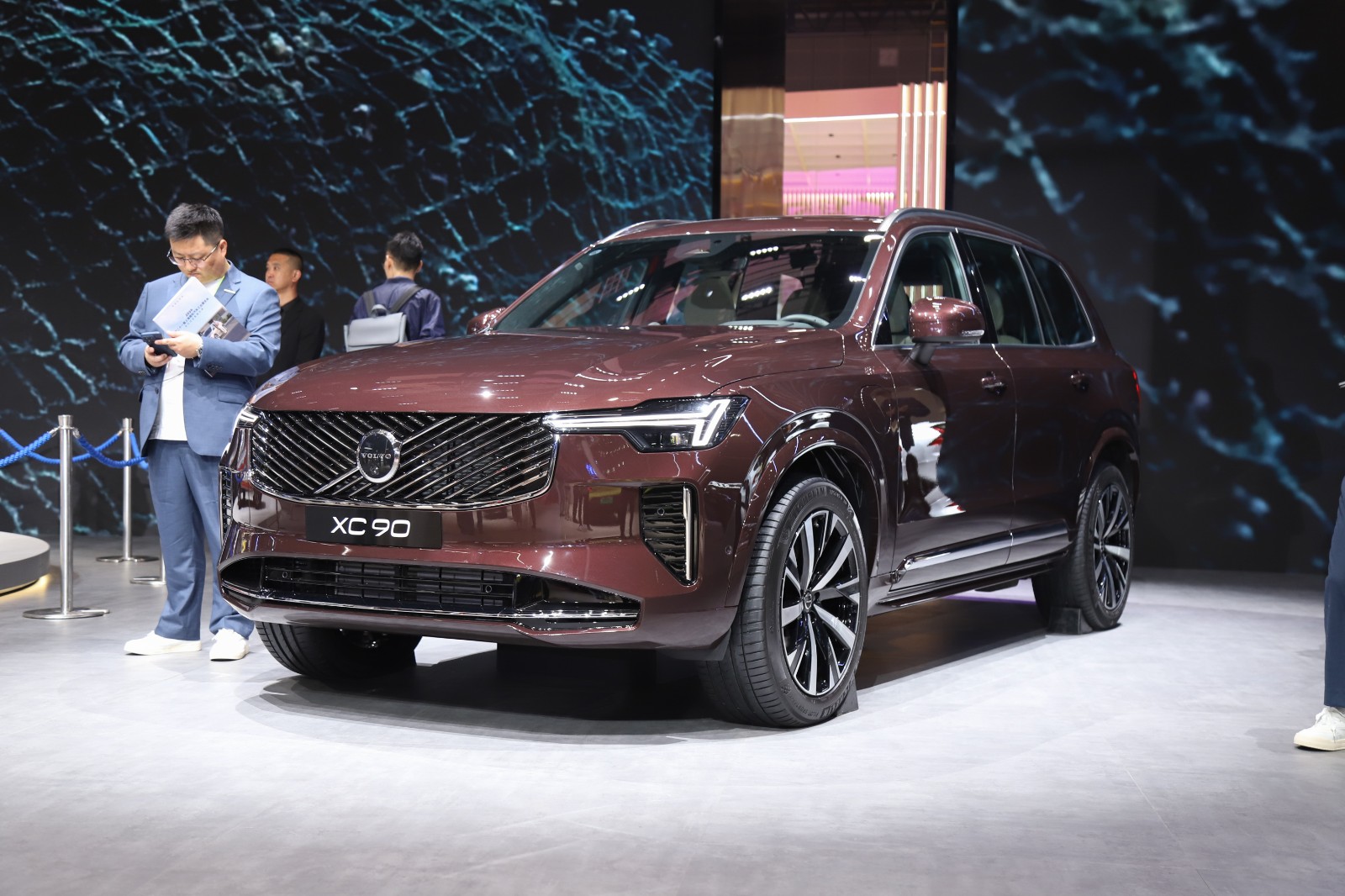
 Segment
 Body Type
 Capacity(L)
 Combined System Output(PS)
 Driven Wheels
 Combined System Torque(Nm)
The Executive SUV market has become increasingly competitive in recent years. Consumers not only pursue luxury textures but also value spatial practicality and balanced performance. As a classic model in this segment, the 2025 Volvo XC90 Ultra B5 has not undergone a radical design overhaul in this facelift but instead features targeted optimizations in detail configuration and power tuning. Its core selling points include standard air suspension across the lineup, flexible 7-seater space, and a balanced combination of power and fuel efficiency brought by the hybrid system. This test drive will focus on daily usage scenarios to verify whether its static quality and dynamic performance align with the positioning of an executive-level SUV.
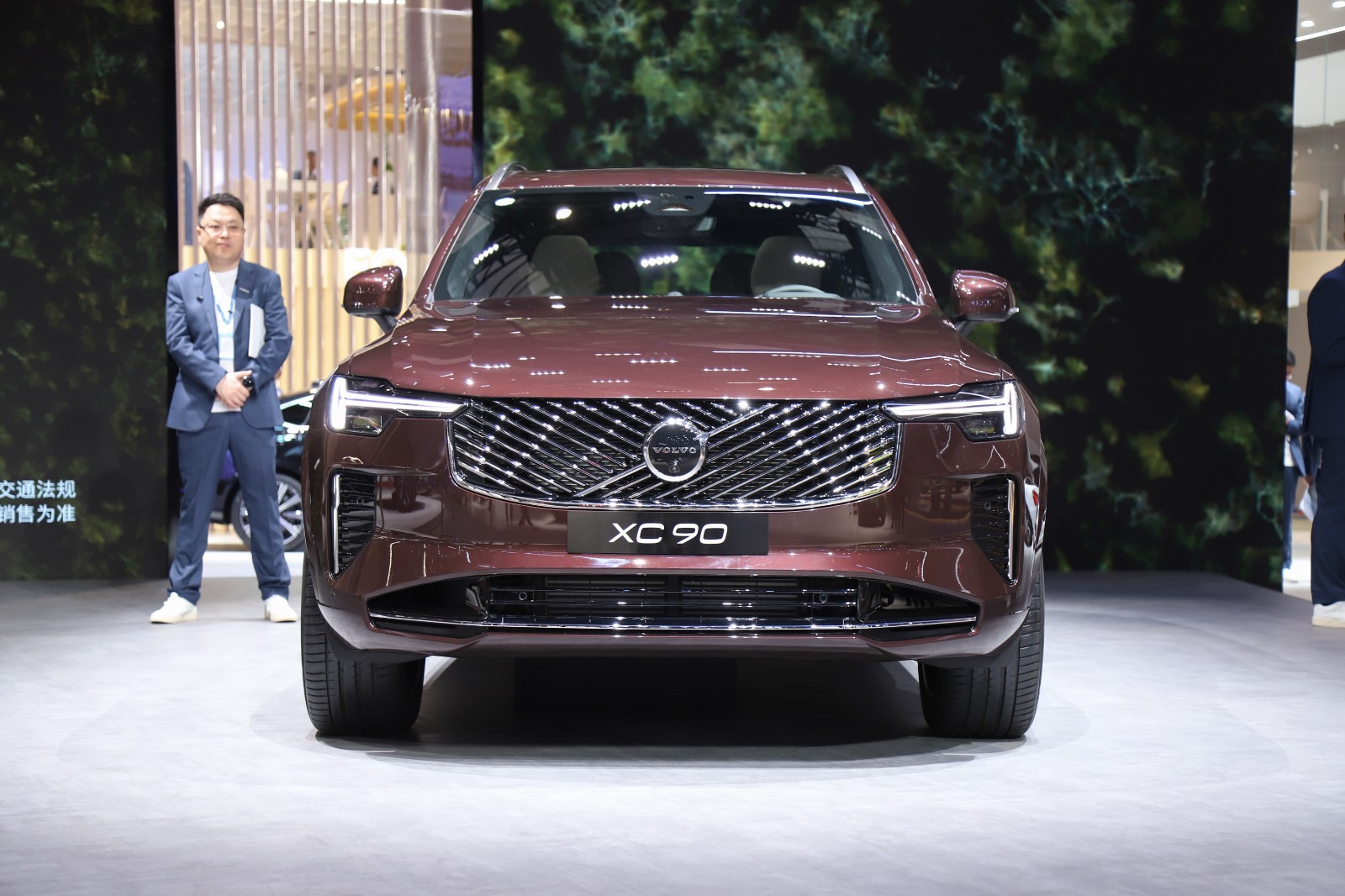
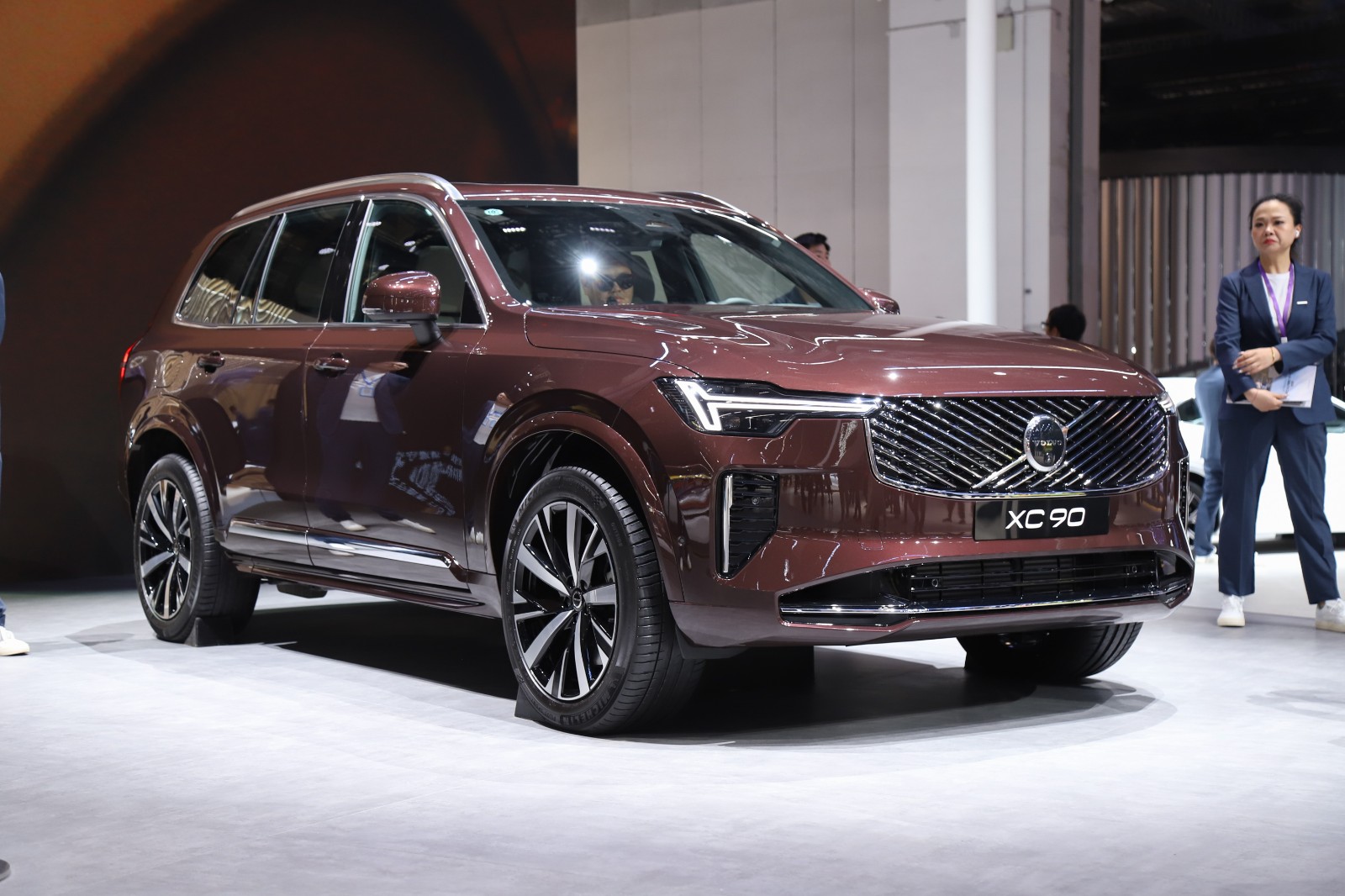
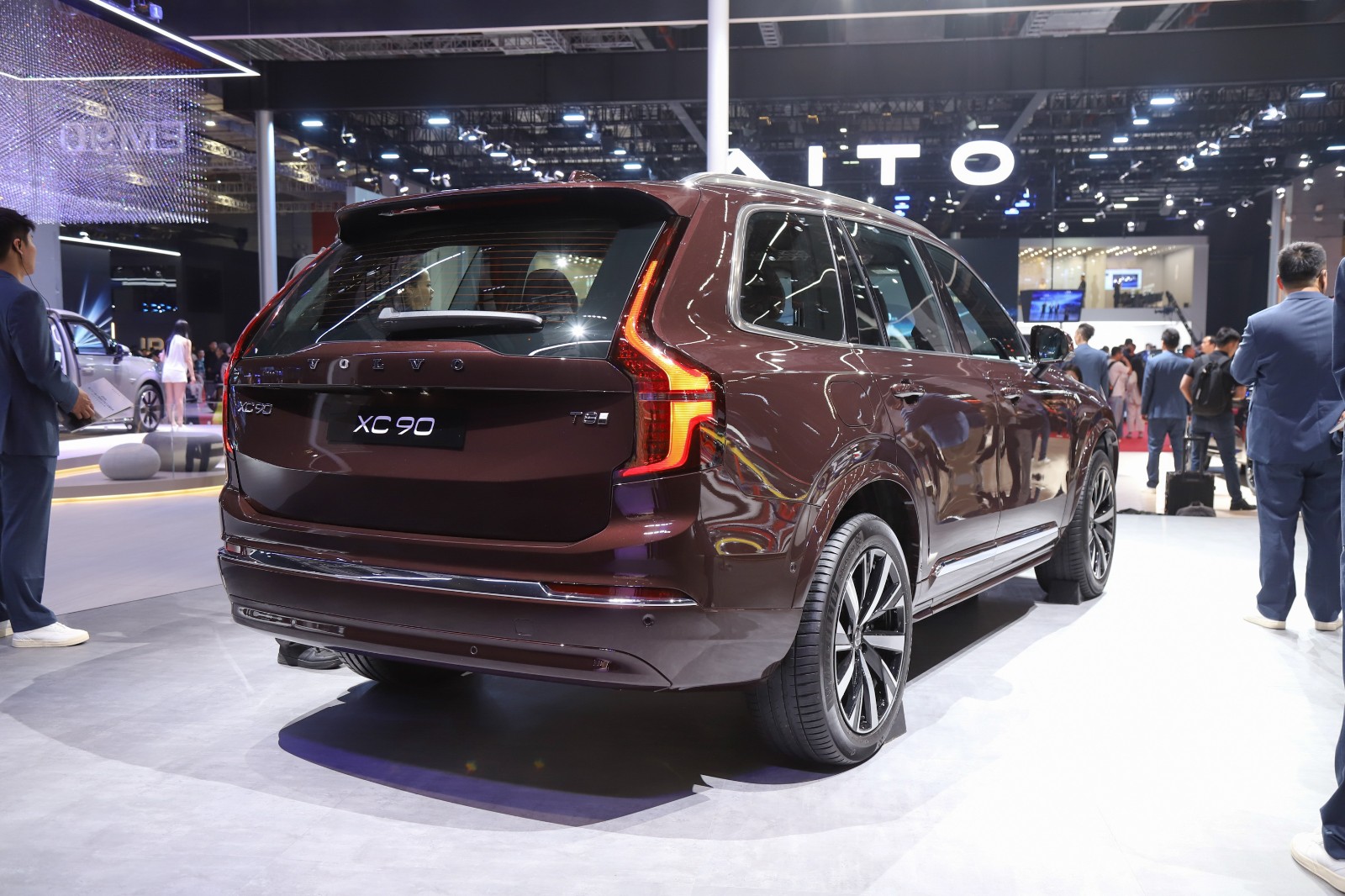
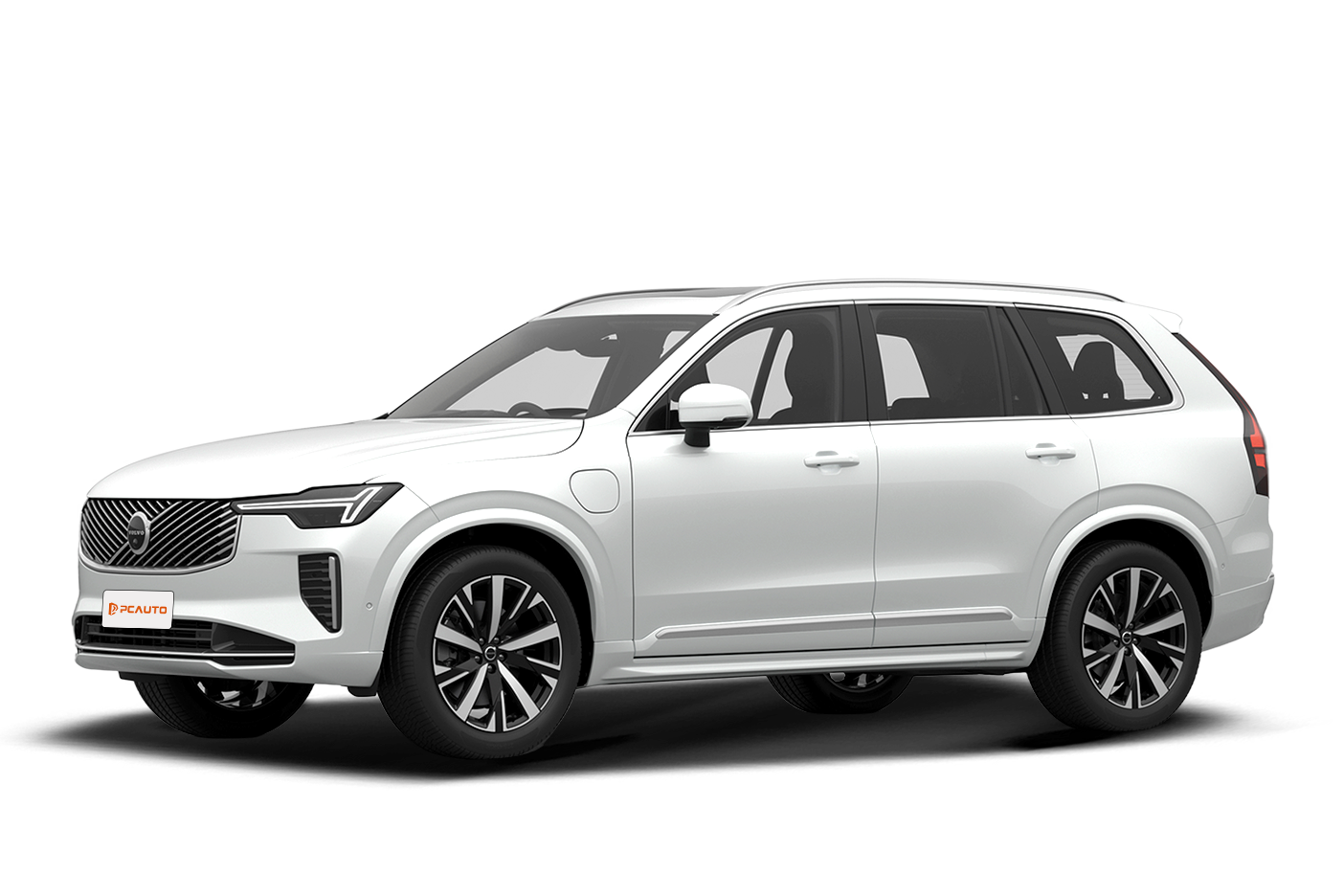
The exterior design continues Volvo's signature simplistic style. The front features a vertical waterfall grille paired with "Thor's Hammer" LED daytime running lights, offering high recognition. The side of the body displays sleek lines, and the 4953mm vehicle length combined with a 2984mm wheelbase ensures a solid spatial foundation for the 7-seater layout. The 20-inch multi-spoke wheels enhance the side's sense of stability. The rear's "Viking Axe" LED taillights are highly distinctive when illuminated, while the dual-sided exhaust layout below the rear bumper downplays the "low-key" perception of hybrid models. The overall design avoids overly flashy elements, perfectly matching the calmness expected of an executive-level SUV.
Opening the door, the Nordic minimalism of the interior immediately greets you. The center console is centered around an 11.2-inch vertical touchscreen, with substantially reduced physical buttons and a clear operational logic for the system. Regarding materials, the dashboard uses soft-touch injected materials paired with wood grain trim, and the seats perform excellently in terms of wrapping and support, with the front seats offering electronic adjustment. For features, the entire range comes standard with a 12.3-inch fully digital instrument cluster and a HUD head-up display, enhancing the sense of technology, while the 19-speaker Bowers & Wilkins sound system provides an immersive audio experience. Regarding space, the first and second rows offer ample seating room, with a passenger 180cm tall having a headroom clearance of one fist and two fingers in the front row. The second-row legroom reaches two fists. The third-row seats are better suited for children or short trips. The trunk offers a standard capacity of 653L, which can be expanded to 1868L with the second and third rows folded down, catering to the storage needs of family travel.
The power system is equipped with a 2.0T turbocharged engine and a 48V mild hybrid system, delivering a combined system output of 263PS and a peak torque of 390N·m, paired with an 8-speed automatic transmission and an all-wheel-drive system. During daily driving, the mild hybrid system's assistance enables quick power response during startup, with no noticeable turbo lag. Switching to sport mode enhances throttle sensitivity, offering robust mid-to-late acceleration, with a claimed 0-100km/h acceleration time of 7.7 seconds, placing it in the upper-middle range among vehicles in its class. The air suspension's performance is commendable, effectively smoothing out minor road bumps in standard mode while keeping the body stable over speed bumps. In sport mode, the suspension's support is significantly enhanced, and body roll is well-controlled during cornering. The steering wheel offers moderate precision with minimal play, fitting well with the tuning style of a family SUV.
In terms of fuel consumption, this test drive covered approximately 200km, incorporating both urban congested roads and highways, achieving an actual overall fuel consumption of 8.5L/100km, which is close to the official figure of 8.1L/100km. Noise control performance is excellent; wind and tire noise are barely noticeable during highway driving, and the active noise cancellation function of the Bowers & Wilkins audio system further enhances ride comfort. Regarding safety features, the City Safety system includes functions such as automatic emergency braking, lane-keeping, and blind-spot monitoring. In practical tests, the automatic braking system effectively identified obstacles ahead and promptly braked at a speed of 30km/h, ensuring safety.
In summary, the core advantages of the 2025 Volvo XC90 Ultra B5 lie in its balanced performance: the comfort and handling balance brought by the air suspension, the flexibility of the 7-seater space meeting family needs, and the enhanced competitiveness from the rich safety features and luxury audio system. Compared to competitors in the same class, such as the BMW X5 and Mercedes-Benz GLE, the XC90 has a price advantage while offering comparable configuration levels. This vehicle is suitable for family users who value safety, space, and comfort, and have certain expectations regarding brand identity, especially those with a 7-seater need for daily use by families with two children.
As an executive-level SUV, the 2025 Volvo XC90 Ultra B5 retains the brand identity while further enhancing product appeal through upgraded configurations and optimized power. Its balanced performance allows it to maintain a strong presence in a highly competitive market. If you are looking for a 7-seater SUV that combines luxury and practicality, the XC90 Ultra B5 is worth considering.
Volvo XC90 Car Compare
Volvo XC90 Loan Calculator
More Volvo Reviews
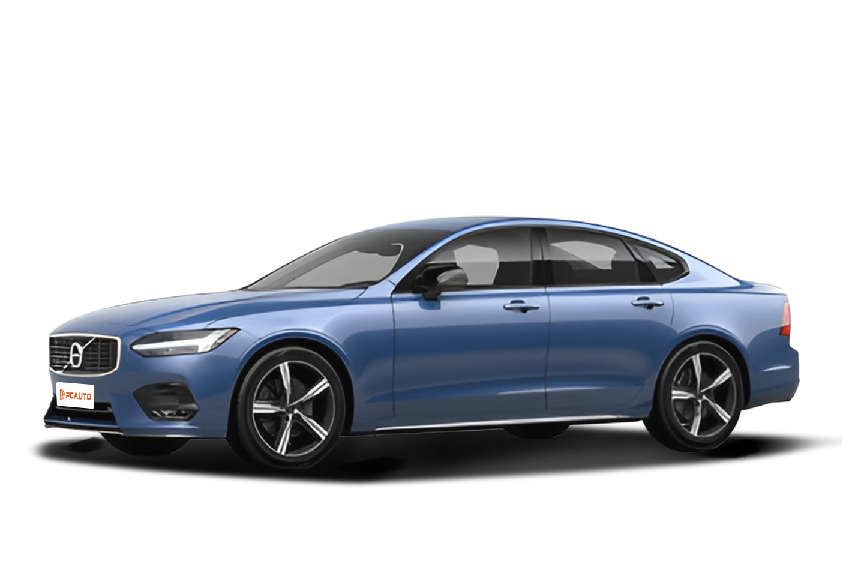
Cars With Similar Price And Features
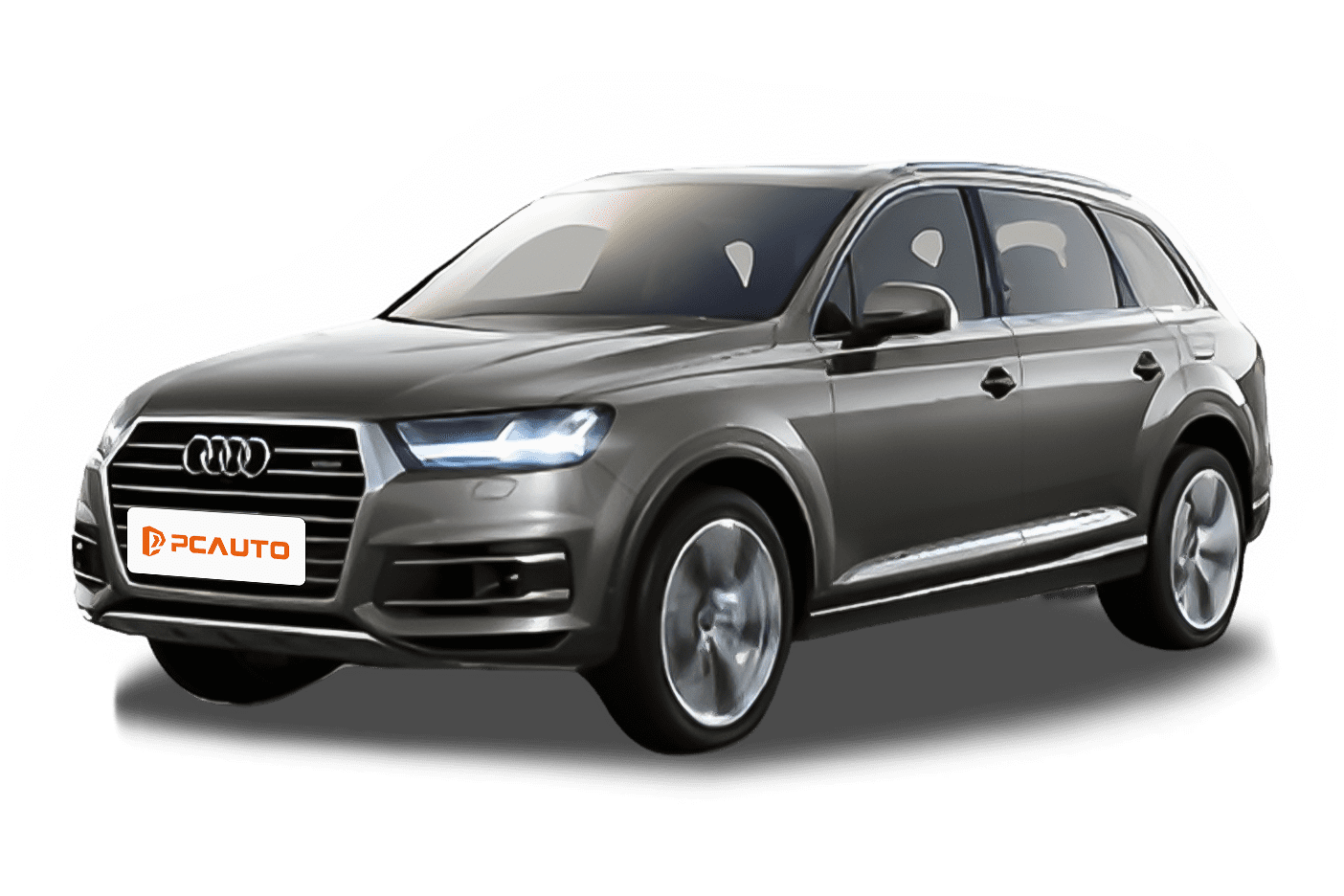
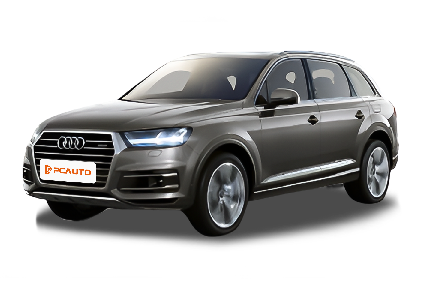
2025 Audi Q7 S line 3.0 TFSI, with its high cost-effectiveness, sporty appearance, luxurious interior, powerful performance, and flexible space, becomes a strong contender in the luxury mid-to-large SUV market.
23
Rank in SUV
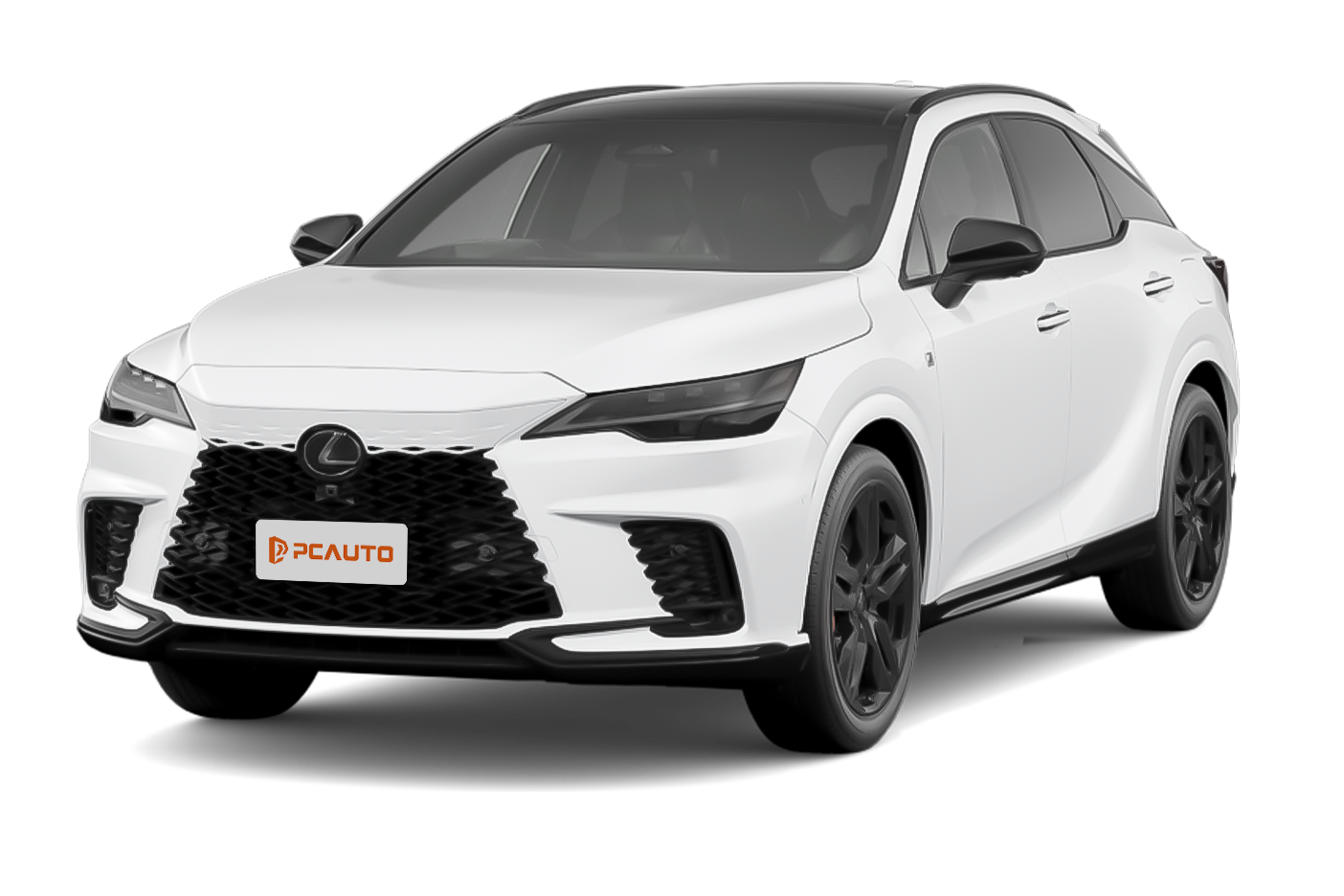
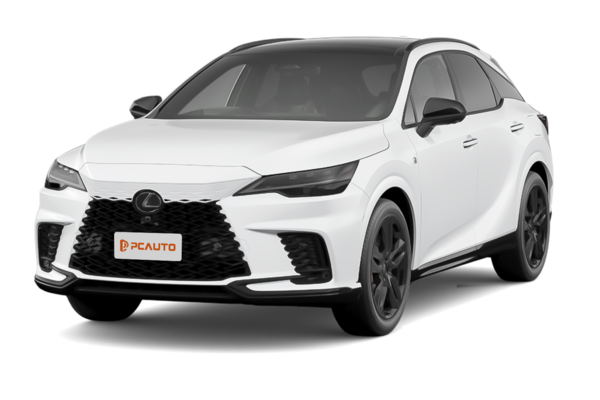
2025 Lexus RX 500h F Sport Special Edition is an executive-level hybrid SUV that balances performance, luxury, and technology, featuring a 2.4T hybrid system, exclusive 21-inch wheels, and a 14-inch central control screen as its core highlights.

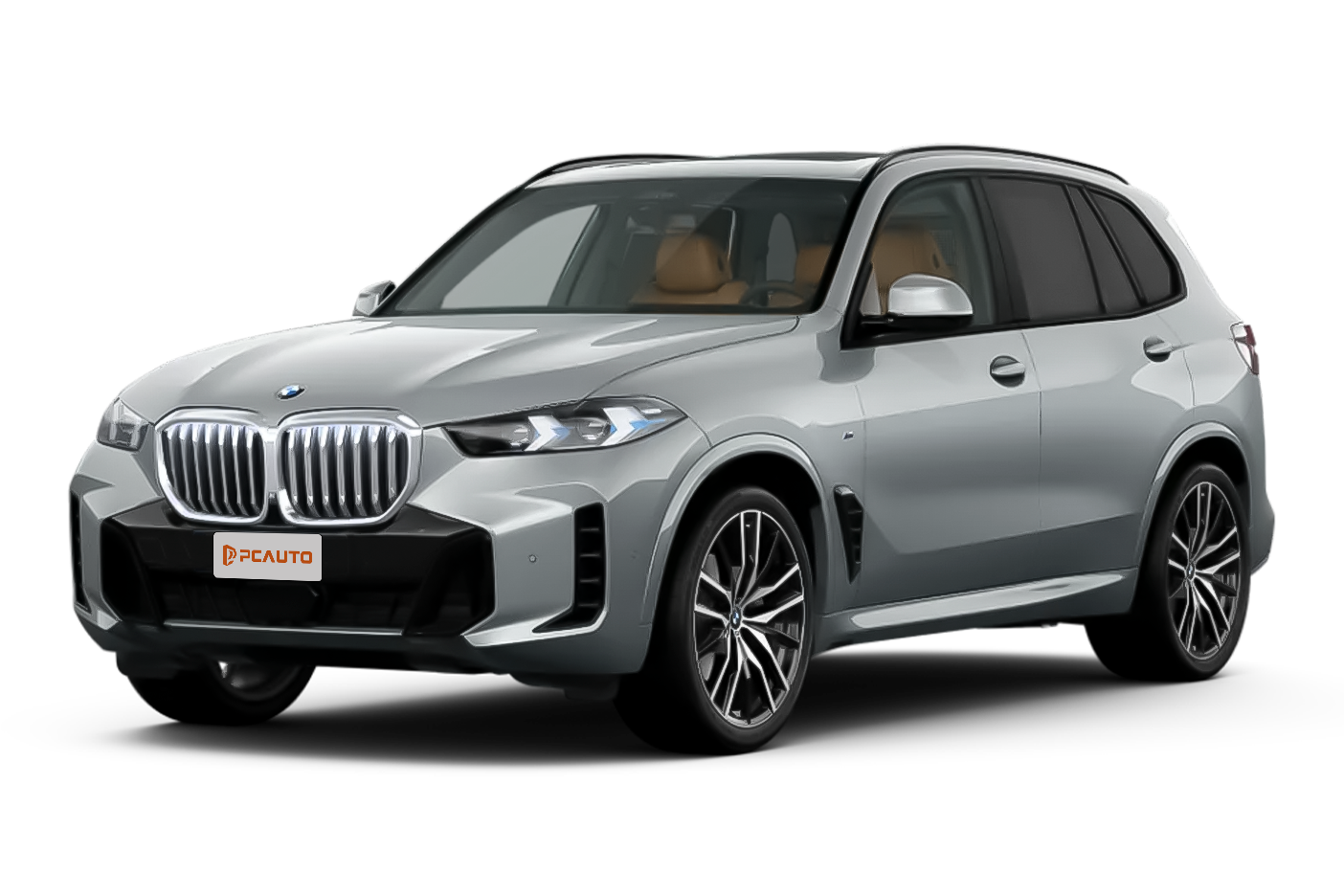
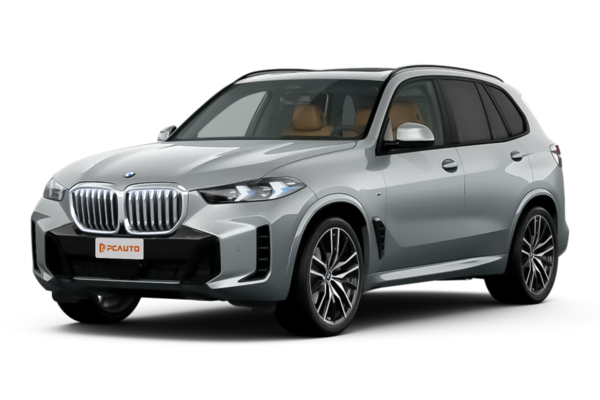
2025 BMW X5 xDrive40i M Sport is a luxury mid-to-large SUV that balances family comfort with driving pleasure. It features upgraded power, rich configurations, and more affordable pricing.

2024 Mercedes-Benz GLE 450 4MATIC AMG Line FL (CKD) is a locally assembled executive-level luxury SUV that lowers the entry threshold while upgrading power and intelligent features, balancing a sense of status and practicality.