

2026 Proton X70 1.5 TGDi Executive Review

 Share
Share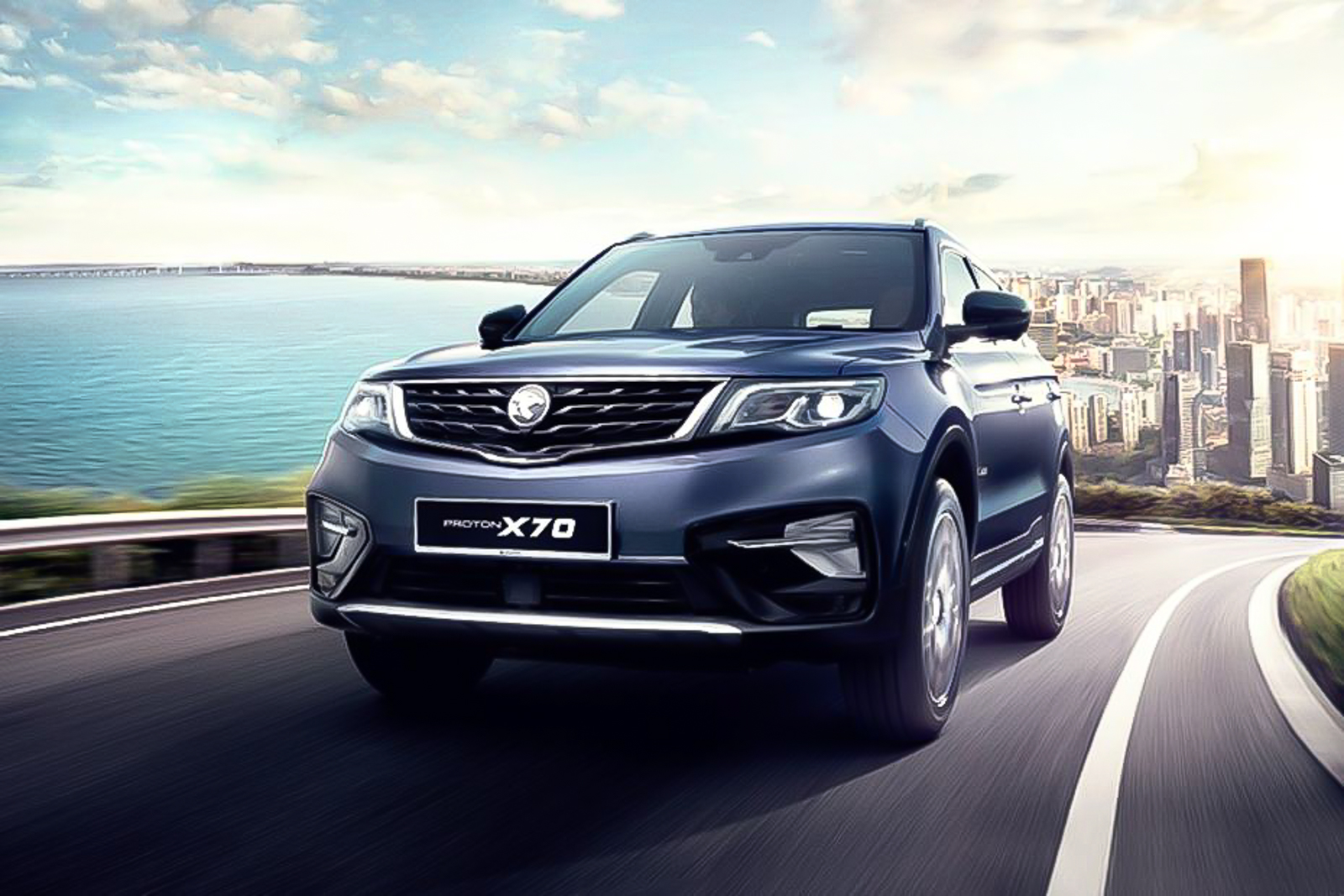
 Segment
 Body Type
 Capacity(L)
 Engine Power(PS)
 Engine Torque(Nm)
 Transmission
The C-segment SUV market has been buzzing recently, with various brands competing in terms of features and value for money. Many family buyers often struggle between "functionality" and "affordability" when choosing a car. Proton launched the 2026 X70 1.5 TGDi Executive at the end of last year, setting the price at just RM 99,800. It comes standard with premium features like a 12.3-inch large screen, 6 airbags, and 360-degree cameras, making it a popular choice upon its release. This time, we got a test drive vehicle to see whether its static experience and driving performance truly live up to the expectations brought by its price, helping everyone determine whether it is a "practical choice" in its class.
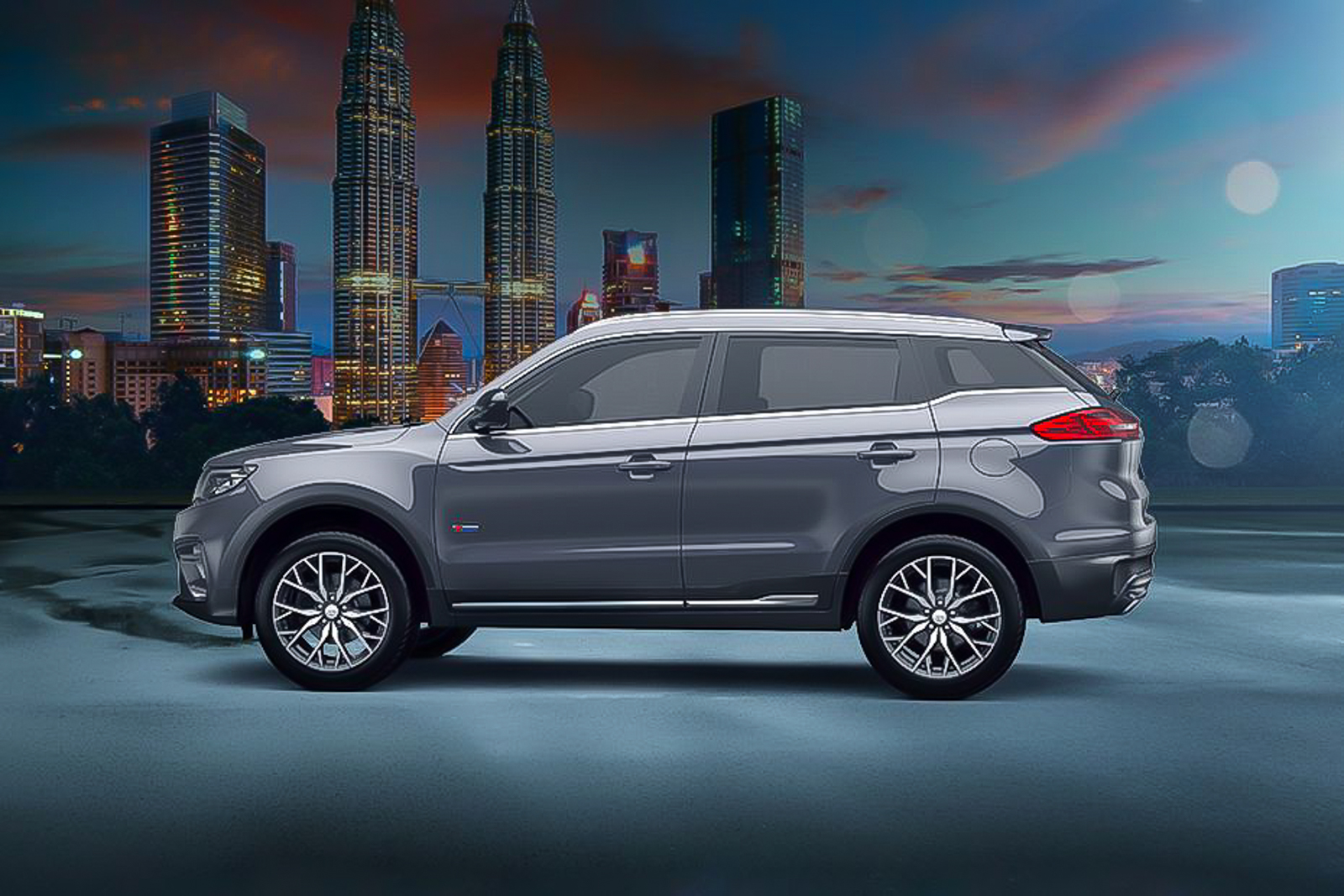
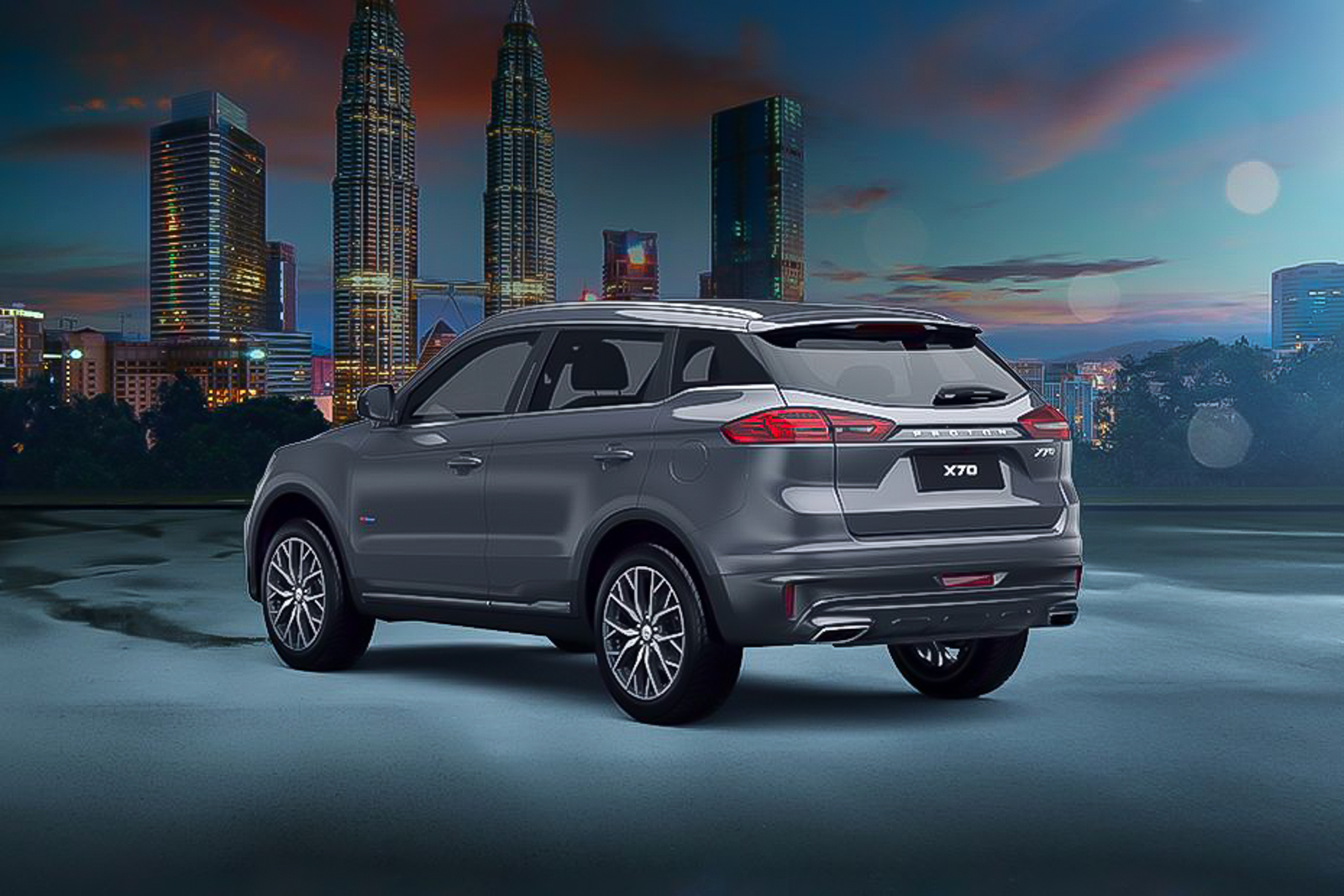
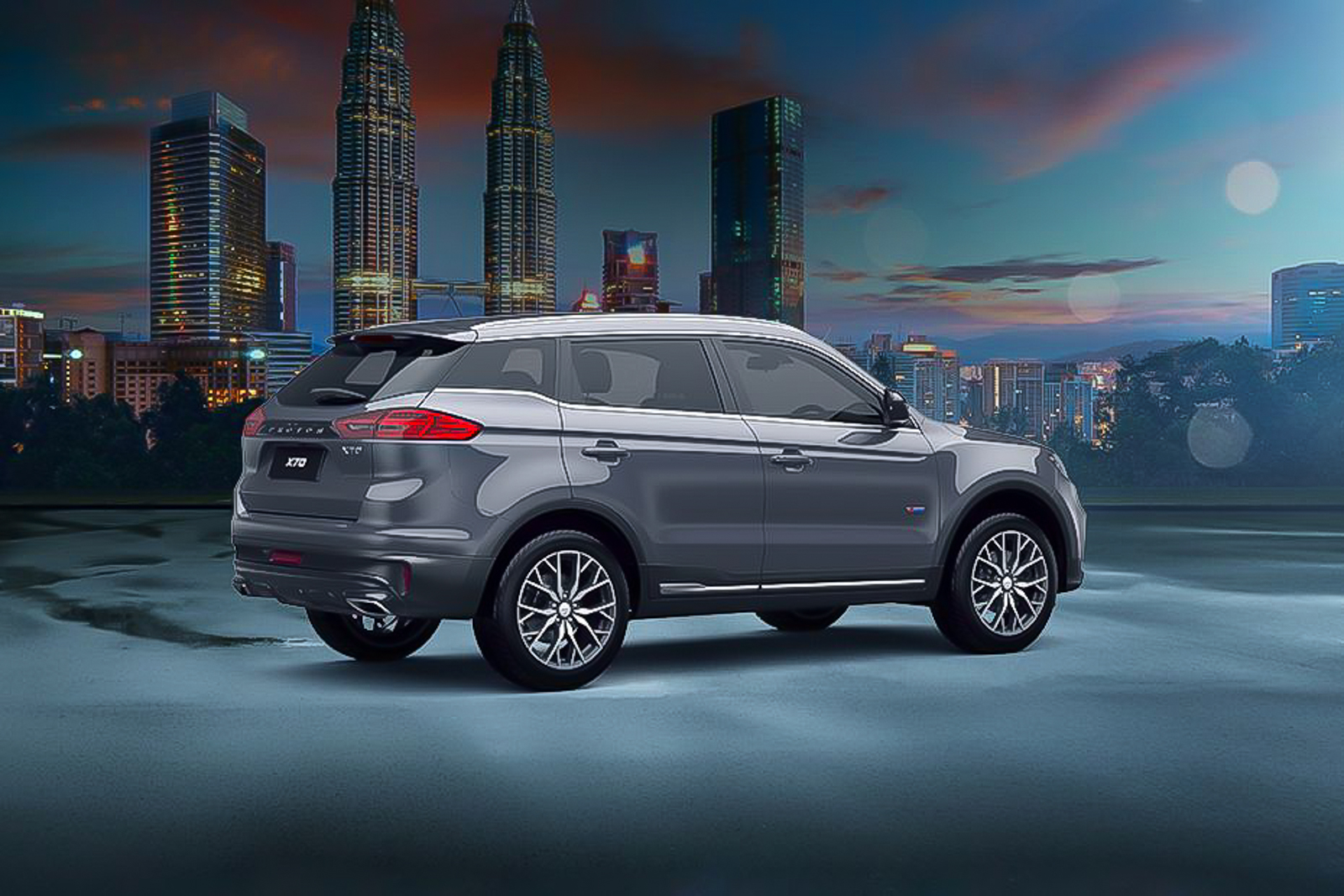
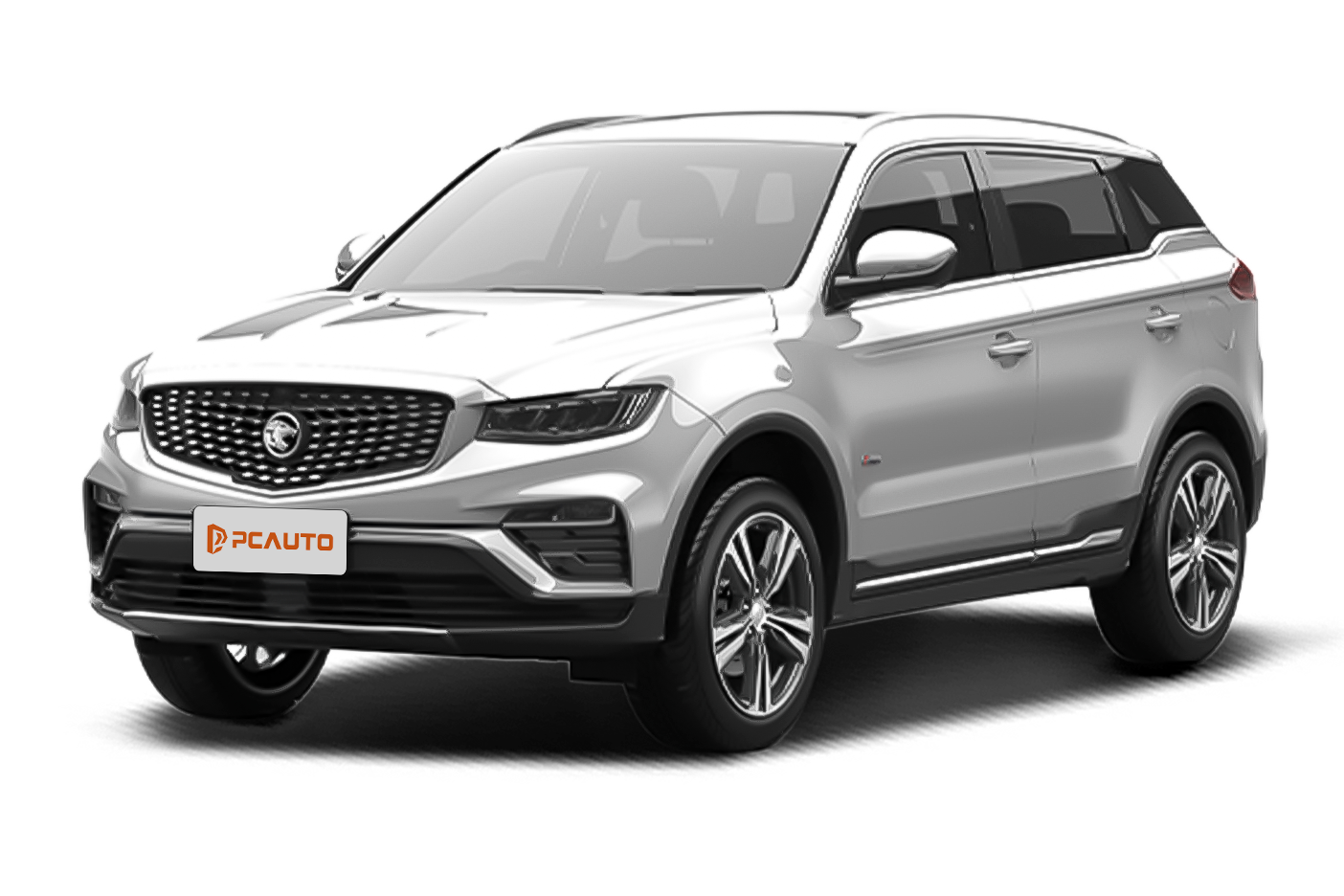
Starting with the exterior, the design of the 2026 X70 Executive looks sharper compared to the previous version. The front features a blacked-out vertical grille, paired with Proton's new shield-shaped logo, which is highly recognizable. The slim design of the LED headlights on both sides integrates with the grille, visually widening the front; automatic headlights and daytime running lights are standard, offering practicality. The side profile features sleek lines, with a waistline extending from the fender to the rear of the car that's not too exaggerated but adds a sense of depth to the body. The 18-inch multi-spoke wheels paired with 225/65 R18 tires have just the right thickness, balancing comfort on city roads with light off-road performance. The rear design hasn't changed much, featuring LED taillights in a connected design, providing clear illumination when braking. The silver trim on the rear bumper and the dual exhaust decor on both sides add a sporty touch, although the actual exhausts are hidden. Overall, the exterior is more of a timeless design without overly aggressive styling, suiting family preferences.
Stepping inside, the interior materials and layout feel surprisingly robust. The upper part of the dashboard is covered in soft-touch materials, which don't feel cheap. The 12.3-inch floating central touchscreen is the visual focal point, offering high resolution and smooth operation. It supports Bluetooth, CarPlay, and Android Auto, which is more than sufficient for everyday use. The instrument cluster is fully digital and of moderate size, displaying information such as RPM, fuel consumption, and navigation. The interface also changes with the driving mode, making it quite intuitive. In terms of features, the front-row has dual-zone automatic climate control with physical adjustment buttons for easy operation without looking. The rear row has air vents and USB ports, taking care of the comfort of rear passengers. For the seats, the driver’s seat has a 6-way electric adjustment, making it easy to find a comfortable position. The passenger and rear seats have manual adjustments. The seat cushions are soft, offering average support but are comfortable enough for long journeys. Space is what you'd expect from a C-segment SUV; with a wheelbase of 2670mm, a person of 180cm sitting in the front has about a fist of headroom. In the rear, someone of the same height has two fists of legroom and one fist of headroom. The center floor bump is low, so three people can sit without feeling cramped. In terms of storage, the door pockets can fit two water bottles, and the central armrest compartment has decent depth to store various items. The trunk is spacious enough to fit two 28-inch suitcases, and with the rear seats folded down, it can be expanded to accommodate larger items, which is convenient for moving sizable objects.
The driving experience features smoother power delivery than it appears on paper. The 1.5T turbocharged engine delivers a maximum power of 181PS and a maximum torque of 290N·m, paired with a 7-speed DCT gearbox, which places it above average in its class. When starting off, the throttle response isn't particularly sharp, but pressing down by about a third activates the turbo, with full torque output available after 2000 rpm, making overtaking confidence-inspiring. When accelerating again at highway speeds of 100km/h, the transmission downshifts quickly without noticeable lag. There are three driving modes: Eco, Normal, and Sport. In Eco mode, the throttle response is slower, making it suitable for city commutes while saving fuel. In Sport mode, the transmission holds lower gears, maintaining engine speeds above 3000 rpm for quick power delivery, though fuel consumption increases slightly. The suspension tuning leans towards comfort, with front MacPherson struts and rear multi-link independent suspension. When going over speed bumps or uneven roads, the suspension absorbs most of the jolts without feeling overly stiff. During cornering, body roll is manageable, offering sufficient support and stability for daily driving. The steering wheel provides moderate weight and has a small amount of play, but it doesn't affect handling. At higher speeds, the steering becomes heavier, enhancing stability. The braking performance is standard, with a linear pedal feel. The initial travel is slightly soft, but the later stage provides adequate braking force, and emergency braking doesn't feel alarming.
The noise control is quite good. Within a speed of 60 km/h, you can barely hear the engine noise inside the car. At a highway speed of 120 km/h, wind noise and tire noise become more noticeable, but they don’t affect conversation, which is normal for models in the same class. In terms of fuel consumption, after a week of test driving with 70% city roads and 30% highways, the displayed average fuel consumption was 7.8L/100km, slightly higher than the official 7.3L, but considering city traffic congestion, this result is reasonable. The fuel tank capacity is 60L, and a full tank can roughly cover about 700km, so there is no need to worry much about its range.
In summary, the 2026 Proton X70 1.5 TGDi Executive has some obvious advantages: affordable price, rich features, sufficient space, and smooth power, making it suitable for daily family use. Compared to competitors in the same category, such as the Honda CR-V 1.5T base model, the X70 is cheaper by nearly RM 15,000 but offers additional features like a full LCD instrument panel, 360-degree camera system, and electric seats. Compared to the Toyota Corolla Cross 1.8L, it has stronger power and more space. The drawbacks are that the interior's sense of technology is not particularly impressive, the seat support is average, and the gearbox occasionally has slight jerks during low-speed crawling.
Overall, this car is suitable for families with a budget of around RM 100,000 who value cost-effectiveness and space. It can meet the needs of daily commuting and weekend family outings. However, if you are looking for thrilling driving performance or ultimate luxury, it might not be the best choice. For most regular families, this is a well-balanced and practical option.
Proton X70 Car Compare
Proton X70 Loan Calculator
More Proton Reviews
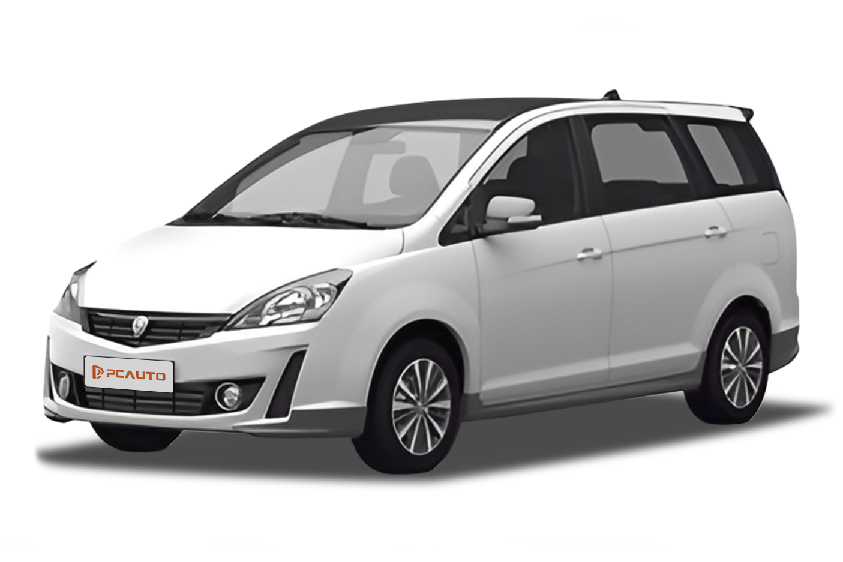
Cars With Similar Price And Features
10
Rank in SUV
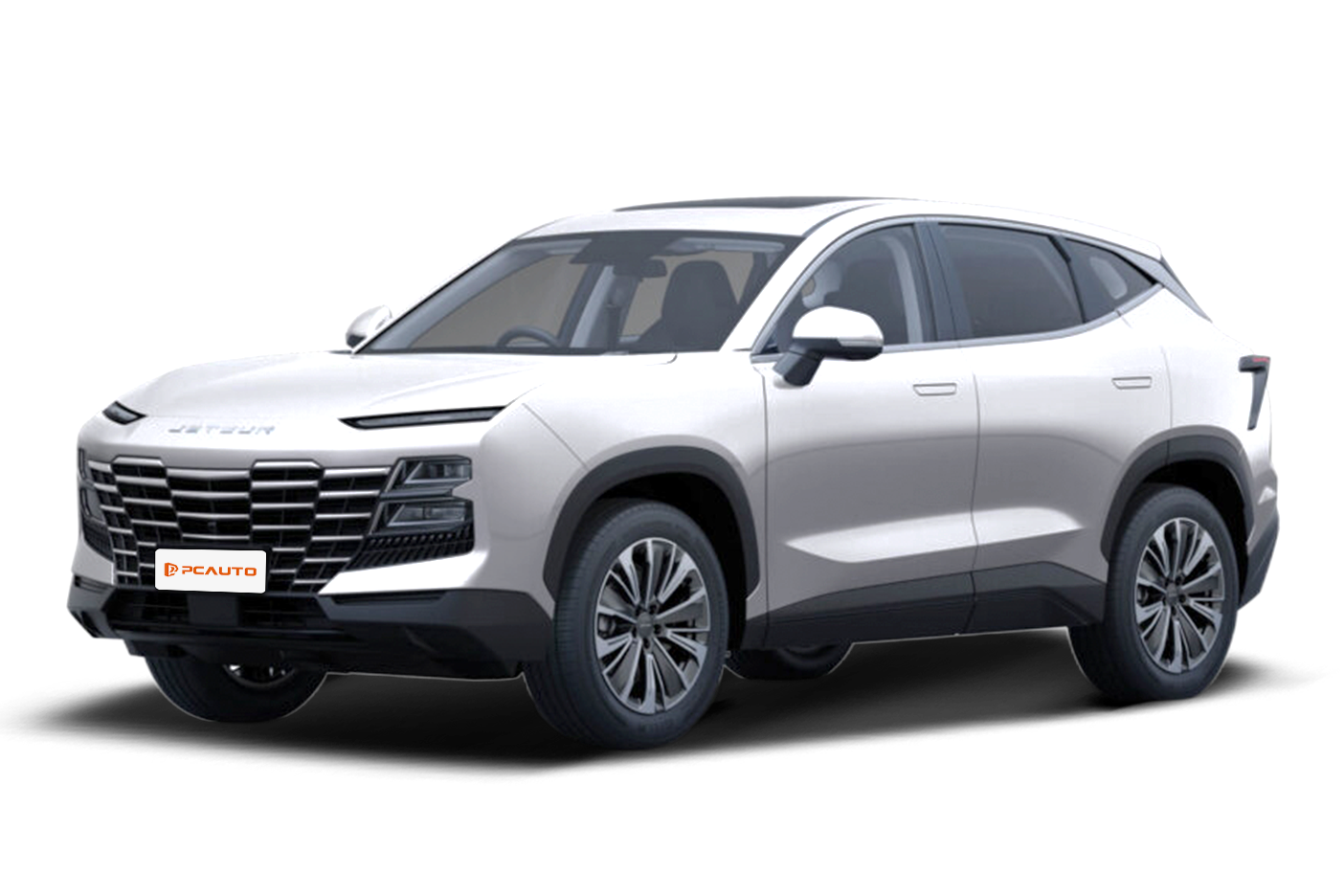
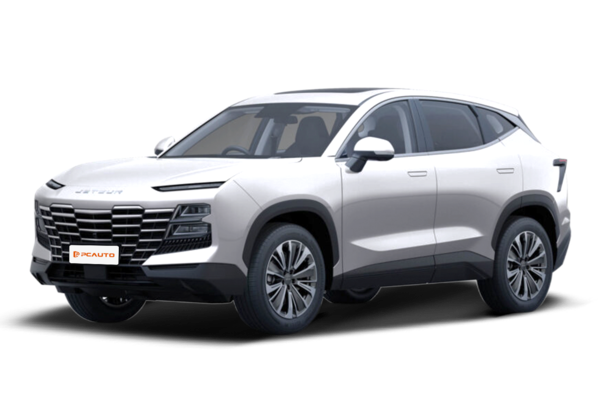
Jetour Dashing 1.5 TCI Comfort 2025 features a 2720mm long wheelbase and a 10.25-inch dual screen as its core, focusing on balanced cost performance to meet family practical needs.
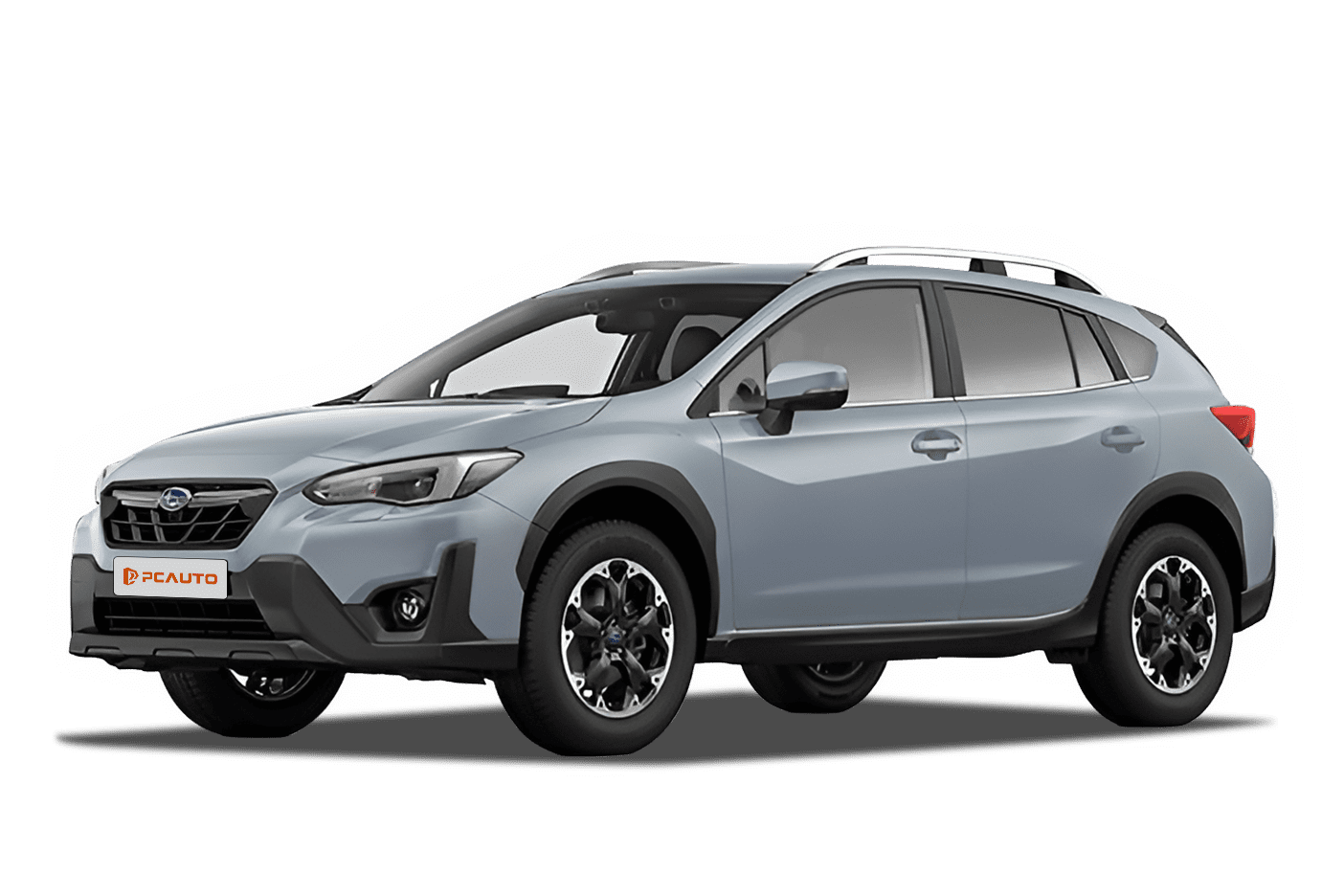
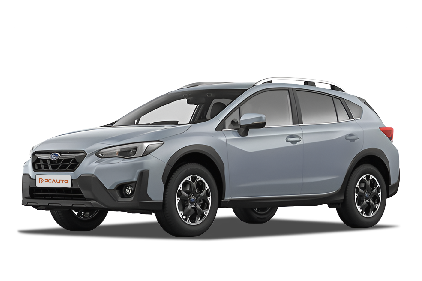
The 2021 Subaru XV 2.0i is a model targeting the C-segment crossover market, equipped with standard all-wheel drive and high safety features, balancing off-road capability and handling, with practical space.

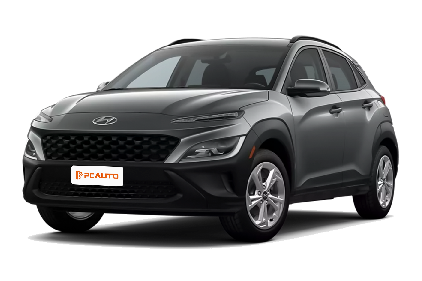
2021 Hyundai Kona 2.0 Standard, as a high-value entry-level compact SUV, retains essential safety and practical features with an affordable price, meeting the daily commuting and loading needs of families.
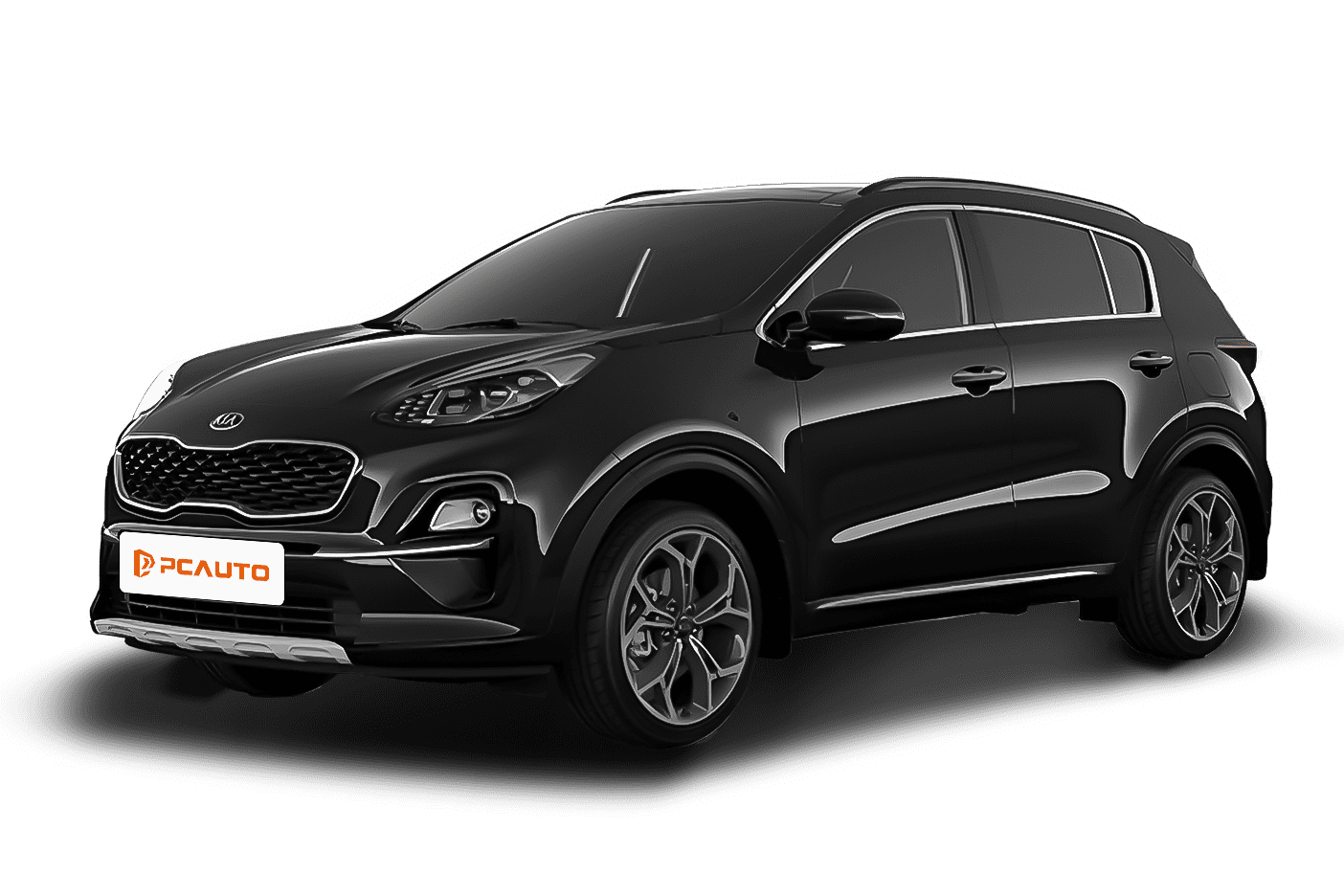
2024 Kia Sportage 2.0G 2WD, as the entry-level fuel version, with avant-garde design, 12.3-inch full LCD instrument panel, practical space, and economical fuel consumption, precisely meets the needs of family and cost-effectiveness-focused users.