
Aston Martin DBX Review

 Share
Share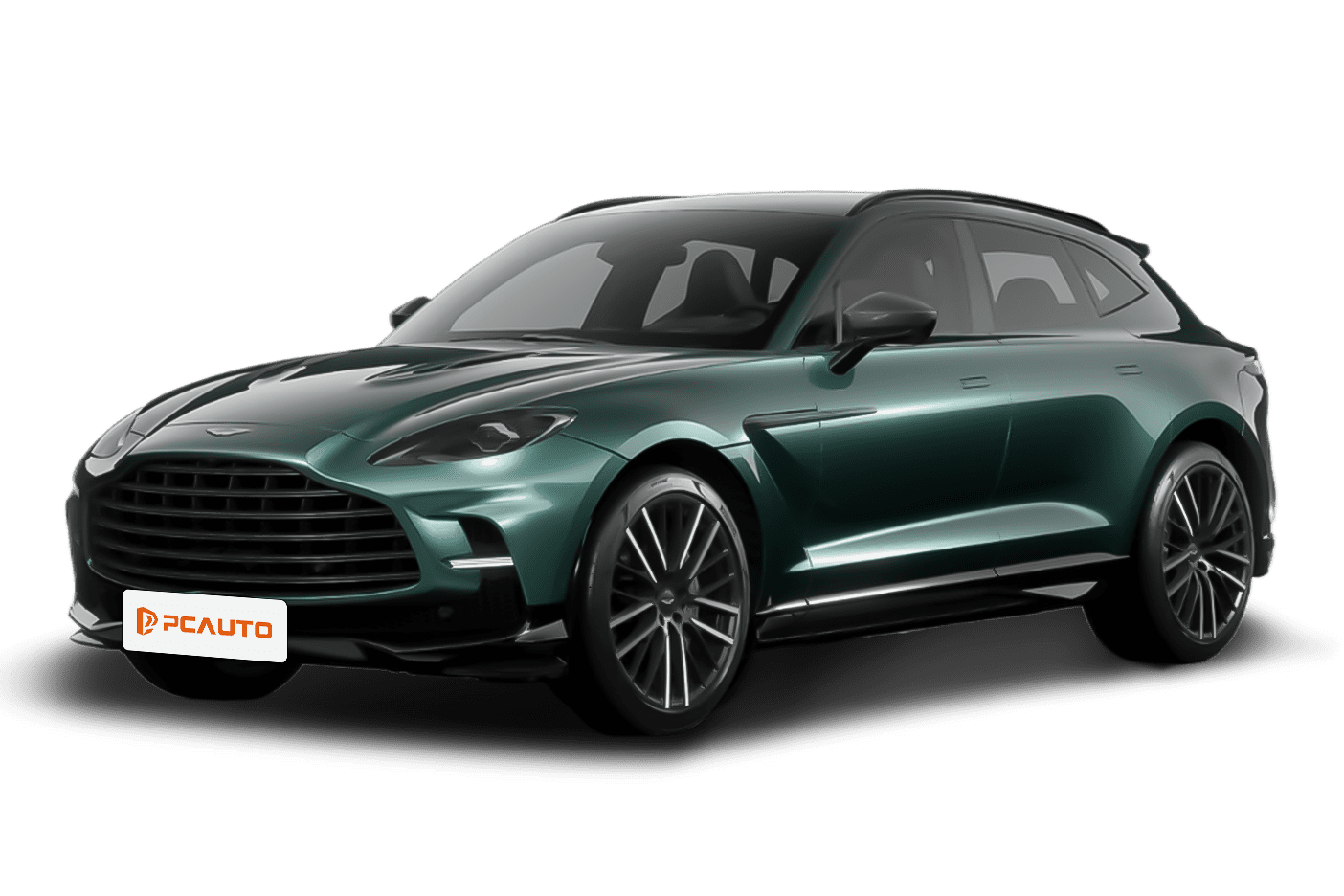
 Segment
 Body Type
 Capacity(L)
 Engine Power(PS)
 Transmission
 Driven Wheels
In Malaysia's luxury mid-to-large SUV market, competition has never ceased, but the arrival of the 2022 Aston Martin DBX 707 has directly raised the bar for "performance luxury SUVs" to a new level. It is not only a performance-upgraded version of the DBX series but also redefines the power benchmark in this segment with an output of 707 horsepower and a 0-100 km/h acceleration time of 3.3 seconds. In this test drive, we focus on verifying whether its performance is as fierce as the numbers suggest, while also checking if luxury and practicality remain intact after the performance upgrades.
From the exterior, the 2022 DBX 707 retains the same silhouette as the standard DBX, with dimensions still at 5039/2200/1680mm (length/width/height) and a wheelbase of 3060mm, but the sportier details make it more distinctive. The most notable change to the front is the larger lower air intake grille, paired with a black honeycomb-style grille for a more aggressive visual impact; the air vents on both sides have also been redesigned to better optimize aerodynamics. On the side, the 22-inch wheels (with tire dimensions of 285/40 R22 for both front and rear) paired with red brake calipers enhance the sense of performance; at the rear, it adopts a quad exhaust layout, differing from the standard model's dual-exhaust system. Additionally, the size of the roof spoiler has been slightly increased. The lighting system still employs LED sources, with automatic headlamps, daytime running lights, and front and rear fog lights as standard, maintaining Aston Martin's recognizable family style when illuminated.
Stepping inside, the interior's luxurious feel has not been compromised by the performance upgrades. The overall layout remains consistent with the standard DBX, but there is increased use of Alcantara material for covering areas like the steering wheel, seat bolsters, and parts of the dashboard, further enhancing the sporty ambiance. A 12.3-inch fully digital instrument cluster and a 10.25-inch touchscreen infotainment system are standard, with decent interface smoothness and support for basic navigation and multimedia functions. The addition of a HUD head-up display allows the driver to check speed, navigation, and other information without lowering their head, improving driving convenience. Regarding seat configurations, the front seats support 12-way electric adjustment with better support than the standard version, while the rear seats maintain a 60:40 split-folding design to meet cargo needs. In terms of space, the 3060mm wheelbase provides ample rear legroom; a passenger with a height of 180cm sitting in the back would still have a two-fist gap between their knees and the front seatback. However, headroom is slightly compromised due to the roofline but still sufficient for everyday use. For storage, the front center armrest box and door storage compartments provide enough space for items like phones and wallets, while the cargo space remains the same as the standard version and can be expanded by folding down the rear seats. Standard configurations include 3-zone automatic air conditioning, rear independent air vents, keyless entry/start, rain-sensing wipers, and electrically-foldable mirrors, ensuring no compromise to practicality.
Dynamic performance is the core highlight of the DBX 707. It is equipped with a 4.0L twin-turbocharged V8 engine producing a maximum output of 707PS, which is 157PS more than the standard DBX's 550PS, paired with a 9-speed DCT gearbox (the standard version uses an AT gearbox). During actual driving, switching to the Sport+ mode makes the throttle response exceptionally sharp, and the immediate push-back sensation upon acceleration is incredibly strong. The official 0-100 km/h acceleration time of 3.3 seconds is indeed accurate—in our closed road tests, there were even slight lift-off sensations. Mid-range acceleration (80-120 km/h) is equally robust, and simply a light press on the accelerator is enough to unleash instantaneous power without any delay when overtaking. The shift speed of the gearbox is noticeably faster than the standard version, especially in manual mode, where paddle shifting responses are almost instantaneous.
In terms of handling, the DBX 707’s chassis adopts a front double wishbone and rear multi-link independent suspension system, combined with an adaptive damping system. In sport mode, the suspension provides excellent support, and body roll is minimal during cornering. The steering is also more precise compared to the standard version, giving the driver ample confidence. When switched to comfort mode, the suspension softens, filtering out most minor bumps on the road. However, on speed bumps or large potholes, rear passengers can still feel significant vibrations. The performance of the all-wheel-drive system is stable, primarily delivering power to the rear wheels during daily driving, and automatically adjusting the front-rear power distribution on slippery roads to ensure grip.
As for fuel consumption, the official combined fuel consumption is listed as 13.5L/100km. In our test, which included a mix of urban and highway driving, the actual fuel consumption was approximately 15L/100km, aligning with expectations for a high-performance SUV. Noise control performs well; wind noise and tire noise are within acceptable ranges during highway driving. In sport mode, the exhaust sound becomes richer but doesn’t become overly loud, while during daily cruising, it maintains a relatively quiet cabin environment.
Compared to competitors in the same class, the DBX 707 has clear advantages: its performance significantly exceeds that of the Porsche Cayenne Turbo S (680PS) and the BMW X6 M Competition (625PS), making it the power king among luxury mid-to-large performance SUVs. At the same time, its luxurious ambiance and brand appeal are also more unique than its rivals. However, its price (RM 1,098,000) is nearly 300,000 ringgit higher than the standard DBX (RM 818,000). The key additional features compared to the standard version include a HUD, Alcantara materials, and a sports exhaust, so its cost-effectiveness is not outstanding but targets users seeking extreme performance.
In summary, the 2022 Aston Martin DBX 707 is a high-performance luxury SUV that can "both hit the track and handle daily commuting." Not only does it retain the luxury and practicality of the DBX series, but it also satisfies high-end users’ pursuit of peak performance through its power and handling upgrades. If you are a non-budget-conscious luxury car buyer who wants to own the unique appeal of the Aston Martin brand while pursuing supercar-like acceleration along with the need for an SUV that is family-friendly, the DBX 707 is a distinct choice. It's not the most practical, but it's undoubtedly the most "wild" model in its class.
Aston Martin DBX Car Compare
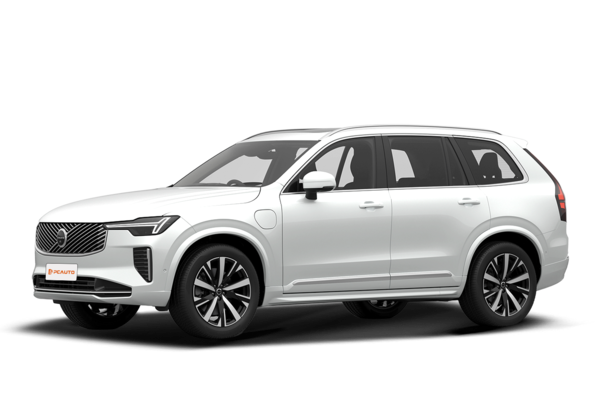
Aston Martin DBX Loan Calculator
More Aston Martin Reviews
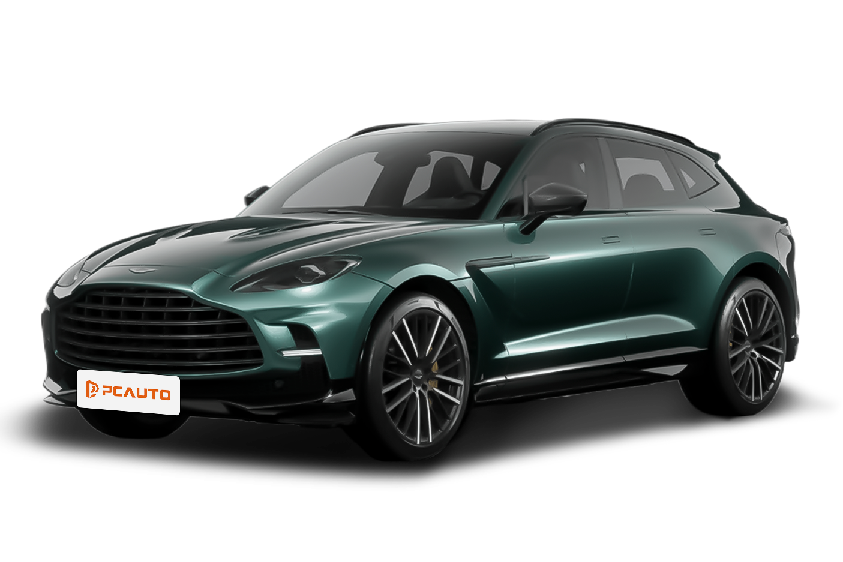
Cars With Similar Price And Features

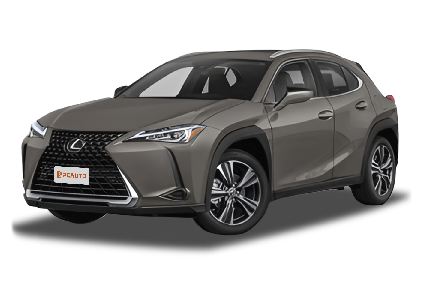
The 2020 Lexus UX 200 Luxury is an executive-class SUV that combines luxurious quality with urban practicality. With balanced features, smooth power, and reliable warranty, it appeals to families and young users who value quality.
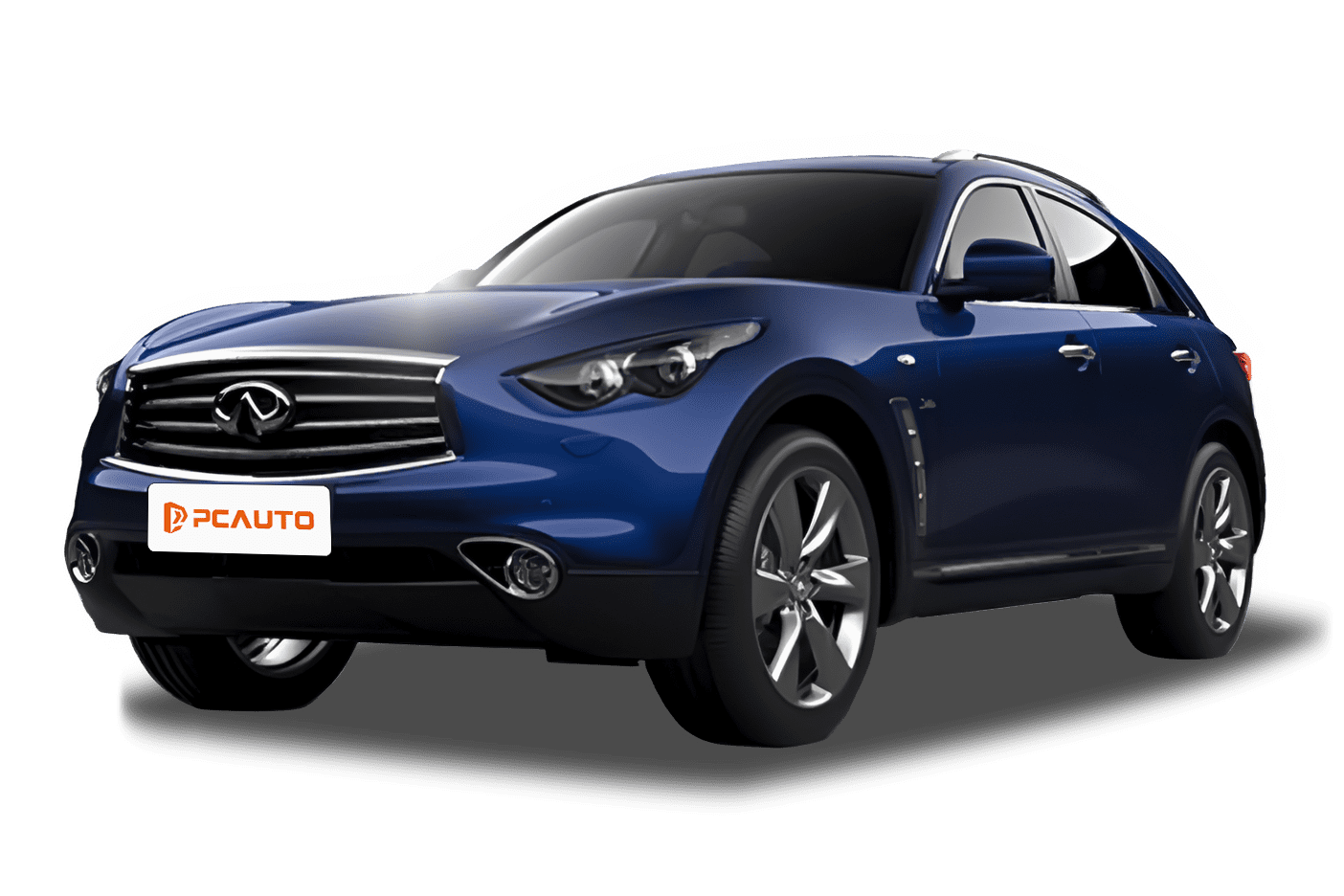
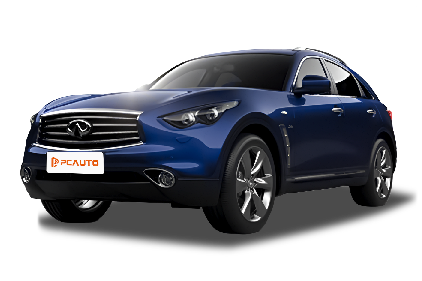
2017 Infiniti QX70 3.7 GT is a luxurious mid-size SUV that combines the dynamic design of a coupe-style SUV, 324PS V6 power, and practical configurations, meeting the balanced needs of family use and driving pleasure.

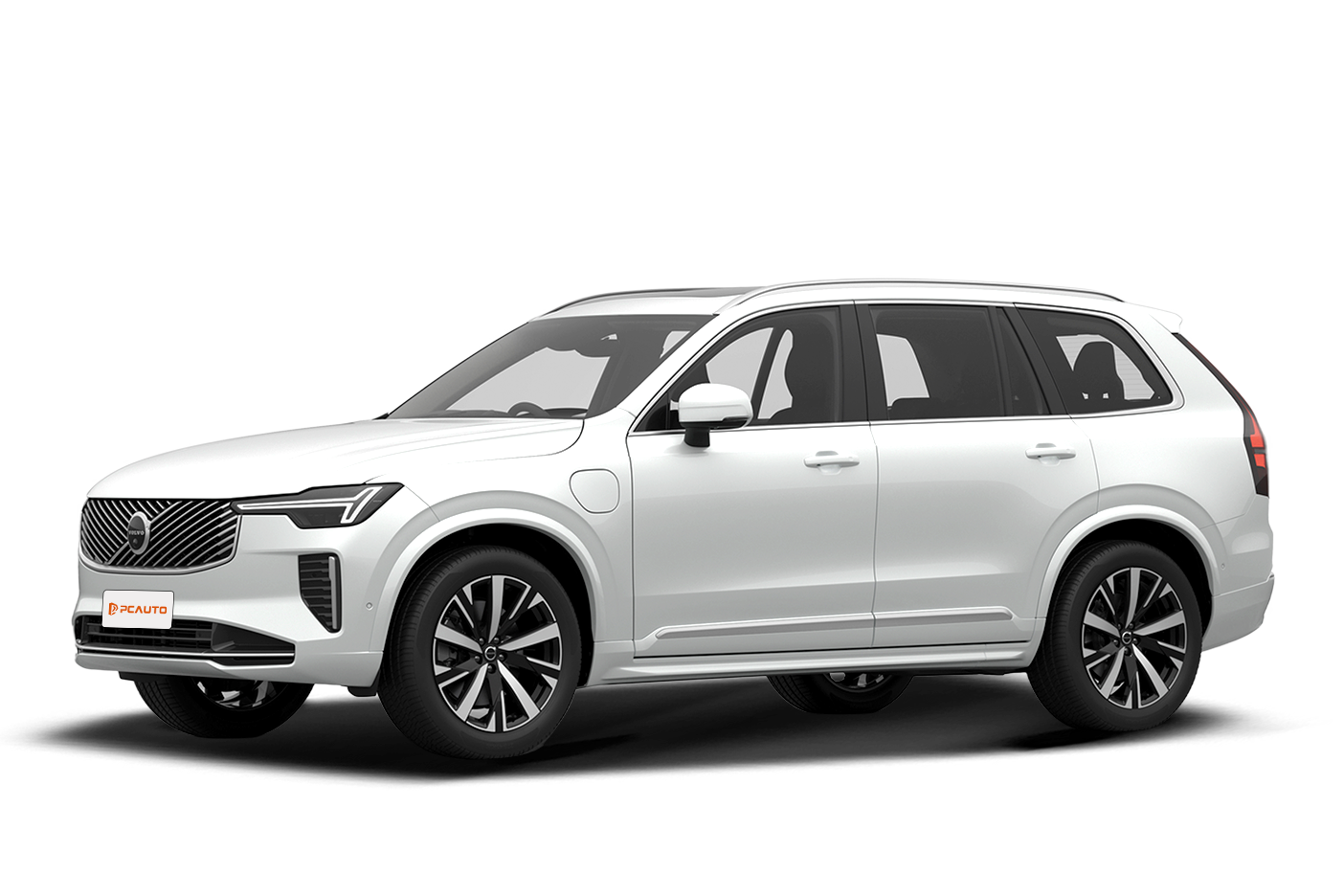
2025 Volvo XC90 Ultra B5, as an Executive-level luxury 7-seat SUV, optimizes fuel efficiency with a mild hybrid system, enhances comfort with air suspension across the range, coupled with an intelligent cockpit, balancing space and safety, showcasing outstanding capability.
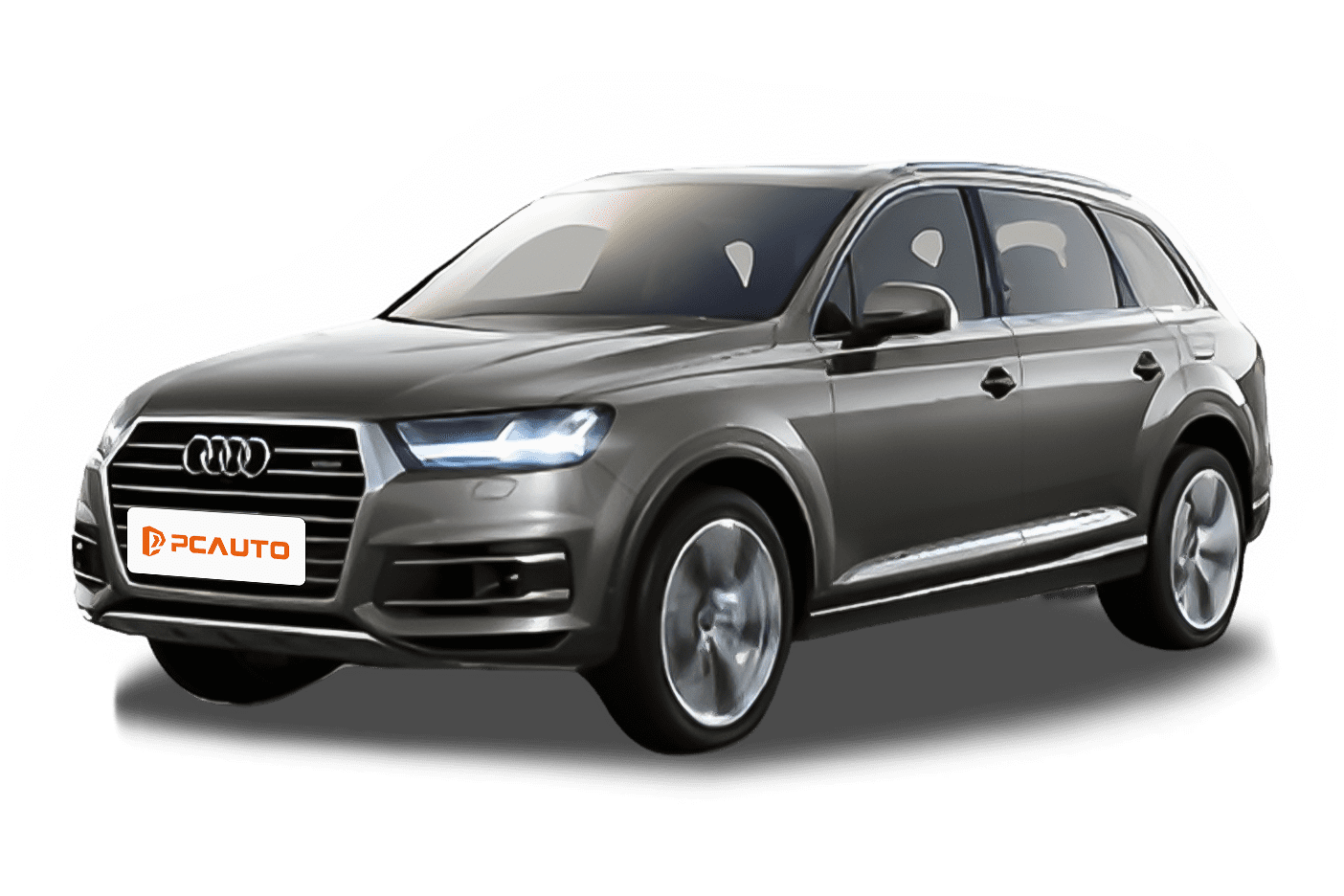
2025 Audi Q7 S line 3.0 TFSI, with its high cost-effectiveness, sporty appearance, luxurious interior, powerful performance, and flexible space, becomes a strong contender in the luxury mid-to-large SUV market.