

Audi Q3 Sportback Review

 Share
Share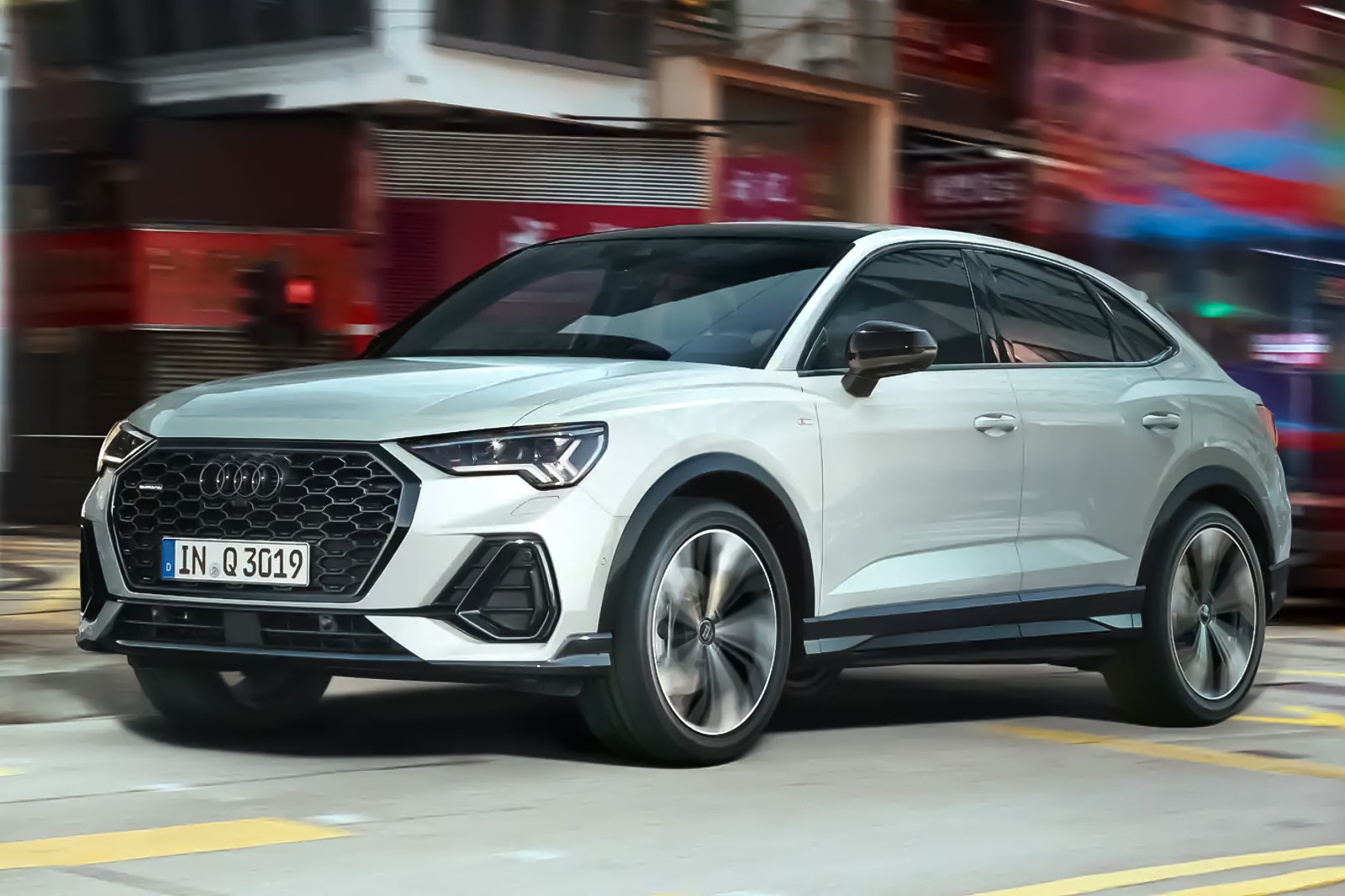
 Segment
 Body Type
 Capacity(L)
 Engine Power(PS)
 Engine Torque(Nm)
 Transmission
The local focus on the C-segment luxury coupe SUV market has been continuously increasing in recent years. Consumers want the practicality of SUVs while also pursuing a more dynamic design and refined interior experience. The 2025 Audi Q3 Sportback S line 2.0 TFSI quattro is precisely designed to meet these demands. It not only offers a more competitive price compared to the previous version but also features optimized transmission and suspension systems, making its overall performance more suitable for everyday use. The main purpose of this test drive is to evaluate its comprehensive performance in design, features, power, and practicality, to determine if it can become a balanced choice among its competitors in the same segment.
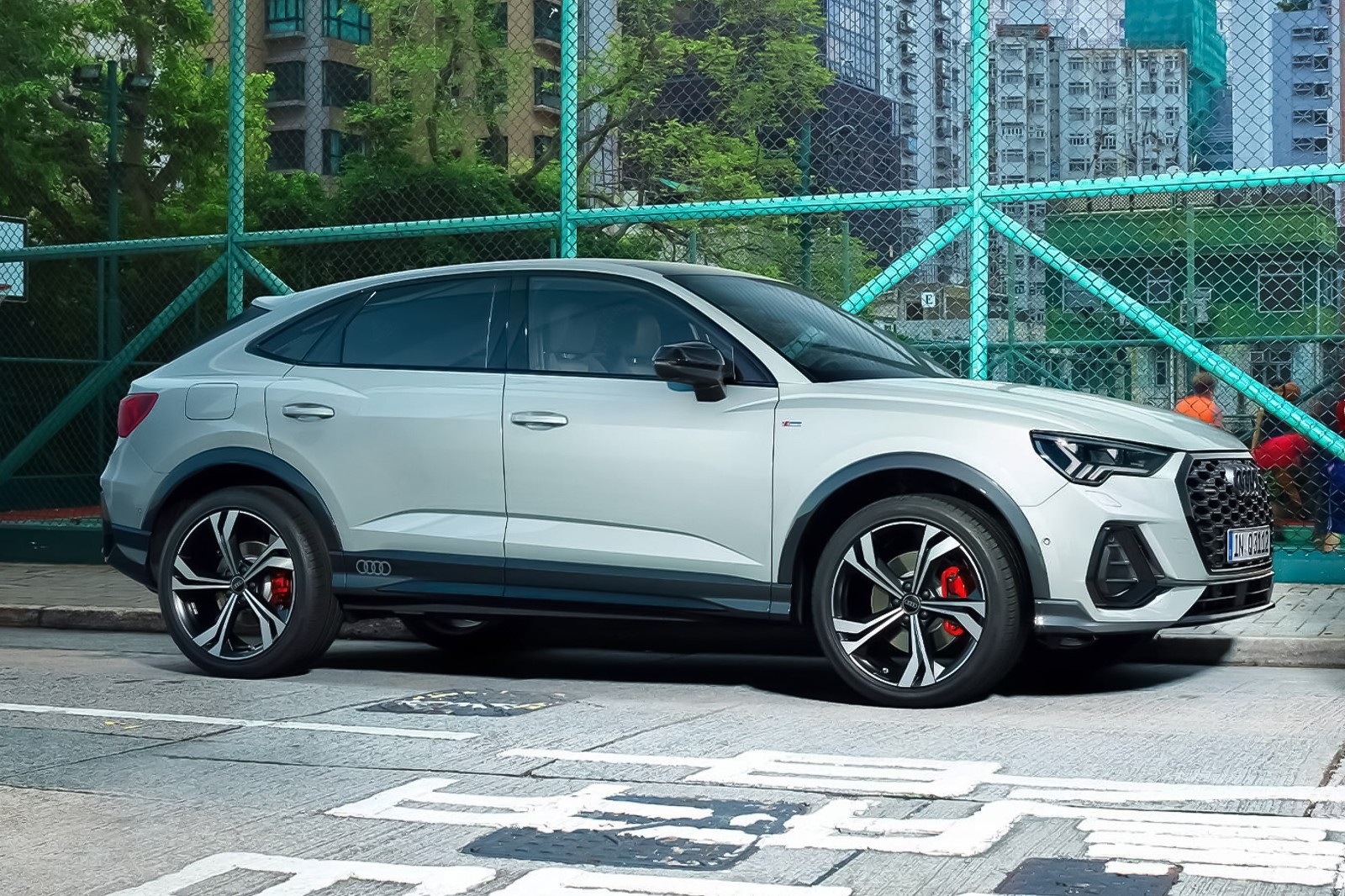
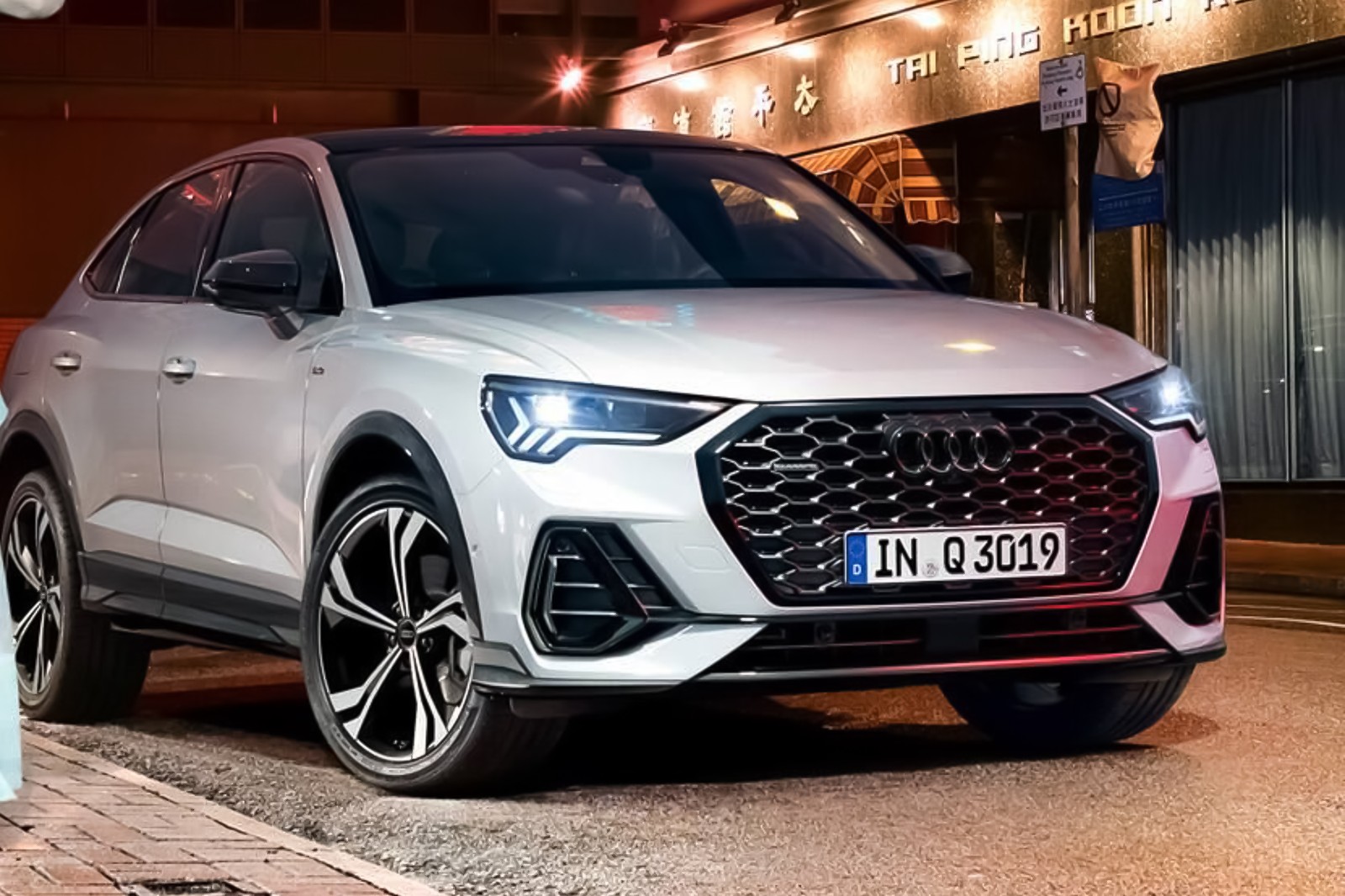
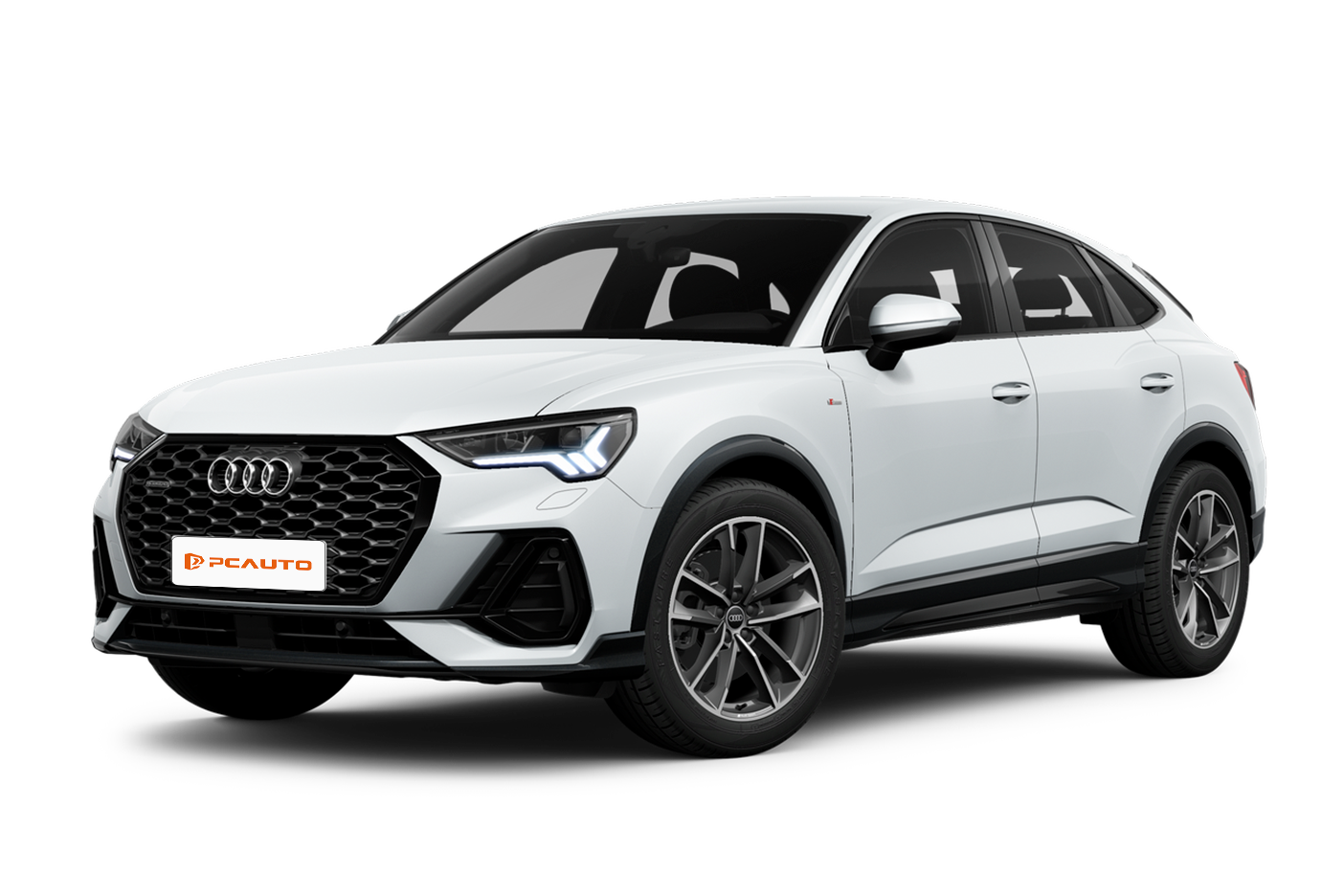
From a distance, the coupe-like silhouette of the 2025 Q3 Sportback S line is highly recognizable, with the roofline smoothly transitioning from the B-pillar to the rear of the car. Paired with 19-inch five-spoke wheels, it exudes a sportier vibe compared to the standard Q3. The front features an S line-exclusive honeycomb grille of a moderate size, outlined with chrome trim. The sharp-shaped LED headlights on both sides incorporate a signature segmented design for daytime running lights that are very conspicuous when illuminated. The LED taillights at the rear also follow a segmented layout, complementing the design of the front headlights. The diffuser-style rear bumper and dual-exhaust layout further enhance the sporty appeal. The overall design avoids excessive decorative elements, maintaining Audi's hallmark of simple yet luxurious aesthetics.
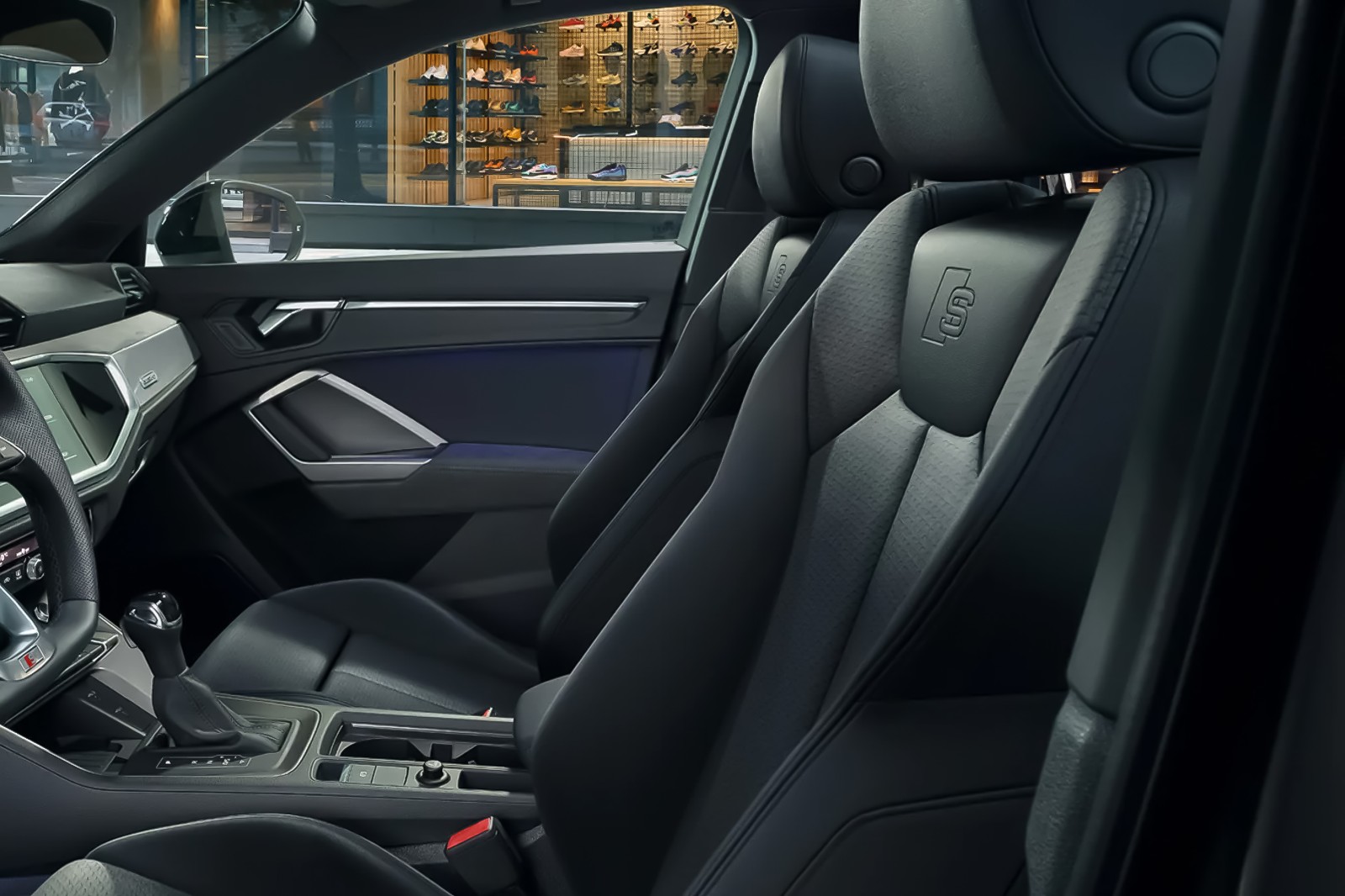
Sitting inside, the interior layout is clear and well-organized, with the center console tilted slightly towards the driver for easier access. In terms of materials, the upper dashboard and inner sides of the door panels are covered with soft-touch materials, paired with metal accents and piano black panels, offering a good sense of quality. A 10.1-inch MMI central touchscreen comes as standard, featuring high resolution, smooth operation, and compatibility with Apple CarPlay and Android Auto. The instrument panel combines traditional mechanical dials with an LCD display, providing clear information and meeting daily needs, even though it's not fully digital. The front seats are electrically adjustable, offering good cushioning and side support, ensuring comfort during long drives. The rear seats can fold down in a 40:20:40 split, expanding the trunk space from 530 liters to an even larger capacity, showcasing commendable practicality.
In terms of performance, the 2025 Q3 Sportback is equipped with a 2.0T turbocharged engine, delivering a maximum power of 132 kW (180 PS) and a peak torque of 320 N·m, paired with a 7-speed AT transmission. During actual driving, the power response is quite prompt in the starting phase. The throttle is tuned to be linear, providing impressive acceleration with just a slight press. In sport mode, the throttle becomes more sensitive, the shifting points are delayed, and the mid-to-high-end acceleration becomes more robust, inspiring confidence for overtaking. The shifting smoothness of the transmission shows noticeable improvement compared to the previous DCT, making gear changes during daily driving almost imperceptible.
As for handling, the combination of front MacPherson strut and rear multi-link independent suspension delivers good absorption of minor road bumps when driving on urban roads. When going over speed bumps or uneven road surfaces, the suspension quickly absorbs vibrations, preventing noticeable bouncing. The steering wheel offers moderate resistance and precise control. Body roll is well-managed during cornering, and with the addition of the quattro all-wheel-drive system, the car maintains excellent stability. On the braking front, the pedal has a moderate travel distance and delivers a linear braking force. During emergency stops, the vehicle maintains a stable posture.
In the fuel consumption test, we drove approximately 150 kilometers under mixed road conditions, with urban roads accounting for 60% and highways 40%. The final displayed fuel consumption was 8.3L/100km, which is not much different from the official figure of 8.1L/100km. For a 2.0T all-wheel-drive SUV, this fuel efficiency falls in the upper-middle range among competitors. In terms of noise control, wind and tire noise during high-speed driving are within an acceptable range. Engine noise is audible inside the cabin during rapid acceleration but is not intrusive.
Compared to the 2022 model, the price of the 2025 Q3 Sportback has been reduced by about 13,000 Malaysian Ringgit. The transmission has been changed from a DCT to a smoother AT, and the suspension has shifted from the previous double-wishbone front suspension to a MacPherson setup. Although the handling limit is slightly reduced, daily comfort has significantly improved. In terms of features, the new model adds knee airbags, lane change assist, lane departure warning systems, and other safety features, making overall safety more comprehensive. Compared to competitors like the BMW X2 and Mercedes-Benz GLA, the Q3 Sportback offers better space and practicality while being more budget-friendly.
Overall, the 2025 Audi Q3 Sportback S line 2.0 TFSI quattro is a well-balanced model. It combines the dynamic design of a coupe SUV with decent space and practicality, while its performance and fuel efficiency meet expectations. It is suitable for young families seeking a stylish design and prioritizing daily comfort and practicality, or for office workers wanting a vehicle that balances sportiness and utility. If you are considering a C-segment luxury coupe SUV, this Q3 Sportback is worth adding to your shortlist.
Audi Q3 Sportback Car Compare
Audi Q3 Sportback Loan Calculator
More Audi Reviews
Cars With Similar Price And Features
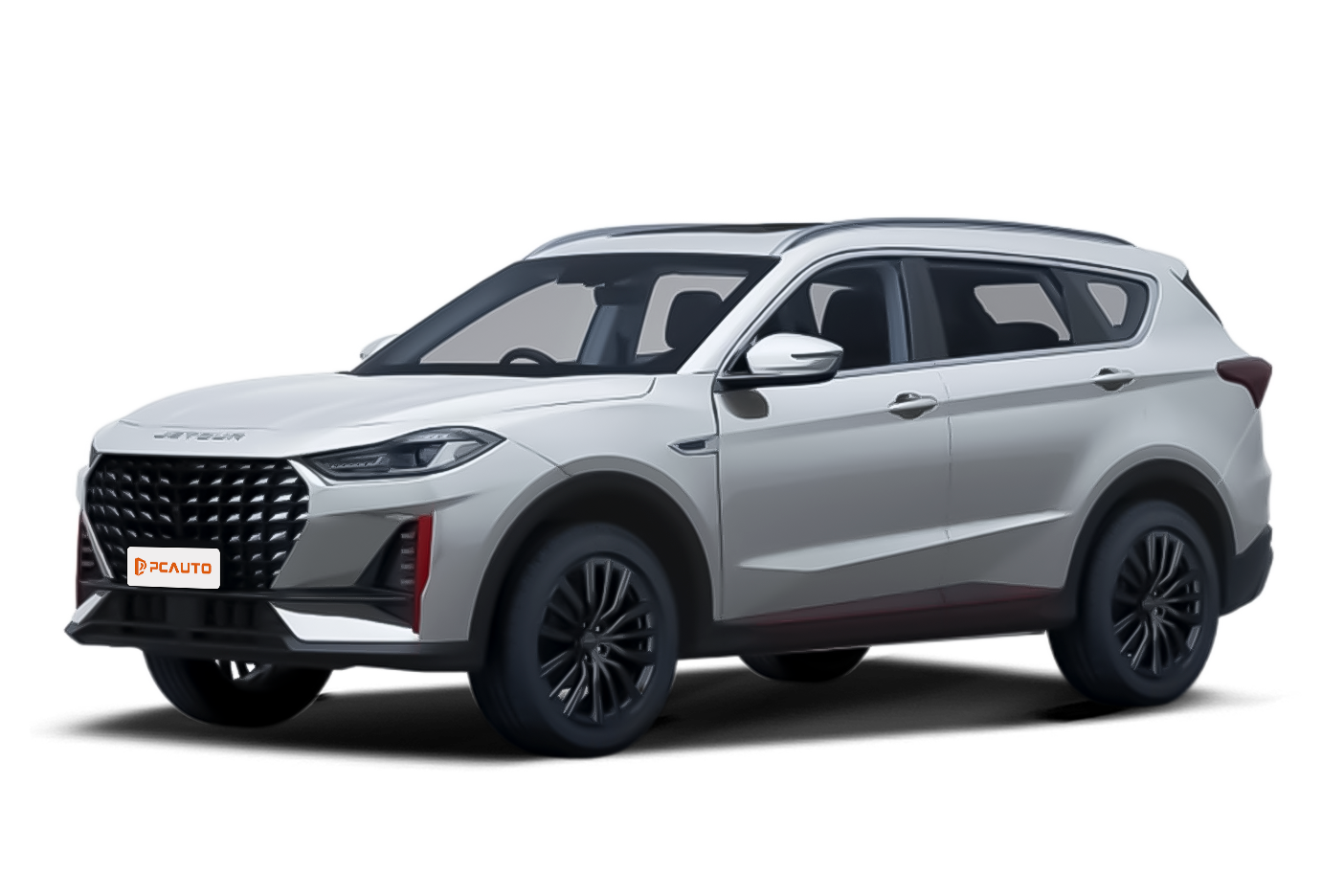
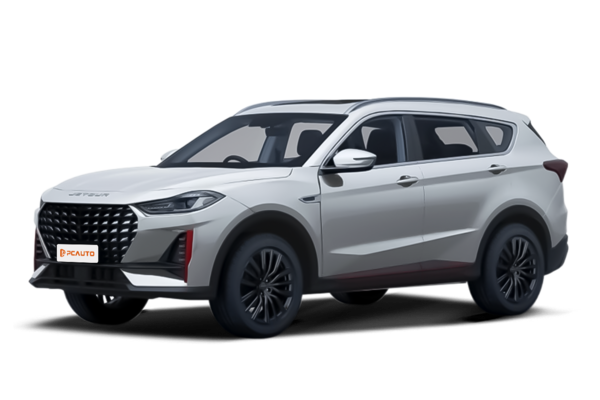
2025 Jetour VT 9 Comfort is a highly cost-effective 7-seater family SUV, featuring practical space, rich configurations, and balanced power, precisely meeting the needs of family short-distance travel.

11
Rank in SUV
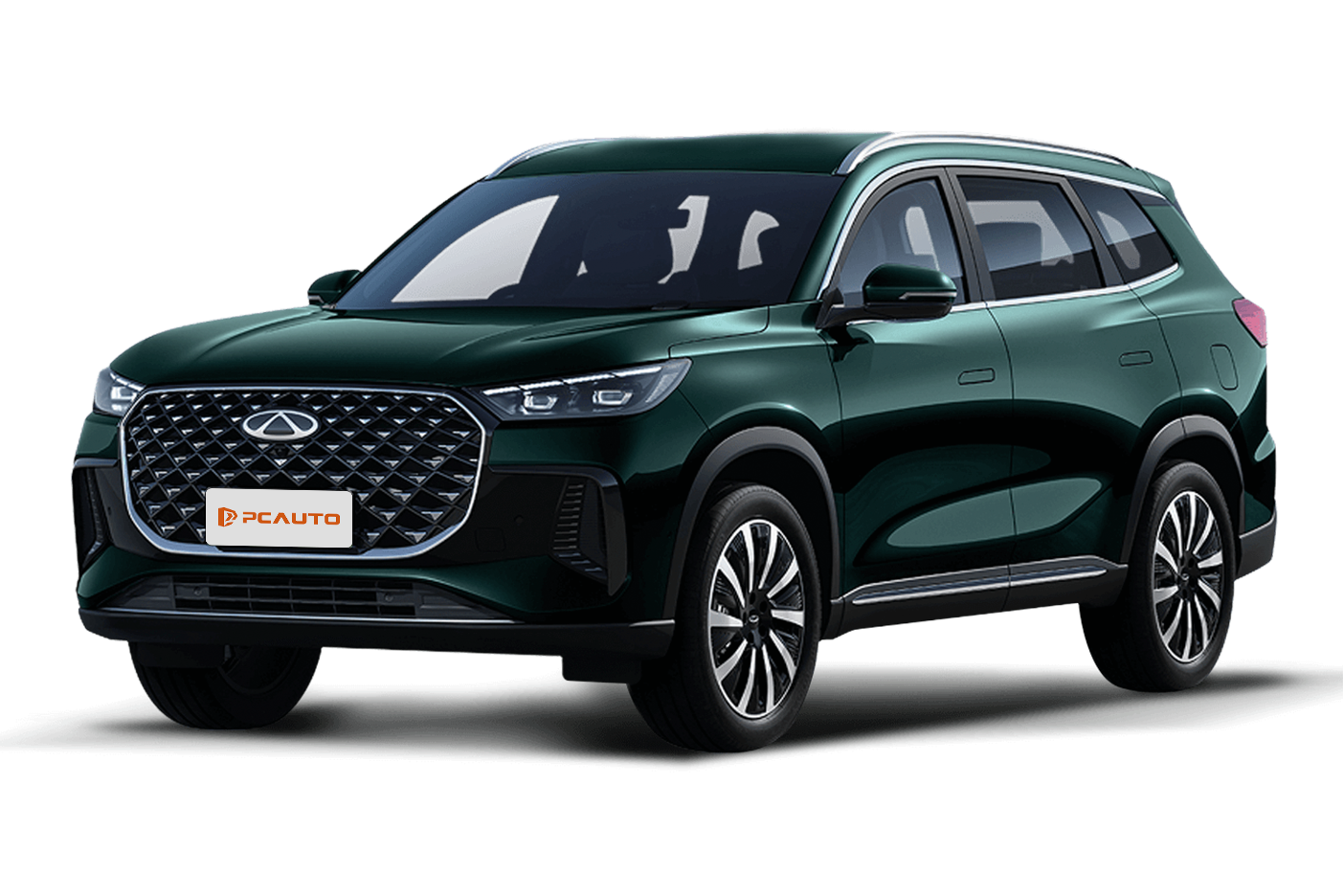
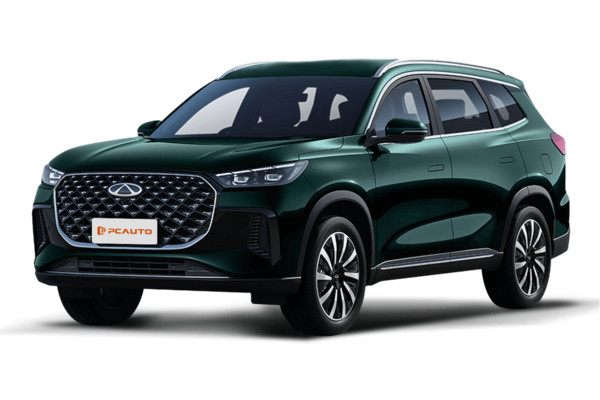
2026 Chery Tiggo 8 is a D-Segment SUV aimed at family users, offering superior configurations, practical space, and smooth power at a high cost-performance ratio, meeting both commuting and light off-road needs.
16
Rank in SUV

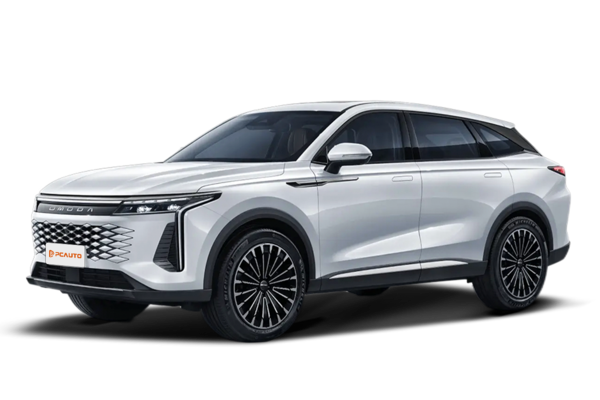
2024 Chery OMODA C9 2WD with 2.0T+8AT powertrain, L2 level assistance, and dual 12.3-inch screens, breaking the stalemate in the D-Segment market and becoming a high-value disruptor.
29
Rank in SUV
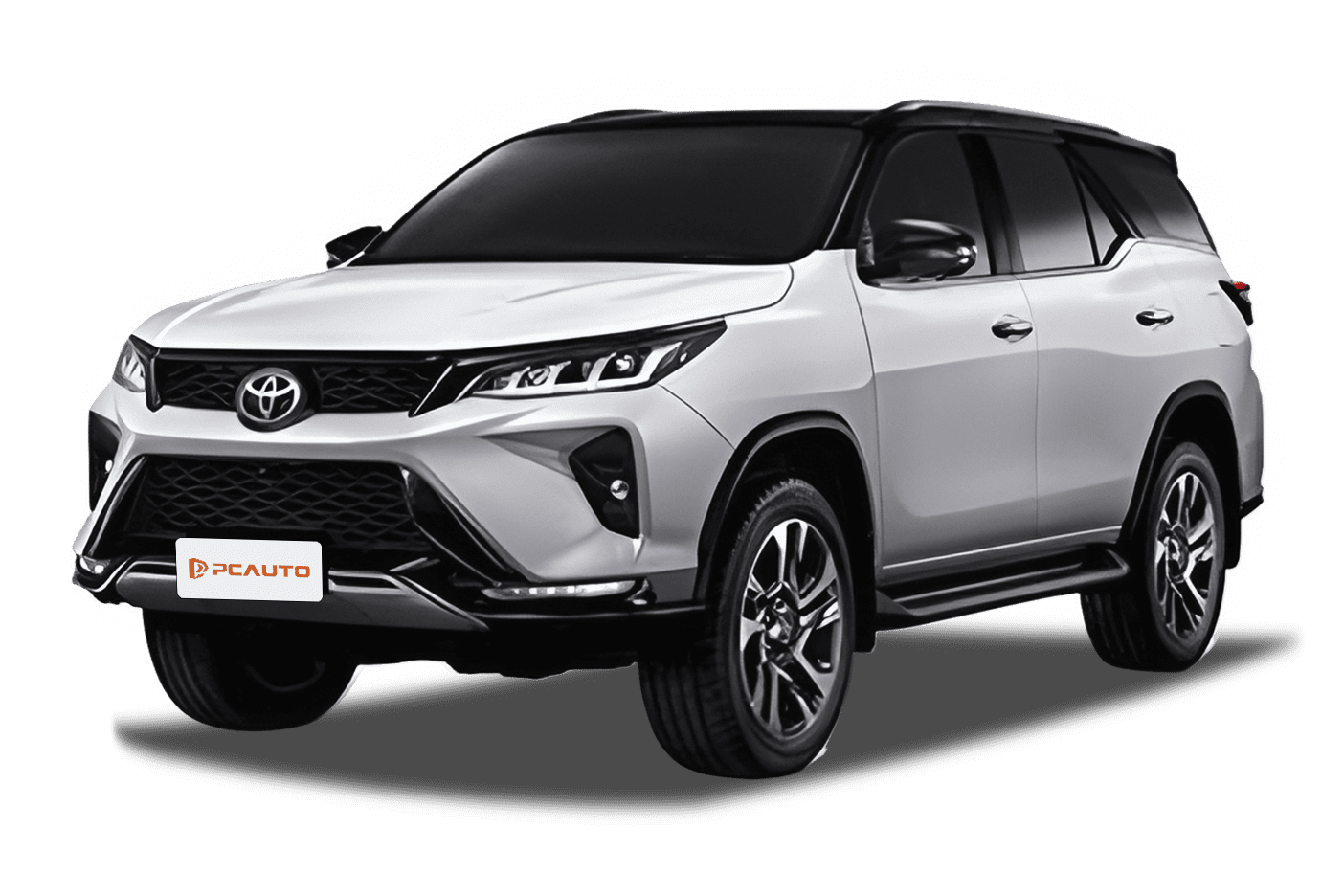
2021 Toyota Fortuner 2.7 SRZ AT 4x4 is a 7-seat SUV that balances family comfort and mild off-road capabilities, with smooth gasoline power and a practical 4x4 system, offering low maintenance requirements suitable for various family scenarios.