

Audi RS6 2023 Review

 Share
Share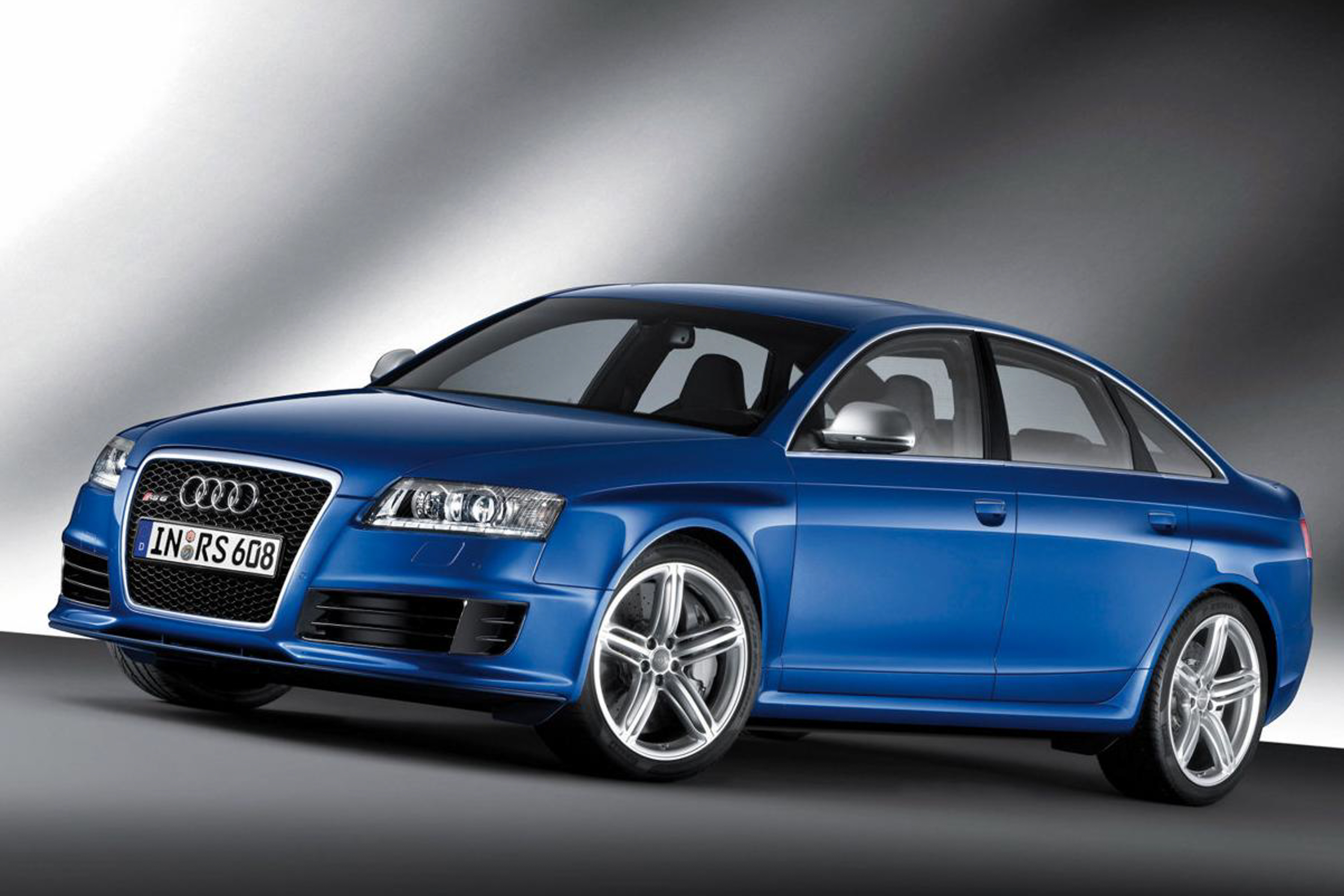
 Segment
 Body Type
 Capacity(L)
 Engine Power(PS)
 Transmission
 Driven Wheels
In Malaysia's high-performance station wagon market, the Audi RS6 Avant has always been the epitome of a "wolf in sheep's clothing"—offering the practical space of a station wagon while concealing supercar-level power output. The 2023 RS6 Avant 4.0 TFSI Quattro continues to uphold this positioning. The 600-horsepower V8 twin-turbo engine paired with the quattro all-wheel-drive system is its core selling point. This test drive focuses on evaluating whether its daily practicality aligns with its "station wagon" identity and if its performance lives up to its million-dollar price tag.
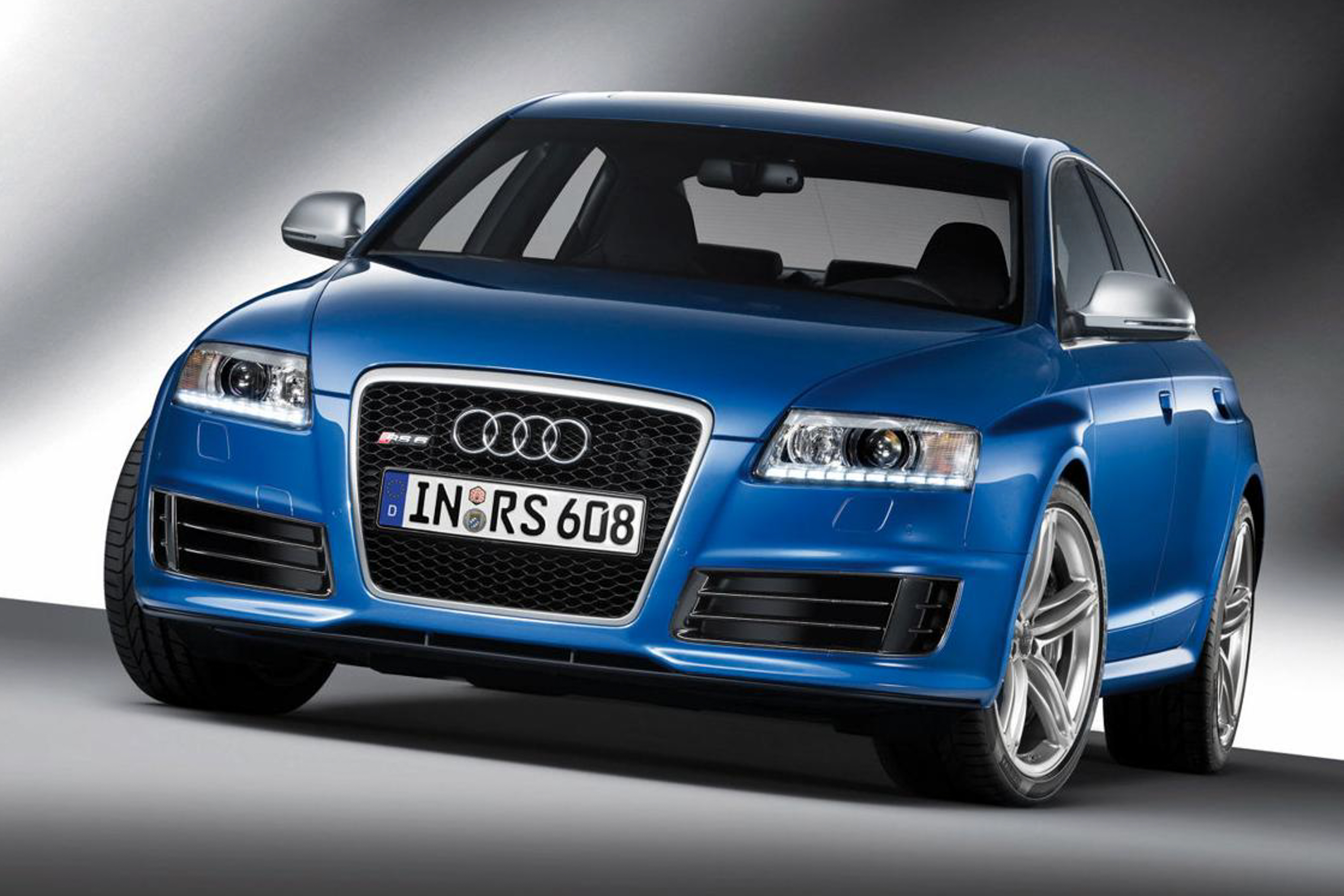
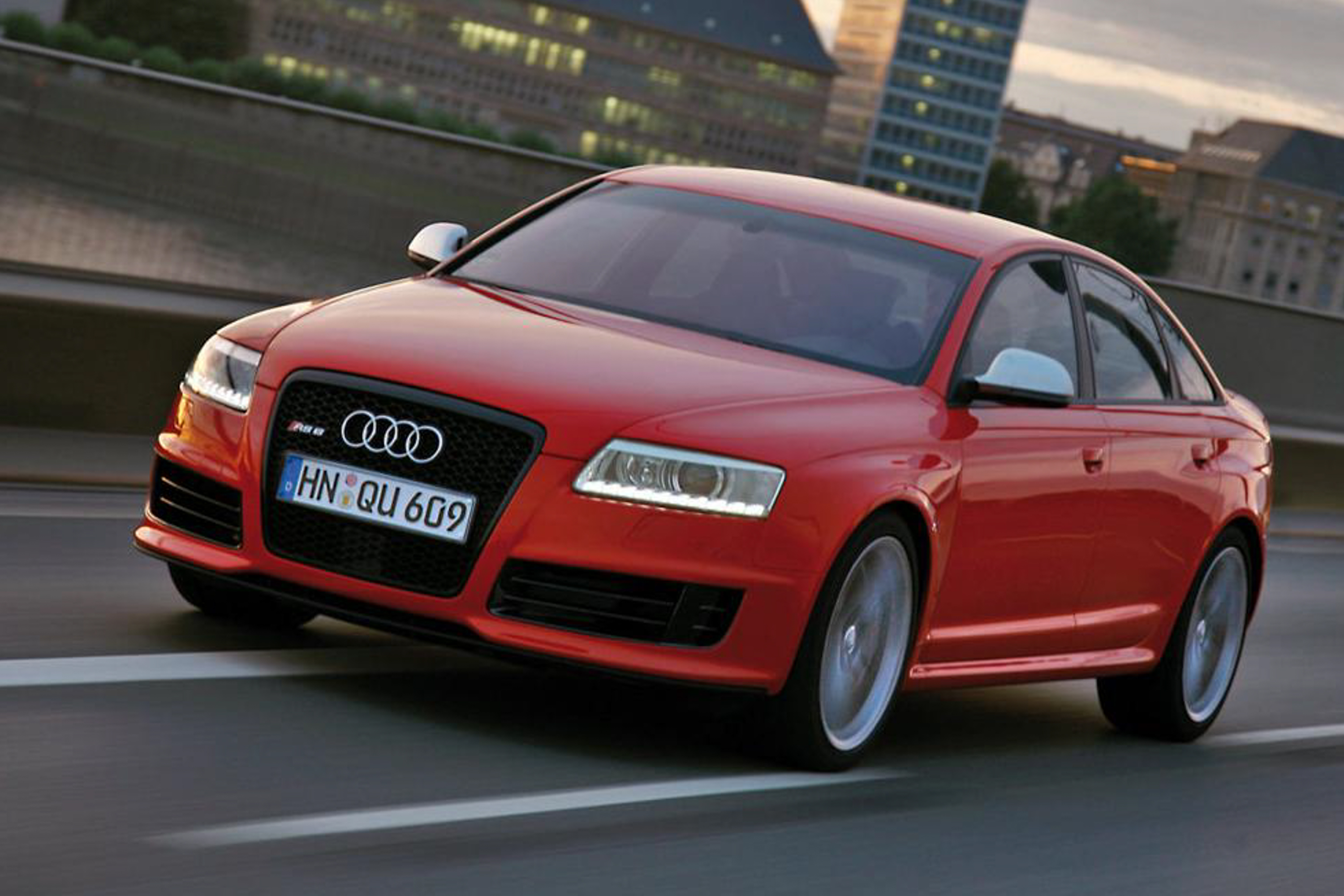
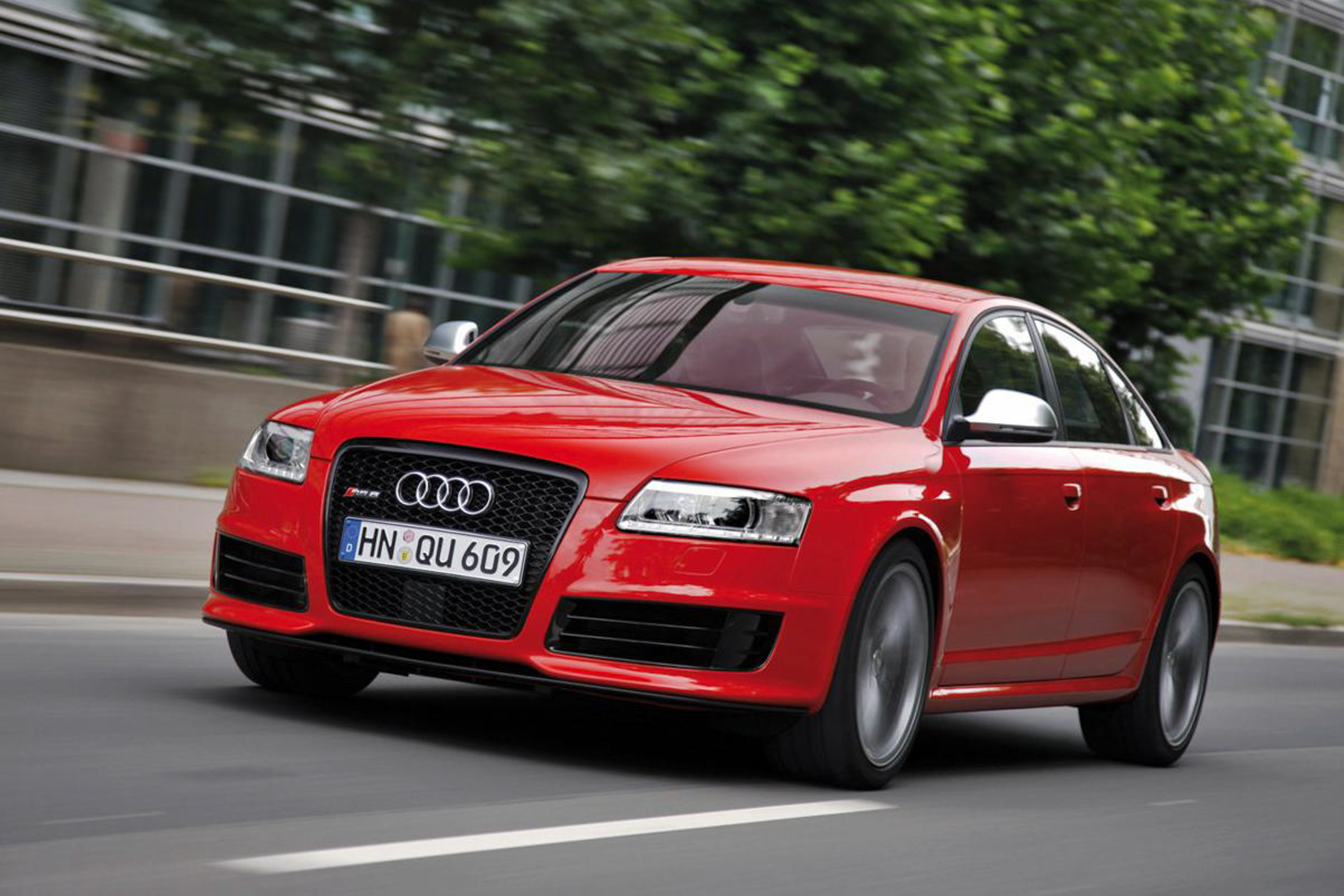
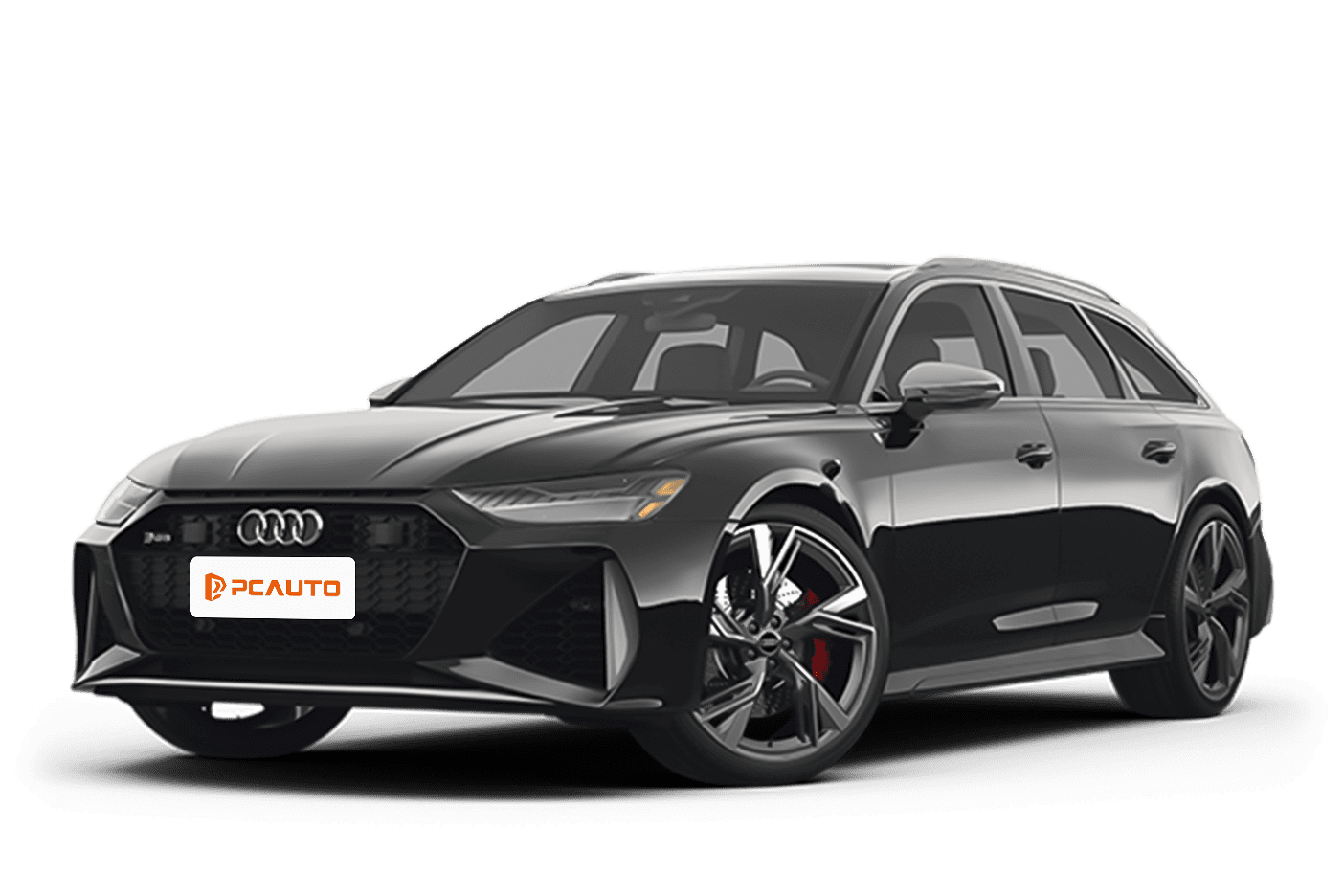
Starting with the exterior, the overall lines maintain the elongated look of a station wagon, but the details exude a sense of performance. The front end features the signature honeycomb grille of Audi's RS family, combined with 22-inch large alloy wheels (both front and rear tire specifications are 285/30 R22), which deliver a strong visual impact. The wheel arches on the sides are wider compared to the standard A6 Avant, and coupled with the muscular lines running along the waistline, the car exudes a powerful presence. At the rear, the dual-sided quad circular exhaust pipes are a hallmark of performance cars, and the LED taillights are highly recognizable when illuminated. The overall design retains the elegance of a station wagon while ensuring its performance attributes aren't overlooked.
Opening the doors, the interior retains Audi's familiar tech-centric style. The dashboard is wrapped in soft materials and complemented with metal trims, matching the upscale feel expected of a million-dollar vehicle. The 12.3-inch fully digital instrument cluster combined with a 10.1-inch touchscreen infotainment display is practical, and a head-up display (HUD) comes standard. This allows drivers to view speed and navigation information without looking down. The front seats support four-way electric adjustment and even feature a massage function, ensuring comfort during long drives. The passenger seat is also electrically adjustable, offering good seating comfort. Regarding rear space, the 2930mm wheelbase offers average legroom; passengers around 175cm tall will have about two fists of legroom, with one fist of headroom, making it comfortable for three people to sit in the back without feeling cramped. The trunk volume is 565L, and folding down the rear seats further expands the space—enough to accommodate a baby stroller or luggage, fully meeting the needs of family use.
The powertrain is the highlight of this car. The 4.0L V8 twin-turbo engine delivers a maximum output of 600PS and a peak torque of 700N·m (not officially listed, but the experience matches the overseas version). It is paired with an 8-speed automatic transmission. In sport mode, the throttle response is very sharp, with instant pushback upon acceleration. The official 0-100km/h time is 3.6 seconds, and during actual testing, it can even clock below 3.5 seconds. When overtaking, stepping on the gas pedal prompts rapid downshifts, delivering power on demand, making it hard to believe this is a station wagon weighing over 2 tons. In comfort mode for daily use, the power output becomes smoother, making it more suitable for city commuting without the taut sense of a performance car.
In terms of handling, the quattro all-wheel-drive system performs exceptionally well. Body roll is well-controlled during cornering, and the steering is precise with clear directionality, inspiring confidence. The suspension setup is on the firmer side, but it manages to absorb road irregularities quite well—crossing speed bumps or uneven surfaces does not result in harsh jolts, balancing performance with daily comfort. The braking system uses ventilated disc brakes, providing linear pedal feedback. During emergency braking, the vehicle remains stable without veering off course.
In terms of fuel consumption, the official combined fuel consumption is 12.4L/100km. During the actual test drive, the fuel consumption in congested urban areas was about 15-16L/100km, while on highways it dropped to around 10L/100km. For a 4.0T V8 engine, this performance is at a normal level. Noise control is excellent; at 120km/h on the highway, wind and tire noise are barely noticeable, and there is no need to raise your voice for in-car conversations.
Compared to the same class models like the Mercedes-AMG E63 S Estate, the price of the 2023 RS6 Avant (RM 1,067,402) is slightly lower, and it comes with additional features such as a HUD head-up display and front-seat massage function, making it stand out in terms of value for money. Its core advantages are quite clear: First, it is "versatile" — it offers supercar-level performance along with the space of a station wagon. Second, it is "balanced" — its performance mode meets driving enthusiasts' needs, while comfort mode is suitable for family use. Third, it is "well-equipped" — practical features such as a 360-degree panoramic camera, keyless entry, and rain-sensing wipers are standard and do not require additional options.
In summary, the 2023 Audi RS6 Avant is suitable for two types of people: one is the "practical performance enthusiast" — those who desire the thrill of a performance car but also need to carry items or take their family on trips; the other is the "low-profile player" — those who dislike the ostentation of supercars but wish to quietly own power comparable to that of a supercar. It is not purely a speed-focused track car but a versatile station wagon that balances "passionate driving" and "daily practicality." With a budget of around one million, it is one of the best choices in this niche market.
Audi RS6 Car Compare
Audi RS6 Loan Calculator
More Audi Reviews
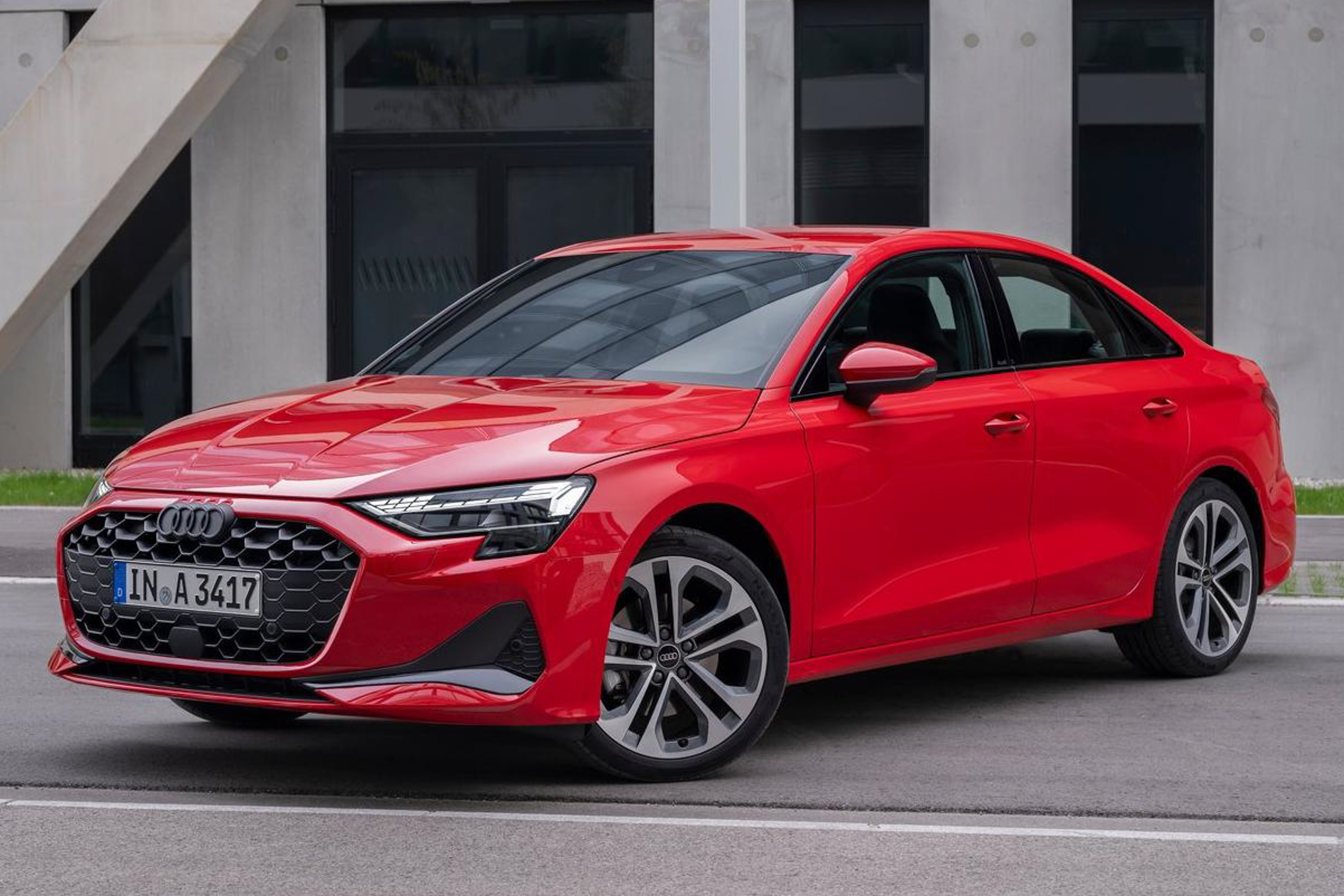
Cars With Similar Price And Features
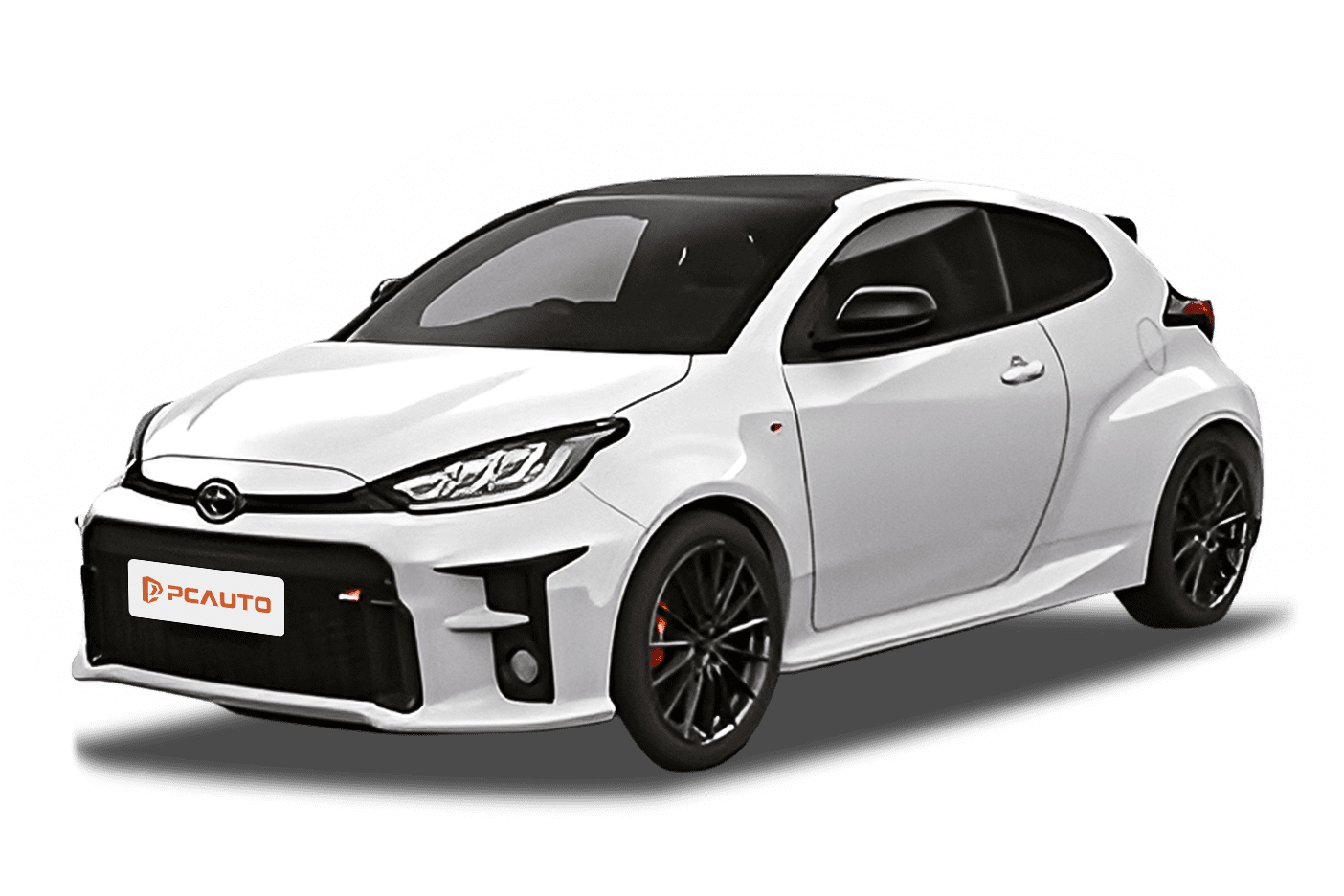
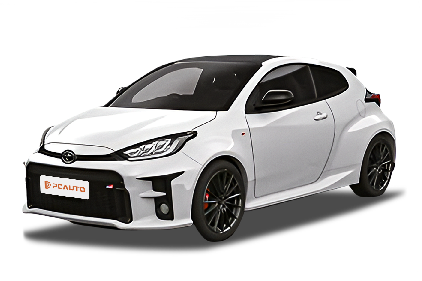
2025 Toyota GR Yaris MT is a pure driving pleasure two-door performance small hot hatch with upgraded power to 300PS, precise handling, and practicality for daily use.
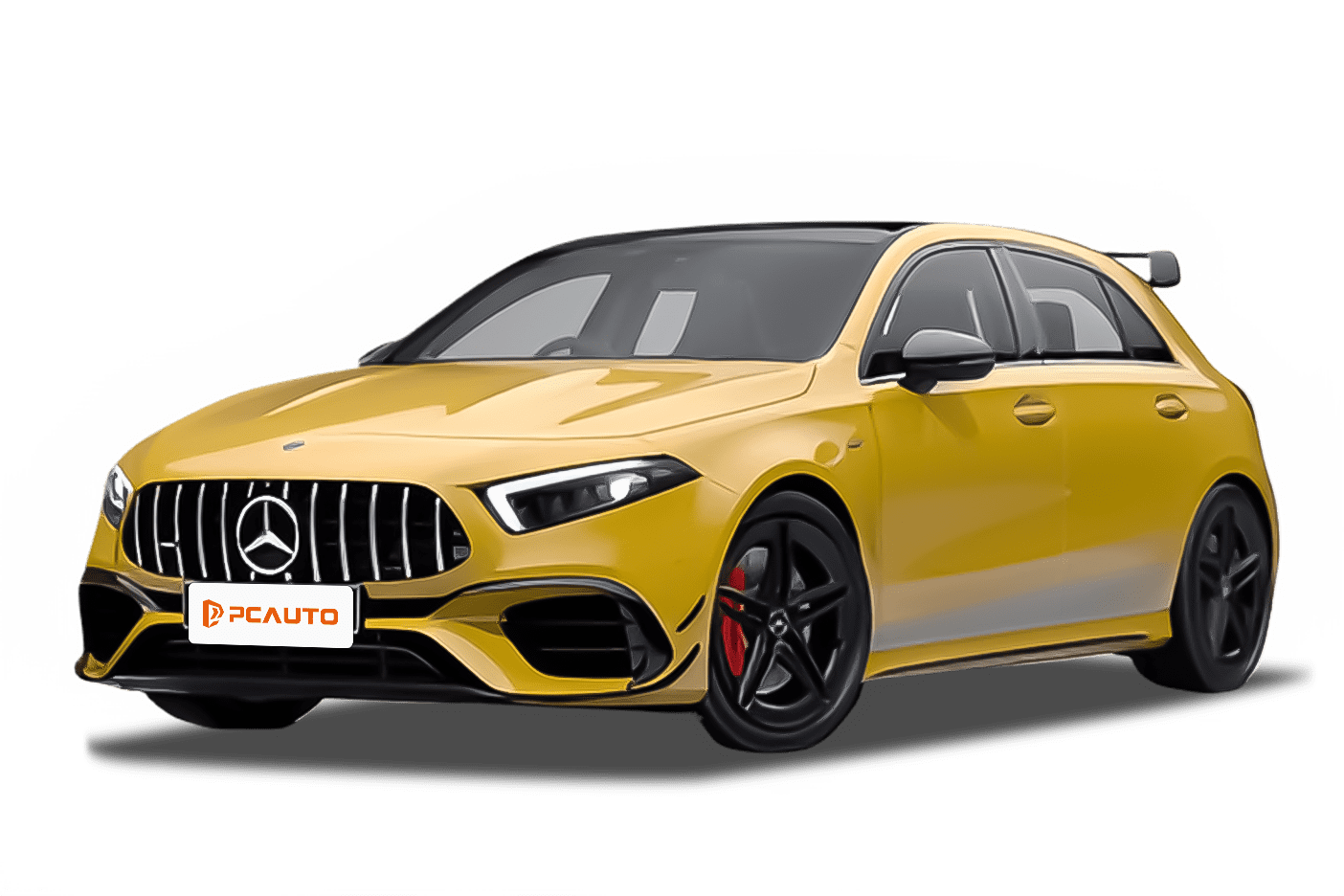
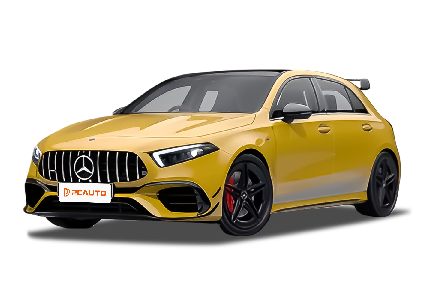
2024 Mercedes-Benz AMG A-Class A45S 4Matic+ Limited Edition is a luxurious high-performance compact hatchback limited edition that combines 421PS strong power, 3.9-second 0-100 km/h acceleration, and a practical 5-door layout.
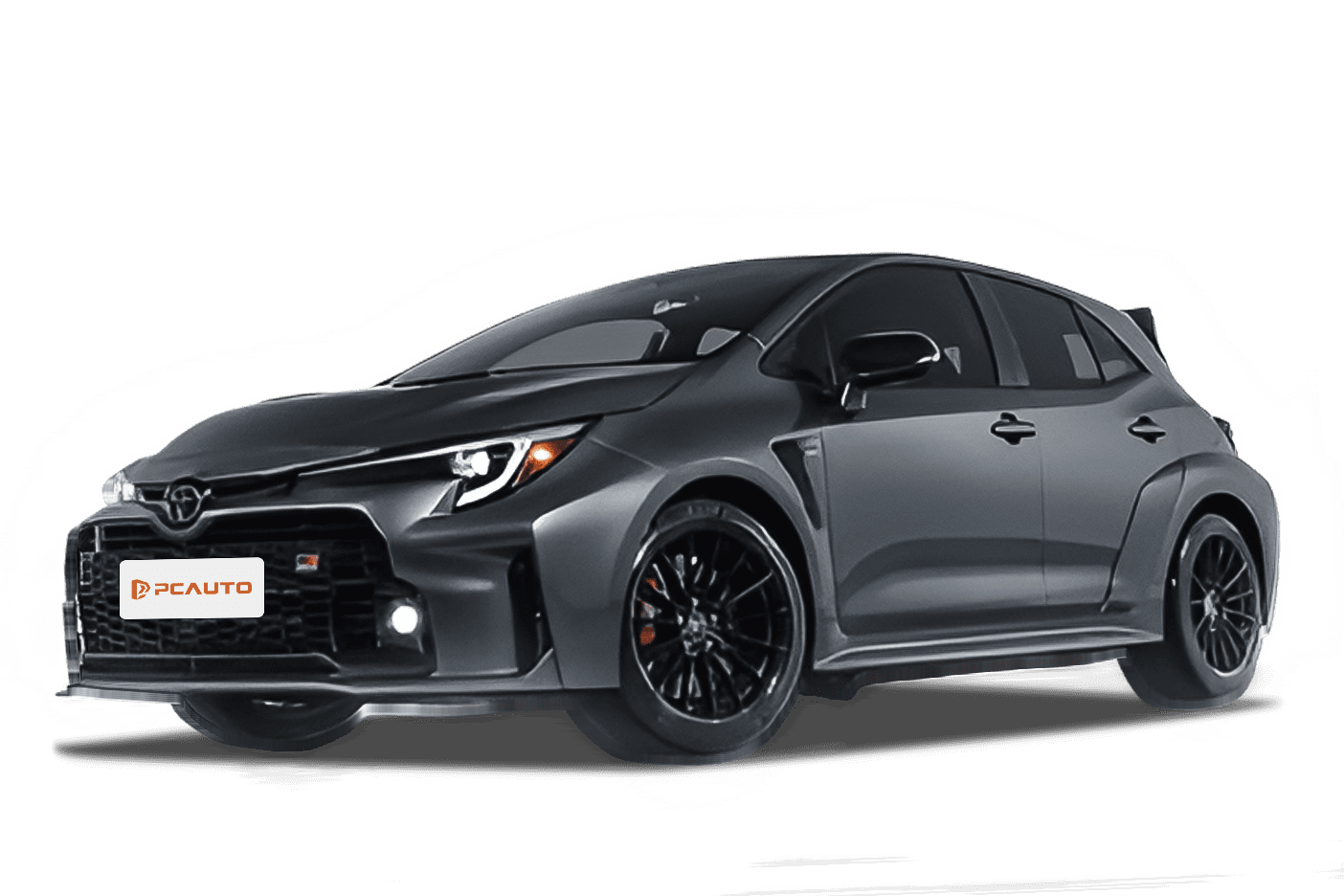
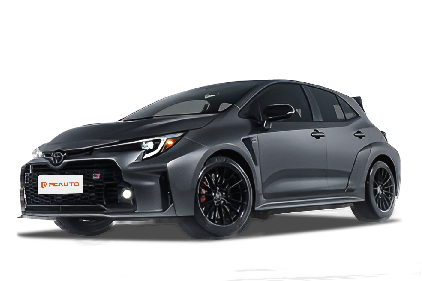
2025 Toyota GR Corolla 1.6T MT is a four-door hatchback performance car that balances daily practicality with driving pleasure, featuring upgraded materials and configurations, retaining the 6MT + full-time four-wheel drive, offering powerful performance and enhanced practicality.
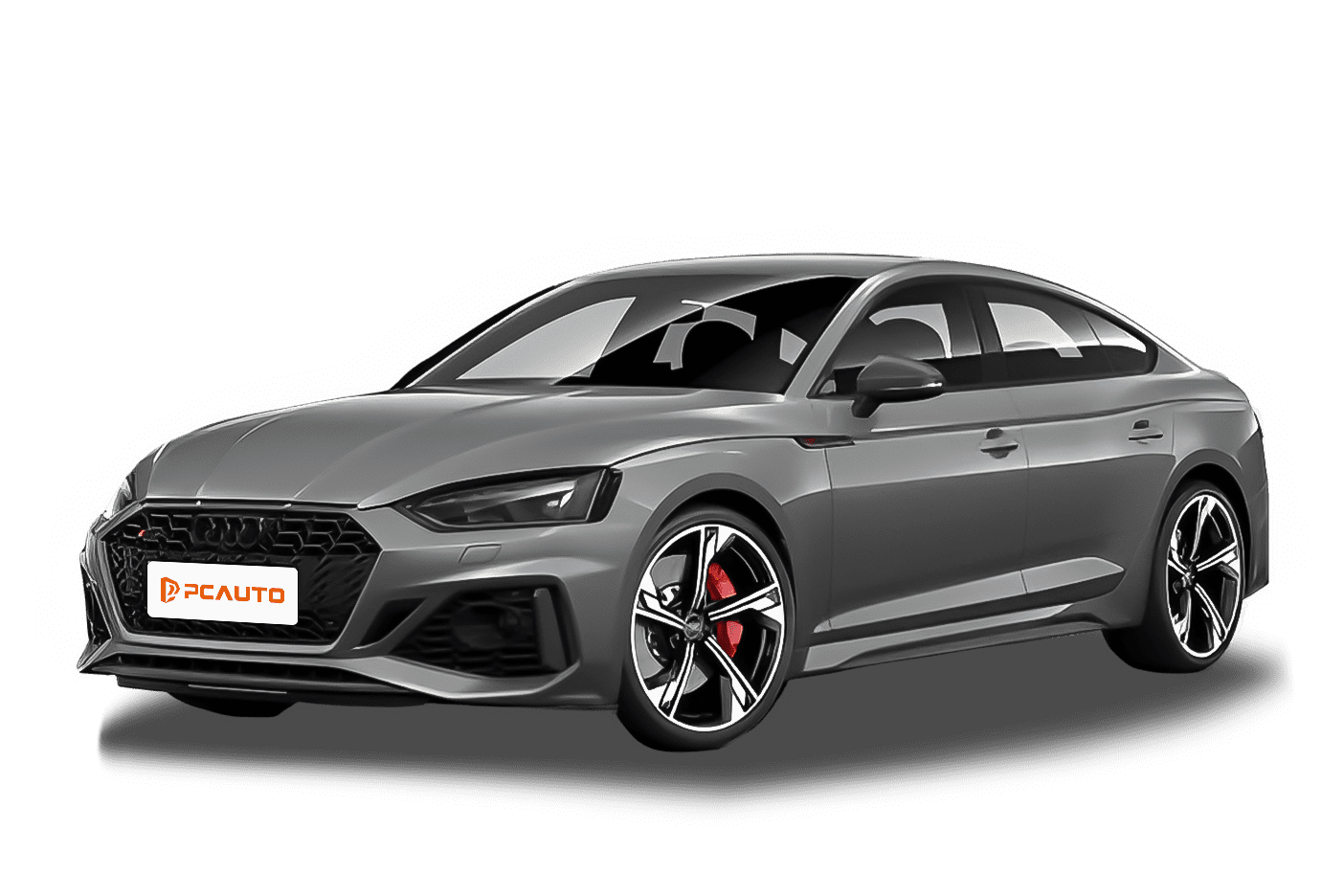
2022 Audi RS5 Sportback 2.9 TFSI quattro is a luxury performance coupe that combines 450PS twin-turbo power with quattro control and offers the practicality of a five-door hatchback.