

Toyota GR Yaris Review

 Share
Share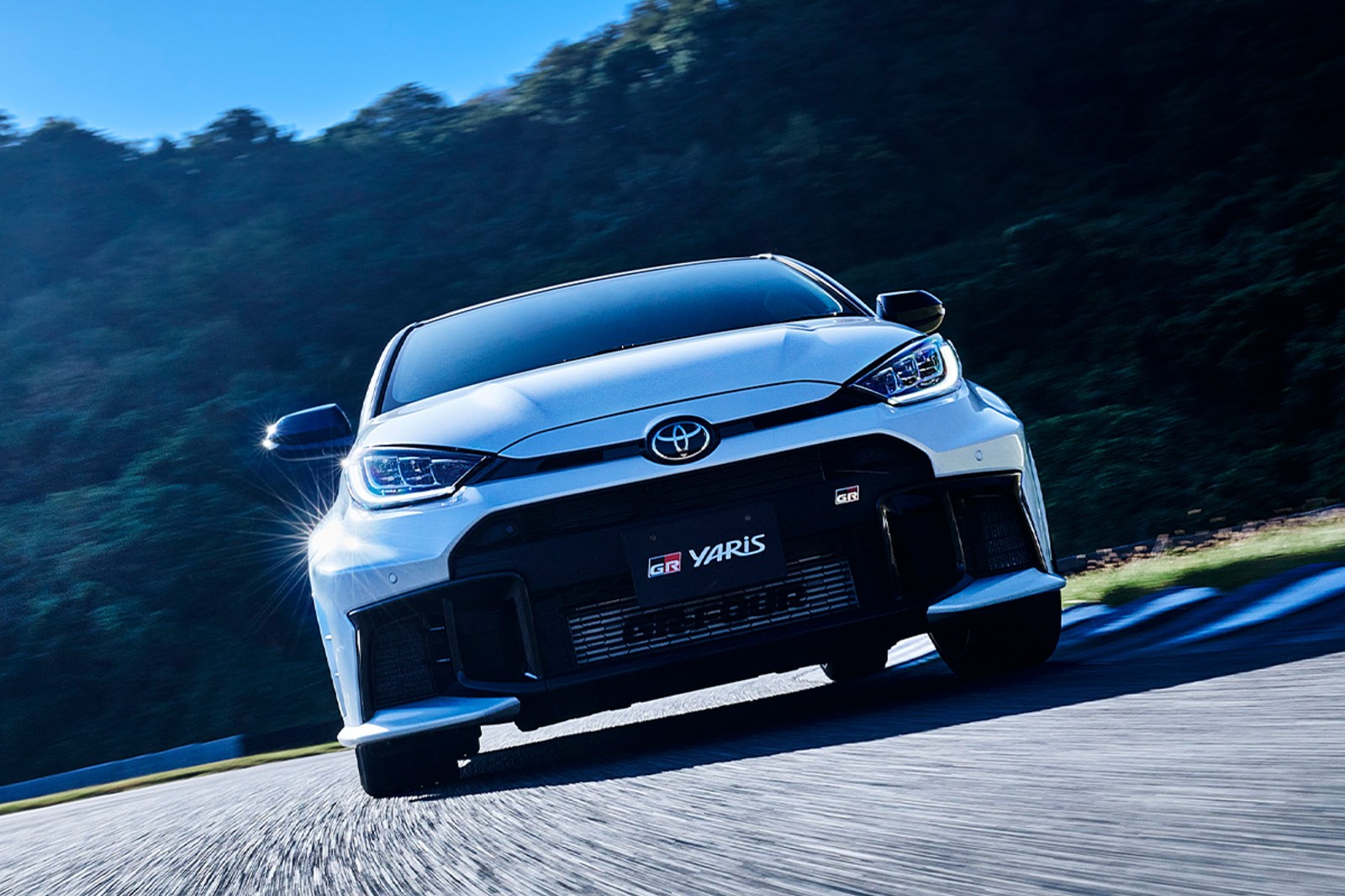
 Segment
 Body Type
 Capacity(L)
 Engine Power(PS)
 Engine Torque(Nm)
 Transmission
The Malaysian hot hatch market has long been dominated by only a few models, and since its launch in 2021, the Toyota GR Yaris has become a favorite among enthusiasts due to its pure driving pleasure. The 2025 GR Yaris MT retains its classic two-door design while upgrading its power and features, with a horsepower figure of 300PS directly benchmarking higher-level performance cars. In this test drive, we focus on experiencing whether the power enhancement truly brings a qualitative improvement in driving experience, and whether the configuration adjustments strike a balance with daily practicality.
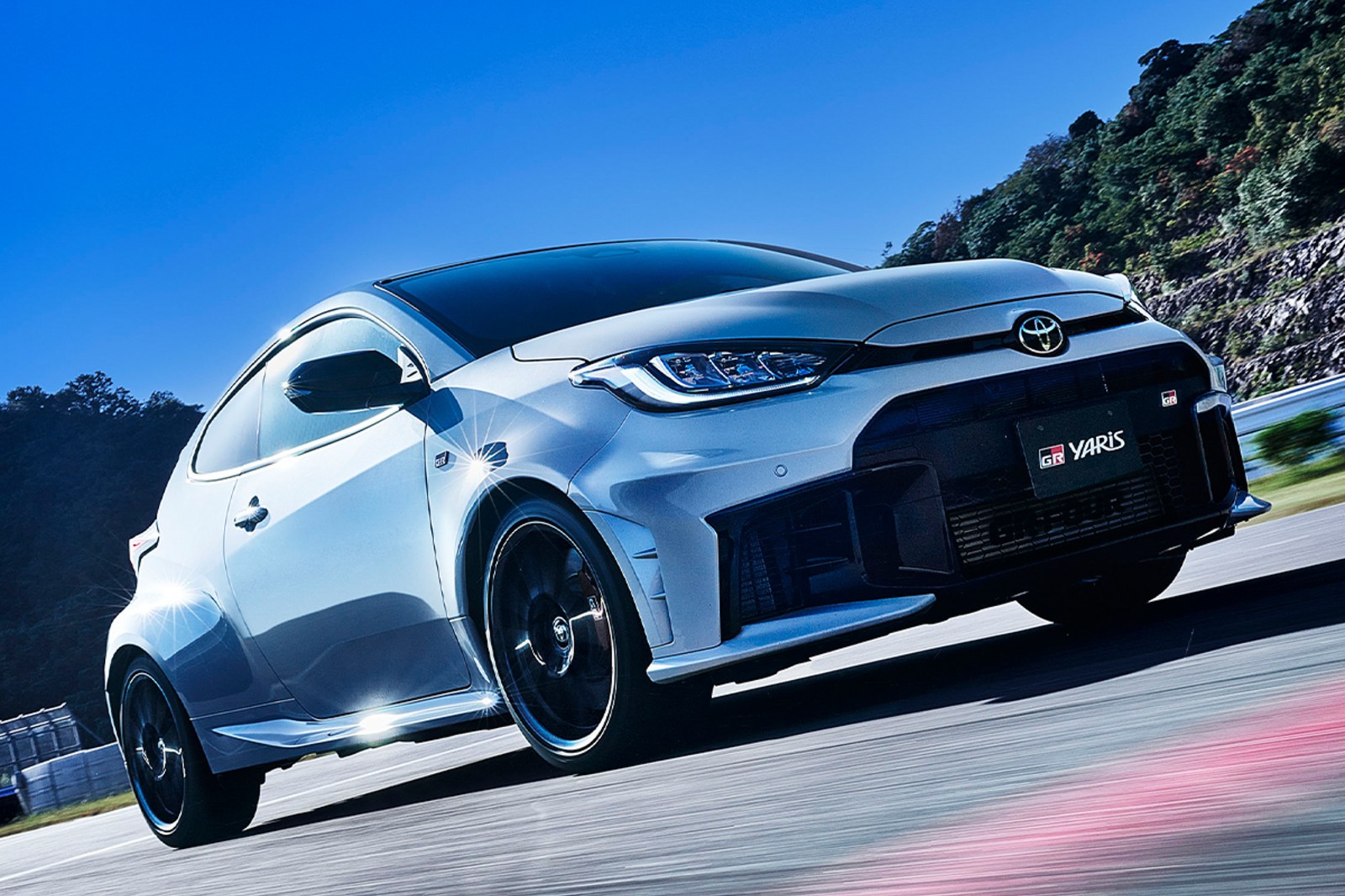
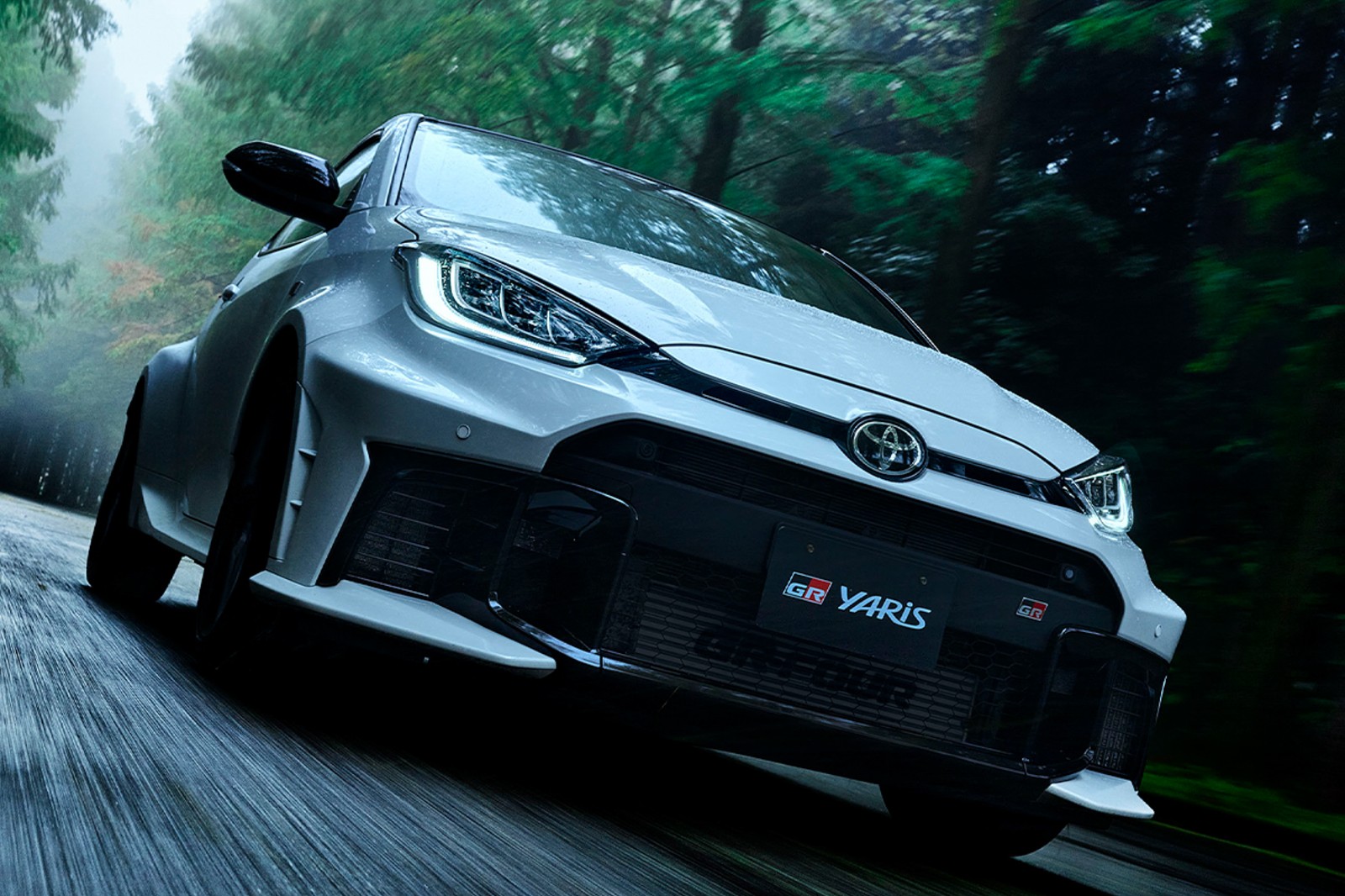
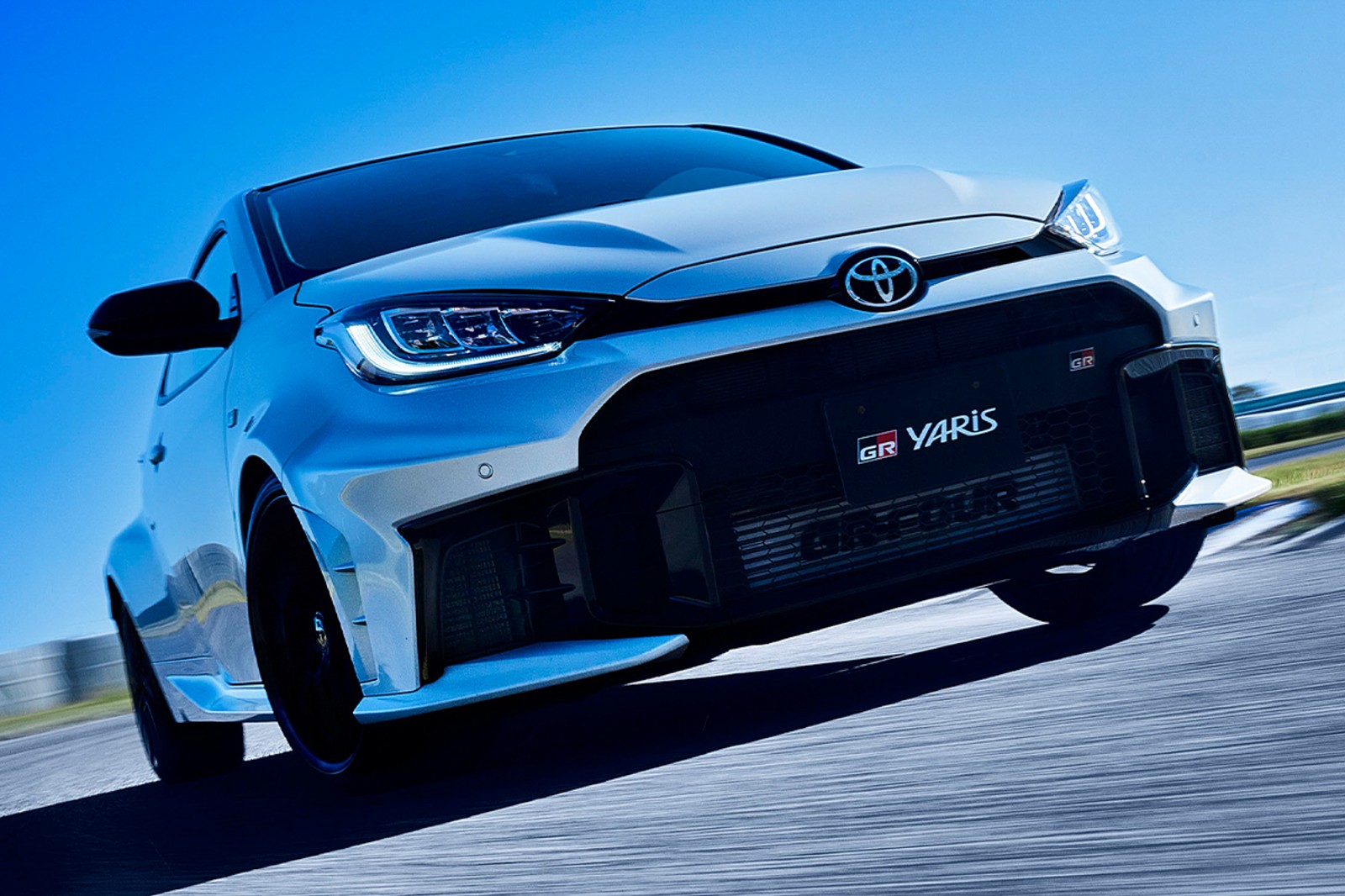
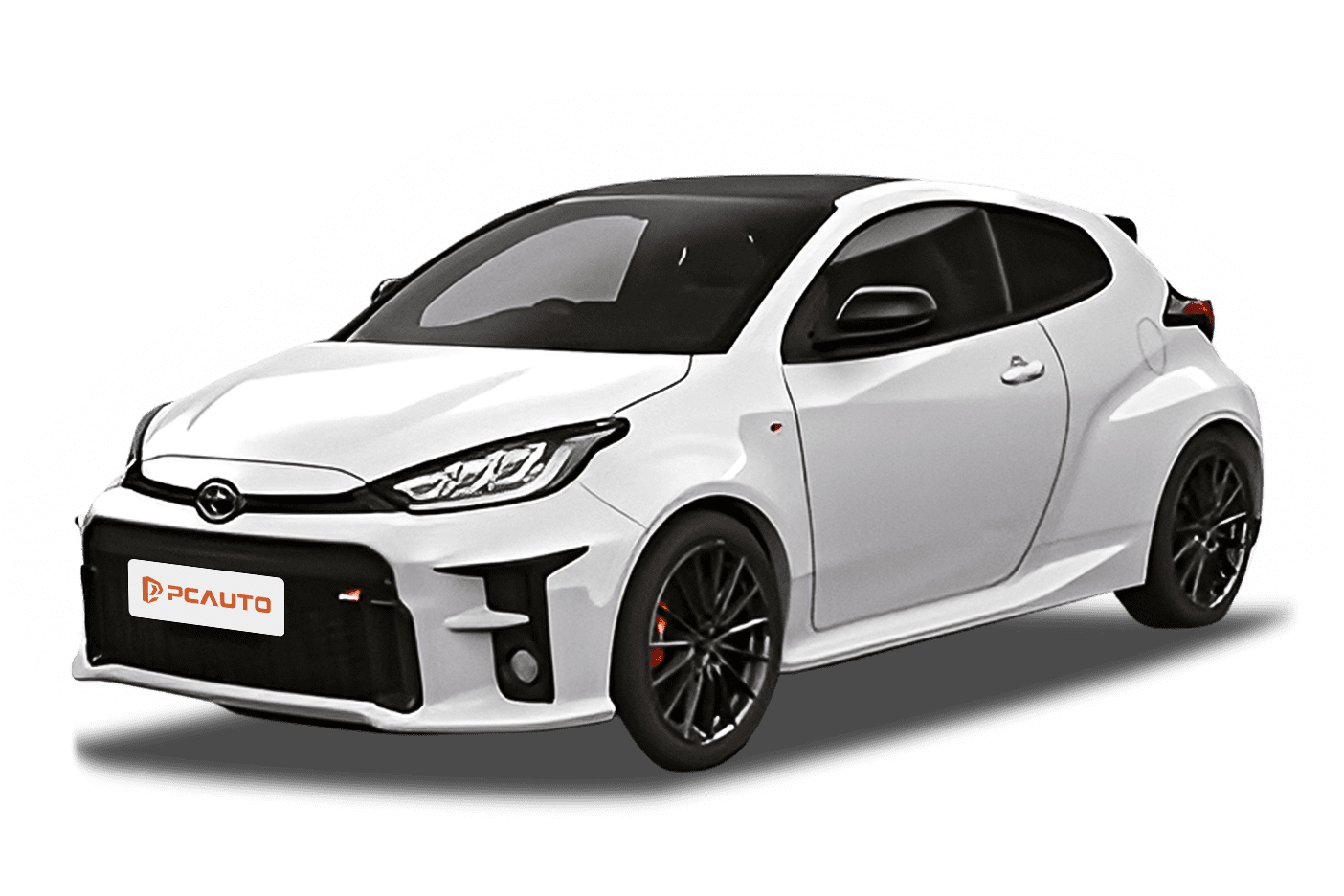
From the exterior, the 2025 GR Yaris MT continues the wide-body design of its predecessor, with body dimensions remaining at 3995mm×1805mm×1455mm and a wheelbase of 2560mm. Its compact size ensures a foundation for agile handling. The trapezoidal front intake grille paired with sharp LED headlights on both sides adds high recognizability, and the black aerodynamic components below the front bumper enhance the sporty vibe. The two-door design on the side, paired with 18-inch wheels, looks dynamic, while the rear door handles are hidden near the C-pillar, maintaining the smoothness of the overall lines. At the rear, the spoiler and dual-exit exhaust layout further emphasize its performance orientation, and the LED taillights echo the headlight design, providing a clear visual effect when lit at night.
Inside the car, the interior design focuses on practicality without excessive ornamentation. The dashboard utilizes a large amount of soft-touch materials, accented with red stitching to create a sporty ambiance. The 12.3-inch GR fully digital instrument cluster is a significant upgrade, offering rich information, including RPM, speed, power distribution, and more, with display styles that change according to the driving mode. The 7-inch central display supports basic multimedia functions, with a decent level of responsiveness. Below, physical buttons are retained for ease of use during driving. The seats are made of fabric material with decent wrapping, and the front seats support manual adjustments. Although an extra rear seat has been added, the rear space is still cramped and only suitable for short trips. As for storage space, the capacity of the door panels and center armrest box is average, sufficient for daily use.
The power upgrade is the most noticeable aspect. The 1.6T three-cylinder turbocharged engine's maximum power has been increased from 261PS to 300PS, and maximum torque has risen from 360N·m to 400N·m, with a peak torque range of 3250-4600rpm. Paired with a 6-speed manual transmission, the shifting feel is crisp, with a strong sense of engagement, while the clutch pedal travel is moderate, making the biting point easy to master. The power response is quick during starting, and light throttle input delivers an evident kick. Acceleration remains strong in the mid-to-high range, providing full confidence during overtaking. The official 0-100km/h acceleration time is 5.2 seconds, 0.3 seconds faster than the previous generation, and actual testing in sport mode showed performance that met expectations.
In terms of handling, the combination of front MacPherson strut independent suspension and rear double-wishbone independent suspension is tuned towards sportiness, offering strong support. The body leans very little during cornering, the steering is precise, and road feedback is clear, allowing the driver to accurately sense the vehicle's dynamics. The chassis provides good damping for road bumps, ensuring it doesn't feel overly rigid during daily driving while maintaining a degree of comfort. The all-wheel-drive system continues to perform excellently, distributing power appropriately during wet road conditions or rapid acceleration, ensuring high vehicle stability. The braking system provides ample stopping power, and the linear feel of the brake pedal inspires confidence.
In terms of safety configuration, it comes standard with ABS anti-lock braking, vehicle stability control, lane-keeping assist, lane departure warning, forward collision warning, etc. The 6 safety airbags also provide comprehensive protection for passengers. The addition of the ACC adaptive cruise control system enhances convenience for long-distance driving. However, the door lock still uses a manual key, which is slightly less convenient compared to the keyless entry of the previous generation.
Overall, the 2025 GR Yaris MT's upgrades in power and configuration further strengthen its competitiveness in the performance hatchback market. Compared with models in the same class, it has a significant advantage in power specifications and excellent handling performance. At the same time, its price is only 16,600 MYR higher than the previous generation, maintaining outstanding value for money. This car is suitable for consumers who pursue pure driving pleasure, especially manual transmission performance car enthusiasts. It can also meet basic daily needs, but the limited rear space means it is better suited for personal use or small families.
In summary, the 2025 Toyota GR Yaris MT is a small hatchback that combines performance and practicality. The power upgrade brings a stronger driving experience, and the configuration adjustments also improve daily convenience. If you are a driving enthusiast and do not require much rear seat space, then this car is worth considering.
Toyota GR Yaris Car Compare
Toyota GR Yaris Loan Calculator
More Toyota Reviews
Cars With Similar Price And Features

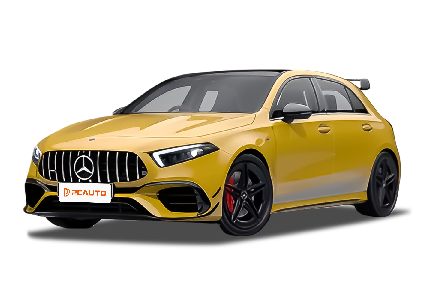
2024 Mercedes-Benz AMG A-Class A45S 4Matic+ Limited Edition is a luxurious high-performance compact hatchback limited edition that combines 421PS strong power, 3.9-second 0-100 km/h acceleration, and a practical 5-door layout.
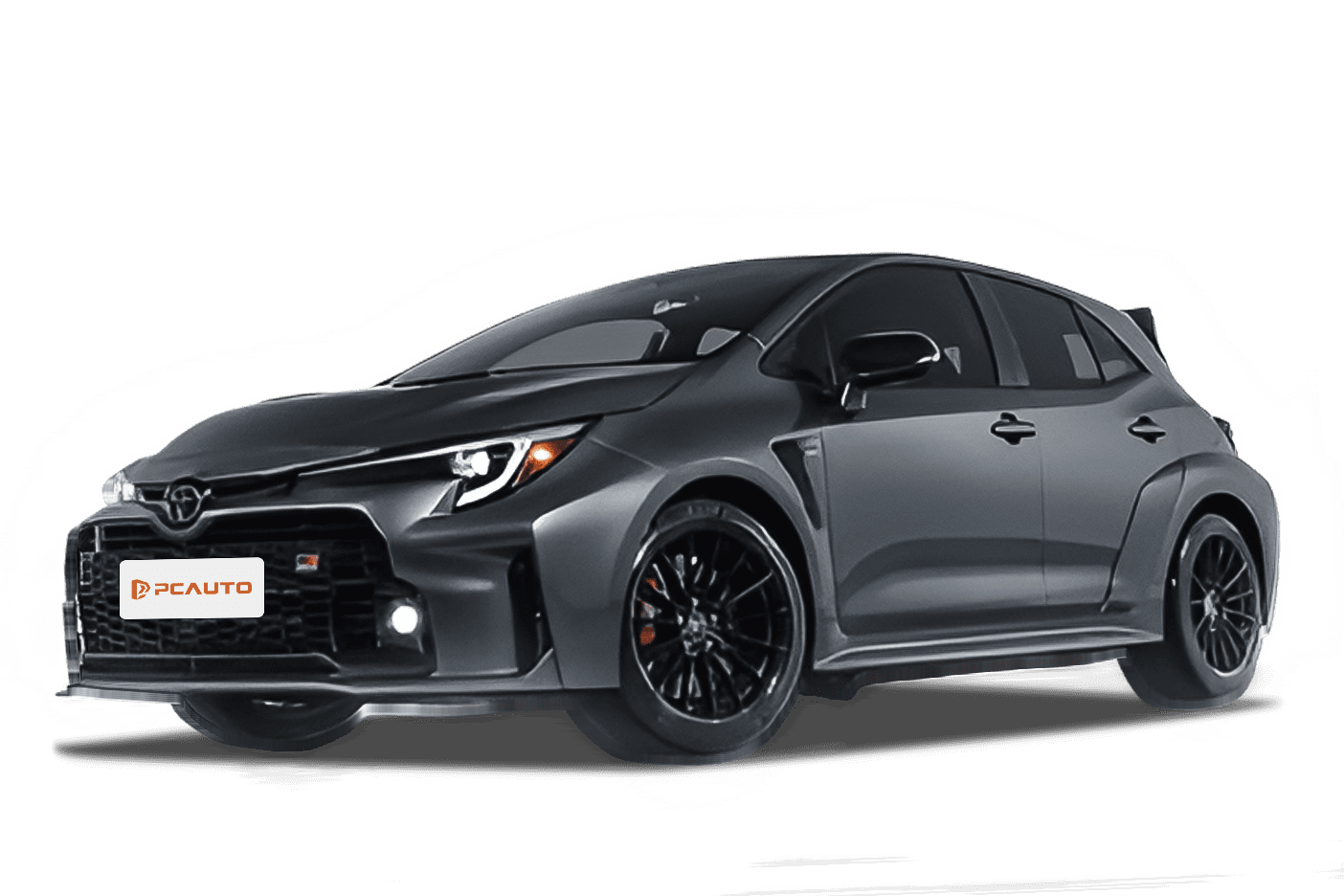
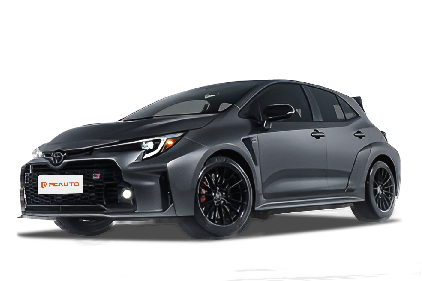
2025 Toyota GR Corolla 1.6T MT is a four-door hatchback performance car that balances daily practicality with driving pleasure, featuring upgraded materials and configurations, retaining the 6MT + full-time four-wheel drive, offering powerful performance and enhanced practicality.
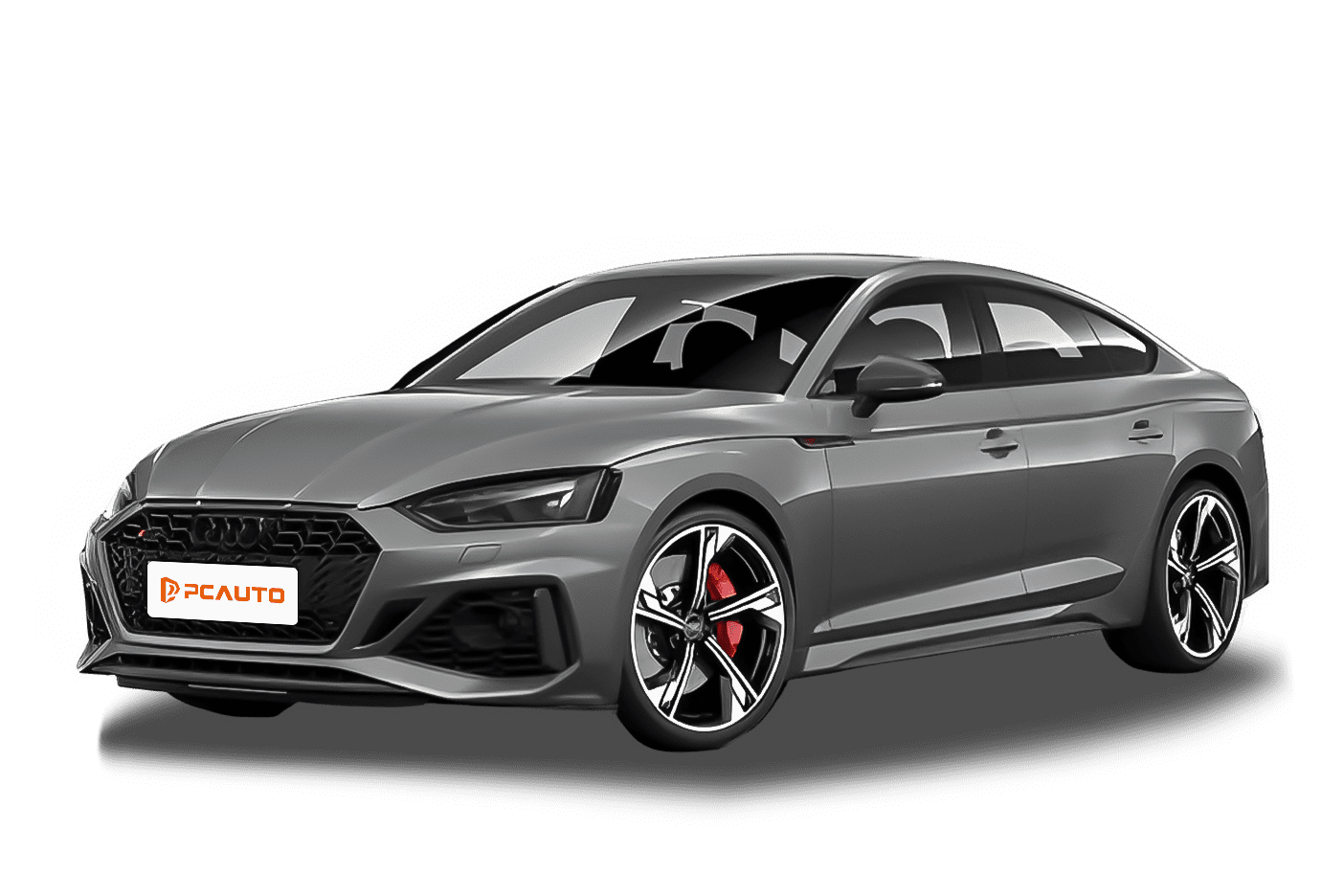
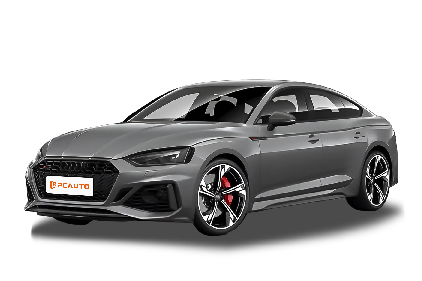
2022 Audi RS5 Sportback 2.9 TFSI quattro is a luxury performance coupe that combines 450PS twin-turbo power with quattro control and offers the practicality of a five-door hatchback.
16
Rank in Hatchback
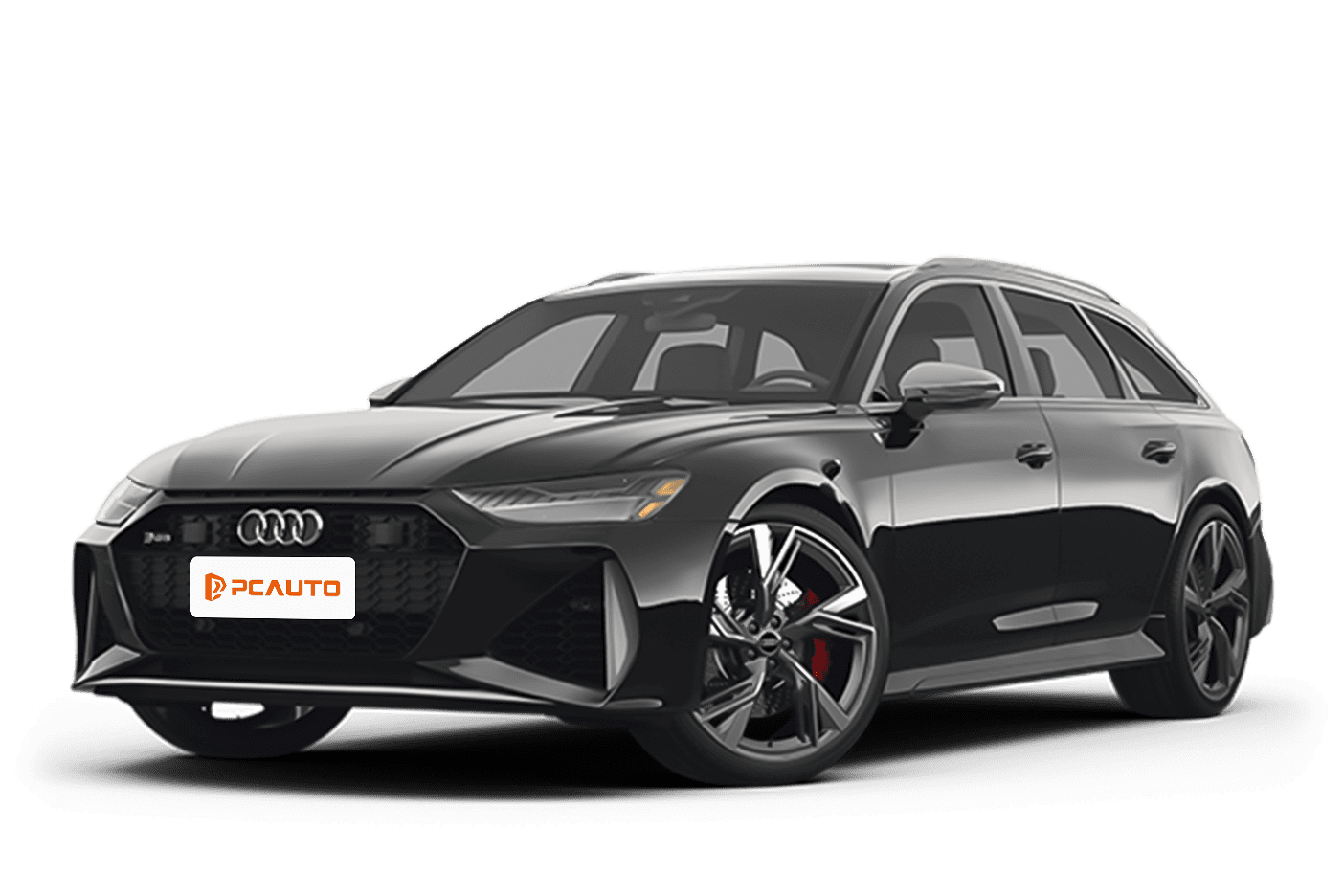
2023 Audi RS6 Avant 4.0 TFSI Quattro, with 4.0T V8 powerful performance, refined handling, and practical space, has become an unignorable benchmark choice for mid-to-large high-performance wagons.