

BMW 3 Series 2025 Review

 Share
Share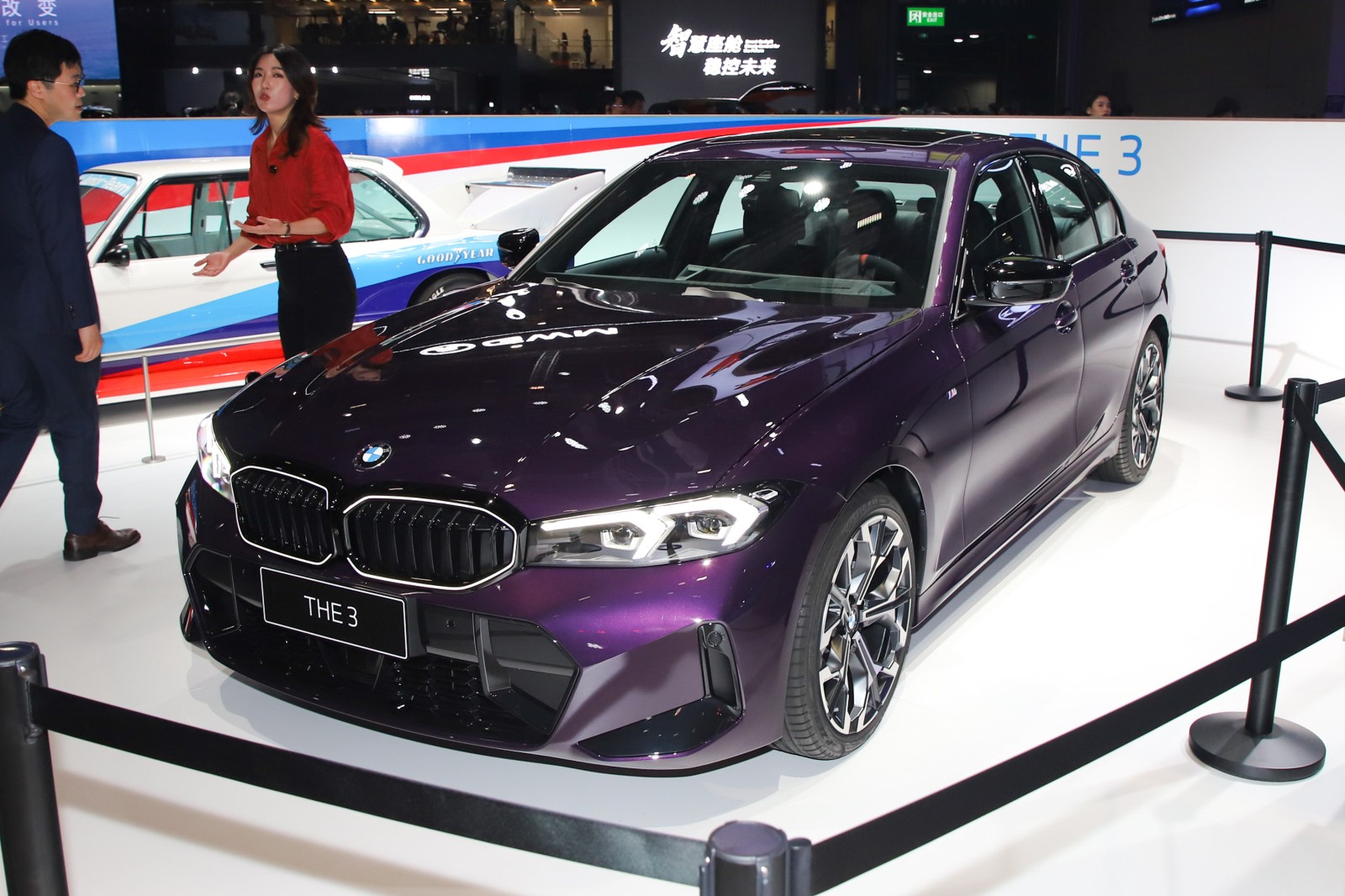
 Segment
 Body Type
 Capacity(L)
 Engine Power(PS)
 Engine Torque(Nm)
 Transmission
In Malaysia's D-segment sedan market, consumers are increasingly demanding a balance—preserving the texture of luxury brands while also meeting the needs for daily practicality and driving enjoyment, all without an overly steep price tag. The 2025 BMW 320i Sport, launched this June, shoulders the burden as the entry-level model meant to drive volume. Its core selling points are clear: the classic 2.0T+8AT rear-wheel drive combination, a 14.9-inch curved display and HUD as standard across the range, and a price tag of RM265,800. This test drive aims to see whether this "entry-level 3 Series" can meet the multi-scenario needs of family users and young consumers without sacrificing BMW's driving DNA.
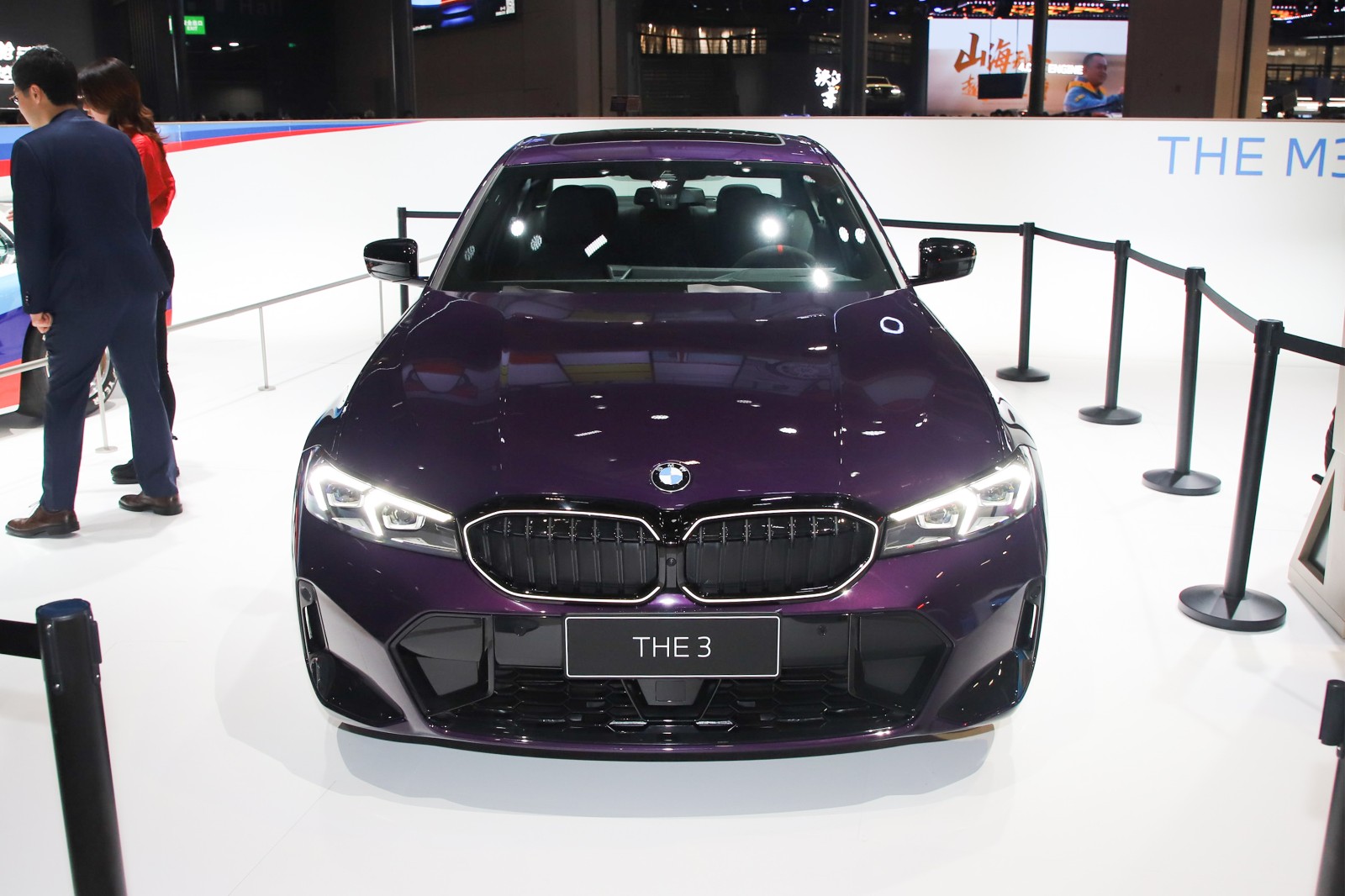
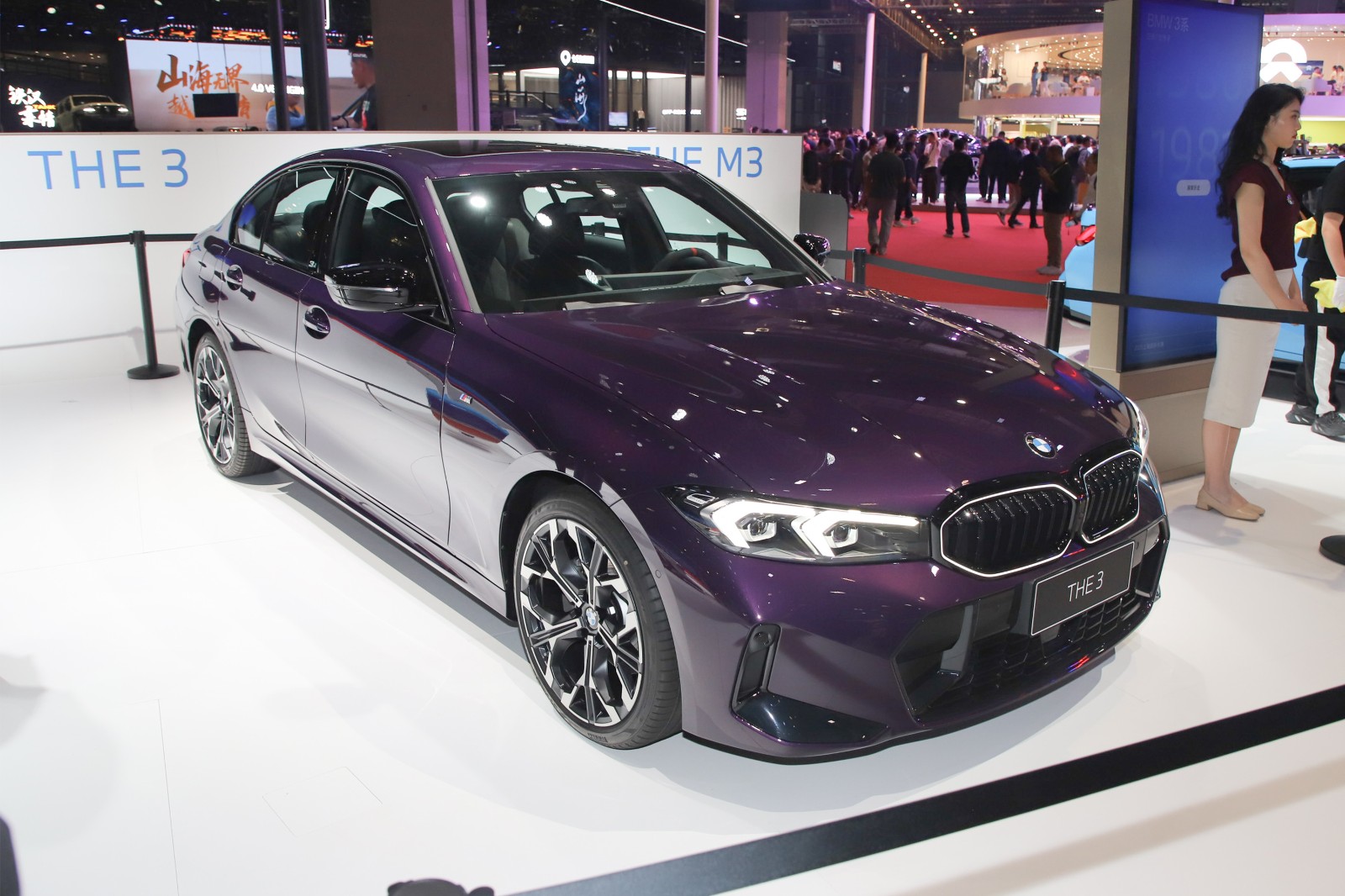
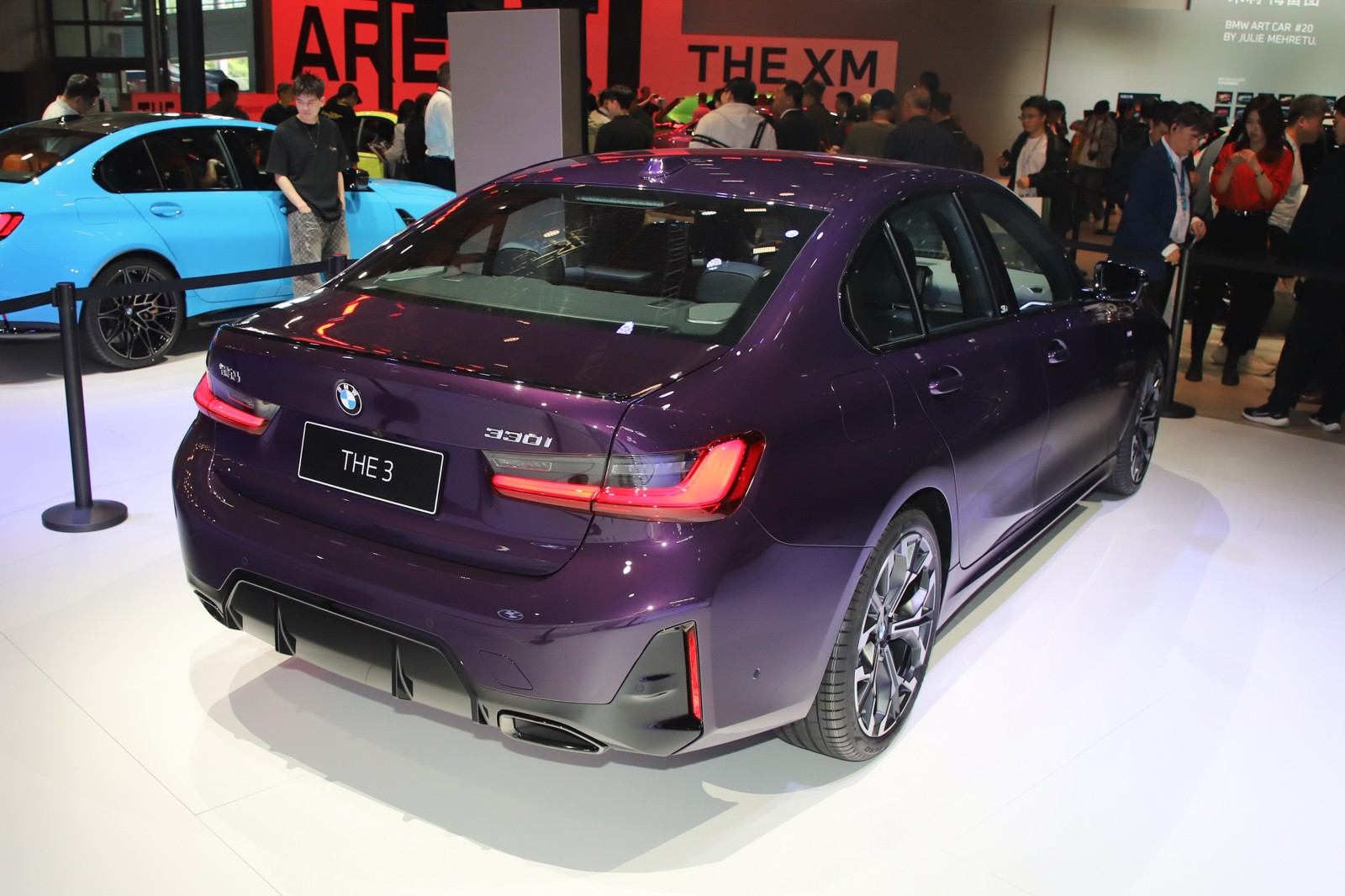
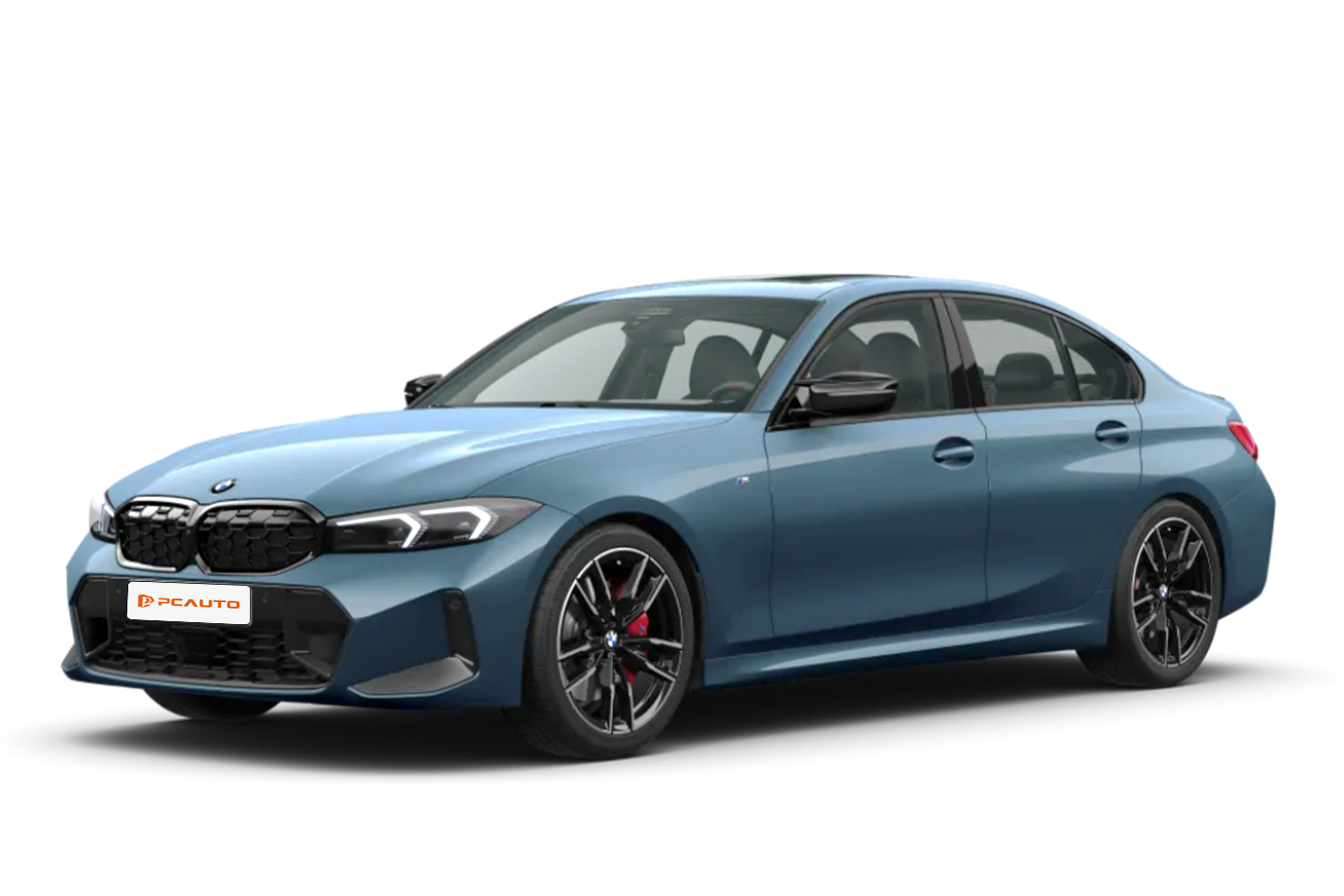
From a distance, the overall lines of the 2025 320i Sport remain compact and smooth, maintaining the rear-drive proportions characteristic of the 3 Series—long hood, short front overhang. A waistline runs from the headlights through to the taillights on the side of the body, while the slightly upturned ducktail design of the rear adds a sporty touch. The double kidney grille on the front is appropriately sized and not overly enlarged, surrounded by bright black trims and complemented by a tripartite air intake design beneath, which is distinctive yet not ostentatious. The headlights use full LED lighting, and the daytime running lights adopt BMW's latest "Angel Eyes" variant design, which is visually striking when illuminated. The structure within the rear LED taillight assembly has been adjusted to a horizontal layout, visually widening the rear end, while the dual-exhaust setup at the rear hints at its sporty character. The 18-inch dual five-spoke alloy wheels are paired with asymmetric tires—front 225/45 R18 and rear 255/45 R18—ensuring grip without being overly aggressive.
Sitting inside, the first thing you notice is the wrap-around cockpit design, with a center console tilted towards the driver for ease of operation. The interior materials primarily consist of soft-touch plastics and leather upholstery, with leather covering the door armrests and center armrest for a solid feel. The most striking feature is the curved dual screen consisting of a 12.3-inch fully digital instrument cluster and a 14.9-inch central control display. The system responds quickly and supports wireless CarPlay and Android Auto; functions like navigation and music are intuitive to operate. The front seats are electrically adjustable, offer good support, and are comfortable even for long drives; the rear seats can be folded down in a 40:20:40 configuration, and the center armrest, when folded down, can hold two drinks. As for storage space, the door pockets can fit large water bottles, the central armrest compartment has enough depth, and there are two USB-C ports in the front as well as standard air conditioning vents and power outlets for the rear passengers, making daily use very convenient.
Starting the vehicle, the 2.0T turbocharged engine operates with a stable and quiet sound. This engine delivers a maximum horsepower of 184 PS and a peak torque of 300 N·m, which can be achieved from 1350 rpm. Paired with an 8-speed automatic transmission, light acceleration provides smooth power output, making city driving and following traffic a seamless experience. Switching to Sport Mode sharpens throttle response, and stepping hard on the gas prompts the transmission to downshift quickly. The 300 N·m torque delivers a noticeable push-back feeling, providing confidence during overtaking. The official 0-100km/h acceleration time is 7.4 seconds, which ranks as above average among entry-level models in the same class.
The steering wheel is precise with minimal play, offering a light feel at low speeds and becoming heavier at high speeds, providing sufficient confidence. The front double-wishbone and rear multi-link independent suspension is tuned for sporty handling but is not too stiff—when driving over speed bumps, the suspension quickly filters out bumps without excess bouncing of the body; on winding mountain roads, body roll is well-controlled, and the rear-wheel-drive layout offers a strong tail-following capability, making corners agile. During daily driving, tire noise and engine noise are well-managed, keeping the cabin very quiet under 80km/h, though wind noise becomes slightly noticeable at higher speeds; however, it does not impact conversations. In terms of fuel consumption, city congestion results in about 8.5L/100km, while highway cruising reduces it to 6.2L/100km. With a 59L fuel tank and using 95-octane petrol, its range can easily exceed 600 kilometers.
In terms of safety features, the 320i Sport is very well-equipped—6 airbags, full-speed ACC adaptive cruise control, lane departure warning, active braking, and a 360-degree surround view camera are all standard, providing sufficient protection for daily driving. The automatic parking function is also very user-friendly, quickly identifying parking spaces and executing smooth parking maneuvers, making it ideal for novices.
Overall, the core advantage of the 2025 BMW 320i Sport is its "balance." Compared to the same segment Mercedes-Benz C200L (RM289,800), it is over RM20,000 cheaper yet offers standard features like a HUD head-up display and a 360-degree surround view camera; compared to the Audi A4L 40 TFSI (RM279,900), its rear-wheel-drive layout delivers more driving pleasure. Despite being an entry-level model, it does not skimp on core features and instead maximizes consumer-preferred elements such as the curved display and electric seats.
This car is most suitable for two types of people: first, users who value practicality for families, as the rear space is sufficient, storage is flexible, and safety features are complete—meeting needs for daily commuting and weekend family outings; second, young drivers who enjoy driving, as the rear-wheel-drive layout and precise steering allow for occasional fun in the mountains while remaining comfortable for daily use.
In summary, the 2025 BMW 320i Sport is an entry-level luxury sedan with "no obvious shortcomings"—preserving the driving DNA of the 3 Series while enhancing practicality and features. Its RM265,800 price makes it very competitive in its segment and an unobstructable choice for consumers looking to purchase a luxury D-segment sedan.
BMW 3 Series Car Compare
BMW 3 Series Loan Calculator
More BMW Reviews
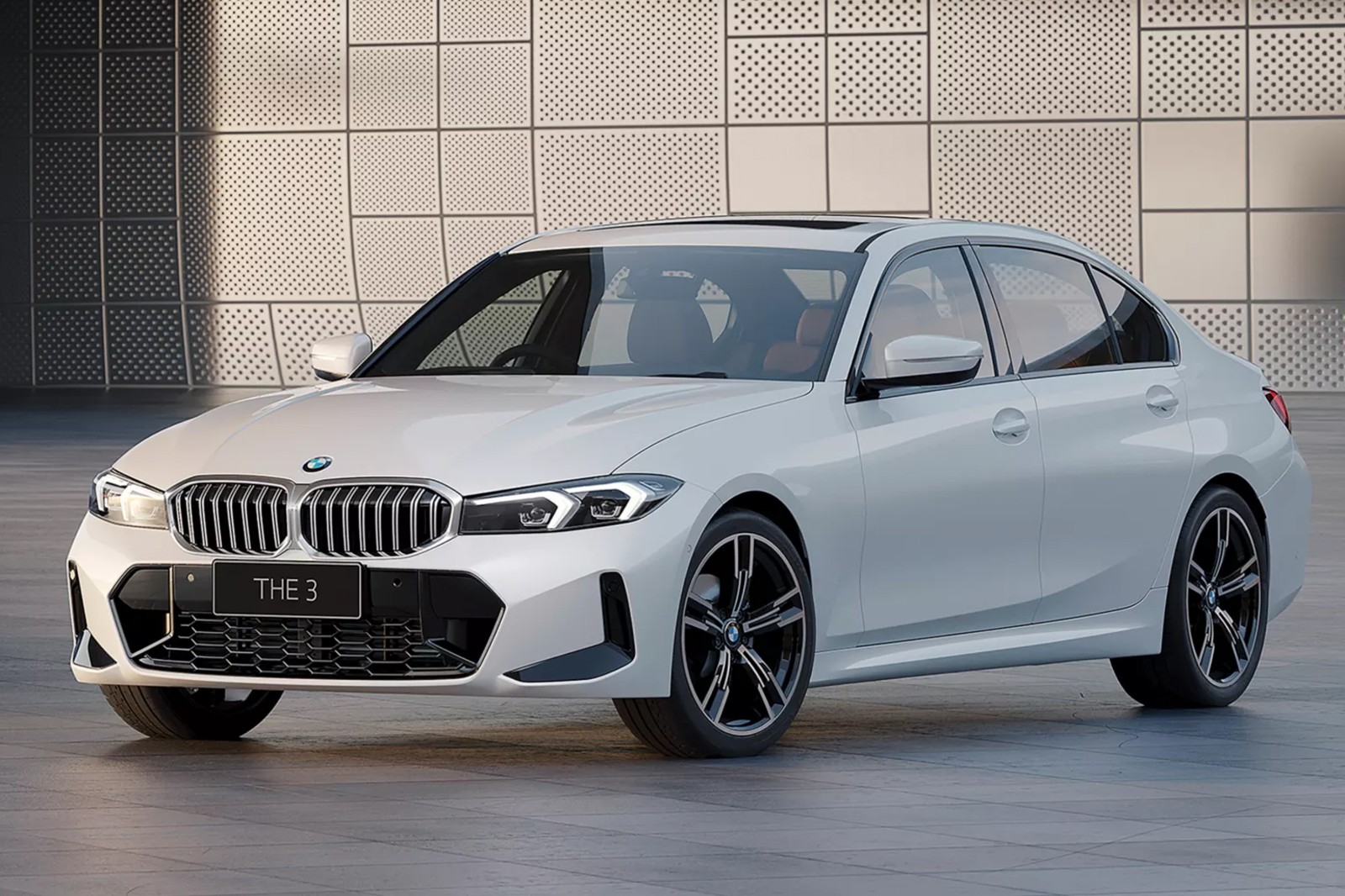
Cars With Similar Price And Features
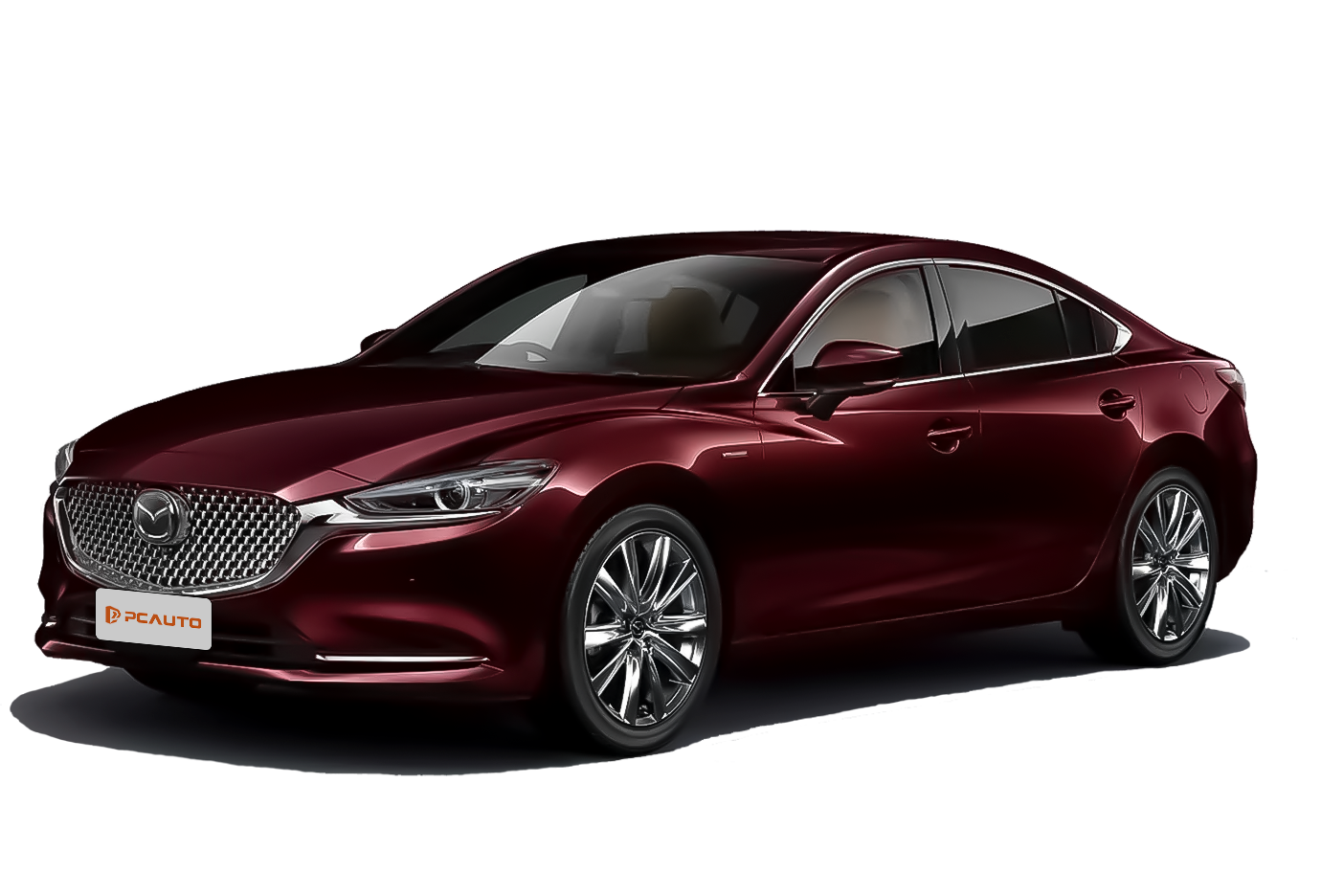
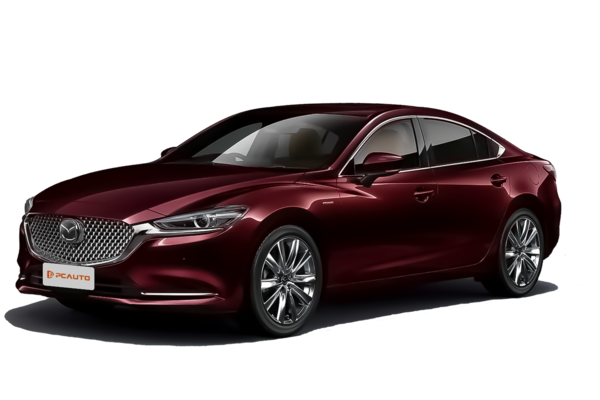
2023 Mazda 6 Sedan 2.0 SkyActiv-G meets the rational needs of family users for joint-venture quality, comfortable configurations, and fuel economy with its KODO design, practical space, and balanced driving control.

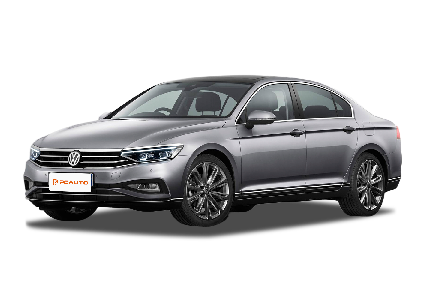
2022 Volkswagen Passat 2.0 TSI R-Line combines business elegance with sporty personality, featuring 220PS power, 14-way massage seats, and Harman Kardon audio system to meet the diverse needs of families and young professionals.
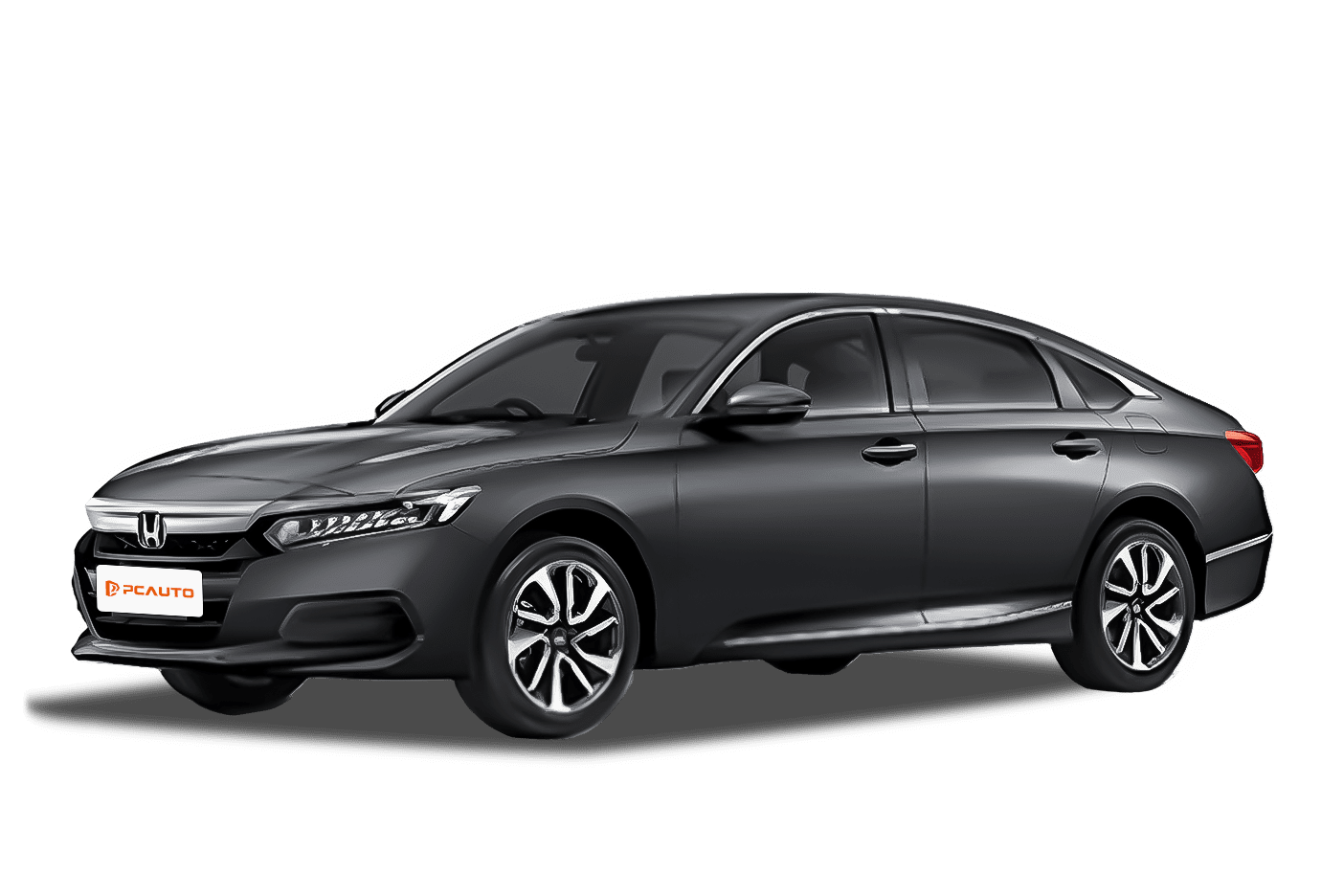
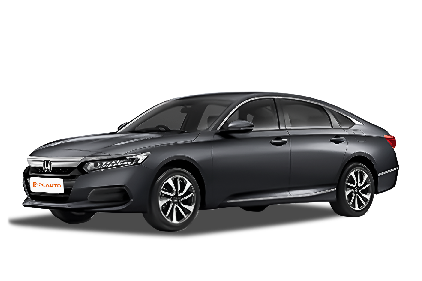
The 2023 Honda Accord 1.5 TC is a D-segment sedan that balances both business and family use, with core selling points of spacious interior, comfortable driving, and efficient performance, making it suitable for practical family users.
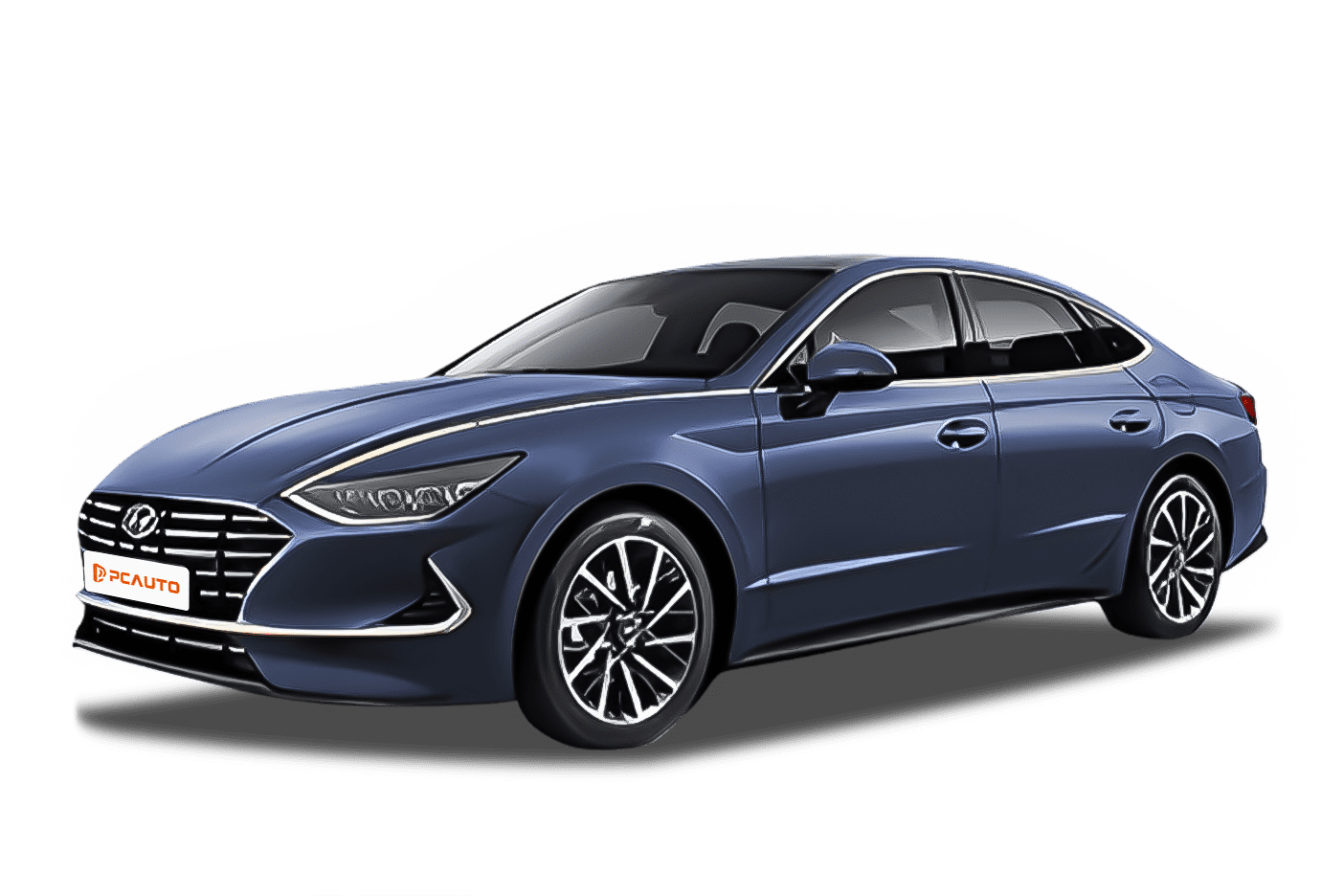
2024 Hyundai Sonata public is positioned as a D-Segment family and business sedan, combining dynamic design, practical configurations, and spacious space, balancing power and fuel consumption, safe and reliable.