

BMW i3s Review

 Share
Share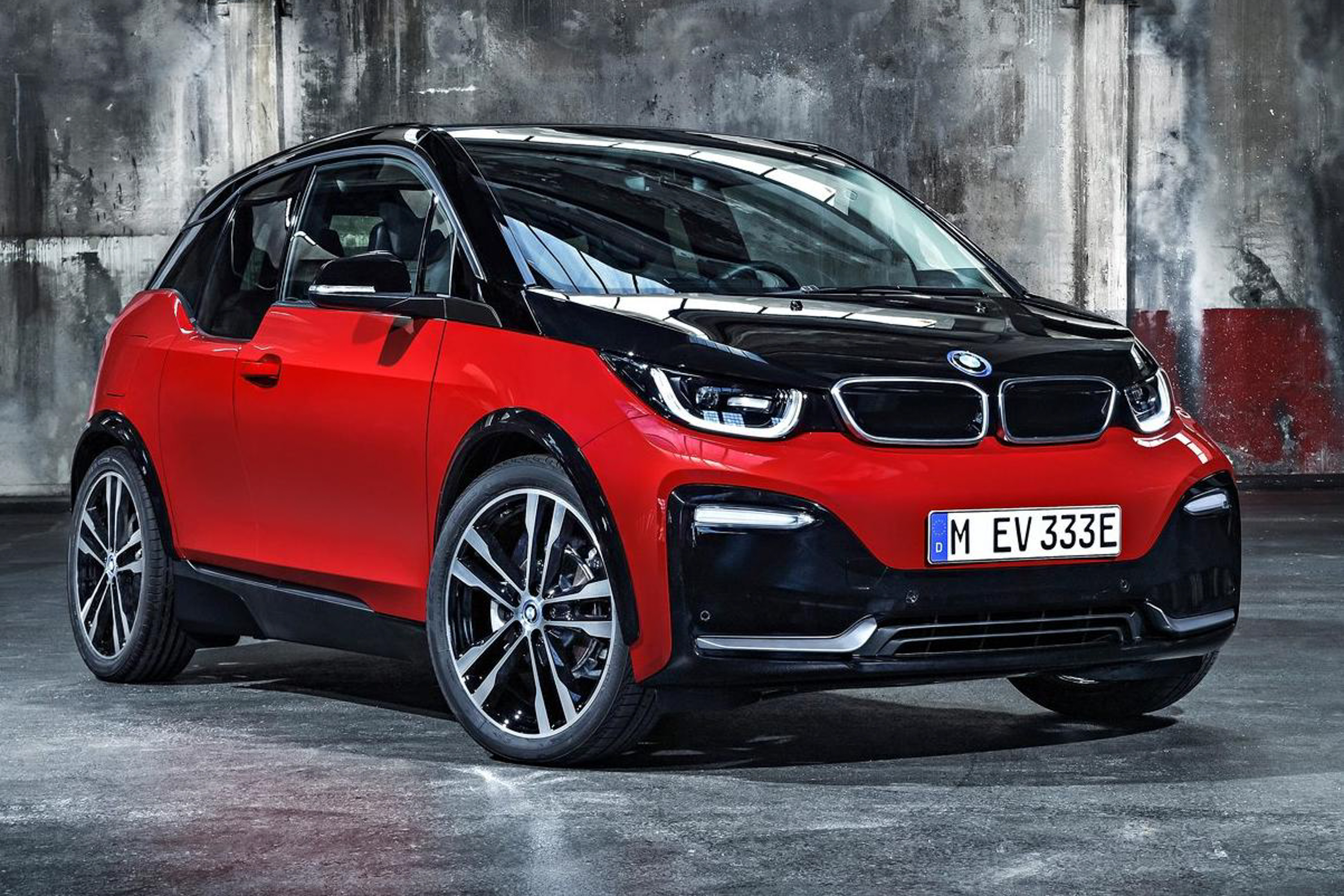
 Segment
 Body Type
 Driven Wheels
 Motor Output(kW)
 Motor Torque(Nm)
 EV Range(km)
The market for B-class electric vehicles has been heating up locally in recent years. Consumers are looking for both brand recognition and everyday practicality with driving enjoyment, and the 2020 BMW i3s is designed to meet this demand. As the sporty version of the i3 series, it retains the rear-wheel-drive layout and 187PS power output while fine-tuning its price on the basis of the 2019 model, making its value-for-money even more apparent. In this test drive, we focus on verifying whether its sporty attributes are practical, whether its space performance meets family needs, and whether, as a luxury brand electric vehicle, its daily use costs are affordable.
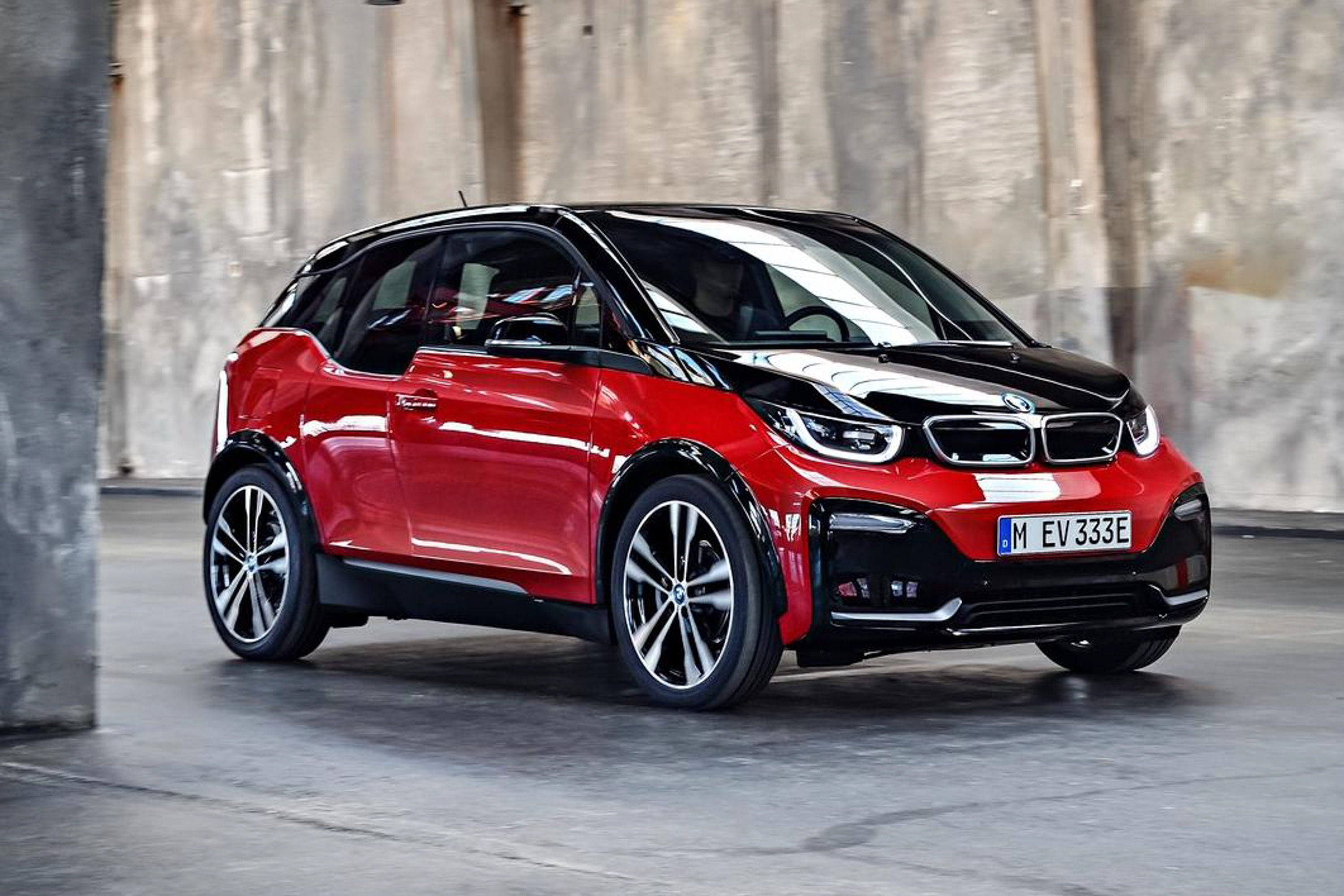
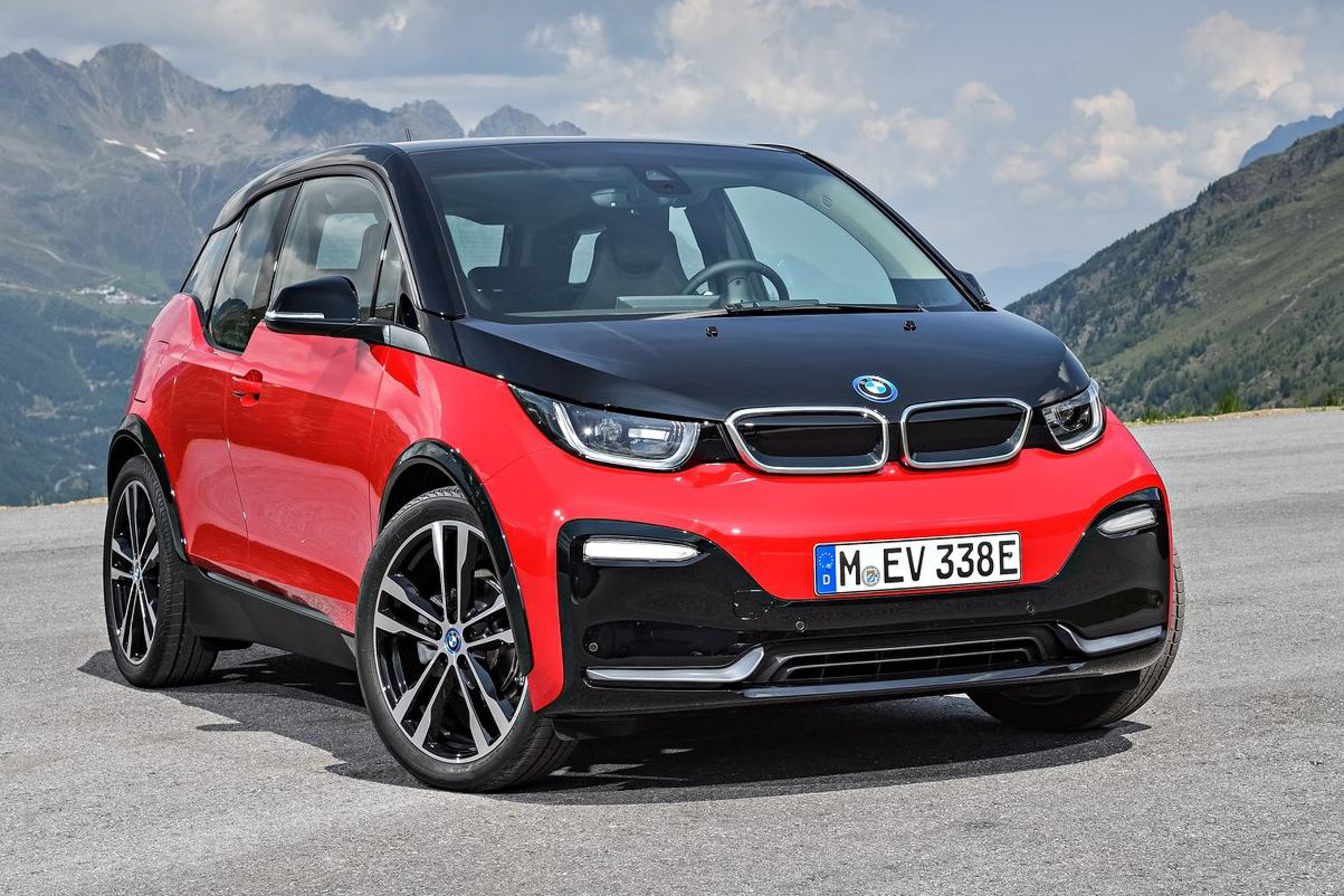
From the exterior, the 2020 i3s maintains the signature futuristic feel of the i series, with overall squared lines that are not overly rigid. The front's kidney grille adopts a closed design, paired with a smoked lower front bumper, making it more aggressive than the regular i3. The 20-inch two-tone wheels on the side (front 175/55 R20, rear 195/50 R20) not only enhance the sporty look but also provide support for handling. The rear's LED taillights feature an L-shaped design, offering high recognizability when lit. The black trim under the rear bumper echoes the front, reinforcing the sporty positioning. Notably, the vehicle's dimensions are 4006mm×1791mm×1590mm, with a wheelbase of 2570mm, making it compact yet agile among B-class cars, with parking being more convenient compared to same-class SUVs.
Inside the car, the interior continues the eco-friendly theme, with extensive use of recyclable materials that feel refined to the touch and emit no unpleasant odors. The layout of the center console is simple, with a 10.25-inch touchscreen as the visual centerpiece. It supports Bluetooth connectivity and basic navigation functions, with an operation smoothness meeting luxury brand standards. The full LCD instrument panel displays real-time information such as range and power output, with interfaces that are clear and easy to read. In terms of features, keyless entry, electric folding mirrors, and rain-sensing wipers come standard, offering sufficient convenience for daily use. However, the manually adjustable front seats seem a bit disappointing for a car priced close to 270,000 yuan. Regarding spatial performance, the front row headroom and legroom are adequate, with a 175cm passenger sitting comfortably without feeling cramped. Although the rear row features a two-seat design, legroom is sufficient due to the 2570mm wheelbase, ensuring no issue for short trips. The trunk has a capacity of 260L, which can fit two carry-on suitcases with ease, and the 50:50 split-folding rear seats can further expand the space, meeting daily shopping or short trip luggage needs sufficiently.
Starting the vehicle, pressing down on the accelerator pedal instantly reveals the characteristics of a rear-wheel-drive electric car—power delivery is direct and linear. The 187PS motor provides a smooth maximum power output, with 0-100km/h acceleration in 6.9 seconds, offering confidence during city overtakes or starts. Even when switching to ECO mode, power does not feel overly weak. In terms of handling, the rear-wheel-drive layout brings a nimble steering feel, with precise directions and minimal play in the steering wheel. The front MacPherson strut and rear multi-link independent suspension are tuned on the firmer side, controlling body roll well during cornering and instilling sufficient confidence. However, when driving on bumpy roads, the suspension's ability to filter out minor vibrations is somewhat lacking, which might cause mild discomfort to passengers in the rear.
As an electric vehicle, range is a core concern. In our urban driving condition test with the air conditioning and music on throughout, the range achievement rate was approximately 85%. Power consumption stabilizes at 15-16kWh per 100 kilometers, and based on local charging station prices, the cost per kilometer is less than 0.2 ringgit, making daily usage costs very low. In terms of braking, the combination of ventilated front and rear discs provides linear braking force, with braking distance meeting expectations. The energy recovery system has three adjustable levels, and at the highest level, there is a noticeable deceleration upon releasing the pedal, enabling nearly one-pedal operation, which can effectively extend the range. Noise control is excellent, with virtually no motor noise heard inside the cabin at speeds below 60km/h. At higher speeds, wind and tire noise increase slightly but do not affect normal conversations.
Overall, the core advantages of the 2020 BMW i3s are evident: driving pleasure offered by the rear-wheel-drive layout, the craftsmanship and features of a luxury brand, and low daily usage costs. Moreover, the price of 268,824 ringgit is nearly 10,000 ringgit less than the 2019 model, further improving its cost-effectiveness. Compared to the same-level Tesla Model 3 Standard Range version, the i3s has slightly shorter range but offers a more distinctive brand identity and greater maneuverability in parking. Compared to local brand electric vehicles, its luxury features and driving performance stand out more.
This vehicle is suitable for two types of people: First, young consumers who crave driving pleasure, as the rear-wheel-drive layout and direct power output satisfy the desire for daily driving excitement. Second, small families who prioritize eco-friendliness and practicality; the two rear seats and expandable trunk are adequate for short trips with a family of three. If your driving scenarios are mainly urban commuting with occasional short trips, and you value brand and driving quality, the 2020 BMW i3s is a great choice. It may not be a perfect car, but in the luxury compact electric vehicle segment, its balanced performance makes it stand out.
BMW i3s Car Compare
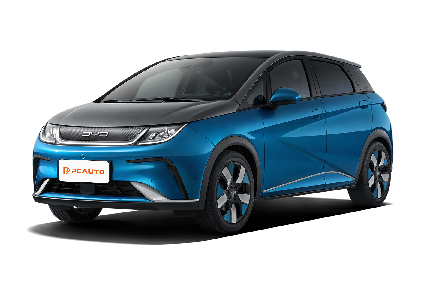
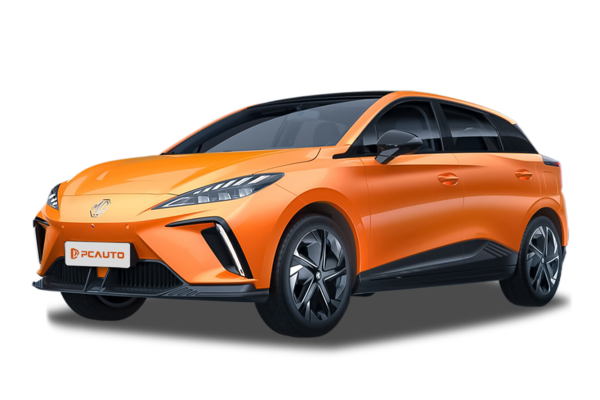
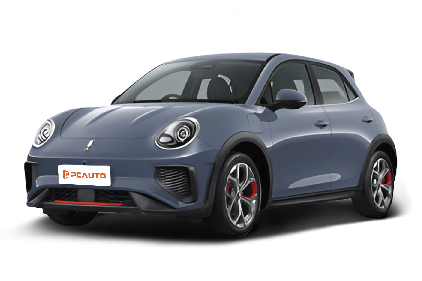
BMW i3s Loan Calculator
More BMW Reviews
Cars With Similar Price And Features

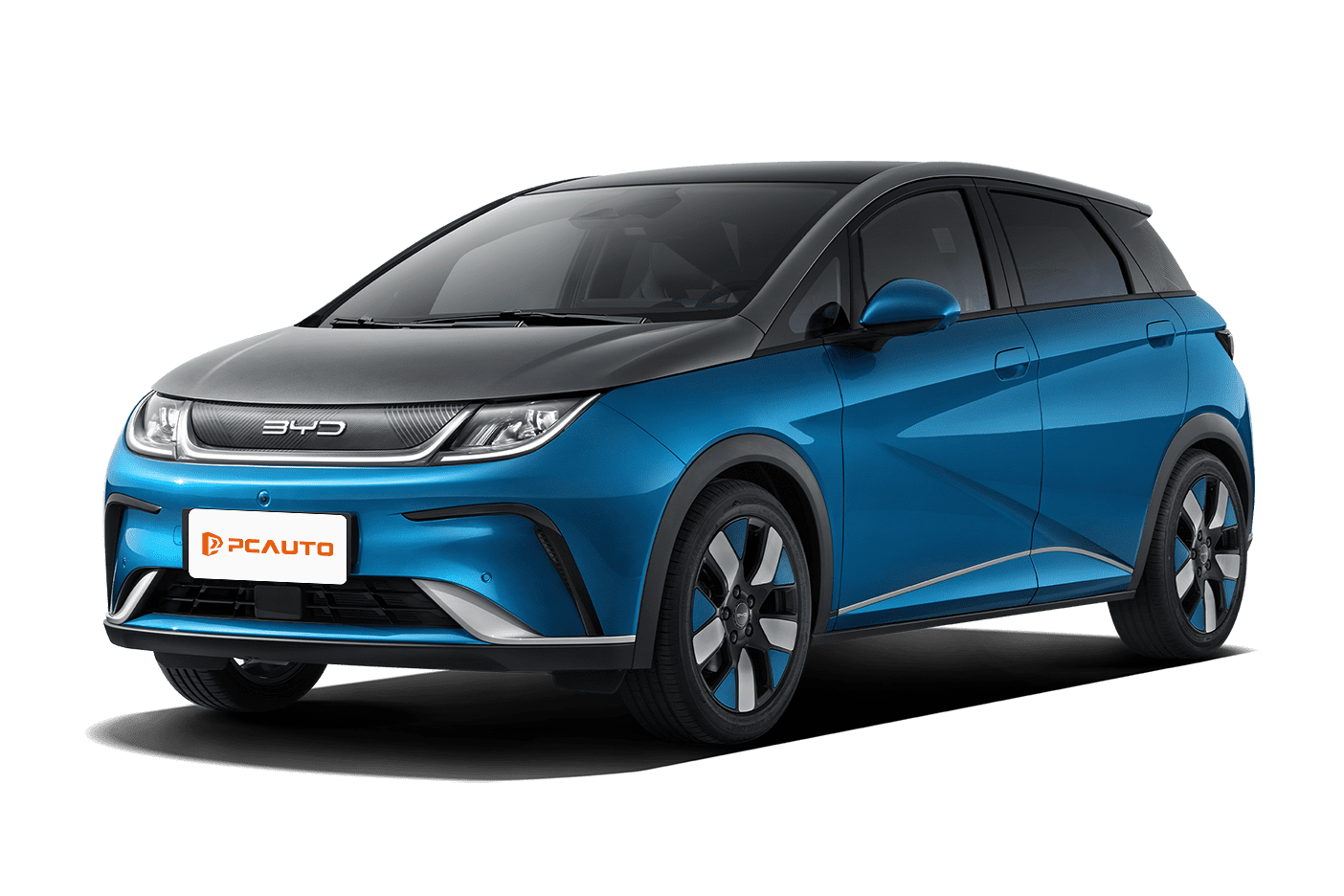
2023 BYD Dolphin Dynamic Standard, as a high-value B-class electric entry-level model, features a 410km range, L2 assisted driving, and a rotatable central control screen, balancing practicality and intelligence, suitable for family commuting.
7
Rank in Hatchback
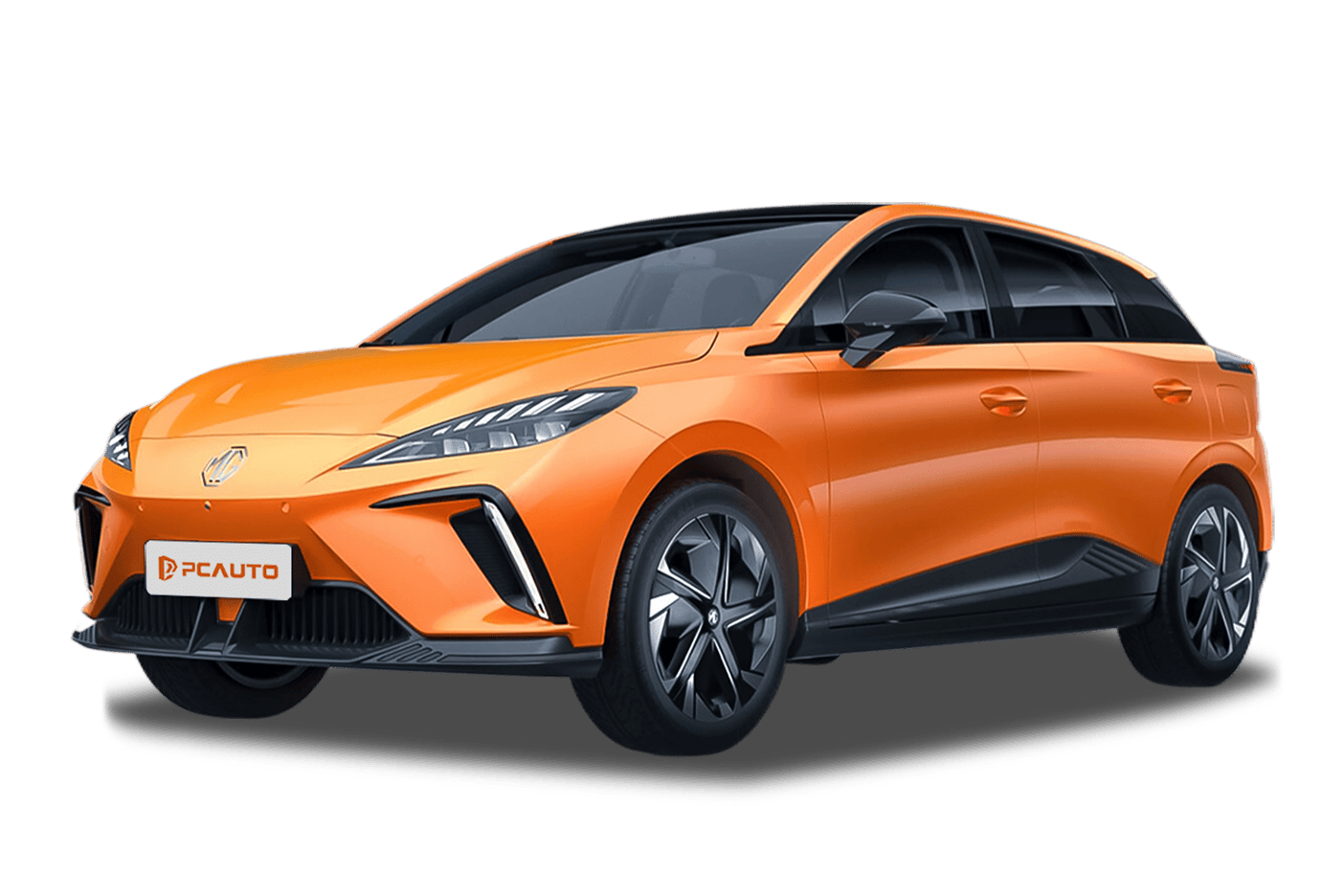
2024 MG4 Standard is a high-value pure electric hatchback, featuring a long wheelbase with spacious interior, comprehensive basic configurations, and rear-wheel-drive driving characteristics, designed to meet the core needs of family commuting.
11
Rank in Hatchback
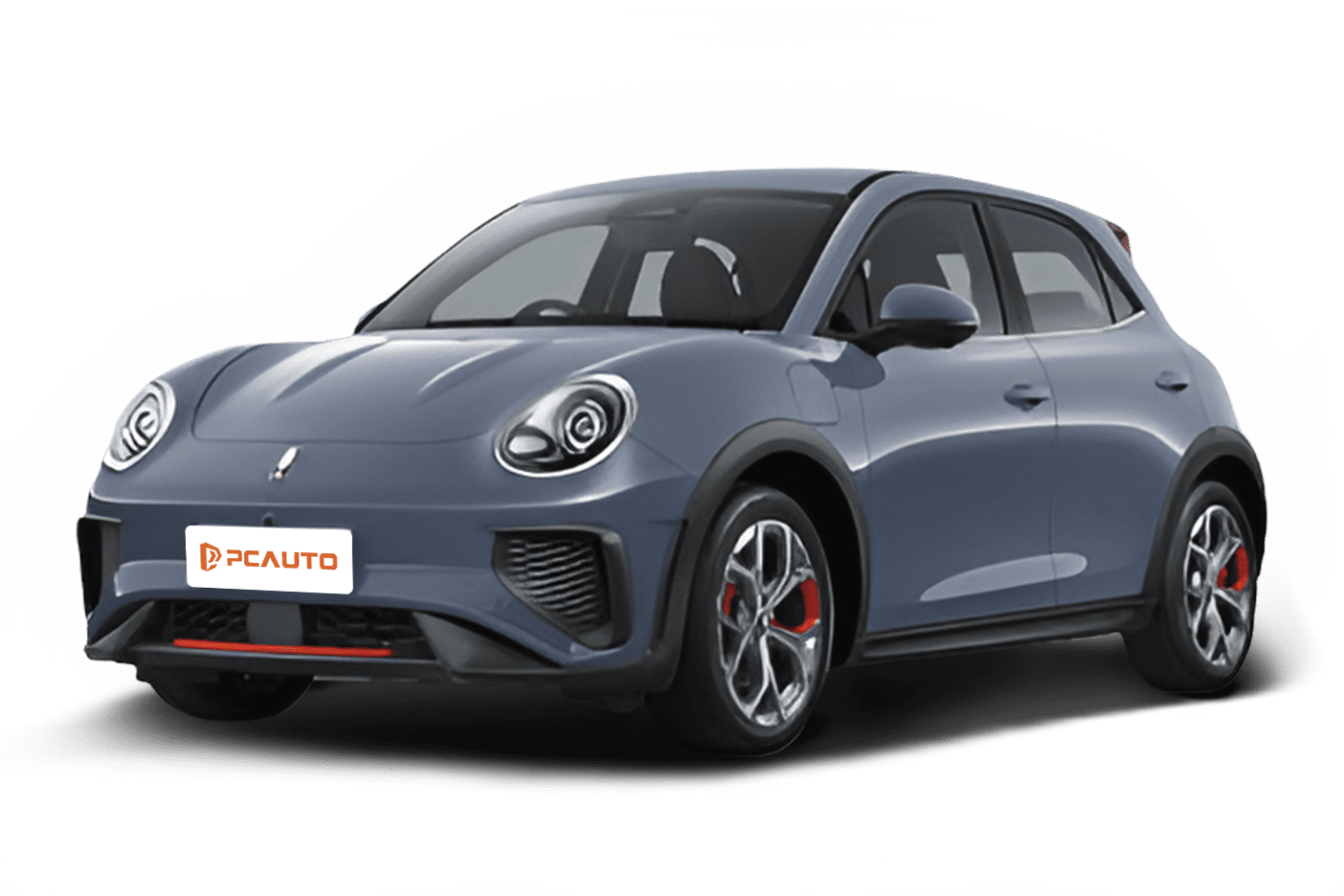
2025 ORA Good Cat Ultra features a retro design for distinctiveness, paired with a 480km range, rich intelligent safety configurations, and practical space, making it a cost-effective B-class electric commuting choice.

2023 Renault Zoe R110 is a B-segment pure electric vehicle, offering class-leading safety features, a comfortable driving experience, and a range of 395km, meeting daily commuting and weekend travel needs.