

BMW X3 2025 Review

 Share
Share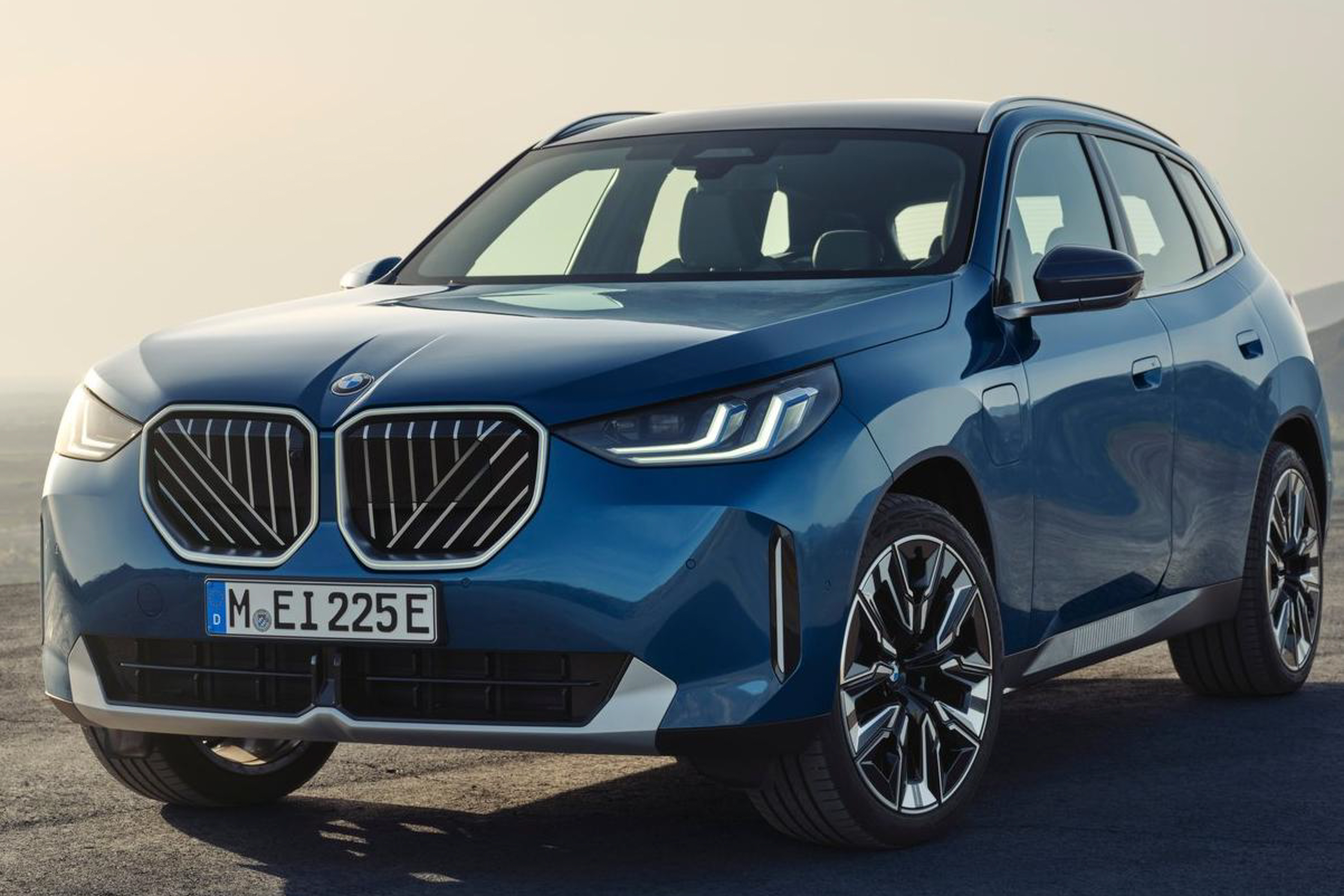
 Segment
 Body Type
 Capacity(L)
 Engine Power(PS)
 Engine Torque(Nm)
 Transmission
The competition in the midsize luxury SUV market in 2025 remains fierce. Family users and young elites not only want brand endorsement but also value the practicality of space and balanced configurations. As a perennial favorite in this segment, the 2025 BMW X3 20 xDrive M Sport version highlights mild hybrid power, upgraded configurations, and the M Sport package as its core selling points. Can it maintain its edge among numerous competitors? We conducted a comprehensive test drive, from static to dynamic aspects, to see whether it meets the needs of Malaysian consumers.
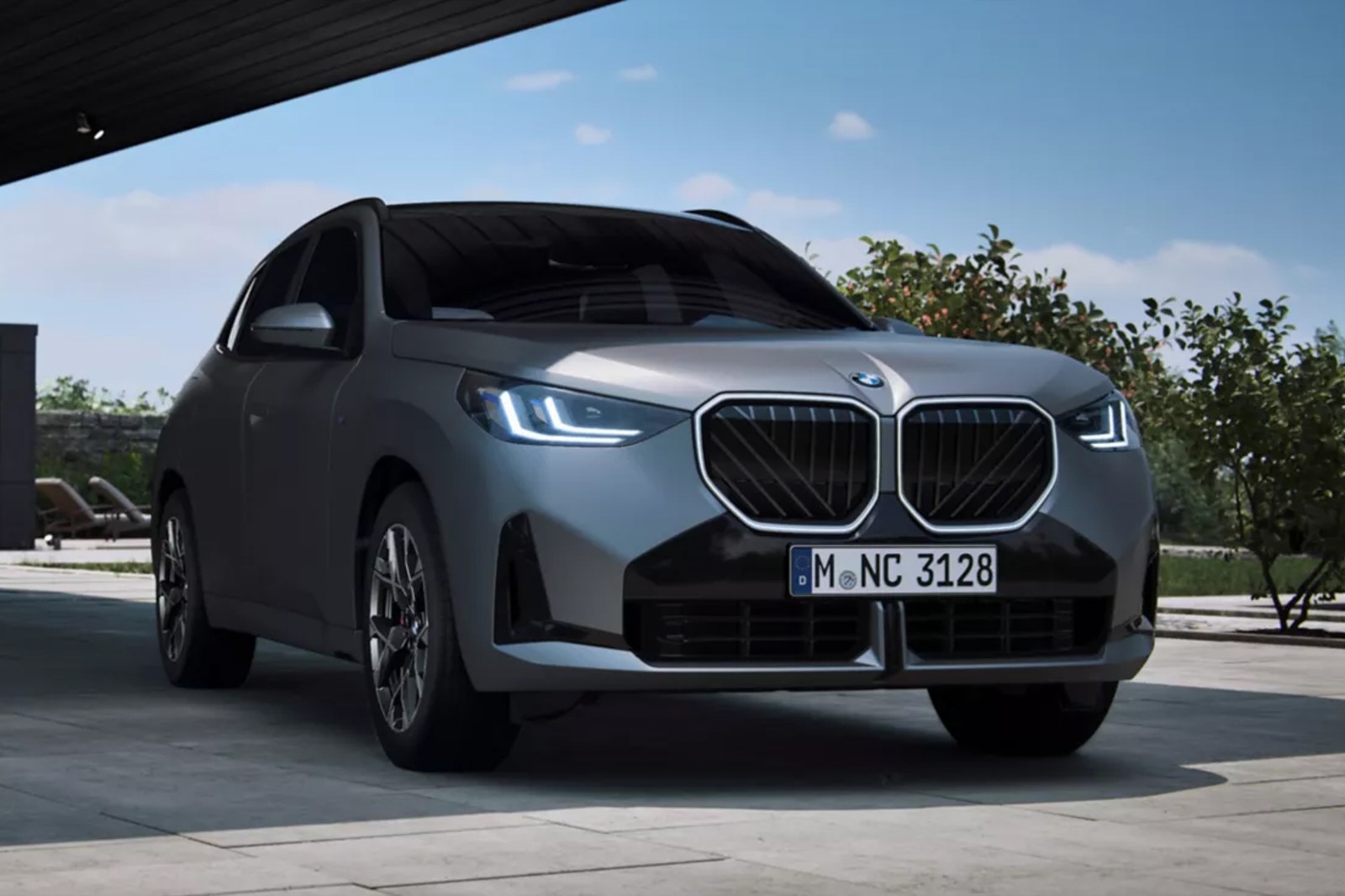
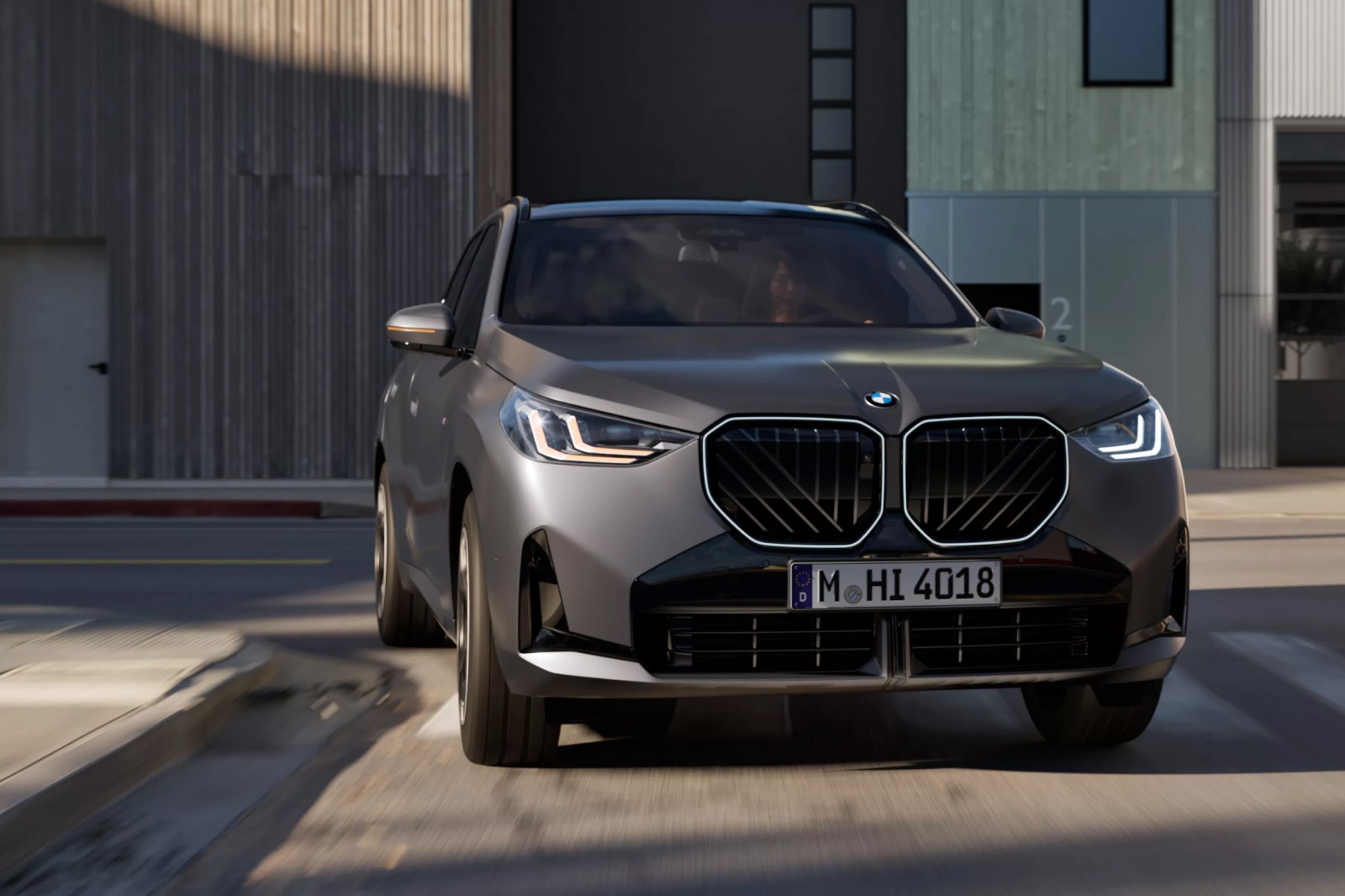
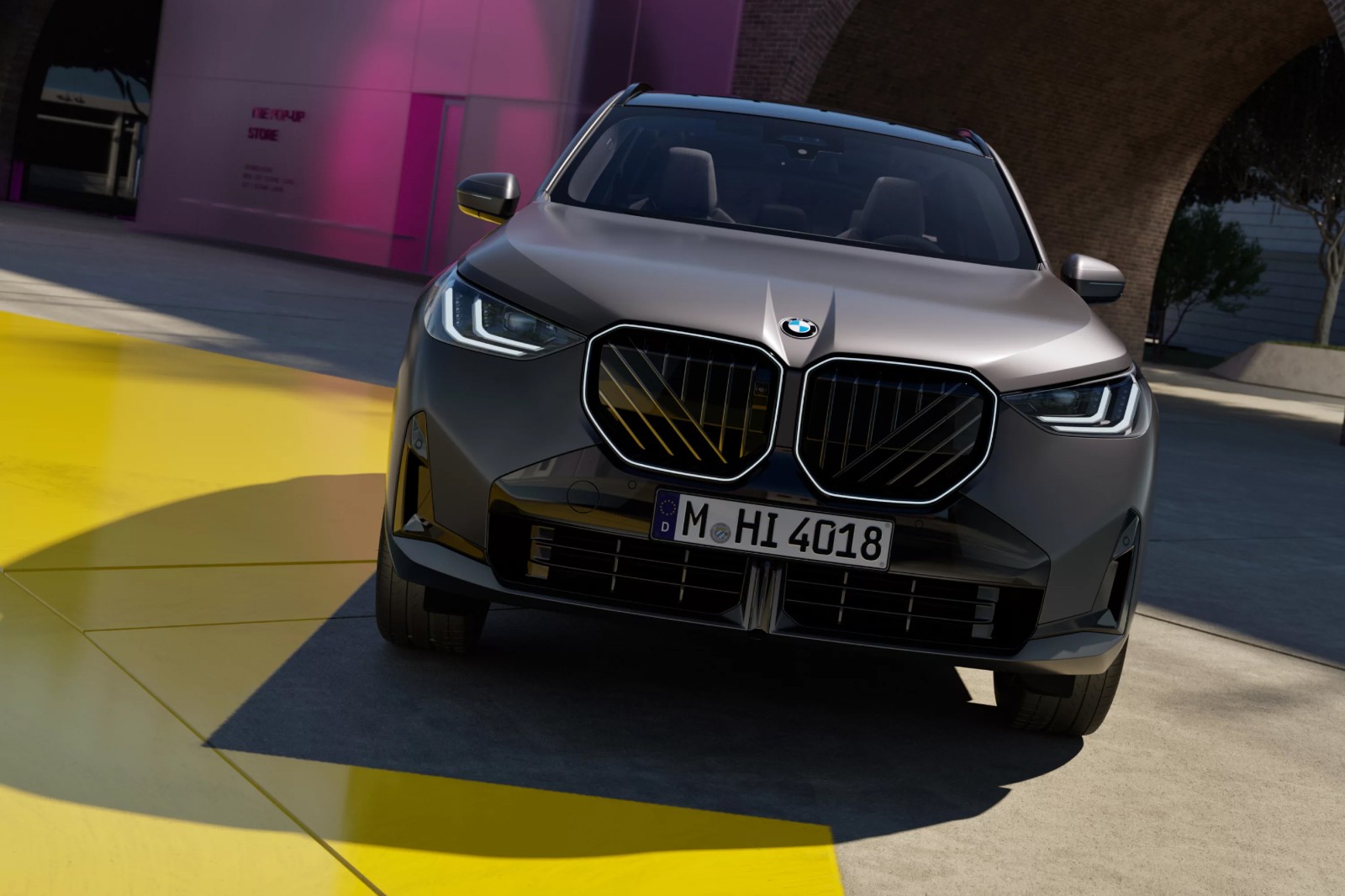
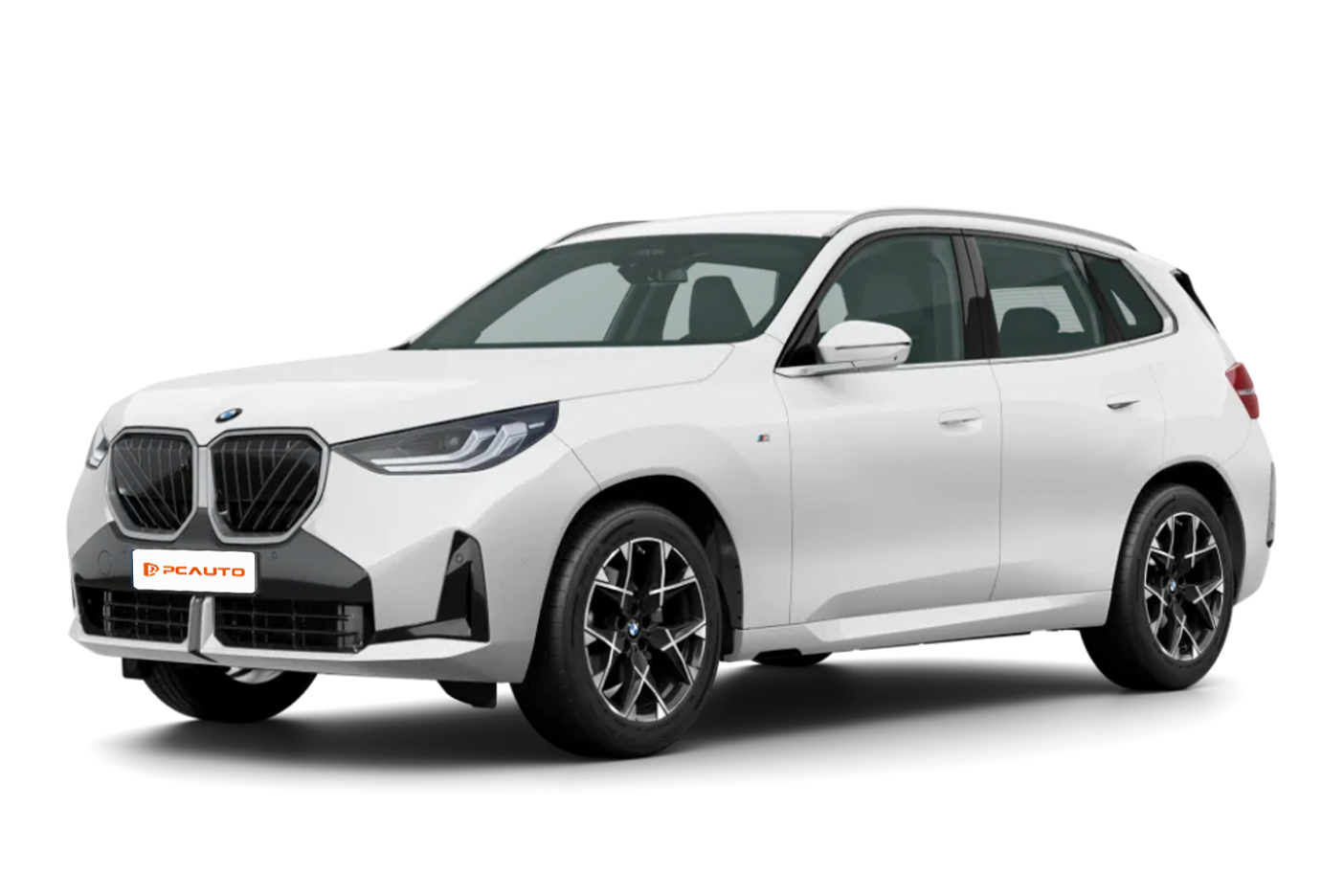
The first impression of the 2025 X3 20 xDrive M Sport is the enhanced sportiness brought by the M package. The overall vehicle dimensions are 4755mm×1920mm×1660mm with a wheelbase of 2865mm, maintaining the standard proportions of a midsize SUV. The front face features a blackened dual kidney grille paired with an M-specific front bumper, with enlarged side air intakes enhancing its aggressive look. The body side profile is streamlined, with 19-inch alloy wheels featuring a dynamic design. The waistline extends from the fender to the rear, adding a muscular feel. At the rear, it is equipped with an M Sport rear spoiler and dual exhaust outlets, while the LED taillight cluster adopts a 3D design that is highly recognizable when lit at night. The lighting system comes standard with LED headlights and daytime running lights, supporting automatic on/off and adaptive high and low beams, ensuring practicality to the fullest.
Sitting inside, the interior continues BMW’s signature minimalist luxury style. The center console tilts towards the driver for easier operation. In terms of materials, the dashboard and door panels are covered with soft leather, complemented by silver accents for a premium feel. A 12.3-inch fully digital instrument cluster and a 14.9-inch central control screen form a seamless dual-screen display, integrating the iDrive 8.0 system, which supports voice control, wireless CarPlay, and operates smoothly. The HUD (Head-Up Display) is standard, capable of showing speed, navigation, and other information to reduce distractions. The seats are wrapped in leather, with electrically adjustable and memory functions for the driver’s seat, while the passenger seat is also electrically adjustable. The padding is soft yet supportive, ensuring long-term comfort without fatigue. Space performance meets expectations: a front-row passenger of 175cm has 1 fist and 2 fingers of headroom, while the rear row has 2 fists of legroom and 1 fist of headroom, meeting family travel needs. The trunk has a capacity of 570L, which can be expanded by folding down the rear seats, making it easy to accommodate strollers or suitcases. In terms of storage, the door pockets, central armrest box, and glove box have adequate space, and the front row is equipped with a wireless charging pad and Type-C ports, thoughtful in the details.
In terms of power, the car is equipped with a 2.0T turbocharged engine coupled with a 48V mild hybrid system, delivering a maximum power of 190PS and a peak torque of 310N·m. It’s paired with an 8-speed DCT transmission and xDrive all-wheel-drive system. The official 0-100km/h acceleration is 8.5 seconds. During daily driving, the mild hybrid system provides support during take-off, ensuring quick power response. The throttle pedal is tuned linearly, and low-speed driving is smooth. Switching to sport mode delays gear shifts, maintains RPM above 2000, enhances acceleration response, and delivers ample power reserve for overtaking when pressing the accelerator. Driving dynamics remain BMW’s strong point, with accurate steering and minimal slack in the steering wheel. At low speeds, the steering is light, while at high speeds, it offers stability. The suspension uses a front MacPherson and rear multi-link independent structure, tuned for sportiness while retaining comfort. It handles speed bumps seamlessly, controls body roll effectively in corners, and follows through well. In fuel consumption tests, urban driving showed an average consumption of about 8.2L per 100km, highway driving 6.8L per 100km, and a combined consumption of 7.5L per 100km, in line with the official figures. The 48V mild hybrid system contributes to reducing fuel consumption to some extent. In terms of noise control, at 120km/h on highways, wind and tire noise are minimal, while engine noise only becomes noticeable at high RPMs. Overall, the NVH performance is satisfactory.
Overall, the core advantage of the 2025 BMW X3 20 xDrive M Sport lies in its balance—the M Sport package enhances its aesthetics, the iDrive 8.0 system adds technological appeal, and it balances handling and comfort. It also comes standard with safety features such as ACC adaptive cruise control, 360-degree panoramic cameras, and six airbags, making its cost-performance ratio stand out among luxury SUVs in the same class. Compared to the Mercedes-Benz GLC 200 L and Audi Q5L 40 TFSI, this car has better handling and configurations, with a more affordable price.
This car is suitable for two types of users: first, families who value the brand and need space, as it meets the needs of daily commuting and weekend outings; and second, young professionals who pursue handling and a sporty feel, with the M package and precise steering delivering driving pleasure. If you're looking for a luxury mid-sized SUV with no obvious shortcomings, the 2025 X3 20 xDrive M Sport is worth considering.
BMW X3 Car Compare
BMW X3 Loan Calculator
More BMW Reviews
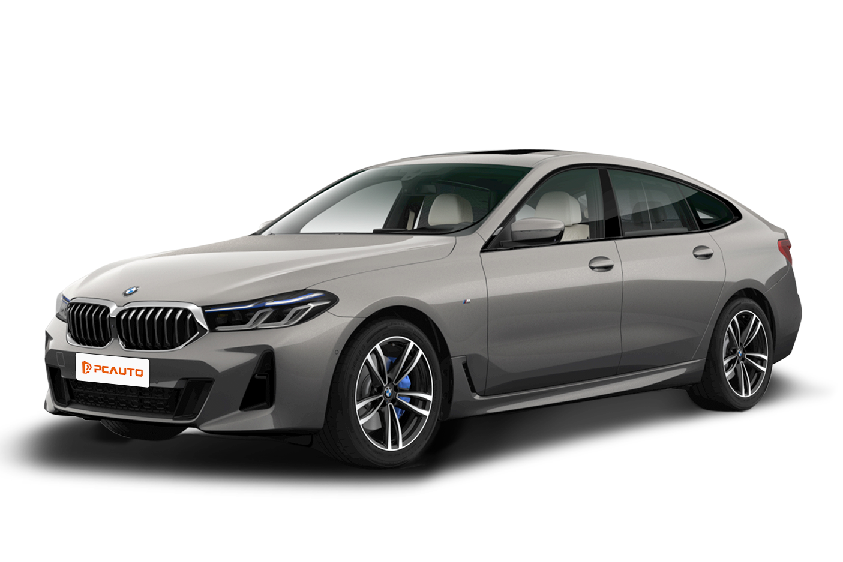
Cars With Similar Price And Features
21
Rank in SUV
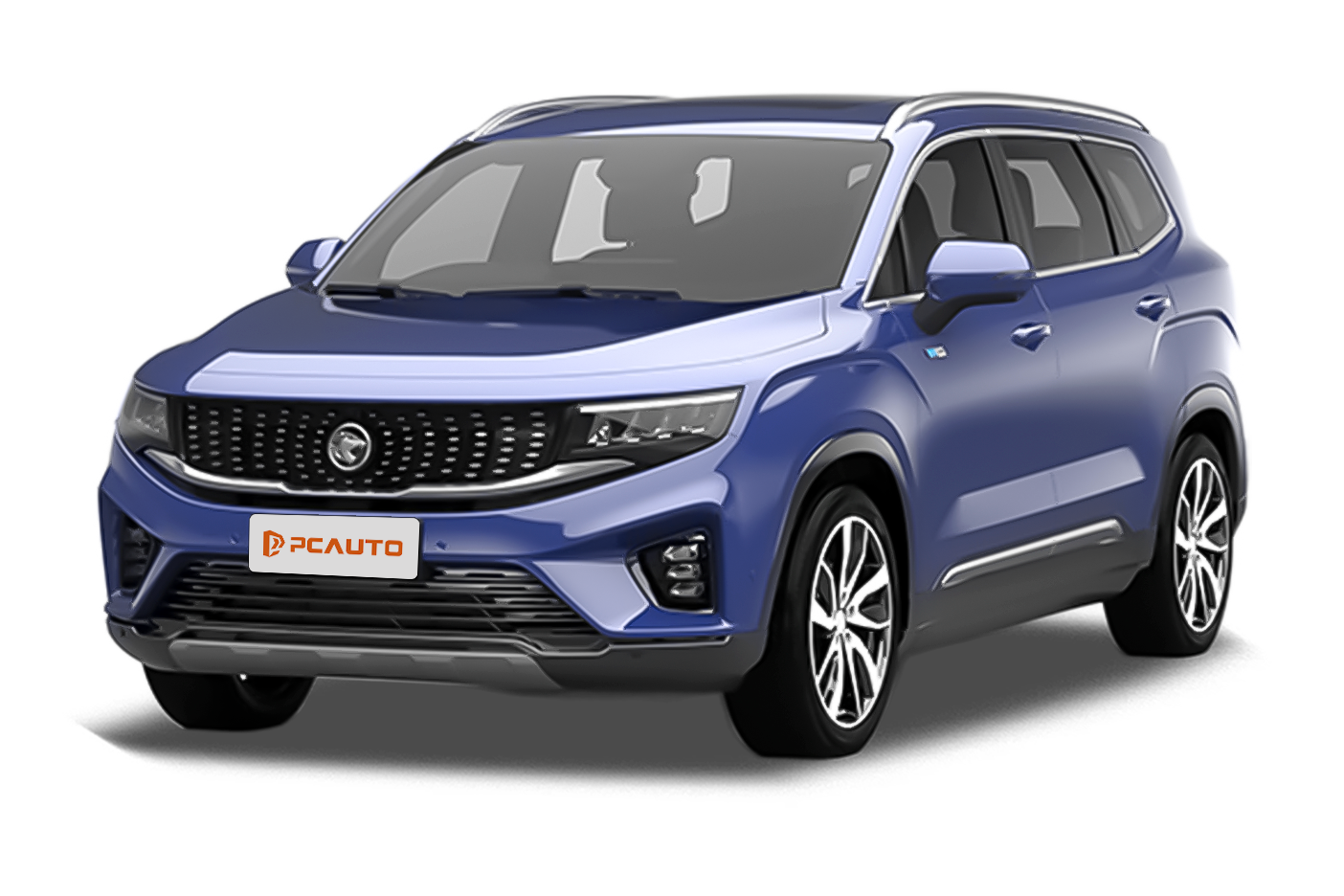
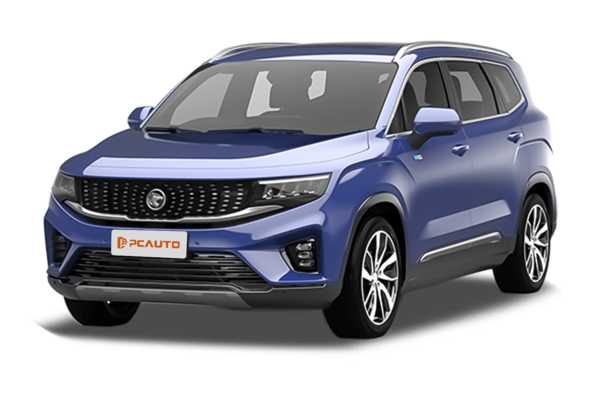
Proton X90 1.5TGDI BSG Standard 2023 is a family-oriented mid-size SUV that balances the practicality of a spacious 7-seater, the fuel economy of 1.5T mild hybrid, and mainstream technology features, offering outstanding value for money.

11
Rank in SUV
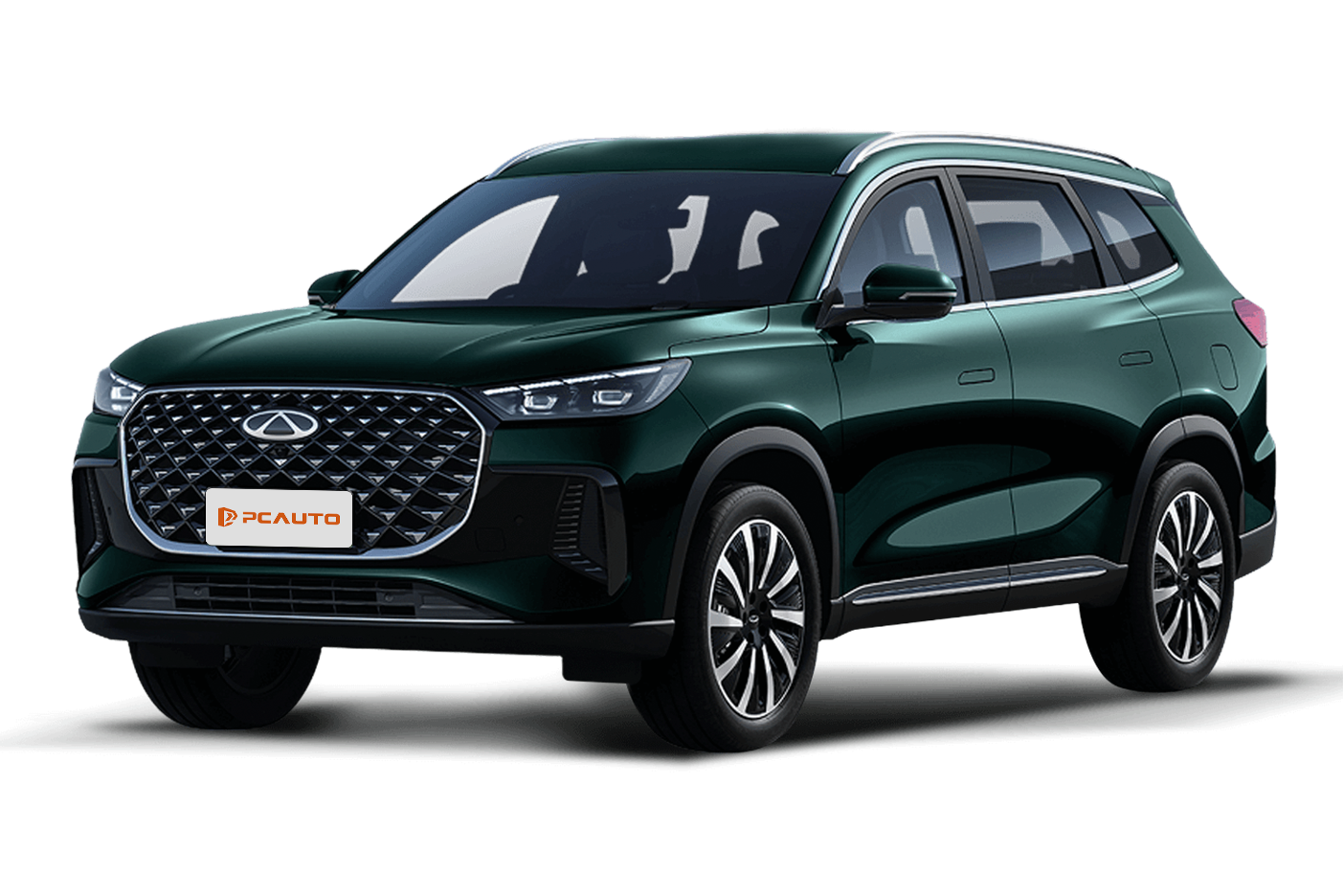
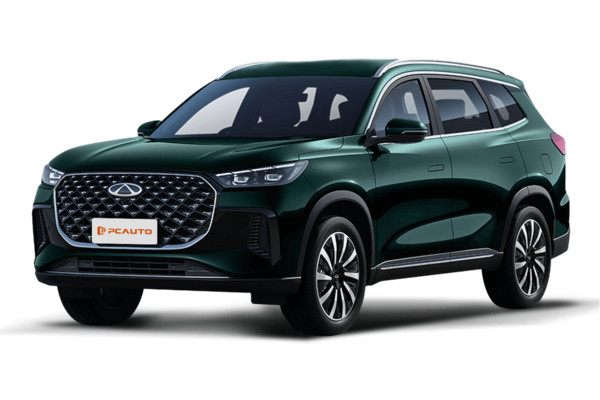
2026 Chery Tiggo 8 is a D-Segment SUV aimed at family users, offering superior configurations, practical space, and smooth power at a high cost-performance ratio, meeting both commuting and light off-road needs.
16
Rank in SUV

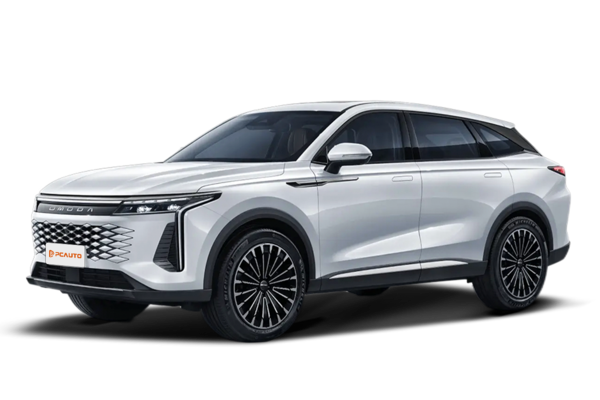
2024 Chery OMODA C9 2WD with 2.0T+8AT powertrain, L2 level assistance, and dual 12.3-inch screens, breaking the stalemate in the D-Segment market and becoming a high-value disruptor.
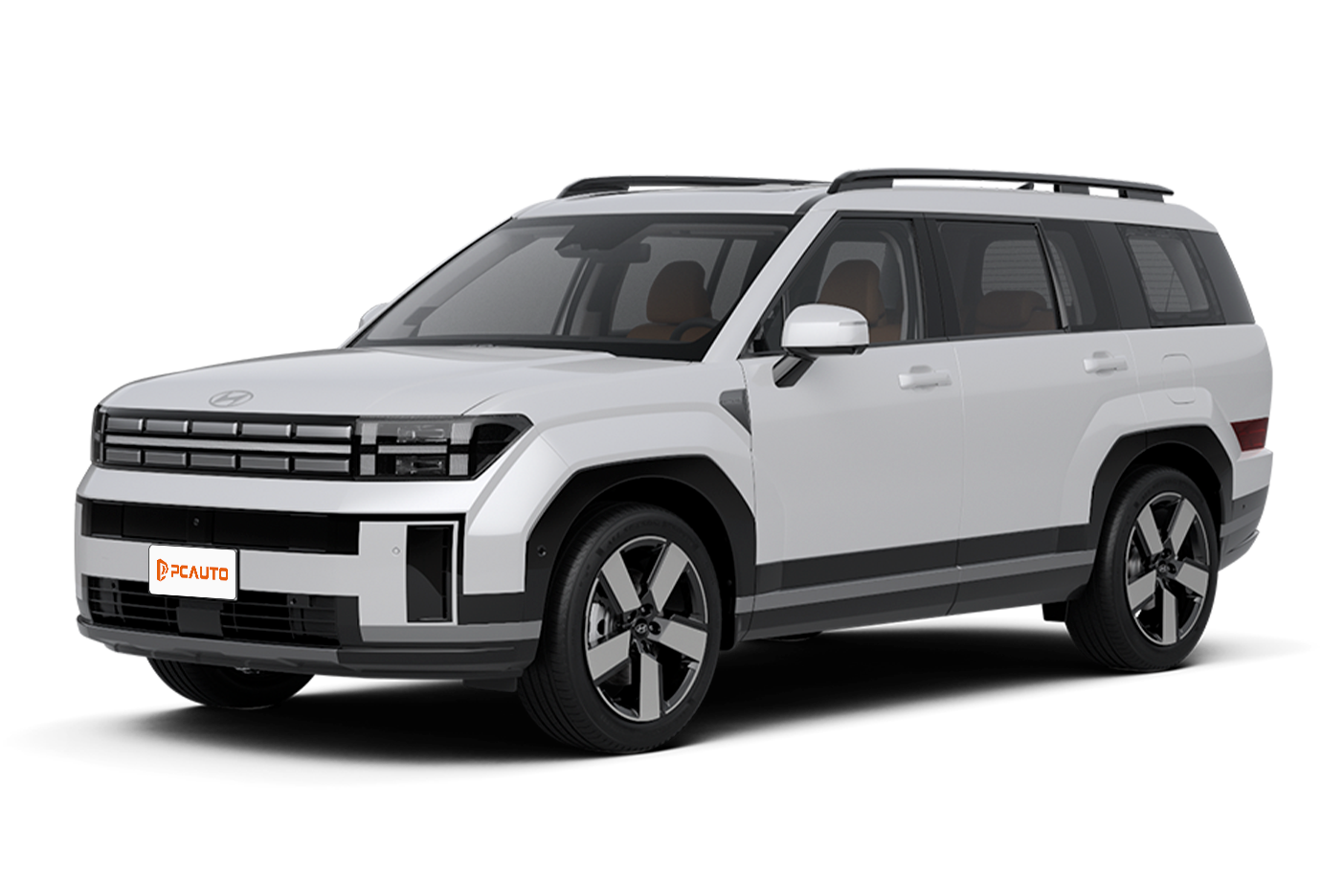
2025 Hyundai Santa Fe HEV Prime is a mid-level 7-seater hybrid SUV that balances fuel efficiency and practical space, with an enduring design and well-rounded features, meeting family needs.