

BMW X3 Review

 Share
Share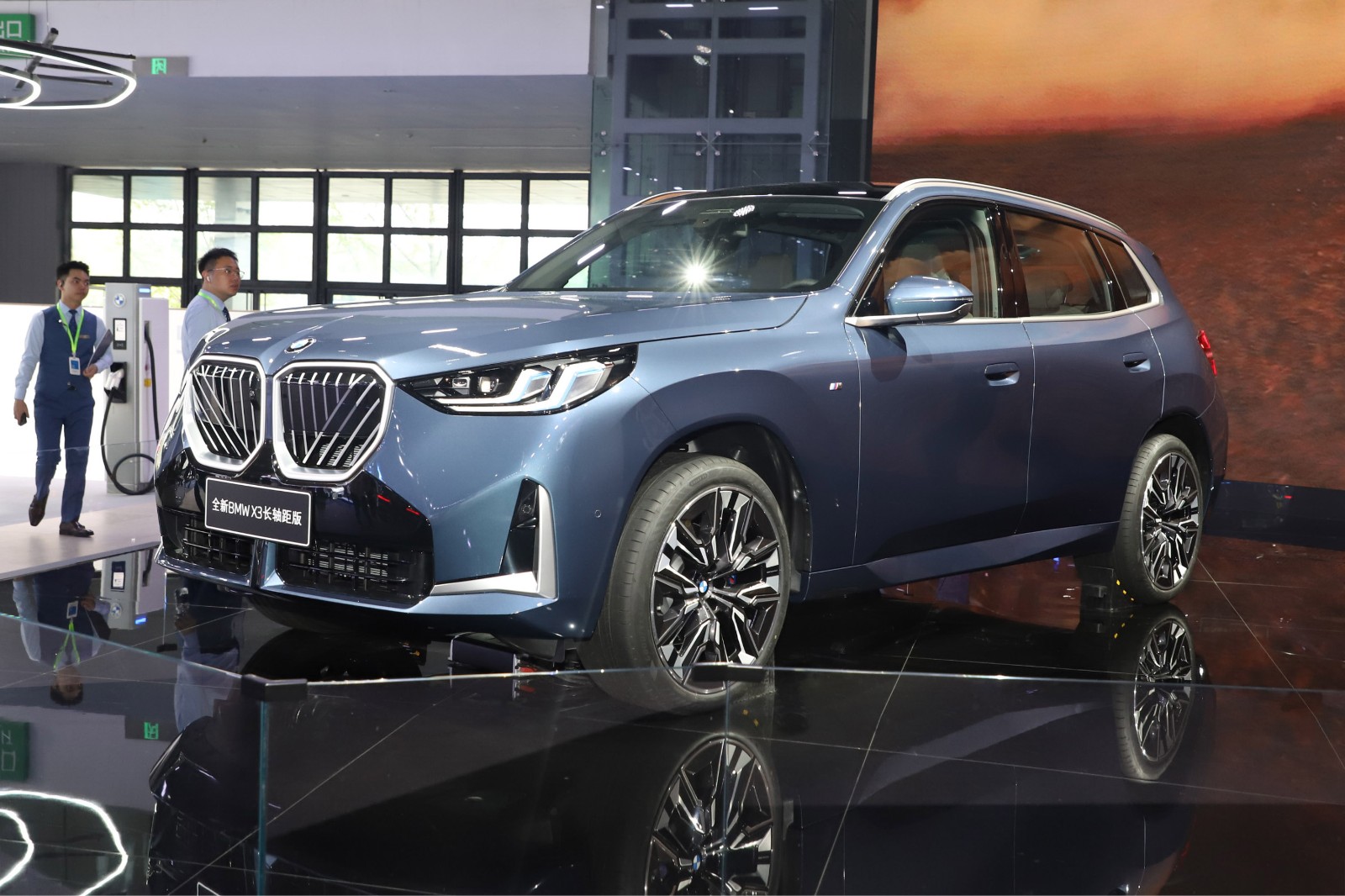
 Segment
 Body Type
 Capacity(L)
 Engine Power(PS)
 Engine Torque(Nm)
 Transmission
The D-segment luxury SUV market has always been the core choice for both family users and business professionals. Consumers not only value the brand reputation that brings them prestige but also need a balance of space, configuration, and fuel efficiency. After the launch of the 2025 BMW X3 20 xDrive M Sport in June, it became the center of attention with its HEV hybrid system, upgraded intelligent configurations, and iconic M Sport package—it not only continues the X3 series' handling DNA but also reduces daily fuel consumption with hybrid technology, all while pricing at RM 320,800, nearly RM 37,000 cheaper than the previous xDrive30e Final Edition. We got a test car this time to verify whether its hybrid system is practical, whether the space upgrade meets expectations, and whether the M Sport tuning still maintains BMW's driving pleasure.
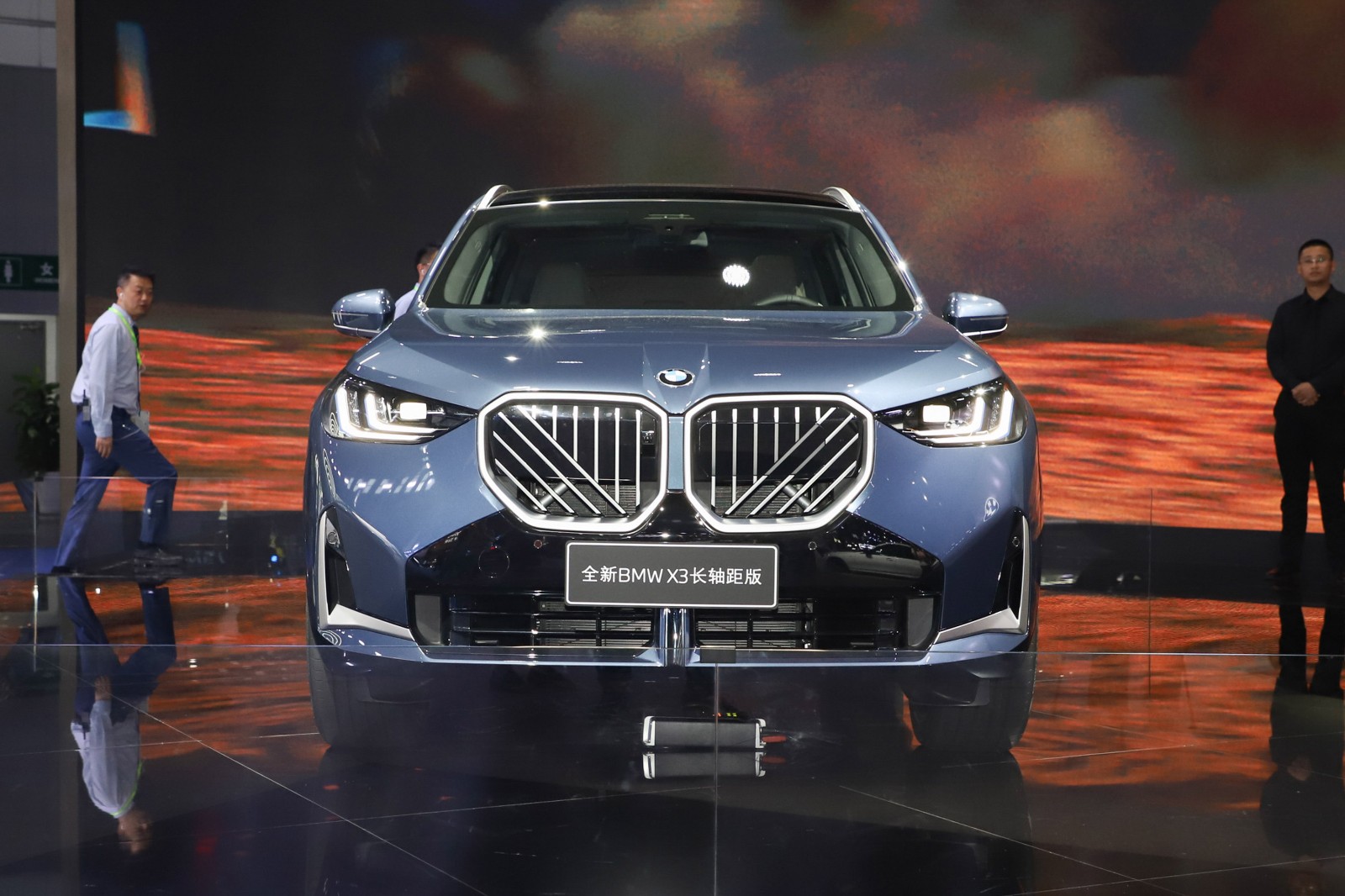
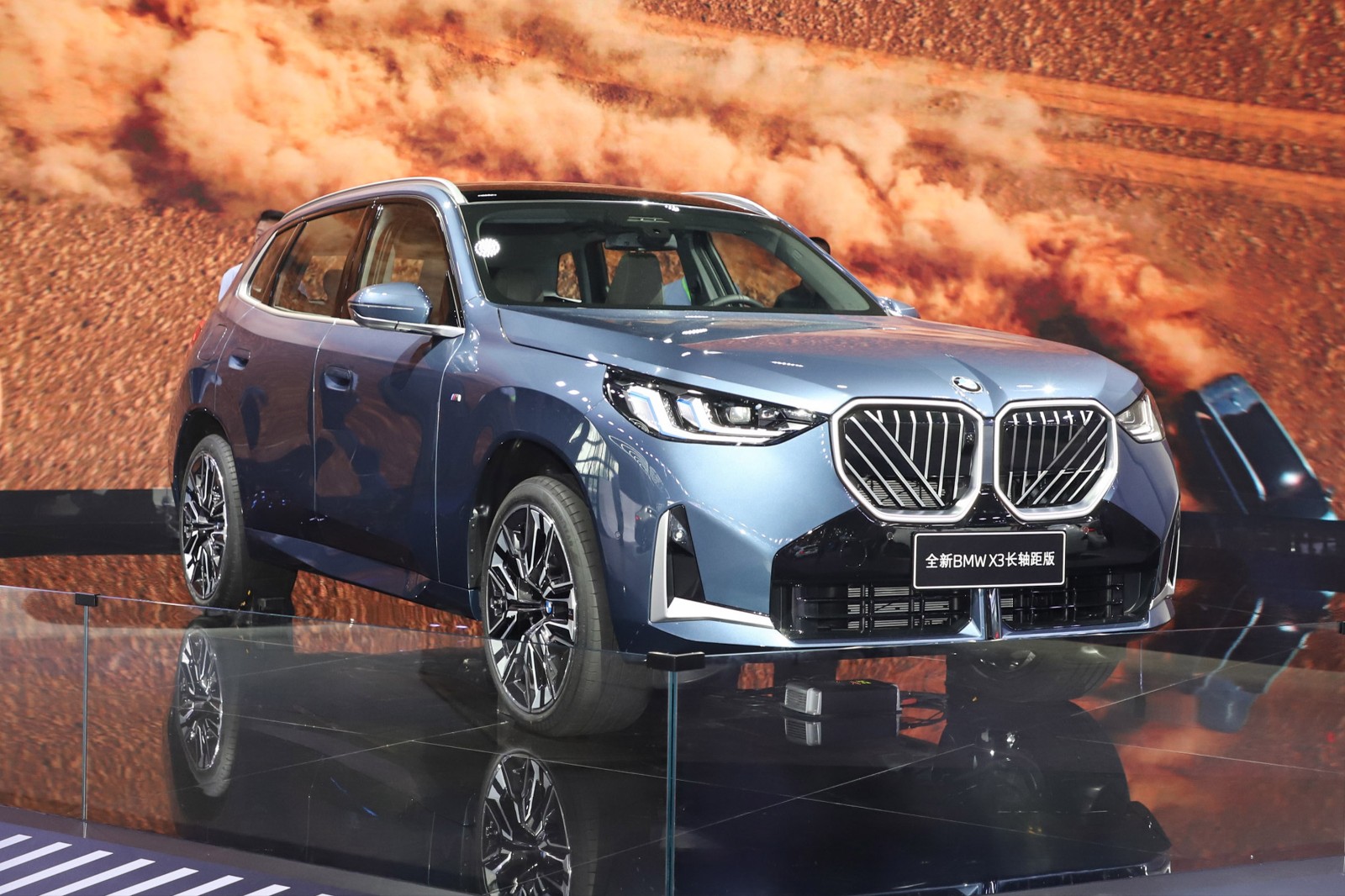
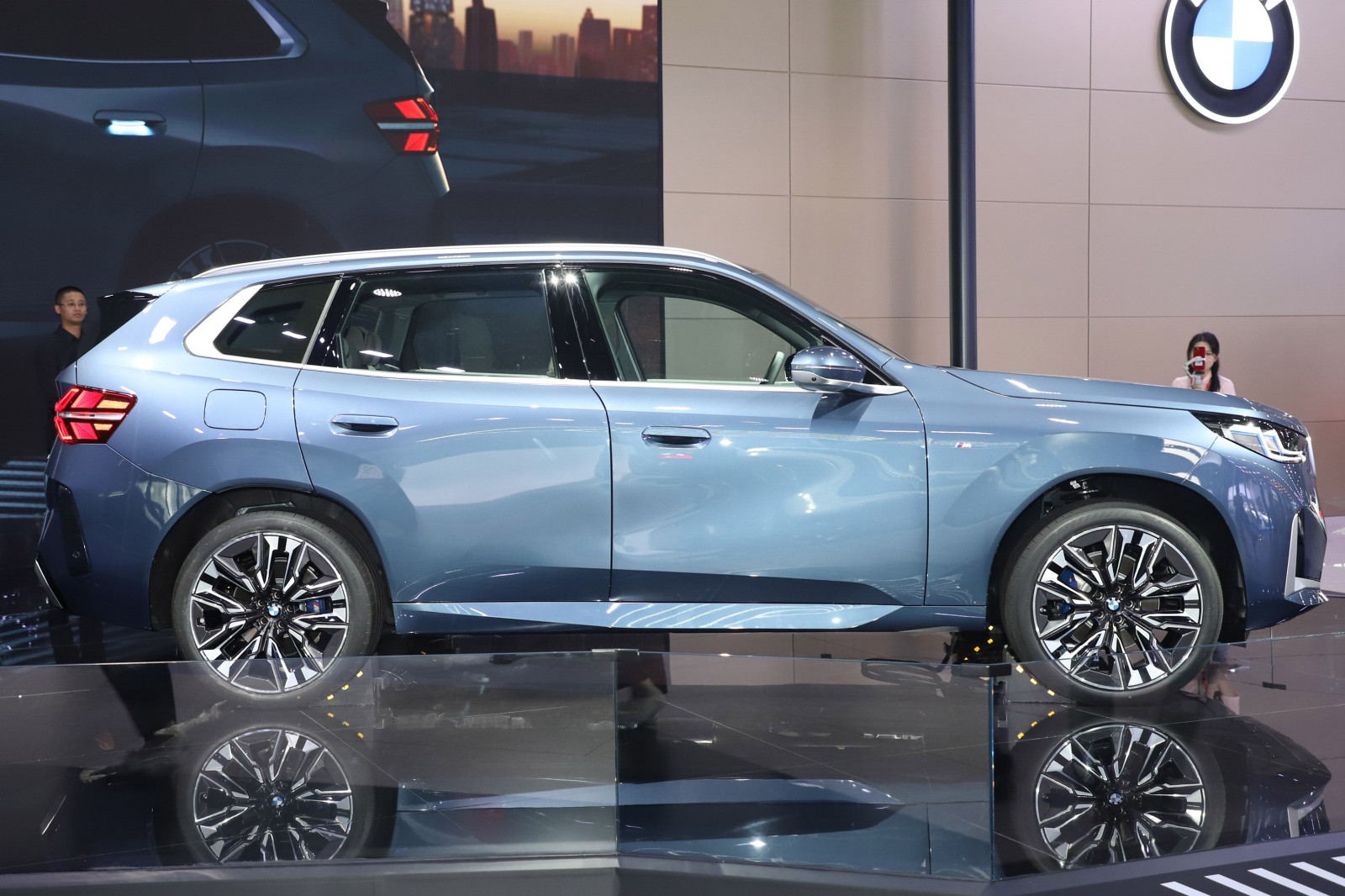
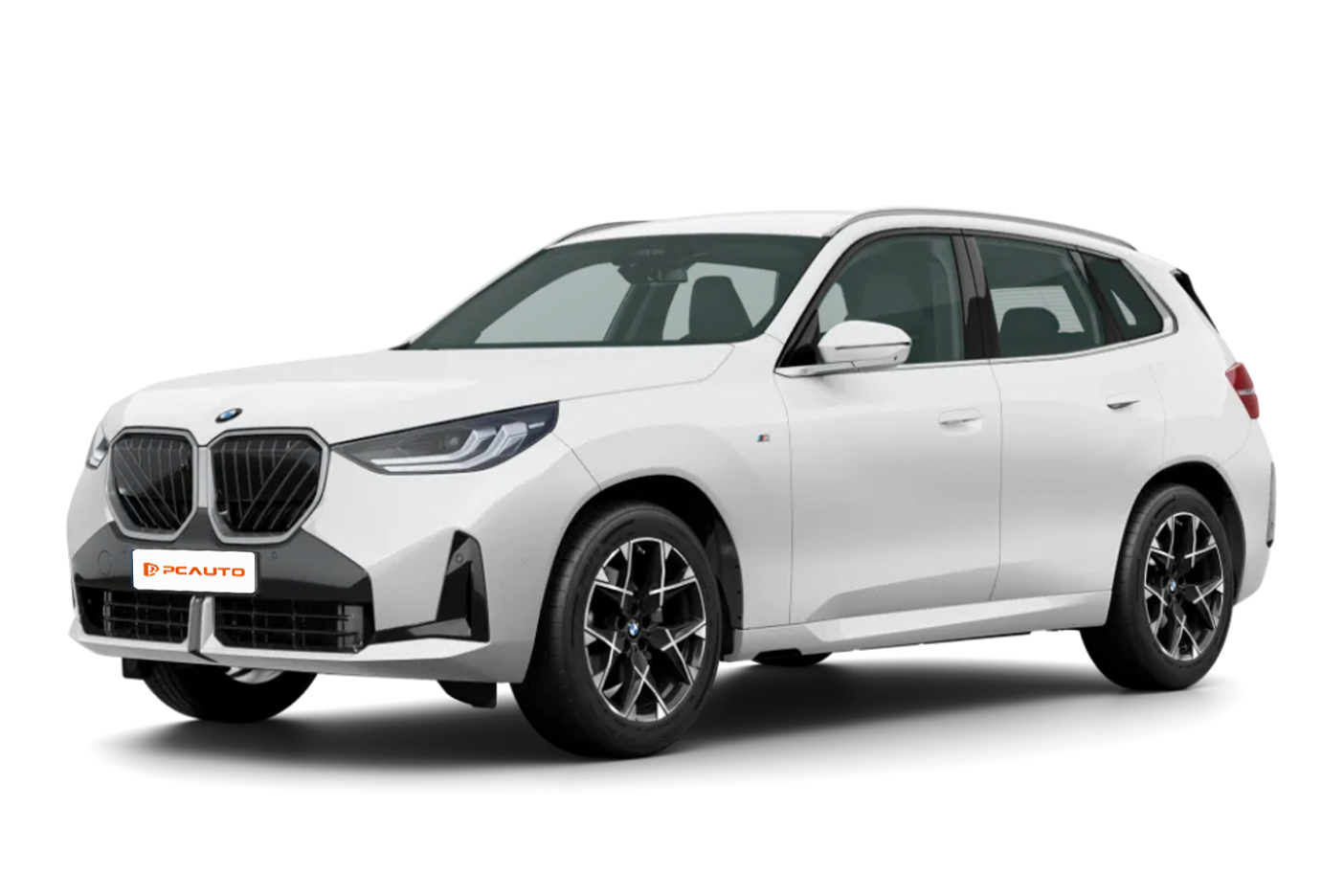
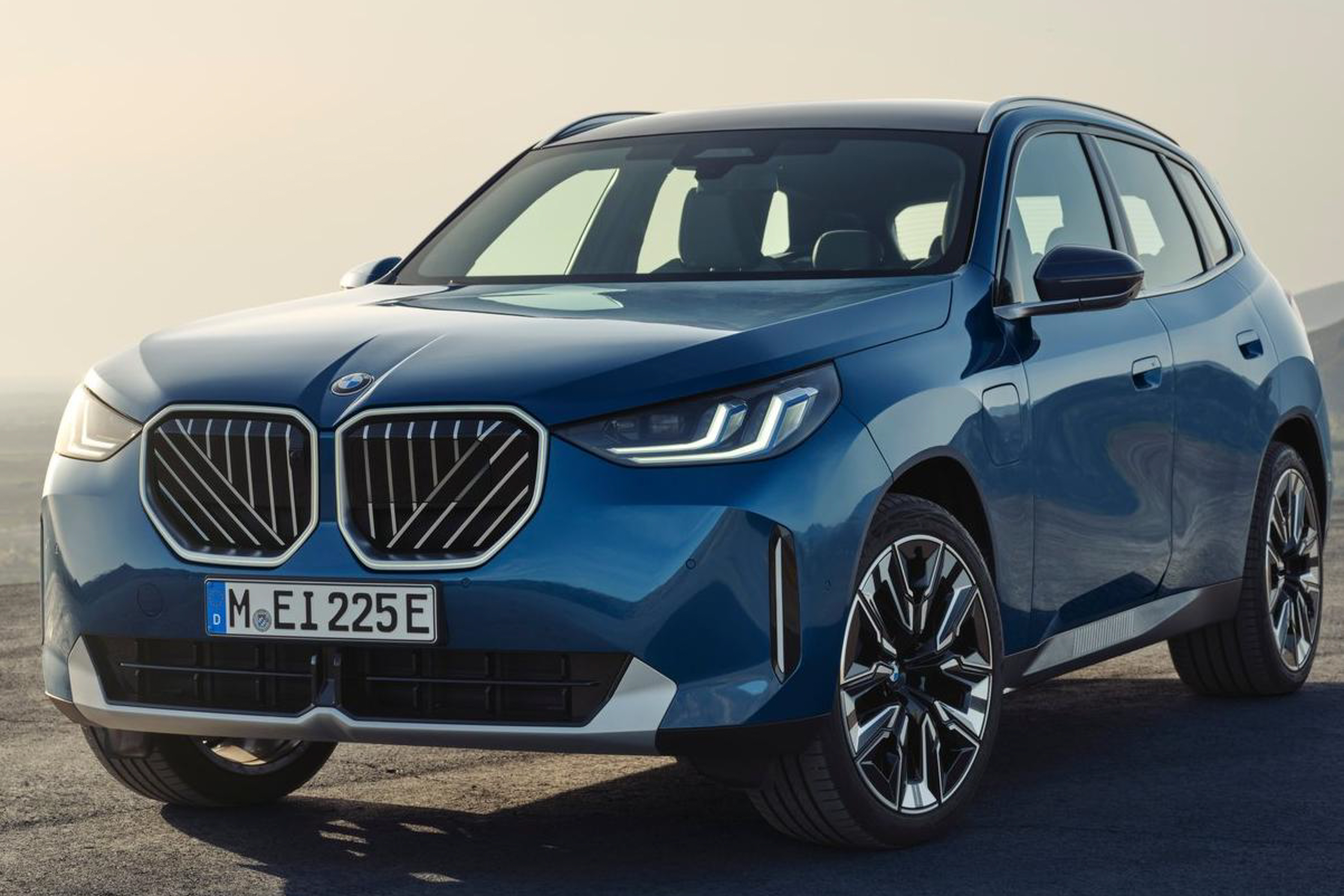
At first glance, the 2025 X3 20 xDrive M Sport exudes a more robust aura compared to its predecessor. The car's length is extended to 4755mm, which is 47mm longer than the 2024 Final Edition, with a width of 1920mm, a height of 1660mm, and a wheelbase slightly increased by 1mm to 2865mm, giving it a more stretched profile. The front grille features the iconic kidney design, complemented by the M Sport package-specific black trim. The interior of the grille also has chrome accents for added detail, which are subtle but highly recognizable. The LED headlight group uses a smoked finish, with daytime running lights showcasing BMW's classic "angel eyes" design, offering strong visual penetration when lit. The lower part of the front bumper features air ducts and a silver front lip, enhancing the sporty vibe. The side profile of the car boasts sleek lines, with a waistline stretching from the front fender to the rear, preventing monotony in the side view. The M-exclusive side skirts and 19-inch multi-spoke wheels (front tires 245/50 R19) further emphasize its sporty nature. The window frames are wrapped in black trim, with the B and C-pillars treated with a smoked finish to create a floating roof effect. The rear end presents the most noticeable changes with the LED taillight group, which features an internal 3D stereoscopic light source and a new "L" shape when illuminated, differing from the previous horizontal design. Silver skid plates and dual round exhausts (exclusive to the M Sport edition) are integrated into the lower rear bumper, adding richer layering compared to the older model.
Opening the car door, the interior feels significantly upgraded in terms of luxury and technology compared to the previous model. The center console combines soft-touch plastic materials with metal trims, offering a delicate texture. The exclusive M Sport T-shaped steering wheel provides a solid grip, with clearly arranged multifunction buttons on both sides, and it also comes with standard shift paddles. The standout feature is the 12.3-inch fully digital instrument cluster seamlessly paired with a 14.9-inch central touchscreen, featuring narrow bezels, high resolution, and a noticeably smoother operation compared to the previous 10.25-inch screen. The car's infotainment system supports voice control, CarPlay, and Android Auto, with a clear menu structure, making it easy for new users to navigate. In terms of features, the HUD head-up display comes standard, allowing drivers to view speed and navigation information without looking down. The front seats support electric adjustments, with the driver’s seat offering memory function. The padding is thick and provides good support, ensuring comfort during long drives. The passenger seat is also electrically adjustable, catering to passenger comfort needs. The air conditioning system features tri-zone automatic climate control, with independent rear air vents and USB ports below, meeting the needs of rear passengers. The in-car storage is quite practical as well—the central armrest box is deep enough to hold two bottles of water, door panel storage compartments can accommodate large water bottles, and the front cup holders have holders to prevent drinks from shaking.
Space performance is the highlight of the 2025 X3 upgrade. The 2865mm wheelbase provides a spacious rear seating area. A 175cm passenger seated in the rear will have about two and a half fists of legroom and one fist of headroom, feeling no sense of confinement. The hump in the middle of the rear floor is not very high, so the middle passenger's feet won't feel too cramped. The trunk volume has been increased from 550L in the previous model to 570L, which can easily accommodate two 28-inch suitcases and one carry-on bag for everyday use. The rear seats support a 4/2/4 split-fold design, and when folded down, the volume can expand to around 1600L, sufficient for bulky items. In terms of details, the rear is equipped with ISO FIX child seat anchors, and the door storage compartments and cup holders in the central armrest box are very practical, meeting the needs of family users.
In terms of powertrain, the 2025 X3 20 xDrive M Sport is equipped with a 2.0T turbocharged engine and a 48V mild hybrid system (HEV). The engine has a maximum output of 140kW (190PS) and a peak torque of 310N·m. It is paired with an 8-speed DCT gearbox and xDrive all-wheel-drive system. The official 0-100km/h acceleration is 8.5 seconds, which is 0.3 seconds slower than the previous sDrive20i Final Edition. However, the addition of the mild hybrid system makes starting smoother. During actual driving, the motor assists with power at start-up, providing quick throttle response without a turbo lag feeling. At low speeds, engine noise is almost inaudible, with only a faint electric motor sound. In Sport mode, the gearbox shift logic becomes more aggressive, and throttle sensitivity increases. When the pedal is pressed deeply, the engine and motor work together to deliver noticeable acceleration, inspiring confidence during overtaking. The 8-speed DCT gearbox shifts quickly and with virtually no jolts, making it sportier than the AT gearbox in the previous model. In Eco mode, the mild hybrid system actively intervenes. When releasing the throttle, the engine may shut off, and the motor maintains low-speed driving, resulting in better fuel efficiency.
Handling has always been BMW's strength, and the 2025 X3 does not disappoint. The steering is precise with minimal slack, feeling light at low speeds and heavier at higher speeds. The steering feedback is finely tuned. The suspension consists of a front MacPherson and a rear multi-link independent setup. The M Sport version's suspension tuning is slightly firmer but provides excellent support, effectively controlling body roll during cornering, making it more stable than the previous model. When driving on bumpy roads, the suspension filters out most fine vibrations, and crossing speed bumps does not result in harsh jolts, balancing sportiness and comfort. The all-wheel-drive system performs stably on slippery roads, reasonably distributing power between the front and rear wheels during cornering to enhance grip. The brake pedal provides a linear feel, and the stopping distance is short, contributing to a sense of safety.
As for fuel consumption, the official combined fuel consumption is 7.5L/100km. In our real-world tests of mixed urban and highway conditions, the fuel consumption was about 7.8L per 100 kilometers, slightly higher than the 7.3L of the previous pure internal combustion version. However, considering the all-wheel-drive system and mild hybrid setup, this performance is commendable. For daily commutes with more highway routes, fuel consumption can drop to around 7.2L, making it more fuel-efficient than competitors in the same class, like the Mercedes-Benz GLC 200 L. Noise control is also commendable. At speeds below 80km/h, wind and tire noise are virtually inaudible inside the cabin. At 120km/h, wind noise becomes slightly noticeable but does not interfere with normal conversations, marking an improvement over the previous model's sound insulation. Regarding seat comfort, the front seats offer good lumbar support and lateral bolstering, preventing fatigue from prolonged driving. The rear seats are soft and well-padded, with adjustable backrest angles, ensuring comfort on long journeys.
Overall, the core advantages of the 2025 BMW X3 20 xDrive M Sport are clear: first, the HEV hybrid system balances power and fuel efficiency, making daily use costs lower than the pure gasoline version; second, the upgraded space is significantly better, with a more practical rear seat and trunk suitable for family users; third, the intelligent configuration has been enhanced, with a 14.9-inch large screen and HUD head-up display adding technological appeal; fourth, the M Sport package enhances both appearance and handling, maintaining BMW's sporty genes. Compared to the old version, its price is only 9,000 MYR higher than the sDrive20i Final Edition, but it includes an all-wheel-drive system, a mild hybrid system, and a larger screen, offering better value for money. Compared to competitors in the same class, its handling is sportier than the Mercedes-Benz GLC, and its features are more comprehensive than the Audi Q5L.
This car is suitable for two types of users: first, family users who value balanced performance and need spaciousness, low fuel consumption, and reliable safety configurations (standard six airbags, active braking, lane departure warning); second, young people who pursue luxury and driving enjoyment, as the M Sport package and precise handling can meet their driving needs. If your budget is between 300,000 to 350,000 MYR and you want a luxury SUV with strong brand appeal, practical space, and a balance of sportiness and comfort, the 2025 BMW X3 20 xDrive M Sport is worth prioritizing—it has no obvious drawbacks and is a "jack-of-all-trades" in the D-segment luxury SUV market.
BMW X3 Car Compare
BMW X3 Loan Calculator
Cars With Similar Price And Features
21
Rank in SUV
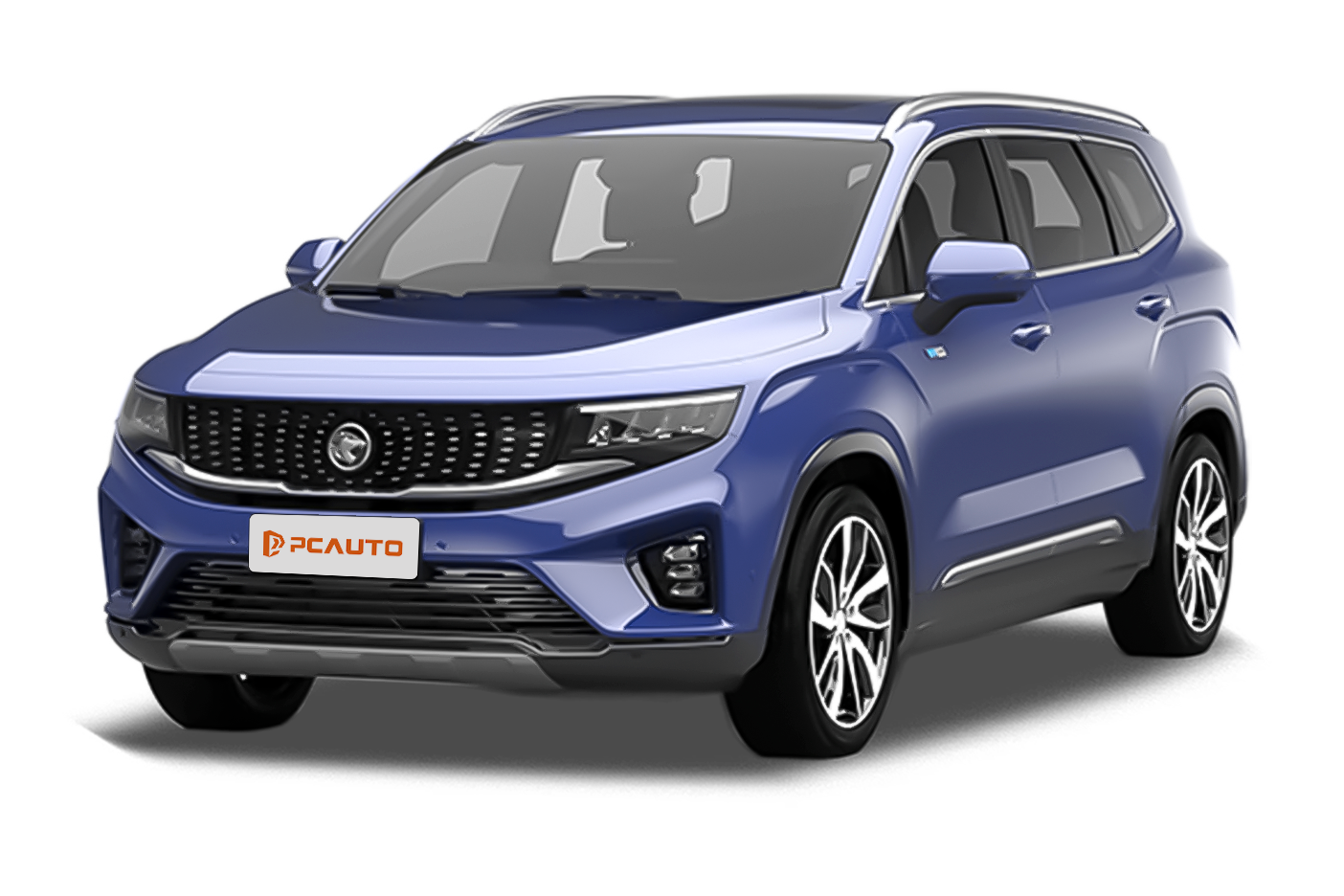
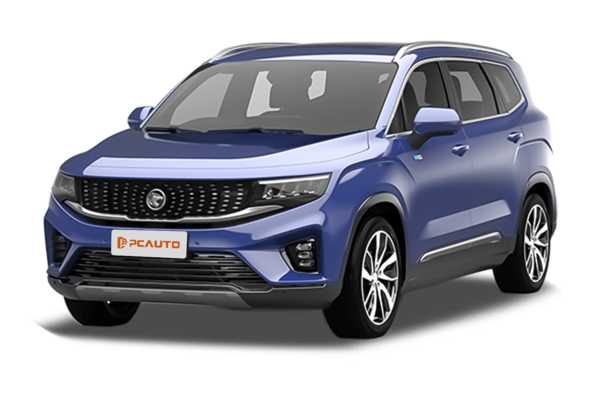
Proton X90 1.5TGDI BSG Standard 2023 is a family-oriented mid-size SUV that balances the practicality of a spacious 7-seater, the fuel economy of 1.5T mild hybrid, and mainstream technology features, offering outstanding value for money.

11
Rank in SUV
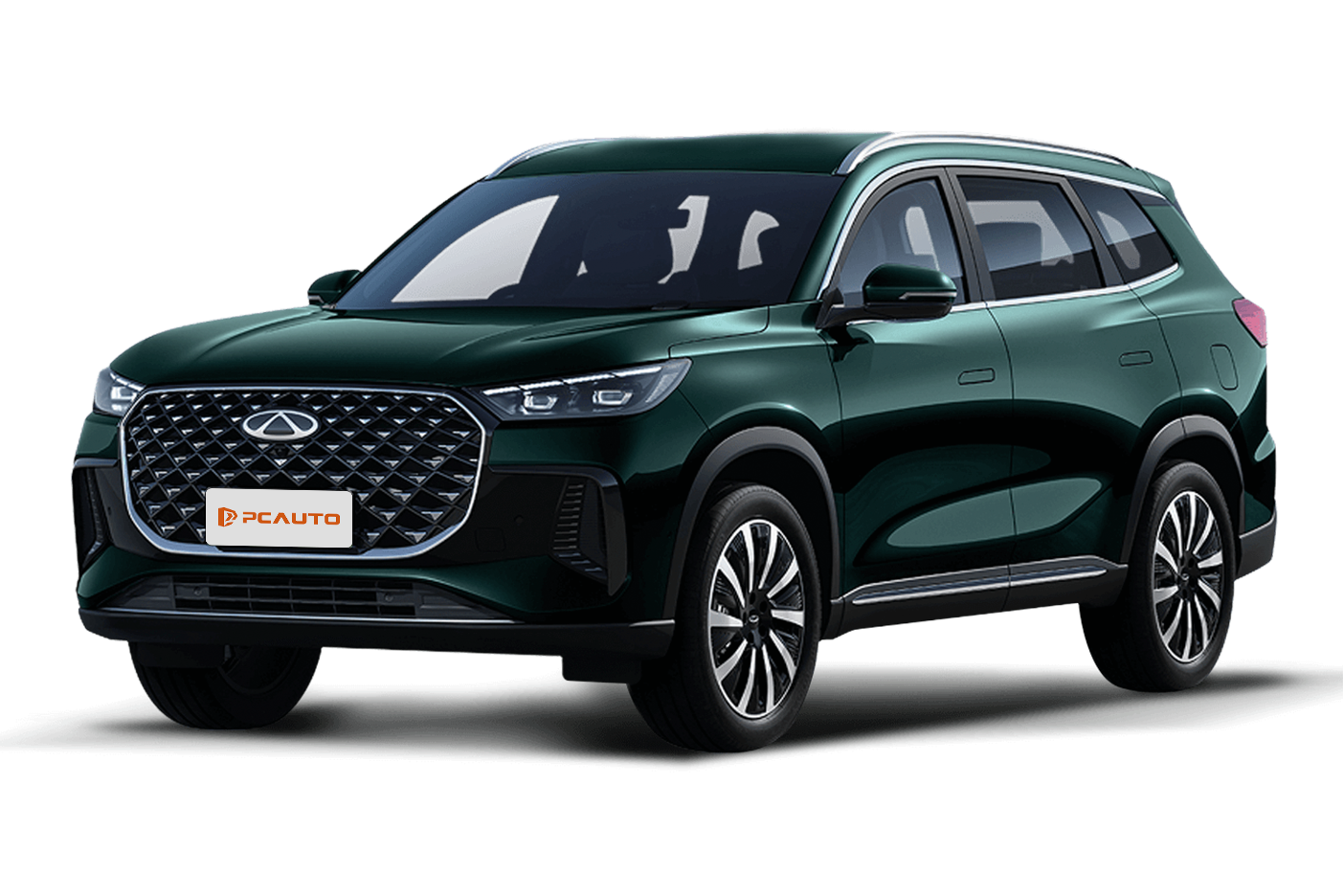
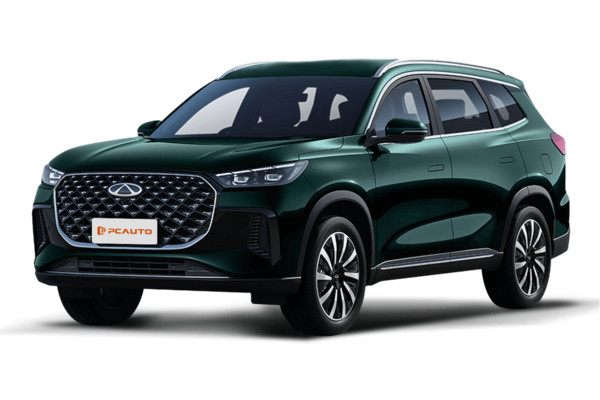
2026 Chery Tiggo 8 is a D-Segment SUV aimed at family users, offering superior configurations, practical space, and smooth power at a high cost-performance ratio, meeting both commuting and light off-road needs.
16
Rank in SUV

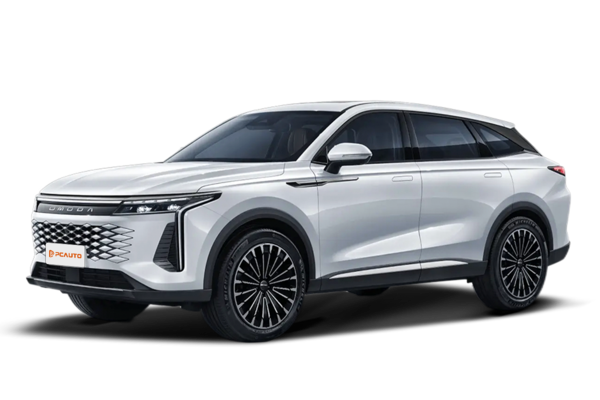
2024 Chery OMODA C9 2WD with 2.0T+8AT powertrain, L2 level assistance, and dual 12.3-inch screens, breaking the stalemate in the D-Segment market and becoming a high-value disruptor.
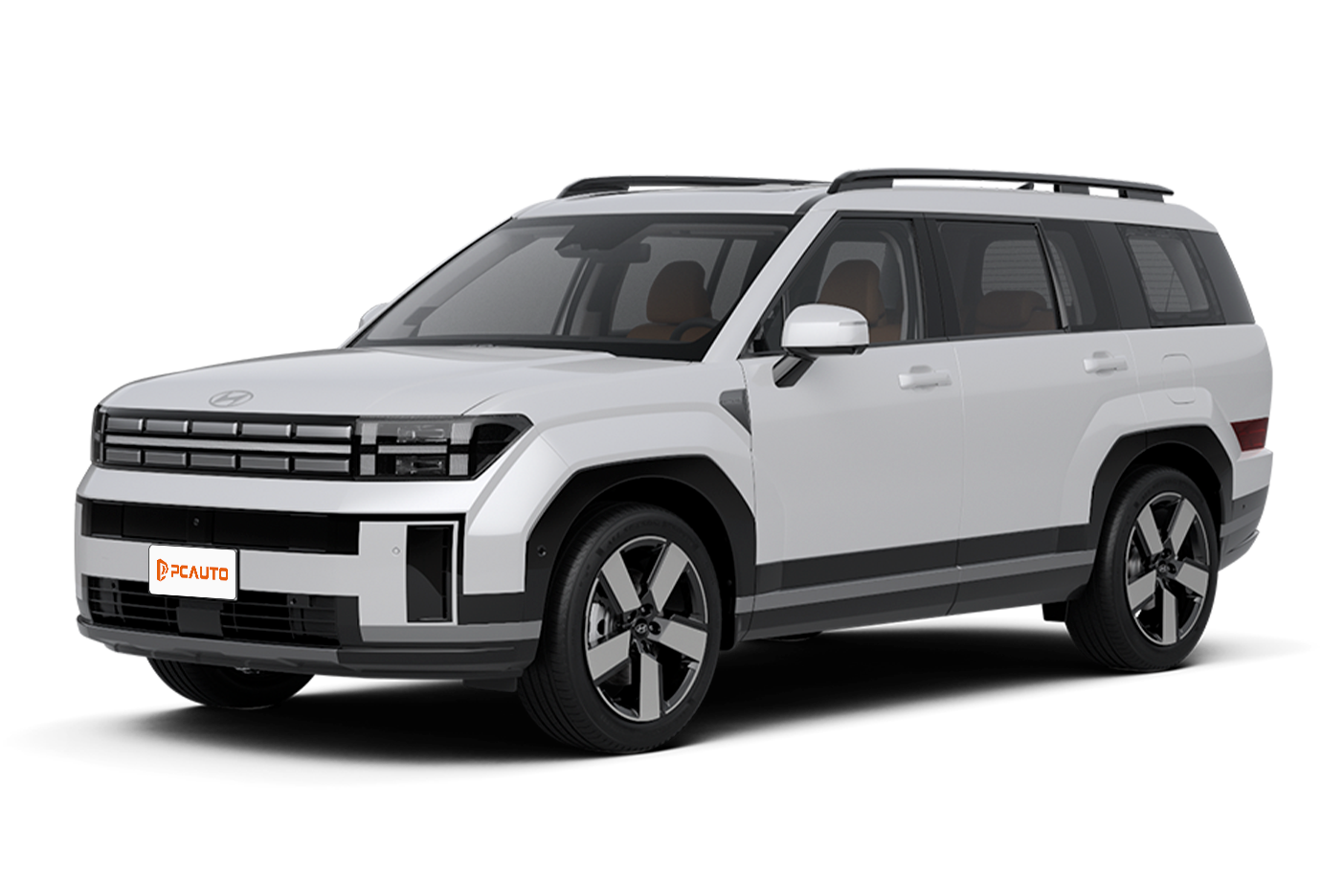
2025 Hyundai Santa Fe HEV Prime is a mid-level 7-seater hybrid SUV that balances fuel efficiency and practical space, with an enduring design and well-rounded features, meeting family needs.