

Chery Tiggo 7 2025 Review

 Share
Share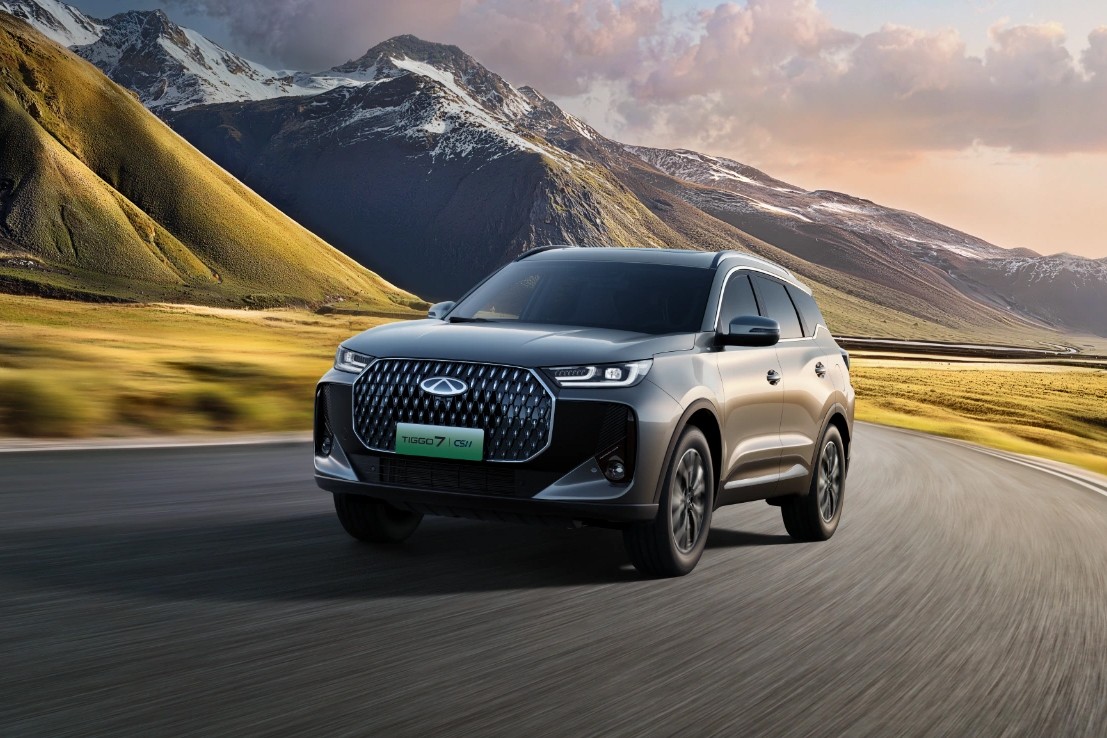

 Segment
 Body Type
 Capacity(L)
 Combined System Output(PS)
 EV Range(km)
 Driven Wheels
The C-segment SUV market has become increasingly competitive locally in recent years, with more and more family users leaning towards versatile models that fulfill multiple purposes. They need vehicles that are both economical for daily commuting and spacious with ample features for weekend outings. The arrival of the 2025 Chery Tiggo 7 PHEV caters to these needs perfectly, with 90km of pure electric range, a total output of 279PS, and advanced intelligent configurations as its core selling points, aiming to carve a niche within the hybrid SUV segment. This time, we acquired the actual vehicle with the main objective of testing its "balance" — assessing whether the pure electric range is sufficient for commuting, how responsive its powertrain is in hybrid mode, and whether its space and configurations can truly meet family needs.
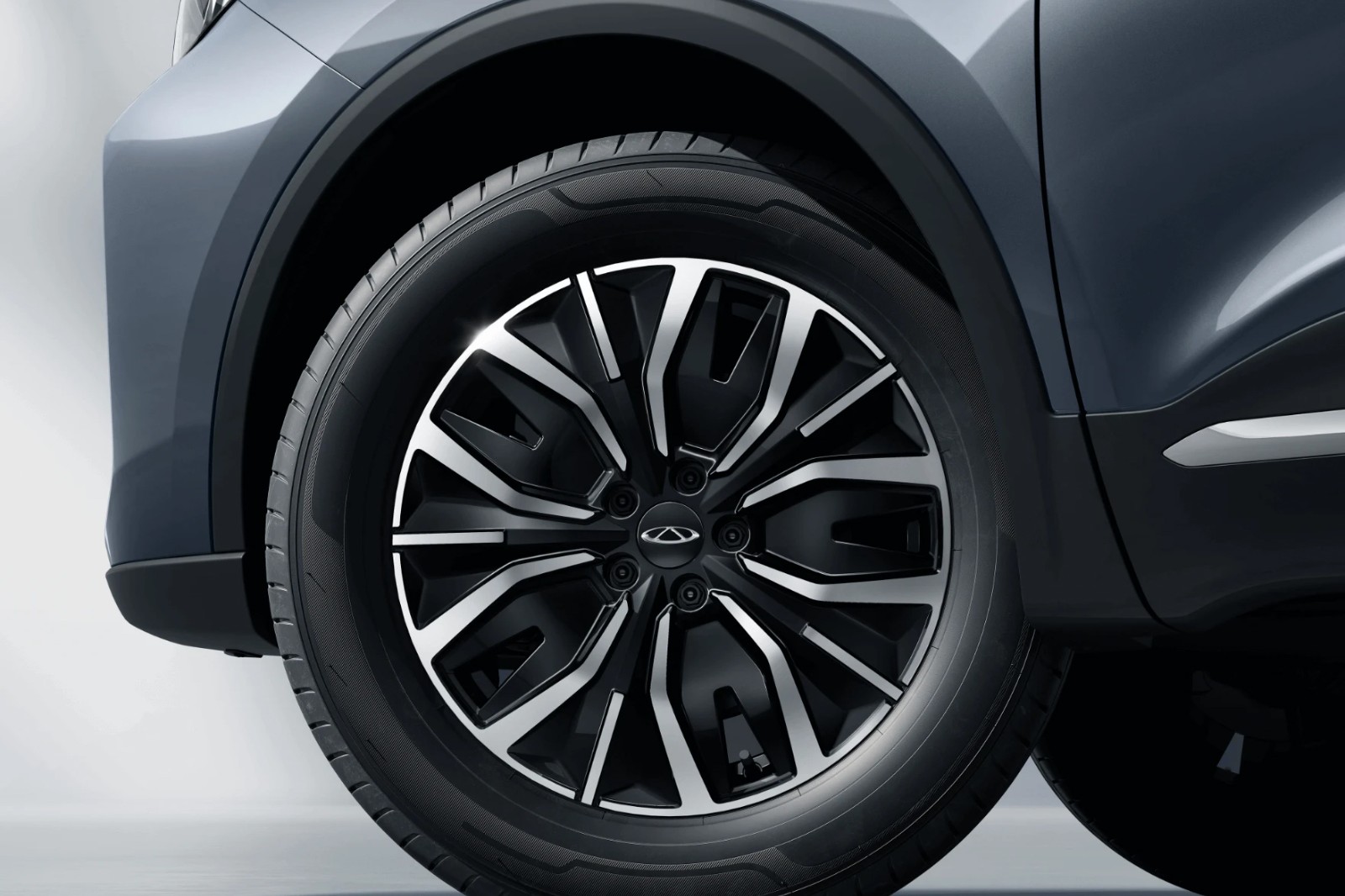
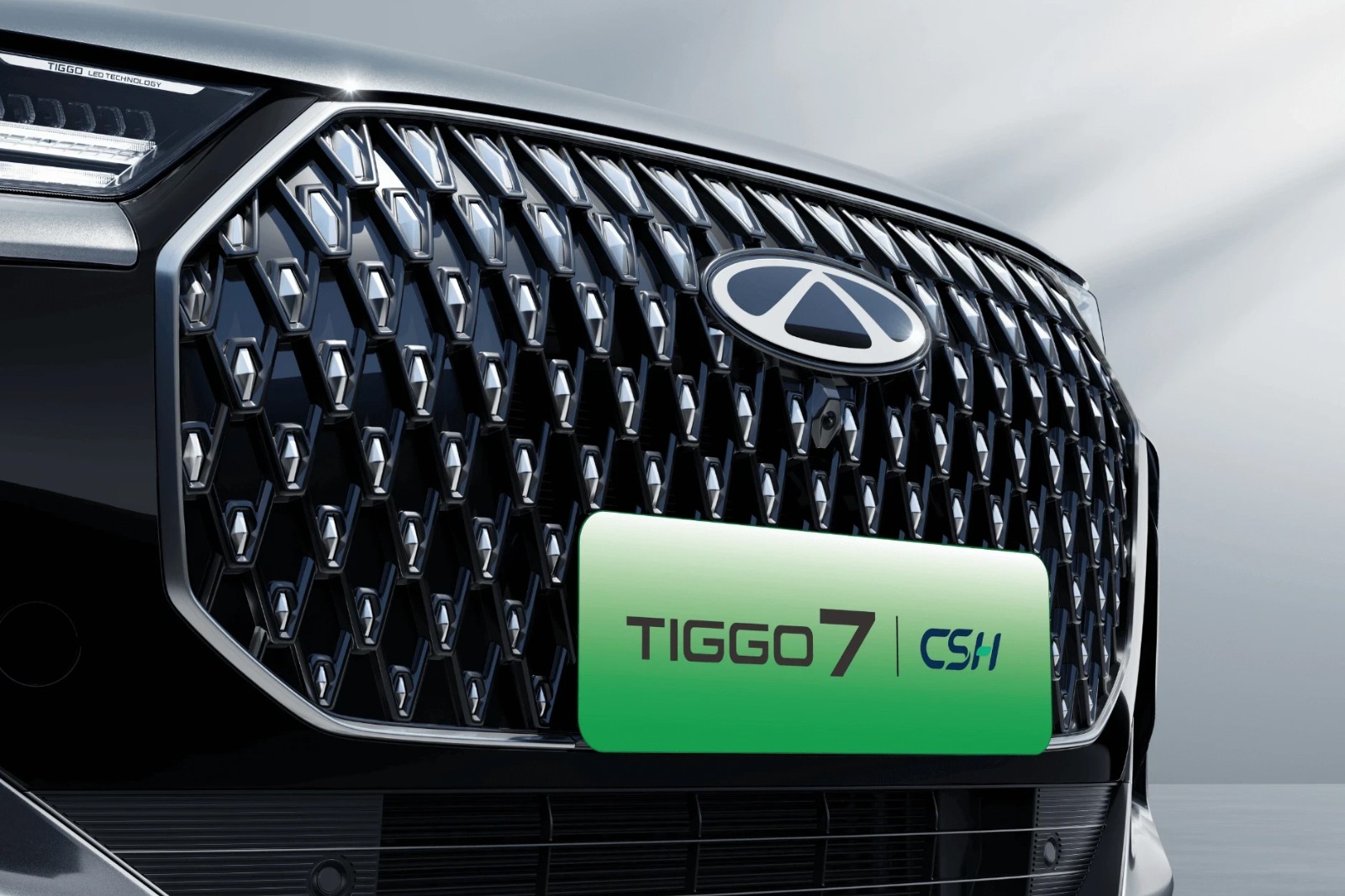
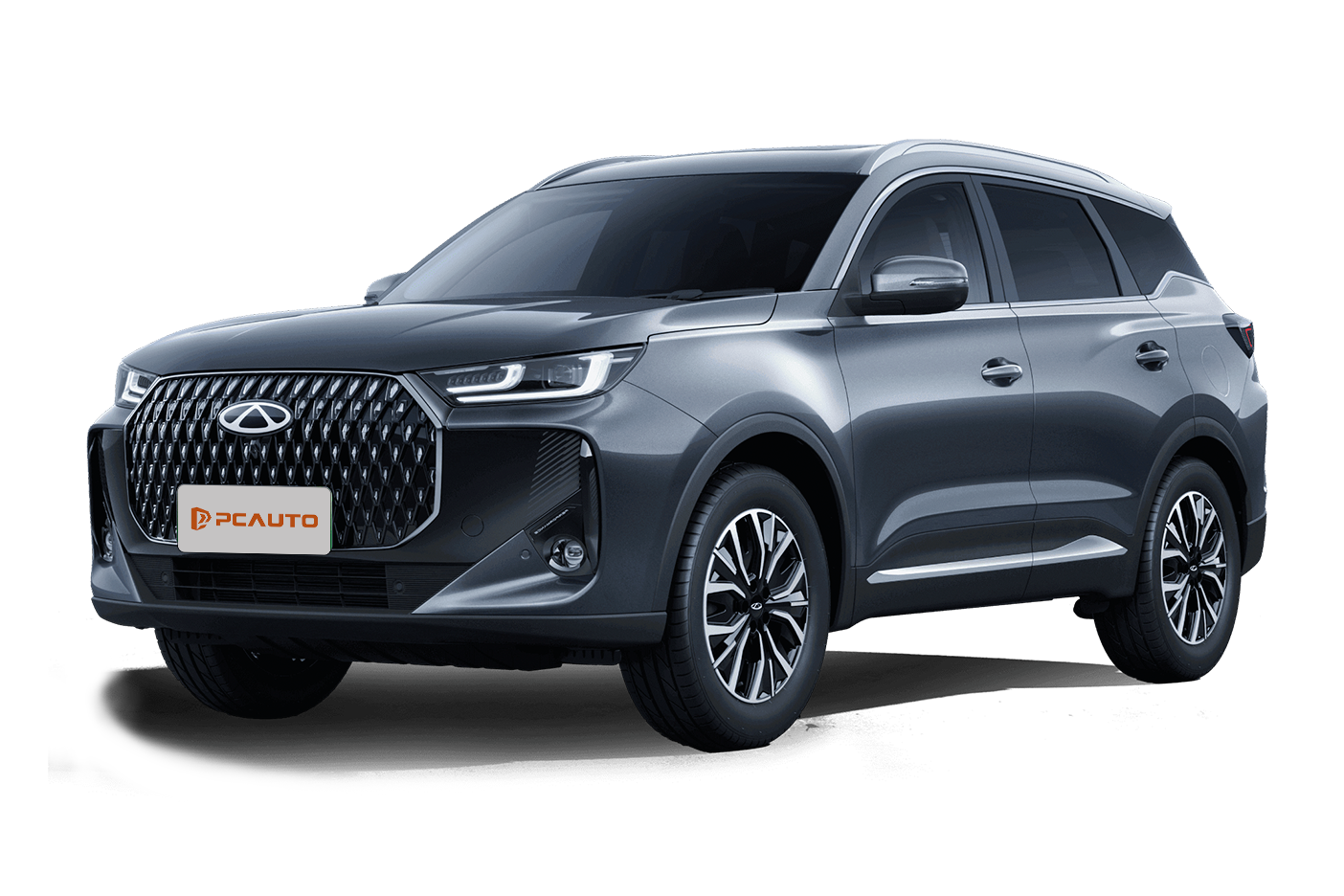
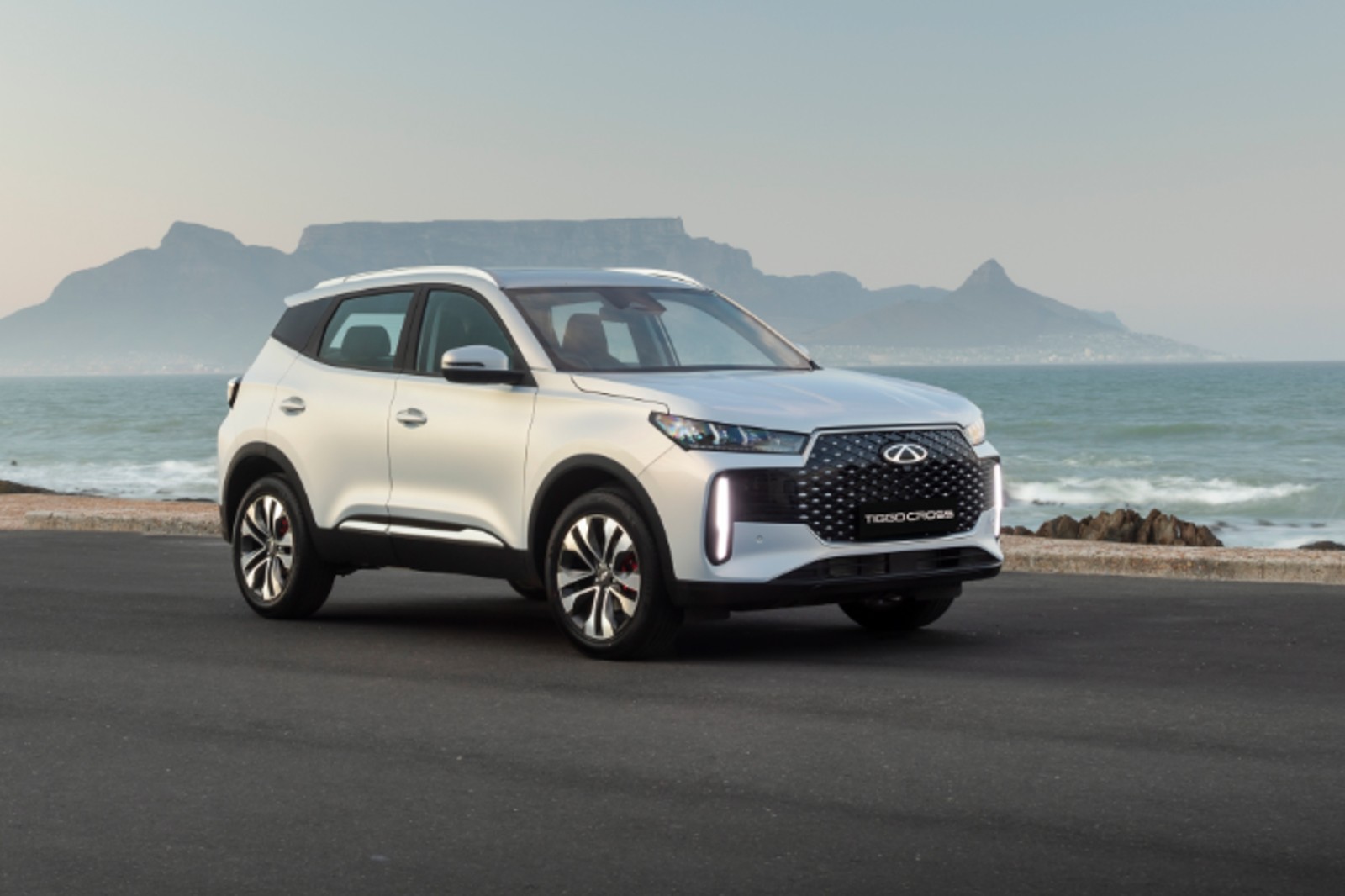
From a distance, the 2025 Tiggo 7 PHEV's overall style leans towards a steady, yet youthful appearance. Its front end features a large blacked-out grille, complemented by full-width LED daytime running lights that ensure high recognizability when illuminated. Chrome trim adorns the lower bumper without excessive ornamentation, aligning well with the positioning of a C-segment SUV. The side profile features smooth lines, with a waistline extending from the front fender to the rear, avoiding a bulky look. The 18-inch multi-spoke wheels paired with 255/60 R18 tires provide a full and solid visual effect. At the rear, the full-width taillights echo the design of the front, and the diffuser-style rear bumper adds a touch of sportiness. The overall design is cohesive and exhibits an enduring appeal.
Sitting inside the car, the first thing you notice is the 24.6-inch curved dual display panel that occupies almost the entire upper section of the dashboard. The screen resolution is sharp, and the operational smoothness is quite good. The interior materials mainly comprise soft-touch plastic and leather, with commonly touched areas such as the armrest and inside the door panels covered in leather for a fairly comfortable tactile experience. The dashboard has a simple layout, with most functions integrated into the screen, leaving only a few physical buttons to control the air conditioning for more convenient daily operation. In terms of configuration, the front seats support electronic adjustments (6-way adjustable with memory for the driver’s seat and 4-way for the passenger seat) and come with a ventilation feature, which is practical for the local hot weather. Rear air conditioning vents and USB ports are also included, catering to the needs of rear passengers.
The vehicle's dimensions measure 4553mm×1862mm×1696mm, with a wheelbase of 2670mm, placing it at the mainstream level within the C-segment SUV category. In real-world seating experiences, a 175cm tall passenger in the front seat has a headroom allowance of a fist plus two fingers; maintaining the same front seat position, the rear seat offers two fists of legroom and a fist of headroom. Even with three adults seated in the rear, it doesn't feel too cramped. The trunk has a capacity of 475L, enough for two 28-inch suitcases for daily needs. The rear seatbacks support a 60:40 fold, expanding the space for larger items. In terms of storage, the door pockets, central armrest console, and glovebox provide practical capacity, and the wireless charging pad for smartphones is also available.
Regarding performance, the combination of a 1.5T turbocharged engine and a permanent magnet synchronous motor delivers a total system output of 279PS and a combined torque of 365N·m, paired with a single-speed electric vehicle transmission. In pure electric mode, the car offers a light and quick start with responsive acceleration, ideal for urban commuting. Switching to hybrid mode, the engine transitions smoothly when the accelerator is pressed hard, with almost no noticeable jolts. Mid-to-high-speed acceleration (80-120 km/h) offers ample power reserves, making overtaking easy. The official 0-100 km/h acceleration time is 8.3 seconds, and in our actual test using sport mode, we measured approximately 8.5 seconds, which is close to the official figure. There are three driving modes available: Pure Electric, Hybrid, and Sport, catering to different scenarios.
The steering wheel's turning force is moderate, with minimal play, offering precise handling for daily driving; the chassis adopts a front MacPherson + rear multi-link independent suspension setup, tuned for comfort. When passing speed bumps or uneven roads, the suspension filters out most of the bumps, avoiding a noticeable stiffness. When cornering, the body roll is within a reasonable range, preventing a "floating" feeling, delivering overall good stability. In terms of braking, with a front ventilated disc + rear disc brake setup, the braking response is linear, and during emergency braking, the body remains stable. The tested 100-0km/h braking distance is approximately 38 meters, which is acceptable.
The official pure electric range is rated at 90 km. In city traffic conditions, with air conditioning on and music playing, the actual range is roughly 82 km, achieving 91% of the stated range. On highways (cruising at 100 km/h), the pure electric range is around 75 km, achieving 83%, which is quite good overall. Fast charging takes 0.3 hours (18 minutes) to reach 80%, while slow charging fully charges in 8.5 hours. For daily commuting, using pure electric during workdays and fast charging on weekends is sufficient. In hybrid mode, the comprehensive fuel consumption test is 5.8L/100km (official figure is 7L), which is better than the official data, showcasing decent fuel economy.
In terms of NVH control, there is almost no noise in pure electric mode. In hybrid mode, once the engine engages and exceeds 2000 rpm, a slight noise may be heard inside the cabin, but it does not affect normal conversation. At high speeds, wind and tire noise are controlled at an average level for its class. The seat comfort is commendable, with thick padding and sufficient support, ensuring long drives are not overly tiring. The energy recovery system offers three adjustable levels; in the highest level, releasing the accelerator creates a noticeable drag effect, while in the lowest level, the experience resembles the coasting feel of a fuel car. This can be adjusted based on individual preferences.
Overall, the core advantages of the 2025 Chery Tiggo 7 PHEV are: First, its pure electric range is sufficient, covering most daily commuting scenarios and reducing operational costs; second, it offers rich configurations such as the 24.6-inch dual-screen setup, Sony 8-speaker system, and front ventilated seats, making it more competitive than similarly priced hybrid models like the CR-V Hybrid and RAV4 Dual Engine; third, it provides balanced space performance, meeting the needs of family users. However, its interior luxury feel is not as strong as some competitors, and its brand influence locally still needs time to build up.
It is very clearly suitable for: families that prioritize economy and configurations, have a daily commute within 50 km, and occasionally go on weekend trips, who wish to enjoy the quietness and low fuel consumption of an electric vehicle without worrying about range anxiety. When compared to its competitors in the same class, the Tiggo 7 PHEV is priced (RM 129,800) notably lower than the CR-V Hybrid (approximately RM 160k), yet offers more features, making it exceptionally cost-effective.
In conclusion, the 2025 Chery Tiggo 7 PHEV is a "balanced" contender. Its pure electric range, power, space, and configurations can meet the daily needs of family users, with its cost-effectiveness being its greatest asset. If you are looking for a hybrid SUV around RM 130,000, and value configurations and operating costs, this car is worth considering.
Chery Tiggo 7 Car Compare
Chery Tiggo 7 Loan Calculator
More Chery Reviews
Cars With Similar Price And Features
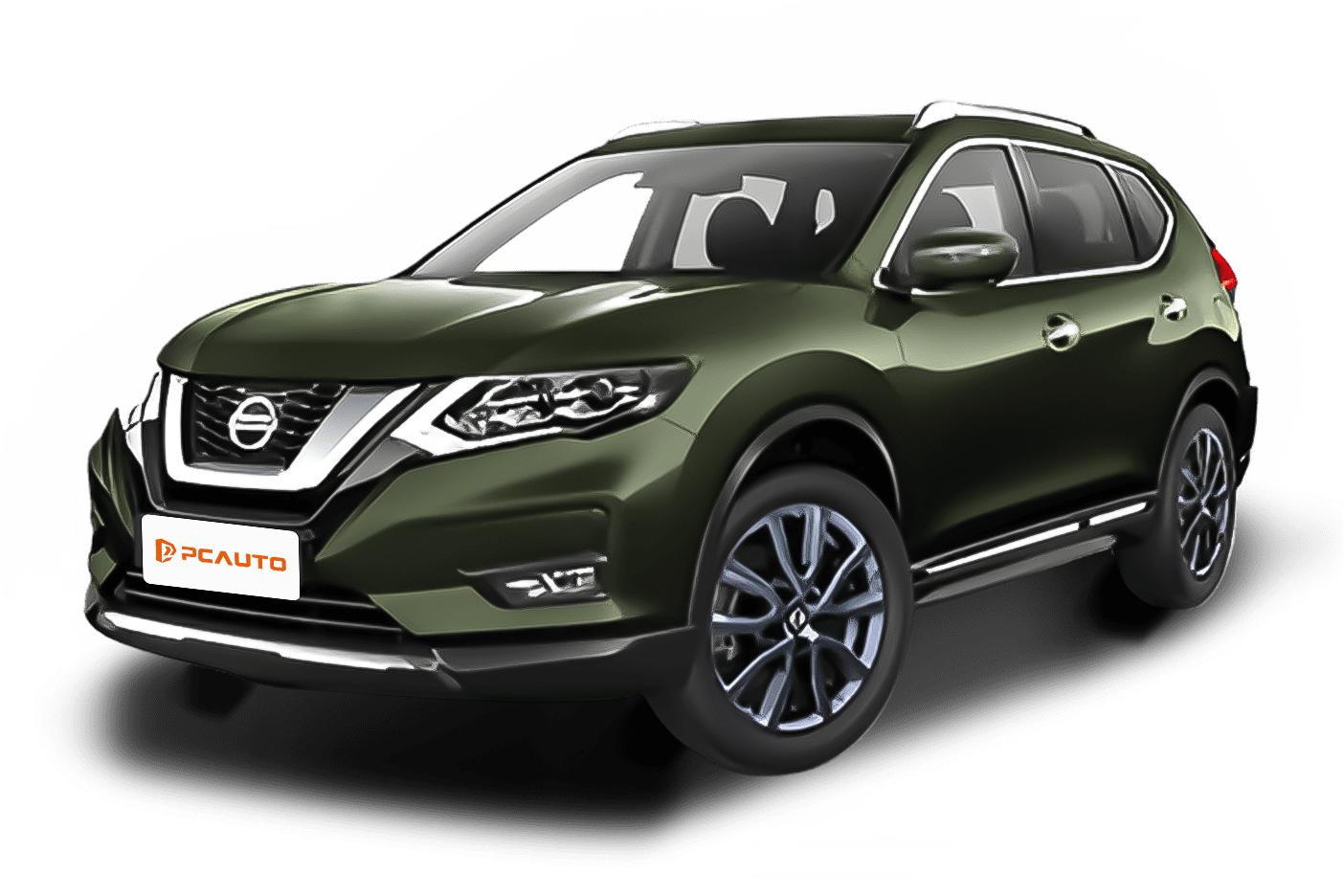
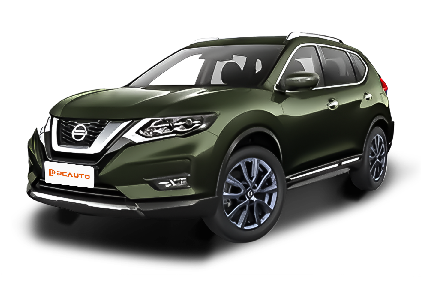
2023 Nissan X-Trail public is a 7-seater C-Segment SUV designed primarily for family use, focusing on flexible space, balanced configurations, and comfortable tuning to meet the needs of family users.
5
Rank in SUV
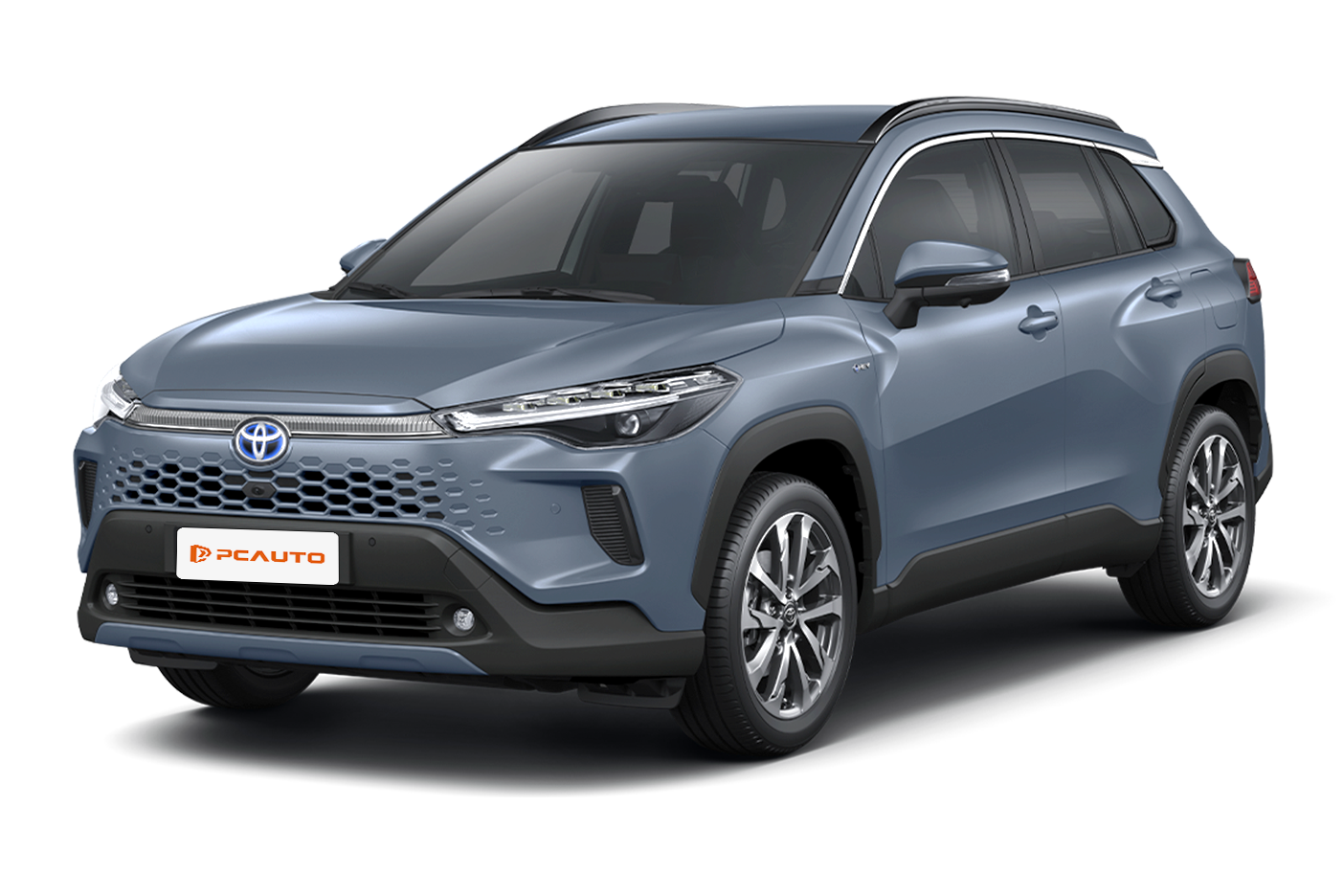
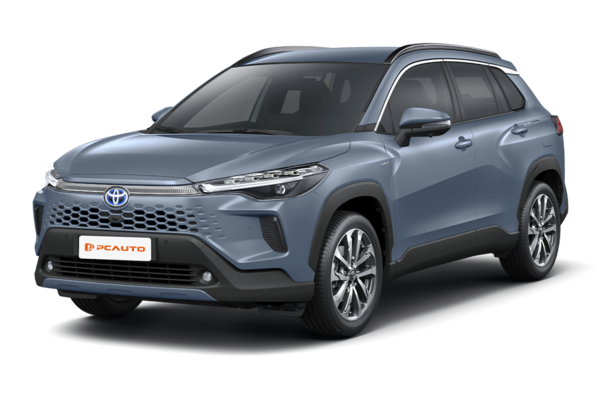
2025 Toyota Corolla Cross 1.8 V, as a mid-cycle facelift compact SUV for family use, balances durability and cost-effectiveness, with practical space and rich configurations, making it suitable for daily family commuting.

7
Rank in SUV
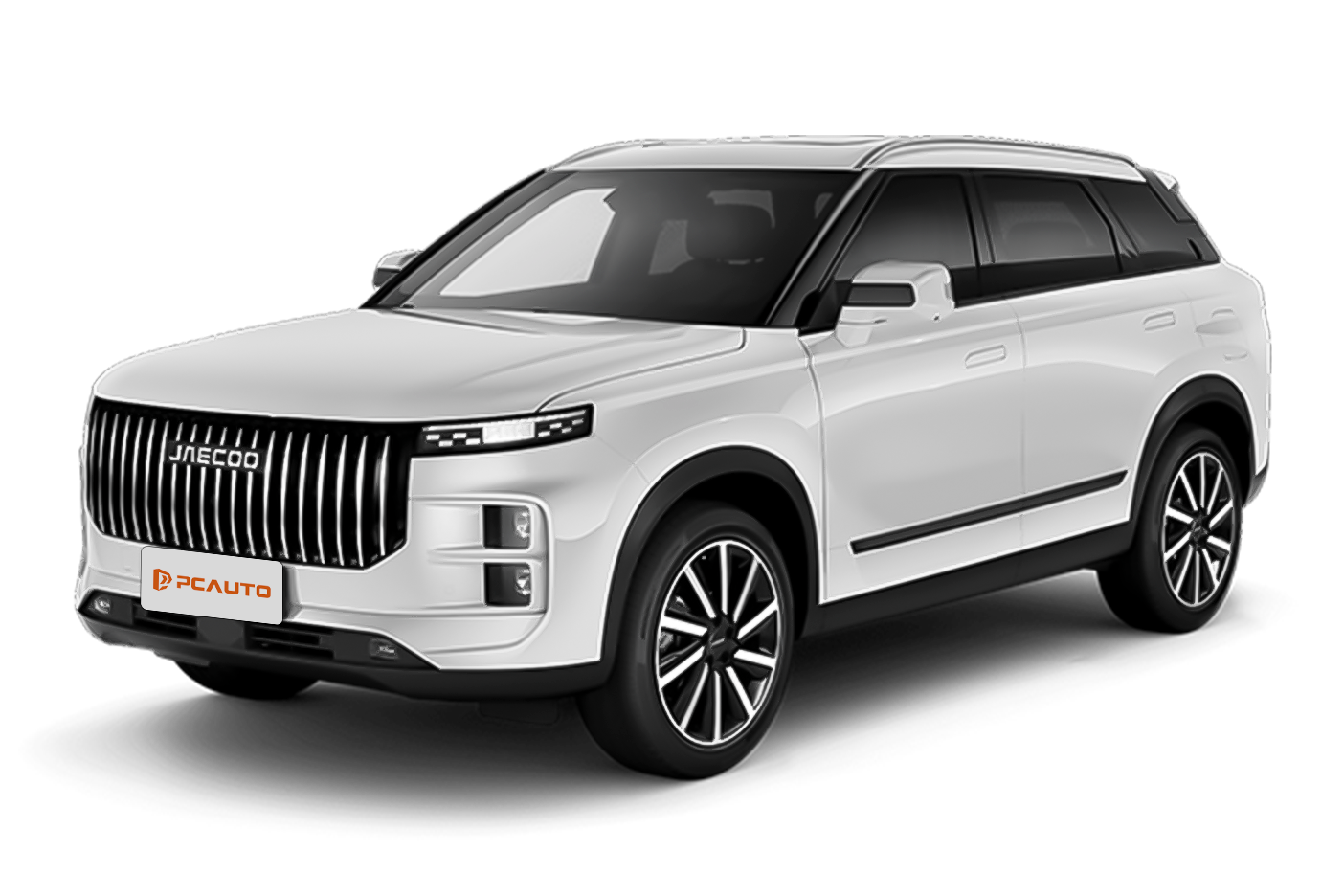
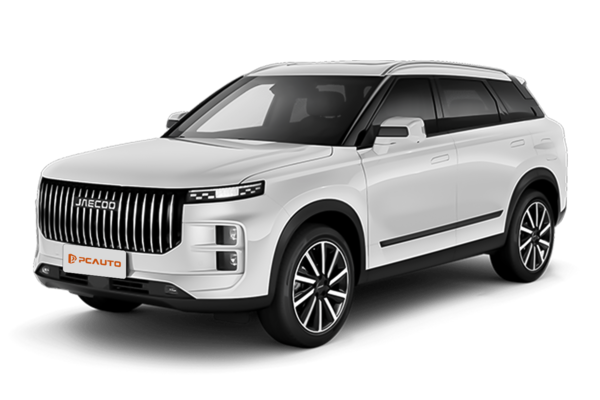
2025 Jaecoo J7 PHEV 2WD is a C-segment SUV in the 150,000 yuan class, featuring a comprehensive power of 347PS + 106km pure electric range as its core, with rich configuration, practical space, balancing household use and driving pleasure.
17
Rank in SUV
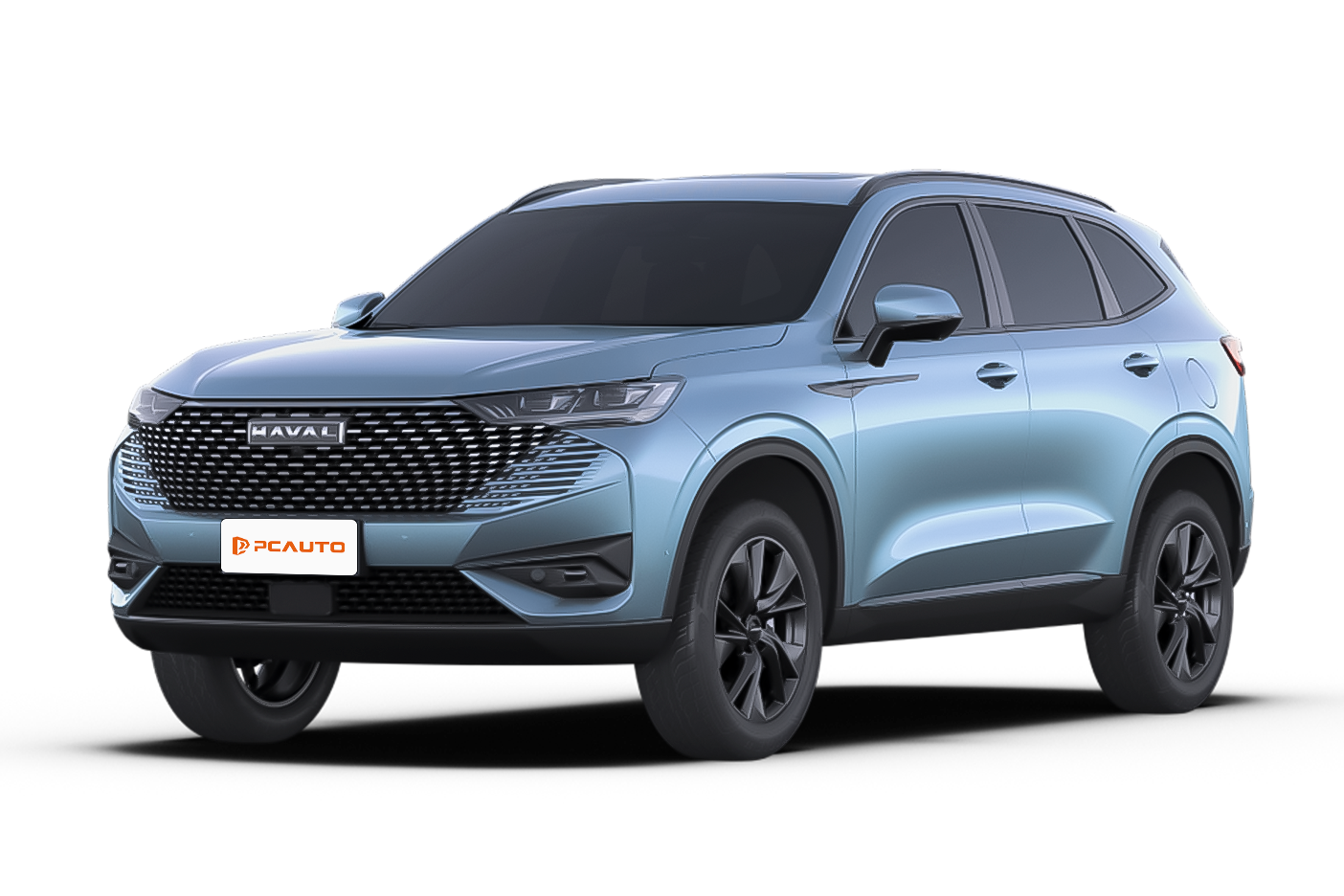
2024 HAVAL H6 HEV is a C-segment SUV, the preferred choice for Malaysian families, combining 243PS strong performance with 5.8L low fuel consumption, spacious interior, and full-featured intelligent safety.