

Citroen DS7 2020 Review

 Share
Share
 Segment
 Body Type
 Capacity(L)
 Engine Power(PS)
 Transmission
 Driven Wheels
In Malaysia's C-segment SUV market, the price range of RM200,000 to RM300,000 has always been a fiercely contested territory between joint-venture brands and entry-level luxury models — consumers seek both practicality in size and space, as well as richness in features, while occasionally yearning for unique design recognition. The 2020 DS7 Crossback 1.6L Turbo targets this very demand: entering the market with the distinctive design language of the French brand, a 165PS turbocharged engine, a 5-year/120,000 km warranty, and a premium 14-speaker audio system. This time, through a static experience and dynamic test drive, we aim to verify if it can stand out as the choice for family users who prioritize individuality and refinement in an otherwise highly homogeneous segment.
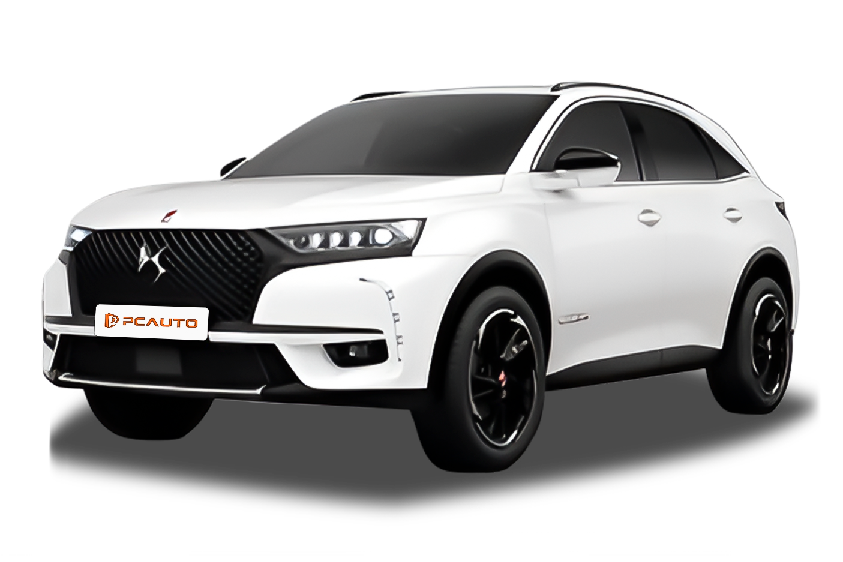
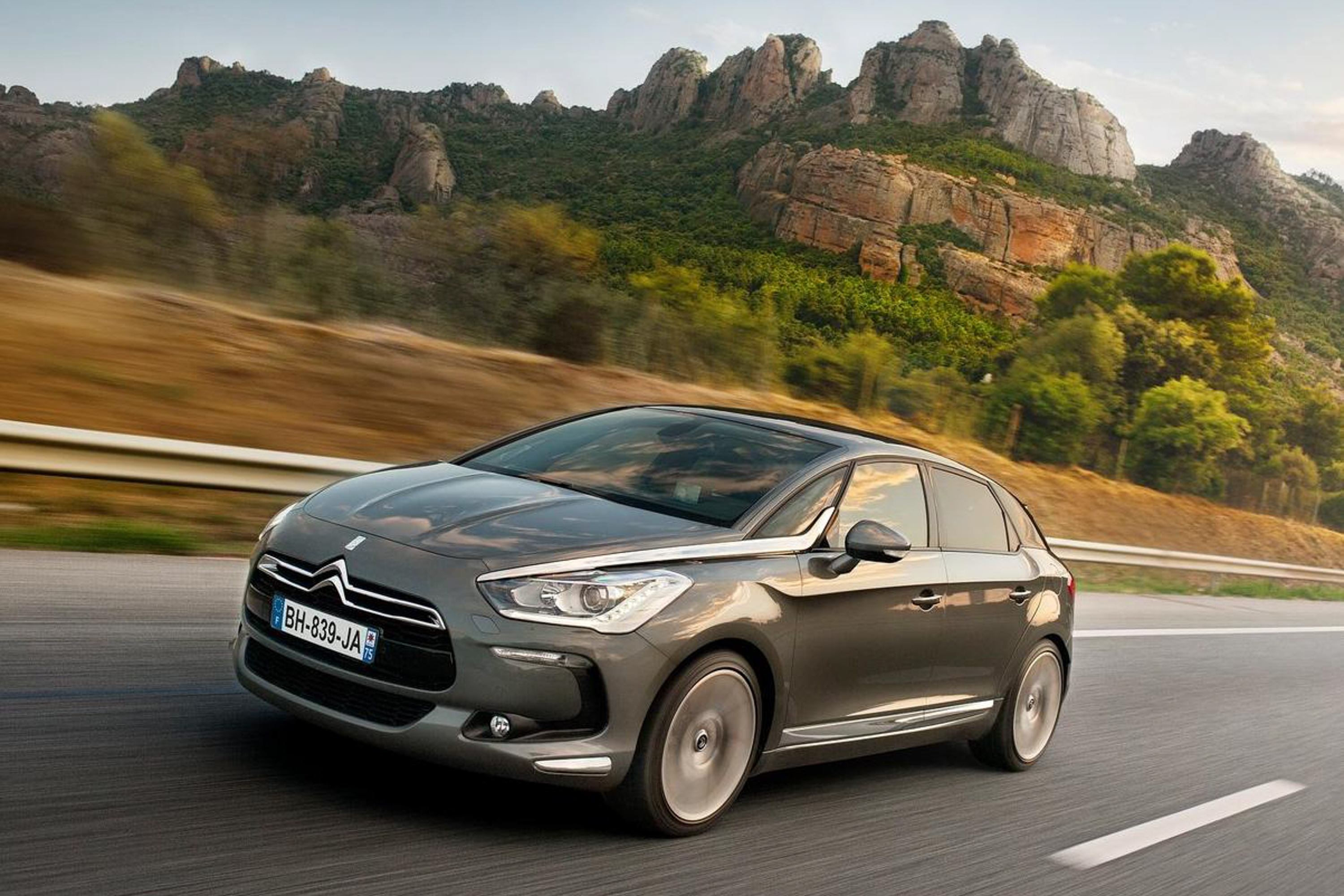
Approaching the DS7 Crossback, the most immediate impression is that its design does not emphasize the ruggedness traditionally associated with SUVs — the hexagonal grille at the front connects to the LED headlights on both sides with chrome accents, and the "Paris Light" rotating modules inside the headlights are the highlight; when unlocking the vehicle, they slowly rotate and light up, offering a level of recognition far exceeding the commonly seen matrix-style headlights in this class. The body side features sleek lines running from the hood to the slightly arched waistline at the rear, complemented by 19-inch multi-spoke wheels, reducing the bulky feel of an SUV and adding the elegance of a crossover. The LED taillights at the rear adopt DS's signature "3D diamond" light effect, which is highly recognizable when illuminated at night; the chrome trim on the rear bumper and the dual exhaust outlets add a touch of sportiness to the vehicle.
Sitting inside, the interior of the DS7 Crossback uses high-quality materials: most areas of the center console and door panels are wrapped in soft leather, with hardly any hard plastic where your hands commonly touch. The 12-inch central touchscreen is angled towards the driver, features a clear operating logic, and is compatible with Apple CarPlay and Android Auto; the fully digital instrument panel adjusts themes based on driving modes and provides information such as speed, RPM, and navigation, maximizing practicality. The configuration has numerous highlights: the front seats support electric adjustments and come with heating functions; the dual-zone automatic climate control has independent air vents for both the front and rear rows, and the rear row is equipped with a 220V power socket, convenient for charging electronic devices during long trips. Most surprisingly, the 14-speaker Focal audio system provides rich mid-range and textured bass, ensuring a great experience for listening to pop music or the radio daily.
In terms of space, the DS7 Crossback has a wheelbase of 2738mm, making it one of the top options in its class. Once the front seat is adjusted to the comfortable driving position for a driver of 175cm, there is still a two-fist space for legroom in the rear, with about one fist space for headroom, so even with three adults seated in the back, it doesn't feel cramped. The trunk offers a standard capacity of 555L, which can easily accommodate two 28-inch suitcases and a carry-on bag; the rear seats support a foldable configuration, which extends the capacity to 1752L (although the official data does not specify this, practical experience shows it can accommodate a baby stroller or a foldable bicycle). Storage options are also well-thought-out: the door pockets can hold two large bottles of mineral water, the central armrest box has enough depth, and there are two USB ports and a wireless charging pad in the front row, ensuring there is space for daily essentials.
The 1.6L Turbo engine in this test drive has a maximum power output of 165PS and a maximum torque of 240N·m (not officially stated, but the actual experience is consistent with the PSA engine of the same displacement), paired with an 8-speed automatic transmission. The power response at startup is not particularly aggressive, but once you press the accelerator, the turbo engages promptly, delivering maximum torque at 1400rpm. When driving in urban areas or overtaking, you don’t need to press the accelerator hard to get sufficient power. When switched to sport mode, the gear shift delay from the transmission becomes longer, the throttle sensitivity improves, and the push-back feeling during acceleration is more pronounced, making highway overtaking also very easy. However, during low-speed crawling, the transmission occasionally presents slight jerking, a common characteristic of AT transmissions, which does not significantly affect daily driving.
In terms of handling, the DS7 Crossback has a precise steering wheel with minimal dead zone. The steering feels light at low speeds and becomes heavier at high speeds, giving the driver enough confidence. The chassis adopts a front MacPherson and rear multi-link independent suspension, and its tuning leans towards comfort – when passing over speed bumps or potholes, the suspension quickly absorbs most bumps, avoiding harsh impacts; when cornering, the vehicle's body roll is well-controlled and doesn’t feel loose despite its SUV's high center of gravity. The braking performance is commendable; the brake pedal offers a linear feel, neither too soft in the initial phase nor lacking stopping power in the later phase. During emergency braking, the car remains stable.
As for fuel consumption, we conducted a test on mixed road conditions: approximately 60km in urban traffic and 40km on highways. The final fuel consumption displayed was 7.8L/100km, which is not far off from the official figure of 7.5L/100km. For an SUV weighing 1.6 tons, this result is slightly above average among its peers. Noise control is also well-handled; at speeds below 80km/h, wind and tire noise are almost inaudible, and at highway speeds of 120km/h, wind noise becomes slightly noticeable but does not affect conversations or listening to music inside the car.
Overall, the key advantages of the 2020 DS7 Crossback 1.6L Turbo are clear: distinctive design, premium materials and features in the interior (especially the Focal audio system), enough space for family needs, with reasonable power and fuel efficiency. Compared to peers like the Toyota RAV4 or Honda CR-V, it may not have an advantage in terms of resale value, but it surpasses them in terms of quality and equipment. Compared to entry-level luxury SUVs like the BMW X1, it is more affordable and offers more spacious interiors.
This car is most suitable for two types of people: first, families who don’t want to follow the crowd and appreciate the distinctive design of French cars, need the space of an SUV, and value the quality of daily use; second, young couples who pursue comfort and configurations, with preferences for details like audio systems and seat heaters, and occasionally take family members on short trips. If you don’t prioritize brand resale value but are more concerned with having a “comfortable driving experience and a quality interior,” then the DS7 Crossback is a good choice. It’s not a car without weaknesses, but its strengths perfectly cater to the “seeking difference” demands of its niche market.
Citroen DS7 Car Compare
Citroen DS7 Loan Calculator
More Citroen Reviews
Cars With Similar Price And Features
8
Rank in SUV
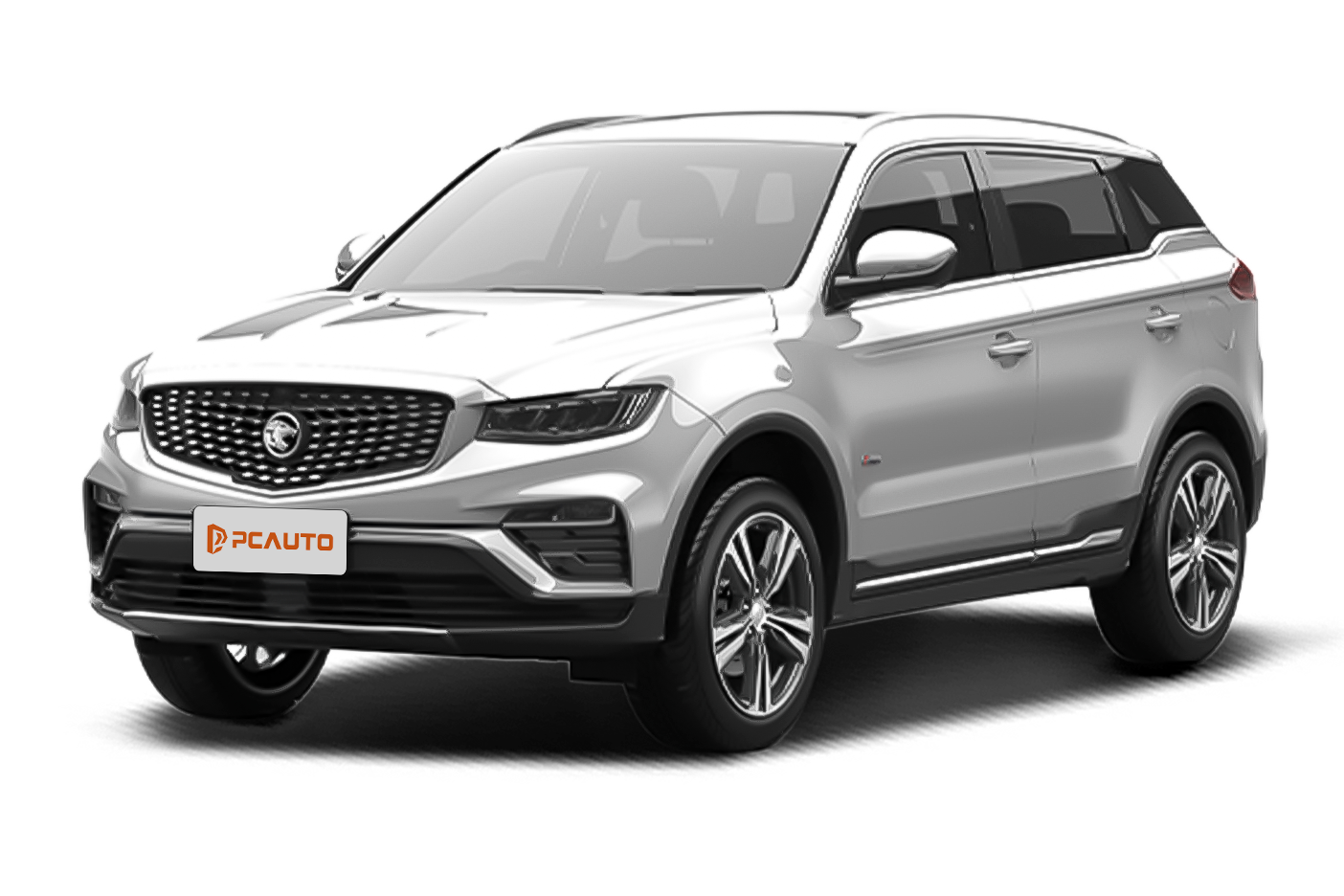
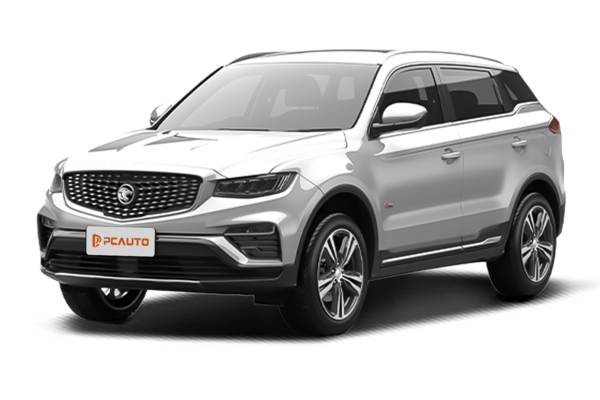
2026 Proton X70 1.5 TGDi Executive focuses on upgrading to a four-cylinder engine, practical configurations, and affordable pricing. It balances family commute practicality with value for money, making it a sensible choice among similarly priced C-segment SUVs.
10
Rank in SUV
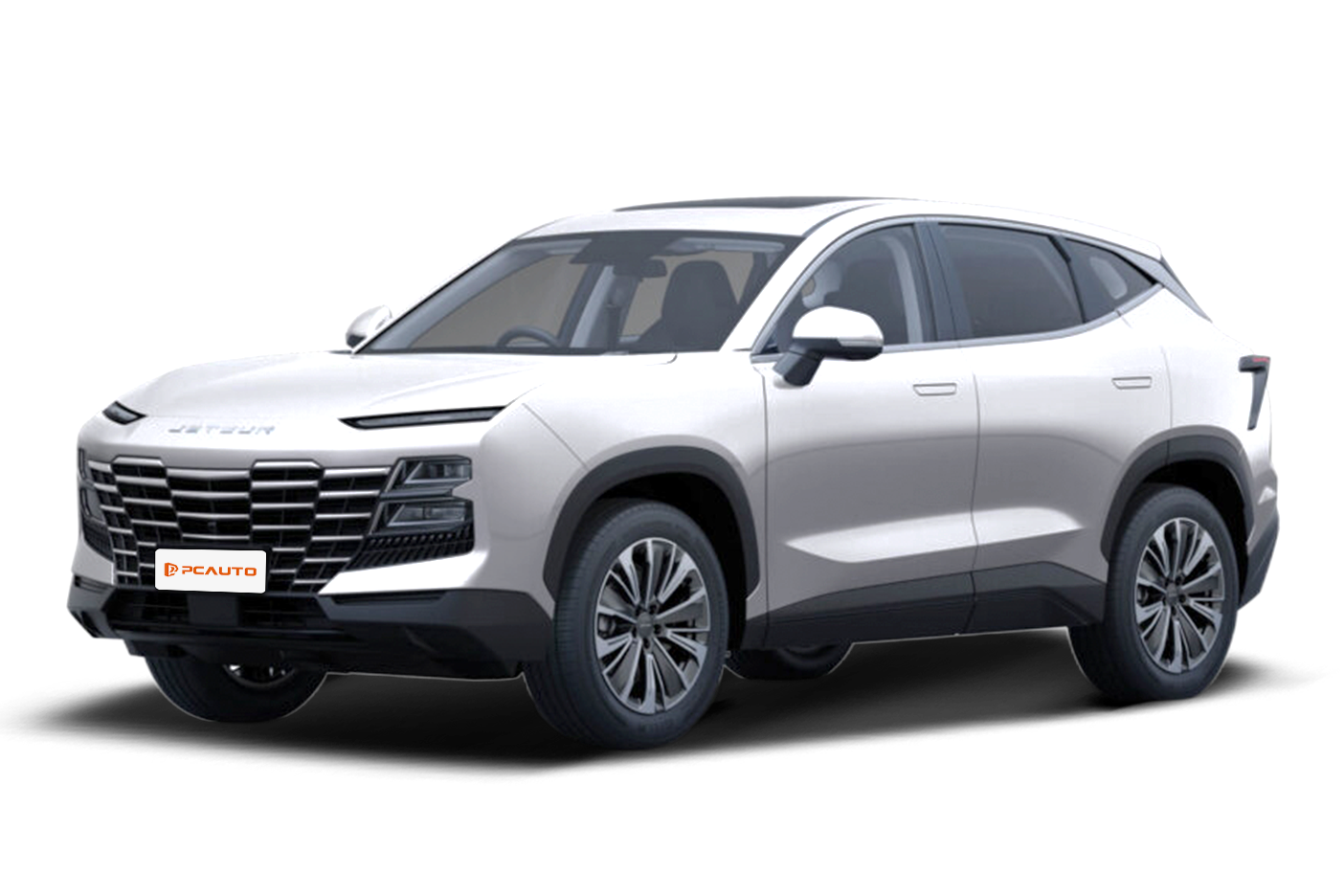
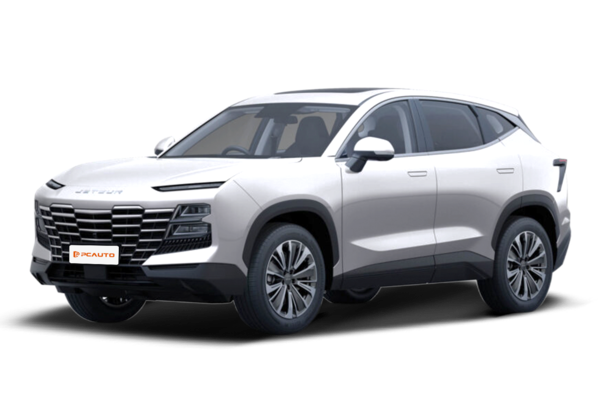
Jetour Dashing 1.5 TCI Comfort 2025 features a 2720mm long wheelbase and a 10.25-inch dual screen as its core, focusing on balanced cost performance to meet family practical needs.
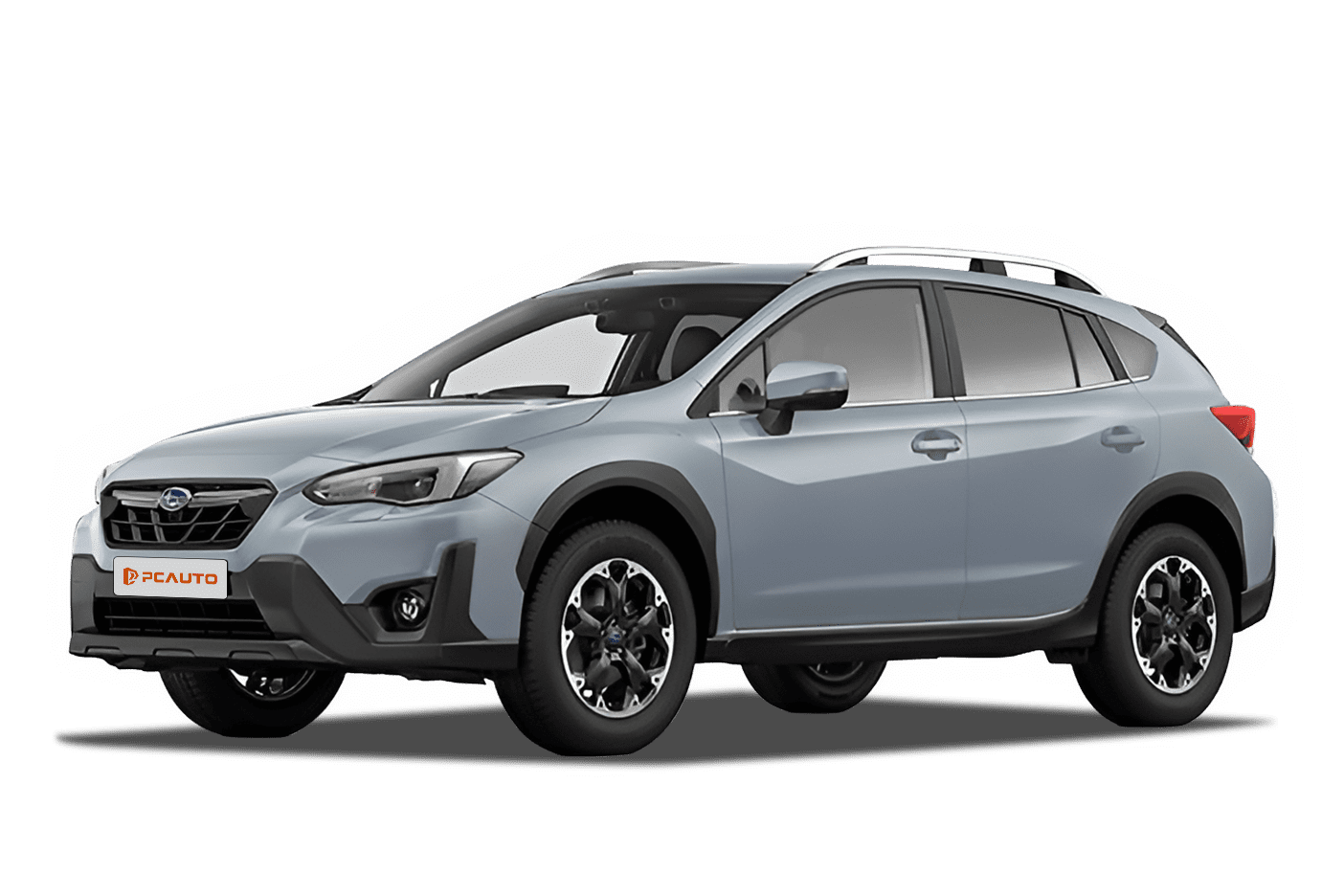
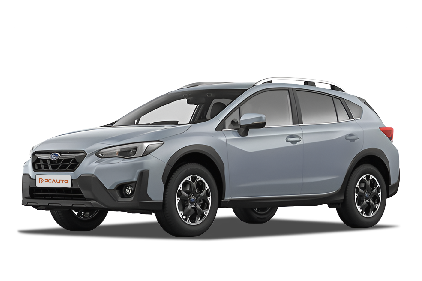
The 2021 Subaru XV 2.0i is a model targeting the C-segment crossover market, equipped with standard all-wheel drive and high safety features, balancing off-road capability and handling, with practical space.

2021 Hyundai Kona 2.0 Standard, as a high-value entry-level compact SUV, retains essential safety and practical features with an affordable price, meeting the daily commuting and loading needs of families.