
Ferrari 12 Cilindri Review

 Share
Share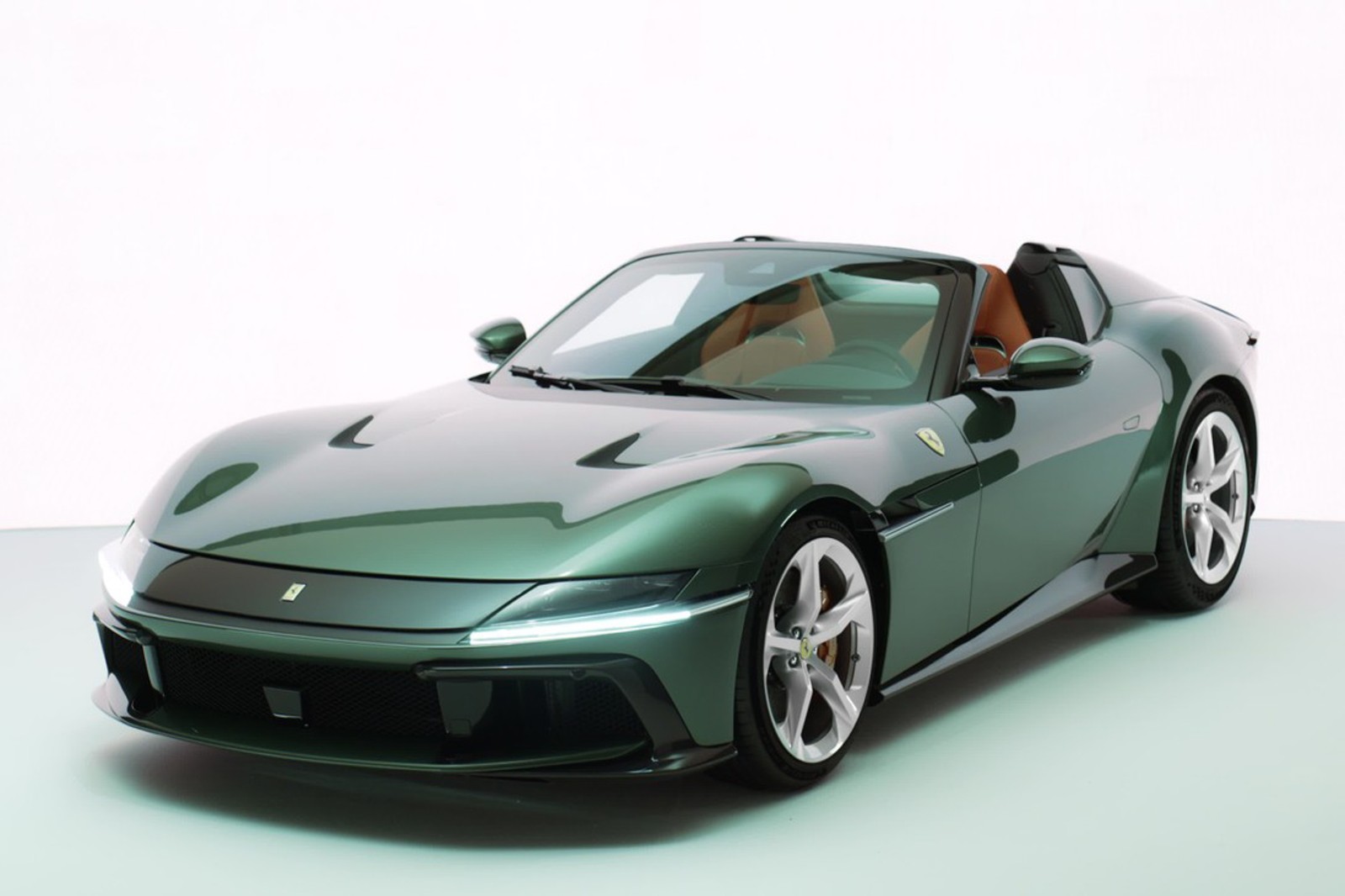
 Segment
 Body Type
 Capacity(L)
 Engine Power(PS)
 Engine Torque(Nm)
 Transmission
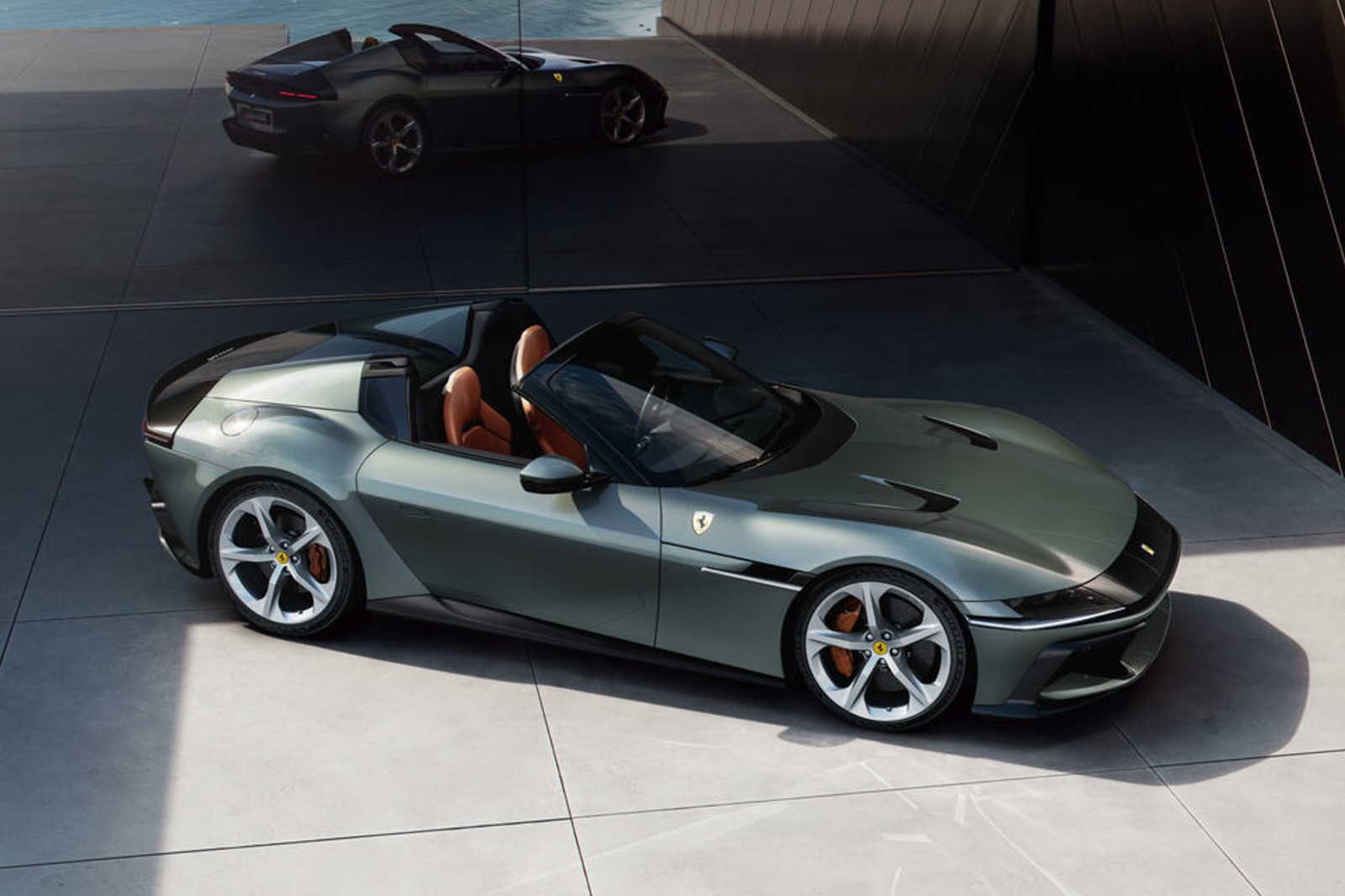
In the global supercar market where electrification is accelerating, large-displacement naturally aspirated models are becoming increasingly rare, and the arrival of the Ferrari 12 Cilindri precisely fills the demand gap for V12 naturally aspirated pure fuel sports cars—this is not only Ferrari's tribute to traditional fuel supercars but also a choice that balances extreme performance and pure driving experience with its factory output of 830 horsepower and 0-100 km/h acceleration in 2.9 seconds. This time we obtained the hardtop version and the Spider convertible version of the test cars, with the primary purpose of evaluating the performance of this 6.5L V12 naturally aspirated engine in daily and track scenarios, as well as assessing whether the new car continues Ferrari's flagship standards in design and configuration.
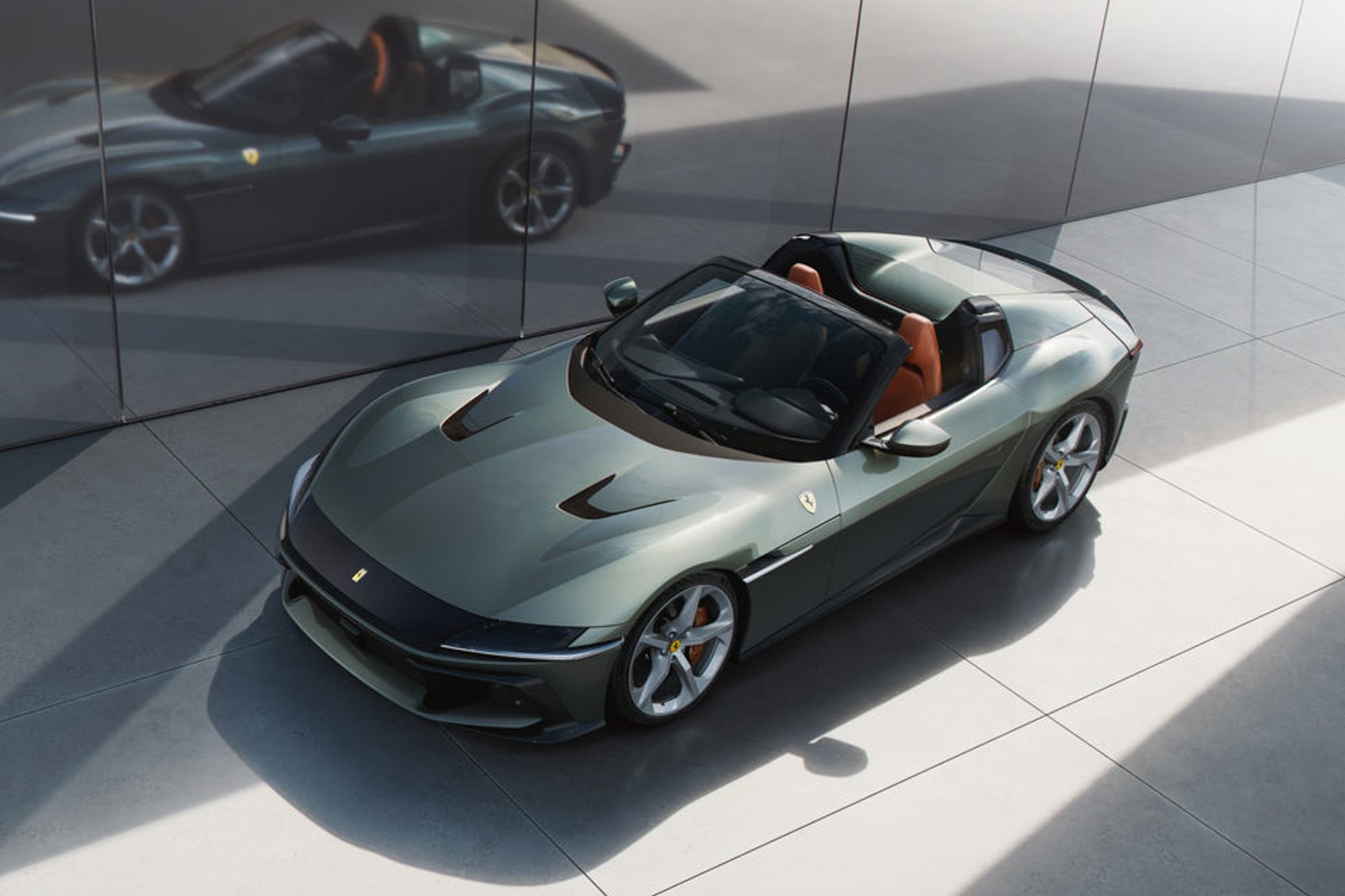
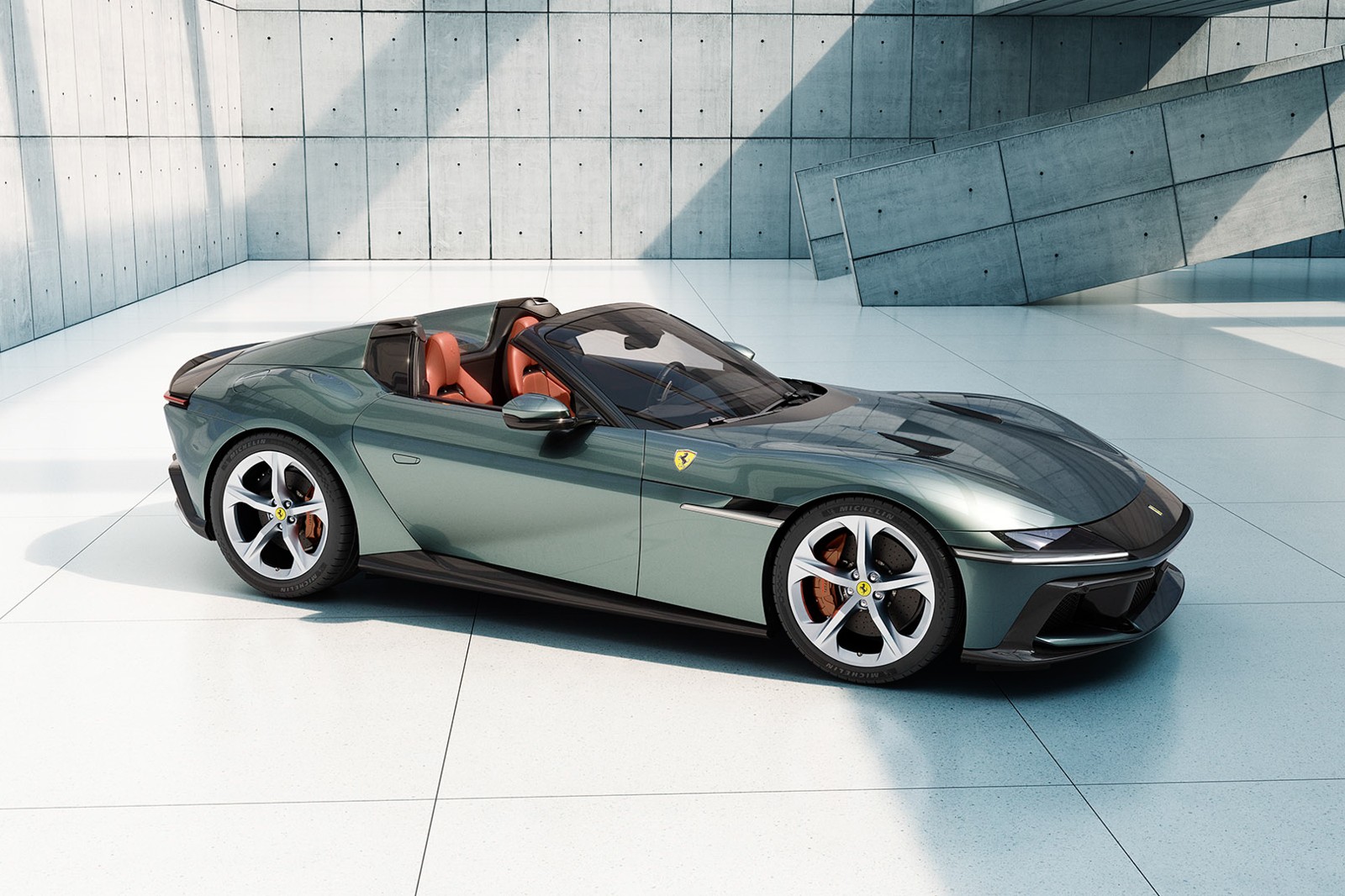
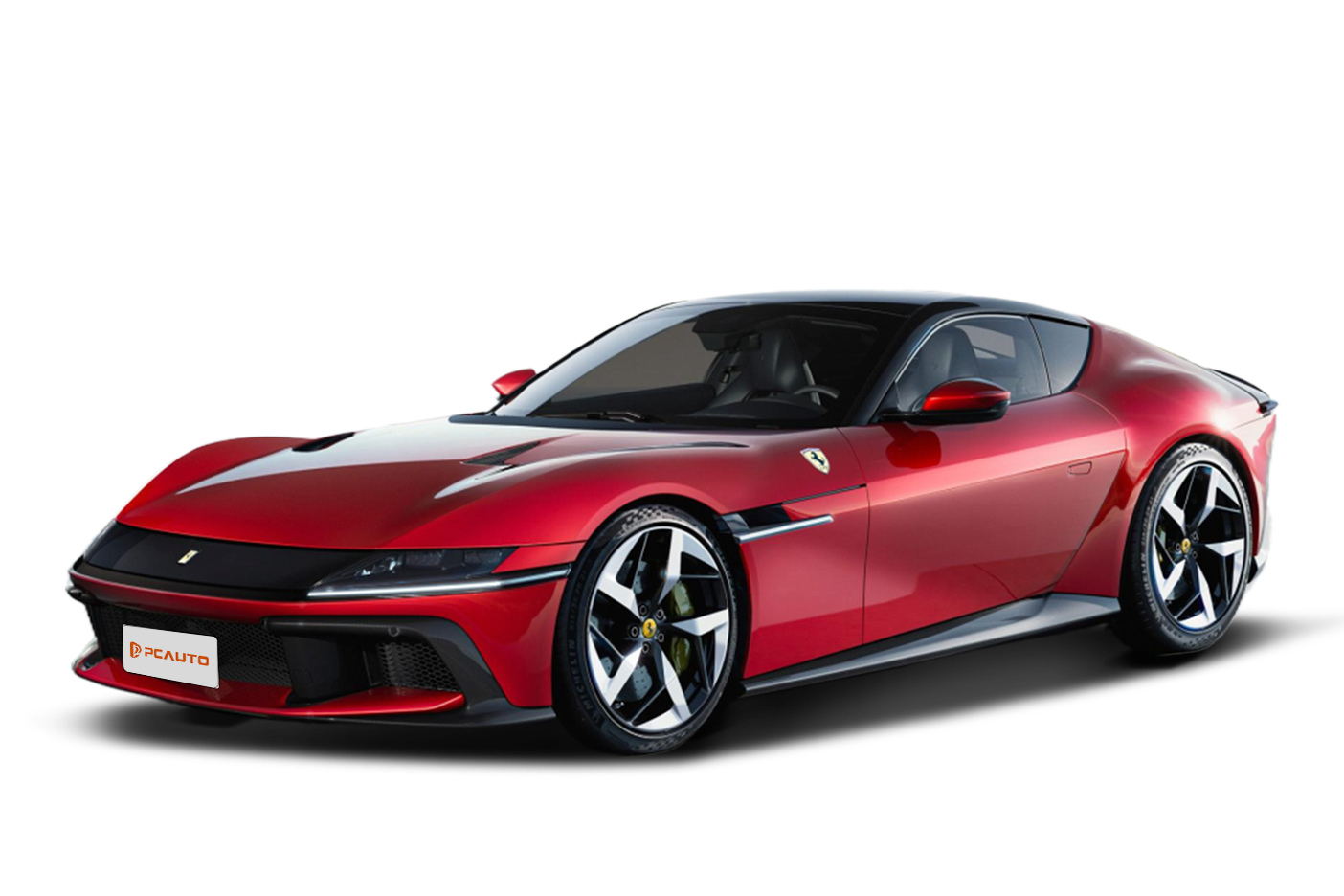
The exterior of the hardtop 12 Cilindri retains Ferrari's classic front-mid engine proportions. The front grille uses a honeycomb design, with slender LED daytime running lights outlining the muscular lines of the front fenders, giving it a highly recognizable look. The side profile features smooth lines, with the waistline extending from the front fenders to the rear and narrowing near the rear wheel arches. Combined with 21-inch matte alloy wheels and wide tires measuring 275/35 R21 at the front and 315/35 R21 at the rear, the car exhibits strong visual aggression. The rear features quad round exhausts, a hallmark of V12 models, with a continuous LED taillight design that, when lit, enhances the sporty atmosphere alongside the diffuser. The Spider version has adjustments on the roof portion, equipped with a soft top that can open and close in 14 seconds at speeds below 45 km/h. When the top is down, the vehicle's lines appear even more elongated.
Sitting inside the car, the 15.6-inch full LCD instrument panel occupies almost the entire view in front of the steering wheel. The interface can switch between sport, track, and other modes, displaying core information such as RPM, speed, and tire pressure. The center control area is driver-focused, with a 10.25-inch touchscreen tilted 10 degrees towards the driver. The operational logic is simple and supports CarPlay and Android Auto. The seats are made of Alcantara and leather materials with electric adjustment functions that fit the body's contours precisely. The 15-speaker Burmester audio system performs with stability in the hardtop version and maintains clear sound quality even when the Spider version’s top is open. In terms of storage space, the central armrest box can accommodate a phone and a wallet, and the door storage pockets can hold two 500ml water bottles, which is sufficient for a two-seat supercar.
Regarding body dimensions, the hardtop and Spider versions both measure 4733×2176×1292mm, with a wheelbase of 2700mm. The front-row seating provides ample space for drivers of up to 180cm, with more than 10cm of headroom and legroom. The passenger space is symmetrical to the driver's seat, ensuring comfort even on long trips. The lateral support of the seats secures the body firmly during intense driving, while maintaining a degree of softness for everyday driving.
The moment the engine starts, the roar of the 6.5L V12 naturally aspirated engine is immediately transmitted to the cabin—the low rumble at idle carries a distinct mechanical texture. Pressing the accelerator causes the RPM to climb; after reaching 5000 RPM, the exhaust tone becomes high-pitched, and the scream at the 9250 RPM redline is truly exhilarating. The output of 830 horsepower and 678 N·m torque is extremely direct in sport mode, with slight rear-wheel slip at launch. The 0-100 km/h acceleration was tested at 2.9 seconds, consistent with the official data. Mid-range acceleration (80-160 km/h) takes only 3.8 seconds, and pressing deeper on the accelerator during passing delivers a strong pushback sensation. The 8-speed DCT gearbox shifts in just 0.1 seconds in track mode, with precise downshift rev-matching logic. In daily mode, it remains smooth and well-suited for urban commuting.
In terms of handling performance, the front double-wishbone and rear multi-link independent suspension provide strong support in sports mode. The body roll is controlled within 3 degrees during cornering, and the steering wheel has almost no play, offering precision comparable to that of a race car. When dealing with road bumps, the suspension quickly filters out minor vibrations, and there is no harsh impact when crossing speed bumps or uneven roads. The hardtop version weighs 1560kg, which is 60kg lighter than the Spider version, making it more agile on the track. The Spider version's center of gravity is slightly higher due to the convertible design, but the chassis tuning remains solid, with stability unaffected during high-speed cornering.
In terms of fuel consumption, the hardtop version has a city driving test result of 18.2L/100km, highway consumption of 12.5L/100km, and a combined consumption of 15.5L/100km, consistent with official data. The Spider version, with its additional weight, has a slightly higher combined fuel consumption of 16.1L/100km. The braking system uses carbon-ceramic ventilated discs, achieving a 100-0km/h braking distance of just 32 meters with minimal heat fade after 10 consecutive brakes.
During daily driving, the cabin's sound insulation exceeds expectations—the hardtop version maintains wind and tire noise below 65 decibels at 120km/h. The Spider version experiences slightly increased wind noise when the top is down, but normal conversation is still possible below 100km/h. The electric seats feature adjustable lumbar support, reducing fatigue during long drives. The addition of rain-sensing wipers and automatic headlights enhances daily convenience.
Overall, Ferrari 12 Cilindri's core strengths lie in three aspects: First, the pure driving experience of its 6.5L naturally aspirated V12 engine, which is particularly rare in a market dominated by electric supercars. Second, its chassis tuning balances track performance and daily comfort, making it more suitable for everyday use compared to the Lamborghini Aventador SVJ. Third, the Spider version's convertible design meets consumer demands for individuality and flair. The hardtop version’s price of 4.7 million MYR offers better value compared to the McLaren 765LT (4.9 million MYR). Meanwhile, the Spider version, priced at 5.1 million MYR, targets users who desire a convertible experience.
This car is suitable for two types of people: first, supercar collectors who love the sound of large naturally aspirated engines and seek a pure driving experience; second, users who need a versatile supercar for both daily commuting and occasional track use. For consumers focusing on electrification and tech features, it may not be the best choice, but for those passionate about fuel-powered supercars, the 12 Cilindri is undoubtedly the ultimate option for now—it’s not just a supercar, but also Ferrari's final tribute to the V12 era.
Ferrari 12 Cilindri Car Compare
Ferrari 12 Cilindri Loan Calculator
More Ferrari Reviews
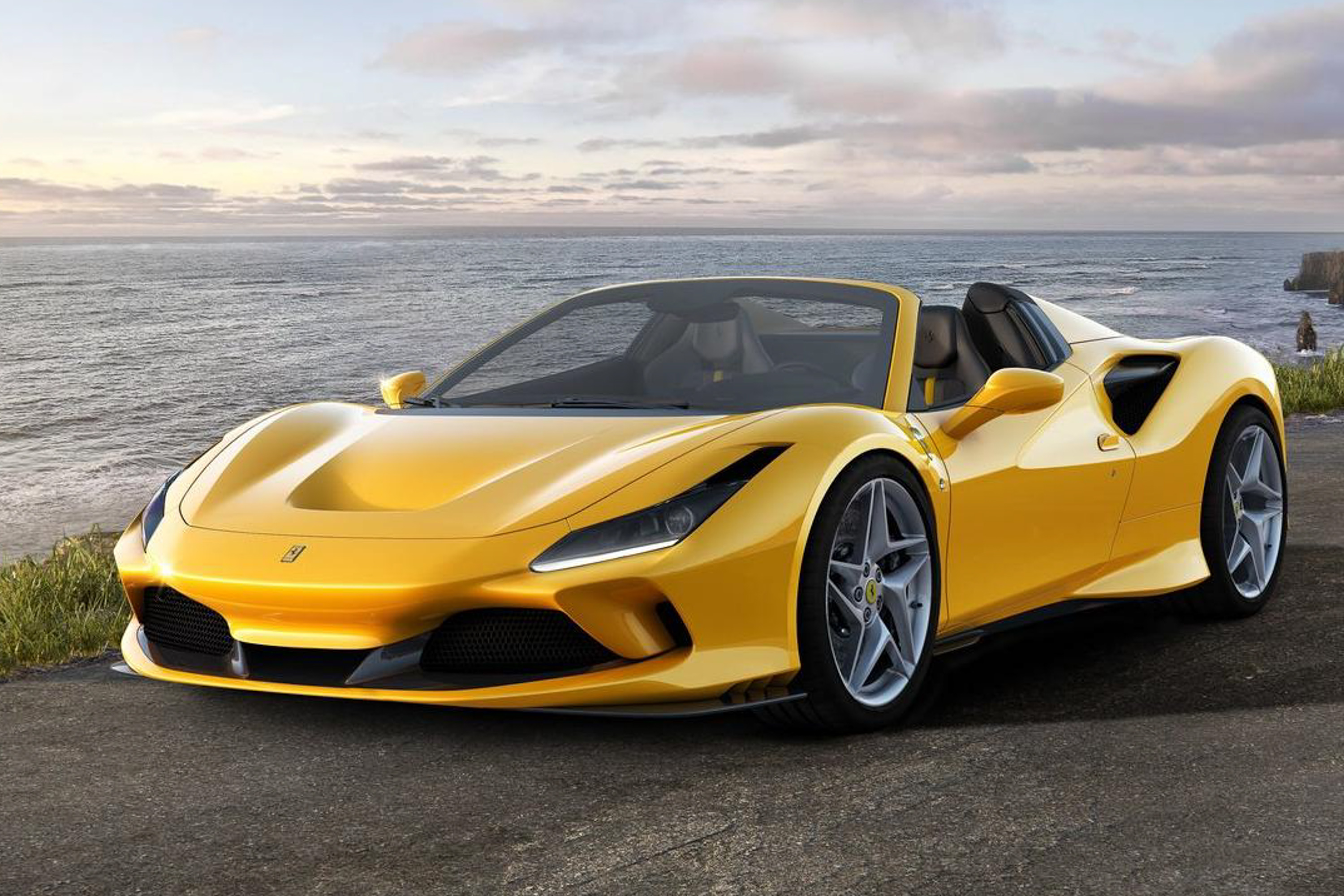
Cars With Similar Price And Features
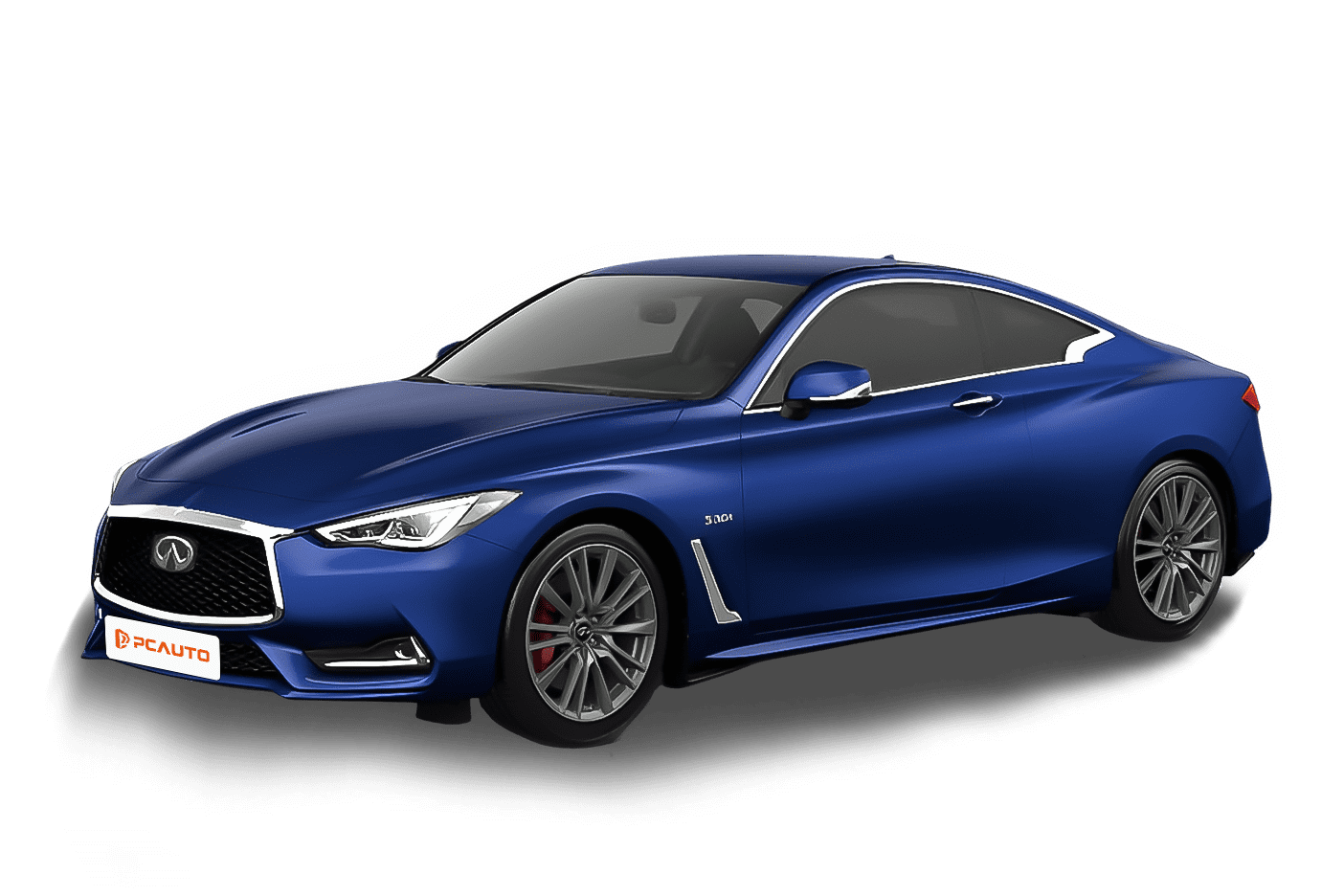
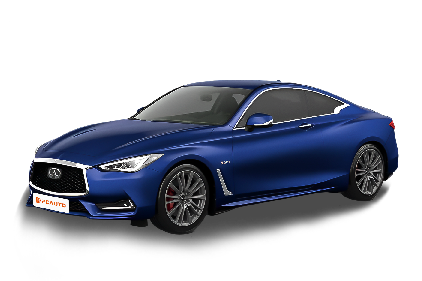
2017 Infiniti Q60 2.0t is a luxury coupe that balances sporty design and daily practicality, featuring a family-style exterior, BOSE audio system, and balanced power as its core selling points.
1
Rank in Coupe
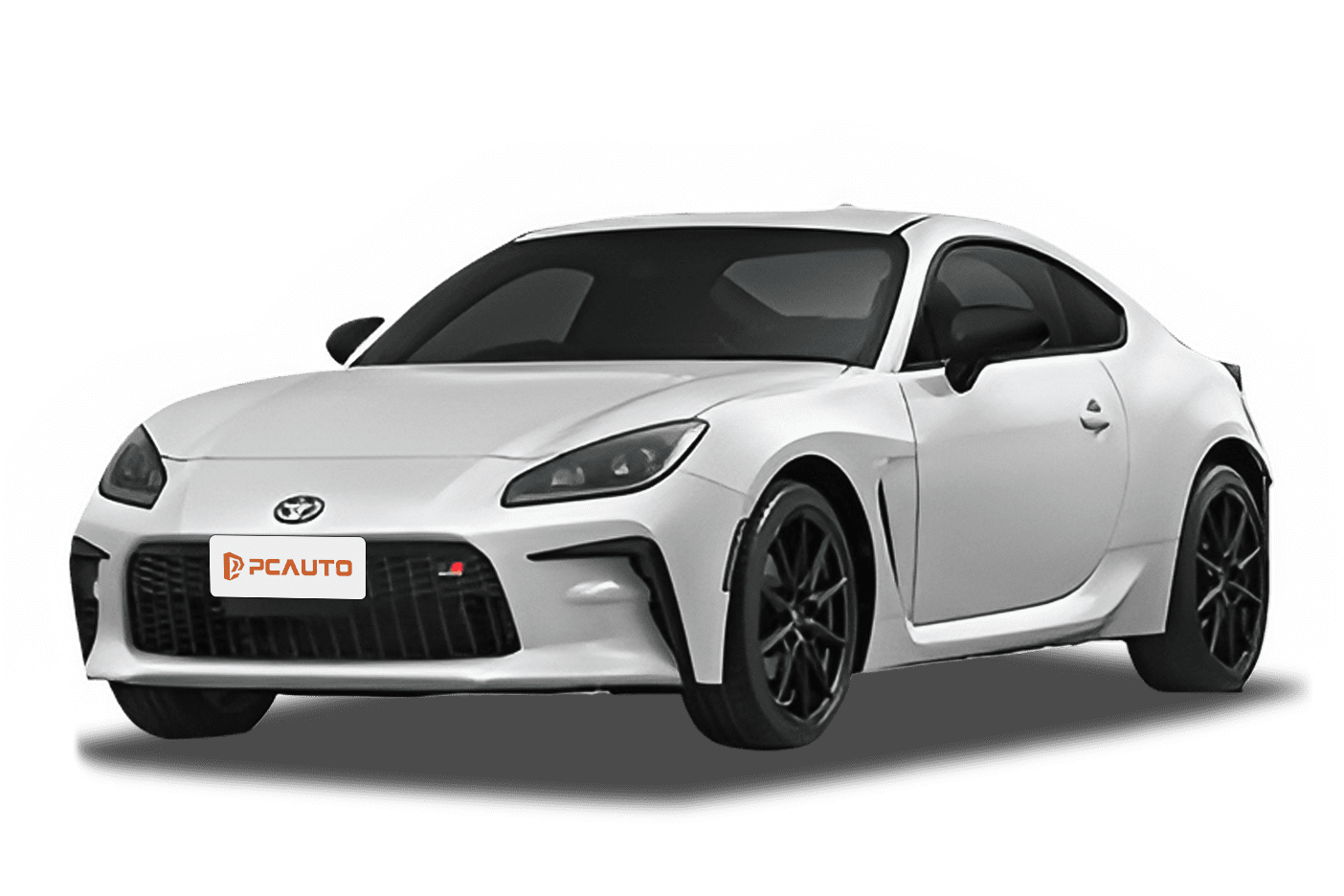
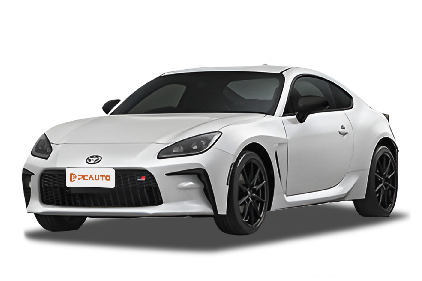
2023 Toyota GR 86 2.4 AT is a rear-wheel-drive sports coupe upgraded with a 2.4L naturally aspirated engine to address low torque issues, balancing daily commuting with pure driving pleasure.
10
Rank in Coupe
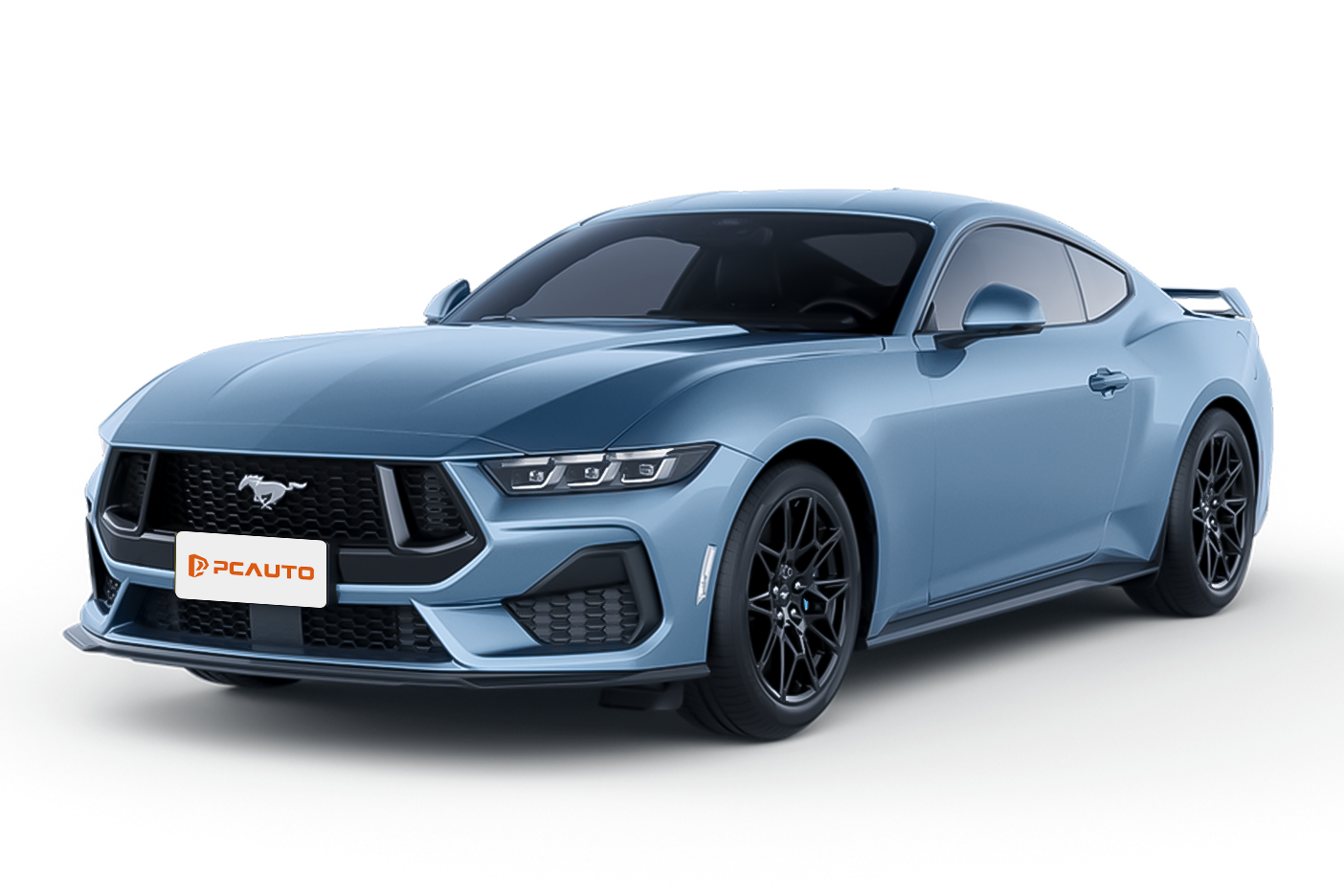
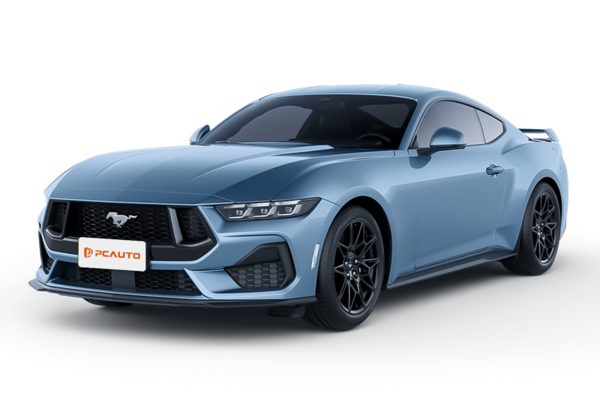
2018 Ford Mustang 2.3 EcoBoost retains the classic muscle car appearance with high cost performance, the 2.3T engine delivers 310PS horsepower, balancing performance and practicality for daily driving.
6
Rank in Coupe
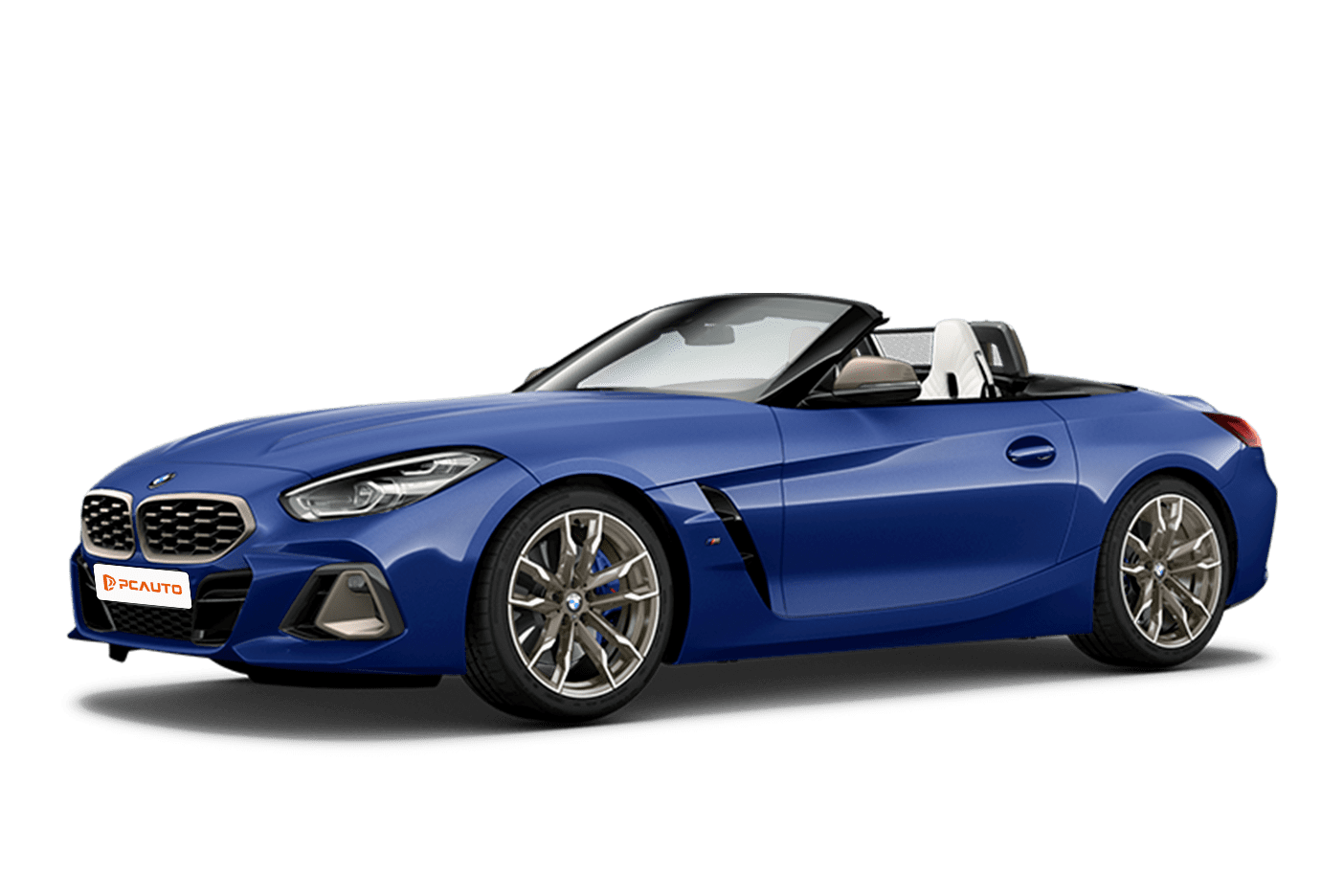
2023 BMW Z4 public, as a classic rear-wheel-drive convertible sports car, balances driving pleasure and daily practicality, with class-leading intelligent features and a compact body precisely meeting the needs of Malaysian users.