

Ferrari 812 GTS Review

 Share
Share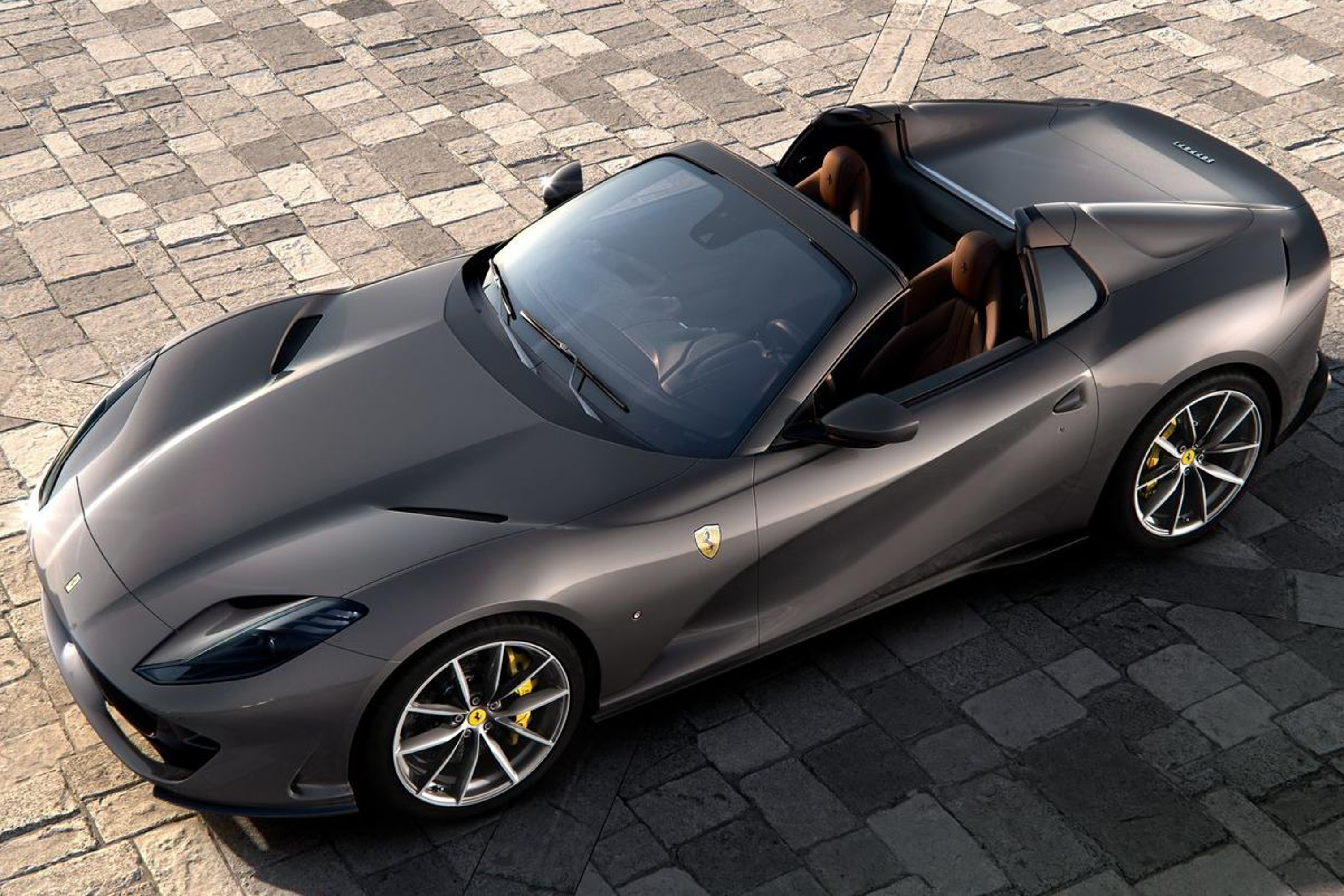
 Segment
 Body Type
 Capacity(L)
 Engine Power(PS)
 Transmission
 Driven Wheels
Recently in the supercar market, the 2020 Ferrari 812 GTS has continued to attract attention with its core label of "V12 Convertible" — in the trend of downsized turbocharging, naturally aspirated large displacement sports cars are already scarce, and the convertible version maximizes both driving pleasure and visual impact. This time, we got a test car, and the main goal is to verify its balance between daily driving and extreme performance, to see if this million-dollar supercar can truly combine a sense of ceremony with practicality.
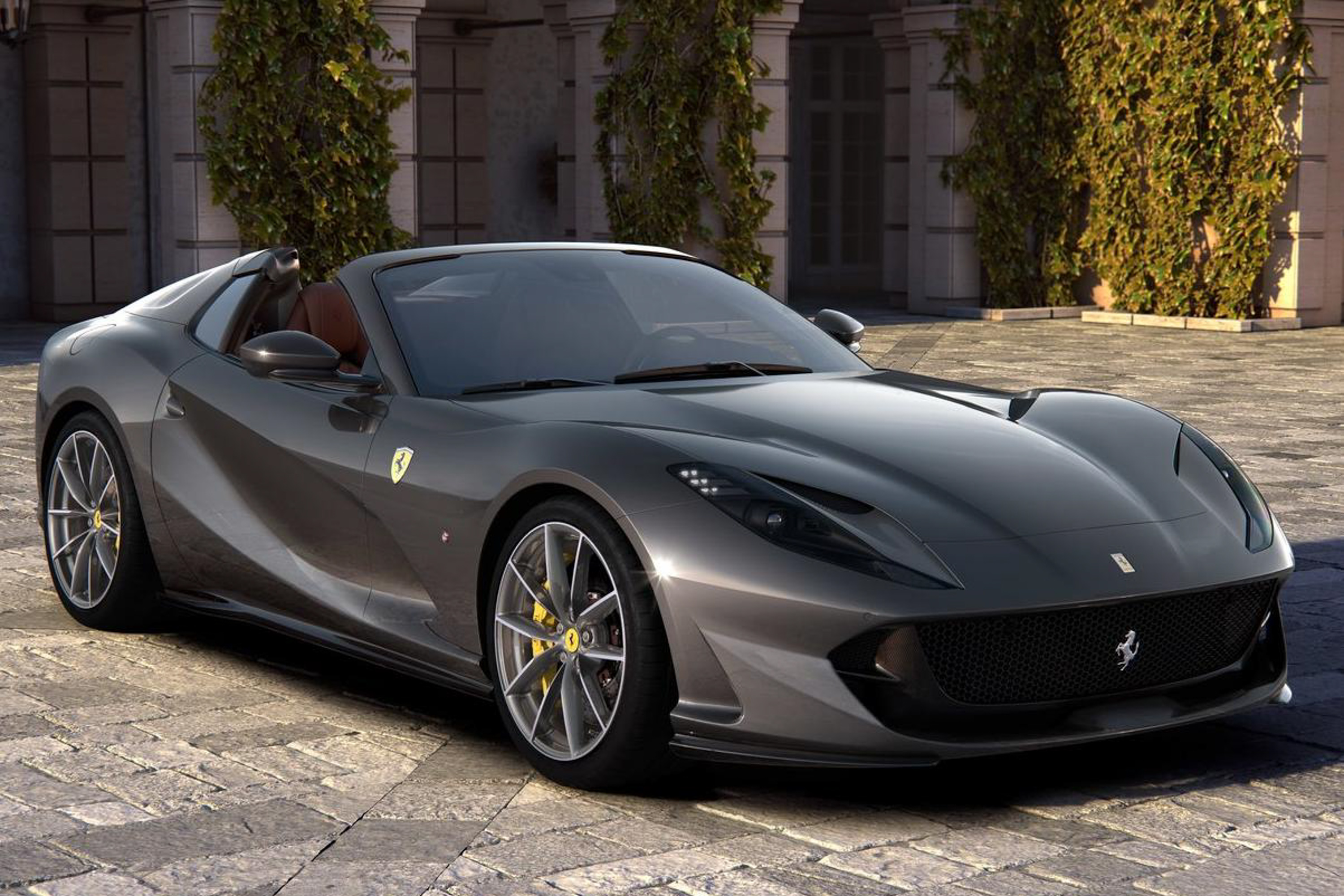
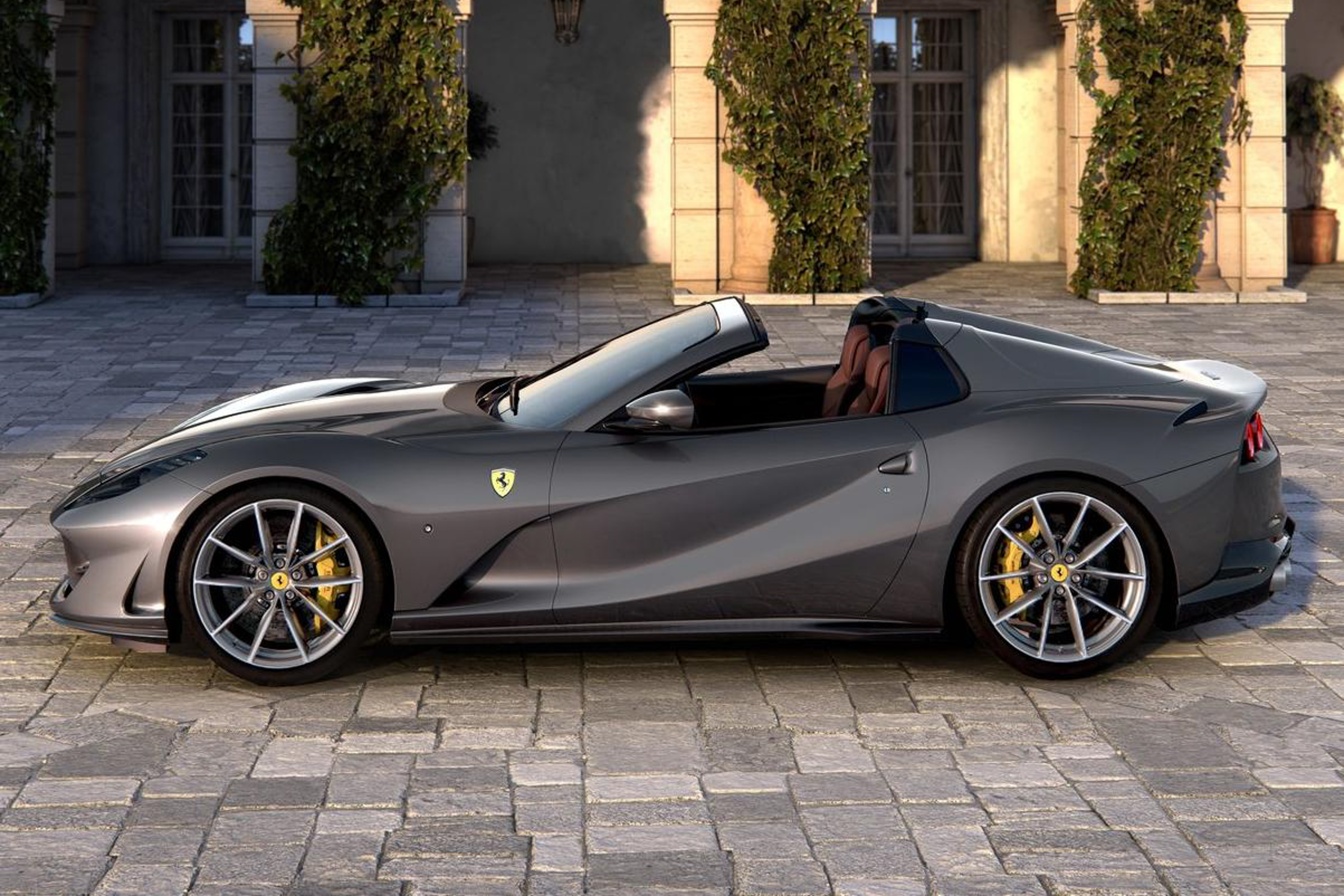
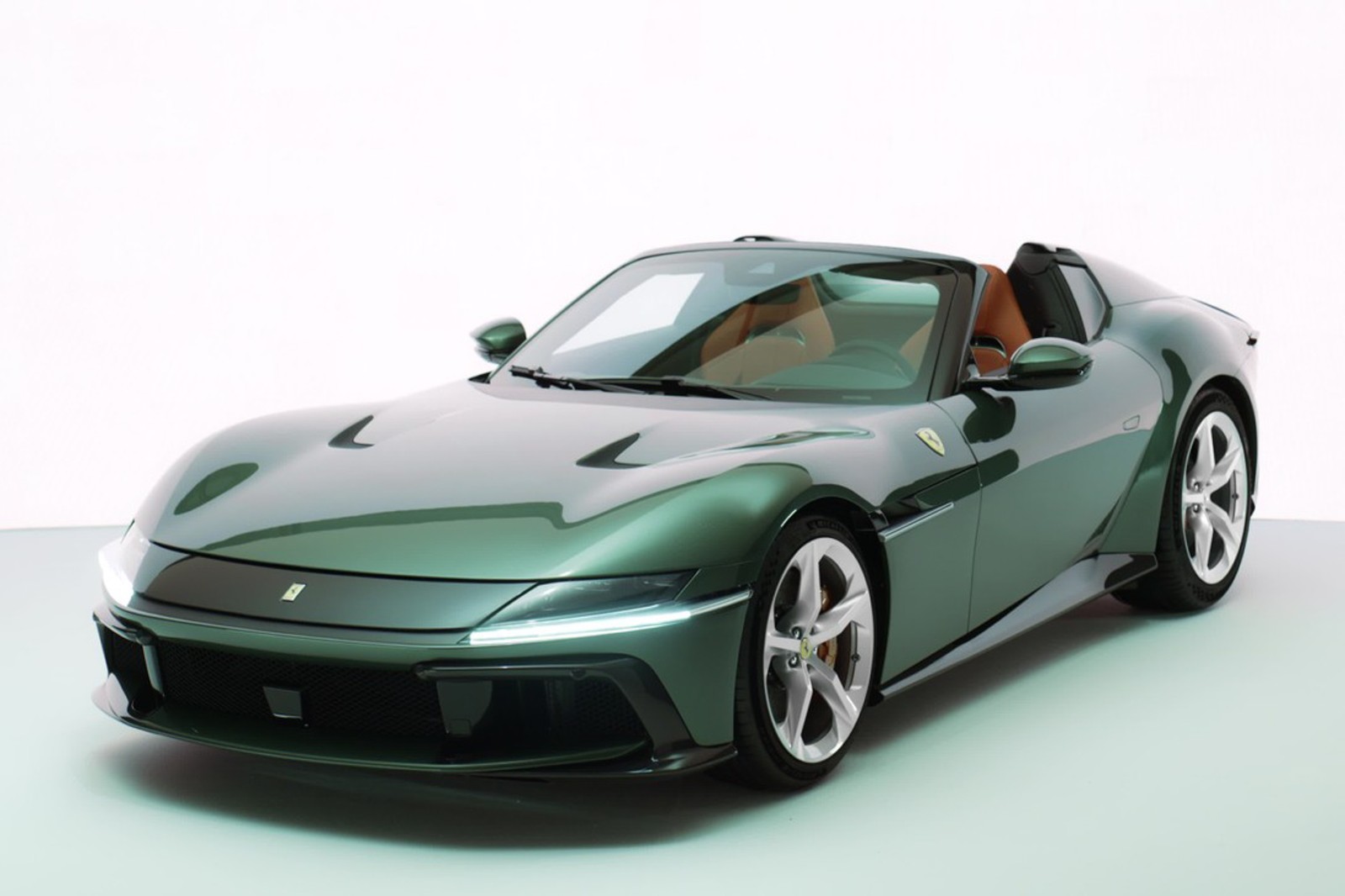
In terms of appearance, the 812 GTS maintains the sleek lines of the hardtop sports car. The front end carries on Ferrari's family design with a large front grille, paired with sharp LED headlights on both sides, ensuring high recognizability. The most eye-catching feature on the side of the car is the hidden hardtop convertible mechanism, which is almost identical to the hardtop version, the 812 Superfast, when closed. The lines extend from the A-pillar to the rear without unnecessary bumps. When opened, the convertible mechanism is stored in the recess behind the seats, a process that takes only 14 seconds and can be operated at speeds below 50 km/h. At the rear, the quad exhaust layout and diffuser design enhance the sporty feel, and the horizontally arranged LED taillights present a clean and striking visual effect when lit.
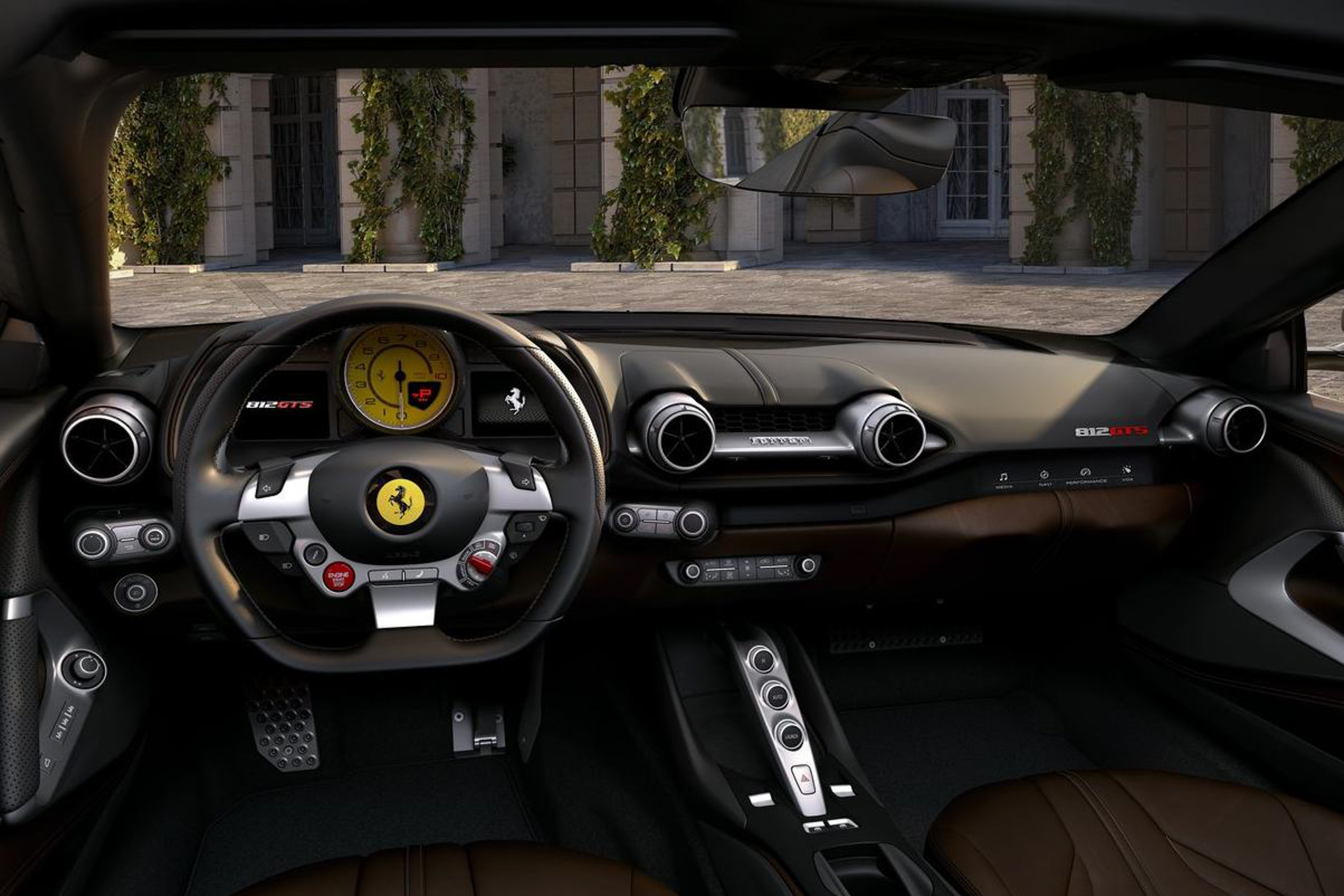
Sitting inside, the 812 GTS interior is driver-focused, with the center console tilted 15 degrees toward the driver's seat, placing all buttons within easy reach. In terms of materials, large areas of Alcantara cover the seats and door panels, while the center console features carbon fiber trim, accented by red stitching, offering a blend of luxury and sportiness. In terms of key features, the 12.3-inch fully digital instrument panel integrates information such as the tachometer, speedometer, and navigation, with clear display logic. The three-spoke multifunction steering wheel retains physical buttons, including driving mode selection, paddle shifters, and other core functions. The paddle shifters are made of carbon fiber and feel solid. Notably, when the convertible top is open, the wind deflector behind the seats can be electrically raised to effectively reduce wind noise at high speeds, enhancing the comfort of open-top driving.
In terms of space, as a two-door twin-seat sports car, the 812 GTS is entirely tailored to the driver and passenger. A test user with a height of 180 cm can sit in the driver's seat with a headroom of one fist's width, while legroom depends on the seat adjustment, overall not feeling cramped. In terms of storage capacity, the trunk offers 210 liters of space, accommodating a 20-inch carry-on suitcase and some personal items when the top is closed. When the top is open, some trunk space is taken up by the mechanism, but it is still sufficient for short trips. Additionally, there is a USB port inside the central armrest box, and a small storage compartment is located in front of the passenger seat, meeting basic storage needs.
In terms of performance, the 812 GTS is equipped with a 6.5L naturally aspirated V12 engine that delivers a maximum horsepower of 800PS and a peak torque of 718N·m, paired with a 7-speed DCT transmission. In actual driving, even a gentle press on the accelerator at the start conveys abundant low-end torque. Once the revs hit 3000rpm, the power begins to surge, and beyond 6000rpm it enters "mad mode," with the exhaust note shifting from deep to high-pitched and the thrust continuing up to the 8500rpm redline. Switching to Sport mode accelerates gearbox shifting speed, and downshifting comes with automatic rev-matching, paired with crackling exhaust backfires that fully amplify the driving excitement. Even in Comfort mode, the power delivery remains sufficiently linear, making it comfortable for daily city driving without feeling overly aggressive.
The handling and chassis performance are equally impressive. The steering wheel offers precise control with virtually zero play, providing a direct and responsive feel that allows the driver to clearly sense the vehicle's posture. The suspension system uses a front double-wishbone and rear multi-link structure with standard adaptive damping adjustment. In Comfort mode, it filters most of the minor bumps on the road, avoiding the overly stiff characteristics common in traditional supercars. In Sport mode, the suspension stiffens, with significantly enhanced support, keeping the body roll in corners to a very small range. When tackling corners, the rear-wheel-drive layout paired with the electronic limited-slip differential ensures the rear end stays stable, even under heavy throttle, with a high limit.
In terms of specialized testing, we focused on fuel consumption and acceleration performance. During the acceleration test, with the ESP turned off and switched to Race mode, the engine speed was maintained at 3000 rpm during launch control. Upon releasing the brakes, the tires experienced brief slippage before full-on acceleration, achieving a 0-100 km/h time of 3.1 seconds in real-world testing, which is consistent with the official data. Regarding fuel consumption, the average fuel consumption during regular city commuting (half traffic congestion, half clear roads) is approximately 18L per 100 km, while highway cruising (at 120 km/h) reduces it to 11L per 100 km. For a 6.5L V12 engine, this result is within the expected range.
In terms of ride comfort, the 812 GTS exceeded expectations. Despite being a hardtop convertible, the sound insulation when closed is close to that of the coupe version, and at a high speed of 120 km/h, wind noise and tire noise are well controlled. When the top is opened, and the wind deflector is raised, wind noise does not interfere with normal conversation. The seats are sporty bucket seats, providing adequate support for the waist and legs, making long drives comfortable. It is worth mentioning that the gearbox shows no significant jerks when shifting at low speeds, ensuring smooth performance in daily driving.
In summary, the 2020 Ferrari 812 GTS has three core strengths: first, the linear power and thrilling sound of the 6.5L V12 naturally aspirated engine, which is particularly rare in today's turbocharged era; second, the practicality of the hardtop convertible mechanism, which allows the top to open in 14 seconds and operate at speeds below 50 km/h, making the enjoyment of a convertible experience more accessible; third, its relatively balanced everyday driving experience, free from the "stiffness" and "noise" of traditional supercars, making it suitable for city commutes as well. Compared to rivals in the same class, such as the Lamborghini Huracán Spyder, the naturally aspirated engine of the 812 GTS has an edge in power delivery smoothness, and its convertible mechanism retracts more quickly.
The target audience for this car is clear: first, supercar enthusiasts pursuing ultimate driving pleasure, as the V12 engine's sound and convertible experience are irreplaceable; second, users wanting a supercar that can be "driven daily," as its comfort and practicality prevent it from becoming a "garage queen"; third, consumers who value brand prestige and a sense of ceremony, as Ferrari's brand premium and the allure of a convertible will meet the demands of social scenarios.
In conclusion: The 2020 Ferrari 812 GTS is a "supercar without significant shortcomings" — it combines the extreme performance of a V12 engine with the ceremonial experience of a convertible, while also making concessions for smoothness and comfort in daily driving. If you're looking for a supercar that balances track performance with weekend cruising, it is undoubtedly the top choice in its class.
Ferrari 812 GTS Car Compare

Ferrari 812 GTS Loan Calculator
More Ferrari Reviews
Cars With Similar Price And Features
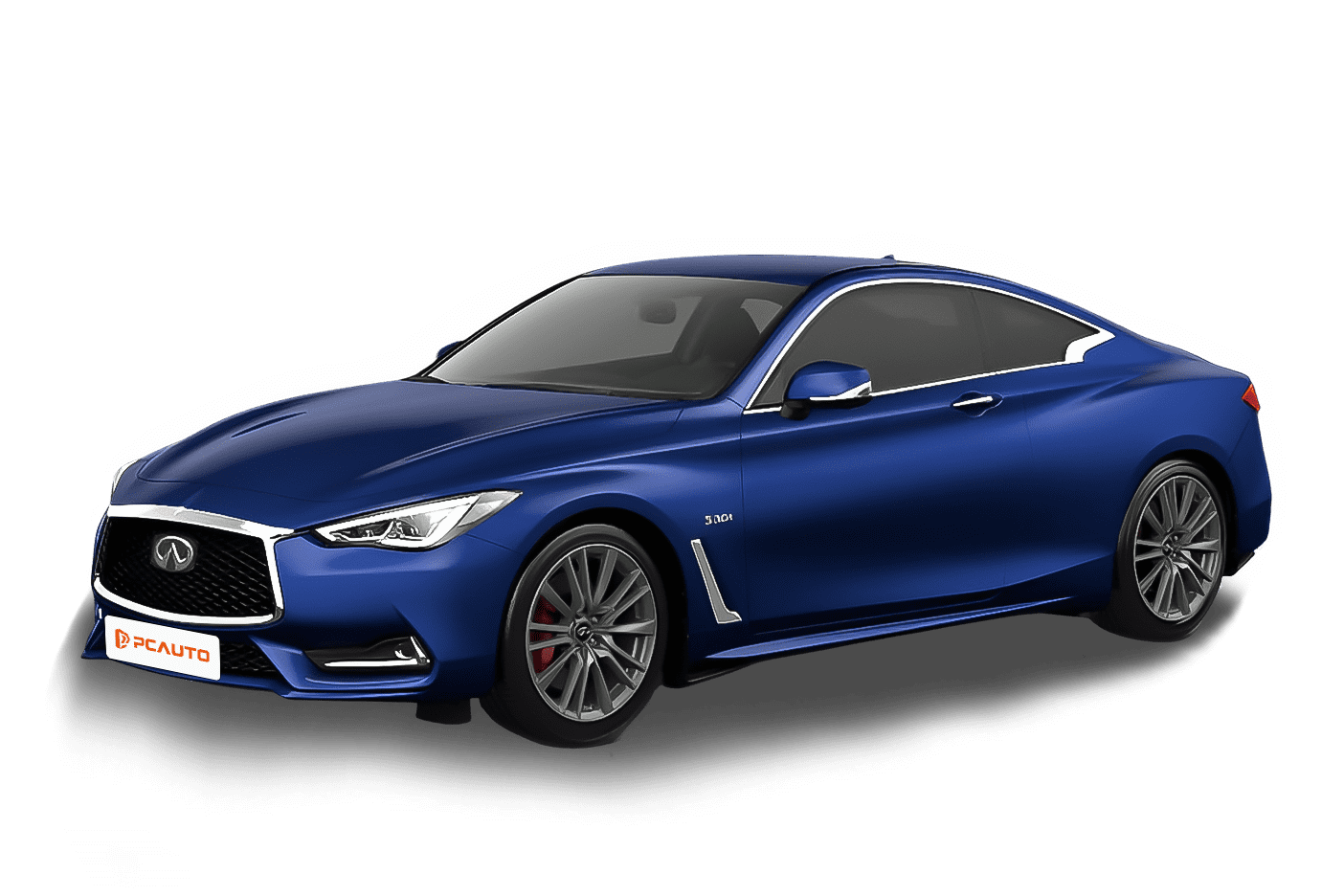
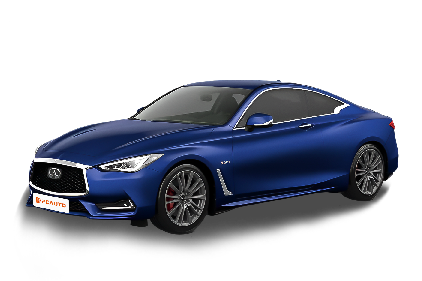
2017 Infiniti Q60 2.0t is a luxury coupe that balances sporty design and daily practicality, featuring a family-style exterior, BOSE audio system, and balanced power as its core selling points.
1
Rank in Coupe
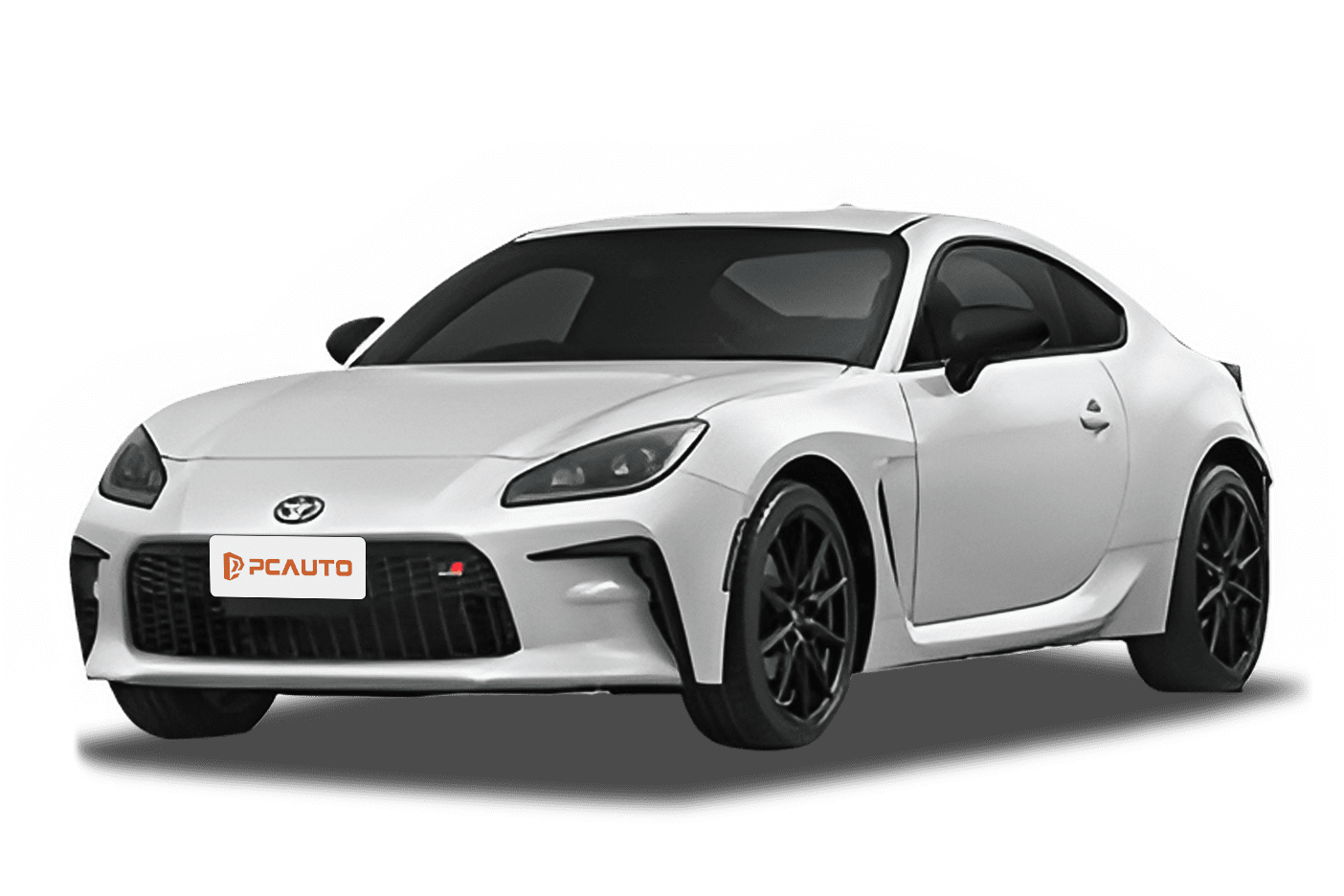
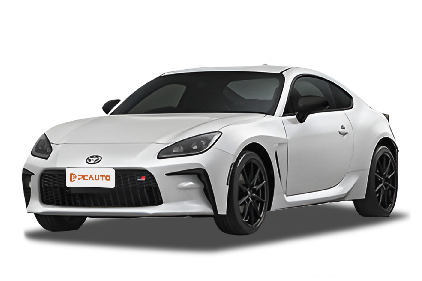
2023 Toyota GR 86 2.4 AT is a rear-wheel-drive sports coupe upgraded with a 2.4L naturally aspirated engine to address low torque issues, balancing daily commuting with pure driving pleasure.
10
Rank in Coupe
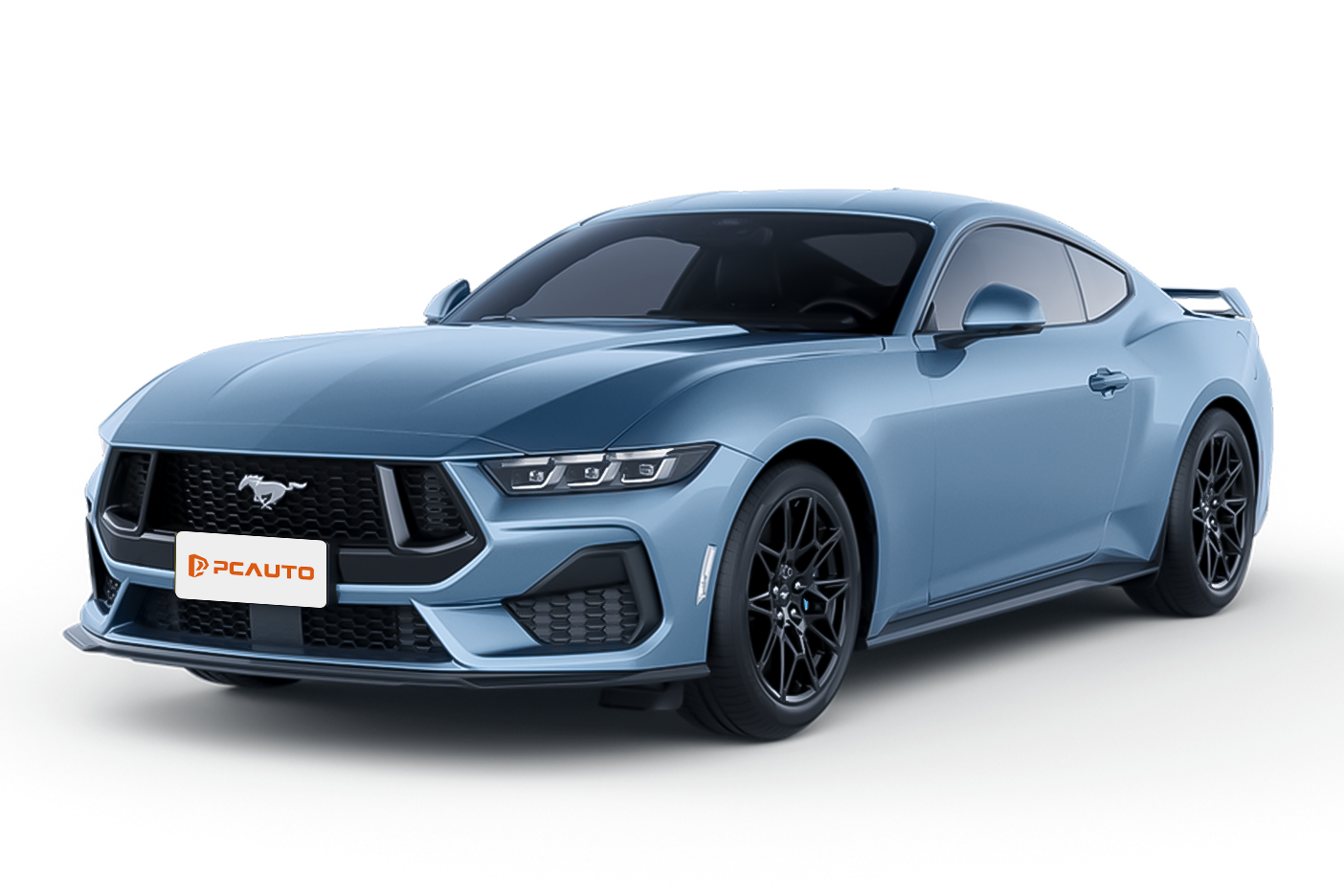
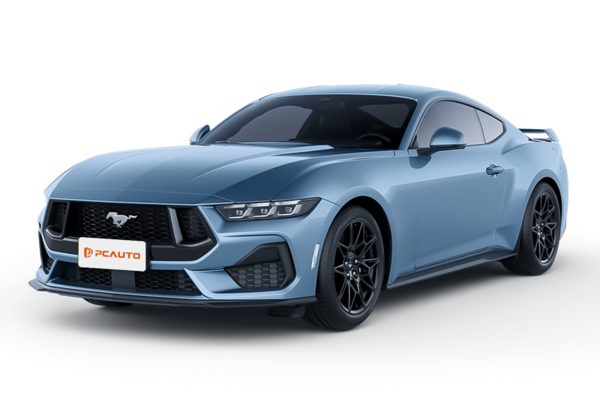
2018 Ford Mustang 2.3 EcoBoost retains the classic muscle car appearance with high cost performance, the 2.3T engine delivers 310PS horsepower, balancing performance and practicality for daily driving.
6
Rank in Coupe
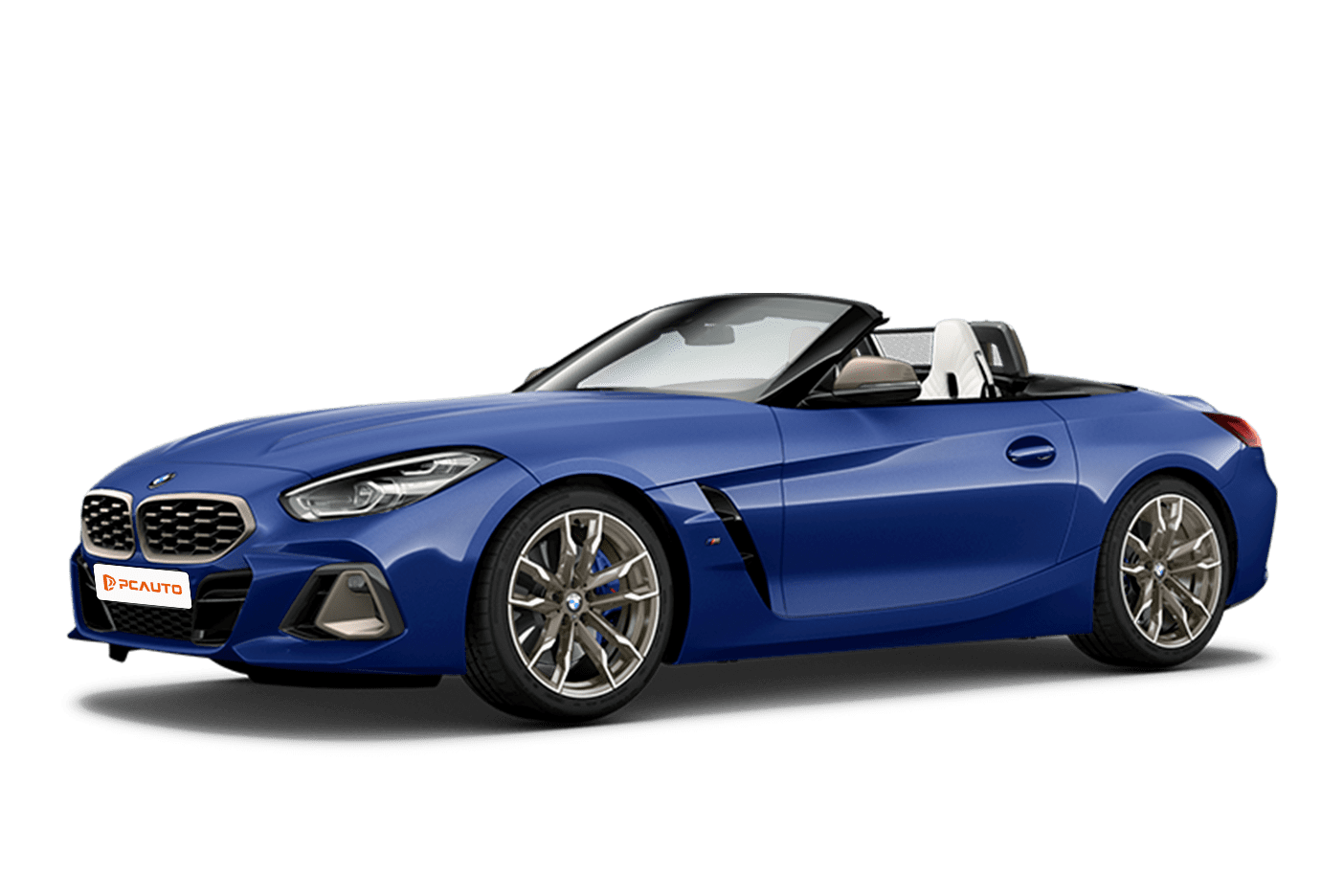
2023 BMW Z4 public, as a classic rear-wheel-drive convertible sports car, balances driving pleasure and daily practicality, with class-leading intelligent features and a compact body precisely meeting the needs of Malaysian users.