

Ferrari Roma Review

 Share
Share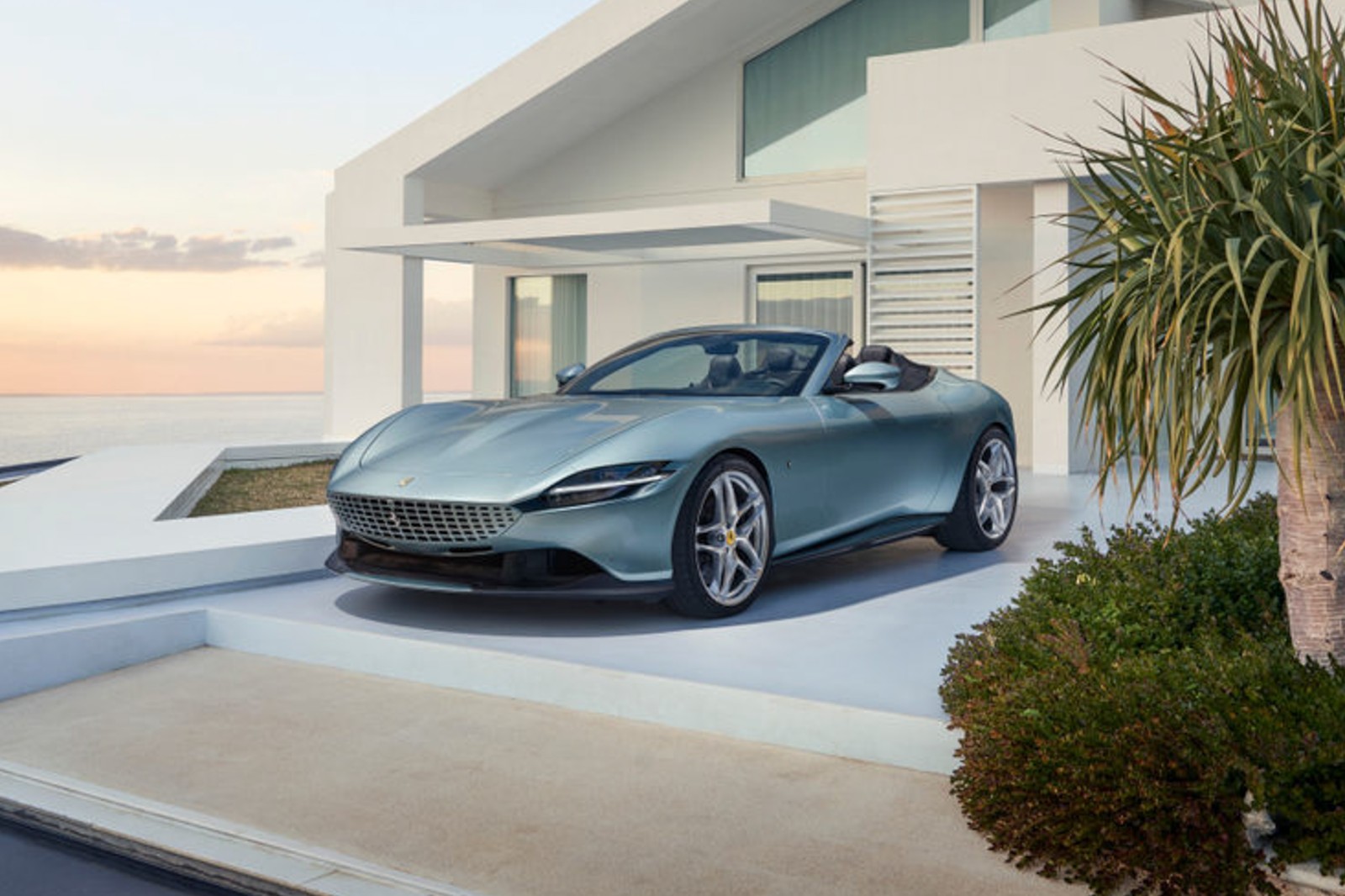
 Segment
 Body Type
 Capacity(L)
 Engine Power(PS)
 Engine Torque(Nm)
 Transmission
In the Malaysian sports car market, hardtop convertible models have always been the focus of users pursuing style and performance. The 2023 Ferrari Roma Spider is a new choice in this segment. It continues the GT style of the Roma coupe version, with its core selling points focusing on the convertible experience brought by the hardtop convertible design while maintaining a robust power output of 620 PS. This test drive will focus on verifying its convertible practicality, dynamic performance, and compatibility with daily driving.
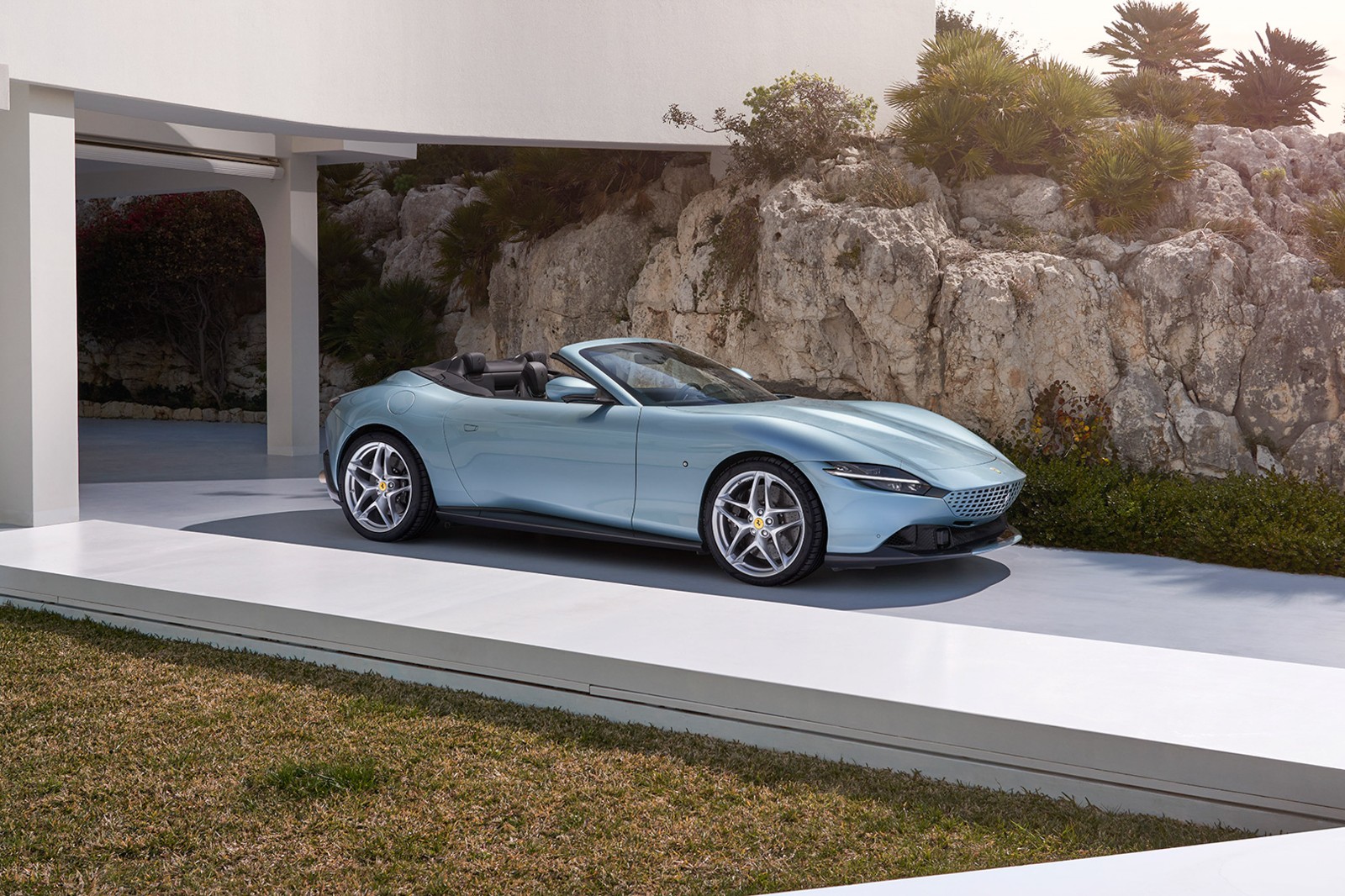
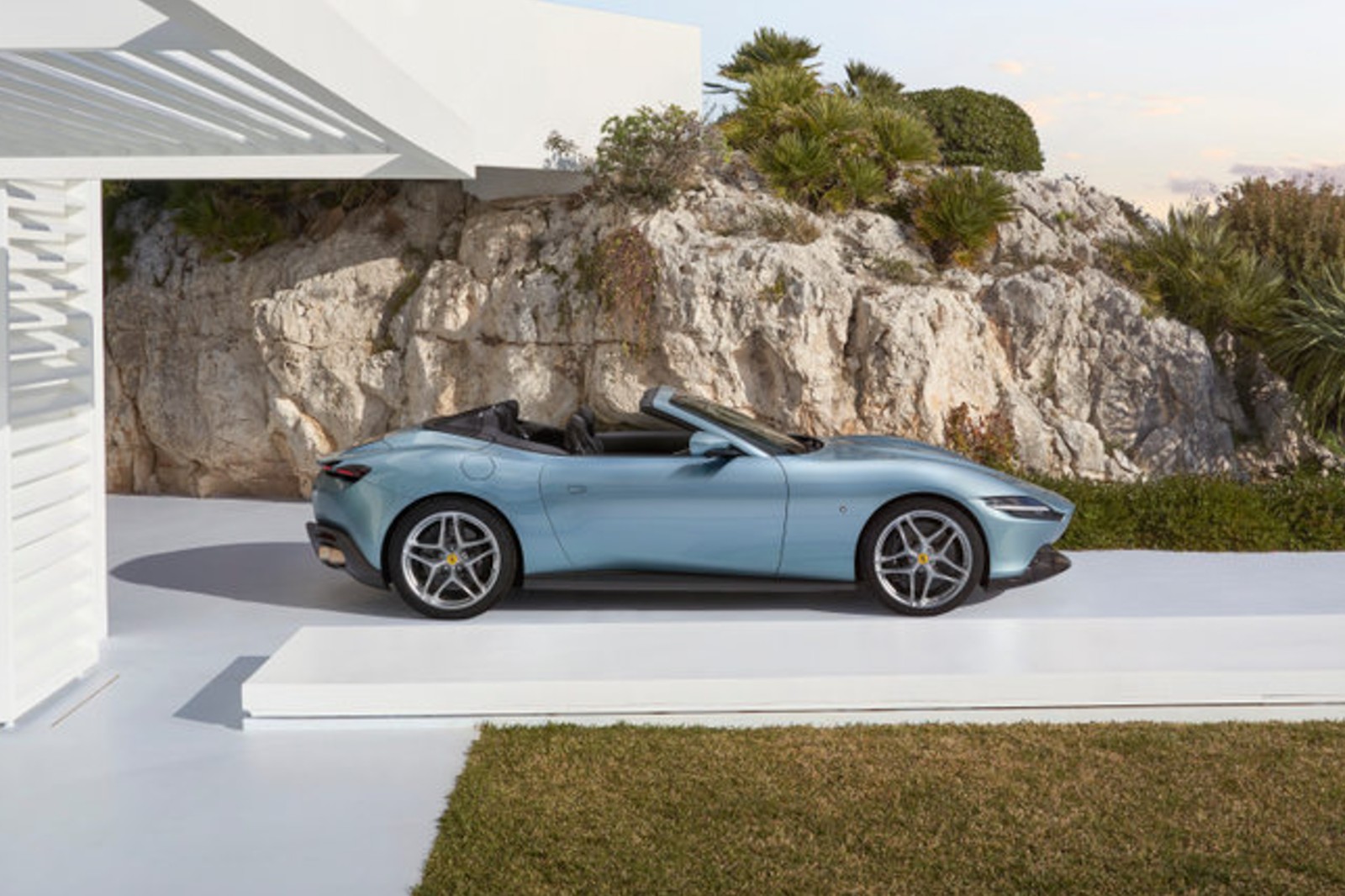
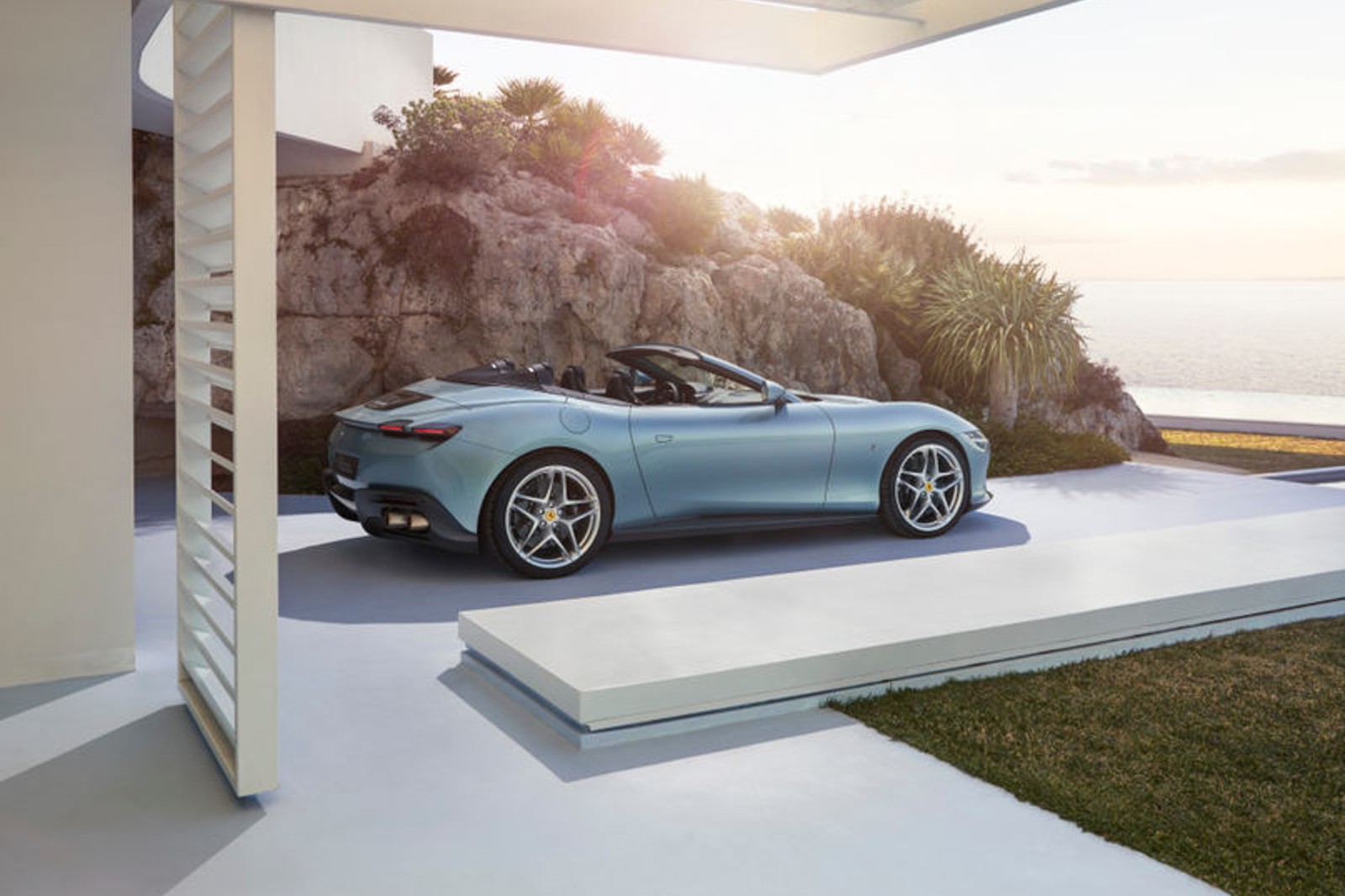
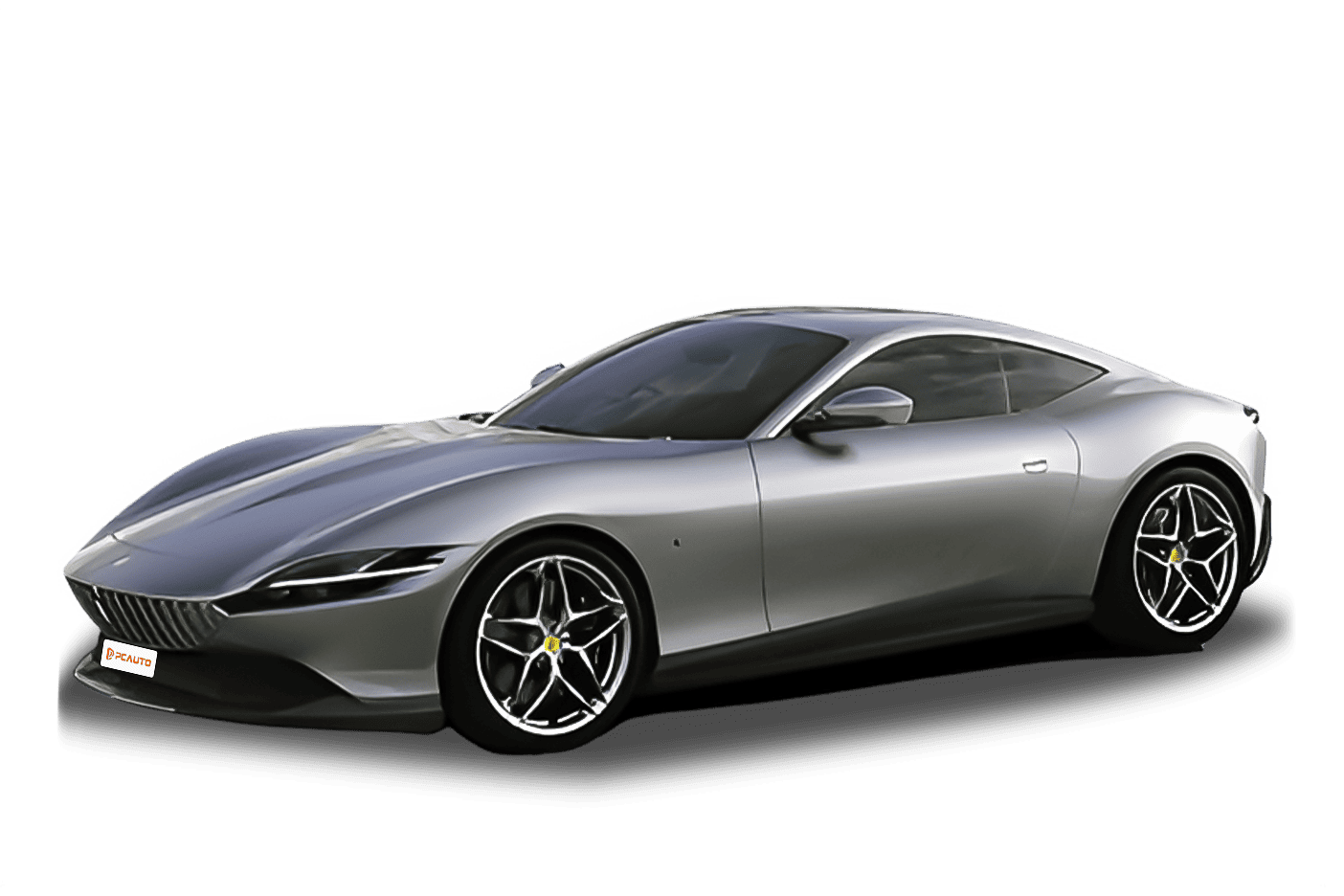
In terms of appearance, the Roma Spider retains the elegant lines of the coupe version. The front features a large front grille paired with slender LED daytime running lights for high recognition. The body side lines are smooth, with curves extending from the A-pillar to the rear, appearing even more elongated in the convertible state. The rear adopts a dual-exhaust layout, with horizontally arranged LED taillights, consistent with the coupe version. The hardtop convertible is the biggest highlight of the appearance, utilizing a soft-top design. According to official data, it can be opened and closed within 13.5 seconds and supports operation at speeds below 60 km/h, ensuring good practicality in daily use.
Inside the car, the interior style is almost identical to the coupe version, featuring a layered center console layout, wrapped in a significant amount of leather and Alcantara material for a refined touch. An 8.4-inch touchscreen is located in the center of the dashboard, with operating fluency meeting the standards of sports cars. Below it, some physical buttons are retained for easier operation while driving. In terms of configurations, it comes standard with a fully digital instrument cluster, JBL 8-speaker sound system, electronically adjustable front seats, as well as practical features like keyless entry and rain-sensing wipers. Notably, in the convertible state, the screen and air conditioning system's functionality remains stable, with no operation delays observed.
In terms of space, the car measures 4656mm in length, 1974mm in width, and 1306mm in height, with a wheelbase of 2670mm, consistent with the coupe version. The front seats offer ample space, and a passenger with a height of 180cm still has a fist's worth of headroom after adjusting the seat. As for storage capacity, the trunk volume is 255 liters with the top closed, which slightly compresses when the roof is open, but it's still enough to fit two carry-on suitcases. The central armrest box and door pocket spaces are relatively small, suitable for holding items like phones and wallets. The rear seats do not provide actual seating space and are only meant to be used as storage areas.
The powertrain is identical to that of the coupe version, featuring a 3.9L V8 twin-turbocharged engine that delivers a maximum power output of 456 kW (620 PS) and maximum torque of 760 Nm, paired with an 8-speed DCT gearbox and rear-wheel-drive layout. During actual driving, the power response during the start is quick, with a noticeable push-back sensation when lightly pressing the accelerator. Switching to sport mode further speeds up the gear shifting, and the torque bursts strongly in the 3000-5750 rpm range. The official 0-100 km/h acceleration time is 3.4 seconds, which aligns closely with real-world tests. It maintains ample power reserves for highway overtaking.
In terms of handling, the combination of front double-wishbone independent suspension and rear multi-link independent suspension is tuned for sportiness while retaining a certain level of comfort. During daily driving, the suspension absorbs most fine vibrations and doesn’t cause harsh impacts when crossing speed bumps. In corners, the body roll is well-controlled, and the steering wheel offers precise response with minimal play, giving drivers sufficient confidence. The braking system features front and rear ceramic ventilated discs, providing linear braking force. During emergency braking, the vehicle maintains a stable posture.
In terms of fuel consumption, the official combined fuel consumption is 11.2L/100km. During actual testing, urban driving conditions (traffic congestion + some highways) consume approximately 14-15L/100km, while highway conditions (speed of 100-120km/h) consume about 10-11L/100km, which meets the expectations for a 3.9T supercar. Regarding noise control, when the hardtop is closed, the cabin's tranquility is close to the coupe version, and wind noise and tire noise are well suppressed during high-speed driving. When the convertible top is open, wind noise is acceptable below a speed of 80km/h, while above 100km/h, the volume needs to be increased for normal conversations.
In summary, the core advantage of the 2023 Ferrari Roma Spider lies in the "GT + convertible" combination, which retains the elegant style and strong performance of the Roma coupe while enhancing driving pleasure and head-turning appeal with the soft-top convertible. Compared to similar models such as the Porsche 911 Carrera 4S Cabriolet, the Roma Spider has better performance parameters and a more luxurious interior, though its price (RM 3,200,000) is higher than the 911 convertible. However, its unique Italian design style holds appeal for certain users.
This car is suitable for supercar enthusiasts who seek a convertible driving experience and value everyday practicality, especially consumers who enjoy the combination of wind and engine noise during short weekend trips or city cruising. Overall, the Roma Spider is a GT convertible supercar that balances performance and style, maintaining Ferrari's sporty DNA while lowering the barrier for daily use.
Ferrari Roma Car Compare
Ferrari Roma Loan Calculator
More Ferrari Reviews
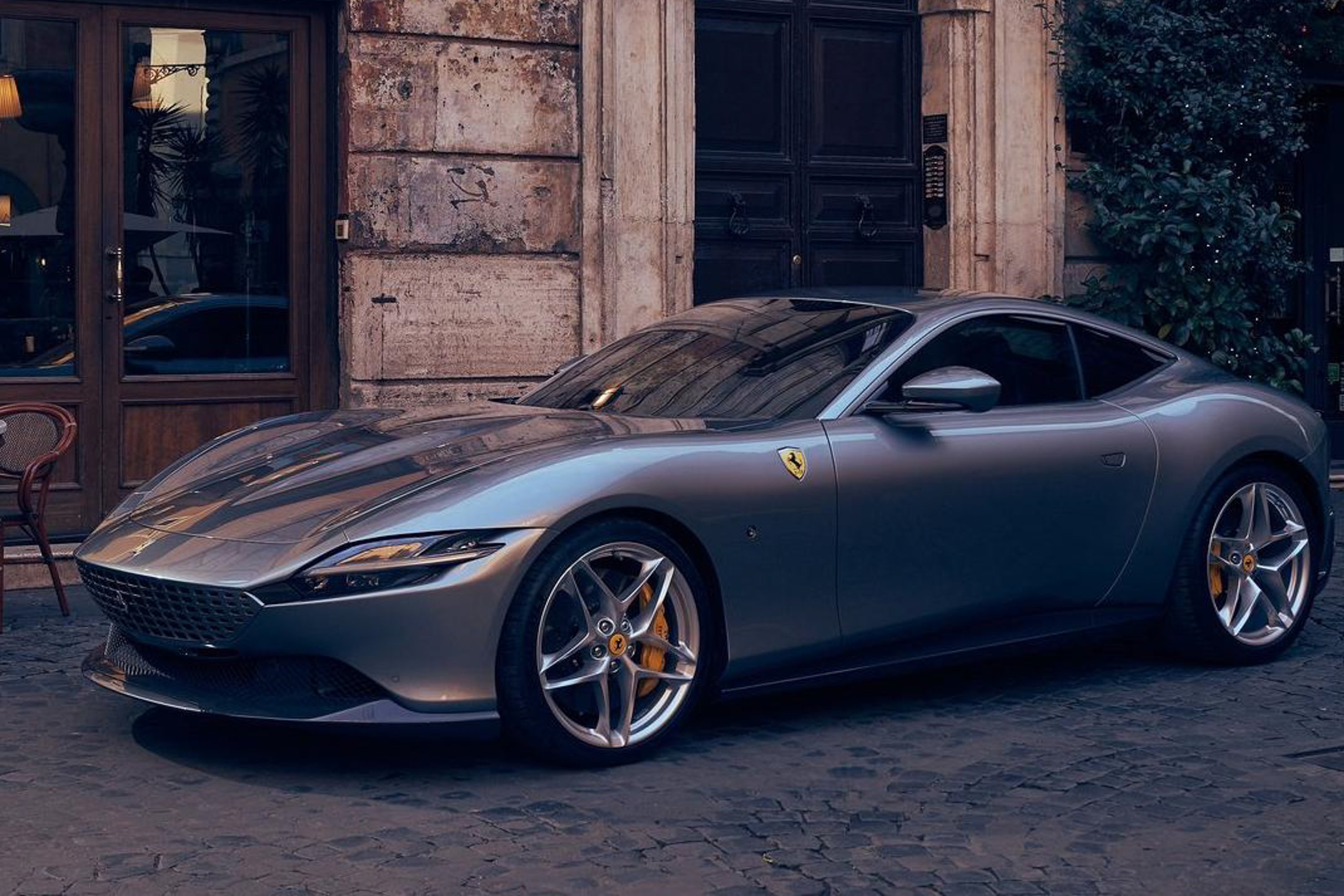
Cars With Similar Price And Features

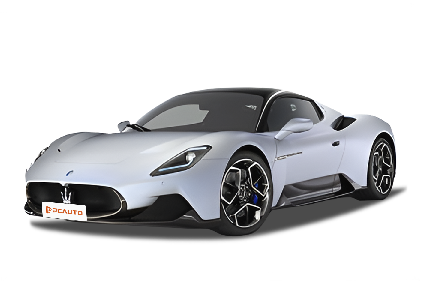
2023 Maserati MC20 Cielo is a two-seater supercar that combines track-level performance with convertible romance, equipped with a 630PS 3.0T V6 engine, a glass hardtop that opens and closes in 12 seconds, and accelerates to 100 km/h in 2.9 seconds.
2
Rank in Coupe
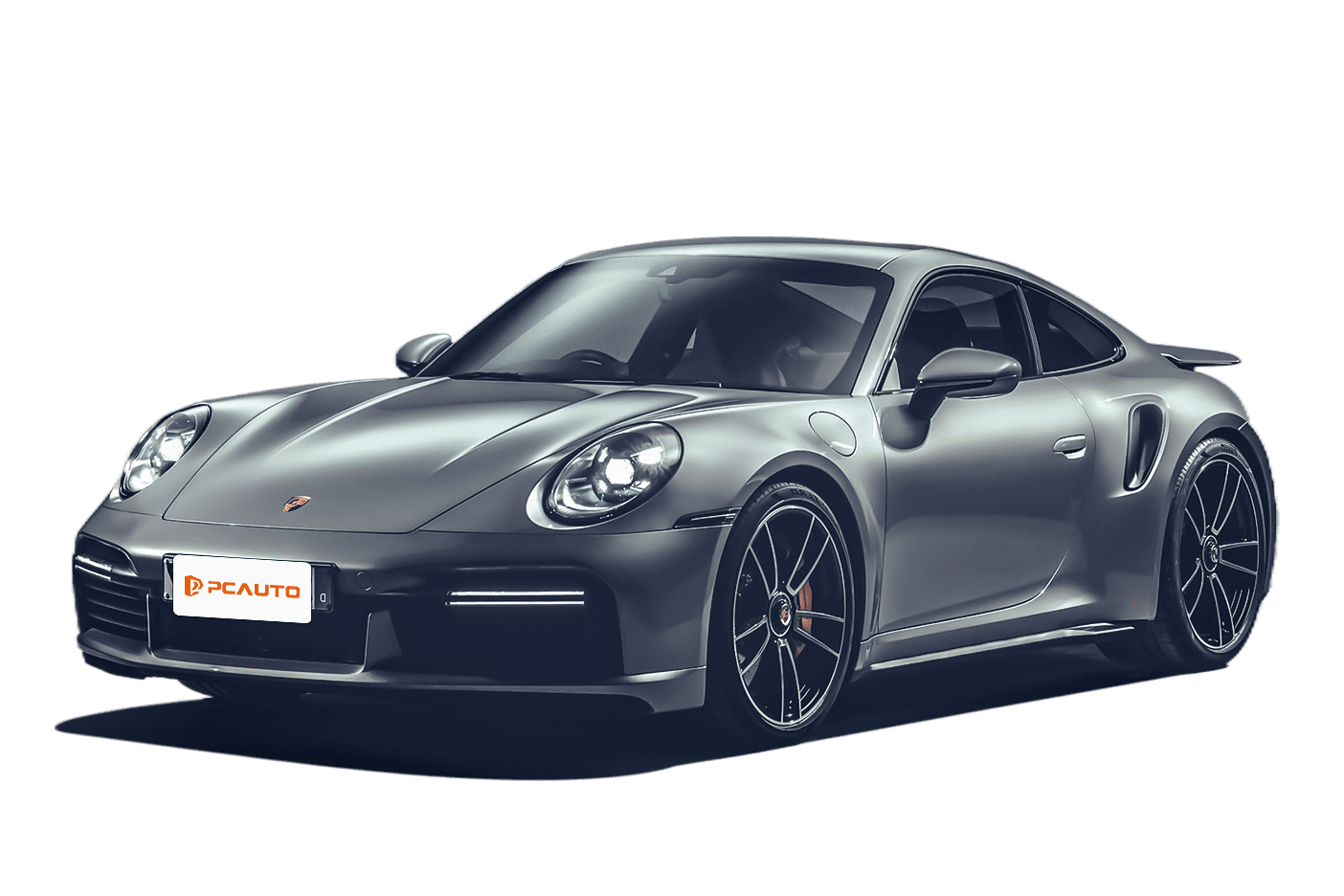
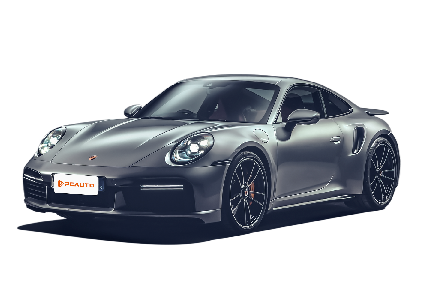
The 2025 Porsche 911 Carrera, as a classic entry-level coupe, features a 0-100 km/h acceleration in 3.9 seconds with its 3.0T+PDK performance, combining practical daily configurations and iconic design to balance track excitement with commuting convenience.
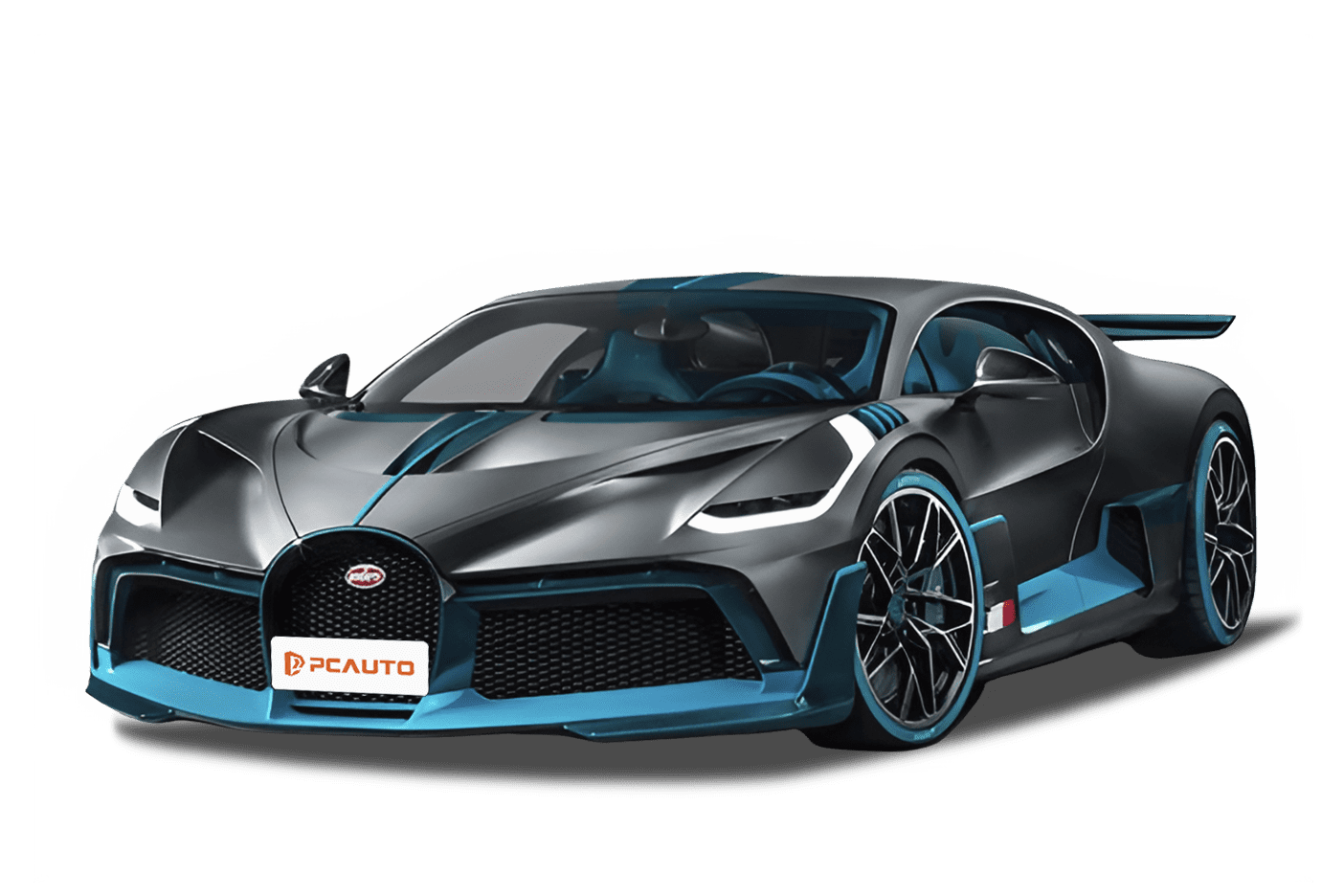
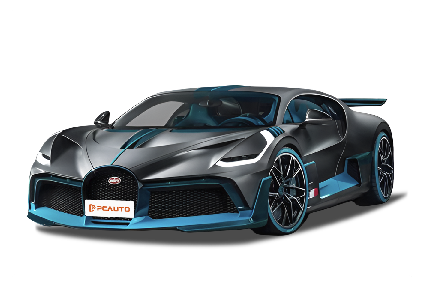
2023 Bugatti Divo, as a limited-edition hypercar and an advanced version of the Chiron, features track-focused aerodynamic design, 1520PS of brutal power, and precise handling, embodying the ultimate performance of being "born for the curves."
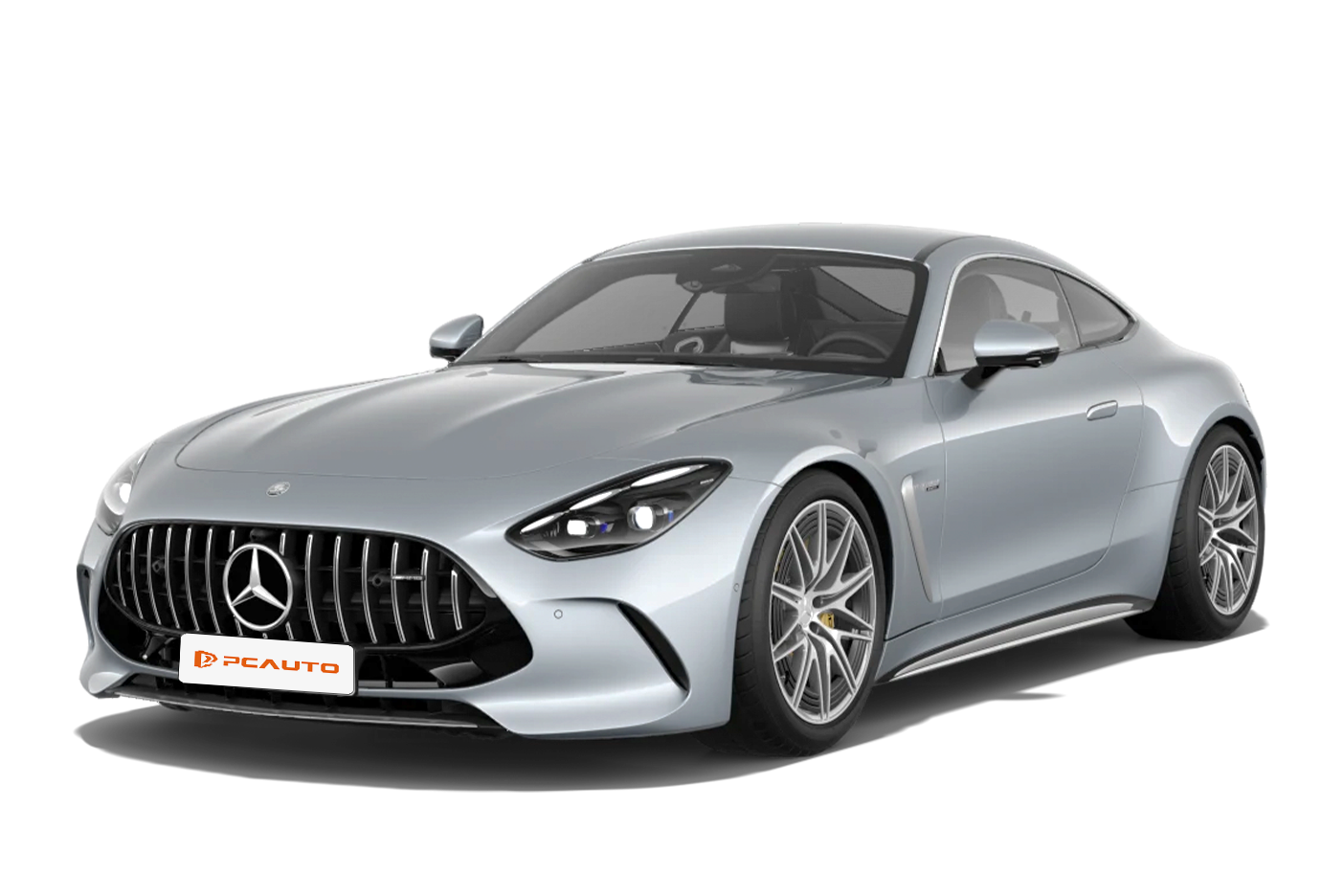
2025 Mercedes-Benz AMG GT 63 4Matic+ Coupe is a luxurious two-door sports car that combines 585PS 4.0T V8 performance (0-100 km/h in 3.2 seconds) with 351L of practical storage, balancing track excitement and daily commuting.