

Maserati MC20 Review

 Share
Share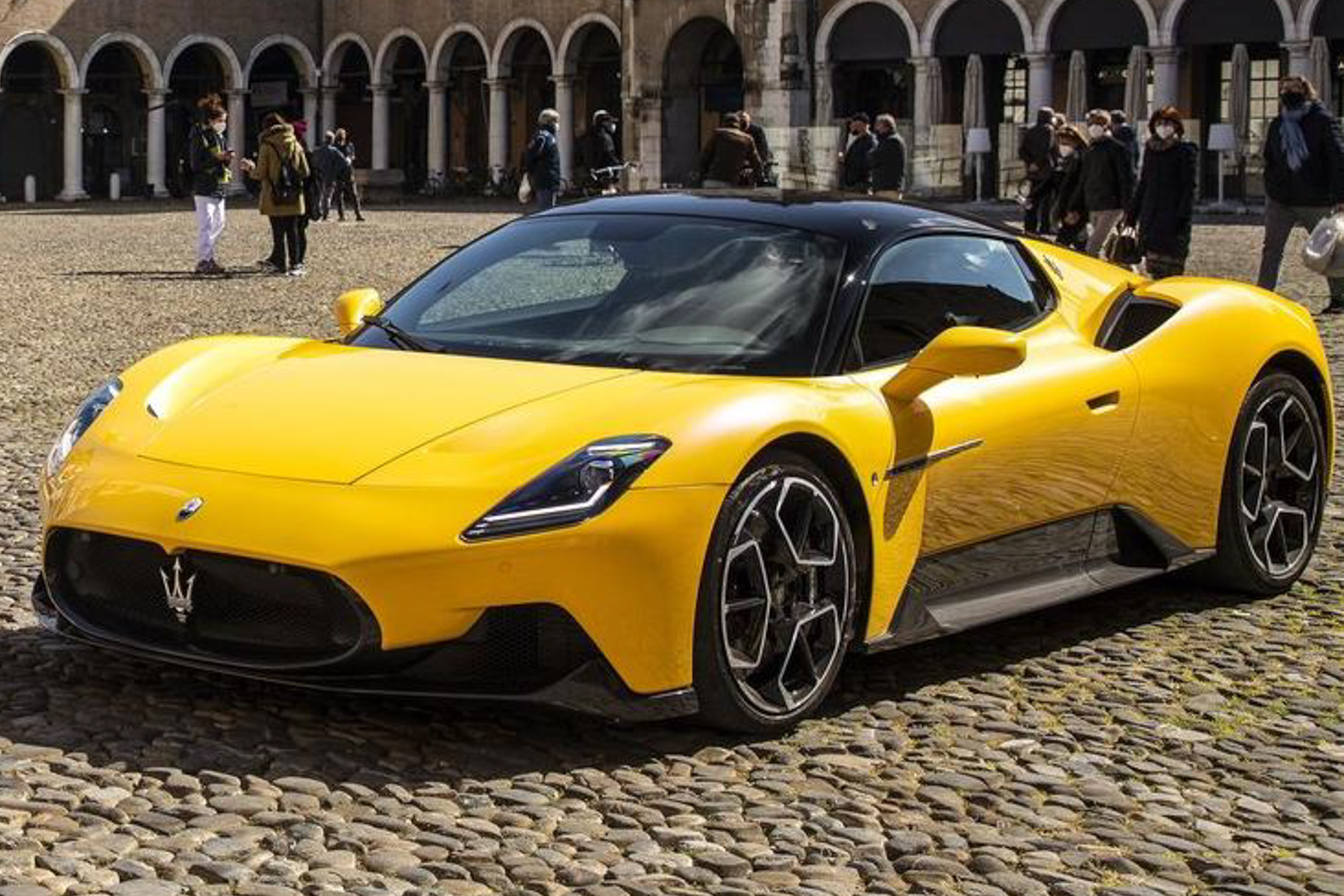

 Segment
 Body Type
 Capacity(L)
 Engine Power(PS)
 Engine Torque(Nm)
 Transmission
The supercar market has been heating up in Malaysia in recent years, as consumers are no longer solely focused on pure performance data. They are placing more emphasis on daily practicality and driving experience. As the convertible version of the MC20 family, the 2023 MC20 Cielo’s core selling point is that it retains the performance genes of the hardtop version while incorporating a retractable glass hardtop design, allowing drivers to switch to an "immersive" driving mode at any time. With the test car we received, the primary goal was to verify whether it could balance track-level performance with the romantic experience of a convertible, and also to see whether it justifies the additional 150,000 MYR compared to the hardtop version.
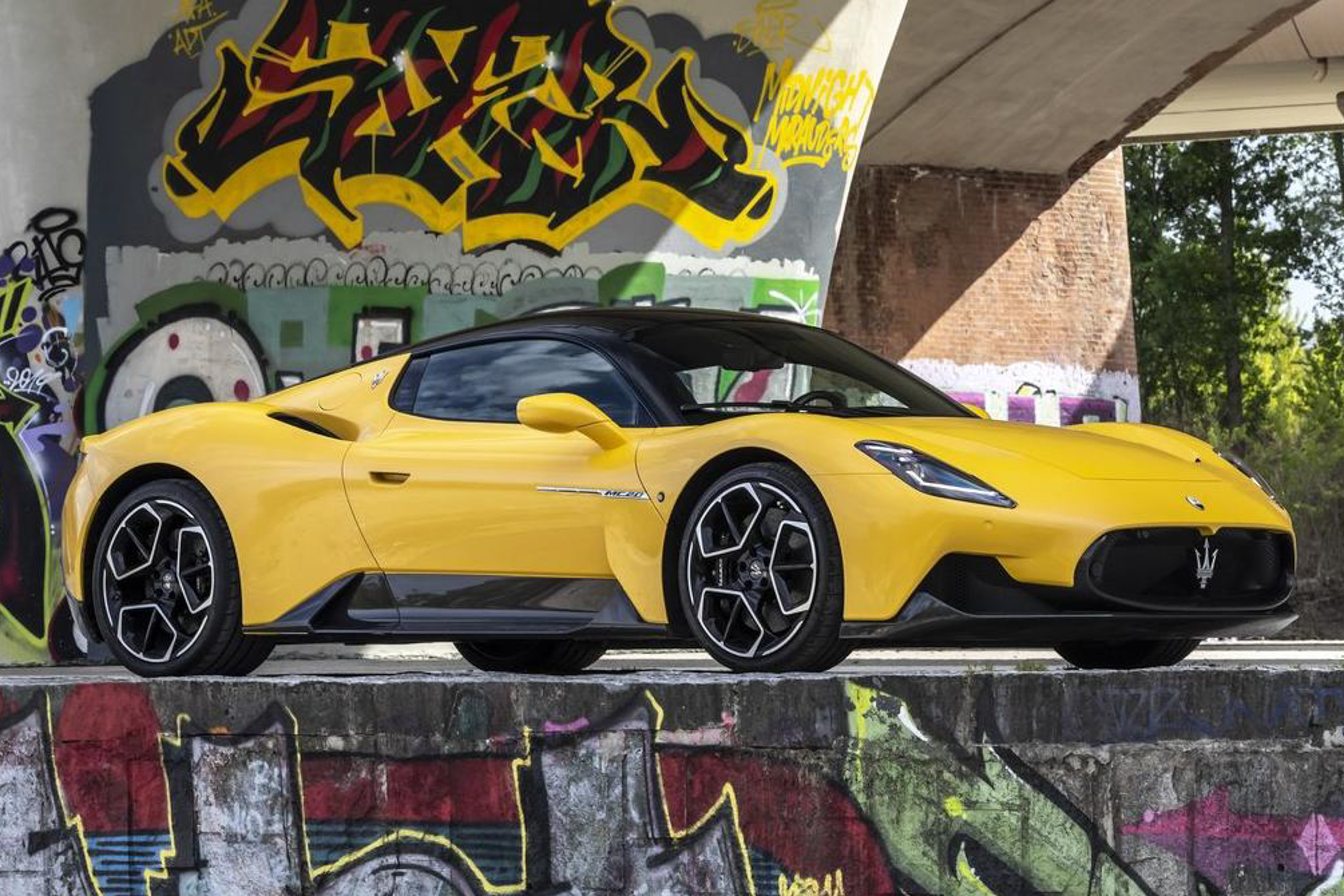
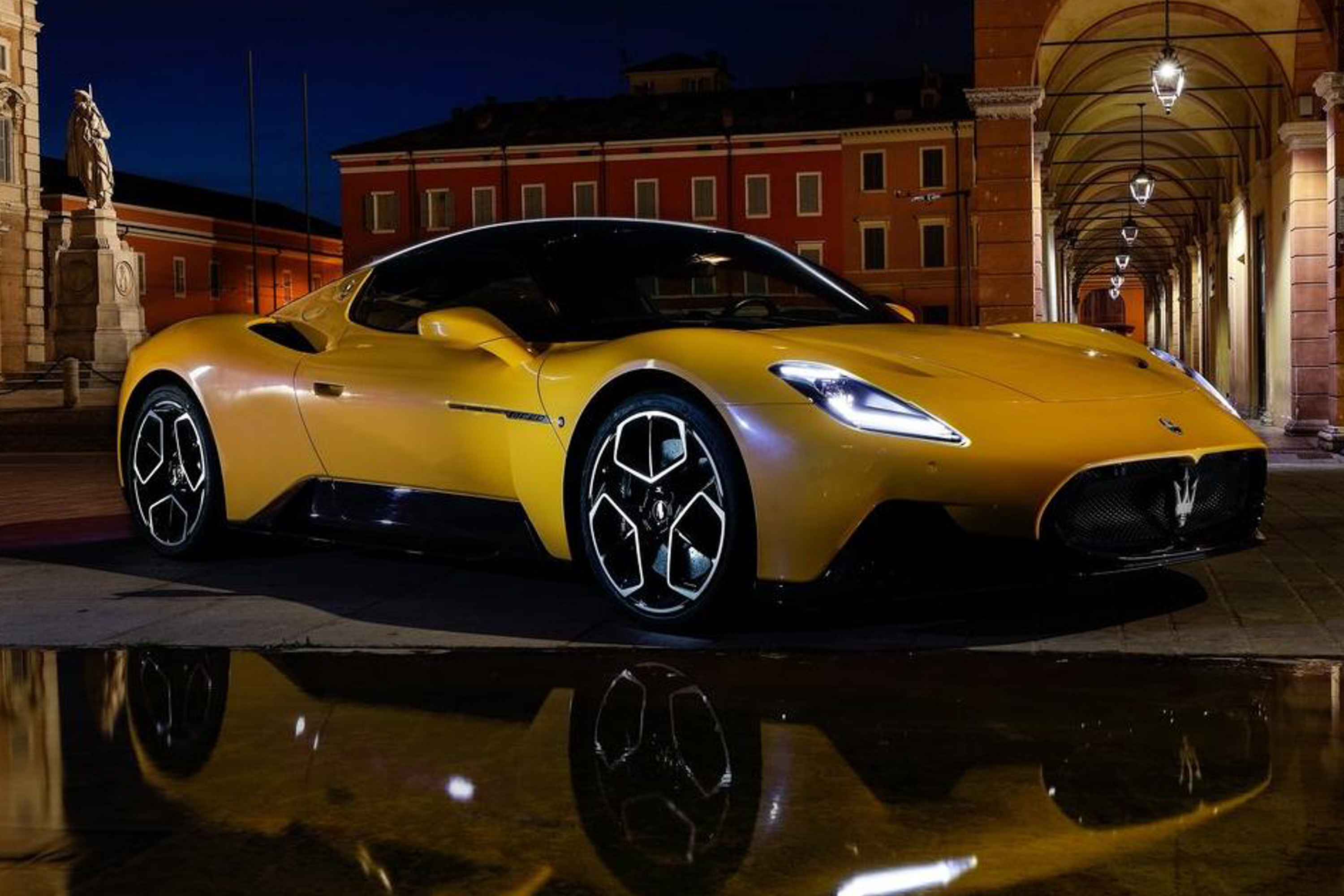
In terms of exterior design, the Cielo basically continues the design outlines of the hardtop version, with dimensions of 4669mm in length, 2178mm in width, and 1224mm in height, completely identical to the hardtop version. Its low profile and sleek body lines remain aggressive. The front features the iconic trident logo paired with a large air intake grille, making it highly recognizable. The sharp LED headlights on both sides integrate naturally with the body. The side profile boasts a waistline extending from the front fender to the rear, complemented by 20-inch wheels and wide tires measuring 245/35 R20 at the front and 305/30 R20 at the rear, enhancing the sporty vibe. At the rear, the LED taillights adopt a through-type design, while the diffuser below and the dual exhaust layout emphasize its performance orientation. The most significant change is the roof — the retractable glass hardtop can open or close within 12 seconds and can be operated even when driving at speeds up to 50km/h, providing considerable convenience for daily use.
Inside the cabin, the interior style of the Cielo is consistent with that of the hardtop version, adopting black as the main tone, complemented by carbon fiber trim and Alcantara materials, which give it a luxurious feel. The center console layout is simple, featuring a 10-inch touchscreen in the center, offering basic multimedia and navigation functions with decent responsiveness. The 10-inch fully digital instrument cluster provides a wealth of vehicle information, including power output, oil temperature, and other performance metrics. The multifunctional steering wheel has a flat-bottom design, offering a solid grip, with logically placed physical buttons on both sides that allow for easy operation without looking. The seats are sporty bucket seats that provide strong support and are well-suited for aggressive driving, but they might feel slightly tight during long periods of use. Regarding space, as a two-seater supercar, the front seat space is adequate, but storage space is limited, with only small compartments on the door panels and below the center console. The trunk volume is the same as the hardtop version and is sufficient to hold two small carry-on suitcases for daily use. In terms of configuration, automatic air conditioning, rain-sensing wipers, and electrically folding mirrors are standard features. Safety features include ABS, lane change assist, automatic braking, and front and rear airbags, which should adequately meet basic needs.
In terms of power, the Cielo is equipped with the same 3.0T V6 twin-turbocharged engine as the hardtop version, delivering a maximum power output of 463kW (630PS) and a peak torque of 730N·m, paired with an 8-speed DCT gearbox. During actual driving, the power response during acceleration is very direct, with a slight press of the accelerator providing a strong push-back feeling. Switching to sport mode further boosts throttle sensitivity and accelerates gear shifts. The official 0-100km/h acceleration time is marked at 2.9 seconds, identical to the hardtop version, and indeed feels powerful in real-world experience. Mid to high-speed acceleration is equally robust, and even when the speed exceeds 120km/h, the additional acceleration remains potent. The top speed is 320km/h (slightly lower than the hardtop version's 325km/h, likely due to the convertible structure). In terms of handling, the Cielo has a chassis tuned for sportiness, offering precise steering control with minimal play. The car exhibits clear directional stability during cornering. The suspension system is a double-wishbone independent suspension setup at both the front and rear, providing strong support while keeping body roll minimal during turns, resulting in outstanding stability. However, when driving on bumpy roads, the suspension's ability to absorb shocks is average, and minor bumps on the road surface are more noticeably transmitted into the cabin. This effect is more pronounced when the roof is down.
In terms of fuel consumption, the official combined fuel consumption is 11.6L/100km. During actual driving, if you frequently drive aggressively, the fuel consumption can easily exceed 15L/100km, whereas gentle daily driving can keep it around 12L/100km, which is considered normal for a 3.0T supercar. Regarding noise control, the sound insulation is decent when the hardtop is closed, with wind and tire noise within an acceptable range. However, when the convertible top is open, wind noise becomes noticeably louder, especially when the speed exceeds 80km/h, requiring an increase in volume to hear the music clearly. Additionally, the Cielo is 65kg heavier than the hardtop version (weighing 1540kg), but this weight difference has little impact on performance given the powerful engine.
Overall, the highlight of the 2023 MC20 Cielo lies in its "having it all" approach—it combines the track-level performance of the hardtop version with the immersive driving experience brought by its convertible design. Compared to other convertible supercars in the same class, such as the Porsche 911 Turbo S Cabriolet, the Cielo has a price advantage (RM 1,228,000), and the Trident brand also offers greater recognizability. Compared to its own hardtop version, although it's RM 150,000 more expensive, the convertible functionality indeed enhances the joy of daily driving. However, it does have shortcomings, such as limited storage space and a stiff suspension, making it less suitable for comfortable long-distance driving.
In summary, the MC20 Cielo is better suited for those who pursue supercar performance while wanting to enjoy the fun of a convertible in daily driving—for example, young people who like to hit the mountain roads on weekends and also commute or go on dates with it during the week, or those with a certain level of financial capability who desire a car that combines performance and romance. If you want a pure track weapon, the hardtop version might be more suitable; but if you want something that adds the freedom of a convertible to the performance, the Cielo is absolutely worth considering. It may not be a perfect supercar, but it excels in balancing performance with a convertible experience.
Maserati MC20 Car Compare
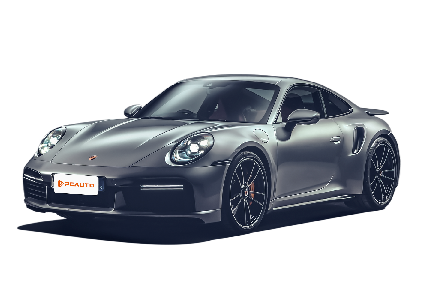
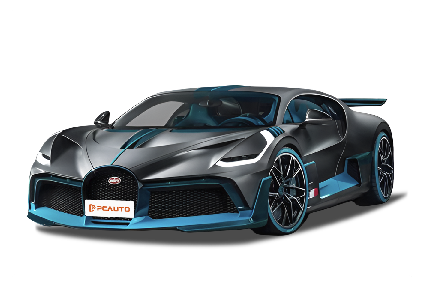
Maserati MC20 Loan Calculator
More Maserati Reviews
Cars With Similar Price And Features
8
Rank in Coupe
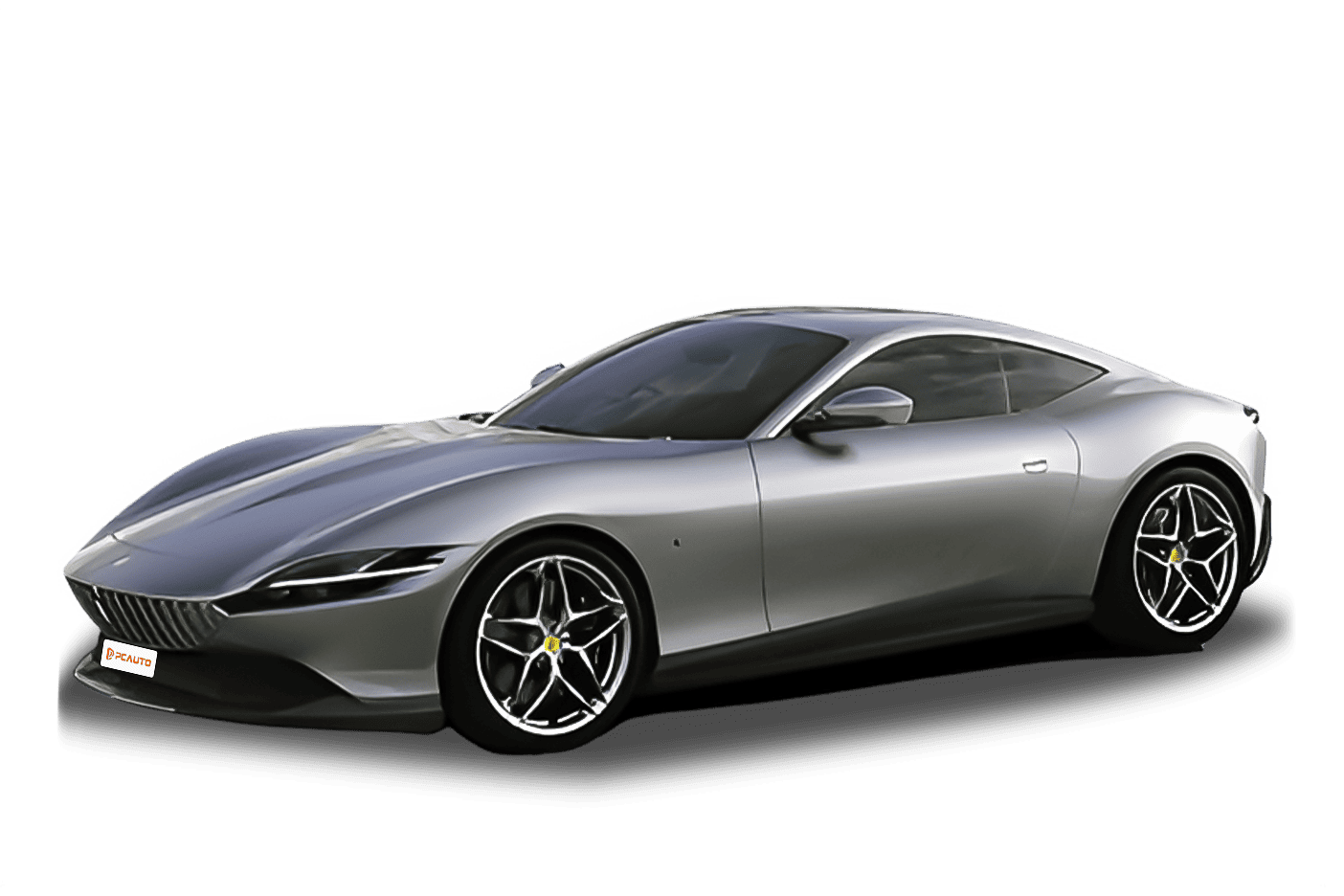
2023 Ferrari Roma Spider is a hardtop convertible GT supercar that combines elegant style with powerful performance, 13.5-second fast-opening soft top + 620PS power, practical for daily use and full of driving pleasure.
2
Rank in Coupe
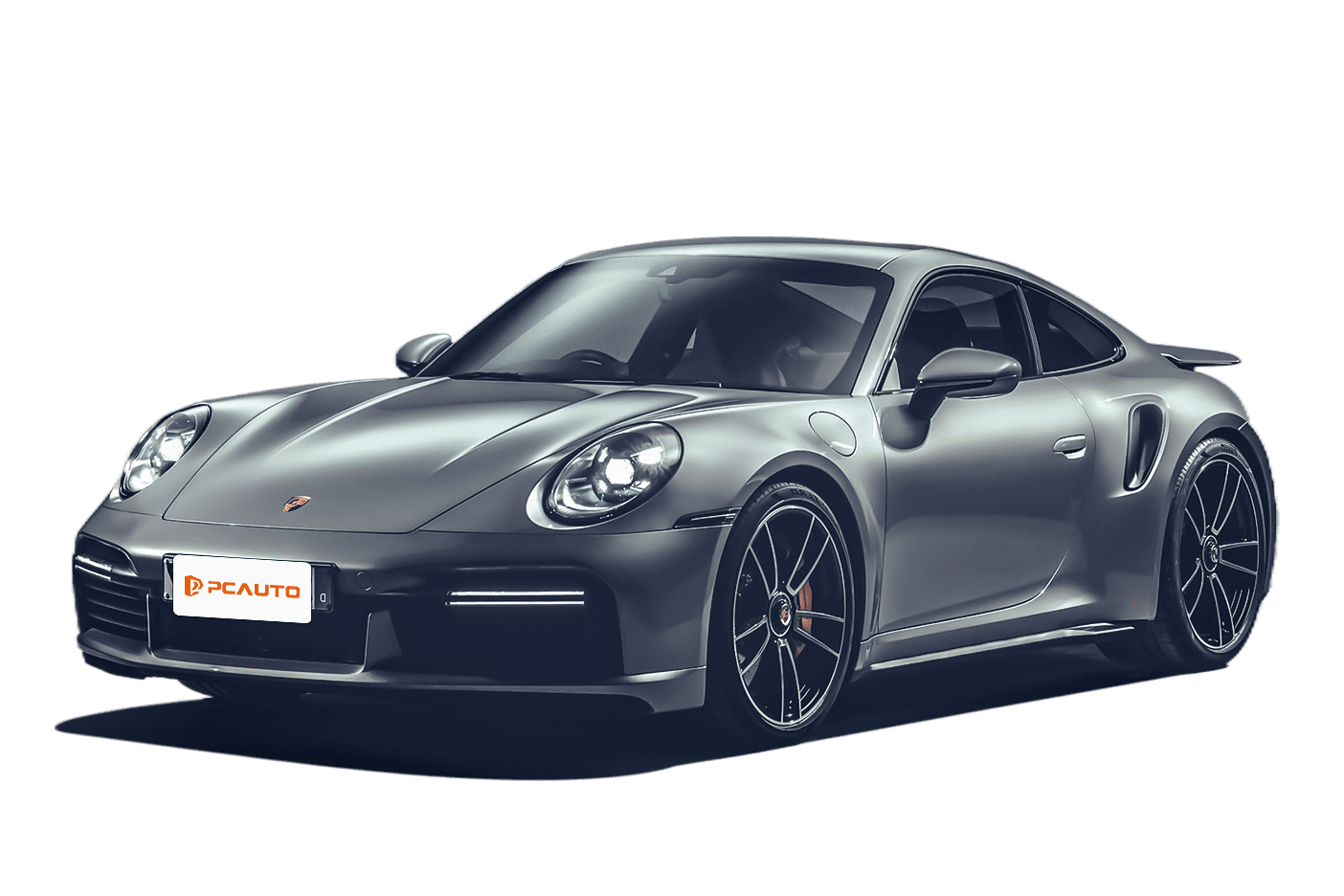
The 2025 Porsche 911 Carrera, as a classic entry-level coupe, features a 0-100 km/h acceleration in 3.9 seconds with its 3.0T+PDK performance, combining practical daily configurations and iconic design to balance track excitement with commuting convenience.
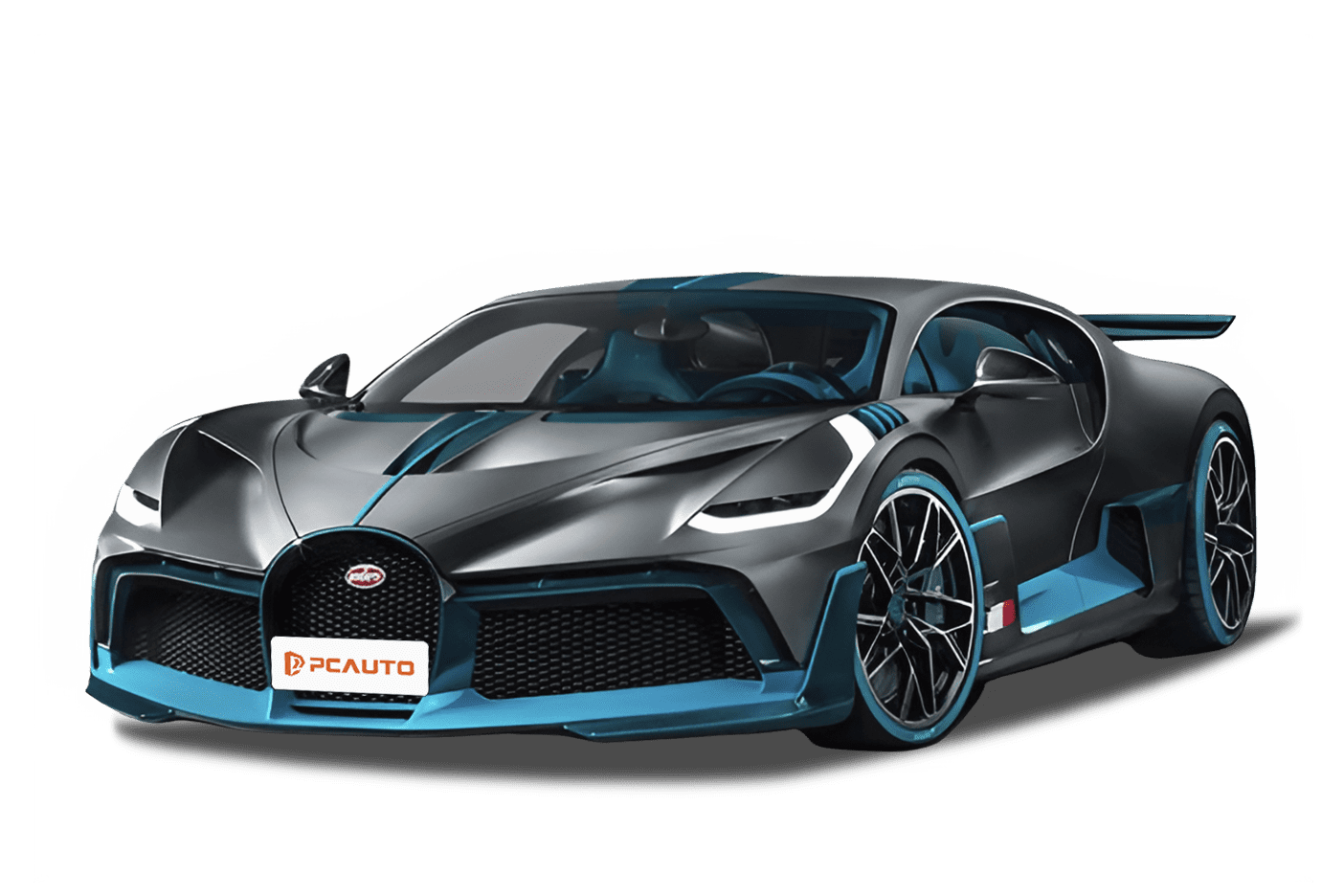
2023 Bugatti Divo, as a limited-edition hypercar and an advanced version of the Chiron, features track-focused aerodynamic design, 1520PS of brutal power, and precise handling, embodying the ultimate performance of being "born for the curves."
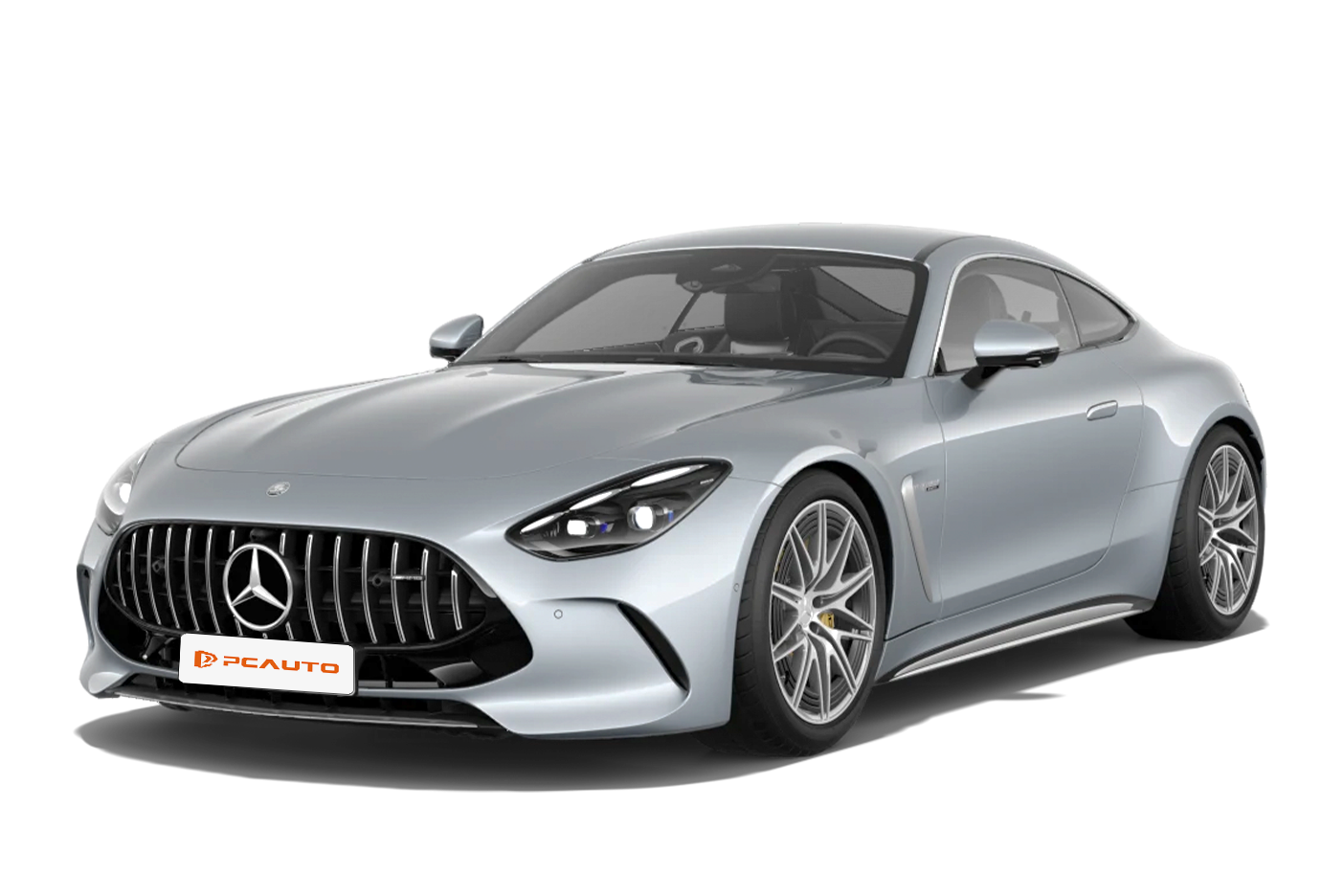
2025 Mercedes-Benz AMG GT 63 4Matic+ Coupe is a luxurious two-door sports car that combines 585PS 4.0T V8 performance (0-100 km/h in 3.2 seconds) with 351L of practical storage, balancing track excitement and daily commuting.