

Bugatti Divo Review

 Share
Share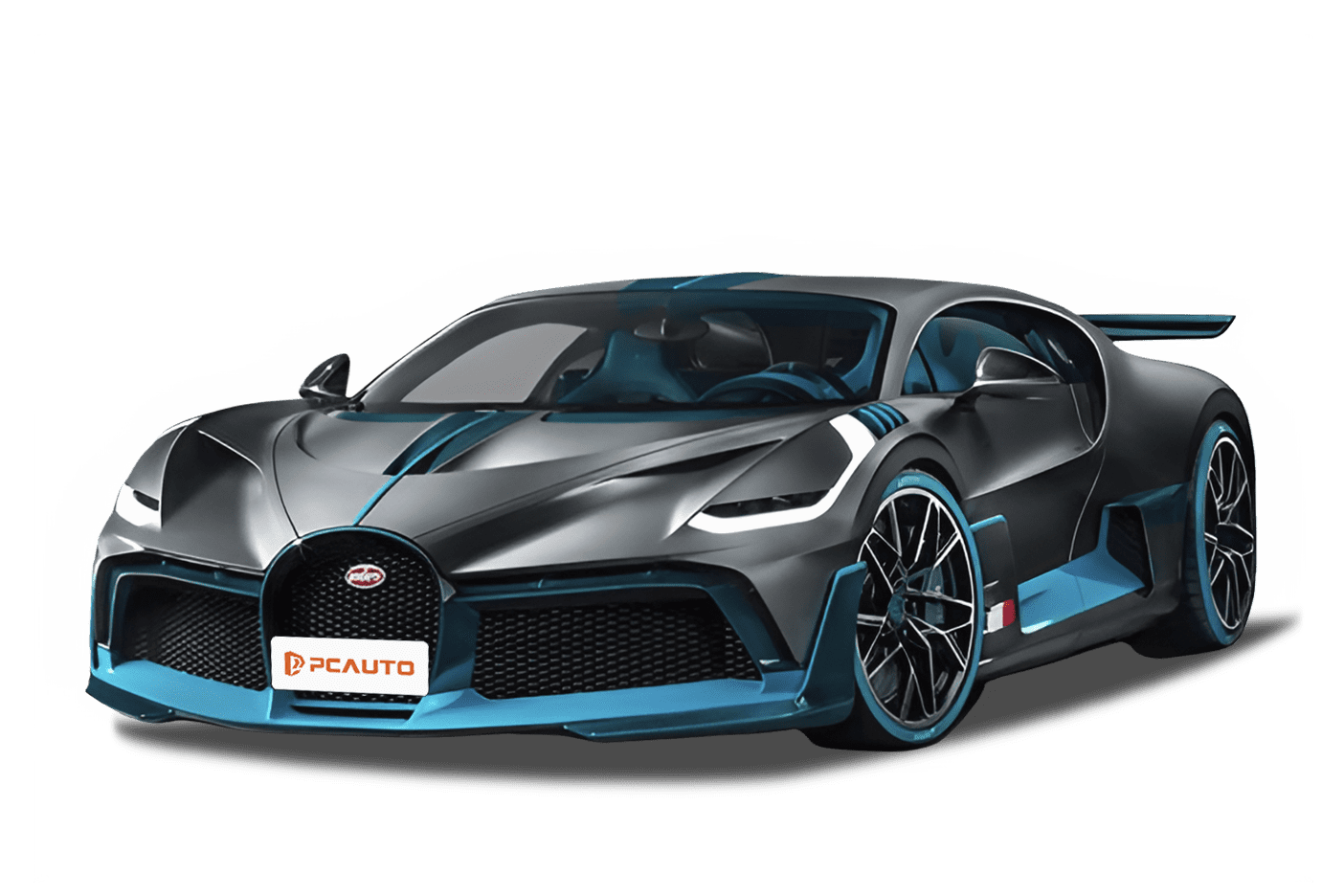
 Segment
 Body Type
 Capacity(L)
 Engine Power(PS)
 Transmission
 Driven Wheels
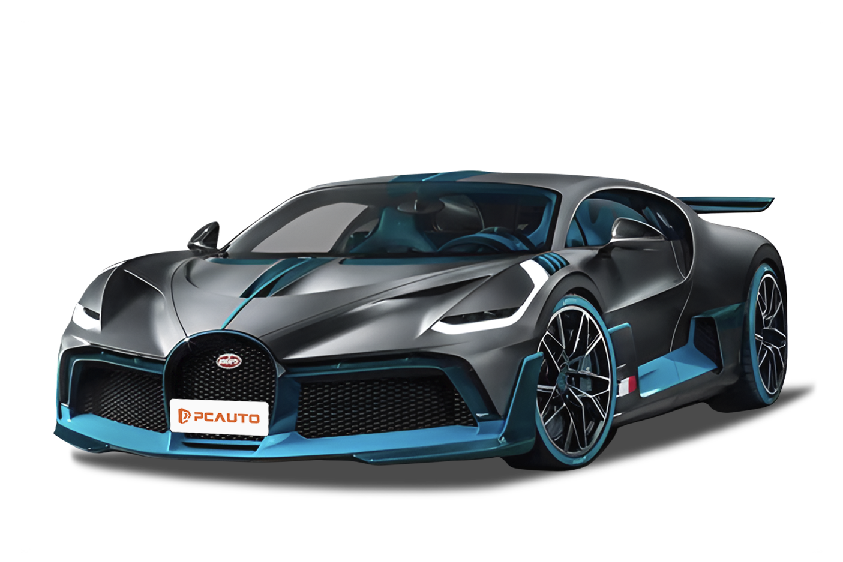
In the supercar market, every new car must break through homogeneity with extreme performance and unique design. Since its release, the Bugatti Divo has been attracting attention from car enthusiasts as the "advanced version of Chiron." This limited-edition, 40-unit two-door sports car’s core selling points are not only its ferocious power of 1520PS, but also its track-optimized aerodynamics and lightweight design. This time, through real-world tests, we aim to verify whether it can truly live up to its positioning of being "born for the curves" while retaining Bugatti's luxurious essence.
The exterior design of the Divo is entirely in service to aerodynamics. The front end continues Bugatti's signature horseshoe-shaped grille, but with an enlarged size, paired with fang-shaped air intakes on both sides to channel more airflow to cool the engine and braking system. The side profile features more aggressive lines than the Chiron, with grooved designs from the front fender to the door creating a continuous air tunnel that directs air towards the rear. The 20-inch front and 21-inch rear wheels adopt a multi-spoke lightweight design paired with 285/30 R20 and 355/25 R21 wide tires, fully maximizing visual impact. The most apparent changes are at the rear: the large, floating rear wing measures 2.2 meters wide and can generate up to 90 kilograms of downforce at high speeds. The taillights adopt a full-width LED design, with air ducts extending from both sides that align with the lower diffuser. This entire setup reduces the Divo's drag coefficient by 9% compared to the Chiron, greatly enhancing high-speed stability. As for the lighting system, the full LED headlights feature an automatic activation function, and the daytime running lights are arranged along the upper edge of the grille, providing tremendous visual recognition.
Sitting inside the cockpit, the Divo maintains Bugatti's consistent sense of luxury, but with details more geared toward the track. The center console is driver-centric, and extensive carbon fiber trim replaces parts of the leather coverage found in the Chiron. The steering wheel is wrapped in Alcantara material, offering a firm and anti-slip grip. The 12.3-inch fully digital instrument cluster is clear and can switch between different modes such as sport and track. The HUD (Head-Up Display) projects critical information like speed and RPM in real-time, preventing driver distraction. The seats are carbon fiber bucket designs, covered with perforated leather, and feature an eight-way electric adjustment to hold the body firmly without being overly restrictive. In terms of features, essentials like keyless entry, automatic air conditioning, and a 6-speaker audio system are all included. However, the rear seats are merely decorative—after all, with a width of 2018mm and a wheelbase of 2711mm, this is a pure two-seater sports car. The trunk has a volume of only 60 liters, just enough to accommodate a small carry-on suitcase, clearly showing that practicality is not its priority.
The moment the engine is started, the roar of the 8.0L W16 quad-turbocharged engine immediately puts you on edge. The maximum output of 1520PS is unleashed at 6700rpm, and the peak torque of 1600N·m is continuously delivered from 2000rpm to 6000rpm. Paired with a 7-speed DCT dual-clutch transmission, the gear shifts happen so quickly they are almost imperceptible. In sport mode, with a deep press of the accelerator at the start, the all-wheel-drive system evenly distributes power to all four wheels. Acceleration from 0-100km/h takes only 2.4 seconds, and 0-200km/h is achieved in just 6.1 seconds. Even in high-speed ranges above 200km/h, the pushback sensation during further acceleration remains strong, only tapering off near the electronically limited top speed of 380km/h (20km/h lower than the Chiron to prioritize cornering performance).
Handling is the core advantage of the Divo. The front and rear double-wishbone independent suspension is track-tuned, with damping stiffness improved by 15% compared to the Chiron. Body roll is minimized to the extreme during cornering. The steering is precise, with almost no slack, and every movement of the wheel directly conveys road feedback. During mountain road tests, even at relatively high speeds in corners, the wide tires provide ample grip, and the car follows the driver’s command exceptionally well. The minimum ground clearance of the chassis is 125mm, combined with the aerodynamic kit, ensuring high-speed stability surpassing expectations. However, the stiff suspension can feel slightly bumpy on city roads, and care is needed to slow down when passing speed bumps.
As for braking performance, the carbon-ceramic brake discs deliver robust and linear braking force, with a 100-0km/h braking distance of less than 32 meters. Even during consecutive braking, there is no noticeable heat fade. Fuel consumption meets expectations, with approximately 25L/100km in urban conditions and around 18L/100km on highways. The 100L fuel tank provides a range of about 400km, which is sufficient for daily short-distance driving or track day use. Regarding noise control, engine noise is well isolated at low speeds. However, at speeds exceeding 120km/h, wind noise and tire noise become more noticeable—though for a supercar, this tends to enhance the immersive driving experience.
In summary, the Bugatti Divo is not merely a rebodied version of the Chiron but a supercar genuinely optimized for track performance and driving pleasure. Its core advantages lie in superior aerodynamics, more precise handling, and a purer driving experience while retaining Bugatti's luxurious essence. Compared to competitors in the same class, such as the Pagani Huayra R or Koenigsegg Jesko, the Divo stands out by balancing track performance with everyday drivability, avoiding the untamed nature of pure track cars.
This car is clearly not designed for family use; instead, it targets wealthy car enthusiasts who already own multiple supercars and pursue ultimate driving pleasure and collectible value. If you're looking for a top-tier supercar that can both conquer the track and make a statement when occasionally visiting a coffee shop, the Divo is an excellent choice. Of course, being a limited production of only 40 units also makes it akin to a mobile work of art—owning one is, in itself, a sign of sheer power and status.
The Bugatti Divo proves through its data and performance that it is a supercar that "understands corners better than the Chiron." It doesn’t compromise performance for comfort, nor does it sacrifice luxury for extreme performance. This balance ensures its solid standing in the top-tier supercar market. For those who truly comprehend its essence, the price of 15 million Malaysian Ringgit buys not only power and speed but also Bugatti’s ultimate interpretation of driving pleasure.
Bugatti Divo Car Compare
Bugatti Divo Loan Calculator
More Bugatti Reviews
Cars With Similar Price And Features
8
Rank in Coupe
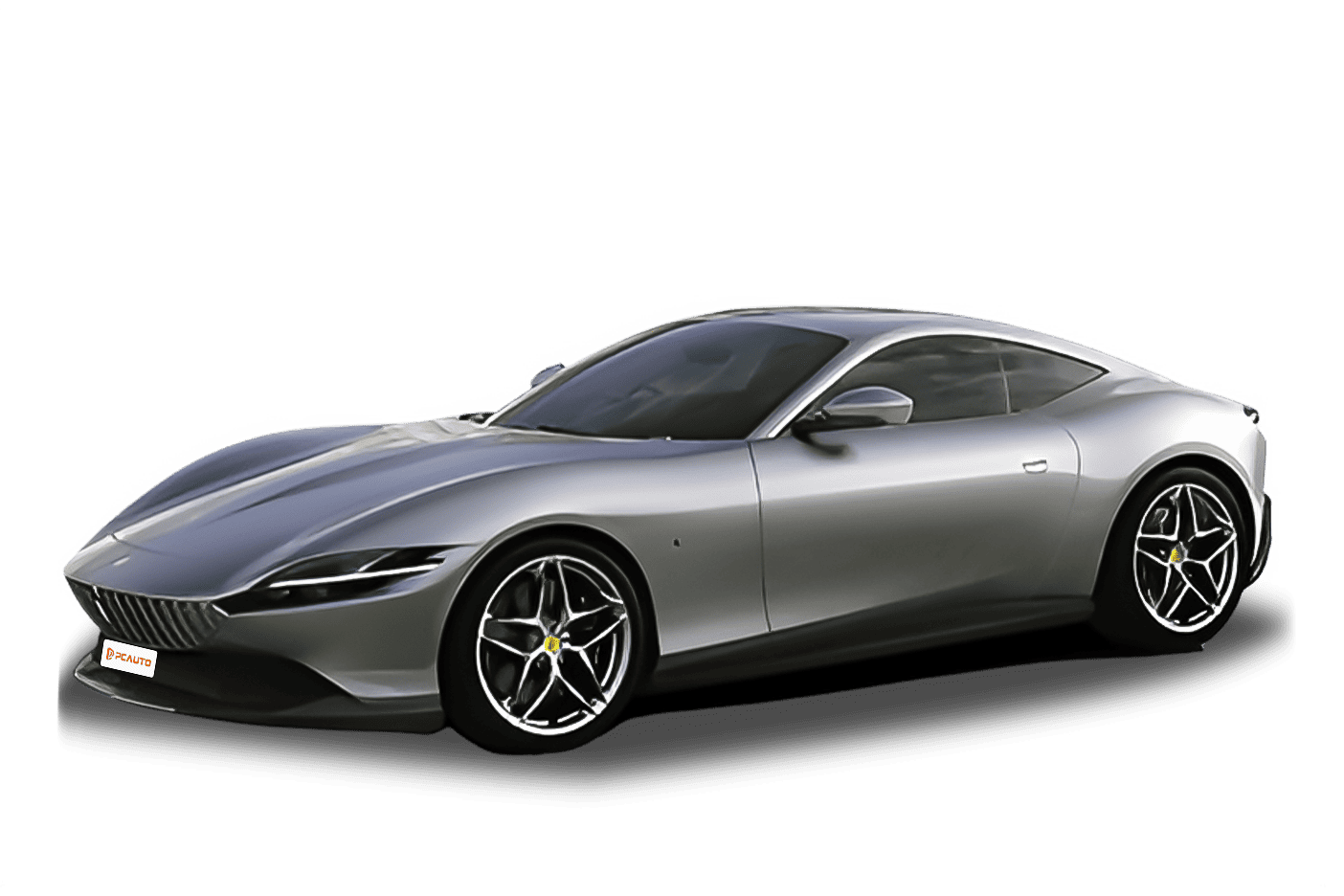
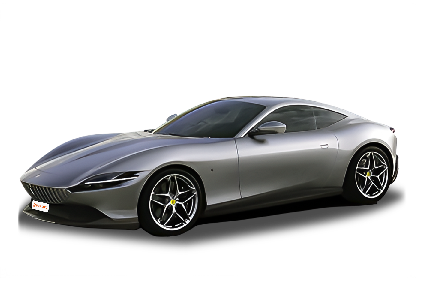
2023 Ferrari Roma Spider is a hardtop convertible GT supercar that combines elegant style with powerful performance, 13.5-second fast-opening soft top + 620PS power, practical for daily use and full of driving pleasure.

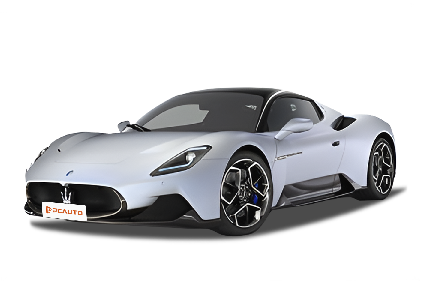
2023 Maserati MC20 Cielo is a two-seater supercar that combines track-level performance with convertible romance, equipped with a 630PS 3.0T V6 engine, a glass hardtop that opens and closes in 12 seconds, and accelerates to 100 km/h in 2.9 seconds.
2
Rank in Coupe
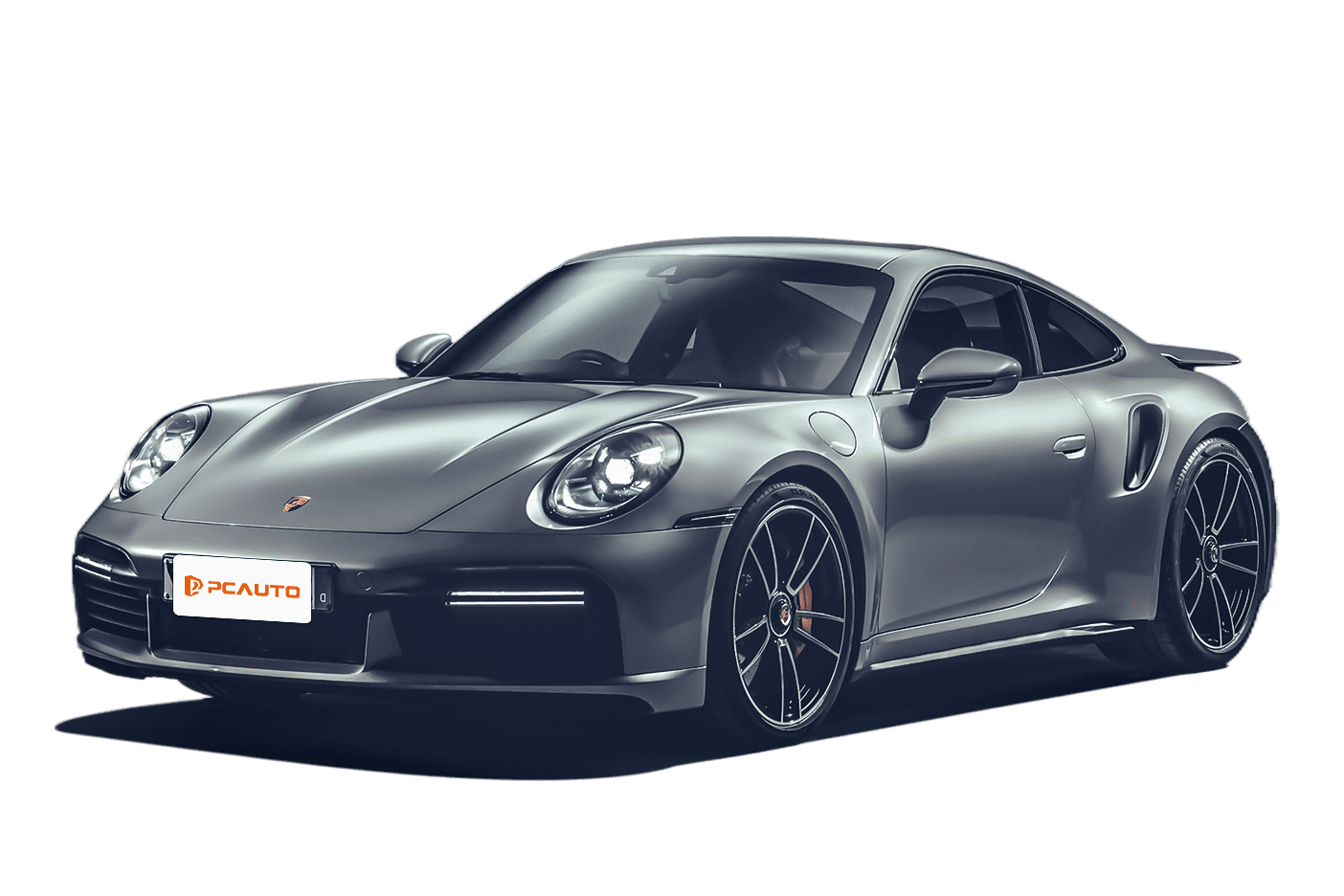
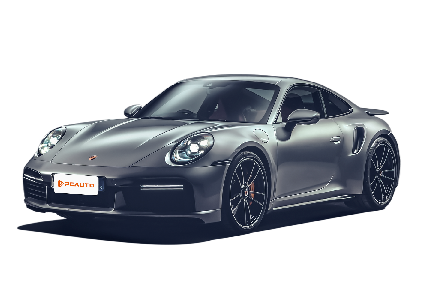
The 2025 Porsche 911 Carrera, as a classic entry-level coupe, features a 0-100 km/h acceleration in 3.9 seconds with its 3.0T+PDK performance, combining practical daily configurations and iconic design to balance track excitement with commuting convenience.
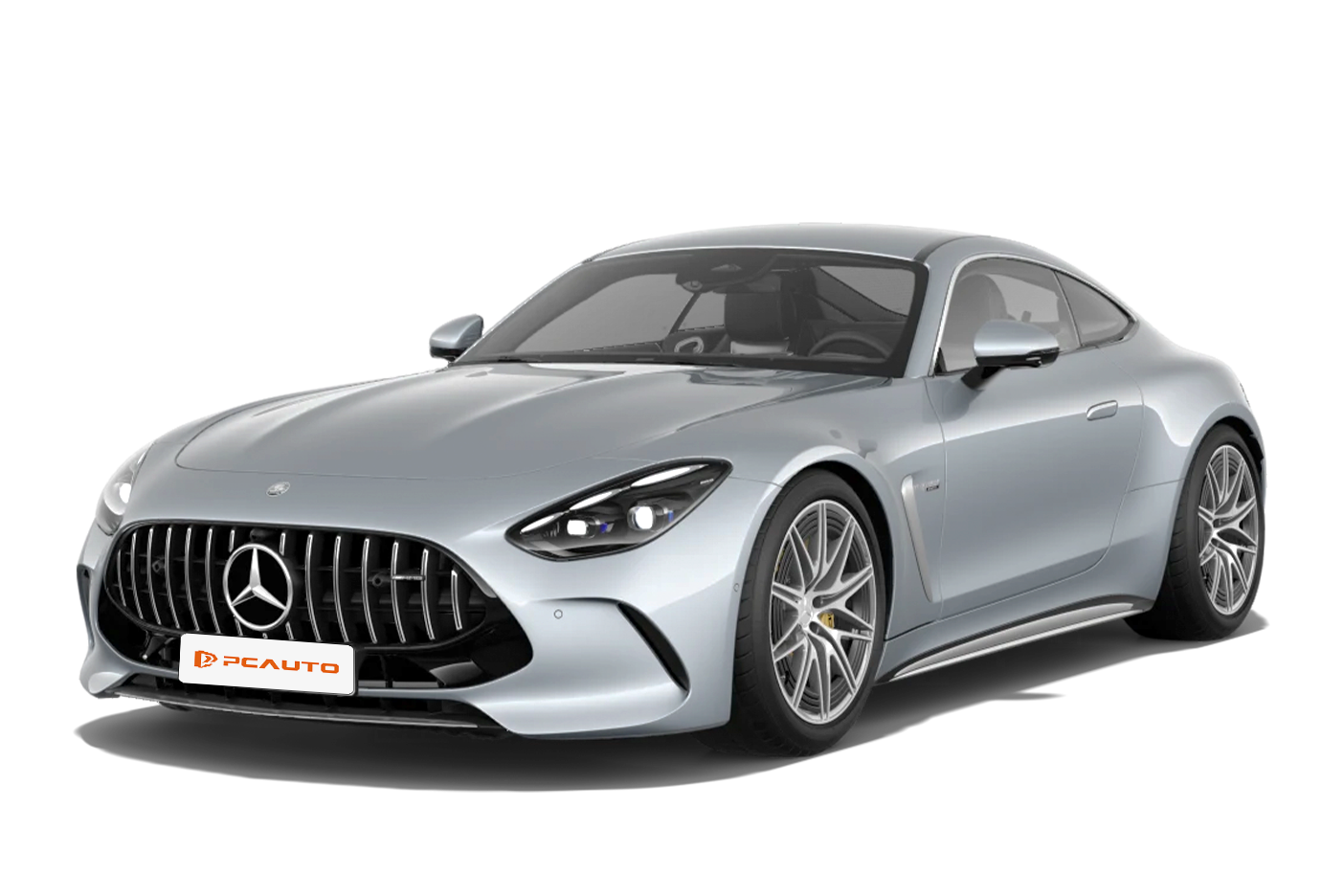
2025 Mercedes-Benz AMG GT 63 4Matic+ Coupe is a luxurious two-door sports car that combines 585PS 4.0T V8 performance (0-100 km/h in 3.2 seconds) with 351L of practical storage, balancing track excitement and daily commuting.