

Mercedes-Benz AMG GT 63 Review

 Share
Share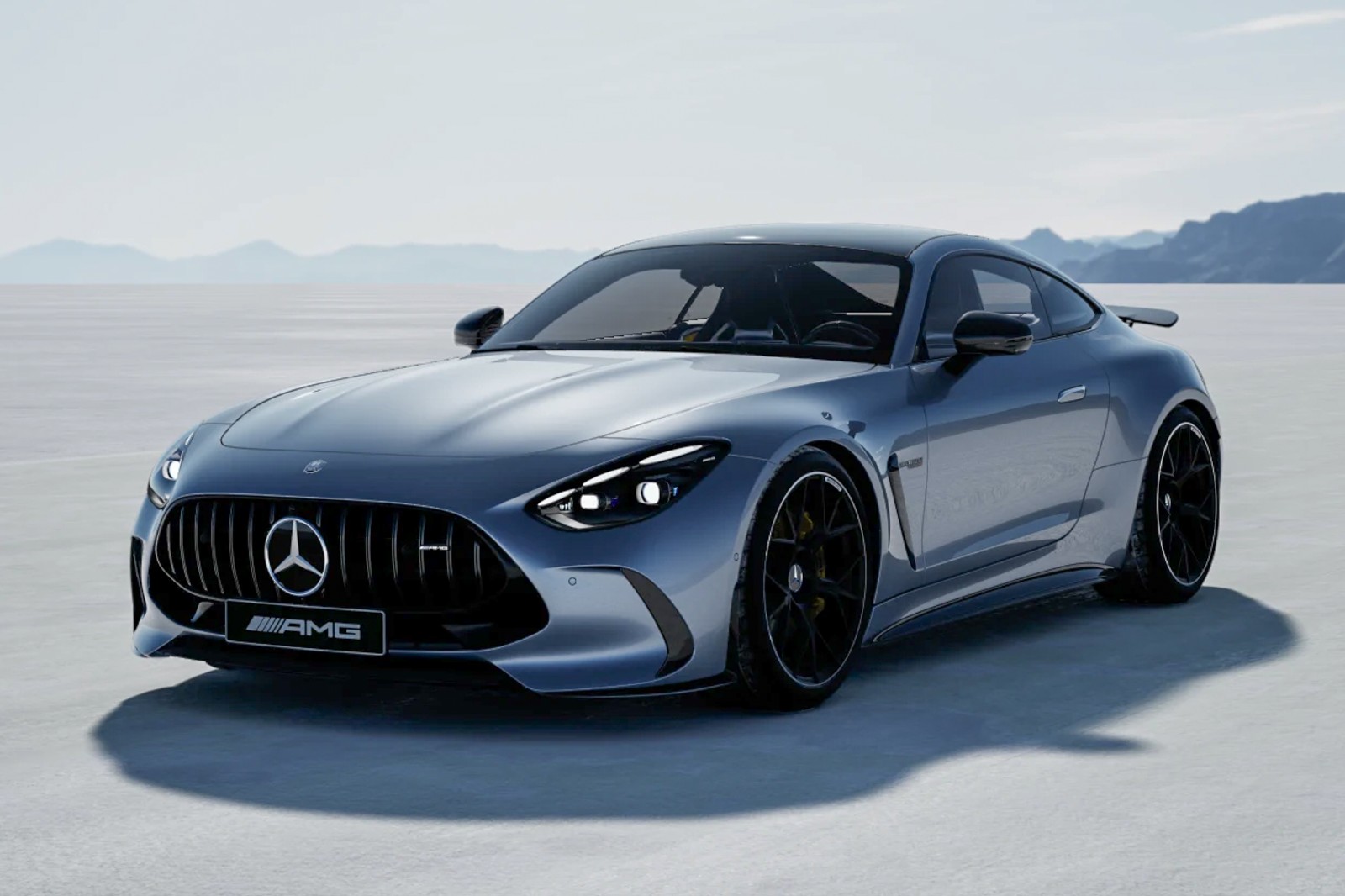
 Segment
 Body Type
 Capacity(L)
 Engine Power(PS)
 Engine Torque(Nm)
 Transmission
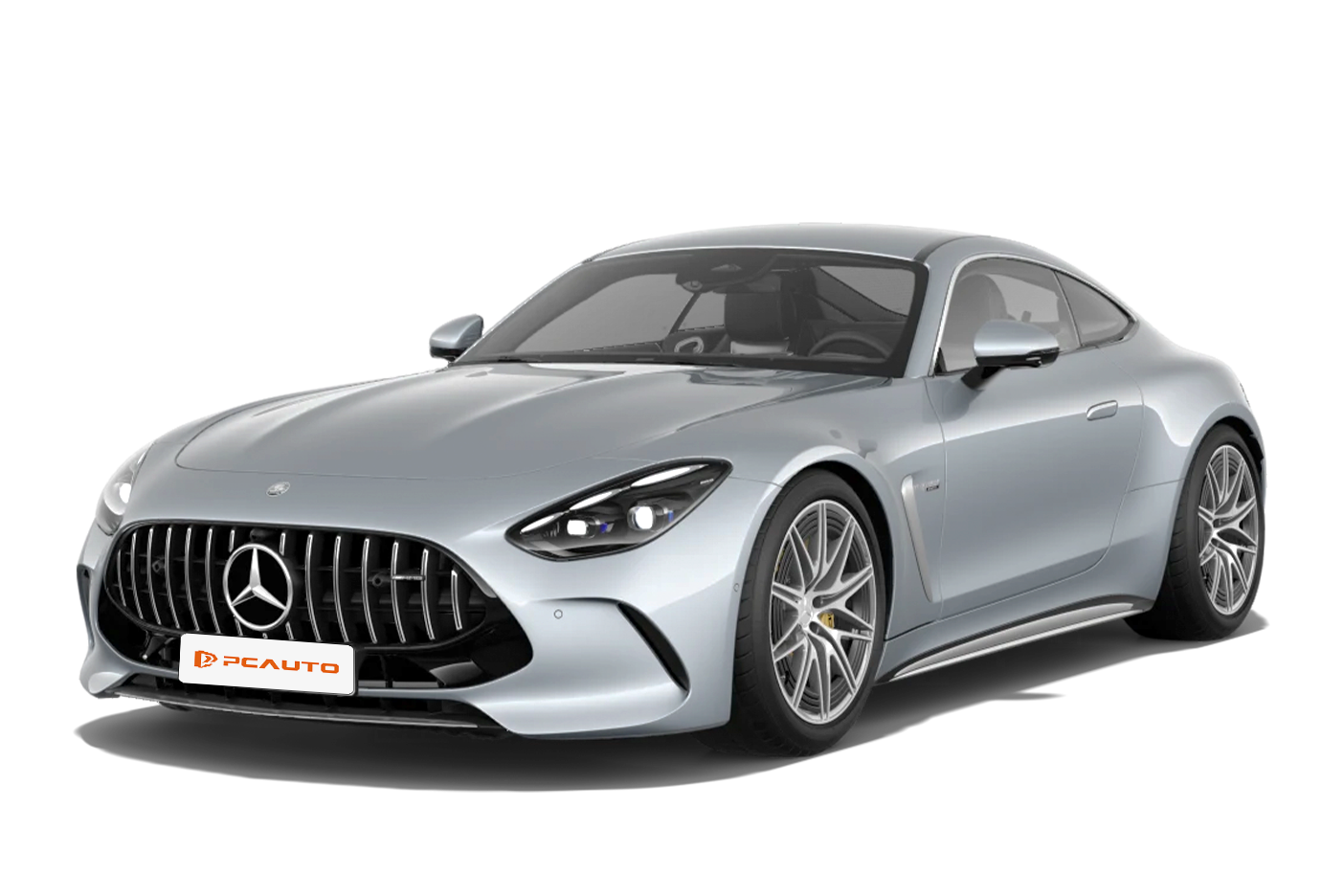
As the luxury sports car market increasingly values “a balance between performance and daily practicality,” the niche segment of two-door pure gasoline sports cars is undergoing more precise product iterations. The 2025 Mercedes-Benz AMG GT 63 4Matic+ Coupe, as the latest two-door model in the family, highlights its 4.0T V8 engine with 585PS, an acceleration time of just 3.2 seconds from 0 to 100 km/h, and a 351L trunk capacity as its core selling points, offering both track passion and urban commuting convenience. This test will focus on whether its dynamic performance matches AMG's essence and whether its static attributes justify its price tag of nearly 1.9 million MYR.
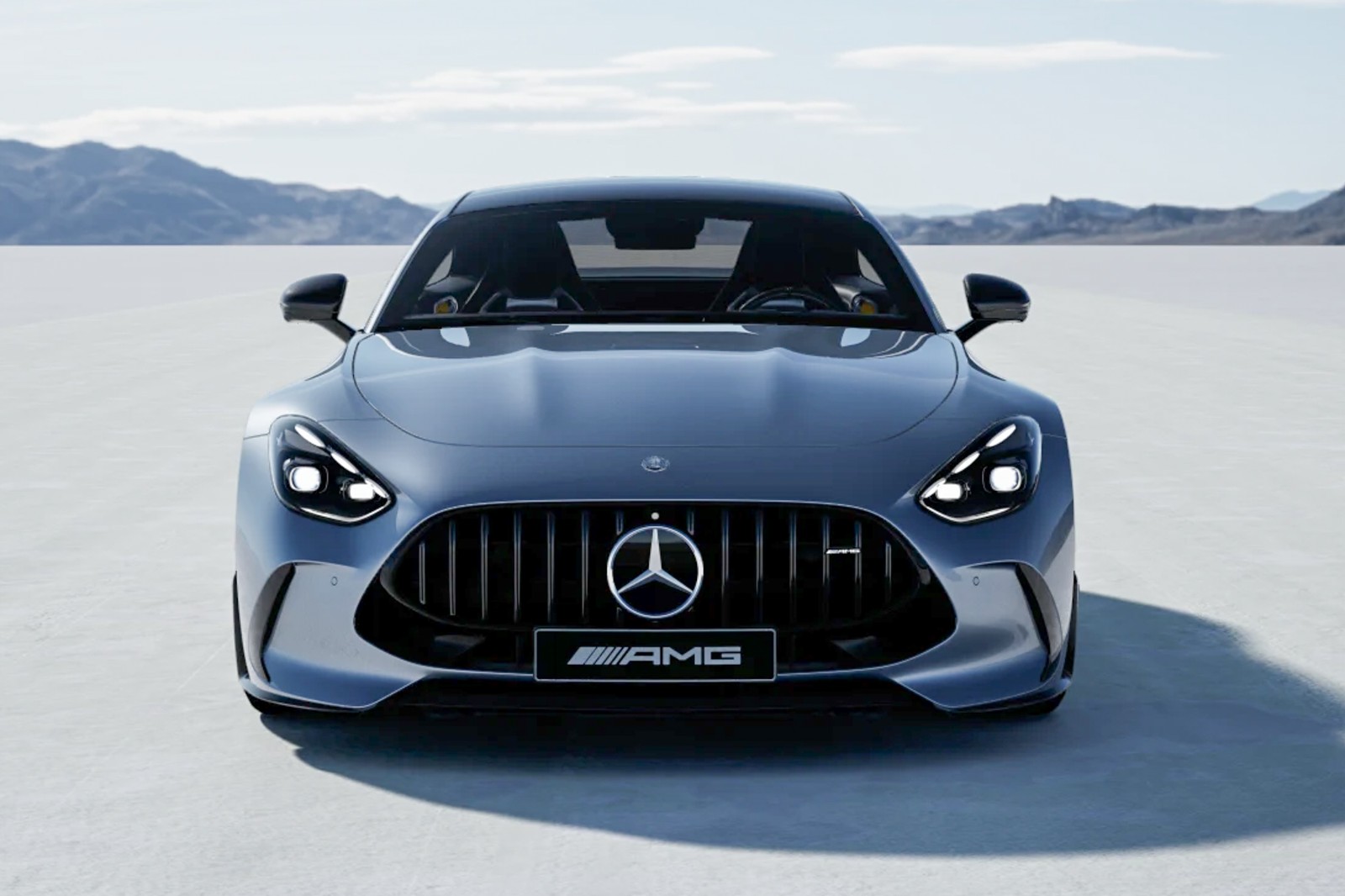
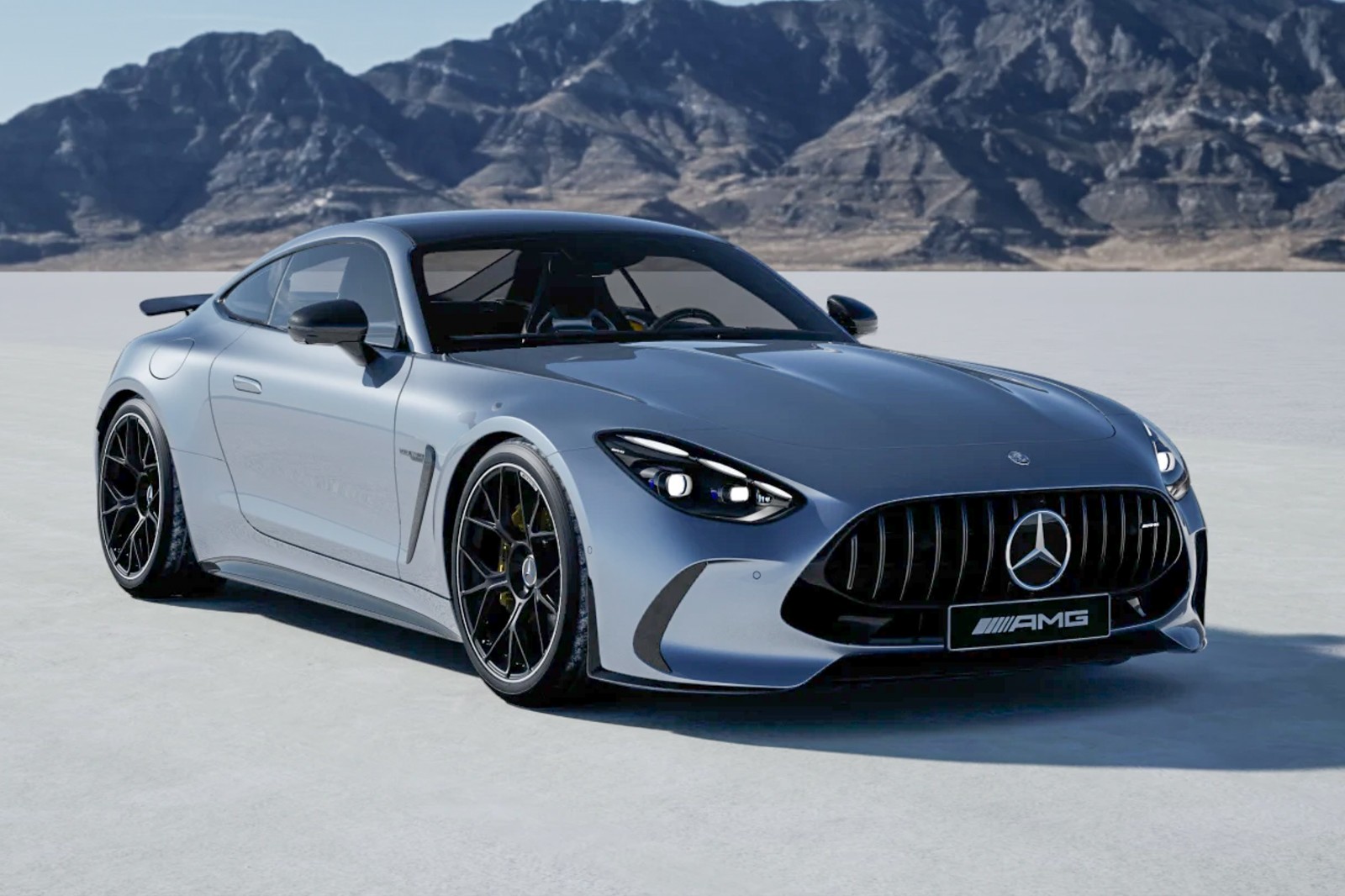
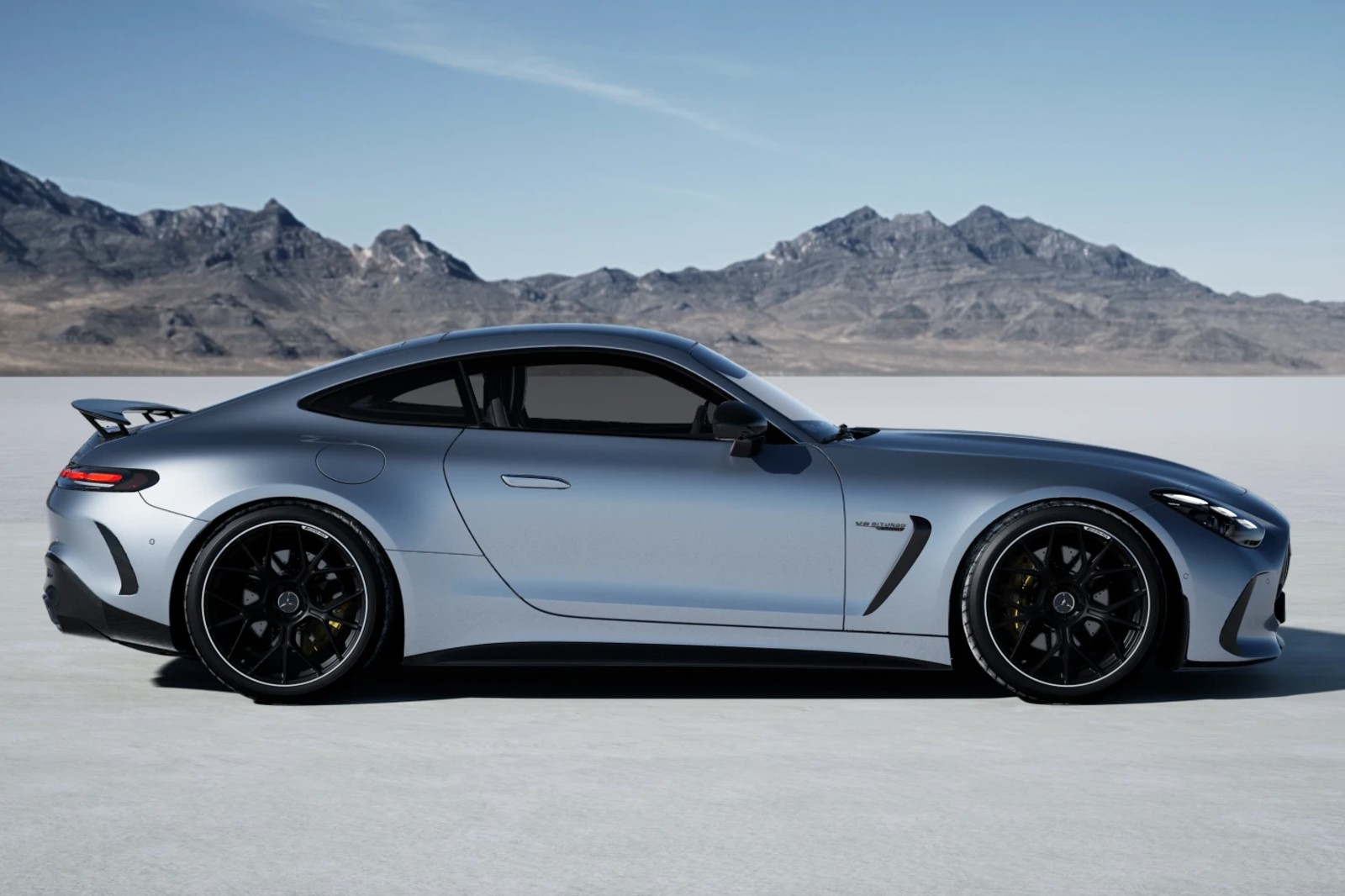
In terms of exterior design, the new car continues the wide-body, low-slung stance of the AMG GT family. With a length of 4728mm and a width of 2100mm, it is visually aggressive. The front adopts a blacked-out vertical grille, with L-shaped LED daytime running lights connected to large air inlets on both sides, maximizing its identity; the side profile features smooth lines, with a sloping roofline extending from the A-pillar to the rear and paired with 21-inch large wheels, enhancing the sports car's dynamic feel. The rear features through-type LED tail lights, a quad-exhaust layout, and a diffuser design, further emphasizing its identity as a performance-oriented vehicle. The lighting system includes standard LED sources across the entire lineup, with automatic headlights and daytime running lights improving daily usability.
Inside the car, the interior is primarily black, with extensive use of Alcantara materials and carbon fiber panels, creating a strong racing atmosphere. The central console is equipped with an 11.9-inch touchscreen powered by the MBUX intelligent system, offering smooth operation and supporting voice control. Standard features include a head-up display (HUD), multifunction steering wheel, and shift paddles, combining technological flair with operational convenience. The seats use AMG Performance electrically adjustable seating, support memory functions, offer strong support, and include soft padding, ensuring comfort for long periods of sitting. A dual-zone automatic air conditioning system and a Burmester 17-speaker audio system further enhance driving comfort. In terms of configuration, the new car comes with 8 airbags, ACC adaptive cruise control, a 360-degree panoramic camera, and comprehensive safety features such as active braking and lane departure warning, ensuring top-notch safety performance.
In terms of space, as a two-door sports car, the 2700mm wheelbase ensures ample space for front-seat passengers. A 180cm tall occupant sitting in the front has more than a fist's worth of headroom and legroom. The rear seating space is relatively compact, suitable only for short trips or emergencies. The trunk has a capacity of 351L, which can accommodate two 20-inch carry-on suitcases, meeting the storage needs for daily commutes or short trips. The in-car storage compartments are well-designed, with a central armrest box and door panel storage slots offering considerable capacity, making its practicality among the best in its class of sports cars.
Dynamic performance is the car's standout feature. The 4.0T V8 twin-turbocharged engine delivers a maximum output of 430kW (585PS) and a maximum torque of 800N·m, paired with a 9-speed automatic transmission (9AT) and the 4Matic+ all-wheel-drive system, achieving an official 0-100km/h acceleration in just 3.2 seconds. During real-world driving, the power response is swift during the start-up phase, with almost no noticeable turbo lag. When pressing the accelerator deeply, the surge of power is intense, and mid-range acceleration inspires confidence for overtaking. Switching to Sport+ mode enhances the exhaust sound and makes the transmission shifts more aggressive, catering to driving enthusiasts' needs. The chassis adopts a double-wishbone independent suspension for both front and rear, calibrated on the firmer side but with excellent resilience. It performs outstandingly in cornering, with minimal body roll and precise steering feedback. While navigating bumpy urban roads, the suspension filters out most minor vibrations, ensuring a certain level of comfort. The braking system features ceramic ventilated discs, providing responsive braking and showing no significant thermal decay during continuous braking.
In terms of fuel consumption, the official combined fuel consumption is 14L/100km, with actual city road consumption around 16-18L/100km, and it can drop to about 12L/100km under highway conditions, which aligns with the expectations of a high-displacement sports car. Noise control performs excellently, with wind and tire noise well suppressed during steady-speed driving. Only at high RPMs does engine noise penetrate the cabin, which is also part of the charm of performance cars.
Compared to the 2023 AMG GT 63 S E Performance plug-in hybrid model, the 2025 two-door model, though slightly slower in acceleration (3.2 seconds vs 2.9 seconds), is approximately 248,000 MYR cheaper and has lower maintenance costs for the pure gasoline engine. The two-door design also better suits the aesthetic preferences of traditional sports car enthusiasts. Overall, the new car's core advantages lie in its pure gasoline V8 driving experience, practical space performance, and comprehensive safety features.
The 2025 Mercedes-Benz AMG GT 63 4Matic+ Coupe is suitable for two types of customers: first, sports car enthusiasts pursuing the pure V8 power and driving pleasure, and second, luxury performance car users who need a car for daily commuting and occasional track days. It strikes a good balance between performance, practicality, and price, making it a strong competitor in the current luxury two-door sports car market.
Mercedes-Benz AMG GT 63 Car Compare
Mercedes-Benz AMG GT 63 Loan Calculator
More Mercedes-Benz Reviews
Cars With Similar Price And Features
8
Rank in Coupe
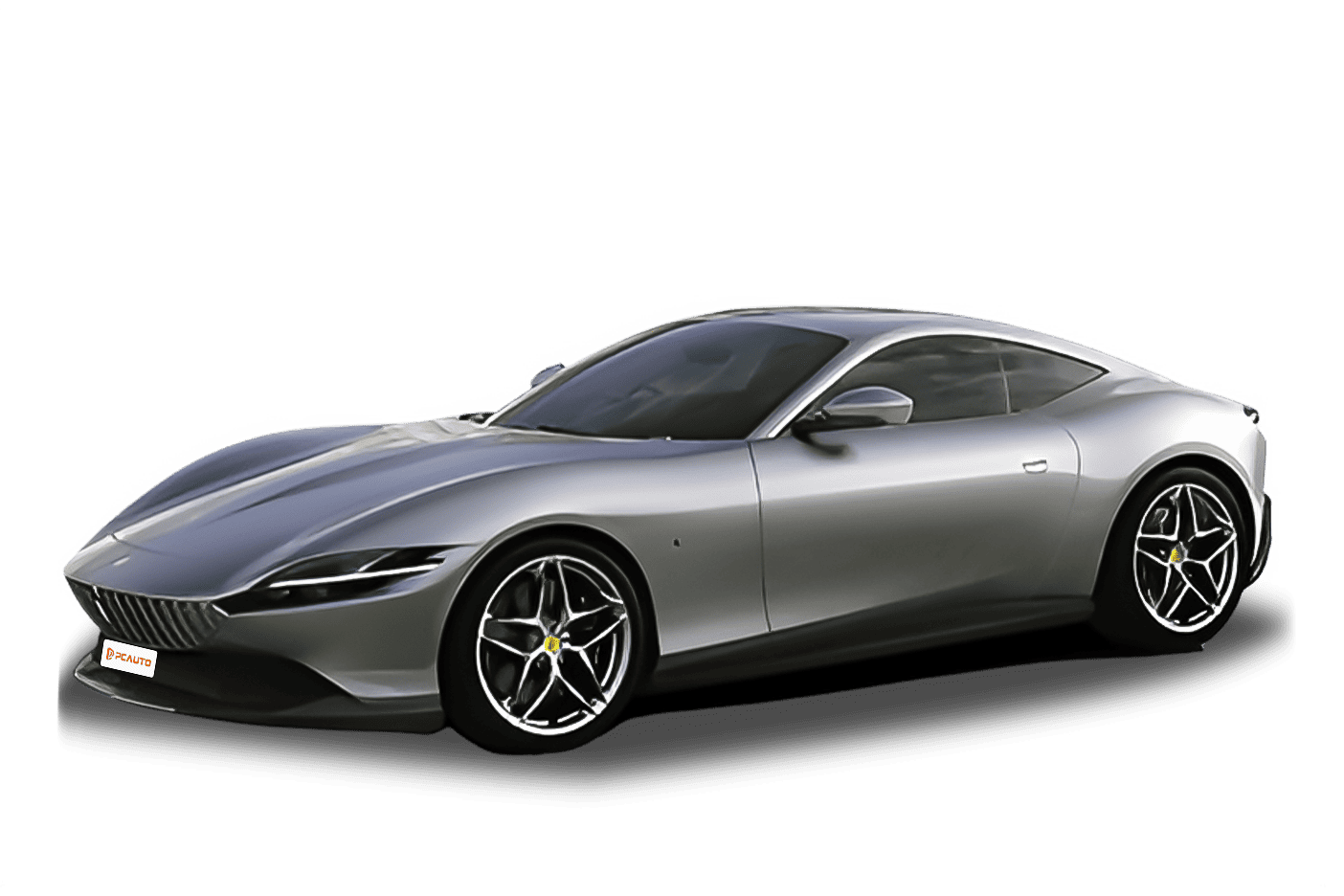
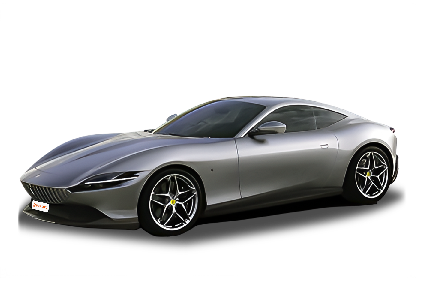
2023 Ferrari Roma Spider is a hardtop convertible GT supercar that combines elegant style with powerful performance, 13.5-second fast-opening soft top + 620PS power, practical for daily use and full of driving pleasure.

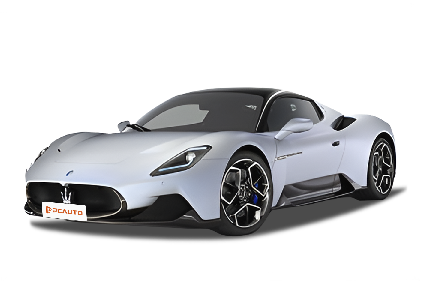
2023 Maserati MC20 Cielo is a two-seater supercar that combines track-level performance with convertible romance, equipped with a 630PS 3.0T V6 engine, a glass hardtop that opens and closes in 12 seconds, and accelerates to 100 km/h in 2.9 seconds.
2
Rank in Coupe
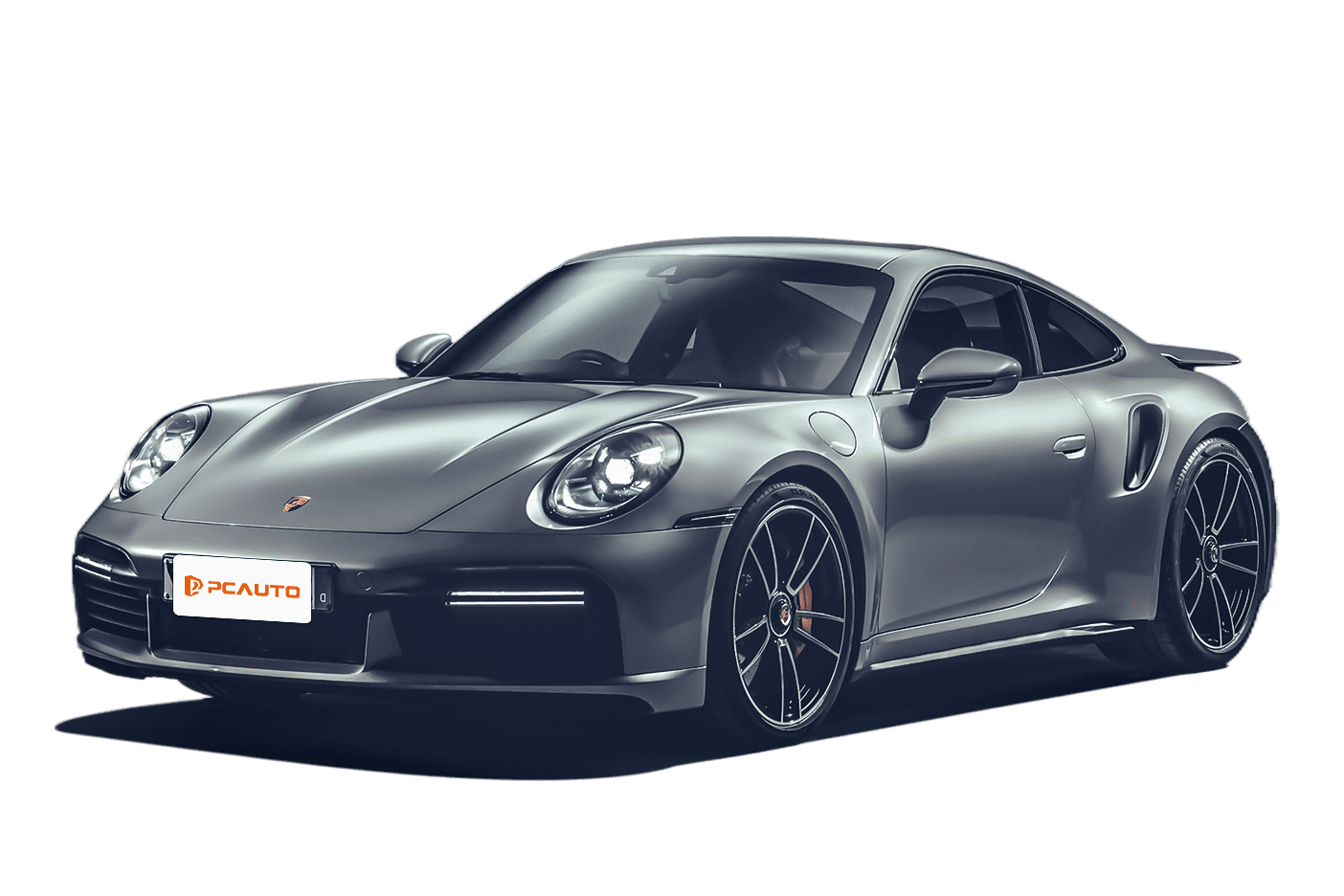
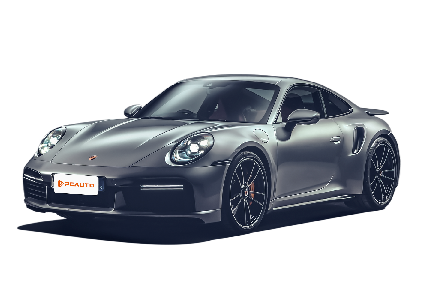
The 2025 Porsche 911 Carrera, as a classic entry-level coupe, features a 0-100 km/h acceleration in 3.9 seconds with its 3.0T+PDK performance, combining practical daily configurations and iconic design to balance track excitement with commuting convenience.
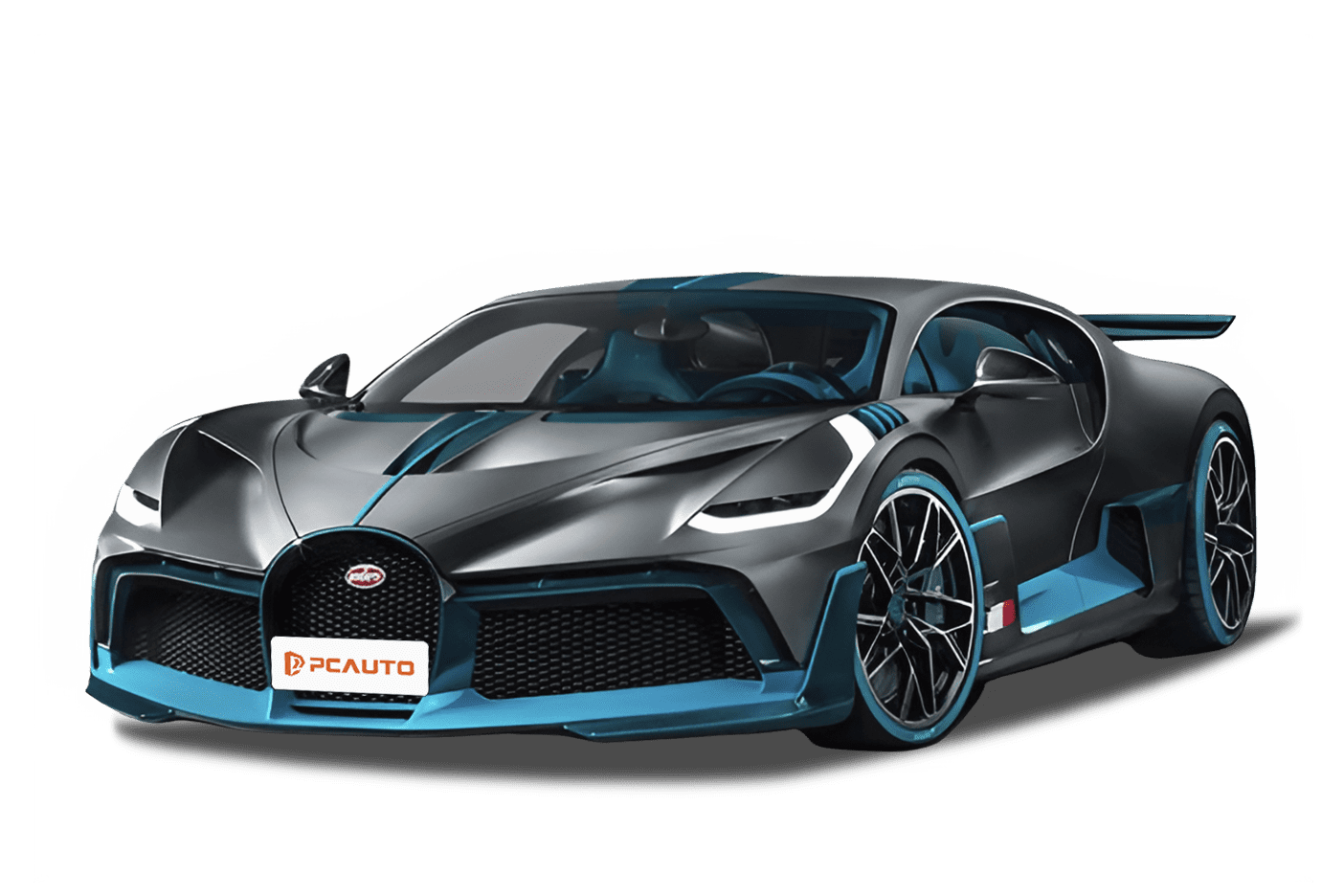
2023 Bugatti Divo, as a limited-edition hypercar and an advanced version of the Chiron, features track-focused aerodynamic design, 1520PS of brutal power, and precise handling, embodying the ultimate performance of being "born for the curves."