
Ferrari SF90 2020 Review

 Share
Share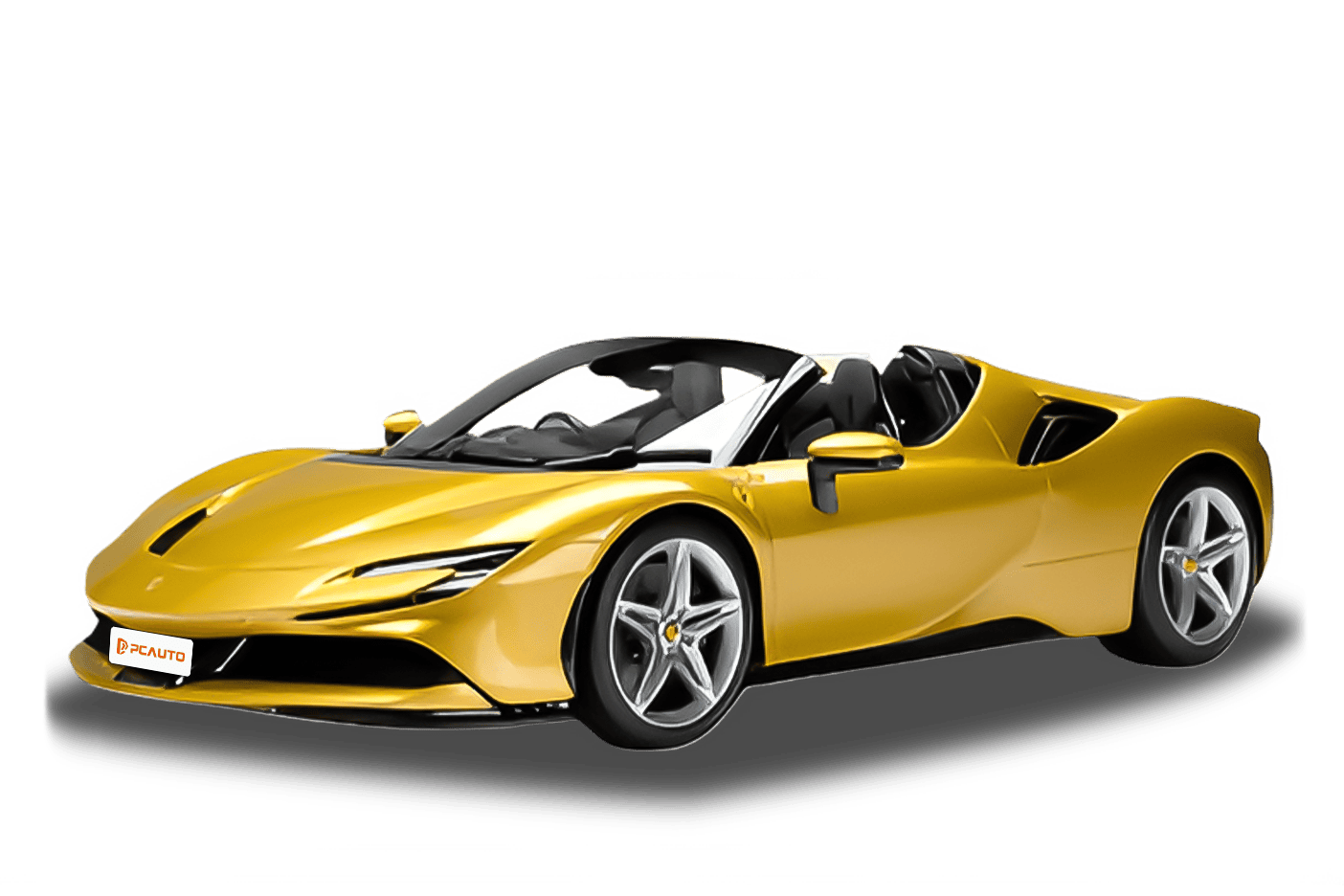
 Segment
 Body Type
 Capacity(L)
 Engine Power(PS)
 Transmission
 Engine Torque(Nm)
In recent years, Malaysia's supercar market has been continuously segmented, and hybrid supercars that combine track performance and daily adaptability have gradually become the focus of enthusiasts. As Ferrari's first mass-produced plug-in hybrid supercar, the SF90 Stradale V8 has targeted the high-end sports car niche since its launch in 2020. Its core selling points—a V8 twin-turbo + three-motor hybrid system delivering 1000 horsepower, acceleration from 0 to 100 km/h in 2.5 seconds, and better daily practicality compared to traditional purely gasoline-powered supercars—have always intrigued car enthusiasts: can it truly balance track passion and road comfort? This test drive will restore the real usage scenarios of the vehicle by focusing on its exterior design, driving experience, and performance.
The exterior design of the SF90 Stradale is entirely focused on aerodynamics. The overall lines are smooth and aggressive, with a low trapezoidal front grille, side air intakes, and a front lip design that directly optimizes the airflow around the front wheel arches. The "shark fin" air channels along the side of the car extend from the A-pillar to the rear, accompanied by hidden door handles that effectively reduce drag coefficient. The active rear spoiler can automatically adjust its angle according to speed, providing up to 390kg of downforce at maximum. In terms of lighting, the front headlights adopt a matrix LED light source with sharp and highly recognizable designs, while the rear lights feature Ferrari's iconic ring design, creating a visual harmony with the diffuser and the quad-exhaust layout, giving the car a highly sporty appearance.
Entering the cabin, the interior of the SF90 Stradale is centered around the driver. The center console is inclined 15 degrees toward the driver's seat, and all key control buttons are concentrated around the steering wheel or central touchscreen. In terms of materials, large areas of Alcantara upholstery on the seats and door panels, combined with carbon fiber trim, not only ensure light weight but also enhance luxury. A curved 16-inch central screen integrates vehicle information, navigation, multimedia, and other functions, with high interface responsiveness. The multifunctional steering wheel comes standard with paddle shifters and a driving mode selector knob (eDrive, Hybrid, Performance, Qualify), with clear operational logic. For configurations, both driver and passenger seats support electric adjustment and heating functions. Although designed as sport seats, the lumbar support and lateral bolstering can be adjusted according to body size, ensuring everyday comfort without excessive tightness.
In terms of space performance, the vehicle dimensions are 4704×1973×1226mm with a wheelbase of 2649mm. The standard two-seat layout ensures adequate legroom for both the driver and passenger. A passenger of 180 cm sitting in the front passenger seat would have about a fist's worth of space between their knees and the center console. Storage space is relatively compact with the trunk offering only 74L of volume, enough to fit a carry-on suitcase or a small number of personal items. The door panel storage slots and the center armrest box also offer limited space, making it more suitable for short trips or track-day use. However, the interior is equipped with front USB ports and a wireless charging pad, meeting basic charging needs.
The powertrain is the core advantage of the SF90 Stradale. Its 4.0T V8 twin-turbo engine has a maximum output of 780 PS, with an additional 220 PS provided by the three-motor system (dual motors on the front axle and a single motor on the rear axle), bringing the total power output to 1000 PS and peak torque to 800 Nm. The car is paired with an 8-speed DCT transmission. In eDrive mode, the pure electric range is approximately 25 km, suitable for short city commutes. The Hybrid mode automatically switches between gasoline and electric power, with an official combined fuel consumption of 6.1L/100km, approximately 30% lower than pure gasoline-powered supercars in the same class. In Performance mode, the engine is constantly engaged for more direct power response, while the Qualify mode unlocks the full potential of the powertrain. At launch, the three motors and engine work together to deliver an intense sense of acceleration, reaching 0-100 km/h in just 2.5 seconds. During overtaking, a deep press on the accelerator translates to gear shifts within 200ms, with absolutely seamless power transitions.
The handling and chassis performance are equally impressive. The steering wheel has a heavy turning feel with minimal play, and its precision aligns with the expectations of a supercar. The suspension system adopts a double-wishbone independent structure, combined with adaptive dampers. In sport mode, it offers strong support, keeping the body roll within 3 degrees when cornering; in comfort mode, it can filter out most minor road bumps, and even when driving over urban speed bumps or uneven roads, the feedback does not feel overly harsh. As for the all-wheel-drive system, the front axle features dual motors that independently control torque distribution, working in conjunction with a mechanical differential on the rear axle. This noticeably improves traction compared to rear-wheel-drive supercars during starts on slippery roads, while allowing for more precise body posture adjustments when cornering on the track.
In specialized performance tests, fuel consumption in track mode was measured at 15.8L/100km, while highway cruising (at a constant speed of 90km/h) resulted in an impressively low 7.2L/100km, showcasing better-than-expected fuel efficiency. In terms of braking performance, the 6-piston front calipers paired with 390mm carbon-ceramic brake discs achieved a 100-0km/h braking distance of just 30.5 meters, with minimal fade even after 10 consecutive stops. For driving comfort, the cabin offers excellent sound insulation, keeping wind and tire noise at merely 65 decibels during 120km/h cruising speeds. The seats, made of Alcantara material, are highly breathable, ensuring they remain cool even during long drives. The energy recovery system in eDrive mode provides three adjustable levels, with the highest level approximating a one-pedal driving experience, making it convenient for daily commuting by reducing the need for frequent braking.
In conclusion, the SF90 Stradale offers three core advantages: first, the extreme performance brought by its thousand-horsepower hybrid system, with acceleration and handling that lead its class of pure combustion-engine supercars; second, relatively flexible daily usability, as its pure electric mode is well-suited for urban commuting, with better fuel economy than traditional supercars; third, the seamless integration of aerodynamics and design, achieving both high recognition and functionality in its appearance. Compared to competitors in the same class, such as the Lamborghini Huracán Performante, the SF90 Stradale holds an edge in power figures and technological features. Although slightly more expensive, it boasts outstanding overall value for its price.
This model is well-suited for two types of users: first, supercar enthusiasts who pursue ultimate performance, as its track capabilities meet professional driving requirements; second, high-end users who value lifestyle quality, as its pure electric mode and comfortable chassis make it ideal for short urban commutes. Overall, the SF90 Stradale is not a specialized "track toy" but a well-rounded hybrid supercar that combines passion and practicality.
More Ferrari Reviews
Cars With Similar Price And Features
10
Rank in Coupe
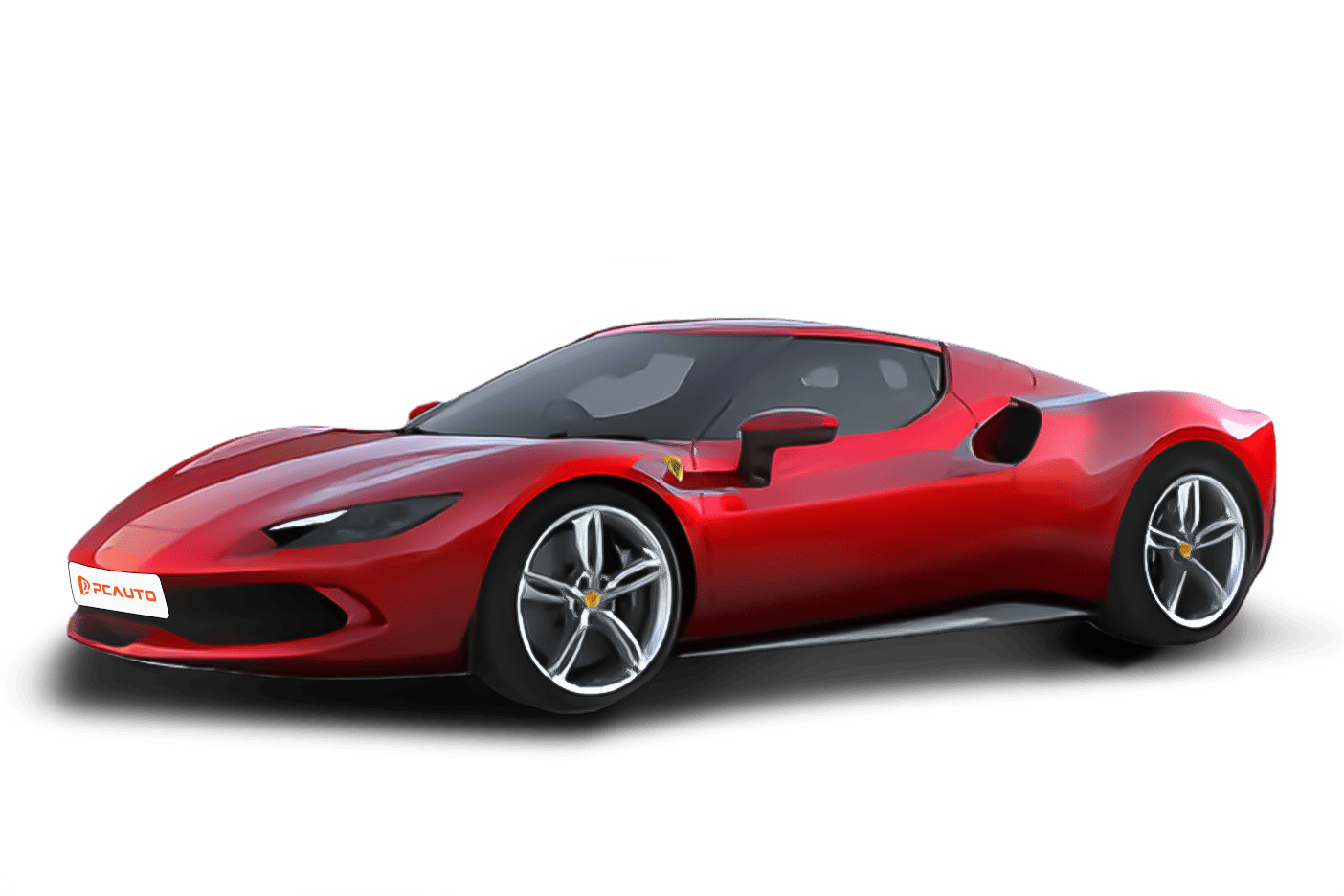
2022 Ferrari 296 GTS V6 is a convertible supercar equipped with an 830PS hybrid system, combining extreme performance of 0-100 km/h in 2.9 seconds with a flexible convertible experience of a 14-second roof operation, fulfilling both driving passion and everyday enjoyment.
2
Rank in Coupe
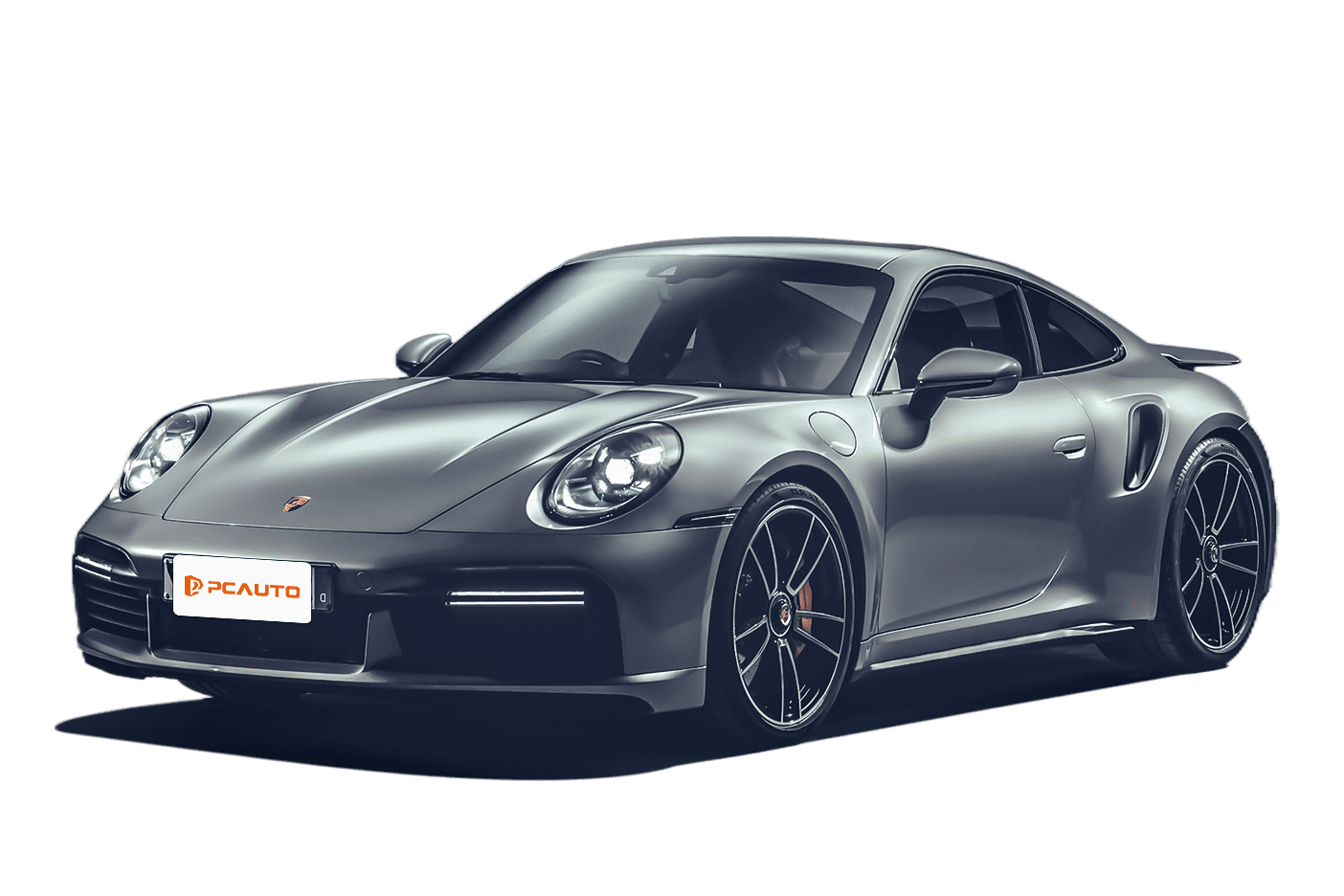
The 2025 Porsche 911 Carrera, as a classic entry-level coupe, features a 0-100 km/h acceleration in 3.9 seconds with its 3.0T+PDK performance, combining practical daily configurations and iconic design to balance track excitement with commuting convenience.