

Ford Everest 2017 Review

 Share
Share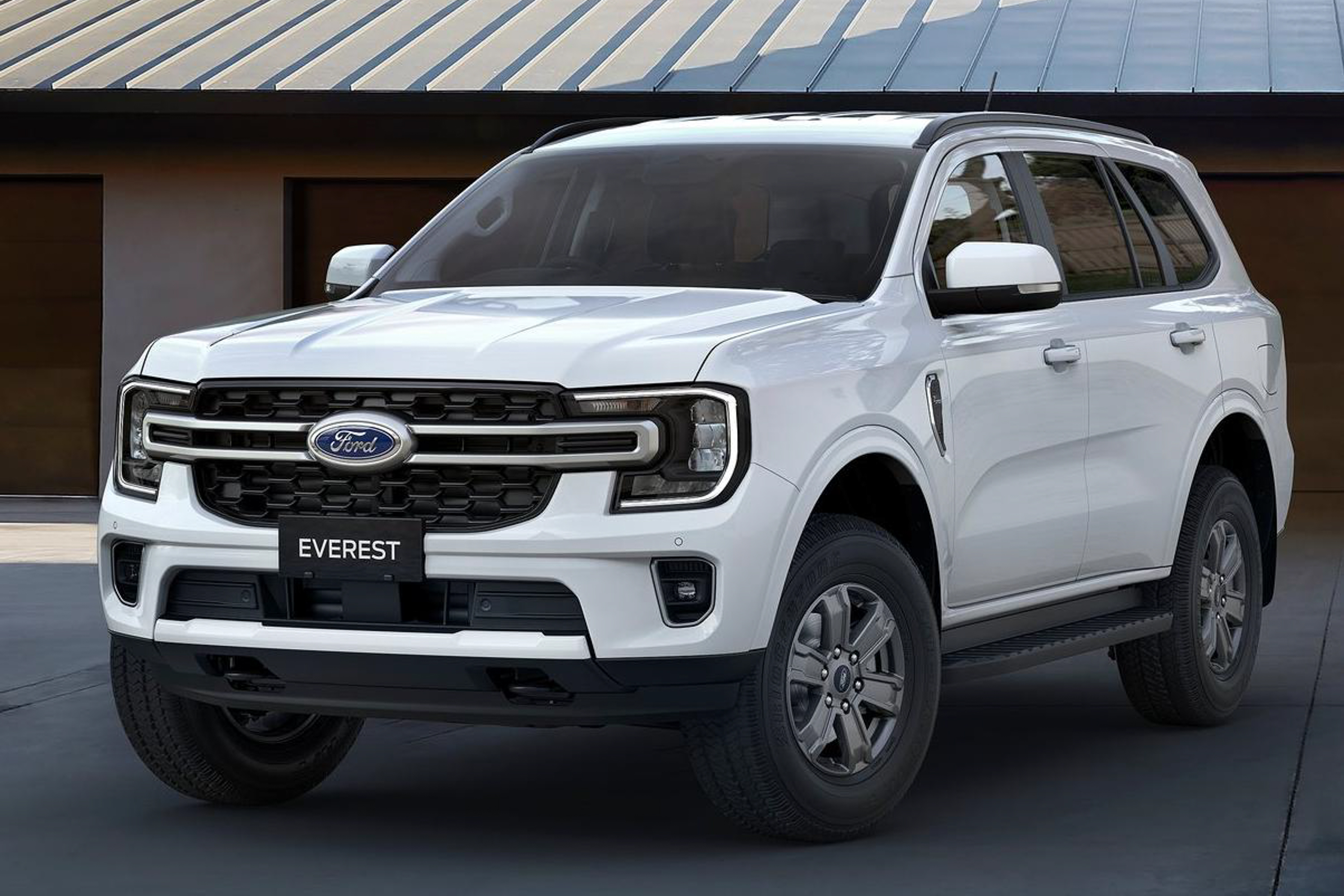
 Segment
 Body Type
 Capacity(L)
 Engine Power(PS)
 Transmission
 Driven Wheels
In recent years, the demand for seven-seater SUVs in Malaysia has been steadily increasing, with family users preferring models that offer practical space and balanced configurations within a reasonable budget. The 2017 Ford Everest 2.2 Trend AT 2WD is a key model targeting this niche market. As the mid-range version of the Everest series, it is priced approximately RM 60,000 lower than the top-end 3.2 Titanium model while retaining most of the essential practical features and leveraging the torque advantages of diesel power. This test will focus on evaluating its space performance, power practicality, and driving comfort in everyday family-use scenarios to determine if it can be a high-value choice for family users.
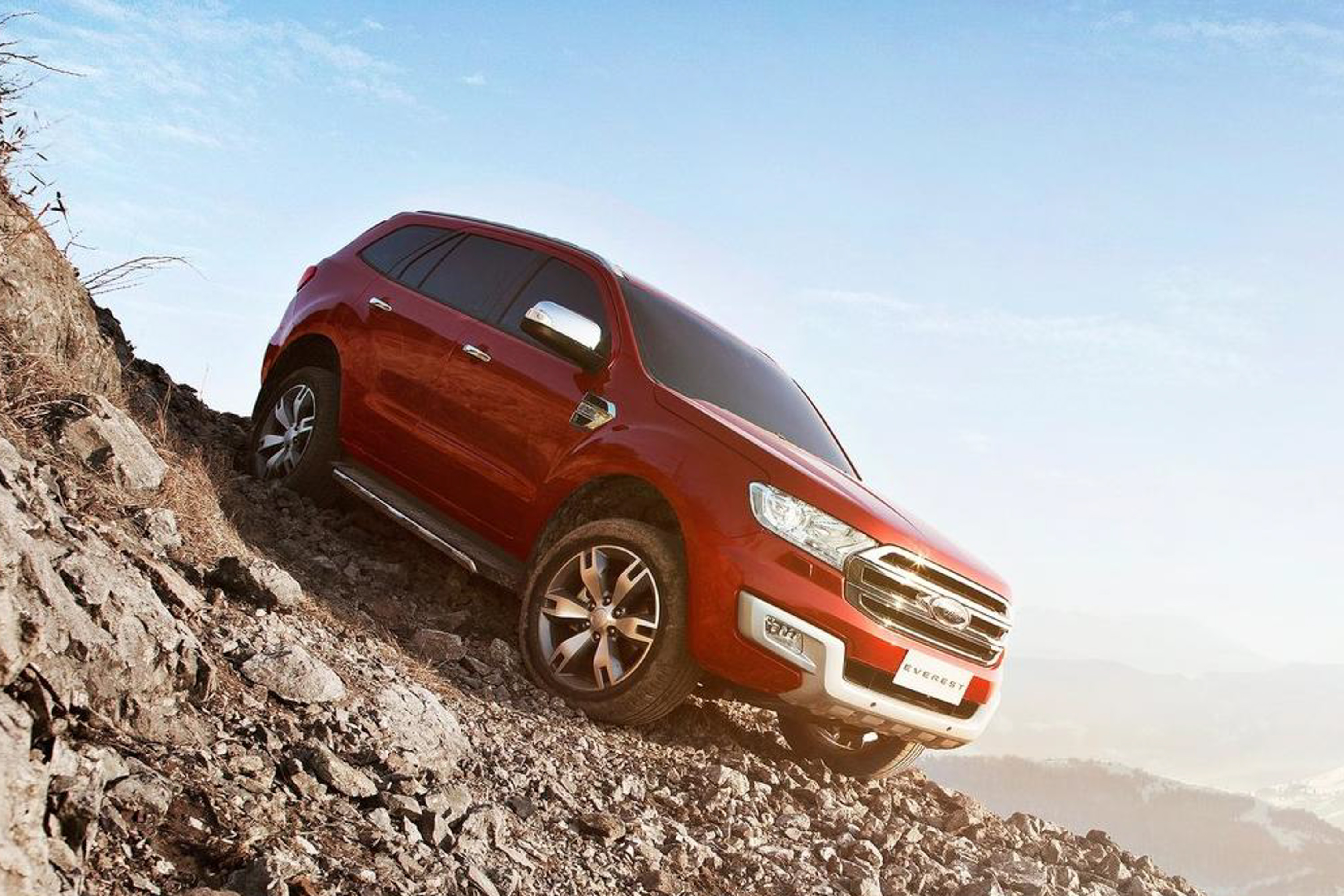
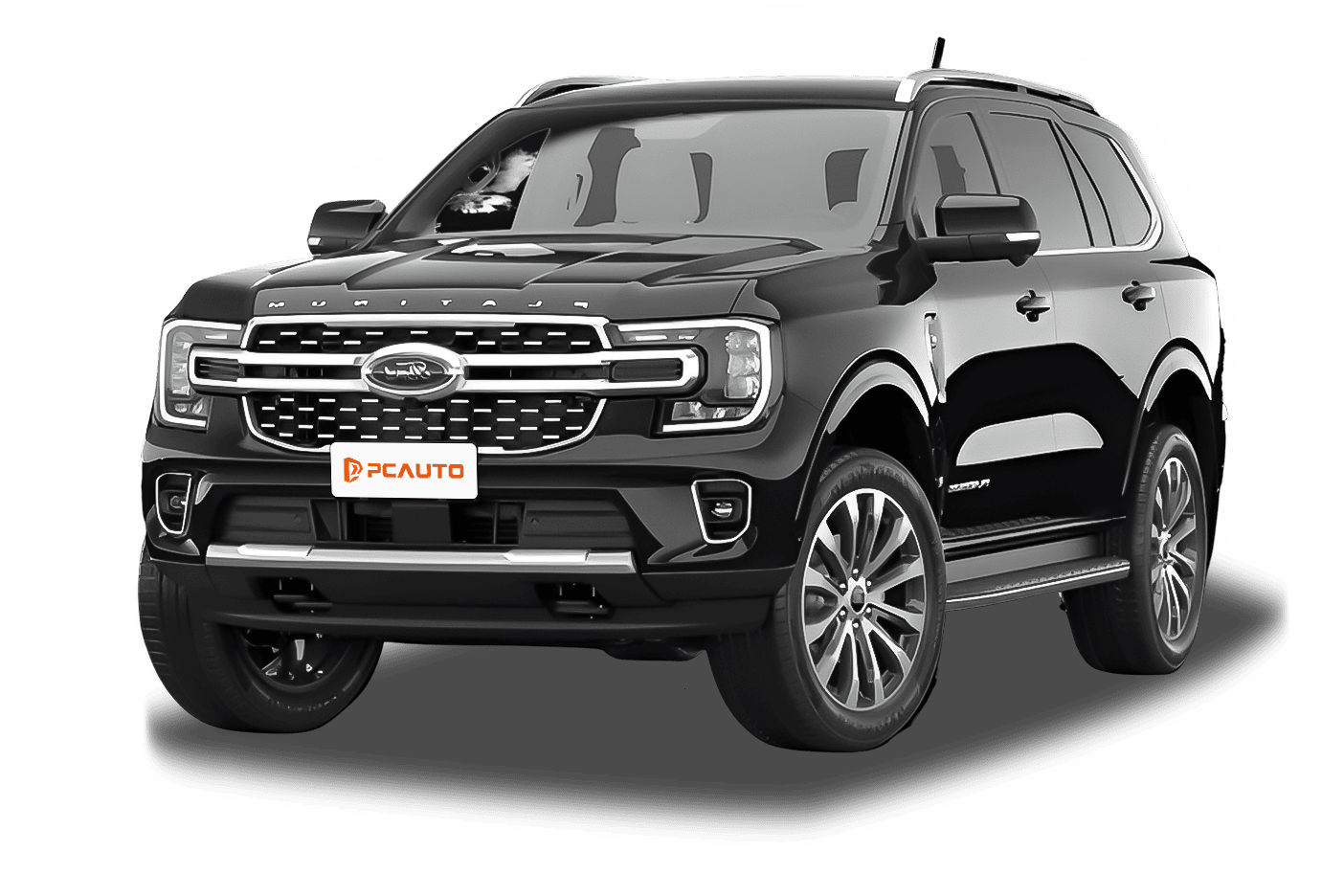
The exterior design of the 2017 Everest 2.2 Trend continues the rugged style of a hardcore SUV. The overall silhouette is square and robust, with the front featuring a large trapezoidal grille accentuated by chrome trim, offering high recognizability. The body lines are straight, with a waistline that runs from the hood to the rear, enhancing its muscular look. The 18-inch multi-spoke wheels paired with 265/60 R18 tires are well-proportioned with the body. The rear design is simple, with vertically aligned LED taillights echoing the front headlights, while a silver skid plate below the rear bumper adds a touch of off-road flair. For its lighting system, the standard halogen headlights combined with LED daytime running lights meet everyday lighting needs, and the automatic headlight feature turns on the lights automatically in tunnels or dim environments, enhancing convenience.
Inside the cabin, the interior features a predominantly dark color scheme. The dashboard is covered with soft-touch materials, complemented by silver trim accents, reflecting a quality feel that meets expectations for this price range. The center console layout is clear, and the 8-inch touchscreen (not specifically listed on the feature sheet but a standard feature for this trim in the given model year) supports Bluetooth connectivity, with decent operational smoothness. A multifunction steering wheel is standard and can control volume, phone, and cruise system, while the button layout is ergonomic. In terms of features, keyless entry/start, dual-zone automatic air conditioning, and independent rear air conditioning vents are all standard, ensuring comfort for both front and rear passengers. The inclusion of a 220V/230V power outlet adds convenience for charging devices or using small appliances for rear passengers.
Space performance is one of Everest’s core strengths. The dimensions of the vehicle are 4893mm in length, 1862mm in width, and 1836mm in height, with a wheelbase of 2850mm. The front seats are manually adjustable and provide good support. When a 175cm-tall driver adjusts the seat to a comfortable position, there is still a fist-sized space above their head. The second-row seats support forward and backward sliding as well as manual backrest adjustment, offering up to two fists of legroom. The middle floor is almost flat, ensuring the middle passenger won’t feel cramped when three adults sit in the back. While the third-row seats are manually foldable, they provide sufficient comfort for passengers under 165cm tall for short trips. The standard trunk capacity is 450L, and folding down the third-row seats creates a spacious storage area, capable of accommodating strollers or large suitcases, fulfilling the storage needs of family outings.
In terms of power, the 2.2L turbocharged diesel engine delivers a maximum output of 160PS at 3200rpm and a peak torque of 385N·m (not directly listed on the feature sheet but a typical value for this engine) at 1600rpm, paired with a six-speed automatic transmission and rear-wheel drive configuration. During daily driving, the maximum torque kicks in at 1600rpm, offering light and nimble starts with responsive power at low RPMs. For city starts or overtaking, pressing the accelerator firmly provides a noticeable thrust. While driving at high speeds, the engine maintains a cruising speed of 110km/h at around 2000rpm. The transmission shifts smoothly with almost no perceivable lag. Although the vehicle only offers a standard driving mode, the low-end torque advantages of the diesel engine adequately cover most family-use scenarios.
The handling and chassis performance are in line with the positioning of a rugged SUV. The combination of front double-wishbone independent suspension and rear multi-link independent suspension effectively absorbs bumps when driving over speed bumps or uneven roads. Body sway is minimal, maintaining good comfort. The steering wheel has moderate effort with a slight dead zone, fitting the tuning style of an SUV. At high speeds, the steering feels steady and stable. When cornering, the body roll is kept within a reasonable range, ensuring passengers do not feel significant discomfort.
The fuel efficiency is a highlight of the diesel model. This test covered urban congestion, suburban roads, and highways, with an average fuel consumption of about 8.2L/100km. Calculated based on diesel prices, the cost per kilometer is relatively low. With an 80L fuel tank capacity, a full tank offers a range of over 950km, making it suitable for long family road trips. Regarding braking performance, the front and rear ventilated disc brakes respond promptly with a linear braking process. During emergency braking, the vehicle maintains a stable posture.
In terms of driving comfort, the noise of the diesel engine at idle is slightly noticeable, but once driving, wind and road noise are well-controlled. At a cruising speed of 100km/h, in-cabin conversation remains unaffected. The seats offer moderate support, making long journeys less tiring. The rear air conditioning vents can quickly adjust the temperature, ensuring a comfortable experience for rear passengers.
In summary, the core advantages of the 2017 Ford Everest 2.2 Trend AT 2WD include a spacious seven-seater interior thanks to its 2850mm wheelbase, the low fuel consumption and high torque of its diesel engine, and a more affordable price compared to the top-tier version. Compared with competitors in the same segment, its interior space outperforms the Toyota Fortuner 2.4 G (wheelbase 2745mm). While it lacks features like power seats, front and rear parking sensors, and seven airbags found in the top-tier 3.2 Titanium variant, practical configurations such as keyless entry, dual-zone air conditioning, and independent rear air conditioning are all included, making it highly cost-effective.
This car is more suitable for family users who value practicality and fuel economy, especially those who often need to accommodate 5-7 people and occasionally take long trips. For users on a budget but seeking a rugged SUV look and spacious interior, it's also a good choice. However, if higher demands are placed on performance or premium features, the top-tier 3.2 Titanium would be a better choice, albeit at a higher cost.
Overall, the 2017 Ford Everest 2.2 Trend AT 2WD is a "pragmatic" seven-seater SUV. While it doesn't boast flashy features, it delivers a balanced performance in the three core dimensions for family use: space, performance, and fuel economy. It meets the primary needs of family users at a reasonable price and is a worthy option in this price range.
Ford Everest Car Compare
Ford Everest Loan Calculator
More Ford Reviews
Cars With Similar Price And Features
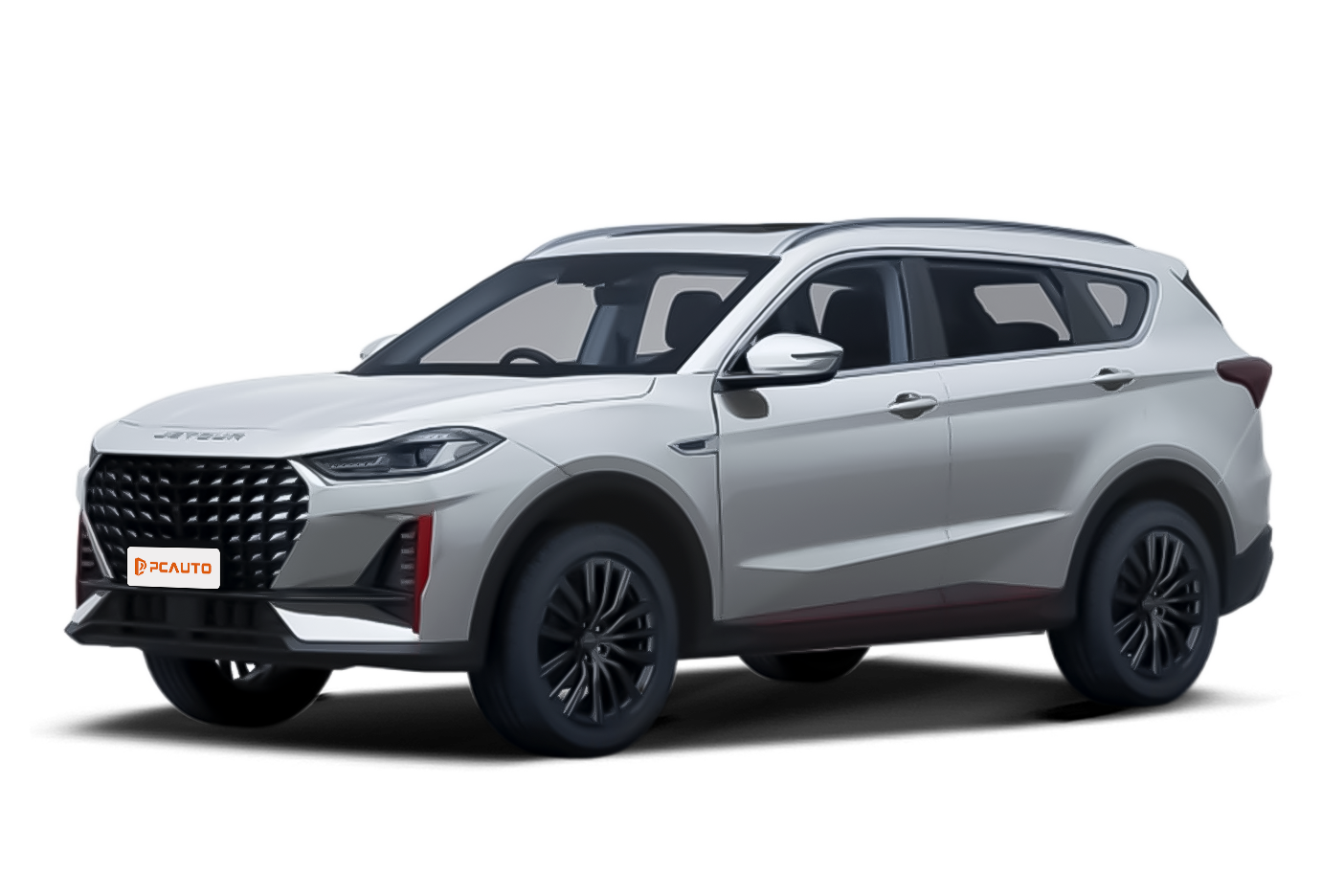
2025 Jetour VT 9 Comfort is a highly cost-effective 7-seater family SUV, featuring practical space, rich configurations, and balanced power, precisely meeting the needs of family short-distance travel.

11
Rank in SUV
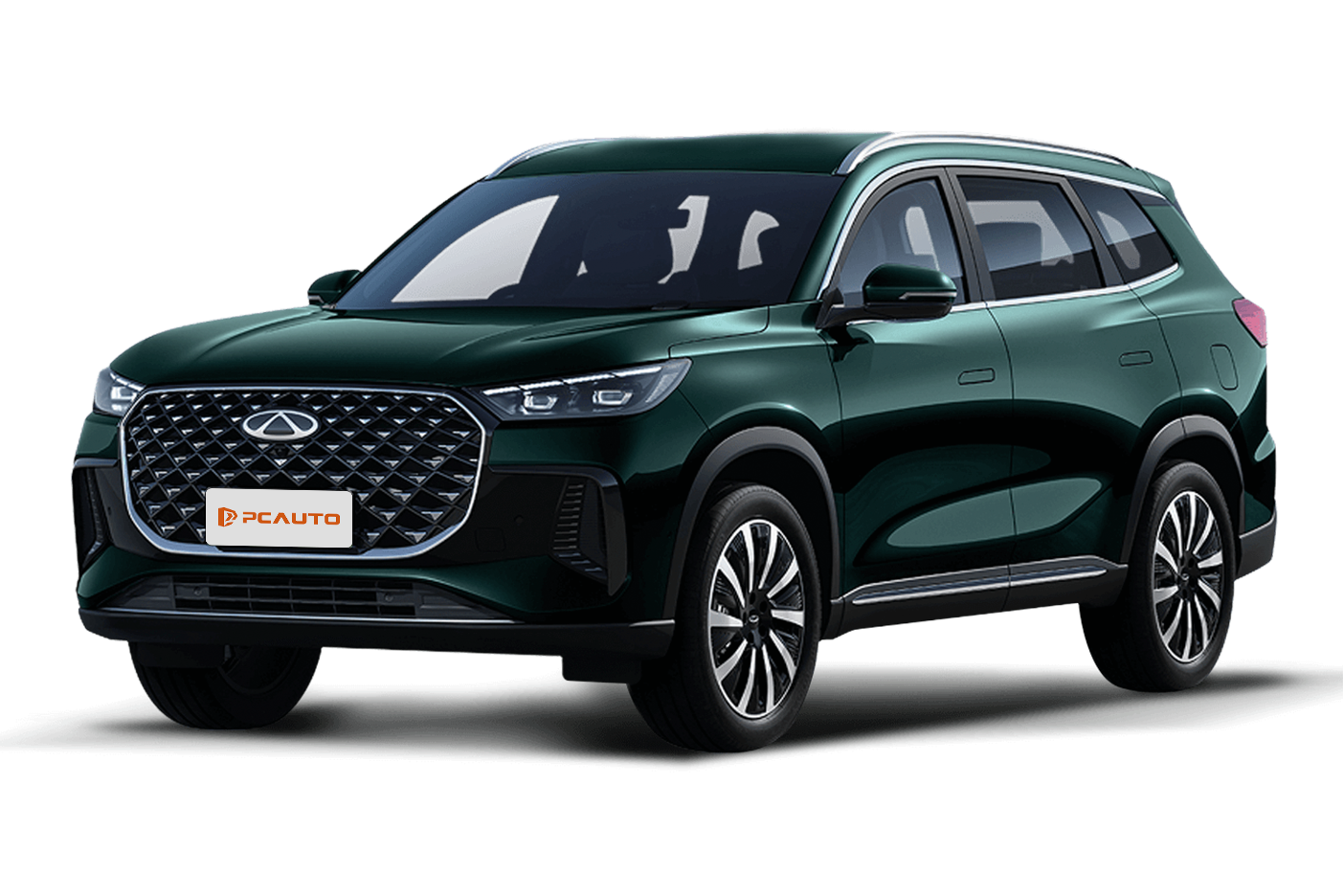
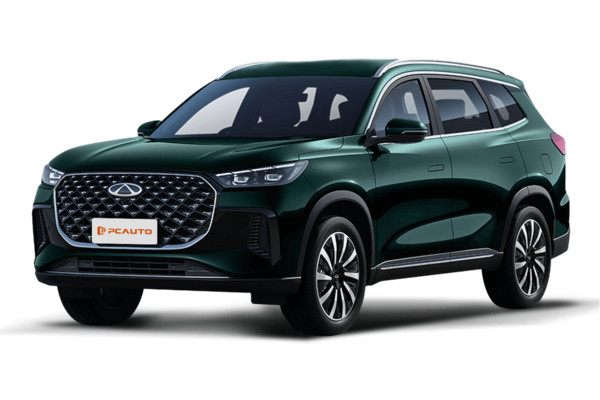
2026 Chery Tiggo 8 is a D-Segment SUV aimed at family users, offering superior configurations, practical space, and smooth power at a high cost-performance ratio, meeting both commuting and light off-road needs.
16
Rank in SUV

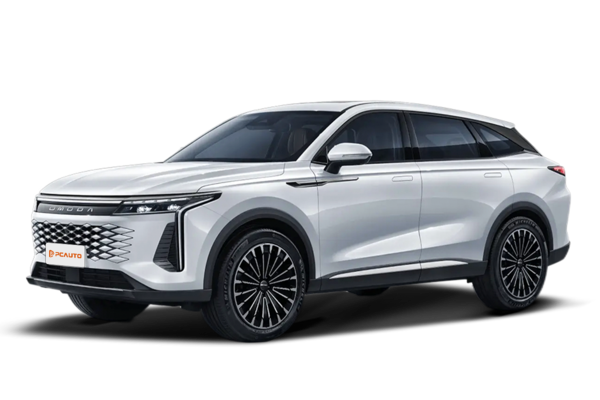
2024 Chery OMODA C9 2WD with 2.0T+8AT powertrain, L2 level assistance, and dual 12.3-inch screens, breaking the stalemate in the D-Segment market and becoming a high-value disruptor.
29
Rank in SUV
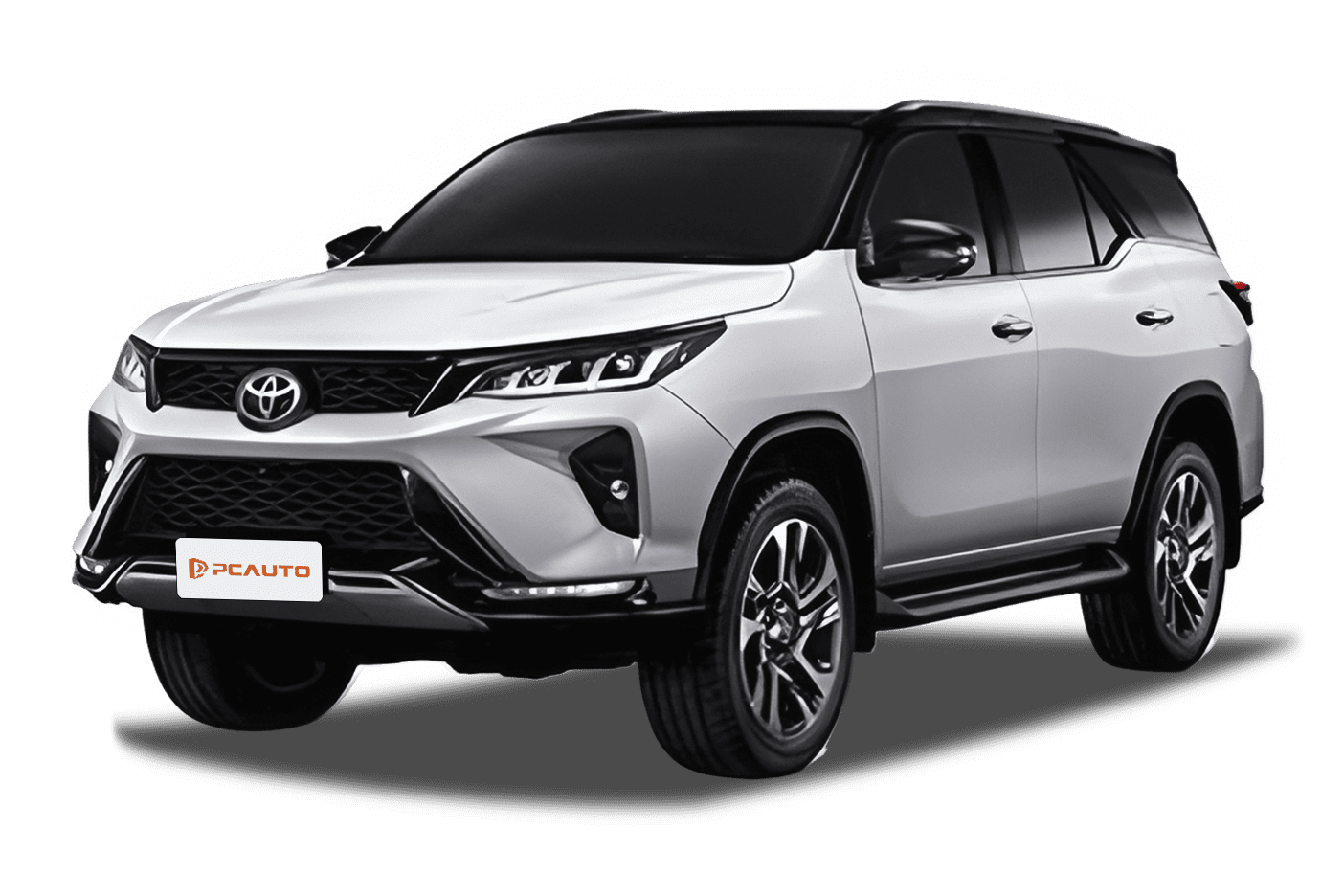
2021 Toyota Fortuner 2.7 SRZ AT 4x4 is a 7-seat SUV that balances family comfort and mild off-road capabilities, with smooth gasoline power and a practical 4x4 system, offering low maintenance requirements suitable for various family scenarios.