
Ford Everest 2022 Review

 Share
Share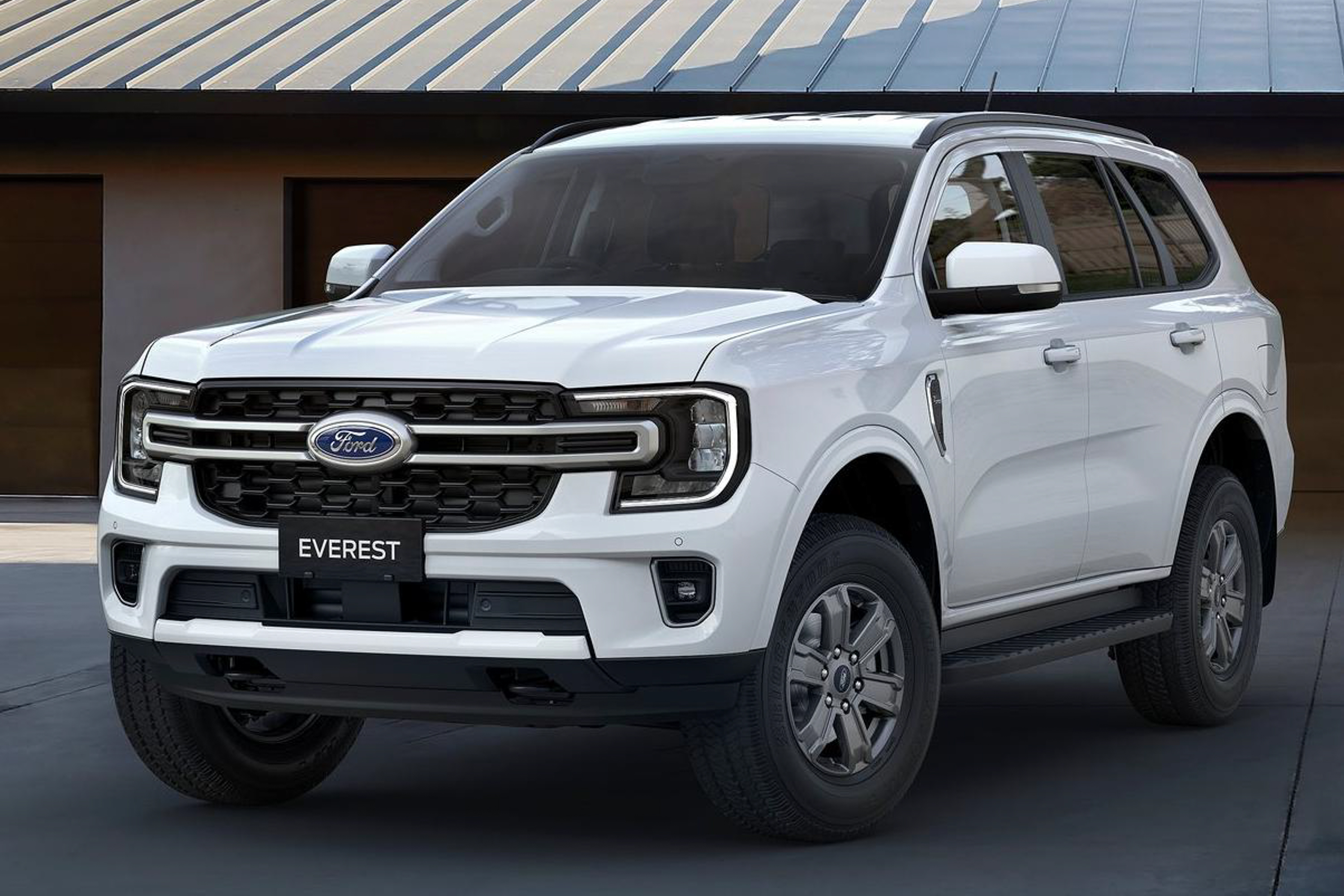
 Segment
 Body Type
 Engine Power(PS)
 Transmission
 Driven Wheels
 Capacity(L)
In Malaysia's D-segment SUV market, most models either lean towards rugged off-road capability at the expense of urban comfort or emphasize luxury configurations with prices set too high, making it difficult for consumers to find a balanced option. The 2022 Ford Everest 2.0L Single Turbo 4x2 6AT Sport enters the market at a price of RM 263,888, with its core selling point being the "balance of urban practicality and everyday comfort." It offers the off-road capability of an SUV, while ensuring diesel power fuel efficiency and comes equipped with intelligent features that are only available in higher trims of most competitors in the same class. In this test drive, we will focus on verifying whether it meets the core needs of family users for space, features, and fuel costs.
The first impression of the Sport version of the Everest is its sporty exterior design adjustments. The front features a large trapezoidal grille with a smoked finish, paired with sharp LED headlights on both sides, while daytime running lights extend along the top edge of the light clusters, enhancing its recognizability. The side profile of the car is straight and sleek, featuring 255/55 R20 smoked multi-spoke wheels that replace the 18-inch regular wheels of the Trend variant. The black plastic cladding around the wheel arches retains the ruggedness of an SUV while lowering the visual center of gravity. The smoked LED taillights at the rear echo the front grille, and the silver skid plate below the rear bumper, though mainly decorative, enhances the overall layering of the design. The overall design avoids overly flashy elements, with the sporty atmosphere reflected primarily through the smoked detail treatments, meeting the "timeless aesthetics" preferences of most family users.
Opening the door, the interior features a dark color scheme, with red stitching on the seats and door panels to alleviate the monotony of the dark tones. The dashboard layout is simple, with an 8-inch touchscreen positioned at the center, and physical buttons for air conditioning preserved below, making daily operations more practical without excessive reliance on touch gestures. Regarding materials, the upper part of the dashboard is covered with soft textured plastics, and the armrest console as well as the inside of the door panels are wrapped in leather, providing a tactile experience in line with this price range. In terms of features, the Sport version is equipped with keyless entry, push-button start, an 8-way electrically adjustable front seat, and a HUD (Head-Up Display), all of which improve daily convenience. For instance, the HUD can directly display speed and navigation information, reducing the need to glance at the instrument cluster, and the memory function for the electric driver’s seat is particularly useful for families with members of varying heights who take turns driving.
Space performance is one of the core advantages of the Everest. With a length of 4914mm and a wheelbase of 2900mm, both the front and rear rows offer ample seating space. After adjusting the front seat to a comfortable position, there is still more than two fists of legroom in the rear row. A passenger with a height of 180cm sitting in the rear will still have a fist's worth of headroom, avoiding any sense of crowding. The rear seats support a 60:40 split-folding configuration. Once the seats are folded down, the trunk volume expands from 503L to 1050L, easily accommodating a stroller, a foldable bike, or multiple suitcases. In terms of storage details, the front central armrest can hold up to four bottles of mineral water, door panel storage slots can fit a phone and a water bottle, and there are power outlets and air conditioning vents on both sides of the rear seats, ensuring comfort for rear passengers during long journeys.
In terms of power, the 2.0L single-turbocharged diesel engine delivers a maximum power of 170PS and a peak torque of 420N·m, paired with a 6-speed automatic transmission. During daily driving, the engine can produce maximum torque at 1750rpm, offering ample power without the need to step too hard on the accelerator during startup. Both city following and initial acceleration feel relatively brisk. When switching to sport mode, the transmission delays its shifting, maintaining the RPM above 2000rpm. This allows for more direct power response during overtaking, but at high-speed cruising (110km/h), the RPM is maintained around 2000rpm, slightly higher compared to the 10AT Bi-turbo version. Fuel efficiency performs as expected, with fuel consumption of about 8.5L/100km in congested city roads and dropping to 6.8L/100km on highways. The combined fuel efficiency is close to the official figure of 7.1L/100km. When the 80L fuel tank is fully filled, the range exceeds 1000km, making it suitable for users frequently traveling long distances.
In terms of handling, the Sport version adopts a rear-wheel-drive layout. The steering wheel has moderate resistance, making low-speed maneuvering effortless, while maintaining a certain heaviness during high-speed driving, with relatively precise directional control. The suspension system is tuned for comfort, effectively filtering out most minor bumps when dealing with speed bumps or uneven roads in the city. Rear passengers will not feel noticeable bouncing. When cornering, the body roll is kept within a reasonable range, without a "rocking" sensation. Regarding noise control, the diesel engine produces a slight ticking sound at idle, but this becomes less noticeable while driving. Wind and tire noise are also well controlled, and at speeds below 100km/h, conversations in the cabin do not require raising voices. However, compared to the 10AT transmission in the Bi-turbo version, the 6AT occasionally exhibits minor jerking during low-speed gear shifts, though this does not impact daily comfort.
Compared to competitors in the same class, the Sport variant of the Everest has clear advantages: its price is nearly 20,000 MYR lower than that of the Bi-turbo 4x4 version, yet it retains most of the key configurations – such as the 360-degree panoramic camera, automatic parking, dual-zone automatic air conditioning, etc. These features, in similarly priced models like the Toyota Fortuner or Mitsubishi Pajero Sport, are often optional or exclusive to higher trims. In terms of space, its 2900mm wheelbase is significantly longer than the 2745mm of the Fortuner, leaving more legroom in the rear seats. Its fuel economy is also superior to the 2.4L diesel version of the Pajero Sport, resulting in lower long-term usage costs. However, it has some shortcomings, such as the rear-wheel-drive layout being unsuitable for heavy-duty off-roading, and the smoothness of the 6AT transmission being slightly inferior to the 10AT version. However, for most users primarily focused on urban commuting with occasional countryside outings, these drawbacks have minimal impact.
In summary, the 2022 Ford Everest 2.0L Single turbo 4x2 6AT Sport is an SUV "custom-made for family users." It does not overly emphasize rugged off-road capabilities but instead focuses on space, features, and fuel efficiency. Its roomy rear space is well-suited for outings with elderly family members and children, the rich set of intelligent features lowers the threshold of daily use, and the low fuel consumption of the diesel engine helps alleviate the pressure of rising fuel costs. If you are a family user prioritizing "practicality, sufficient features, and controllable costs," this model should be one of the top considerations in the D-segment SUV market. While it may not be the ultimate SUV in its class, it is certainly a "balanced choice" that can meet most everyday needs.
Ford Everest Car Compare
Ford Everest Loan Calculator
More Ford Reviews
Cars With Similar Price And Features
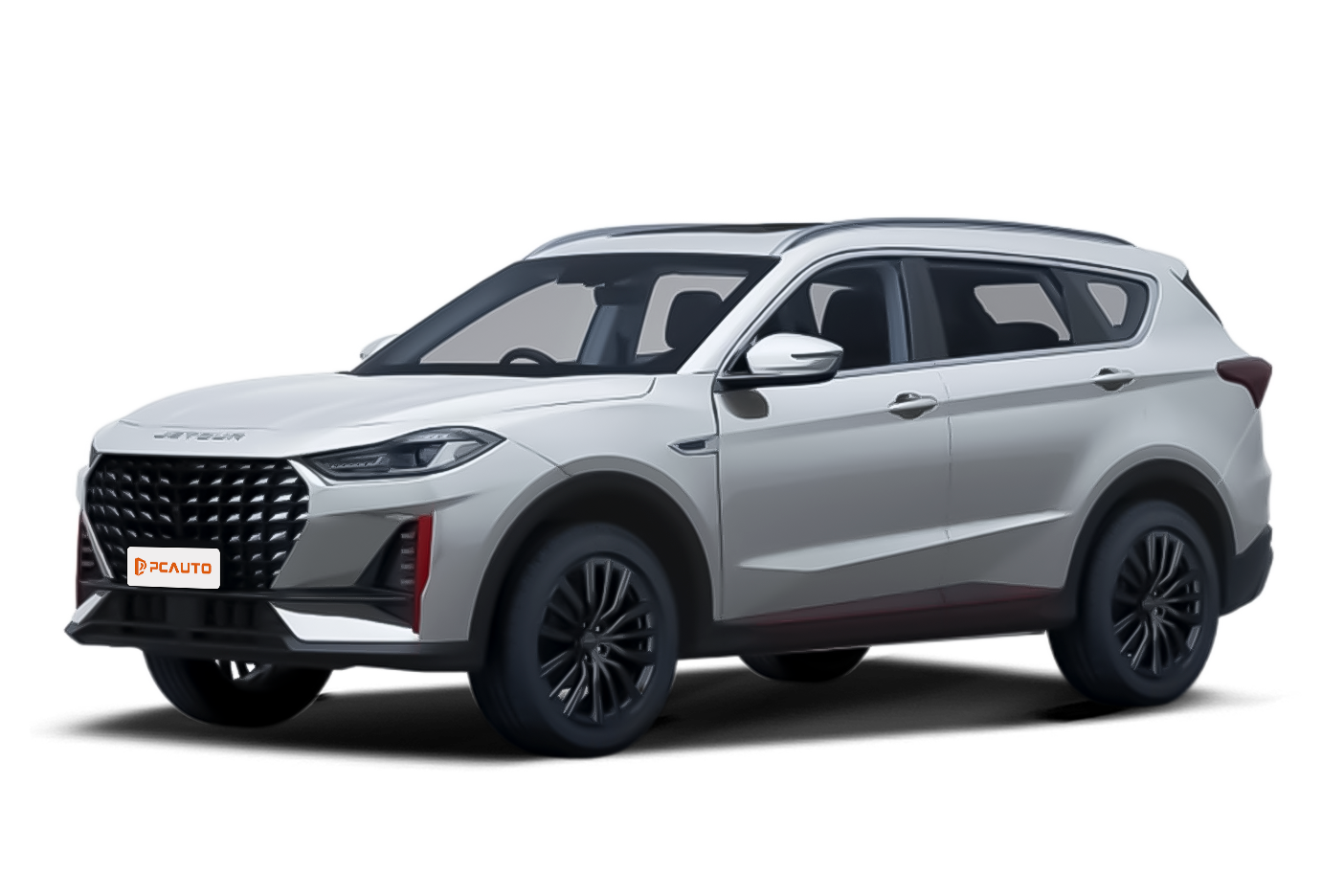
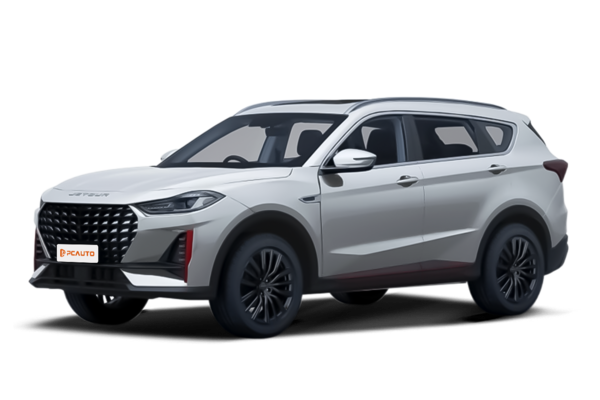
2025 Jetour VT 9 Comfort is a highly cost-effective 7-seater family SUV, featuring practical space, rich configurations, and balanced power, precisely meeting the needs of family short-distance travel.

11
Rank in SUV
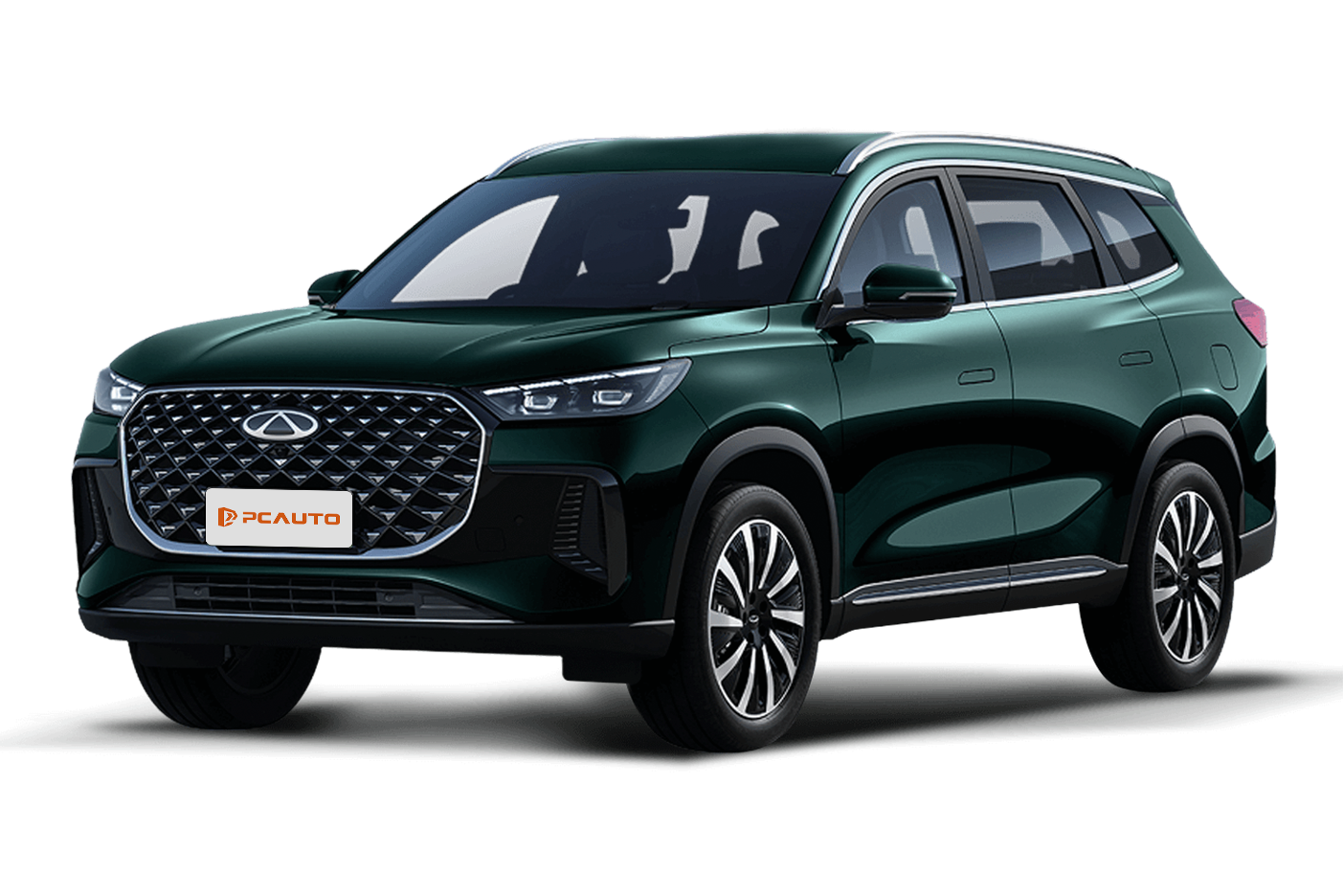
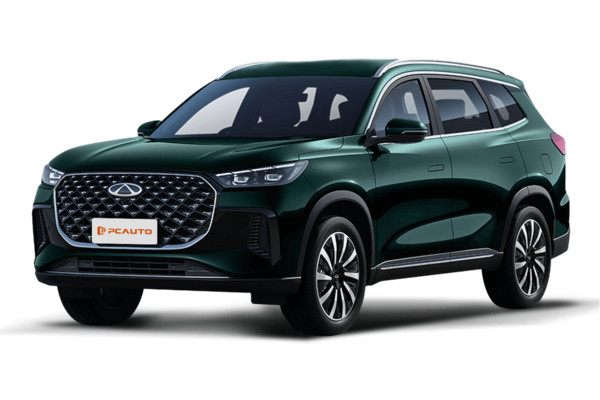
2026 Chery Tiggo 8 is a D-Segment SUV aimed at family users, offering superior configurations, practical space, and smooth power at a high cost-performance ratio, meeting both commuting and light off-road needs.
16
Rank in SUV

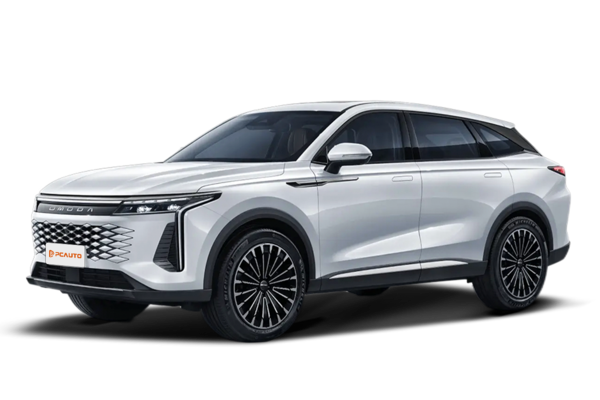
2024 Chery OMODA C9 2WD with 2.0T+8AT powertrain, L2 level assistance, and dual 12.3-inch screens, breaking the stalemate in the D-Segment market and becoming a high-value disruptor.
29
Rank in SUV
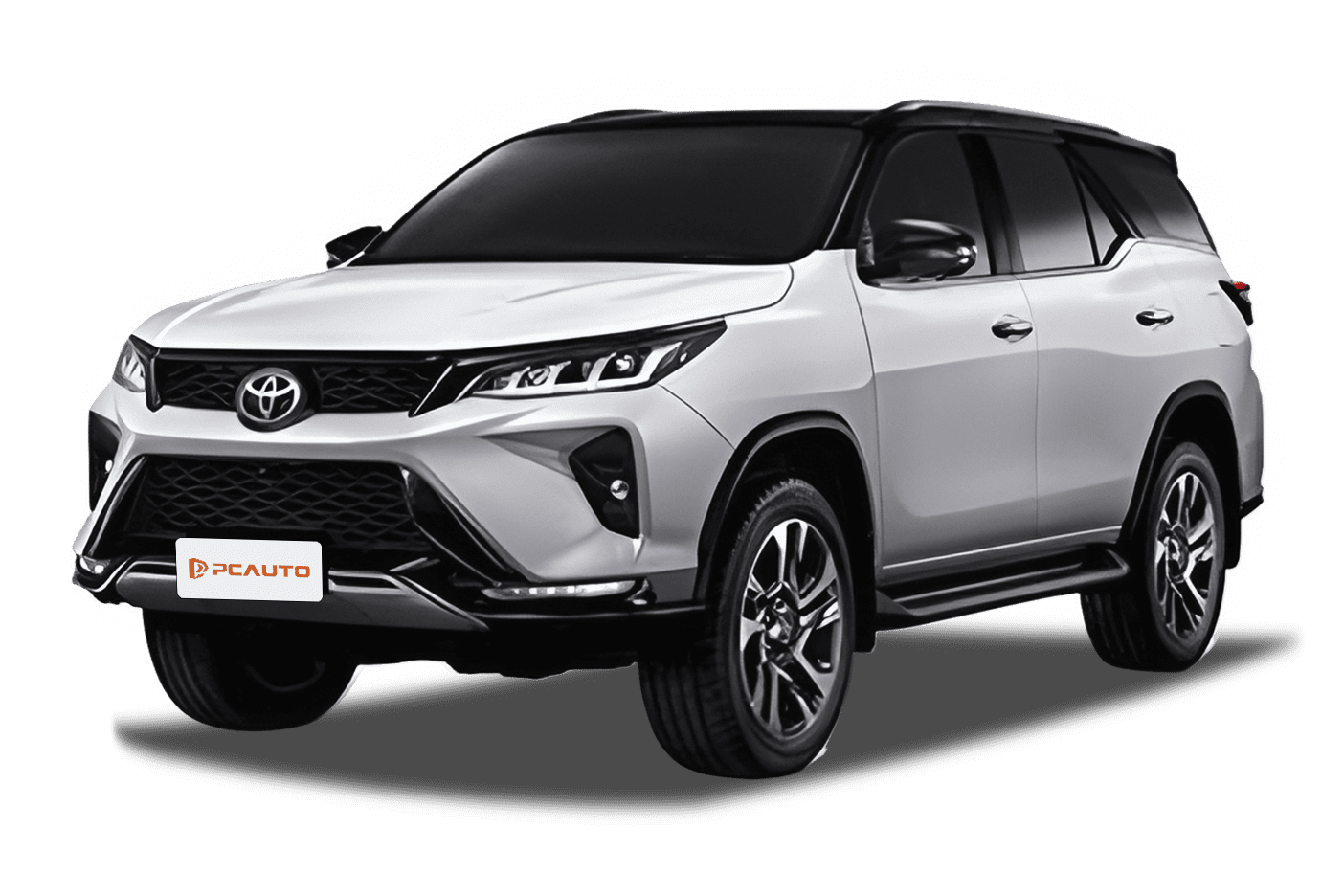
2021 Toyota Fortuner 2.7 SRZ AT 4x4 is a 7-seat SUV that balances family comfort and mild off-road capabilities, with smooth gasoline power and a practical 4x4 system, offering low maintenance requirements suitable for various family scenarios.