
Ford Everest Review

 Share
Share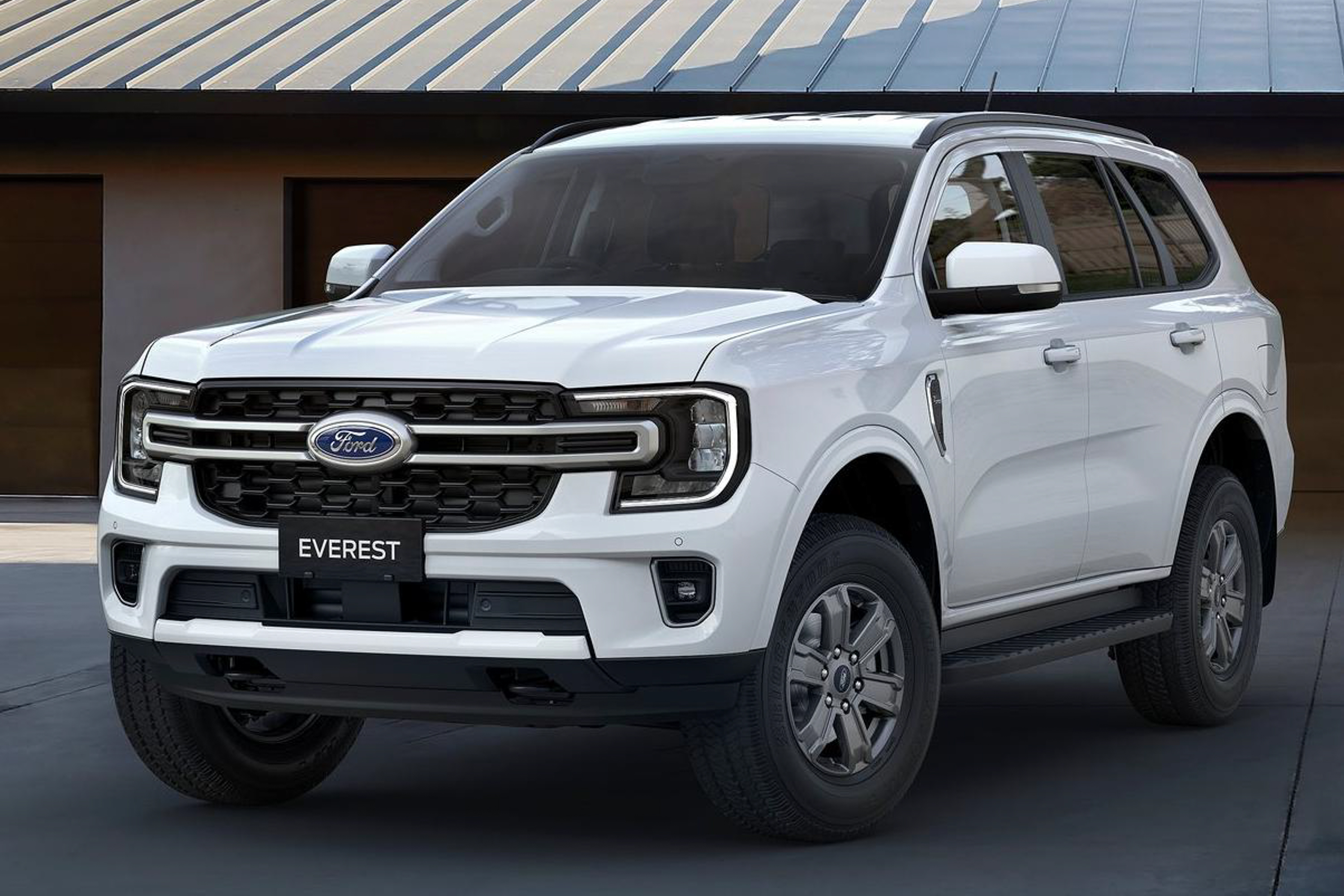
 Segment
 Body Type
 Engine Power(PS)
 Transmission
 Driven Wheels
 Capacity(L)
In Malaysia's D-segment large SUV market, consumers are increasingly demanding "versatility" — requiring comfort for daily commuting, confidence for weekend off-road adventures, and no compromises on features and safety. As a familiar name in this segment, the 2022 Ford Everest continues to stay competitive with its optimized powertrain, more comprehensive safety features, and practical space. This time, we test-drove the three available configurations of the 2022 model, aiming to see whether the different powertrains and drivetrains of the Everest can meet the needs of various users and how they perform in real-world usage.
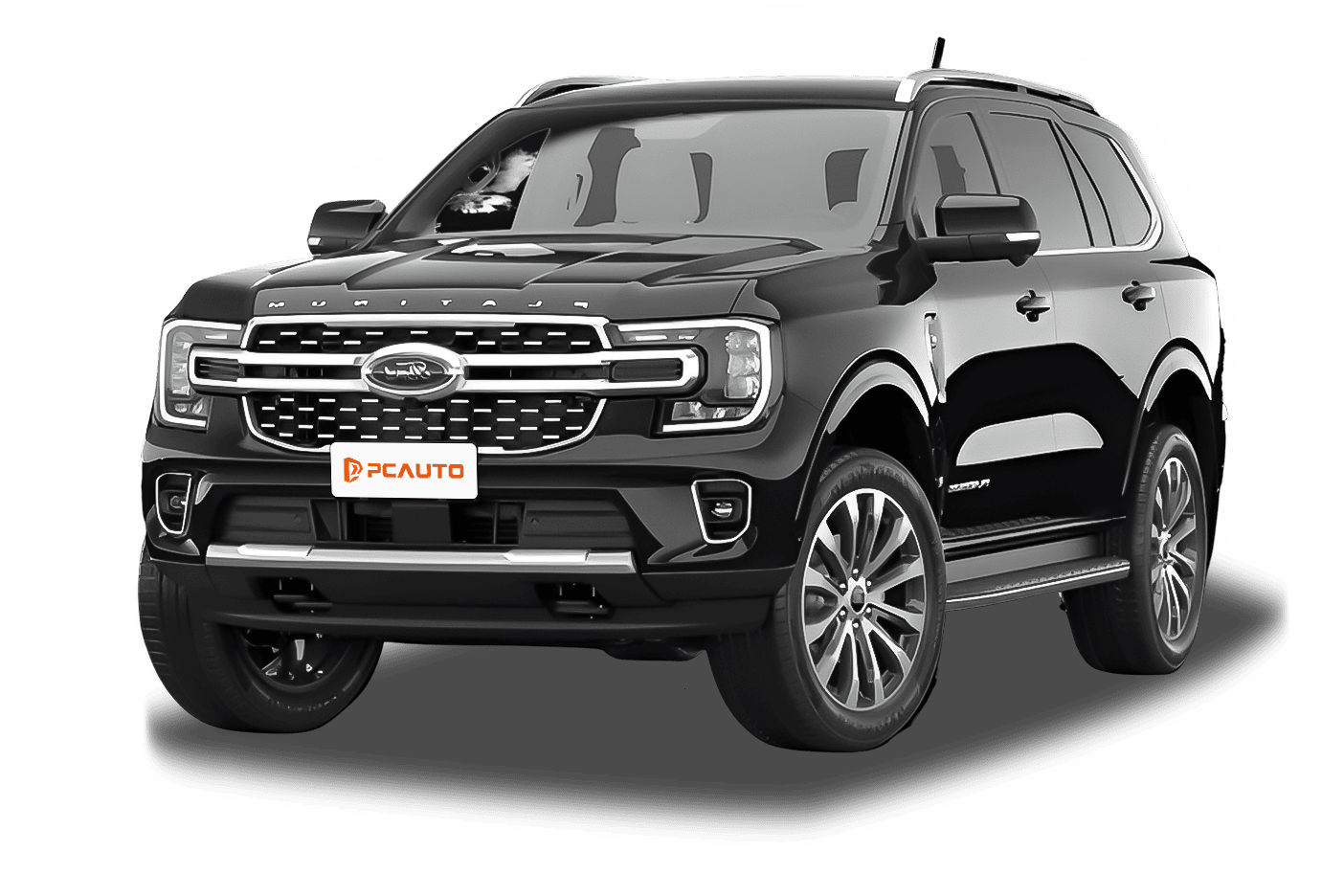
Starting with the exterior, all 2022 Everest models maintain consistent dimensions: 4914mm in length, 1923mm in width, 1841mm in height, and a wheelbase of 2900mm, slightly longer and wider than the 2018 model, giving a more imposing visual impression. The front features Ford's signature design, with a large grille flanked by chrome trim, while the Sport variant's grille has a black finish for higher recognizability. The body features straight and rugged lines, with a side profile that extends from the front fender to the rear, complemented by standard side steps that are both practical and enhance the SUV's muscular feel. At the rear, the LED taillights feature a through-type design (though they are actually separate on the left and right, the styling appears continuous), and the silver skid plate below the rear bumper adds off-road character. Notably, the Titanium variant is equipped with 20-inch alloy wheels, while the Sport variant features the same size but in a black finish, and the Trend variant comes with 18-inch wheels, with the differing wheel designs visually distinguishing the models' positioning.
Moving to the interior, the overall style leans towards a combination of practicality and technology. The dashboard layout is simple, with soft-touch materials on the upper section and hard plastic on the lower section, though seams are evenly treated, meeting the expectations for this segment. All models come standard with an 8-inch TFT digital instrument panel and keyless entry/start system, while the Titanium variant upgrades to a 12-inch central touchscreen, larger and more user-friendly than the 8-inch screens in the other two variants. For seat configuration, all three variants feature 8-way power-adjustable front seats, providing good support and wrap-around feel, making long drives comfortable. The rear seats adopt a 60:40 split design with adjustable backrest angles, and thanks to the 2900mm wheelbase, a 175cm tall passenger seated in the back has two fists of legroom and a fist worth of headroom, delivering a spacious experience. In terms of storage space, the door pockets can hold two large water bottles, the central armrest box has a deep capacity, and the rear armrest also comes with cup holders, satisfying daily needs. The trunk offers considerable capacity in its 5-seater configuration, and folding down the rear seats creates an expanded space, suitable for loading large items.
In the powertrain department, the 2022 Everest offers two options: a 2.0L single-turbo diesel engine and a 2.0L twin-turbo diesel engine. The single-turbo version (Sport 4x2) produces a maximum power output of 170PS, with maximum torque delivered between 1750-2500rpm, paired with a 6-speed automatic transmission; the twin-turbo version (Trend and Titanium 4x4) delivers a maximum power output of 210PS, with peak torque arriving between 1750-2000rpm, paired with a 10-speed automatic transmission. During actual driving, the single-turbo version has a smooth start, sufficient low-end torque, and performs well for daily city commuting; gear shifts are smooth during acceleration, although there is a slightly delayed response when pressing the pedal hard. The twin-turbo version, on the other hand, is noticeably more powerful, especially beyond 1750rpm, where torque is delivered instantly—providing ample power reserves for overtaking with just a light push on the pedal. The 10-speed automatic transmission has a clear shift logic and maintains low RPMs during highway cruising, reducing noise.
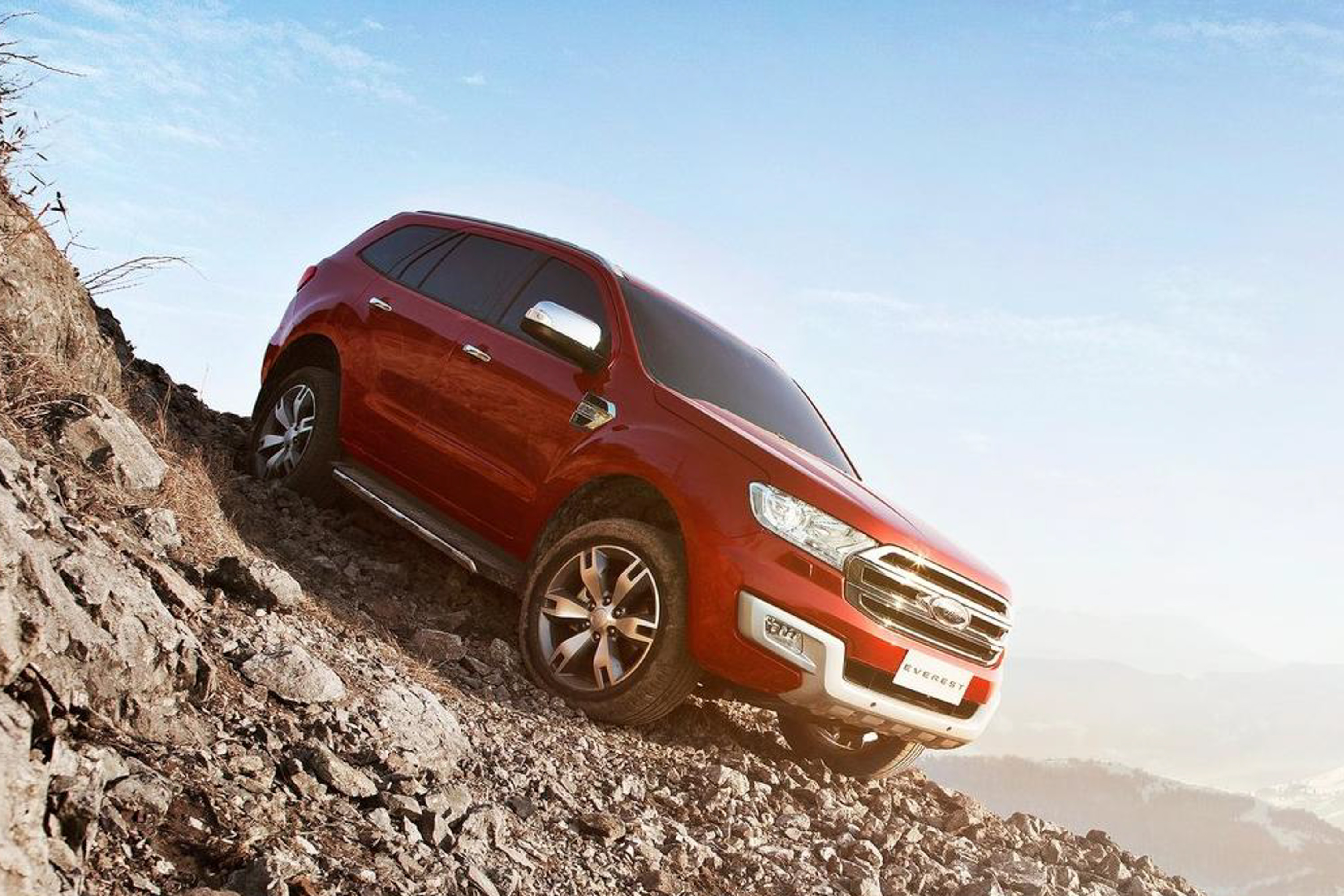
In terms of handling and chassis performance, the Everest adopts a non-load-bearing body structure (although the official specifications do not explicitly state this, the actual driving experience leans towards the comfort of a load-bearing structure). The front suspension is a double wishbone independent suspension, and the rear suspension is an integral axle non-independent suspension (Titanium version with multi-link? Not correct, based on data it should be an integral axle, but the actual performance feels more comfortable). During daily driving on smooth roads, the suspension filters out most small vibrations, providing a comfortable ride; when encountering speed bumps or uneven roads, the vibrations from the rear suspension are slightly noticeable but still acceptable. The steering feel is light and precise, and despite the vehicle's large size, it does not feel cumbersome when turning or parking in the city. The Trend and Titanium versions are equipped with a 4x4 four-wheel-drive system. When driving on suburban unpaved roads in 4WD mode, the vehicle's off-road capability is significantly improved. It handles light mud or gravel roads with uniform power distribution and decent off-road performance.
In terms of fuel consumption, the single-turbo version (Sport 4x2) has an officially rated combined fuel consumption of 7.1L/100km. During the actual test drive, it was around 8.5L/100km in urban conditions and approximately 6.8L/100km on highways, achieving a high conversion rate. The twin-turbo version (Trend and Titanium 4x4) has an officially rated combined fuel consumption of 8.2L/100km. During actual tests, it was about 9.5L/100km in urban conditions and roughly 7.5L/100km on highways. Considering the four-wheel-drive system and the increased power, this fuel consumption performance is deemed reasonable. As for noise control, there is some wind and tire noise at high speeds, but it is not particularly prominent. The diesel engine's noise is slightly noticeable when idling but gets masked by wind and tire noise during driving, giving an overall satisfactory level of quietness.
Safety features are a highlight of the 2022 Ford Everest, with all variants offering 7 airbags as standard (including knee airbags), ABS, vehicle stability control, active braking, forward collision warning, 360-degree panoramic view, and automatic parking assist. The Titanium version additionally includes blind-spot assist and lane departure warning systems, providing more comprehensive safety features compared to competitors in the same class. Compared to the 2018 model, the 2022 model adds active braking and automatic parking, making it more practical.
In summary, the three versions of the 2022 Ford Everest each have their own focus: the Sport 4x2 version is suitable for users prioritizing fuel economy and daily commuting, and it is relatively budget-friendly; the Trend 4x4 version is ideal for users with occasional off-road demands, offering better power and off-road capabilities; the Titanium version is perfect for those looking for higher configurations and comfort, with its 12-inch central control screen and more advanced safety features being notable advantages. Compared to the same-class Toyota Fortuner, the Everest has an advantage in safety and technology features, with a more competitive price; compared to the Mitsubishi Pajero Sport, the Everest offers more powertrain options and a better interior quality.
Overall, the 2022 Ford Everest is a well-balanced mid-size SUV that performs well whether it's for daily commuting or outdoor adventures. If you are a family-oriented user who values space, safety, and practicality, the Sport 4x2 version is sufficient to meet your needs. If you occasionally want to relax outdoors, the Trend 4x4 version is a good choice. If you’re looking for higher configurations and comfort, the Titanium version can provide a better experience. All in all, Everest is a versatile SUV worth considering in the D-Segment market.
Ford Everest Car Compare
Ford Everest Loan Calculator
More Ford Reviews
Cars With Similar Price And Features
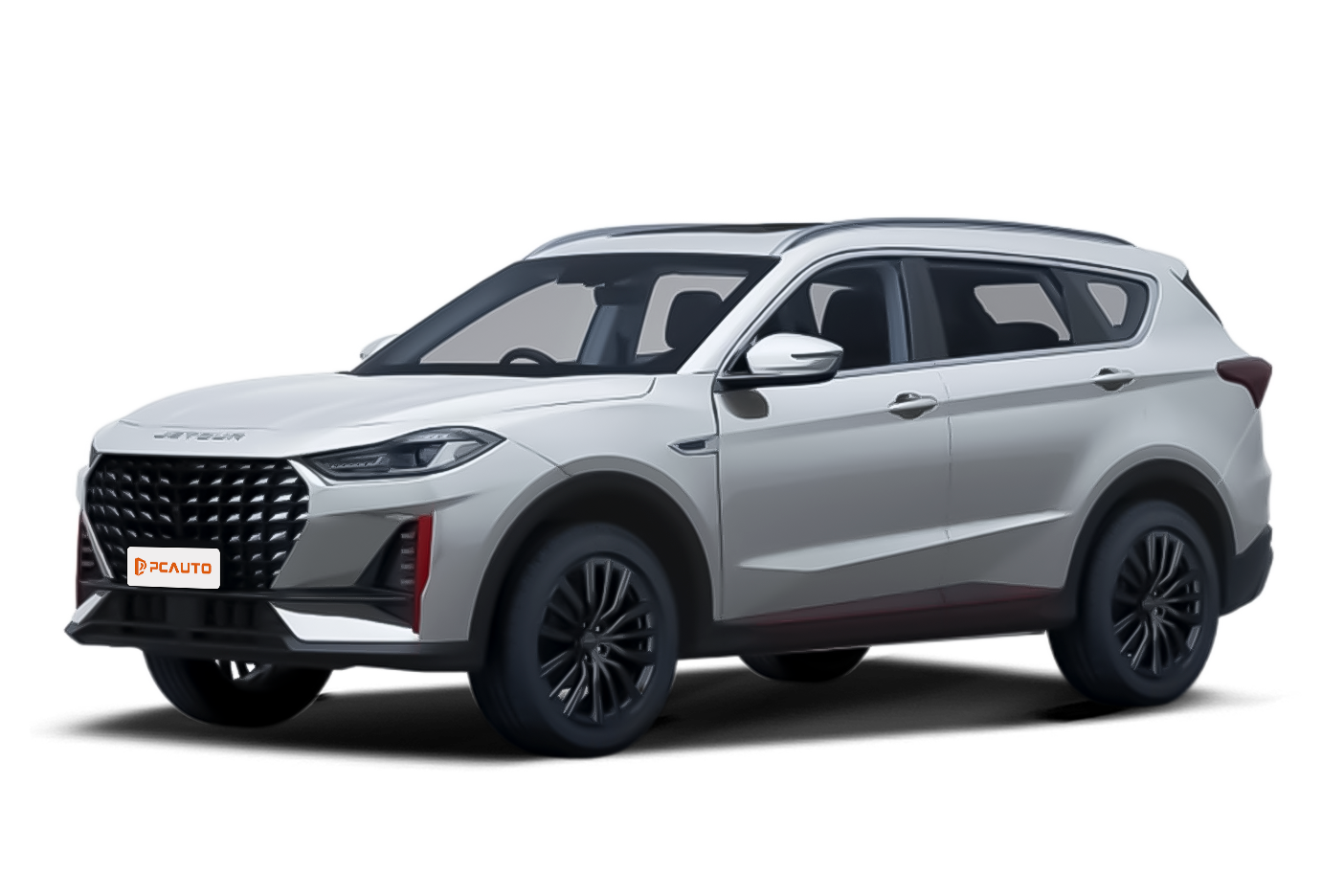
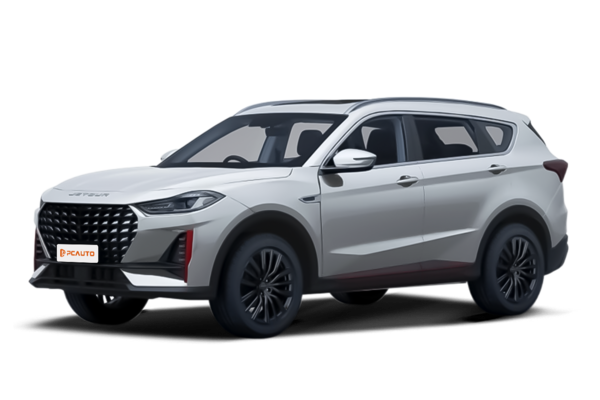
2025 Jetour VT 9 Comfort is a highly cost-effective 7-seater family SUV, featuring practical space, rich configurations, and balanced power, precisely meeting the needs of family short-distance travel.

11
Rank in SUV
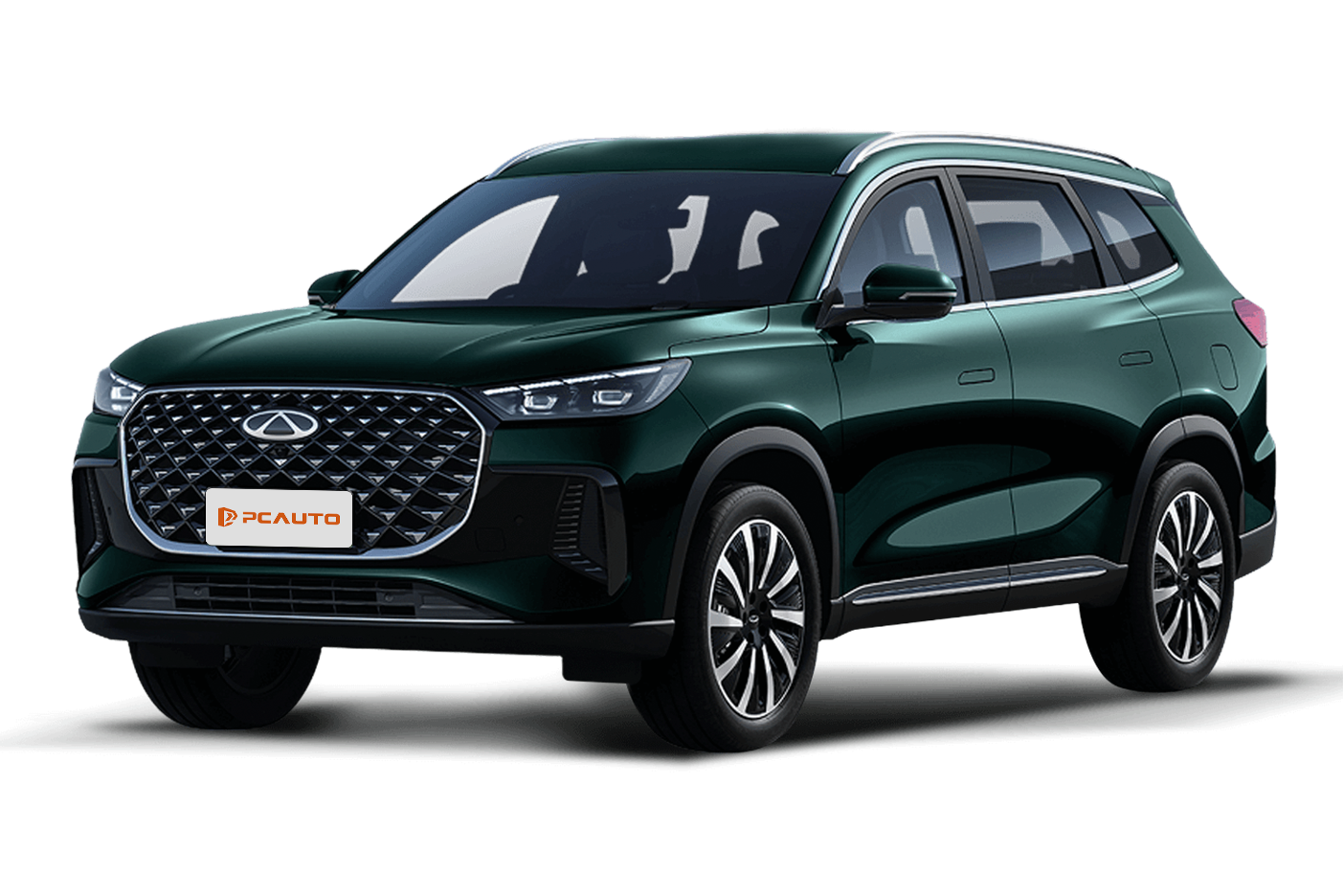
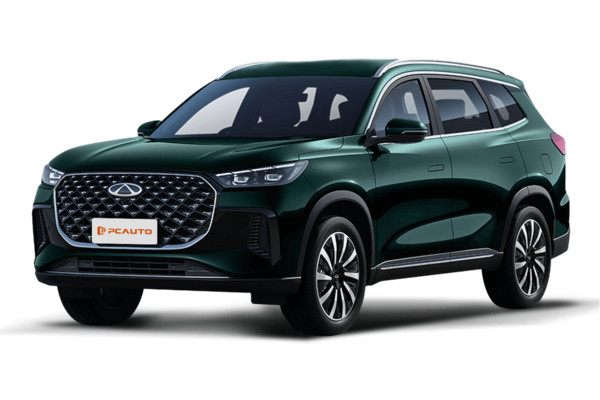
2026 Chery Tiggo 8 is a D-Segment SUV aimed at family users, offering superior configurations, practical space, and smooth power at a high cost-performance ratio, meeting both commuting and light off-road needs.
16
Rank in SUV

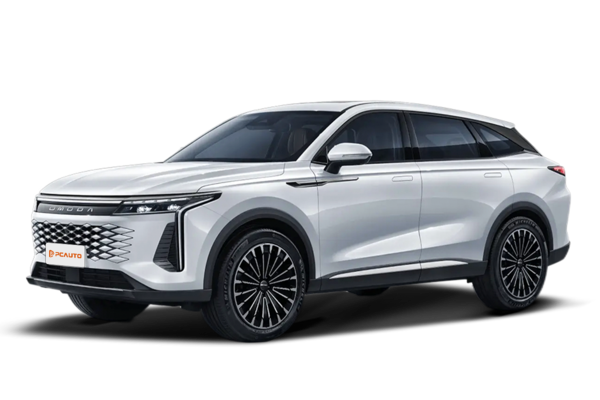
2024 Chery OMODA C9 2WD with 2.0T+8AT powertrain, L2 level assistance, and dual 12.3-inch screens, breaking the stalemate in the D-Segment market and becoming a high-value disruptor.
29
Rank in SUV
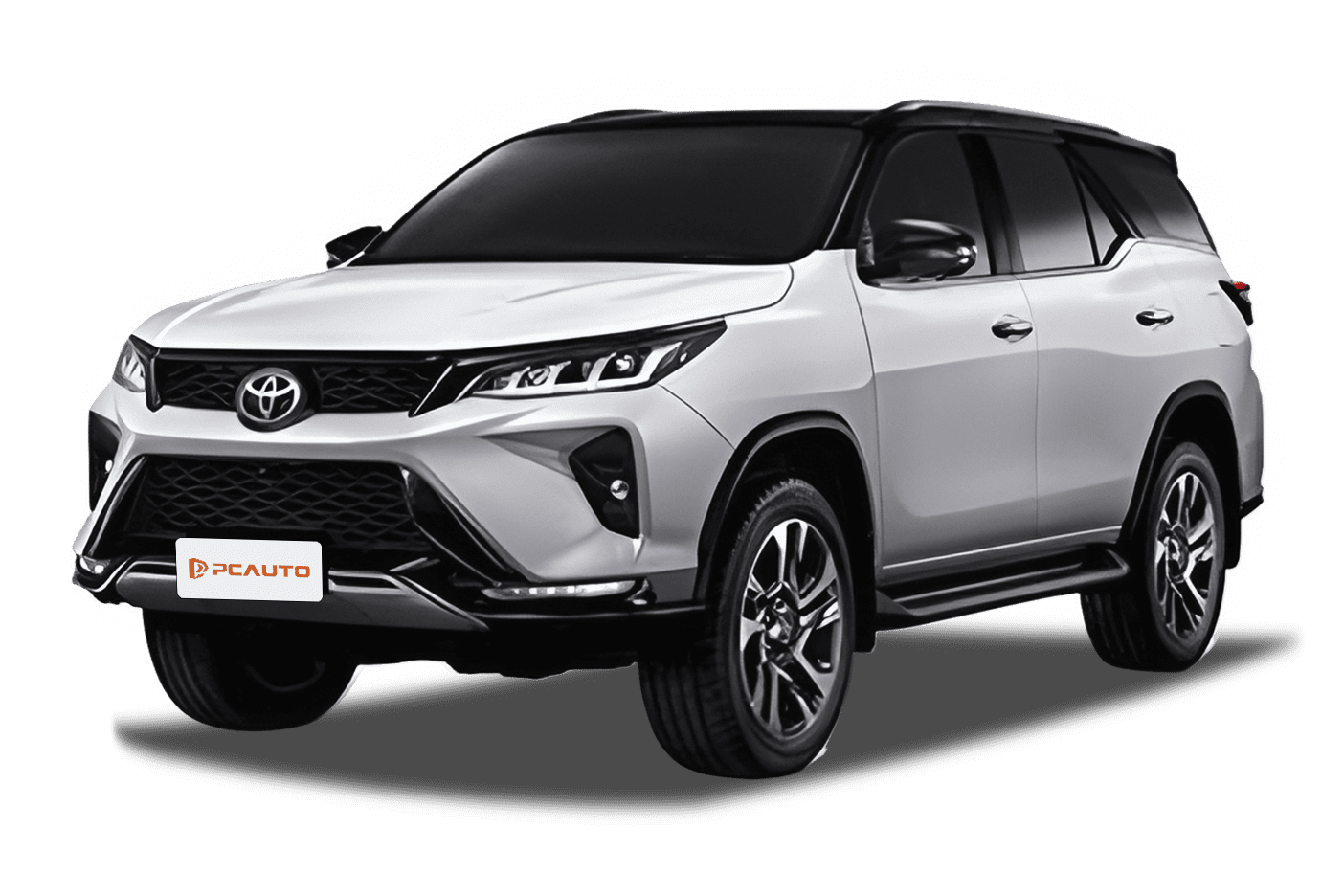
2021 Toyota Fortuner 2.7 SRZ AT 4x4 is a 7-seat SUV that balances family comfort and mild off-road capabilities, with smooth gasoline power and a practical 4x4 system, offering low maintenance requirements suitable for various family scenarios.